
Skip to content
Search

‘It’s a Sex Call!’: Earth, Wind and Fire Singer Shares the Real Story Behind a Wedding Classic

Philip Bailey details the adulterous one-night stand that inspired “Reasons” in an exclusive clip from Questlove’s new documentary

‘It’s a Sex Call!’: Earth, Wind and Fire Singer Shares the Real Story Behind a Wedding Classic

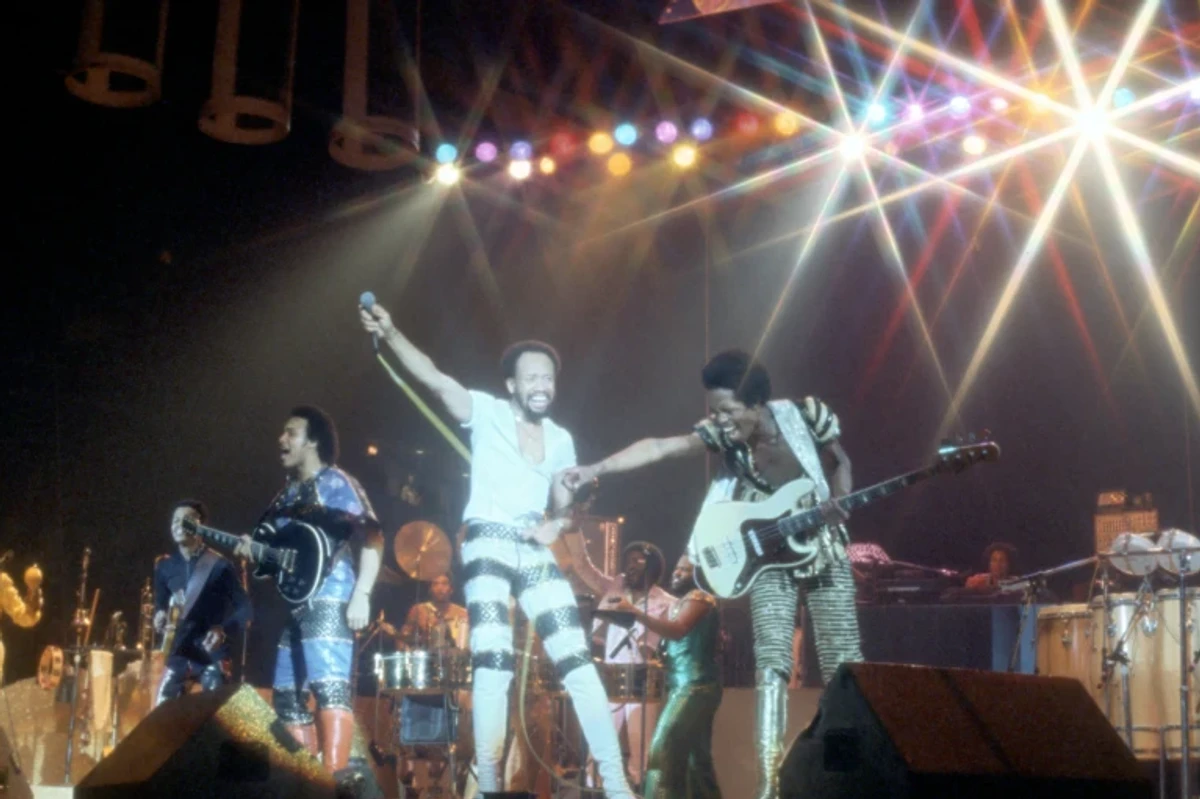
Earth, Wind and Fire’s 1975 song “Reasons” is widely considered one of the defining love songs of the past 50 years. The sweeping R&B ballad, flush with horns and string and a yearning groove presided over by Philip Bailey’s impassioned falsetto, is so synonymous with the rich, full purity of true love that it’s become a wedding staple, soundtracking countless first dances over the decades.

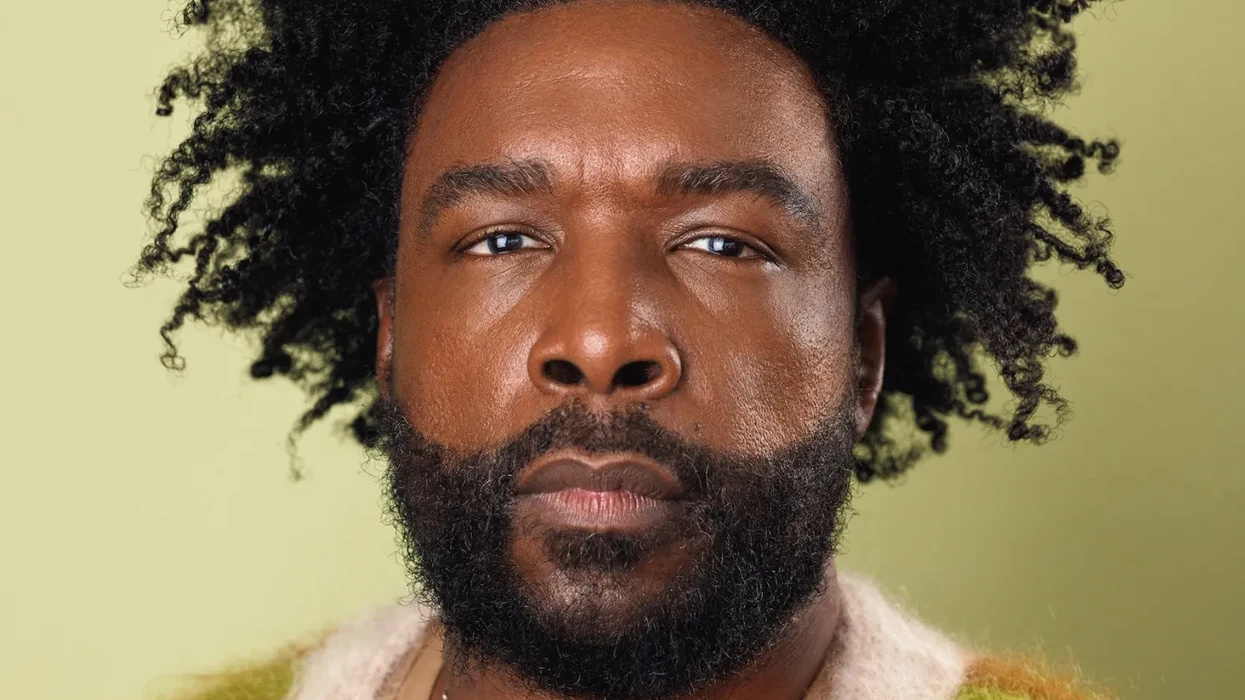
But “Reasons” is not about that. At all. In fact, it’s the exact opposite. In Questlove’s new documentary about the legendary band, Earth, Wind & Fire (To Be Celestial vs That’s the Weight of the World), Bailey finally tells the whole story behind the That’s the Way of the World classic: It was inspired after a one-night stand… with a woman who was in a relationship.


In a new clip from the film, premiering exclusively on Rolling Stone, Anderson .Paak and H.E.R. speak for most people when they explain how they thought “Reasons” was just a regular love song. “I thought ‘Reasons’ was going down the list of all the reasons that he loved this person,” .Paak says with a sheepish smile, while H.E.R. adds: “When you have a falsetto like Philip, he can say anything and you’re gonna be like, ‘This is so beautiful, it’s so romantic!’”

Bailey finally gets the chance to respond with delighted incredulity: “How could people think that this song is a love song?”

As Bailey explains, “Reasons” came about after he spent the night with a woman, then woke up the next morning to hear her talking to someone on the phone. “She’s talking to her dude!” he remembers with a chuckle, adding, “It’s just a sex call! That’s it. So, if you played it at your wedding, I’m sorry.” (Capping off the clip, you can hear Questlove cackling behind the camera while Bailey offers a deadpan smile.)

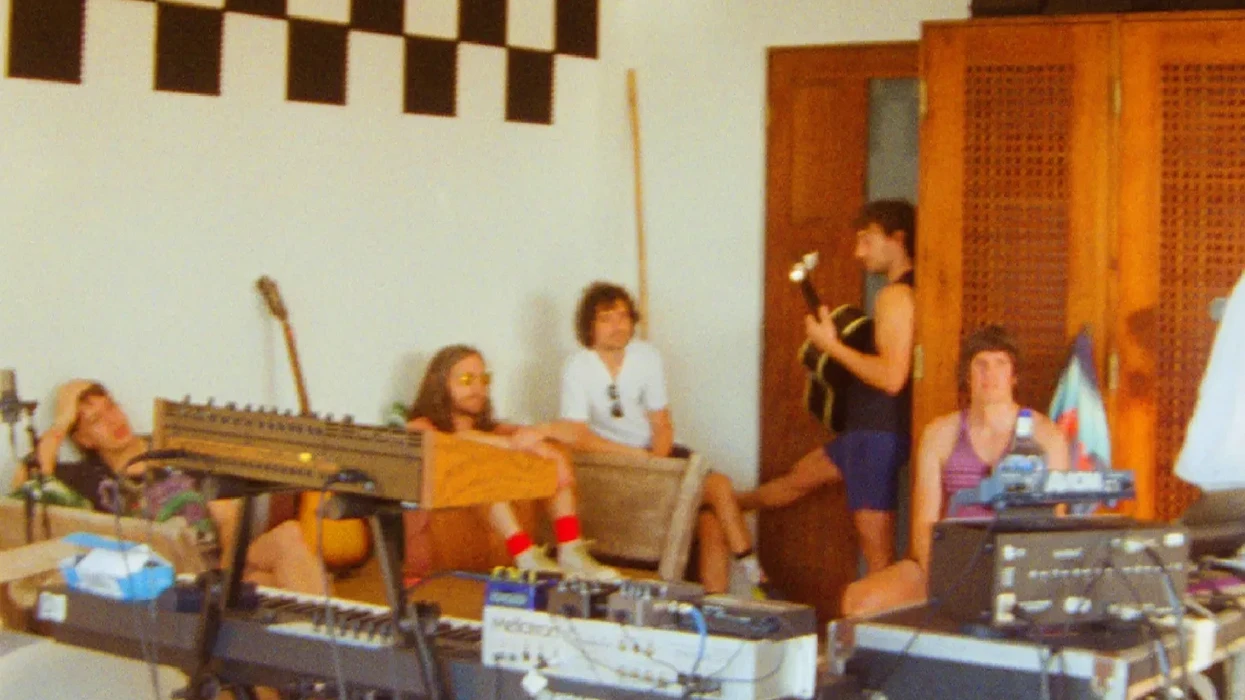
Earth, Wind & Fire (To Be Celestial vs That’s the Weight of the World) had its world premiere at the Tribeca Film Festival, and it’s set to arrive on HBO June 7. The film offers a comprehensive look at the band’s history, music, and legacy, featuring interviews with Bailey and other surviving members of the band, including Verdine White and Ralph Johnson, plus an array of former members. But its center is the group’s founder and leader Maurice White, a complicated musical visionary who created some of the most indelible funk and pop gems while running the group with an iron fist and underpaying most of the other members.

There are also interviews with musicians like Stevie Wonder, Lionel Richie, and Flea. Former president and first lady Barack and Michelle Obama pop up as well, and even provide some commentary on “Reasons,” reminiscing about how it frequently played at high school dances. While Barack remembered if a girl said yes to slow-dancing with you during “Reasons,” that meant a whole five minutes to relish it, Michelle countered with, “If you said yes to a dude that was a little too sweaty, you were stuck!”

More Stories

SadBoi
SadBoi
SadBoi

SadBoi

SadBoi makes music that feels built for motion. Her songs borrow from dancehall, rap, R&B, and club music to create something that feels informed by pop, while staying personal and honest. The energy is restless by design: confidence collides with heartbreak, bravado folds into vulnerability, and the night out often arrives carrying the emotional residue of whatever came before it.

Raised in Toronto and shaped by Caribbean influence, SadBoi has built a world that feels deeply tied to the city’s language, nightlife, and emotional rhythms, even as her audience stretches well beyond it. Her music carries the spirit of Toronto, but refuses to stay geographically fixed, absorbing new sounds and perspectives while remaining rooted in the culture that formed her. For SadBoi, genre matters less than instinct, and identity matters more than expectation.

Keep ReadingShow less
MICO

MICO

Door24

MICO

There was a point where the only way to hear a new MICO song was to be in the room while it was happening, except the room was a Discord call. No rollout, no finished version, sometimes not even a full song yet. He’d play something, and people would react to it right there, saying what they felt, whether it worked, whether it didn’t.

That kind of start sticks with you. You don’t really think about numbers first when you’ve built things that way, you think about whether someone actually felt something. The connection happens early, before anything is packaged or pushed out, and by the time the music reaches more people, there’s already a group that’s been part of it from the beginning.

Keep ReadingShow less
Baby Nova

Baby Nova

Baby Nova created a universe where emotional honesty, theatrical instinct, and internet-age fragmentation all coexist.

Though she once trained in the physically demanding world of high-level circus performance, her music feels less rooted in spectacle than in exposure. Across her work, intimacy and discomfort sit side by side, with lyrics that move between confession, provocation, and self-interrogation. Rather than smoothing those tensions out, she leans into them, allowing contradictions to become part of the experience.

Her songs pull from vintage palettes and contemporary language, creating music that feels untethered from a single era while remaining deeply connected to the emotional realities of her generation. In conversation, she speaks openly about preserving ambiguity, protecting privacy within autobiographical writing, and rejecting the idea that art should always arrive fully explained.

Keep ReadingShow less
Sophia Stel
Sophia Stel
Sophia Stel

Sophia Stel

For Sophia Stel, music starts from a feeling before anything else. The Vancouver artist has created a dreamy and intimate sound, with flecks of indie rock and distorted pop. Her music feels diaristic without becoming overly explanatory, personal while still leaving enough space for listeners to find themselves inside it.

As her notoriety grows, Stel chooses to stay evasive and lets her music speak for itself. Instead, she continues to prioritize instinct, building songs, visuals, and worlds around whatever feels most exciting in the moment.

Keep ReadingShow less
Ikky

Ikky

Warner Music

Ikky

If you’ve been anywhere near Punjabi music over the last few years, you’ve already heard Ikky’s work. The Toronto-born producer, Ikwinder Singh, has been behind some of the records that pushed the sound well beyond its core audience — from Shubh’s “Baller” to his long-running collaboration with Karan Aujla across Making Memories and P-Pop Culture, along with crossover records like “Tell Me” with OneRepublic.

What’s changed over time isn’t just the scale, but where the music is landing. His records are now moving between Punjabi audiences and global pop spaces without feeling like they’ve been reworked to fit either. That comes from how he’s built his sound — rooted in Punjabi music, but shaped by growing up in Toronto, where those influences naturally overlap.

Keep ReadingShow less