


In a heartfelt letter to fans, Carly Simon has revealed she was diagnosed with Parkinson’s disease.
“So many people have written to me, kindly wondering about my relative silence, asking how I am and what I have been doing,” the 83-year-old Rock & Roll Hall of Fame inductee wrote. “The truth is, I’ve been learning how to live with Parkinson’s disease.”
She added: “It has taken me some time to understand the diagnosis, to adjust to it, and to decide how much I wanted to say about it publicly. Parkinson’s is different for everyone, and it can be unpredictable. Some days I’m so tired I can’t get the day moving at all. On others, it gives me a little more room to move, think, work, and feel like myself.”
Simon also shared that she was recently treated for basal cell carcinoma on her face, which removed the cancer. “I have always been more critical of my appearance than anyone else could possibly imagine (check out the irony of having written ‘You’re So Vain’),” she wrote, “and this gave my inner critic quite a lot of new material.”
While Simon acknowledged that these events caused her to withdraw from the public eye (“If a person is allowed to hibernate during both winter and summer, then I have become an all-season bear”), it also resulted in her upcoming album Comes in Waves, which she announced last month. “There were melodies, verses, and ideas written down and tucked away for some unknown future when I would have the time and attention to finish them,” she said. “Apparently, that future is now.”
Comes in Waves, out Aug. 14, marks Simon’s first new album in nearly 20 years, following 2009’s Never Been Gone. The new record was recorded at her longtime home in Martha’s Vineyard and produced by her collaborator Paul Samwell-Smith. Her children, Ben and Sally Taylor, are featured on the album, while Sally created the cover art. The lead single, “Howl,” is out now.
In 2022, Simon was inducted into the Rock & Roll Hall of Fame, 26 years after becoming eligible. “There’s that first thought of, ‘I don’t believe it. It must be the House of Pancakes I just got into,’” she told Rolling Stone at the time. Truly, I was dumbfounded. I thought they must be mistaken.”
Read Simon’s full statement below.
**
So many people have written to me, kindly wondering about my relative silence, asking how I am and what I have been doing. The truth is, I’ve been learning how to live with Parkinson’s disease.
It has taken me some time to understand the diagnosis, to adjust to it, and to decide how much I wanted to say about it publicly. Parkinson’s is different for everyone, and it can be unpredictable. Some days I’m so tired I can’t get the day moving at all. On others, it gives me a little more room to move, think, work, and feel like myself.
The problems began with arthritis in both knees and one hip. I eventually had all three joints replaced, out with the old and in with delicate bouquets of metal and plastic. After three replacement surgeries, I assumed my difficulty walking was simply an unfortunate and rather ironic part of the recovery process.
But my mobility continued to worsen. I had trouble standing up from low chairs and deep couches without someone offering me an arm. Overstuffed furniture became my enemy. Once seated, I could feel as though I had been swallowed by the chair and might remain there permanently, like a guest who had badly overstayed her welcome.
Eventually, there were periods when I could not walk without considerable help. My family and I knew that something more was going on. After an extensive evaluation at the Mayo Clinic, I was diagnosed with Parkinson’s.
I began treatment, including taking medication to help with stiffness and other symptoms. There is no tidy or predictable schedule to the illness. It does not consult my calendar before deciding what kind of day I am going to have.
Parkinson’s is usually associated with movement, tremors, and balance, but it can affect much more than the body. It can bring anxiety, depression, exhaustion, and apathy. The apathy is particularly strange. You can find yourself lying there like a starfish drying in the sun, arms pointing in all directions, while nothing inside is telling you to get up, read, watch, write, sing, call someone, or do much of anything at all.
That has been one of the hardest things to explain. It is not simply sadness or laziness. It is as though the part of the brain that sends out invitations to participate in life has temporarily misplaced the guest list.
During this same period, I was also treated for basal cell carcinoma on my face. The cancer was removed, but the surgery affected my appearance and made me more self-conscious about being seen in public. I have always been more critical of my appearance than anyone else could possibly imagine (check out the irony of having written “You’re So Vain.”), and this gave my inner critic quite a lot of new material.
Between my mobility issues, the Parkinson’s diagnosis, the surgery, and the emotional effects of it all, withdrawing from public view was the most palatable reaction. If a person is allowed to hibernate during both winter and summer, then I have become an all-season bear.
But I have not stopped living, and I have not stopped working.
In the middle of all this, I began recording a new album, Comes in Waves. That still feels mysterious to me. Music has always known when to arrive. It has rescued me more times that I can count. It is like a cat or dog that quietly appears beside you when it senses you are not quite yourself.
The album includes songs and fragments of songs that had been waiting for me, some for years. There were melodies, verses, and ideas written down and tucked away for some unknown future when I would have the time and attention to finish them.
Apparently, that future is now.
Working on the music gave shape to days that did not always have much shape. It gave me somewhere to go without having to leave the room. It reminded me that illness can change your life without becoming the whole of your life.
I do not consider Parkinson’s a gift or a blessing. It is neither. It is difficult, frustrating, and sometimes frightening. I am still learning how to live with it and how to accept it without feeling that I have surrendered something essential.
I am still writing, singing, imagining, laughing, worrying, remembering, and occasionally getting trapped in an overstuffed chair.
I am deeply grateful to my children, my family, my friends, my caregivers, and the medical professionals who have helped me through this. Their love and patience have carried me through days when my own reserves were not enough.
I wanted to share this now because so many people have reached out with genuine concern. I am touched by that concern, even when I have not known how to respond.
These days I move more slowly, I lean on others more than I once did, and I have learned to accept that every day will look a little different. But I am still very much here.







 Steve Cohen*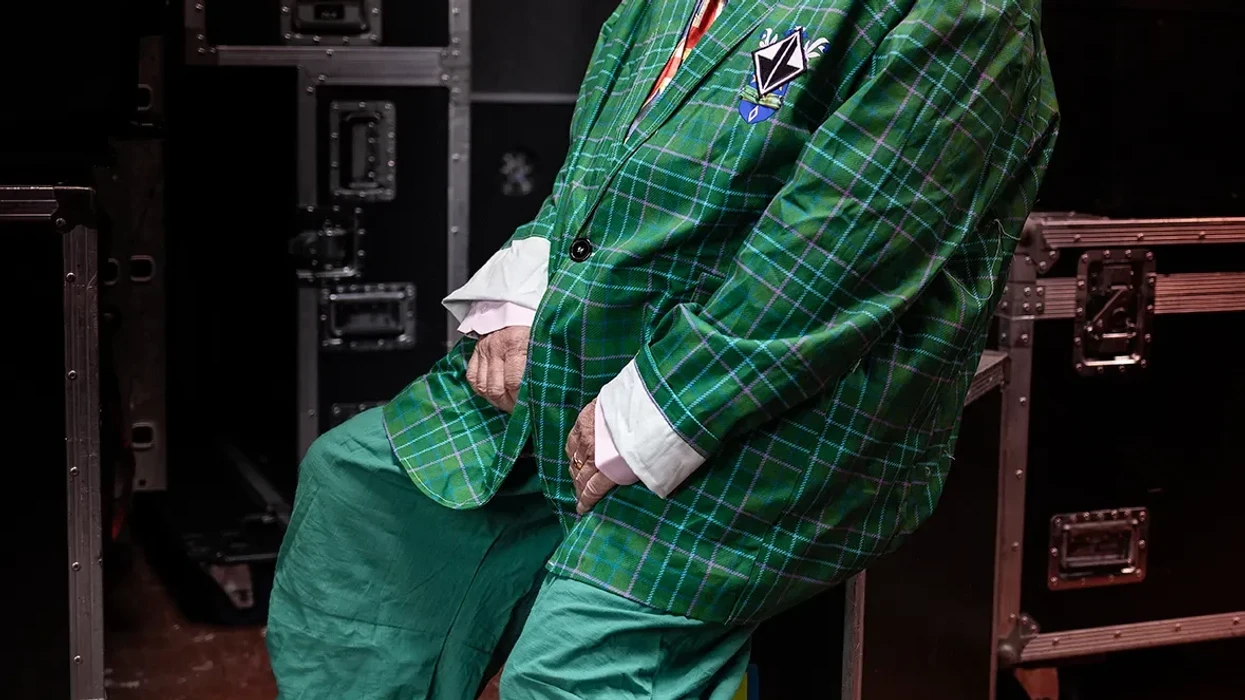
 Paul Heartfield*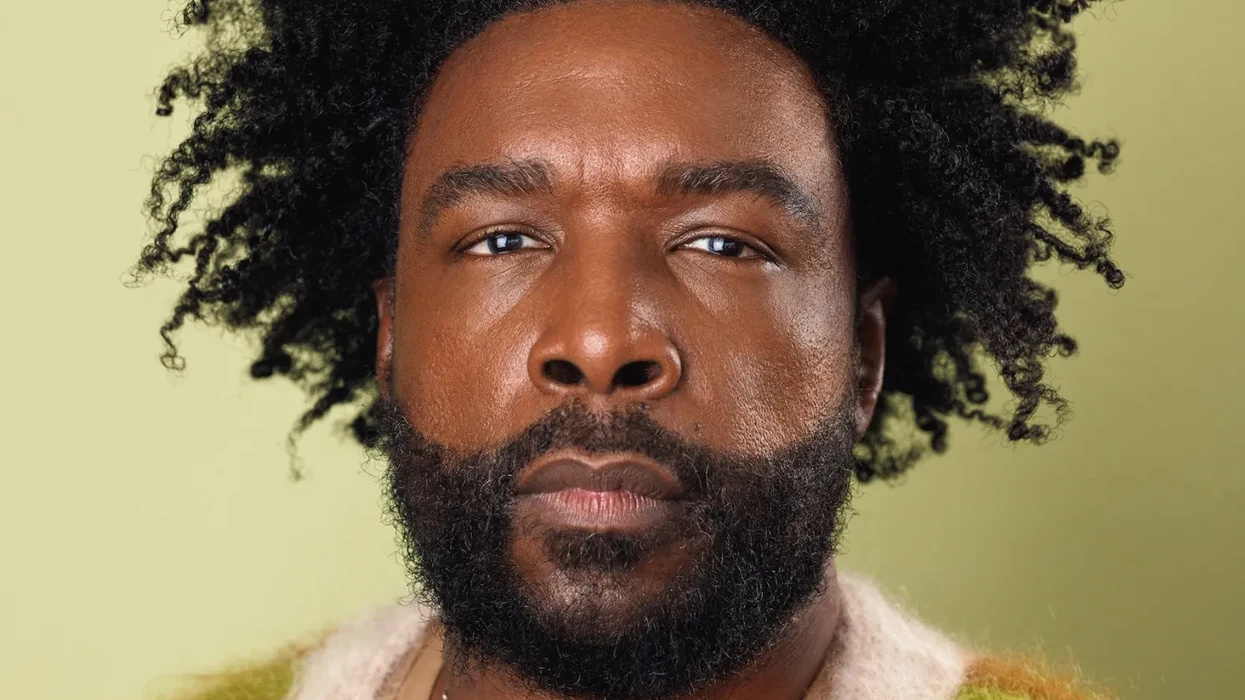
 Ziwe and Roy Wood Jr.Terrell Phelps*
 Michelle Buteau (center) and friends Terrell Phelps*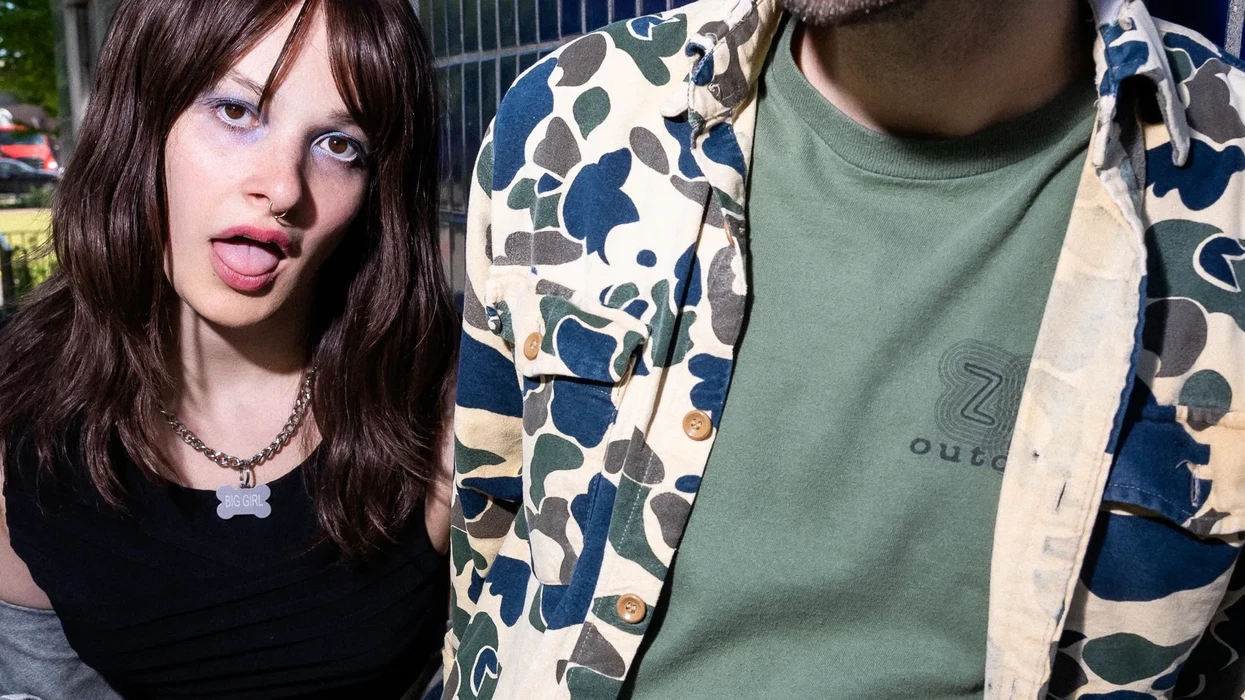
 Holzman and Hughes at the Lincoln Memorial Reflecting Pool.Courtesy of Ekko Astral
 Holzman and Hughes in Brooklyn, May 2026.Griffin Lotz for Rolling Stone