
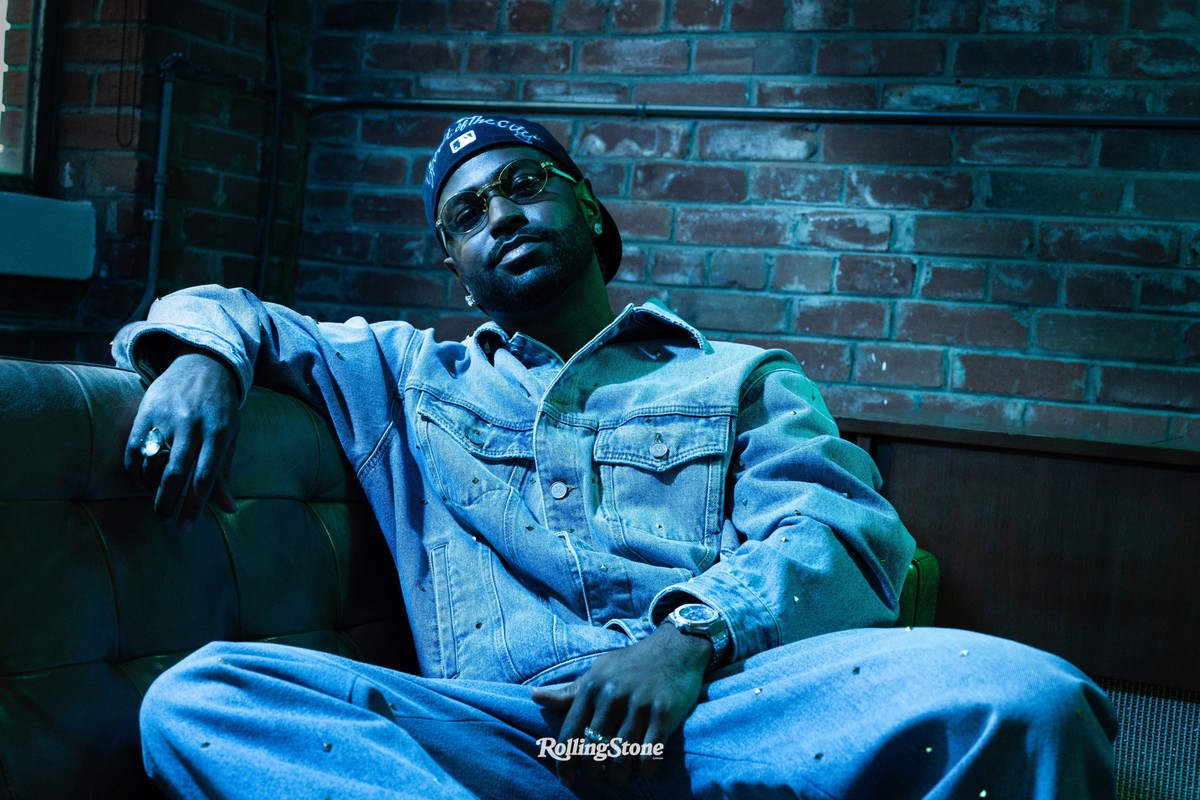

The first time Big Sean appeared on television, he wasn't promoting a record, celebrating a charting single or introducing himself to the world. He was just another teenager on a school trip to Toronto when someone from MuchMusic asked whether anyone in the group had a hidden talent. One classmate volunteered to recite the alphabet when Sean raised his hand and said that he rapped. Minutes later, he found himself performing live on television for the first time.
"I ended up rapping on MuchOnDemand. It was my first time being on live television, rapping, and it was unexpected," he recalls. "Some people were like, 'I think one of my classmates burped the ABCs or something,' and I was like, 'I rap.'"
At the time, it was simply another school trip. There was no reason to believe that Toronto would become a recurring part of Sean's story, yet the city has a habit of reappearing at pivotal moments in his career. Less than a decade after that impromptu television debut, he was back at MuchMusic premiering his own music videos as one of hip-hop's brightest young stars. Earlier this month, he returned again, performing at adidas' Home of Soccer during the FIFA World Cup festivities, almost twenty years after first arriving as a teenager who'd volunteered to rap because no one else would.
"I always have fun in Toronto," he says. "There's such a relationship between Toronto and Detroit in so many ways. So many people have family in Toronto and go to Toronto. I've always had a relationship with Toronto early on since, like, eighth grade. This is the first time I went out there on a class trip. It's cool. I get a sense of love. It's kind of like going to see your cousins when I go to Toronto."
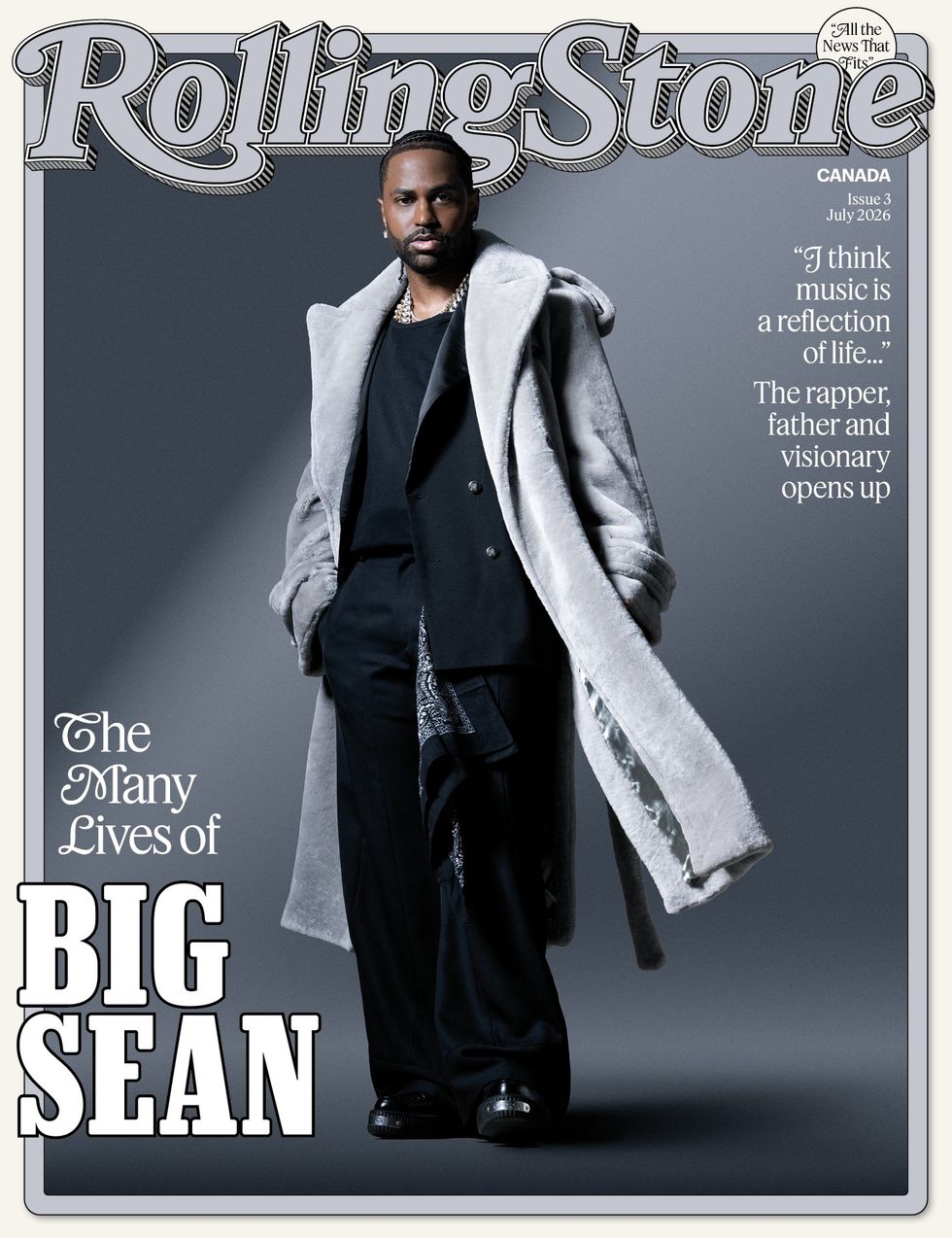 Big SeanBig Sean photographed by Lane Dorsey in Toronto in July, 2026. Phoebe Philo coat, Mayer suit and VSP Consignment Gucci shoes.
For much of his career, Toronto and Detroit (Sean’s home city) have shared more than proximity. The two cities have long exchanged artists, audiences and influences, and Sean's own journey has unfolded alongside that relationship. He came of age during the final years of music television, built a following through blogs and mixtapes before streaming permanently altered the industry, and has somehow remained relevant through every shift that followed.
"I kind of caught a very special moment in culture before things completely shifted to digital," he says. "I even got to go see TRL with Kanye [West], one of the last episodes of that. I got to be on 106 & Park a few times before that ended too. I kind of caught a very special moment in culture before everything shifted to the internet."
Few artists have experienced as many different versions of the music business from the inside. Sean remembers a time when television premieres could transform a career overnight, when mixtapes travelled through blogs and forums instead of playlists, and when success was measured very differently. Yet, despite everything that's changed around him, the biggest shift hasn't been the industry itself; it's been time.
"I've given my whole life to this," he says. "I'm one step away from being a childhood star."
He signed his first record deal at eighteen, young enough for music to define almost every chapter of his adult life, but old enough, he says, to experience a childhood before fame arrived. It's something he has come to appreciate more with age, particularly after watching friends and collaborators who entered the spotlight far earlier than he did.
"I still got to protect some of my innocence," he tells Rolling Stone Canada. "When I was talking to Justin Bieber, he's given his whole life. A lot of people's childhoods, in some ways, got robbed a little bit. They had to live a more grown-up life at such an early age of managing a career and performing. So I am blessed to have gotten in when I got in. Obviously, I still feel like I have so much more to do as well. That's another beautiful part of it. Life just keeps evolving."
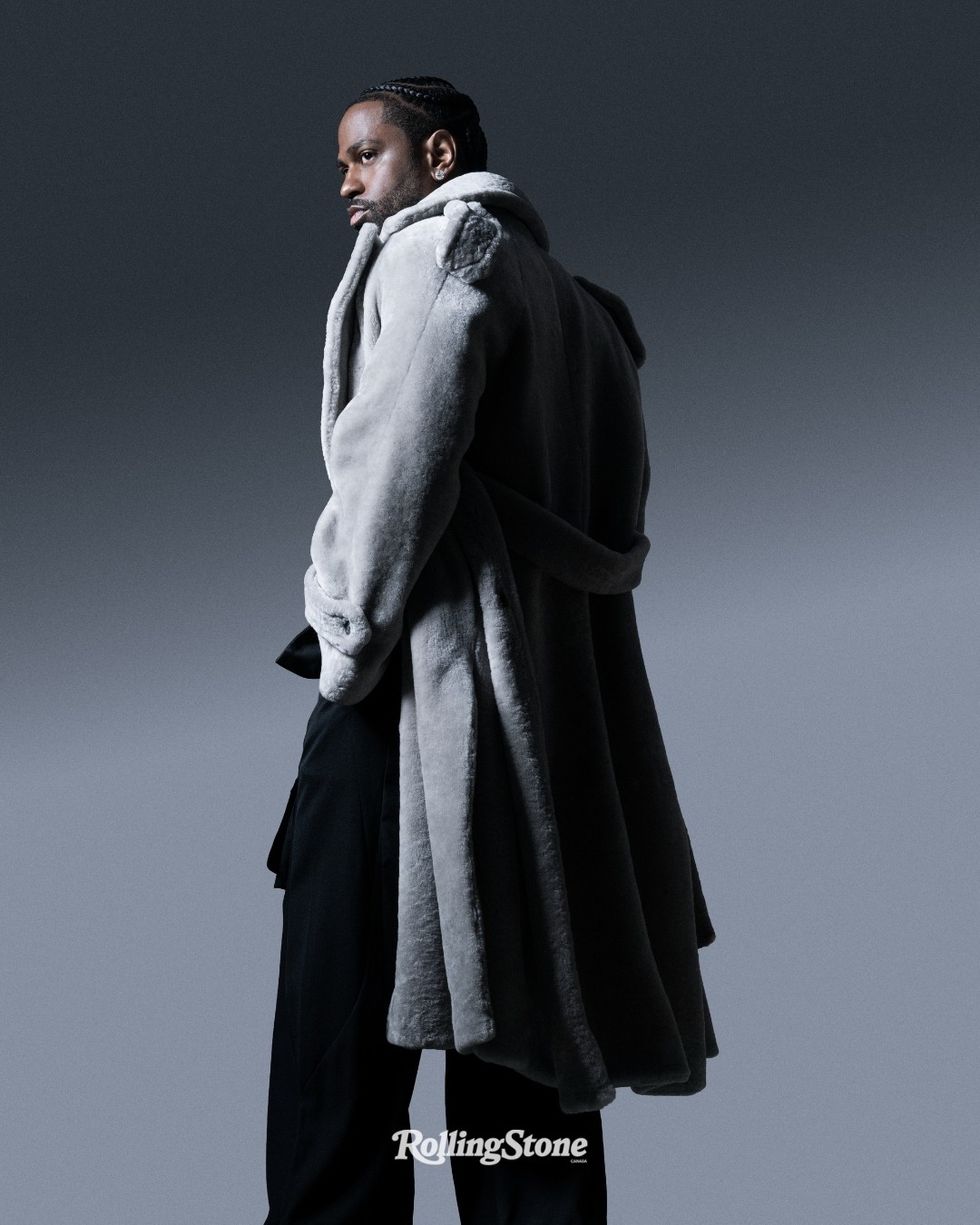 Big Sean Big Sean photographed by Lane Dorsey in Toronto in July, 2026. Phoebe Philo coat, Mayer suit and VSP Consignment Gucci shoes.
If the first half of Sean's career was defined by momentum, the next seems to be shaped by perspective. New music is finally on the horizon after a relatively quiet stretch, but when I ask what's occupying him most these days, it isn't the first thing that comes to mind.
"The most exciting thing happening in my life right now is... the music I'm making, is one of the things I'm most excited about because I'm kind of getting fed up with not having new music out," he says, laughing as he catches himself. "And then the most exciting thing, singular thing, is my three-and-a-half-year-old. Big boy. That's my son and also my other sun, S-U-N, because I feel like my world revolves around him just like the Earth revolves around the sun."
Music may still be the centre of Sean’s career, but it no longer sits alone at the centre of his life. Over the next several minutes, the conversation drifts naturally away from albums and performances to the everyday moments that now shape his routine. His son, he explains, has an ever-changing list of fascinations. At the moment it's volcanoes. Before that it was planets and space. Garbage trucks have become another obsession and, somewhere between all of that, he's developed into an unexpectedly gifted little athlete.
"He's amazing. He's into music, but he's into a lot of things. He's multifaceted and multi-interested in things. He really loves volcanoes right now. He's into garbage trucks and space and planets. He's a very good athlete as well. Since he was one, he started walking pretty early, and he's been on a trampoline since then, so his dexterity and his balance are really, really good. He can run real fast.”
There isn't much distinction between the way Sean talks about his son and the way he's spoken about music throughout our conversation. Both are animated by the same sense of joy.
"I'm not one of these check-in-once-a-month type dads," he adds. "I'm like a daily dad. I cook for my son. He got me being like a real chef now because he only eats yummy food, so I make sure I make the best food I can for him to his liking. I dedicate a lot of time, so it's taught me to be more intentional with my schedule."
Becoming a father hasn't simply changed Sean's life; it has changed the way he thinks about making music too. Ask whether parenthood has found its way into the studio and he isn't talking about writing songs for his son or consciously approaching records differently. Instead, he describes it as another chapter of life to draw from, one that has given him a deeper well of experience every time he sits down to write.
"I think it helps the music. I think the music is a reflection of life. If you don't have life to reflect on, then what are you really talking about? I feel like the more life I live, the more experiences I have, the more I have to say."
The music he's preparing to release next reflects that outlook. Rather than framing it as a reinvention or the beginning of another chapter, he speaks about it with the confidence of someone who no longer feels compelled to chase expectations, choosing instead to make records that honestly reflect where he is today. "What you can expect is just me applying everything that I've learned thus far, and also just expressing myself and having fun. I think you'll get a sense of where I'm at in my life when you hear it, and you'll also get a sense of tiebacks to where I'm from and also tiebacks to my upbringing."
Rather than comparing the record to his most recent work, Sean also finds himself thinking much further back, to the freedom he felt when he first started making music.
"I [also] feel like the music that I've been making lately kind of reminds me of some of my earlier work,” he says. “It's a lot of fun. There are still levels of consciousness to it because I've always been that, too. Even in songs that were turned up, I always put a level of consciousness to it too. But it's just free and fun." It's a subtle distinction, but an important one. Sean isn't trying to recreate an earlier version of himself. If anything, he's rediscovering the mindset that first made making music exciting.
That same outlook extends to the people he chooses to work with. When asked who has been inspiring him lately and the conversation quickly expands beyond his own music, becoming less about guest appearances than the relationships that continue to shape the way he works.
For someone whose catalogue spans collaborations with everyone from Eminem, Post Malone and JAY-Z to Pharrell, Calvin Harris, Ariana Grande and Justin Bieber, Sean has never approached music as though it exists within neatly defined boundaries. Rap has always been the foundation, but curiosity has shaped almost everything else. He speaks about collaborators less in terms of profile than possibility, drawn to artists who push him creatively rather than simply expanding his reach.
"Throughout my career, I’ve gotten to collaborate with a lot of incredible people," he says proudly. "I've gotten to collaborate with Calvin Harris and Katy Perry and Pharrell. I've gotten to collaborate with Justin Bieber. I've gotten to collaborate with Nas and Jay-Z and Eminem and obviously Kanye [West]. I've touched quite a few different sides of music, and that's something that I'm proud of because it never once felt forced or weird for me."
That same curiosity continues to shape the music he's making now. Rather than rattling off the biggest names in his phonebook, he begins talking about the people whose work has genuinely inspired him. Inflo is one of the first names he mentions, followed by Cleo Sol, two artists he's admired for years and still hopes to work with. "They're incredible," he says simply, before turning to another long-time collaborator.
The conversation soon shifts to Kehlani, whose collaboration with Sean on "Lights On" grew out of his work with the album's executive producer, Khris Riddick-Tynes. "I've known Kehlani for a long time, so it was great that we made that happen," he says. "I've also been working with her executive producer Khris Riddick-Tynes, who basically helped craft that whole Kehlani album."
Then comes Leon Thomas.
The change in tone is immediate. Sean has known Thomas since long before the singer emerged as one of R&B's most exciting new voices, working with him first as a producer before eventually becoming collaborators. Listening to him describe Thomas' recent rise feels less like hearing one artist praise another than watching someone celebrate a friend finally getting the recognition they always believed was coming. "I've worked with Leon for years now, just as a producer," he says. "I'm so proud of him because he's just taking off. I remember when 'MUTT' came out, I texted him straight away. I was like, 'Bro, this one is hitting different.' We collabed on the 'Vibes Don't Lie' remix and 'Party Favors' off his album, and we've got more music coming too."
That same sense of authenticity carried into one of his most talked-about moments this year, when he made a surprise appearance during Justin Bieber's Coachella set, reuniting with the pop star years after the pair first collaborated. Midway through the performance, Sean paused to speak directly to both Bieber and the crowd, delivering an impromptu message about resilience, faith and the importance of looking after one another. The speech quickly spread across social media, with fans praising its sincerity and Bieber later calling it "beautiful."
Sean smiles as he remembers what happened afterwards. Bieber told him, "Bro, you was dropping so many bars." It's a friendship he speaks about with genuine warmth. Beyond the iconic Coachella moment and conversations, he also speaks warmly about watching Justin and Hailey step into parenthood while continuing to live under an extraordinary level of public attention.
"I'm happy for him," Sean says. "I'm happy for Hailey. I'm happy they're raising their family and doing their thing. It's beautiful to see."
Big Sean has watched the music industry reinvent itself several times over. Rather than debating whether one era was better than another, he's more interested in how artists are navigating the one they're in now. "What excites me the most is that hip-hop [and the music industry] is in a different place," he says. "I wouldn't say weird. It's just in a different place because, for the first time, everything is accessible to the same degree and with that comes a lot of traffic."
Rather than speaking in broad industry terms, he reaches for a recent conversation that perfectly illustrates the point. One of his hairstylists had been talking about how much she loved Kehlani's music, so naturally he asked what she thought of the singer's latest album. The response caught him off guard. She hadn't listened to it because she hadn't even realised it had been released.
"You can be a fan of somebody who has such a big album promotional run and still not see it because life is happening," he says. "There's just a lot of traffic on the internet."
Sean doesn't see the shift as a good thing or a bad one. Just a different one. The battle isn't for access anymore; it's for attention. Even so, he believes artists today have more freedom than ever before. "I feel like there is an audience for everyone. People can be themselves and play to their audience instead of having to play to an algorithm. They don't have to play to having a hit record anymore. They don't have to play to having a number one song on the radio,” he says. “You just have to play to whatever satisfies you, and people can attach to that."
It's a perspective shaped by years in the industry. Long before platinum records and Grammy nominations, Sean had already built a fiercely loyal following through his Finally Famous mixtapes, often filling venues before record executives fully understood what was happening. Toronto was one of the first places where that support became impossible to ignore.
"I remember when I was doing my mixtapes and I put out Finally Famous Volume 3: Big. I had a meet and greet in Toronto and it was so packed there were thousands of people outside. Then I walked in and there were thousands of people inside. That brought me to tears because it was such a big difference from what it used to be for me."
Even now, it's one of the few stories he tells with genuine disbelief, as though that version of his career still catches him off guard.
But again, for Sean, it felt like a breakthrough, but the label saw it differently. "They were like, 'That's cool, but we still need a hit record because we're invested in you. These mixtapes are cool, but we're not making any money off DatPiff and LiveMixtapes.'"
That hit eventually arrived with "My Last," the Chris Brown-assisted single that became the commercial breakthrough his label had been waiting for. Bigger milestones followed. This week, his 2014 anthem "I Don't F**k With You," featuring E-40, was certified Diamond by the RIAA, becoming one of the biggest-selling singles of his career. Looking back, there's no bitterness in the story. It simply reflects a different set of expectations. Sean's generation was measured by radio and commercial hits. Today's artists, meanwhile, are navigating streams, engagement and algorithms that shift by the day.
That perspective also explains why Sean talks about younger artists with genuine excitement rather than competitiveness. Whether it's Leon Thomas finding his moment or producers like Khris Riddick-Tynes shaping records behind the scenes, he speaks about their success as though there's room for everyone.
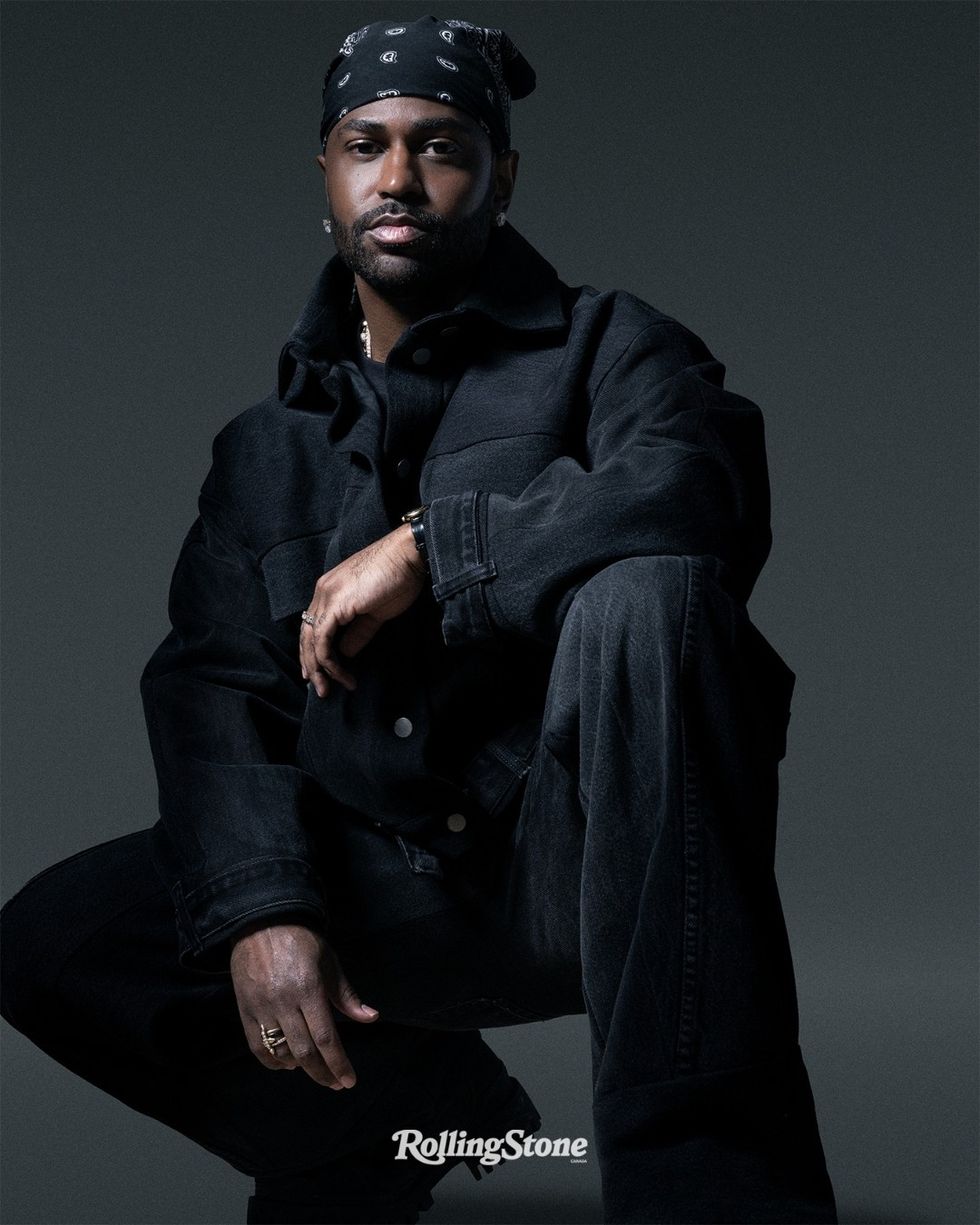 Big SeanBig Sean photographed by Lane Dorsey in Toronto in July, 2026. Jacket and jeans by Re-pull, shoes by Balenciaga.
That instinct to create opportunities for other people eventually pulls the conversation back to Detroit, the city that has remained the constant throughout every stage of his career. Because for all the places music has taken him, it's home that continues to shape where he invests his time, his energy and, increasingly, his legacy.
Detroit has never been something Sean wears as part of his identity, pretty much because it's woven into the decisions he makes. Over the last few years, that commitment has become increasingly visible, whether through the Sean Anderson Foundation, community initiatives across the city or his expanding role with the Detroit Pistons (a professional basketball team based in Detroit, Michigan), where he now serves as Creative Director of Global Experience. It's a position that formalises a relationship years in the making, but one he still speaks about with the excitement of a lifelong fan.
"I used to wait outside Pistons games in the freezing cold hoping to catch Rip Hamilton walking into the arena," he says, laughing. "Just hoping to get an autograph." Years later, he's helping shape the experience around the team he once waited outside to meet. "It's a dream come true," he says. "To represent Detroit in that way... it's crazy."
The role goes well beyond appearances or ambassadorial duties. Earlier this year, Sean helped launch Creatives Across Continents, an initiative inviting artists and designers to create original work inspired by Detroit basketball. It's exactly the kind of project that sits at the intersection of everything he's become interested in over the years, bringing together music, sports, fashion, visual art and the city that continues to inspire all three.
The Pistons, however, are only one part of a much broader commitment to Detroit. Through the Sean Anderson Foundation, education has become a particular focus, with scholarship programmes, school partnerships and community initiatives designed to give young people access to opportunities that simply weren't available when he was growing up. Last year, alongside Usher, he helped launch the Detroit Entertainment Innovation Incubator at the Boys & Girls Club inside Michigan Central, a creative hub equipped with recording studios, podcast facilities, filmmaking resources and production technology that introduces students to careers far beyond the spotlight. "You don't have to be the rapper," he says. "You can be the engineer. You can be the producer. You can direct videos. You can write. There are so many different jobs in this business."
For Sean, the point has never been creating more stars. It's making sure young people know there are countless ways to build a career in music and entertainment. "I got suspended for selling CDs in school," he says, laughing. "Now there's a recording studio in that same school." He laughs at the irony. Years after getting into trouble for selling CDs, the same school now has a studio where students can create their own.
Recognition has followed along the way. Detroit has honoured him with a key to the city. There's a street bearing his name, murals celebrating his career and an official Big Sean Day. Yet those milestones seem to matter less to him than what they represent. Growing up, he remembers people questioning whether he was really from Detroit because he was born in California before moving to Michigan as an infant.
"People tell me that all the time, 'He isn't from Detroit for real. He was born in Santa Monica,'" he says with a laugh. "But I moved to Detroit when I was one month old. I had my first piece of food in Detroit. I probably opened my eyes for real for the first time in Detroit. Everything I know is Detroit."
The criticism barely registers anymore. "People are gonna say whatever they want to say," he says. "I can't even give the energy into correcting people because I have a whole mission that I'm trying to accomplish."
The answer comes without hesitation. For Sean, Detroit has never been about where he was born. It's where he grew up, where he found music and where, years later, he's chosen to invest so much of what that music has given him.
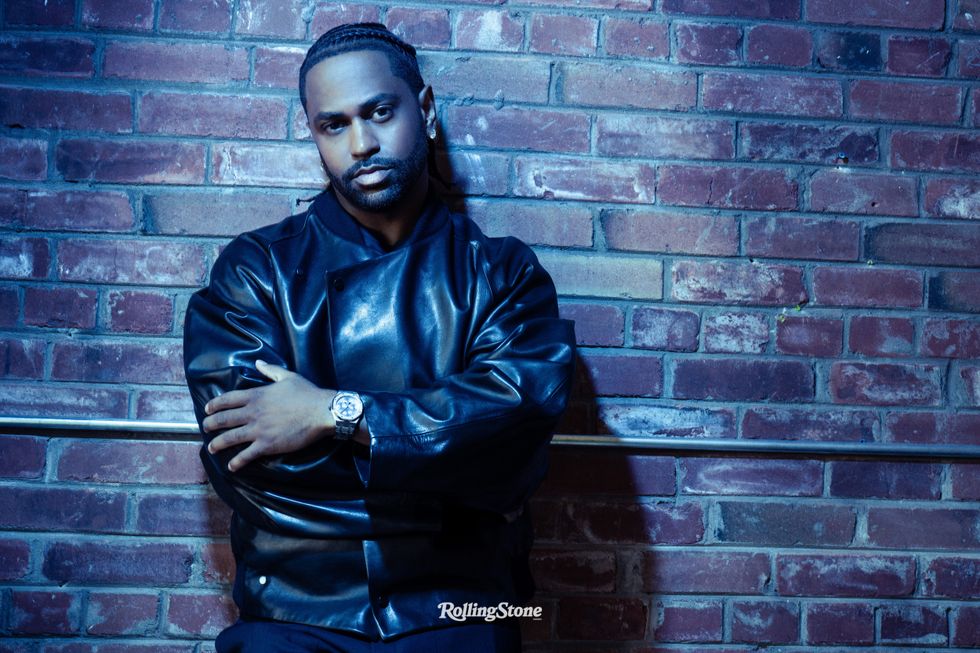 Big SeanBig Sean photographed by Lane Dorsey in Toronto in July, 2026. Jacket by Fear of God (Harry Rosen).
For all the different roles Sean occupies today, rapper, author, creative director, entrepreneur, mentor, they all seem to stem from the same instinct. He's no longer interested in creating simply for the sake of creating. Whatever he chooses to pursue has to feel like it adds something, whether that's to his own life or someone else's. Music remains at the centre of everything, but it no longer has to carry the full weight of who he is.
That philosophy eventually found its way onto the page. In 2025, Sean released Go Higher, his first book and a New York Times bestseller. Years in the making, it drew on journals, observations and personal experiences he'd been collecting long before the idea became a finished manuscript. Rather than a memoir, Sean describes it as "a book of strategy" and "a book of alignment," one he hopes can help people who feel stuck, uncertain or in need of direction.
Getting it finished, however, took a push of its own and that came during a conversation with global bestselling author and award-winning podcaster, Jay Shetty.
Sean remembers talking about the people he admired most and the conversations he always believed there would be time to have. Nipsey Hussle. Kobe Bryant, other friends and peers whose deaths had forced him to confront how quickly life can change. "I always wanted to," he recalls telling Shetty about writing a book, "but maybe just later on."
That’s when Shetty stopped him, and said, "Man, you just sat up here and talked to me about how you were supposed to hang out more with Nipsey Hussle, how you were supposed to get in the studio with Kobe and all of these things and friends you've lost. Bro, you never know. You can't count on time always being there. You have to do it. If you have the opportunity and you have the vision and foresight to do it, then you need to do it right now."
"It really struck me to the core," Sean says. "I got on it. He linked me with his publishers and we made it happen." Today, Sean sees Go Higher as another way of sharing the lessons that have helped shape his own life, something practical that people can return to whenever they need it most. "I wrote the whole book myself. I had people helping me organise it, but it's a book of strategy. It's a book of alignment. It's for people who feel stuck in any way or feel like they don't know what's next for them. It's a very useful tool to get ahead."
Finishing the book wasn't an endpoint so much as another chapter. New music is finally on the horizon, but it's only one part of a growing list of creative pursuits. "I'm excited to be the authentic me," he says. "To give new music, some of the other projects I've been working on."
That list also includes CTRL + ALT + DELETE: A Blog Era Celebration, the one-day event Sean will perform at alongside Miguel at the F&M Bank Amphitheater in Long Beach, California, this September. Bringing together fellow blog-era pioneers and longtime peers including Dom Kennedy, Curren$y, Casey Veggies, The Cool Kids, Pac Div, Chip Tha Ripper, U-N-I and Max B, the event reflects the creative community Sean has grown alongside over the years.
Another project, however, is one he can only hint at for now.
"There's a show that hasn't been announced yet, so I won't give too many details, but it's on a big network. I'm one of the main characters doing voice acting." For someone who grew up immersed in anime and animation, it's another unexpected chapter in a career that has continually expanded beyond music. "I'm a huge anime fan. I'm a huge animation fan as well," he says. "So that's a dream come true."
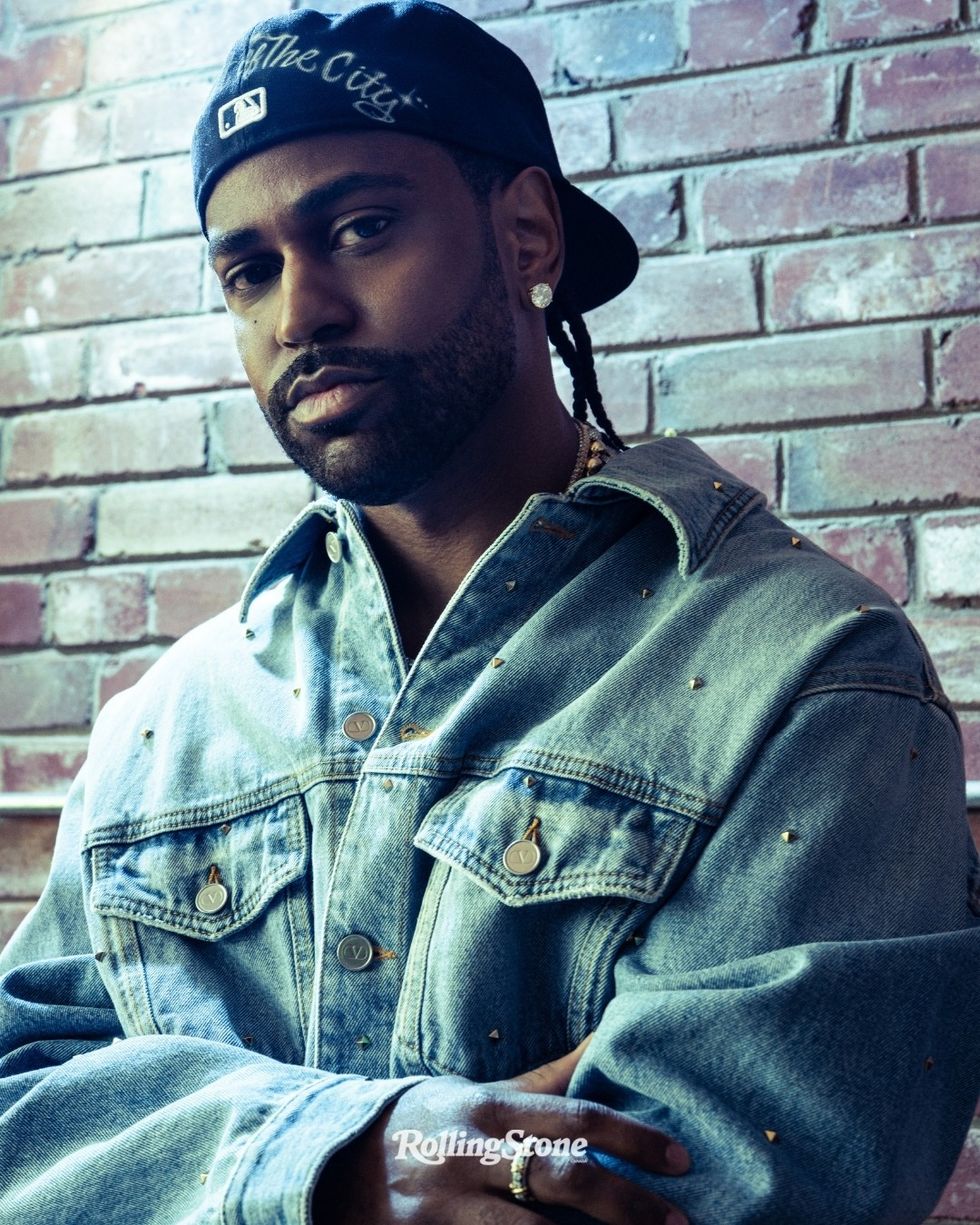 Big SeanPhotographed by Lane Dorsey for Rolling Stone Canada. Jacket and jeans by VSP Consignmen (Valentino).
It's hard to imagine the teenage Sean who first volunteered to rap on live television in Toronto mapping out a career quite like this. Music remains at its centre, but over the years it has become the foundation for something much broader: books, philanthropy, creative direction, community work, entrepreneurship, festivals and soon, television. None of it feels like reinvention for the sake of staying relevant. Instead, each new chapter has grown naturally from wherever his curiosity has taken him.
That's also why Sean is reluctant to pretend there's a formula for longevity. "One thing I do recognize is that everyone's story is different," he says. "Do what works for you."
It's advice he's lived by himself. Rather than following someone else's blueprint, the 38-year-old rapper has spent nearly two decades following his own instincts, allowing each chapter to unfold on its own terms. "Take advantage of every opportunity you have," he continues. "Don't be lazy with it. We have so many things at our fingertips now."
Then he distils it all into one final thought.
"My advice is to take advice with a grain of salt," he says. "Follow your intuition."
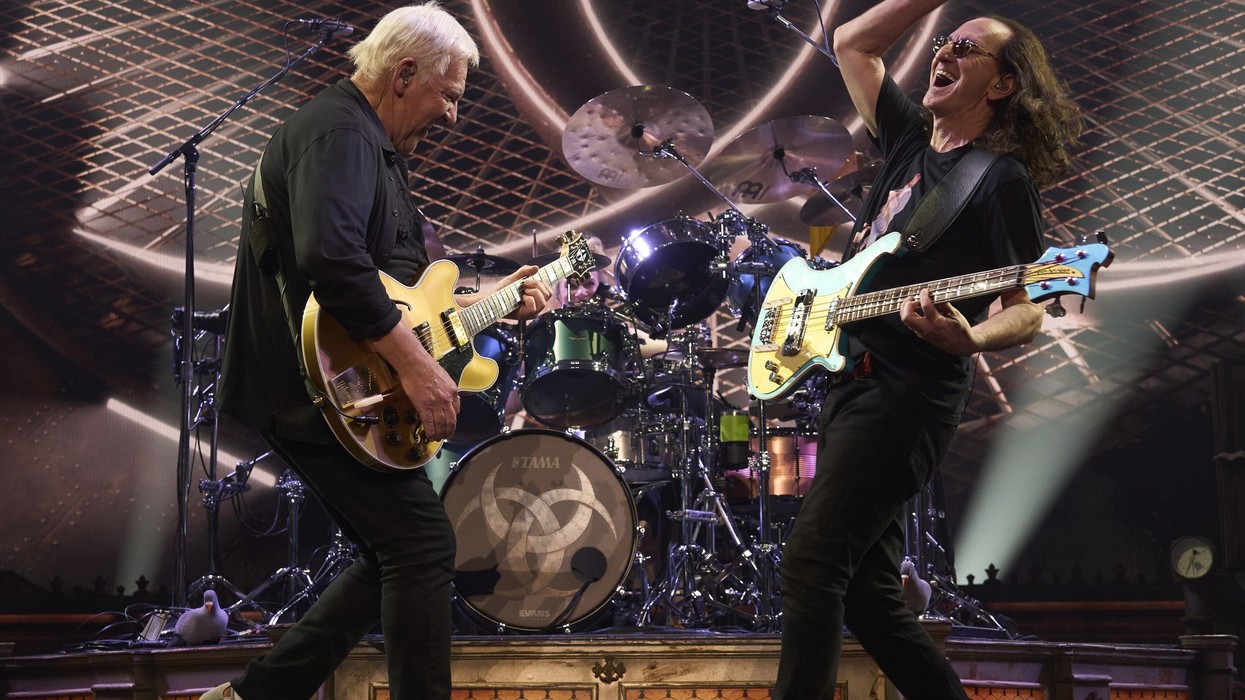
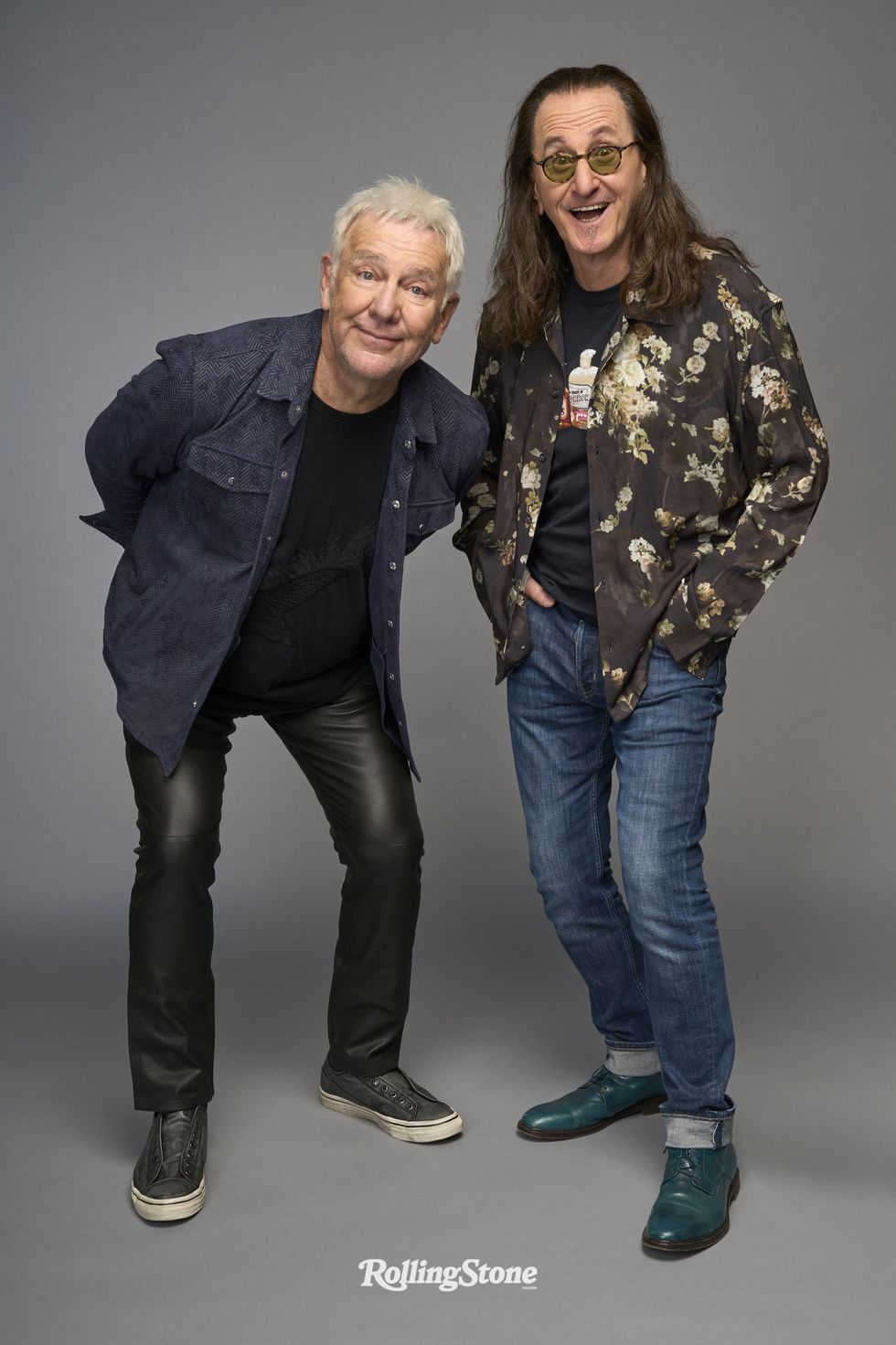 Alex Lifeson and Geddy Lee Photograph by Richard Sibbald for Rolling Stone Canada
 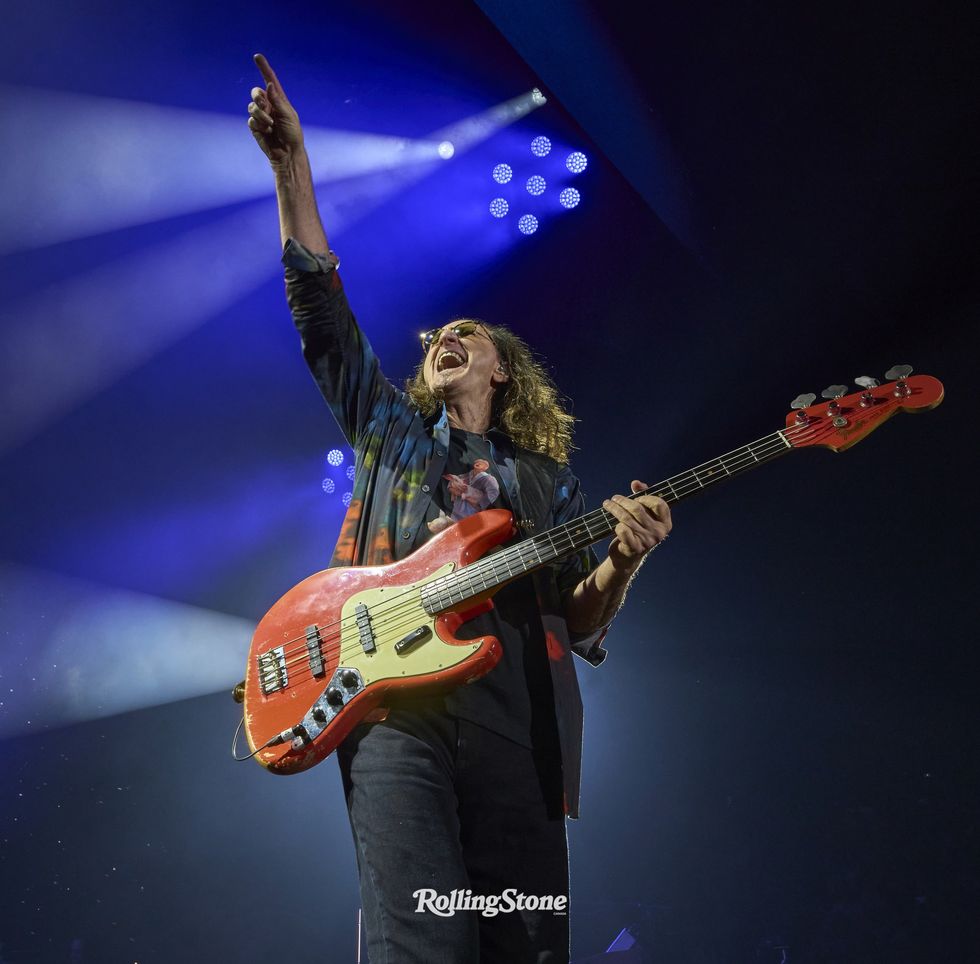 Geddy LeePhotograph by Richard Sibbald for Rolling Stone Canada
 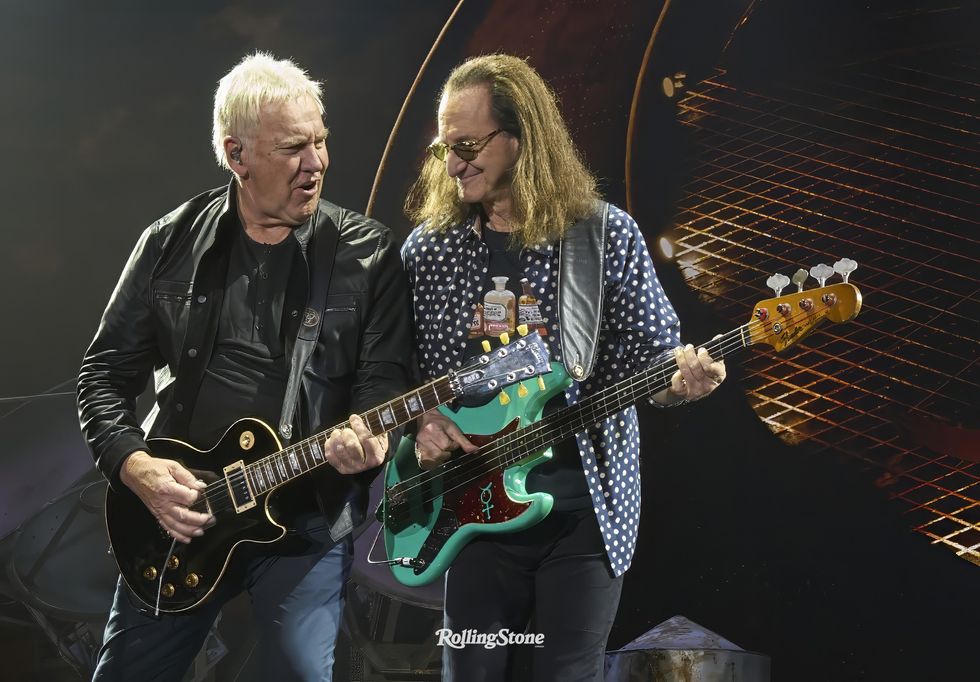 Alex Lifeson and Geddy LeePhotograph by Richard Sibbald for Rolling Stone Canada
 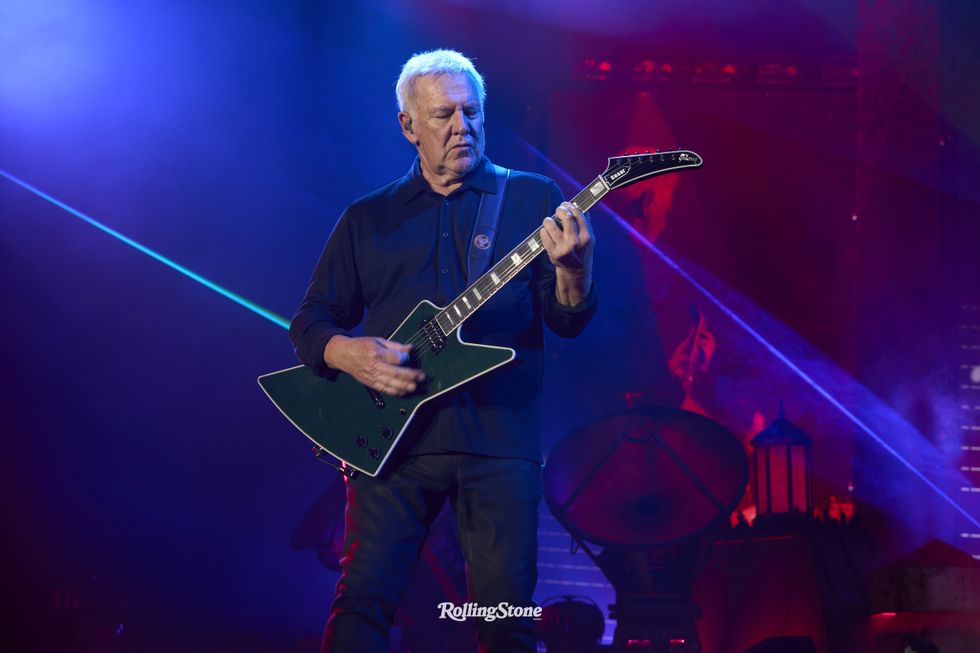 Alex LifesonPhotograph by Richard Sibbald for Rolling Stone Canada
 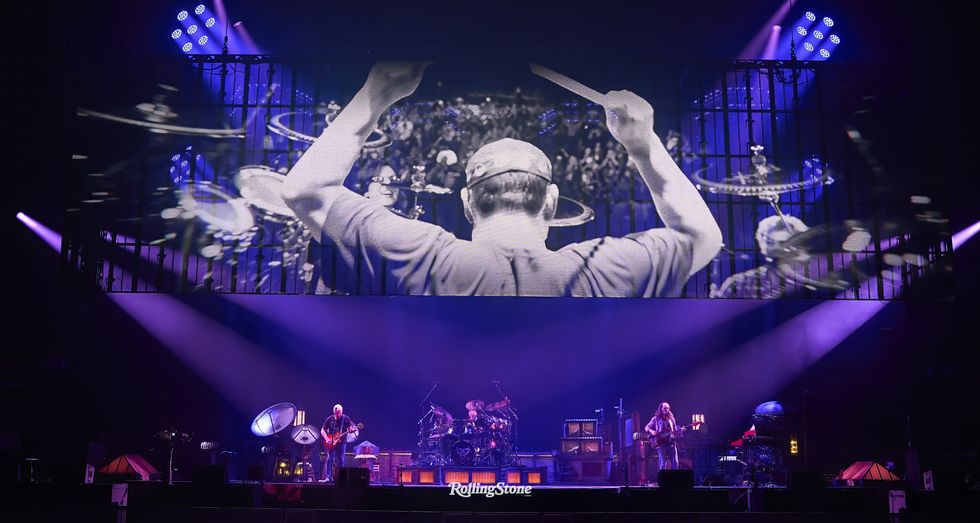 Rush Photograph by Richard Sibbald for Rolling Stone Canada
 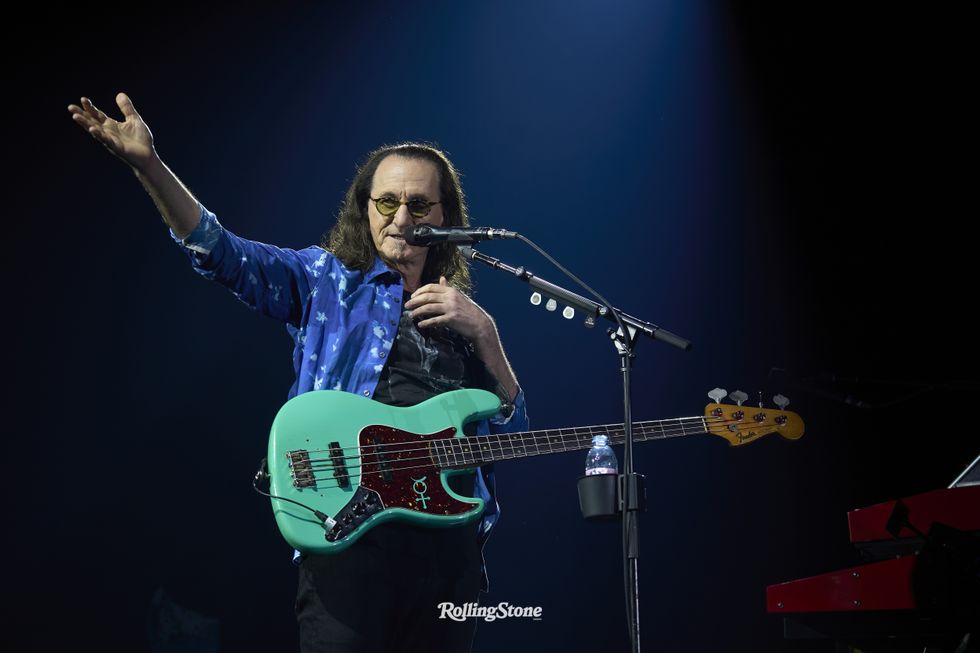 Geddy Lee Photograph by Richard Sibbald for Rolling Stone Canada
 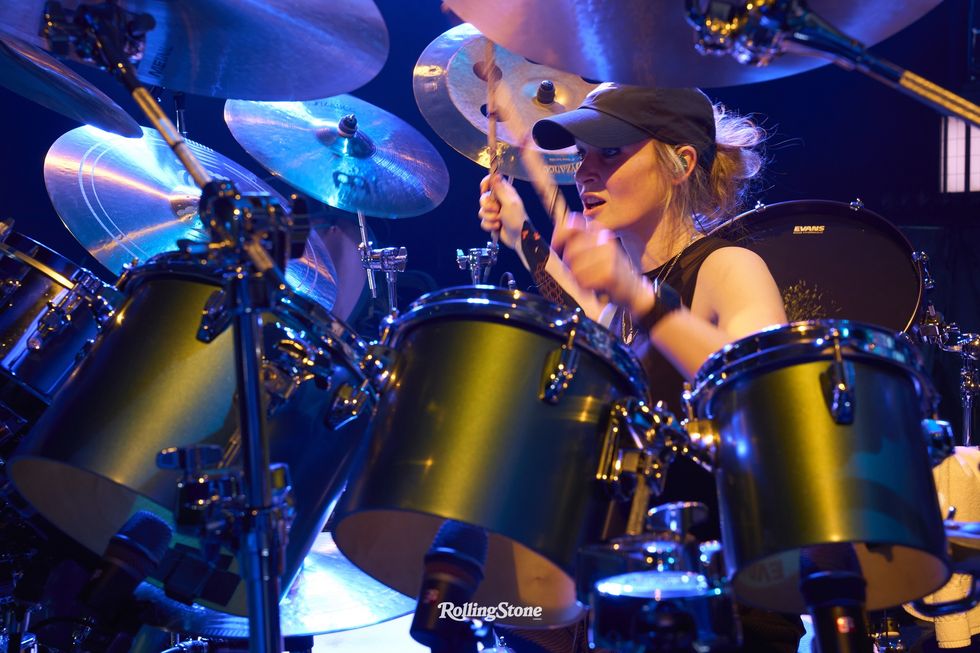 Anika Nilles Photograph by Richard Sibbald for Rolling Stone Canada
 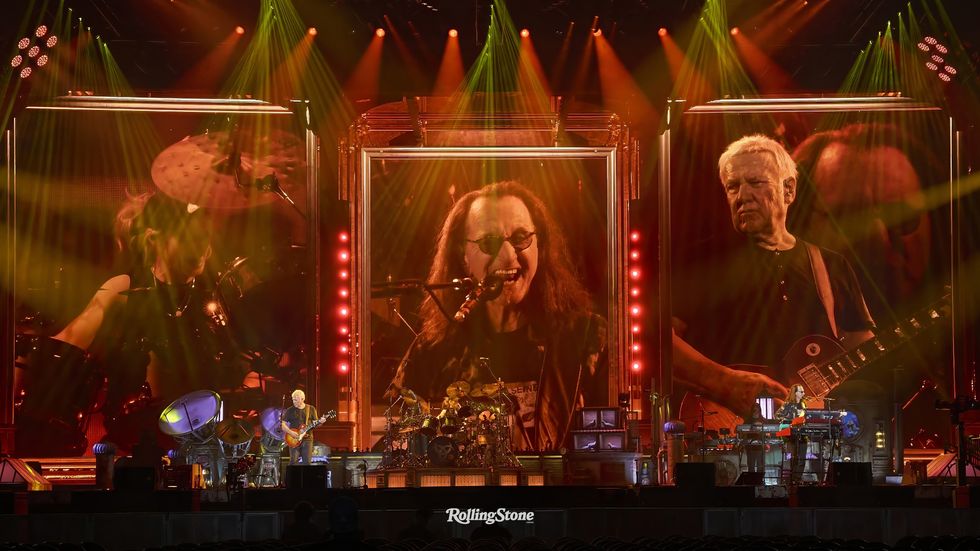 Rush Photograph by Richard Sibbald for Rolling Stone Canada
 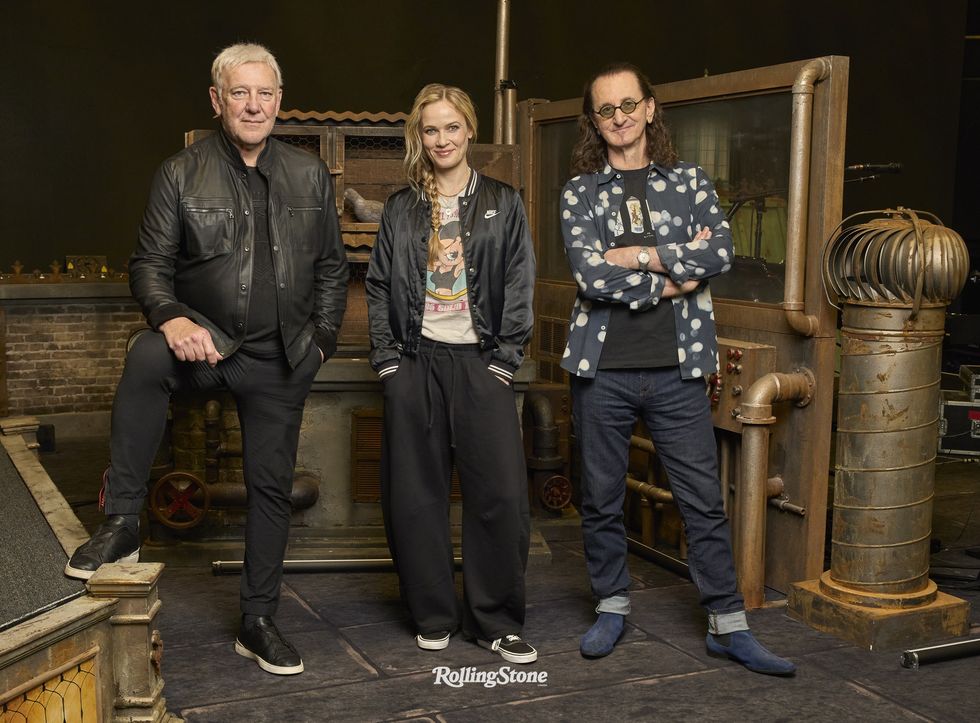 Alex Lifeson, Anika Nilles, Geddy Lee Photograph by Richard Sibbald for Rolling Stone Canada
 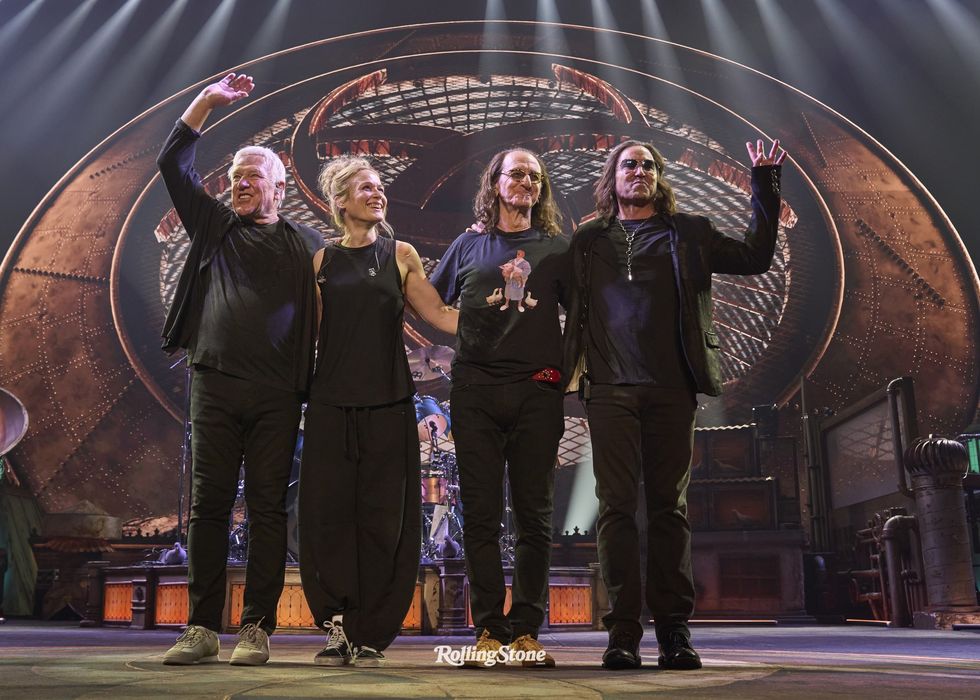 Alex Lifeson, Anika Nilles, Geddy Lee, Loren Gold Photograph by Richard Sibbald for Rolling Stone Canada
 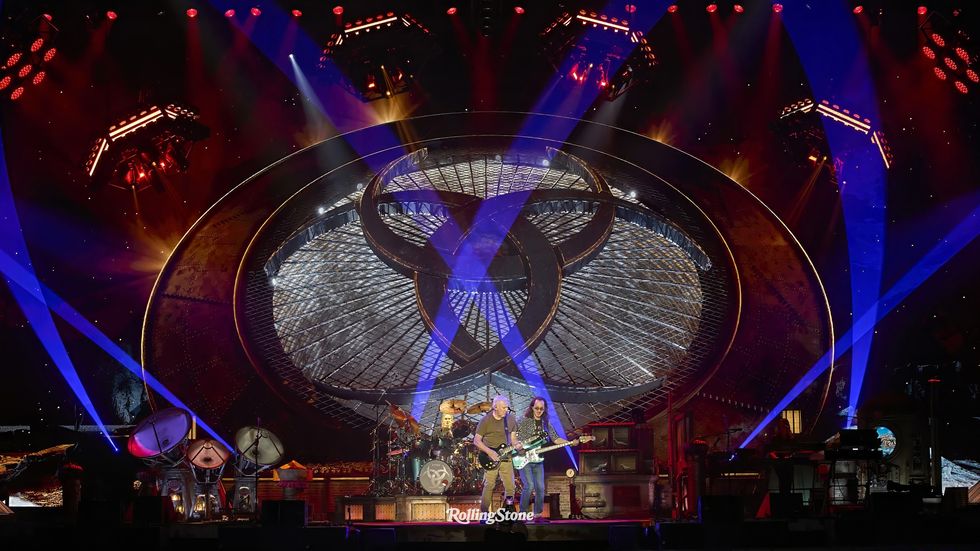 Rush Photograph by Richard Sibbald for Rolling Stone Canada
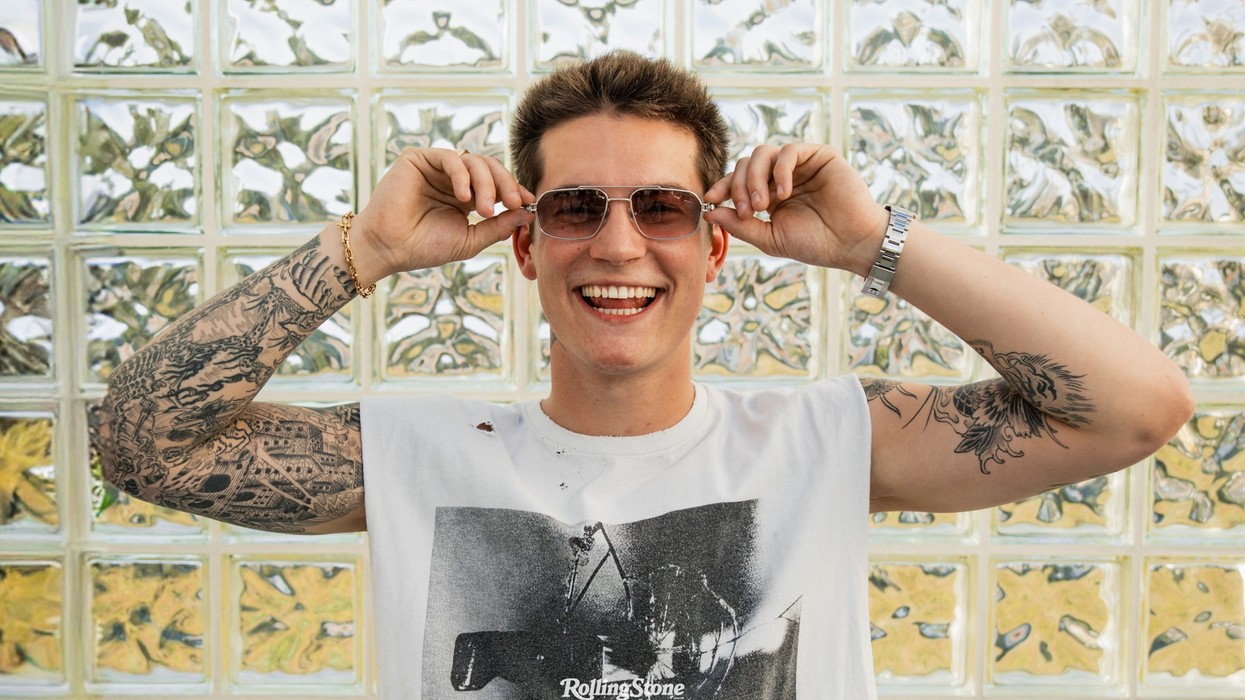
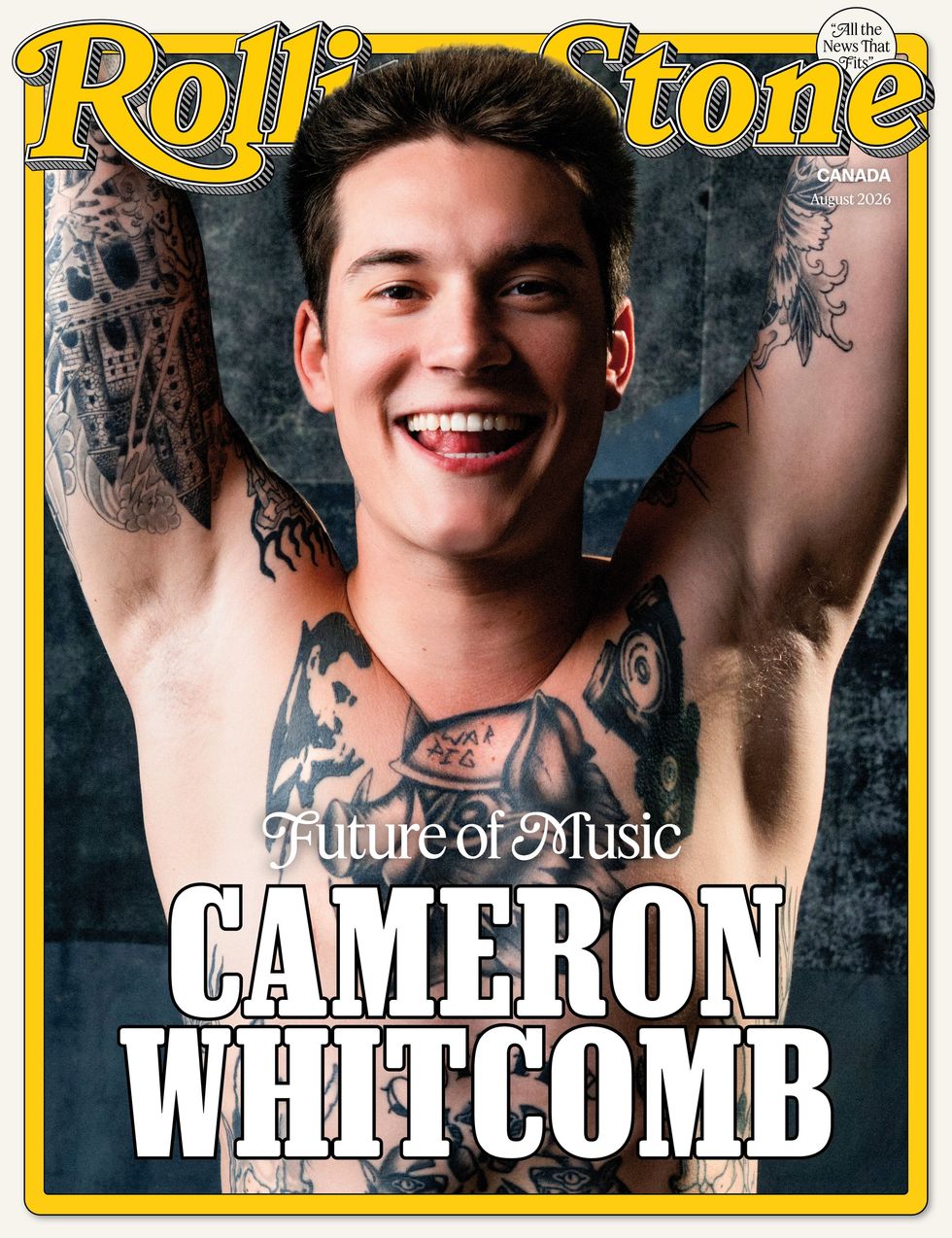 Cameron WhitcombPhotography by James Baker for Rolling Stone Canada
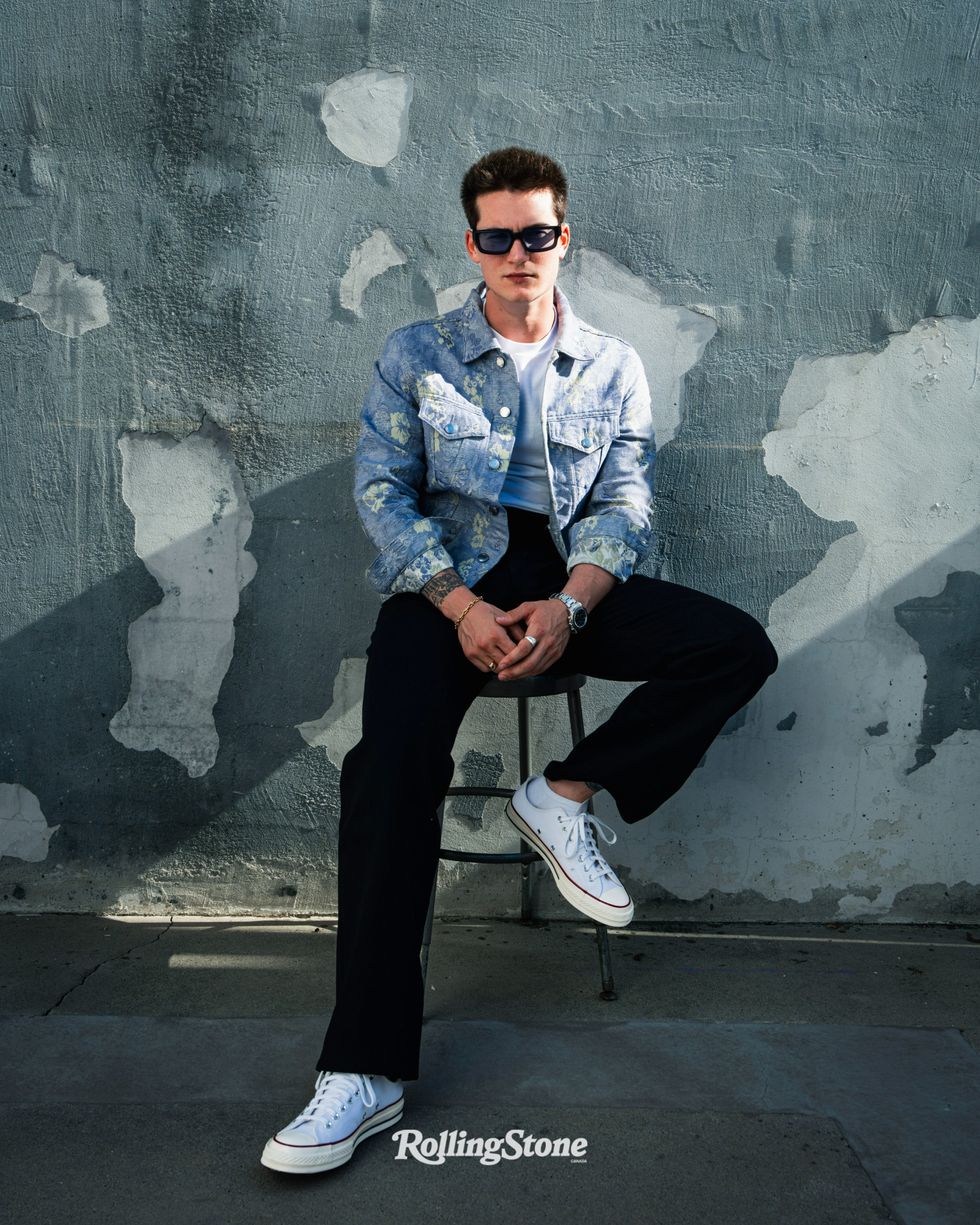 Cameron WhitcombPhotography by James Baker for Rolling Stone Canada
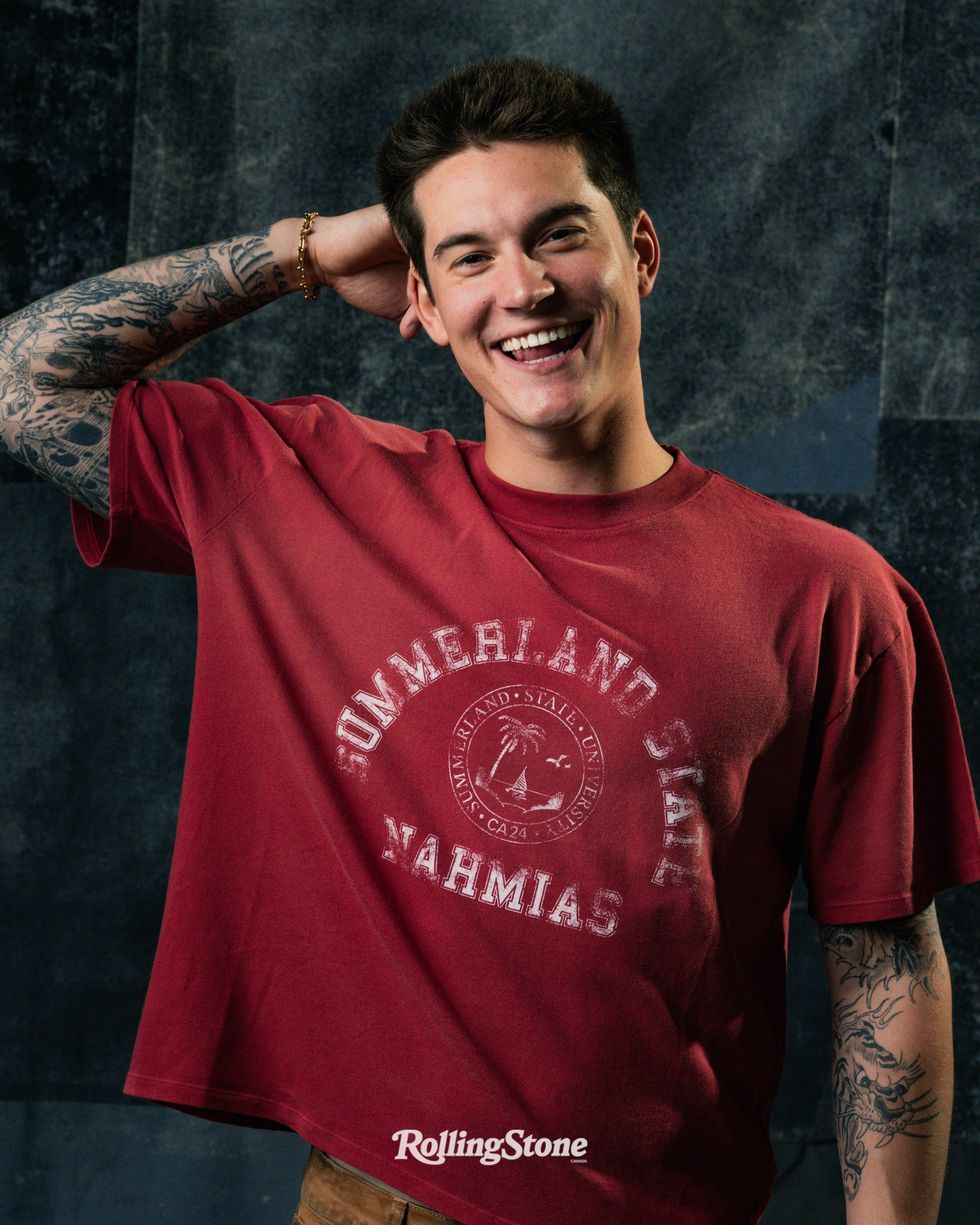 Cameron WhitcombPhotography by James Baker for Rolling Stone Canada
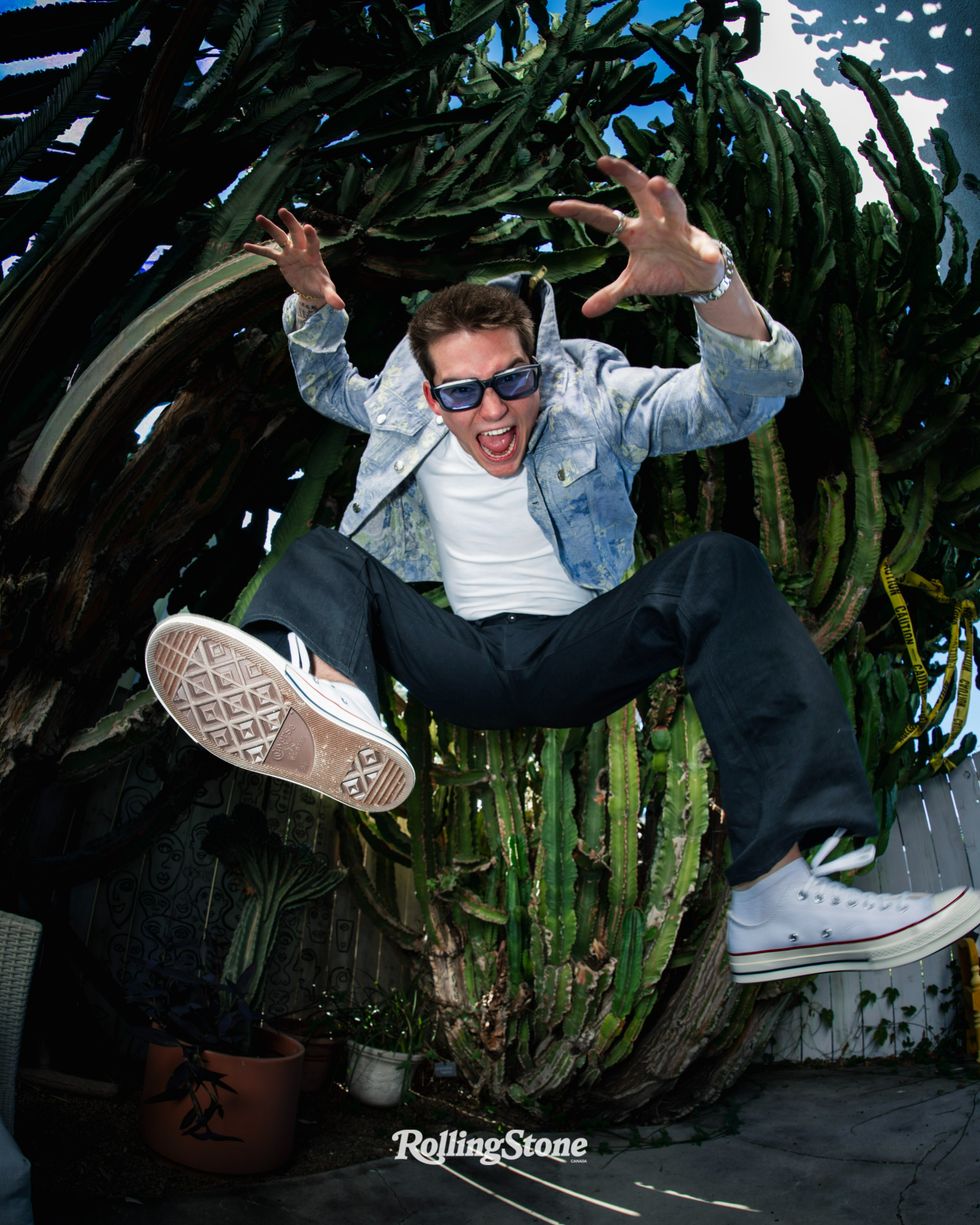 Cameron WhitcombPhotography by James Baker for Rolling Stone Canada
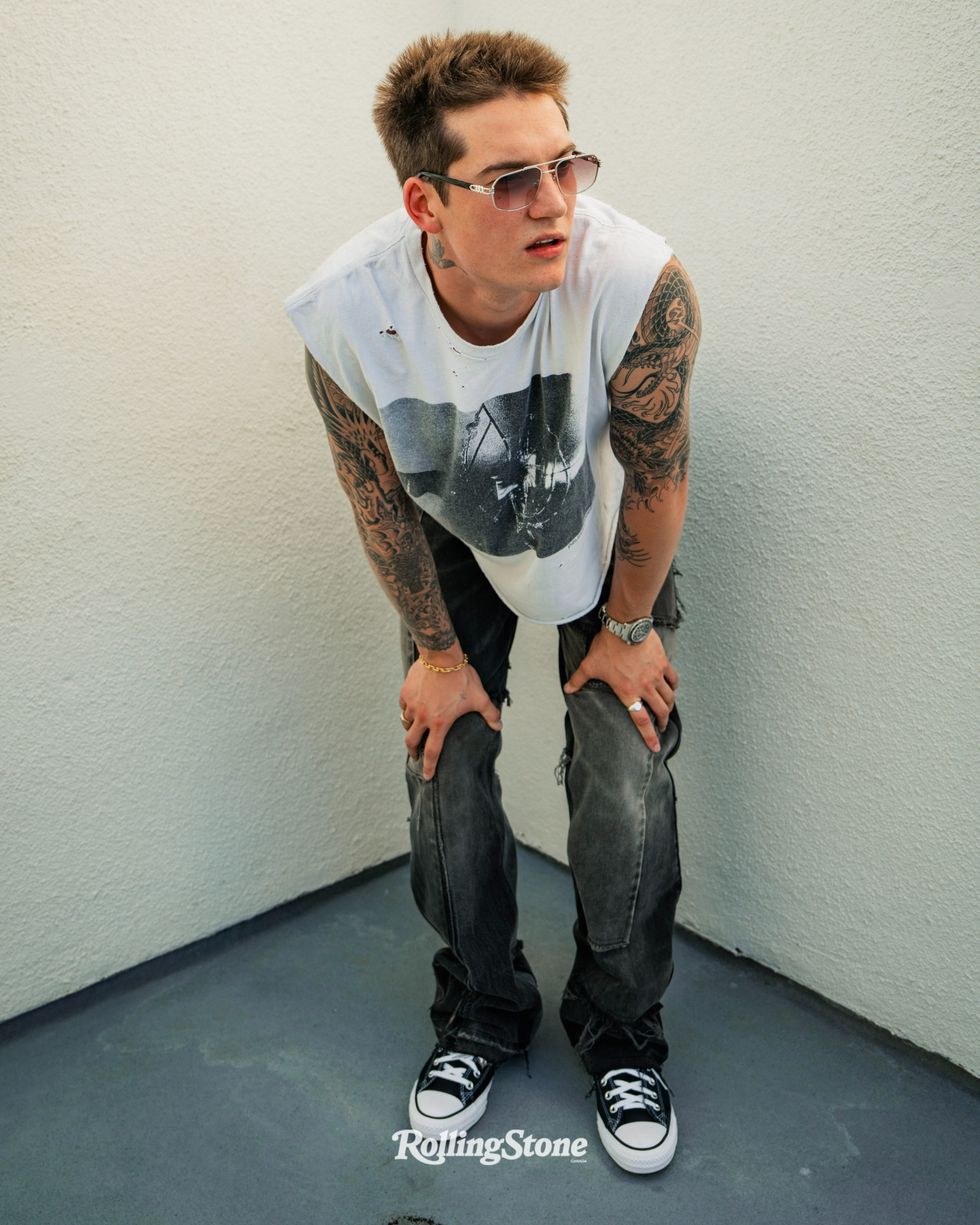 Cameron WhitcombPhotography by James Baker for Rolling Stone Canada
As Trump Dithers, Ukraine War Is Approaching a ‘Fatal Point of No Return’