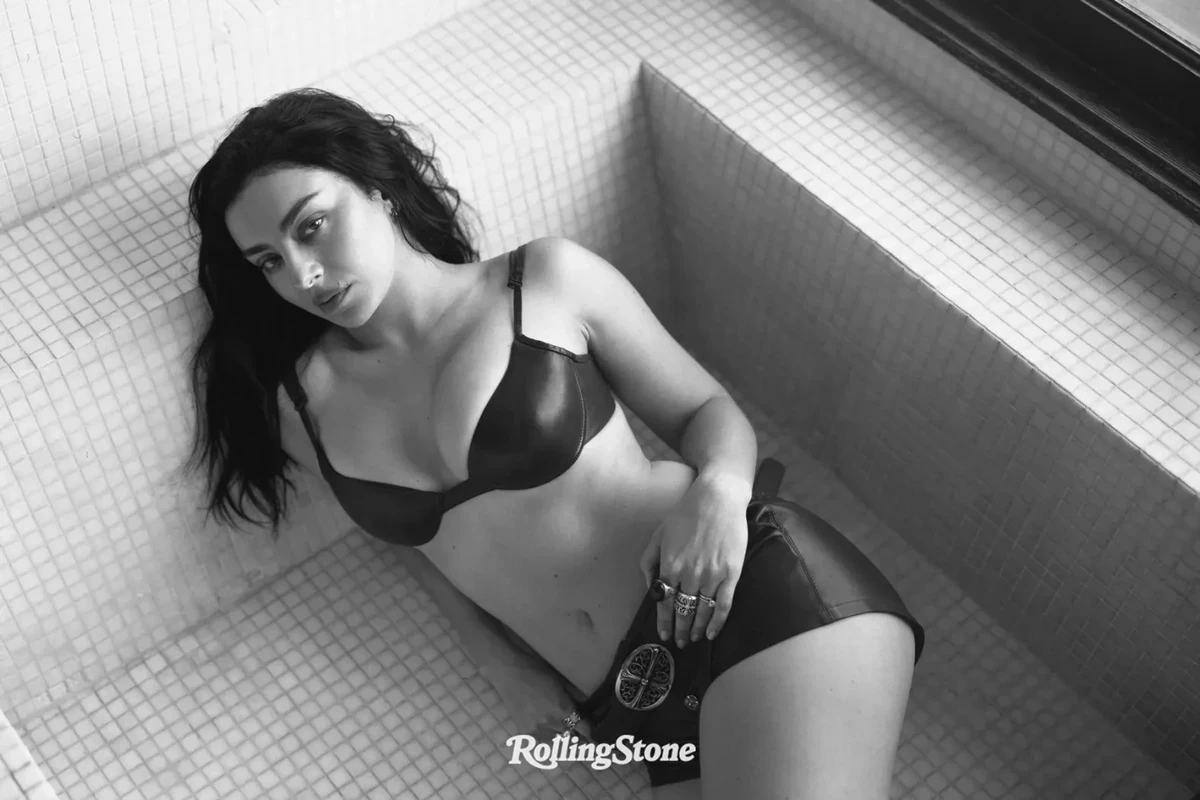

For more than a decade, Charli XCX was a secret weapon, a brazen experimentalist, a raw diarist, and (apologies to Chappell Roan) your favorite artist’s favorite artist. But she was not, exactly, a pop star — the kind that fills arenas,covers magazines,performs at the Grammys, and has the masses hanging on her every word. The British musician’s culture-shifting 2024 electro-pop confessionalBrat changed all that, lifting her name from “also starring” to above the title. Who better to churn out a 30-minute treatise on the art of image-making?
Charli is well on her way to mastering all three mediums spelled out in the title of her new LP, Music, Fashion, Film. But the story of her seventh studio album has been its seeming swerve, as announced by its first single, “Rock Music.” The track — with its croaking guitar, cymbal smashes, and stuttering vocals — sounds nothing like Brat’s gleaming, clubby gems (or the bouncy pop-punk of her 2014 LP Sucker, for that matter). But it doesn’t define an aesthetic as much as an ethos: hanging around and making stuff with your friends. As another hitmaking iconoclast once said, it’s still rock & roll to me.
Over 10 succinct songs (and a comparatively sprawling closer), Charli and her writing and producing partners A.G. Cook and Finn Keane dissect the stardom she hates to love and loves to hate. The breezy “SS26” toys with the idea of having a bad-girl image when everything in the world is bad. “Card Declined” starts as a comically simple clanger about being defined by one’s possessions, then blooms into a brief reverie before closing with a minute of perky, love-struck indie pop. “I keep thinking ’bout you, every single day,” Charli sings, ostensibly to the handbag of her dreams.
There’s room for human affection on the album, too. “I’m Afraid,” which bristles like an outtake from Nirvana’s MTV Unplugged, plunks a guitar’s low notes as Charli reveals her anxieties about marrying the 1975’s drummer, George Daniel. On “Magic Metal Montana,” she gushes about her other great relationship — with her longtime collaborator, Cook — in a giddy run-on that praises his haircut, his dancing, and his ability to read her musical mind.
But the majority of the album is focused on the machinery that brings stars to life, with nods to the Velvet Underground, a band that was famously nurtured by a man who knew a little something about that. “Camera” glimpses the future Charli could build in the movie industry, turning a few quick-strummed notes into an ode to the thrill of a new ambition. The following track, “2007,” gazes back to the very beginning, when she was first in “heaven,” creating her own image in her bedroom and blasting it into the world with no outside intervention. Seduced by that beautiful simplicity, Charli’s digitally clipped voice cuts through the noise: “You’re the way I wanna feel/Wanna feel it really bad.”
The album’s standout is “Wink Wink,” the song most clearly bobbing on the line between authenticity and artifice. Playing with the way her public persona has been boiled down to tropes — as well as her own well-established tendency to troll — Charli’s hilarious speak-sung verses explode into a super-catchy chorus consisting almost entirely of a single note. Adding harmonies, she builds herself a double as she engages in some doublespeak: “Here’s the truth, and I gotta be honest/I’m not a bad girl anymore, I promise.” For those who missed the point, she adds the obvious: “Wink wink wink wink.”
Charli tackles a similar topic in a starkly different way on the closer, “No One Lasts Forever.” She sings again about being perceived as an impolite party girl, only this time there is no snarky twist, just a vow to live in the moment without fear. As the music turns spacey, she hands over the mic to director David Cronenberg, who’s known for delighting in the grotesque. For a few moments, he speaks about how art may be immortal, but the artists who created it are not.
Charli and her team loop his voice intoning “They are dead, they are gone, no one lasts forever” 27 full times (anotorious number in rock history) before it cuts out, his voice twisting into a mesmerizing yet slightly disturbing coil. Where does that leave the ever-evolving Charli XCX? Like a maestro whose true medium is the moment, she’s given us nothing to do but wait and find out.
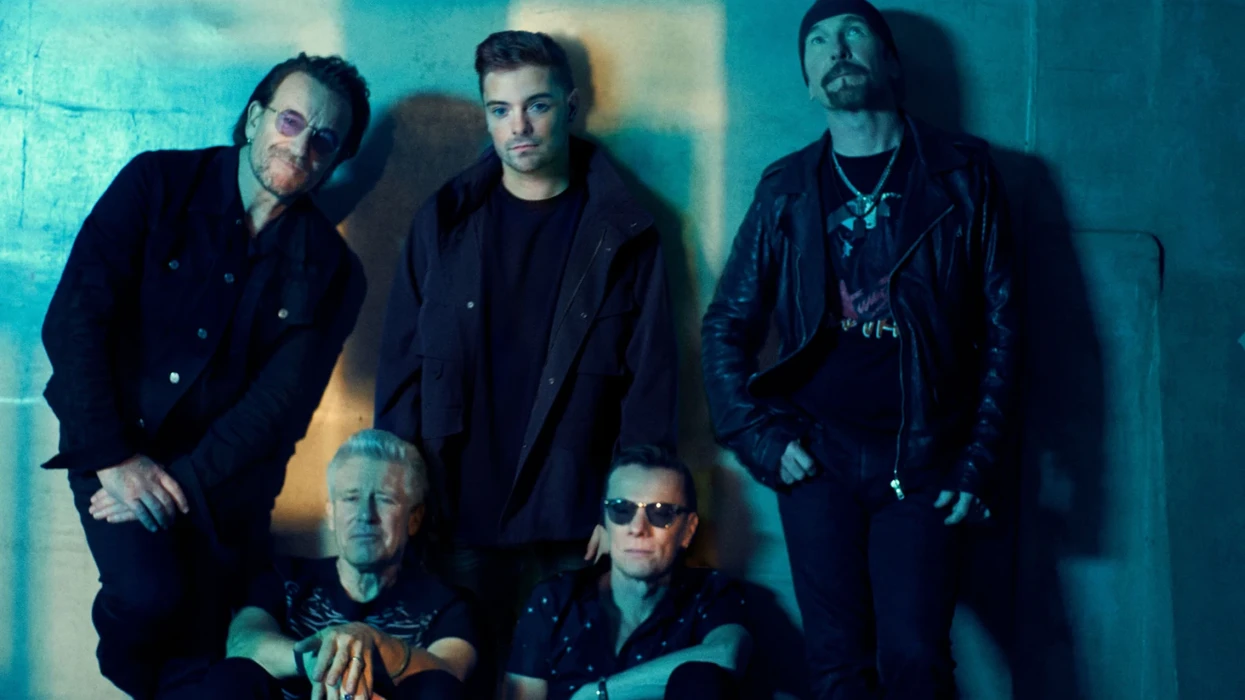
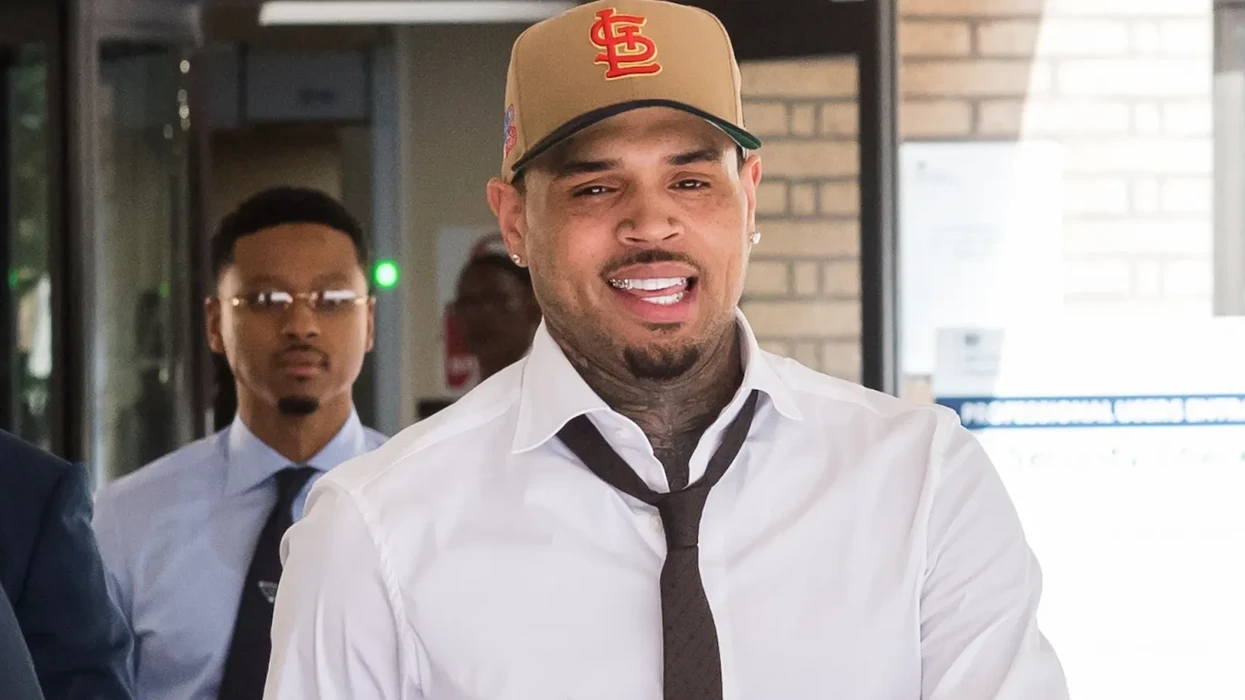
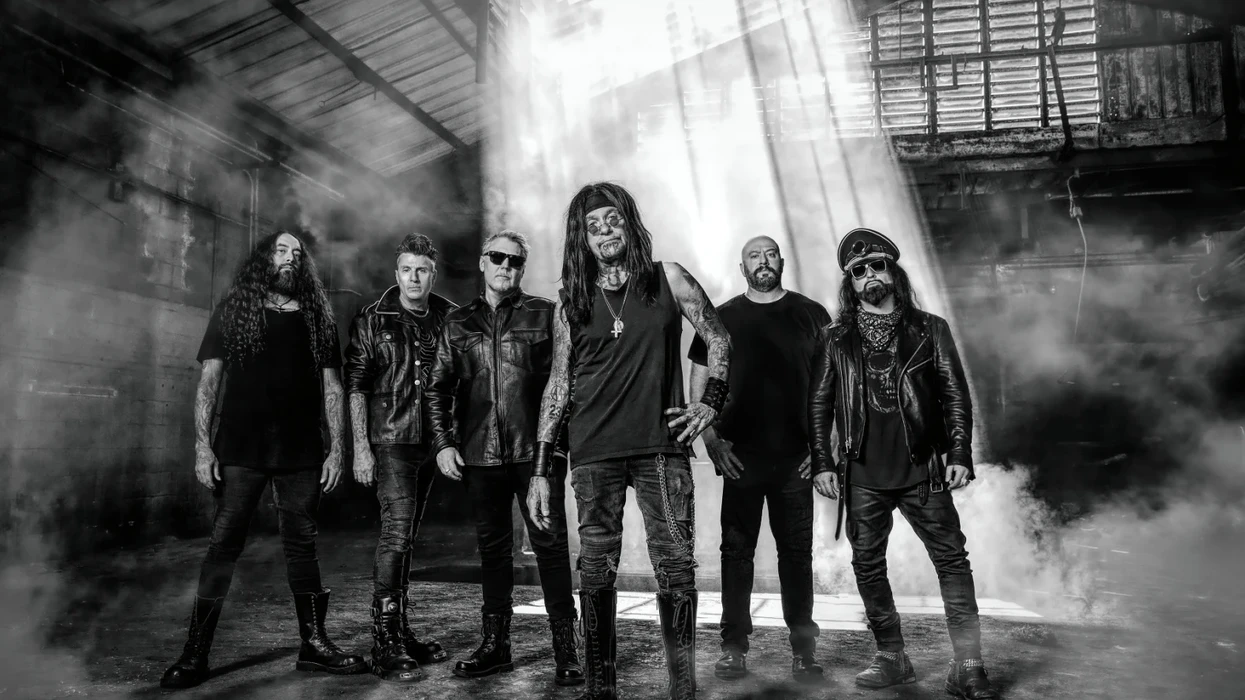
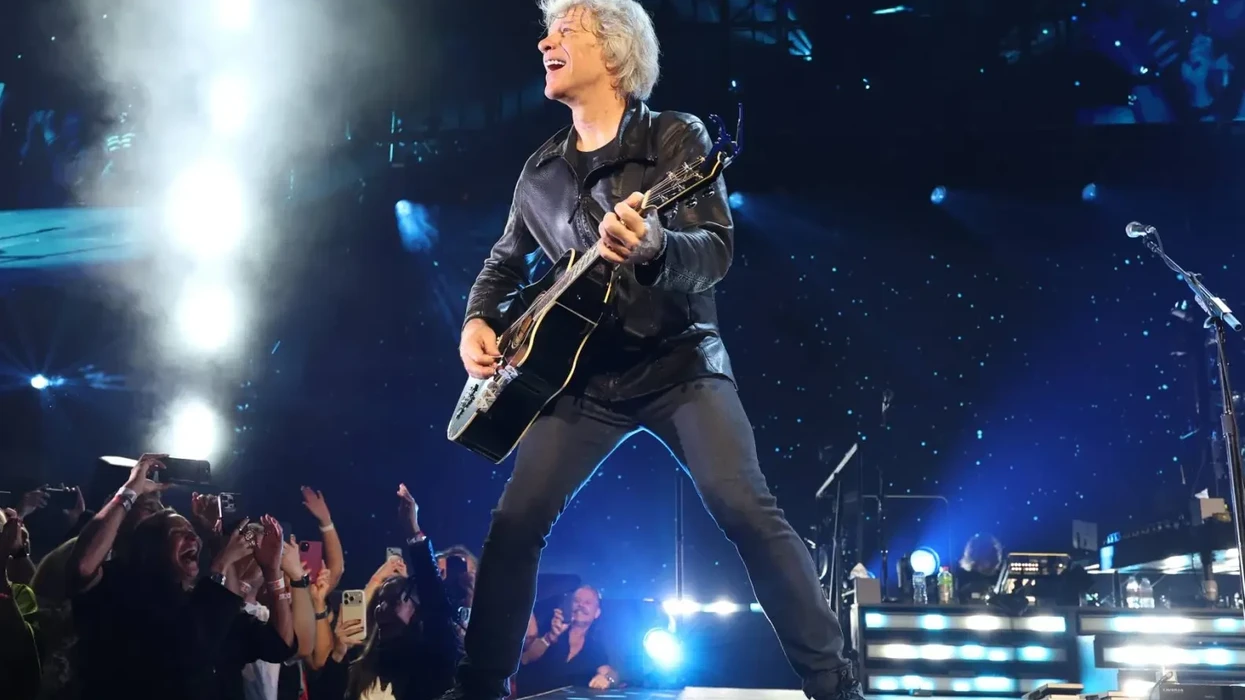
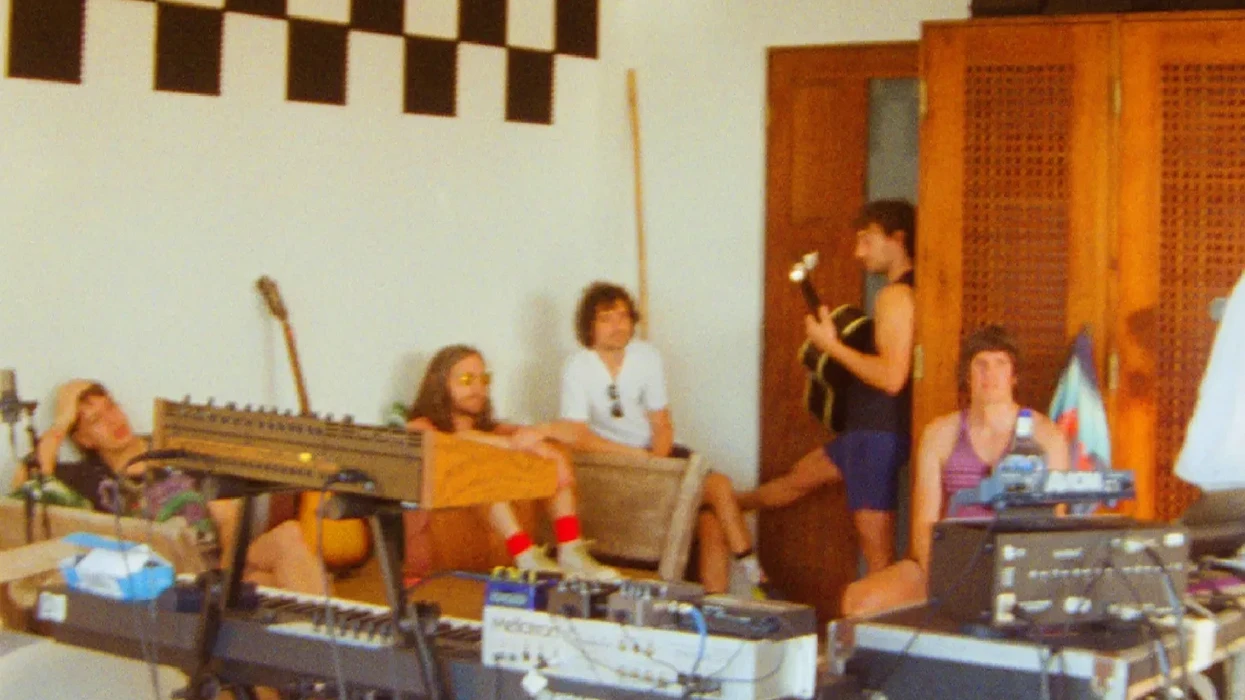


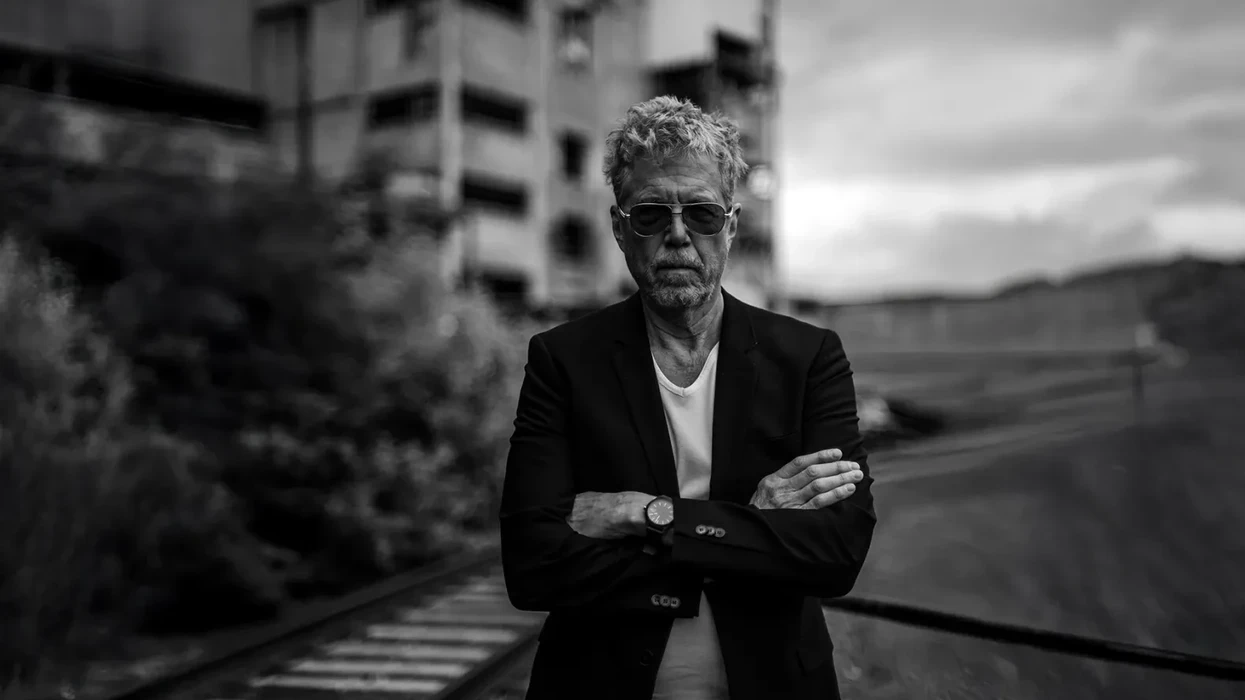


Those small opportunities became part of the festival’s identity: a place where established acts and future stars could exist side by side. That philosophy remains central to the festival’s return. While Warped Tour’s biggest names will draw crowds, Lyman believes the real magic has always happened away from the main stages.
Taylor Swift and Bad Bunny in a split image
Taylor Swift and Bad Bunny Dealt With Trump Quietly. It’s a Smart Move
Taylor Swift and Bad Bunny are both major superstars — and they’ve shared some parallels in their careers and discographies for several years. Now, they’re even using the same playbook to deal with taunts and baiting from Donald Trump and the White House’s social media teams.
Since Trump took office during his second term, he and his administration have been using social media as part of their communication strategy. The propaganda-like, rage-bait-style clips often lean into internet culture and use popular music to make light of Trump’s most egregious actions, like his immigration policy and war-hungry foreign policy.
Olivia Rodrigo, Katy Perry, Ariana Grande, and Noah Kahan are just some of the artists who have had their music used in these videos without their permission — and vehemently spoken out against these actions and against the president. In the past couple of weeks, the Trump administration seems to have wanted to provoke a response from two of the world’s biggest superstars: Bad Bunny and Swift.
On July 30, the official White House TikTok used “La Mudanza” for a particularly tone-deaf video about immigration that celebrated the number of deportations under Trump. A week later, a video with text that said, “mood because it’s August and Donald Trump is your president” set to Swift’s “August” was uploaded by Team Trump, the president’s official campaign account. The caption was an overt provocation: “I’m sure Taylor Swift is going to be super excited we used her song,” it read. Days later, another clip from the same account featured an edited version of Swift’s Red album cover with text that said, “Did you know that Taylor Swift wrote a whole album about the color of the Republican Party?”
Neither musician has released a public statement denouncing the use of their music in Trump’s videos. Instead, two of the world’s biggest superstars quietly removed their songs from videos posted by official accounts linked to the Trump administration. (It’s unclear if there is a TikTok feature that allows selective sound muting on videos or if the respective teams reached out to the social media accounts directly.) The tracks are still available for other TikTok accounts to use in their videos, making their silence a pointed — and smart — approach. Both Bad Bunny and Swift seem to recognize the president and his administration’s tactics for what they are: antagonizing moves that keep the Trump conversation centered on his social media presence, rather than his actual policies and the harm they commit. Why would they add their star power to the conversation and stoke the flames when that’s exactly what the White House appears to want?
Some people argue that celebrities should wield their platform to denounce Trump at any chance if they are truly not politically aligned with his MAGA politics. But because they hold so much influence, these superstars need to be strategic about how they use it.
Benito, in particular, has been incredibly outspoken about his politics. He stood on two of the world’s biggest stages and used them to voice pro-immigration messages, denounce Trump’s policies, and highlight Puerto Rico as it struggles with the effects of U.S. imperialism. “Before I say, ‘Thank God,’ I’m going to say, ‘ICE out,’” the Puerto Rican superstar said at the 2026 Grammys. “We’re not savage. We’re not animals. We’re not aliens. We are humans and we are Americans.” Last summer, Bad Bunny’s music video for “Nuevayol” used a voice that sounds a lot like the president’s to deliver a pro-immigrant message. “I made a mistake. I want to apologize to the immigrants in America. I mean the United States. I know America is the whole continent,” the voice bellows out of a Seventies radio toward the end of the video. “I want to say that this country is nothing without the immigrants.”
Fans were convinced that Benito would speak out against the official White House TikTok account when it used one of his most political songs. But commenting on the video would only blow up the discussion for a wider audience. When Rodrigo, Perry, Grande, and Kahan made public comments, spokespeople for the White House used the opportunity to spread hateful rhetoric. “We’ll say this one last time: what’s actually barbaric, inhumane, and heinous are the criminal illegal aliens who have injured and murdered innocent American citizens,” Abigail Jackson said in a statement to Rolling Stone after Grande spoke out. It’s the antithesis of what Benito said during his Grammys speech this year: “The only thing more powerful than hate is love.”
Swift, on the other hand, has dealt with Trump and the right-wing’s instigations for years, each one crazier than the last. The TikTok videos from the last week aren’t even the first time that the administration has used the singer’s music for social media videos. Last fall, both the official White House TikTok account and Team Trump used songs from Swift’s then-newly released The Life of a Showgirl in separate videos. One plucked the lyrics “pledge allegiance to your hands, your team, your vibes” from “The Fate of Ophelia” to celebrate Trump, Vice President JD Vance, and the first and second ladies. The others boasted about Trump by using “Father Figure” and honored Melania Trump’s Patriot of the Year award with “Opalite.” As of Aug. 10, the audio is not available under all of these specific videos.
The pop superstar has not spoken publicly about these instances. But she has made her disdain for Trump clear. Over the years, Swift has criticized Trump’s autocratic leadership. On X, she wrote “we will vote you out” and endorsed Joe Biden and Kamala Harris in the 2020 and 2024 elections, respectively. In 2019, Swift told Rolling Stone, “There’s literally nothing worse than white supremacy. It’s repulsive. There should be no place for it.”
Even though she’s shared her liberal viewpoints on issues like abortion, LGBTQ+ rights, and racial inequality, Swift has still faced ridiculous claims of being MAGA-aligned and folding in right-wing dog whistles to her music — and that’s without ever naming Trump. If Swift were to make a statement about her music being used by the Trump administration, the attention-seeking president would absolutely revel in it. Getting Swift and Bad Bunny to weigh in is exactly the type of headline grabber he would love to draw attention from his remarkably unpopular presidency.