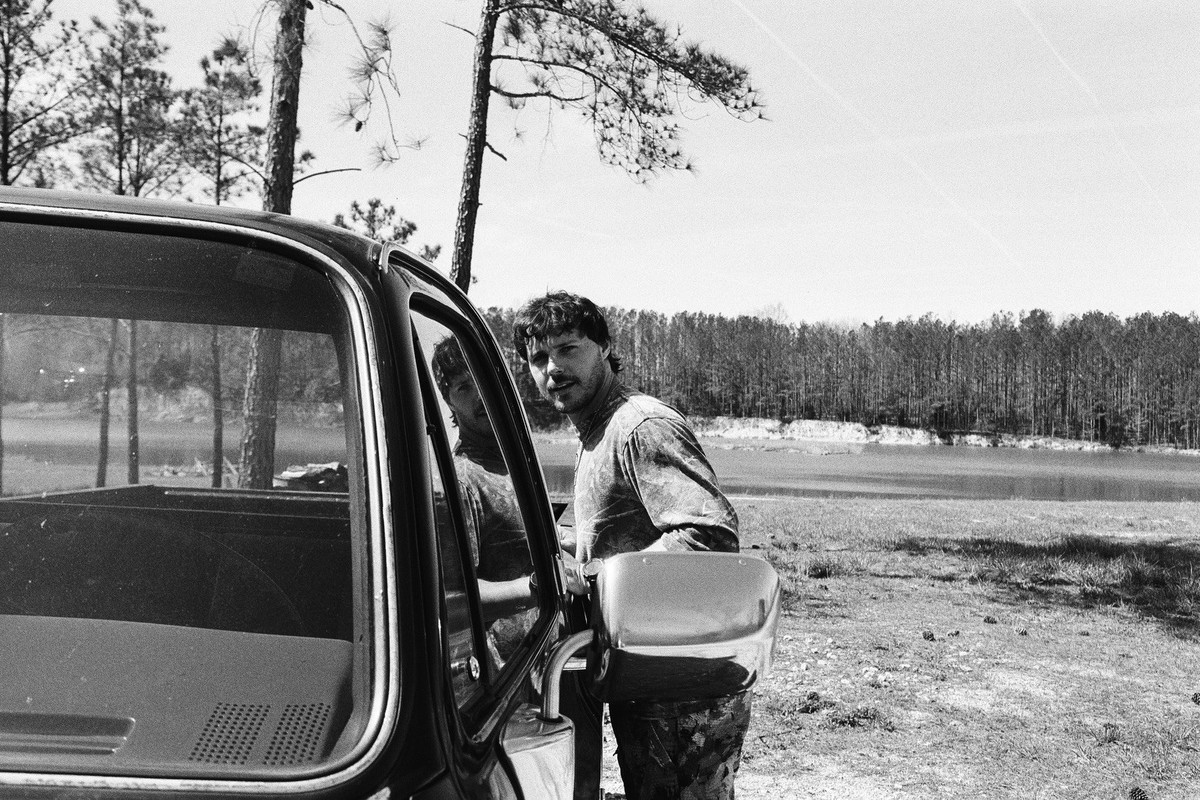


Before music became a career, Josh Ross thought his future would be on a football field.
Raised in the small Ontario community of Waterdown, near Hamilton, Ross spent years pursuing sports seriously before injuries forced him to reconsider what came next. After briefly playing football in the U.S., he pivoted toward songwriting, eventually relocating to Nashville and emerging as one of the few Canadian country artists to gain meaningful traction inside an overwhelmingly American industry.
His rise has coincided with a broader shift in country music itself. Modern country increasingly started incorporating rock, pop, and alternative influences while rewarding emotional openness in ways the genre once resisted, especially among male artists. Ross fits naturally inside that moment: his songs pair arena-sized energy with emotional directness, often centering heartbreak, loneliness, self-doubt, and recovery without overcomplicating the feeling.
Your path into music came after a very different chapter in your life. Looking back now, do you feel like losing football gave you a clearer sense of who you were supposed to become creatively?
Absolutely. At the time it felt like the worst thing that could've happened to me, but looking back it forced me to find out who I was outside of a sport. Losing one dream made room for another, and I don't know if I would've chased music the way I did if football had worked out.
A lot of your music balances vulnerability with this big, raucous energy. How do you keep emotional honesty at the center when the songs are built to hit on such a large scale?
For me, the emotion has to come first. If the song isn't honest, it doesn't matter how big the production is. I've always tried to write from real experiences and real feelings. The energy is what makes people move, but the honesty is what makes them stay.
Usually feeling comes first when I'm writing. If I know what emotion I'm trying to capture, everything else tends to fall into place. The story and atmosphere help deliver it, but the feeling is what drives the song.
You've become one of the Canadian country artists most visibly crossing into the American mainstream. Does that success change the way you think about identity, or where your music comes from?
Not really. I'm proud to be Canadian and I'm proud of the road that brought me to Nashville. The success hasn't changed where I come from. If anything, it's made me appreciate it more and appreciate where I am now. I feel like I have a role representing Canadians in the country music industry around the world. The stories and values I grew up around still shape every song I write.
Modern country music is increasingly blending with rock, pop, and alternative sounds, while younger listeners care less about genre. Do you feel connected to country traditions, or more interested in pushing beyond them?
I think both can exist. I grew up loving country music, but I also listened to a lot of rock and other genres. The goal isn't to leave country behind. It's to tell honest stories in a way that feels true to who I am. If that means pulling influences from different places, that's exciting to me.
Younger listeners definitely care less about categories than previous generations. People build playlists based on how music makes them feel, not necessarily what genre it belongs to, and I think that's opened a lot of doors creatively.
There’s a very physical energy to your live shows. Does performing still give you some of the same adrenaline or release that sports once did?
Definitely. Walking on stage feels a lot like taking part in a motocross race, which was a big part of my upbringing. There's an adrenaline rush, an intensity, and a connection with the crowd that's hard to describe. It's probably the closest thing I've found to that feeling.
Country music feels more global and commercially competitive than ever. Do you ever feel pressure to fit a certain mold as your audience grows?
There's always pressure, but I've learned that the only thing I can control is being myself. The minute you start chasing trends or trying to be someone else, people can feel it.
At its core, songwriting hasn't changed for me either. I still walk into a room hoping to write something that feels real. The audience is bigger now, but if anything, I've become even more protective of that honesty.
There's been a broader shift in country music toward artists being more emotionally open, especially male artists. Do you think audiences are looking for a different kind of honesty now?
I think people just want something real. Life is complicated, and everybody is going through something. The more honest artists are willing to be, the more fans can see themselves in the music.
You've spent a lot of time touring and building momentum on the road. What do you think people outside the genre still misunderstand about country audiences?
I think people underestimate how diverse country audiences are. They come from all walks of life. At the end of the day, they're showing up because they want songs that make them feel something and remind them of their own lives.

Future of Music is about artists shaping what comes next. Do you see yourself trying to redefine modern country music, or simply telling your story as honestly as possible?
I don't wake up thinking about redefining anything. I just want to tell my story as honestly as I can. If that connects with people and helps move the genre forward in some way, that's a bonus.
I try to remember why I started. I never got into music to chase numbers or attention. I got into it because I loved songs and I wanted people to understand me. Keeping that perspective helps me trust my gut.
What does success actually mean to you now, and what do you think the future of music in Canada looks like for artists trying to break beyond the country's borders?
I try not to put a title on me being Canadian when it comes to my career. Success used to be more about trying to break into the industry. These days it's more about impact and chasing bigger dreams. It's about making music I'm proud of, spending time with the people I love, and knowing the songs are helping people through different moments in their lives.
As for Canada, I think the future is incredibly bright. Canadian artists have always pulled their weight globally. Technology has made the world smaller, and great music can come from anywhere. I think we're going to keep seeing more Canadian artists break through internationally.