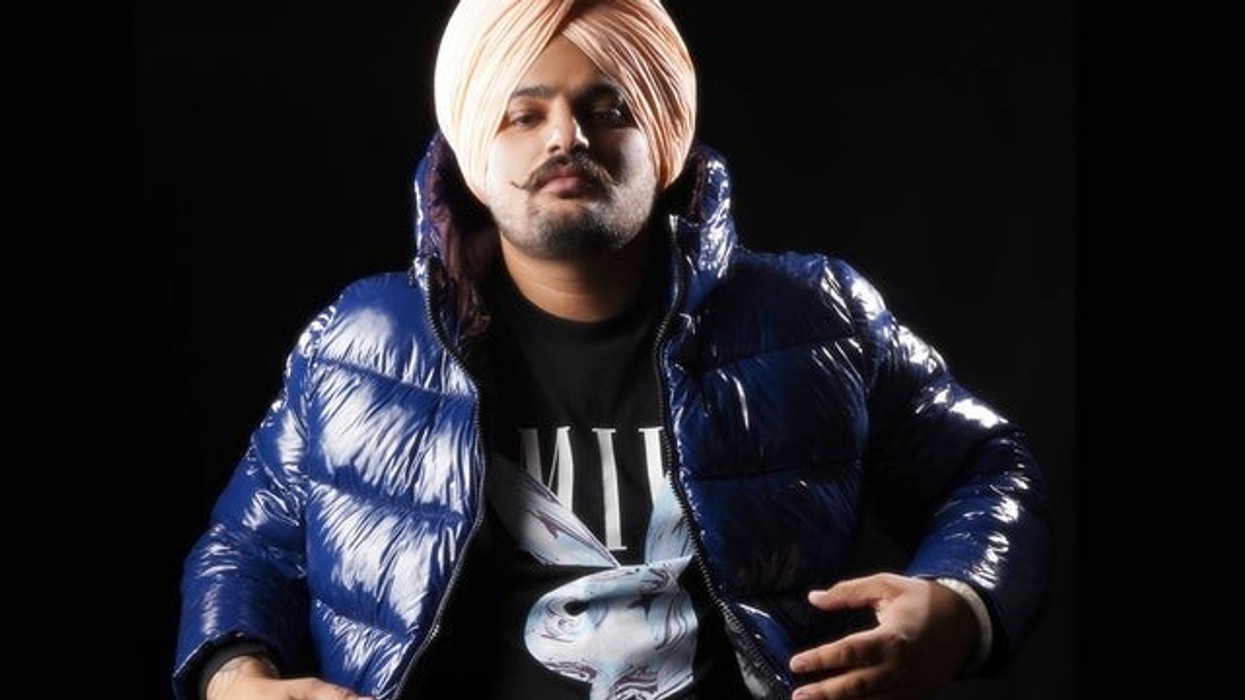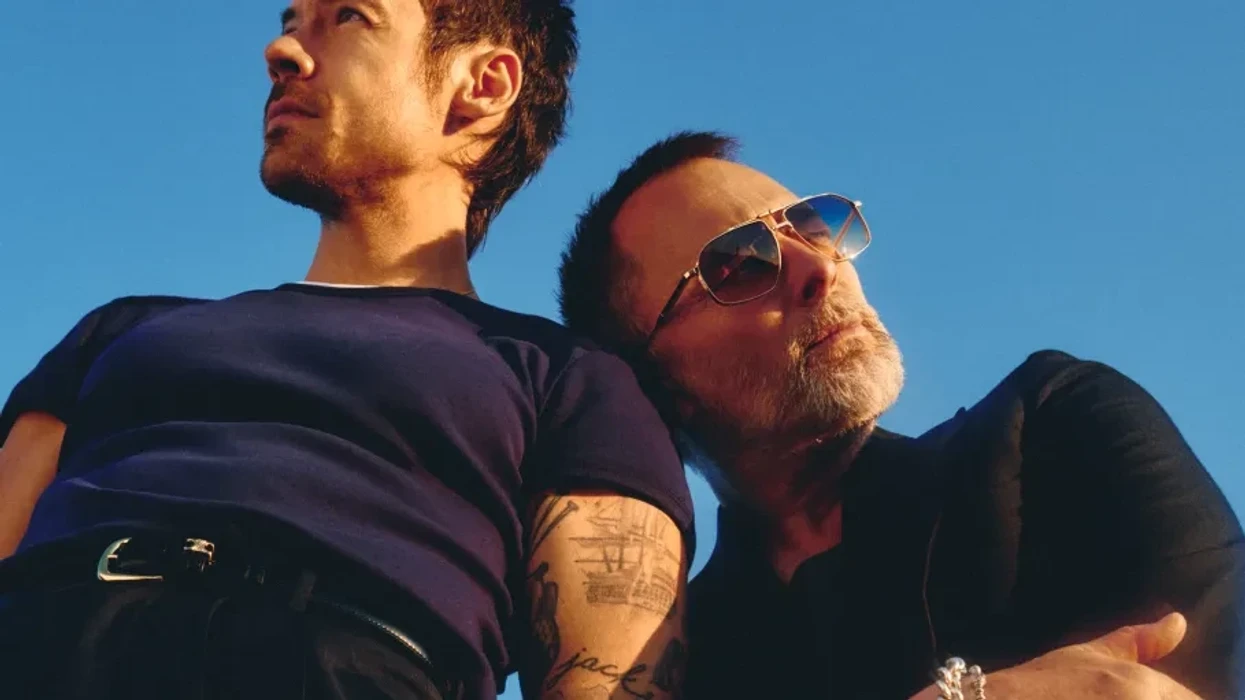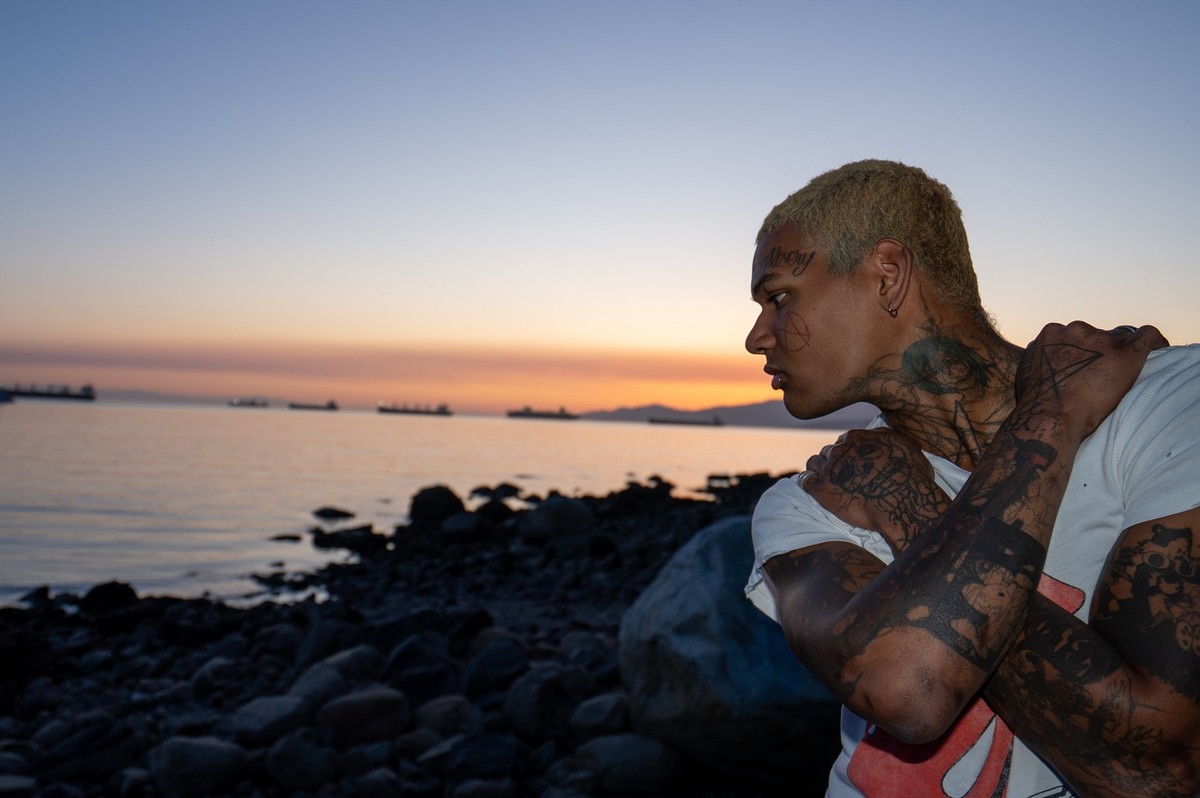

Before Ekkstacy’s music reached a wider audience, it lived in a quieter corner of the internet. The Vancouver artist spent years posting songs to SoundCloud with little response, developing a unique voice: melodic, shadowed, and emotionally blunt.
That sense of remove has stayed with him. His songs pull from guitar music, post-punk, indie, and whatever he happens to be obsessed with at the time, but they’re less about genre than mood. His music sounds like someone trying to get a feeling down before thinking too hard ruins it — direct and bleak in the same breath.
As more people find the project, he’s still guided by a simple internal rule: if he likes it, it’s enough. That has allowed his music to shift without losing its centre, whether it lands as existential dread, catharsis, or something more violent.
You built an audience online pretty quickly, but your music has always felt detached from trends. Did that early momentum change how you think about making or releasing songs?
It might seem like it was quick, but I was actually on SoundCloud releasing music for years to almost nobody. I miss that. And yeah, I guess I have been detached from trends, but I’m not sure if that’s a good thing or not.
Your sound pulls from different genres, but it doesn’t sit cleanly in any of them. Do you think about genre when you’re making music, or is that something assigned after the fact?
I try to pull feelings from everything I’m listening to or inspired by. Other people’s music inspires my music. I listen to music all day, never my own.
Sometimes when I like a song too much, I can’t record anything because I can’t get someone else’s melody out of my head. I’ll get stuck on a song for a week or two and think, “There’s no chance I make something that good.” It happened to me recently when I heard “Avon” by Queens of the Stone Age.
There’s a rawness in your recordings that people connect to. As your audience grows, do you ever feel pressure to refine that, or is keeping it imperfect part of the point?
The older I get, the more music I enjoy. I’m still not into a lot of refined, perfectly produced stuff, but I’m also not trying to be imperfect on purpose.
I work quickly, and all I care about when I’m working is how something makes me feel. I try not to think about anything too much because I’ll freak out quickly.
Your project started in a very online environment, but the music itself feels almost anti-internet. How do you navigate that tension now?
I hate the internet. I say that because I’m insecure and people are way better than me at it. But I do actually hate it and wish I never had to use it.
It’s fun at times, though — when I feel good about myself, which is not all the time. I’ve been sending reels on iMessage now. That’s the new method: copy them from Instagram and send them on iMessage.
A lot of artists in your position are pushed toward bigger, more polished moments. What are you careful not to lose as things scale?
My rule is simple, and I’ve broken it a few times, but for the most part I’ve been good about it: if I like it, then it’s fine.
If I genuinely like something, no matter how different or dumb it might seem to someone else, if I enjoy it then all is well. People are allowed to change.
When someone hears your music for the first time, what do you want them to feel — not interpret, but actually sit with after it ends?
It depends on the song. Usually when someone has never heard my music, I’ll show them “Keep My Head Down.” That song makes me feel existential dread, but it’s also comforting, so I guess I’d want them to feel one or the other.
I have other songs that I’d want you to hear and start breaking people’s jaws.
Future of Music is about artists shaping what comes next. Do you feel like your role is to reflect a mood that already exists, or push it somewhere new?
I think I’ve already pushed it somewhere new, especially on my project Misery. I’m not trying to reinvent the wheel like some people are, but I’m definitely in my own world.
What does success look like to you at this point, especially coming from a project that didn’t follow a traditional path?
Away from music, if I can sustain what I have right now, then I am successful enough.
I definitely want to play bigger shows, and I want more people to know who I am. I want to make a new record that I love more than anything else.
What are your thoughts on the future of music in Canada?
There are countless people in Vancouver, where I live, who are incredible, and I think a lot of us are going to do really well.
I’m going to list a few because they are so good: Passion Mango, Sophia Stel, Braydie, Jaxk, and Babyesko.