Skip to content
Search

Elon Musk Says ‘Moderation Is a Propaganda Word for Censorship’ About Offensive X Posts

Elon Musk Says ‘Moderation Is a Propaganda Word for Censorship’ About Offensive X Posts

Don Lemon’s interview with Elon Musk for The Don Lemon Show, which marked the beginning and end of his brief deal to start broadcasting on X (formerly Twitter), dropped Monday morning and is pretty much exactly what you’d expect: a lot of ducking, dodging, hypotheticals, gotchas, and reverse gotchas.

During the hour-long interview, Lemon asked Musk about everything from his drug use and censorship to the Great Replacement Theory and diversity, equity, and inclusion initiatives. Lemon even managed to extract a definition for whatever the hell the “woke mind virus” is. It is, per Musk, “when you stop caring about people’s skills and their integrity, and you start focusing instead on gender and race and other things that are different from that.”


That said, Musk’s aversion to making broad, sweeping judgements based on people’s identities and backgrounds seemed to have its limits. Like when Lemon pressed him on his flirtations with the Great Replacement Theory — a white supremacist conspiracy that people of color are replacing white people — in a tweet suggesting Biden’s immigration policy was basically a ploy to open up the border and get more votes. While Musk insisted he did not “subscribe” to the Great Replacement Theory, he did claim illegal immigrants just have “a very strong bias to vote Democrat.” 

Lemon, of course, pointed out that non-citizens can’t vote in federal elections, a point Musk did acknowledge, before suggesting the real issue was that an influx of illegal immigrants gave Democrats an advantage in terms of house seats and electoral college votes. When Lemon again pointed out the electoral college really favored smaller, more conservative states these days, Musk said: “I think that statement, what you said is true. But what I said is also true.” 

Lemon went on to ask about research showing hate speech had increased on X since Musk’s takeover. Musk called the studies “false,” said hate speech has actually “gone down,” and then tried to push the argument that the metric shouldn’t be how much hate speech is actually on X, but how visible it is. 

“They’ll count the number of posts, but not count the number of views,” Musk said. “So what matters is, was that post given high visibility, or did one person see it? … If you look at how many times hate content was viewed on our platform, it is down substantially.” 

Inevitably, this led the conversation to Musk’s favorite topic of them all: free speech and censorship. Lemon showed Musk a handful of offensive posts still on X, and tried to make the argument that social media has played an outsized role in radicalizing people and spurring racially-motivated mass shootings. Musk, in turn, argued that “moderation is a propaganda word for censorship,” and stated the platform’s policy: “If it’s not illegal, we’re not gonna take it down. If it’s not illegal, we’re putting our thumb on the scale and being censors.” 

Musk did admit he thought such posts were “not good at all, it’s terrible,” but didn’t seem interested in doing anything about it: “What you’re suggesting is censorship that goes beyond the law.” Even when Lemon tried to point out that these posts seemed to go against X’s own rules about hate speech, and asked Musk flat out if he thought those posts qualified as hate speech, Musk held firm: “I guess you’re not understanding what I’m saying. You can sign up right now and do a hundred things that are hateful, but if nobody reads it, it doesn’t matter.” 

Lemon later pressed Musk on his other recent bugbear: diversity, equity, and inclusion. Musk has amplified various tweets arguing DEI policies are dangerous, leading to poorer standards in medical care and airline safety. There’s no hard evidence to back up that standards are being lowered to aid DEI initiatives — though Musk insisted you’d find some in the replies to the tweets he boosted. Finally, Lemon asked Musk bluntly if he understood that just by arguing that standards are being lowered for DEI, he’s “implying that they’re being lowered because people are less skilled and less intelligent, and you’re talking about people of color and/or women?”

After a beat, Musk found comfort in trying the old hypothetical again: “I’m saying we should not lower standards. That’s it.” 

The interview also contained a brief discussion of Musk’s alleged drug use, which has reportedly raised concerns among executives and board members at some of his companies. Musk, for his part, insisted he tweeted sober and worked sober. He did acknowledge his prescription ketamine use, saying, “There are times when I have sort of… I don’t know, like a negative chemical state in my brain. Like depression, I guess… Or I guess depression that’s not linked to any negative views. And then ketamine is helpful for getting out of a negative frame of mind.”

He denied that the prescription has impacted his work, or that he abuses it. “If you use too much ketamine, you can’t any work done. And I have a lot of work.” When asked how often he does take ketamine, Musk replied, “A small amount once every other week, something like that.”

As for that one time he did smoke pot on Joe Rogan’s podcast, Musk said: “I had one pot. I think anyone who smokes pot can tell I don’t know how to smoke pot.”
More Stories

Get to know: The.97, Toronto's most prolific director
Mihailo Andic

Get to know: The.97, Toronto's most prolific director

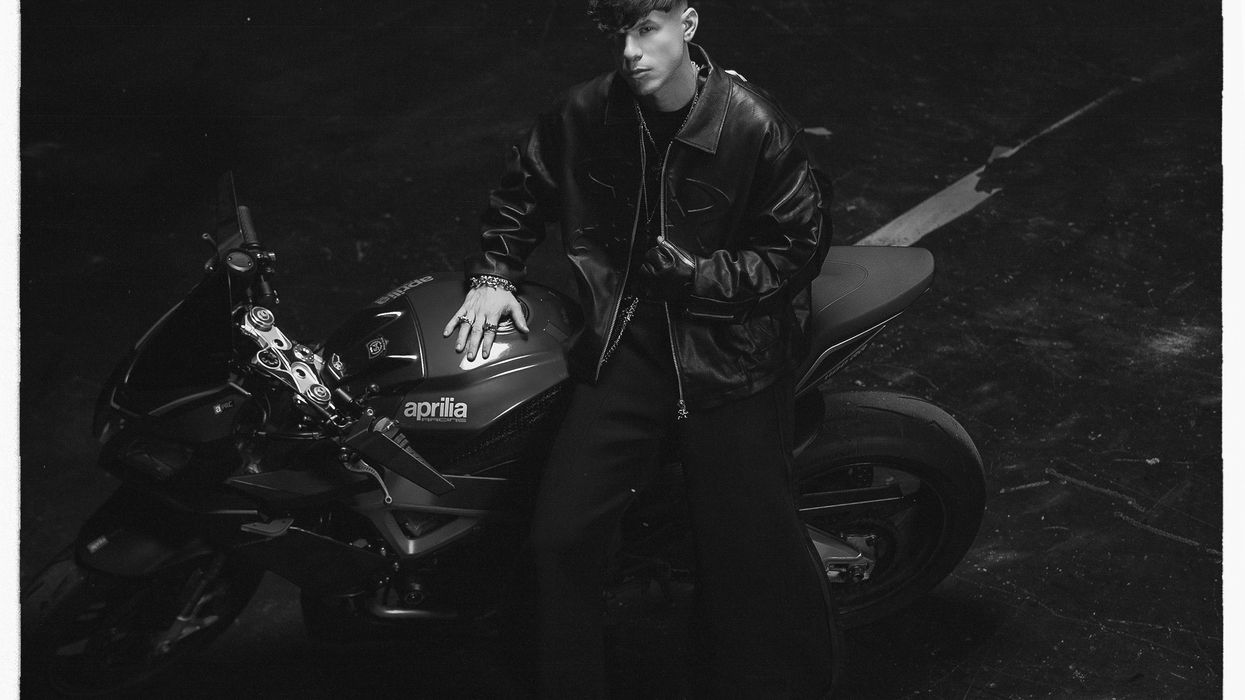
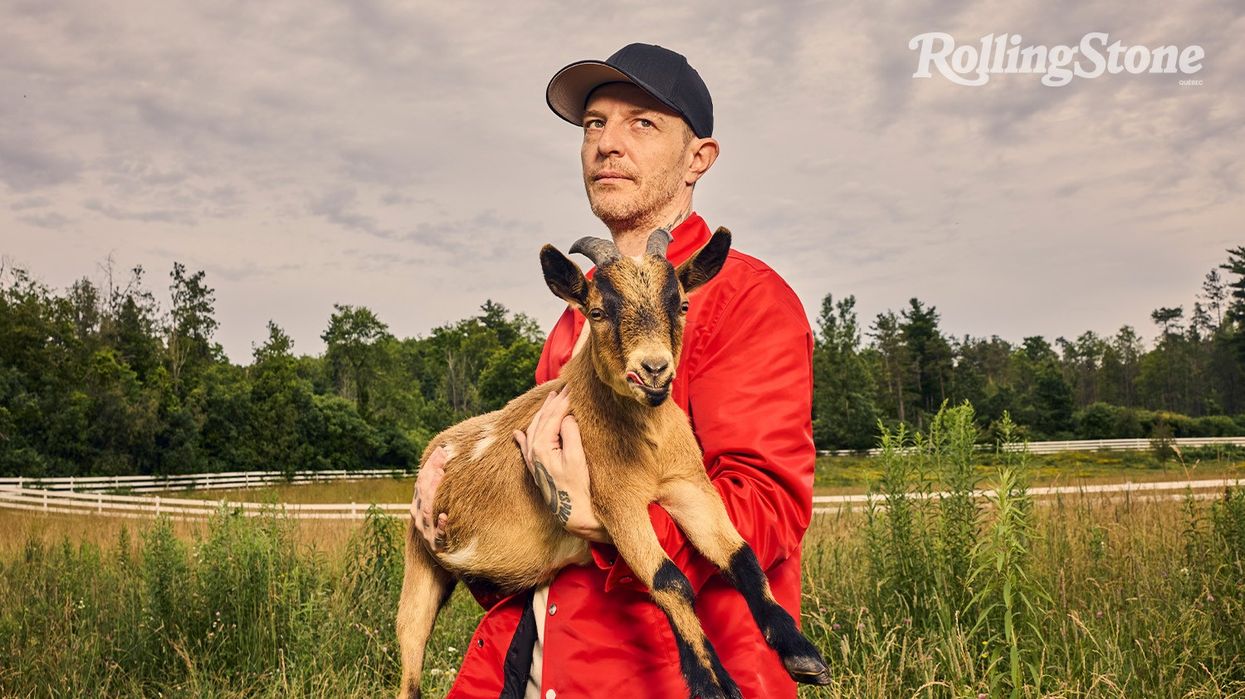
With over two hundred music videos directed in a single year and a growing creative empire, The.97 has become a defining force in Canadian visual culture. His work with artists like Coi Leray, Fridayy, Chris Brown and Yung Bleu has earned international recognition, and his influence continues to expand far beyond Toronto. We sat down with him to talk about his journey, his creative discipline and what it takes to build a legacy in today’s visual landscape.

Rolling Stone: You recently did a panel with Gary Vee’s VaynerMedia at their New York office. That is a major crossover moment between creativity and business. How did that come together, and what was that experience like for you?

The.97: Gary DM’d me personally one day, completely out of the blue. It caught me off guard because I had followed his content for years, and seeing him recognize my work meant a lot. He invited me to his New York office, and that visit turned into something much bigger. I met Mike Boyd and the whole Vayner team, and it instantly felt like I was in a room full of people who understood brand storytelling and creative scale. After that, they brought me to Cannes for their events, and that experience shifted my mindset. You see how the biggest agencies in the world think and how they connect art and commerce seamlessly. It was validating and inspiring. It reminded me that Toronto creativity belongs on that same world stage.

Keep Reading Show less
Cops Who Falsified Warrant Used in Breonna Taylor Raid Didn’t Cause Her Death, Judge Rules

Cops Who Falsified Warrant Used in Breonna Taylor Raid Didn’t Cause Her Death, Judge Rules

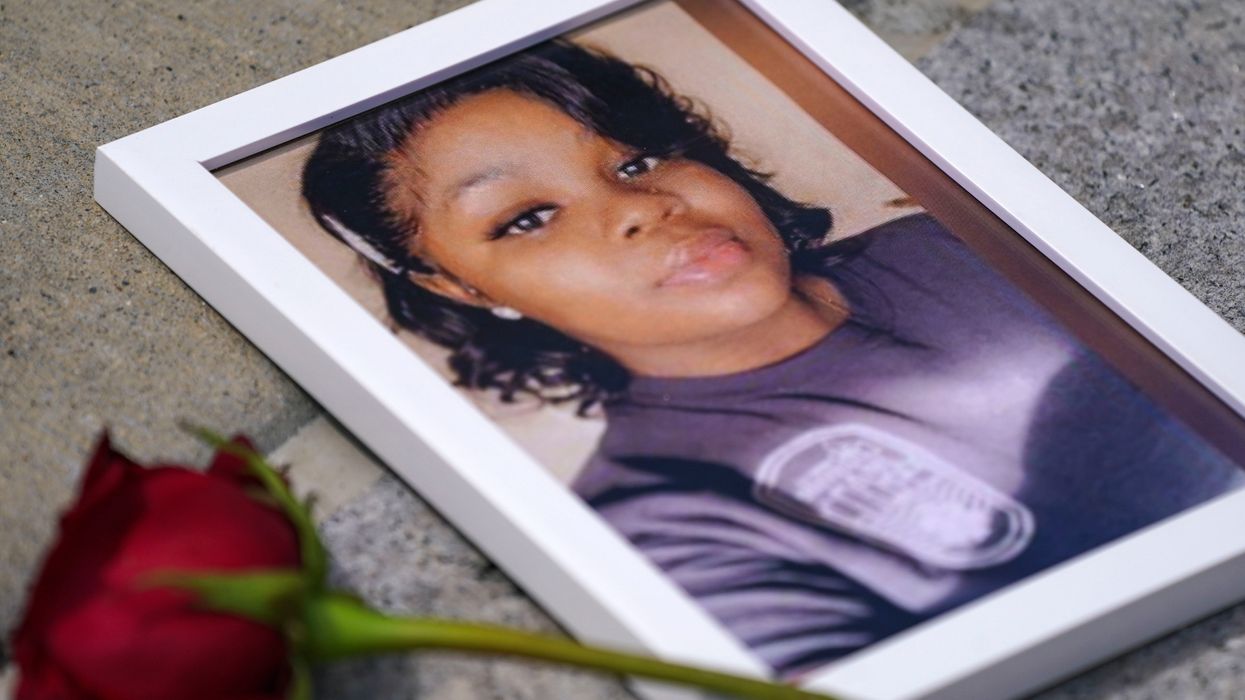
A federal judge in Kentucky ruled that two police officers accused of falsifying a warrant ahead of the deadly raid that killed Breonna Taylor were not responsible for her death, The Associated Press reports. And rather than the phony warrant, U.S. District Judge Charles Simpson said Taylor’s boyfriend, Kenneth Walker, was responsible for her death because he fired upon the police officers first — even though he had no idea they were police officers.

The ruling was handed down earlier this week in the civil rights violation case against former Louisville Police Detective Joshua Jaynes and former Sgt. Kyle Meany. The two were not present at the March 2020 raid when Taylor was killed. Instead, in 2022, Attorney General Merrick Garland accused the pair (along with another detective, Kelly Goodlett) of submitting a false affidavit to search Taylor’s home before the raid and then conspiring to create a “false cover story… to escape responsibility” for preparing the phony warrant. 

Keep Reading Show less
Meet the Nigerian Creators Going Global

Meet the Nigerian Creators Going Global

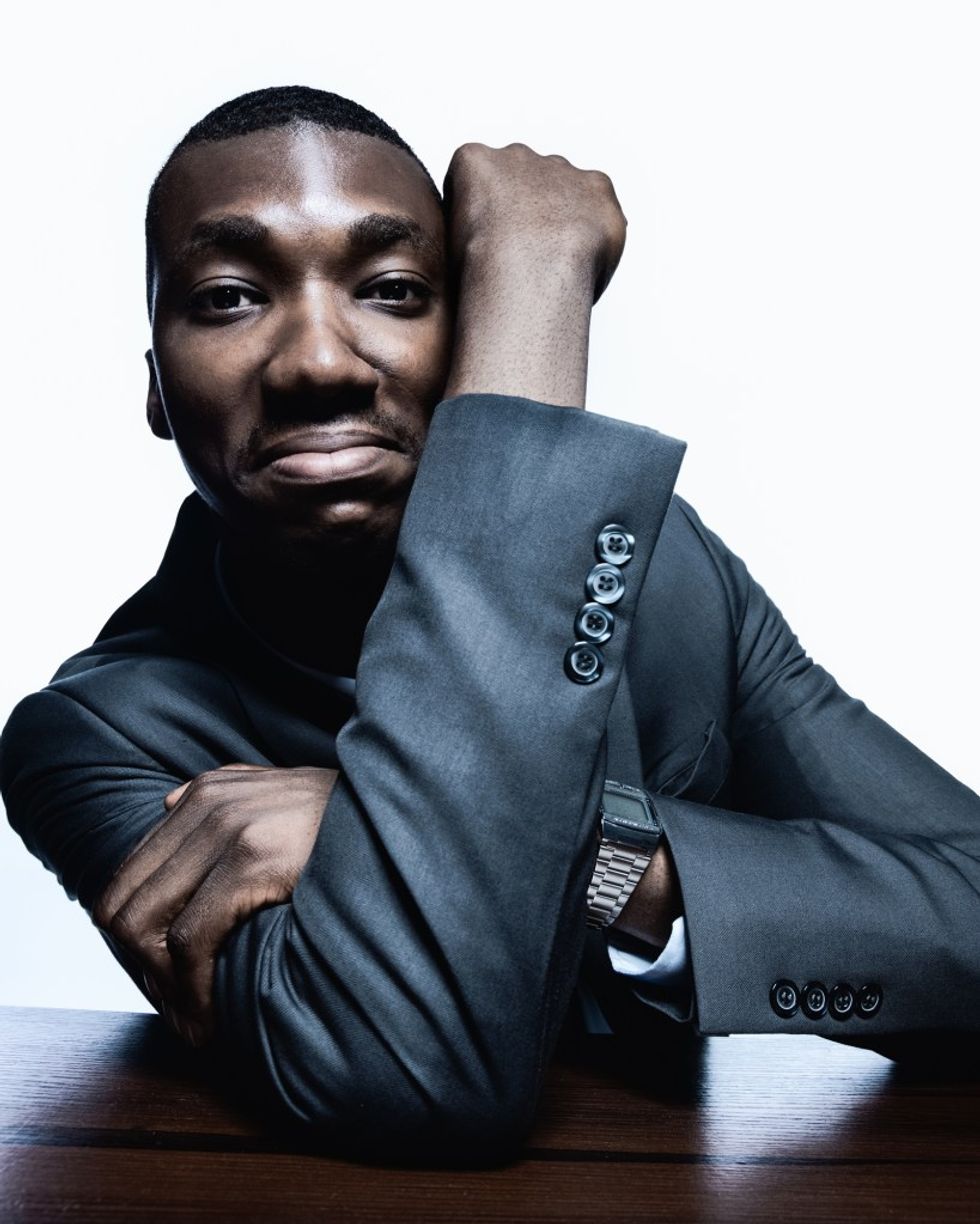
In June, Nigerian comedian Isaac Olayiwola — known as Layi Wasabi on TikTok and Instagram, where he has more than 3 million combined followers — took his first trip to London. There, he had his beloved skit character “the Law” endure U.K. hijinks as if it was his first time as well. In one skit, the Law — a soft spoken but mischievous lawyer who can’t afford an office — bumps into a local, played by British-Congolese creator Benzo The1st. In sitcom fashion, the Law breaks the fourth wall to wave at an invisible but audible studio audience as Benzo watches on, confused and offended. In another, Olayiwola links with longtime internet comedy creator and British-Nigerian actor Tolu Ogunmefun to have the Law intervene in the relationship of a wannabe gangster and his fed up girlfriend. In another, he goes to therapy complaining that he can’t find clients in London (“Everything seems to work here in the U.K.”).

Olayiwola wasn’t in London just to film content — it was a reconnaissance mission, too, sitting for interviews and testing ­­stand-up sets to see how his humor might translate. After breaking out as one of Lagos’ most popular creators, he’s set on becoming a top comic — not just in his region, but in the world.

Keep Reading Show less
‘Black Myth: Wukong’ Is a Hit. But Why Is the Game So Controversial?

‘Black Myth: Wukong’ Is a Hit. But Why Is the Game So Controversial?

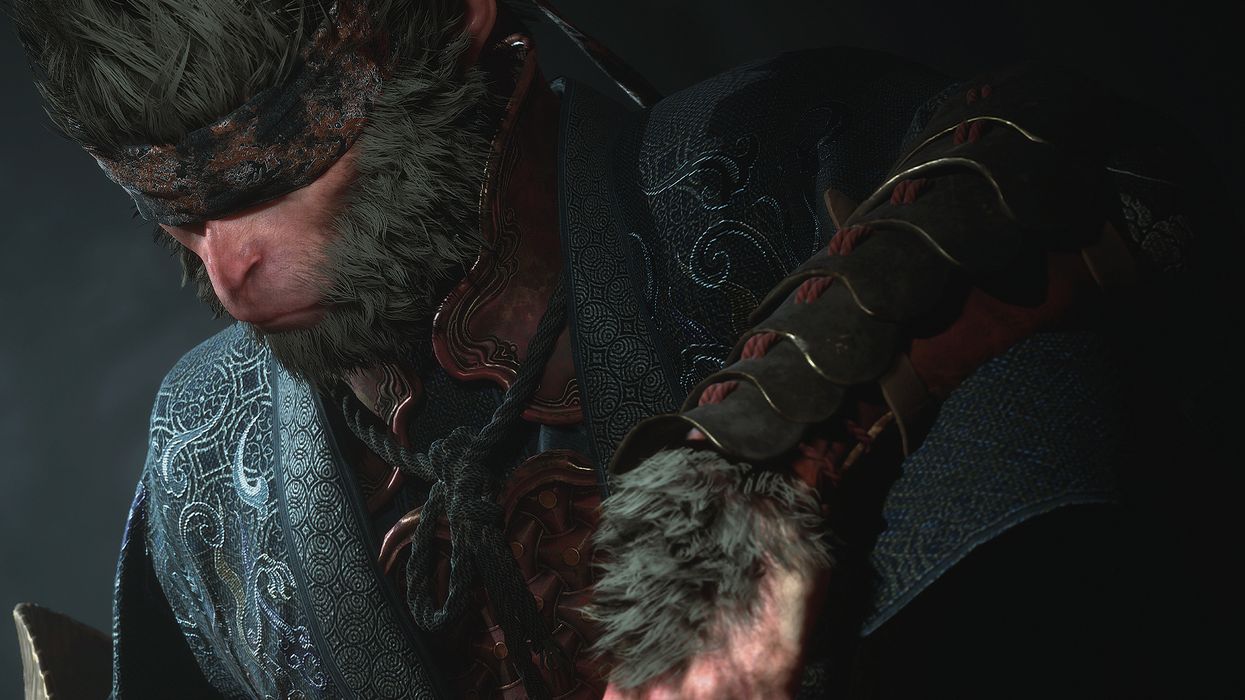
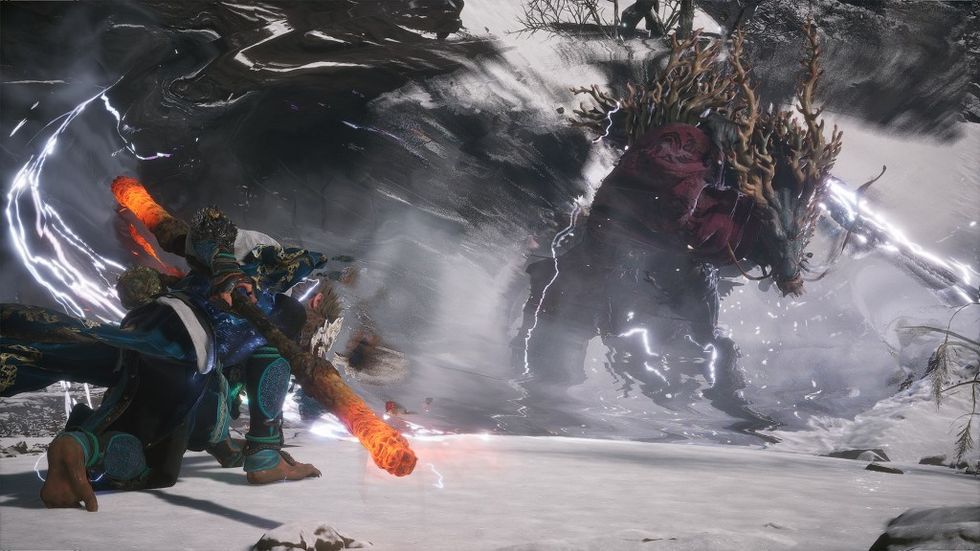
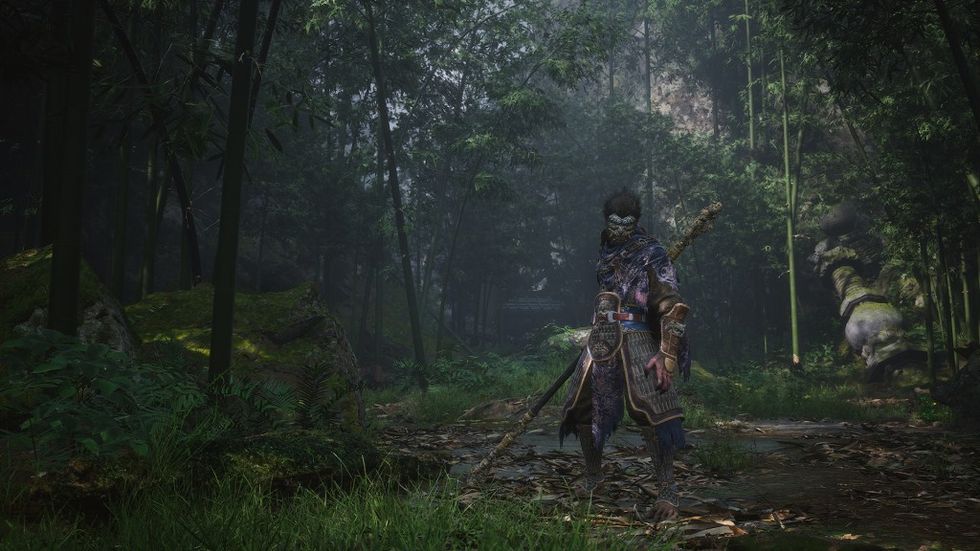
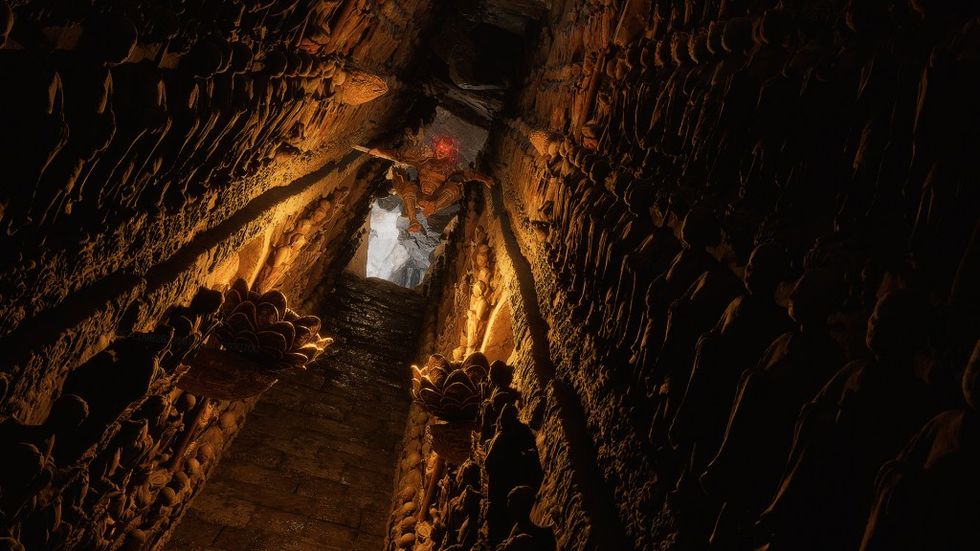
The expectations for Black Myth: Wukong have been sky-high since its first reveal back in 2020, which teased an action RPG with breathtaking graphics, set in a world based on the classic Chinese novel “Journey to the West” with a Dark Souls-style wrapping. After six years of development by independent studio Game Science, Black Myth: Wukong was released on Aug. 20 for PC and PS5, causing a stir in terms of sheer number of players amassed in just a few days.

At the time of writing, there are over 2.1 million concurrent players on Steam alone, as well as 132,000 viewers on Twitch watching dozens of streamers playing it. Black Myth: Wukong is, based on numbers alone, a rampant success. Beyond the stats, critical reception paints a mixed picture of a game mired in technical issues on the PC version, and multiple controversies surrounding both its development and the days around launch.

Keep Reading Show less
Here Are the People Who Lost Millions Backing Musk’s Twitter Takeover

Here Are the People Who Lost Millions Backing Musk’s Twitter Takeover

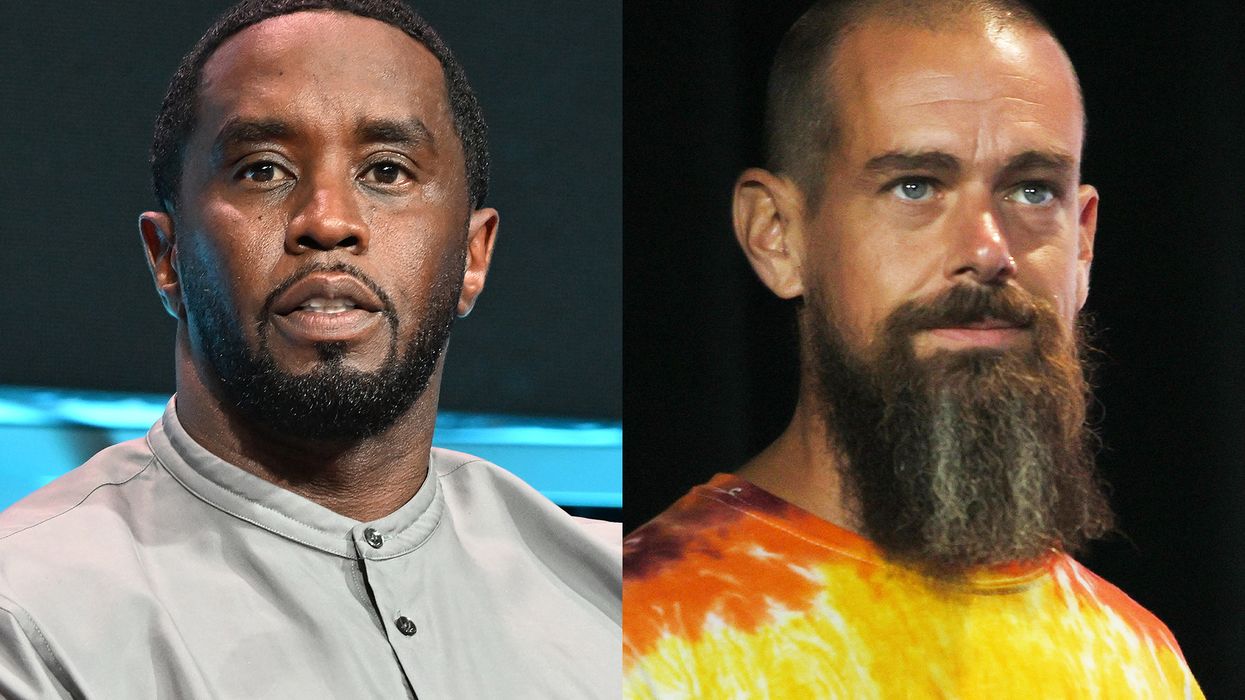
Elon Musk took Twitter private in 2022, but he didn’t do it alone: the deal was backed by his wealthy allies in Silicon Valley, embattled hip-hop mogul Sean “Diddy” Combs, and holding companies based in Saudi Arabia and Qatar, according to a court document ordered unsealed by federal judge on Tuesday, which were first seen by the public late Wednesday night.

The list of shareholders was made public thanks to a motion filed by nonprofit group the Reporters Committee for Freedom of the Press on behalf of independent tech journalist Jacob Silverman, who has argued that the public deserves to know “who owns an important site for public discourse and whether its free-speech fundamentalist majority shareholder is doing business with censorious dictatorships.” Musk’s company, now branded X Corp., had until Sept. 4 to comply with U.S. District Judge Susan Illston’s order to disclose the investors.

Keep Reading Show less