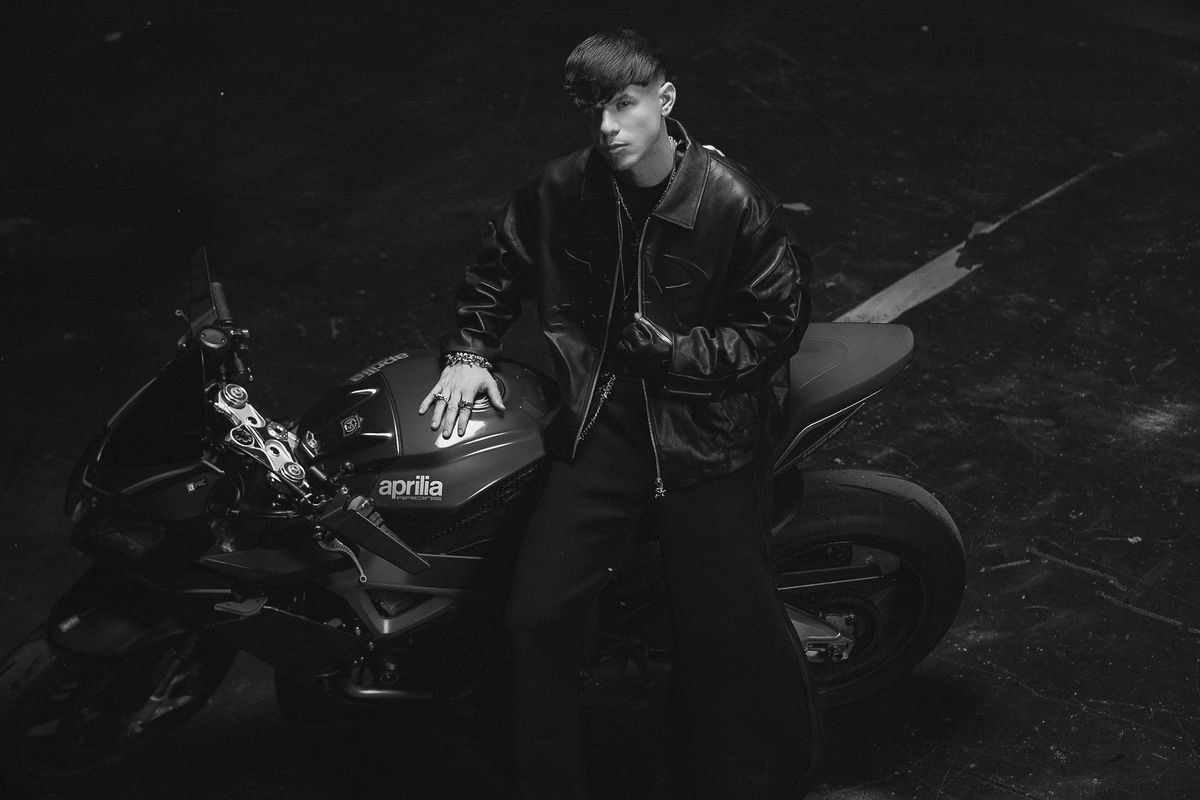

With over two hundred music videos directed in a single year and a growing creative empire, The.97 has become a defining force in Canadian visual culture. His work with artists like Coi Leray, Fridayy, Chris Brown and Yung Bleu has earned international recognition, and his influence continues to expand far beyond Toronto. We sat down with him to talk about his journey, his creative discipline and what it takes to build a legacy in today’s visual landscape.
Rolling Stone: You recently did a panel with Gary Vee’s VaynerMedia at their New York office. That is a major crossover moment between creativity and business. How did that come together, and what was that experience like for you?
The.97: Gary DM’d me personally one day, completely out of the blue. It caught me off guard because I had followed his content for years, and seeing him recognize my work meant a lot. He invited me to his New York office, and that visit turned into something much bigger. I met Mike Boyd and the whole Vayner team, and it instantly felt like I was in a room full of people who understood brand storytelling and creative scale. After that, they brought me to Cannes for their events, and that experience shifted my mindset. You see how the biggest agencies in the world think and how they connect art and commerce seamlessly. It was validating and inspiring. It reminded me that Toronto creativity belongs on that same world stage.
You have also been working closely with Yung Bleu, directing visuals for his entire new album. How did that collaboration start?
We met at a club in downtown Toronto, completely by chance. I was not expecting to talk business, but he recognized me right away and said, “You’re The.97. I’ve seen your work.” From there, we connected. Bleu’s energy is special because he cares about how his visuals connect to the emotion of his music. We built a mutual trust, and before long I was conceptualizing the entire visual rollout for his album. When I take on a project like that, I am not just directing. I am building a world around the artist’s sound. That is what I live for.
You have directed over two hundred music videos in a year. That is a huge output. How do you balance that workload and stay consistent?
Passion. I’m obsessed with visuals. From the edit to the final color grade, every step is something I genuinely enjoy. I do not see it as work. My workflow is built on efficiency, and my team knows exactly how I like to move. I am constantly editing, scouting and developing concepts. I treat creativity like a muscle. The more you use it, the stronger it gets. Consistency does not come from motivation. It comes from discipline. When you truly love what you do, burnout feels different. You evolve through it.
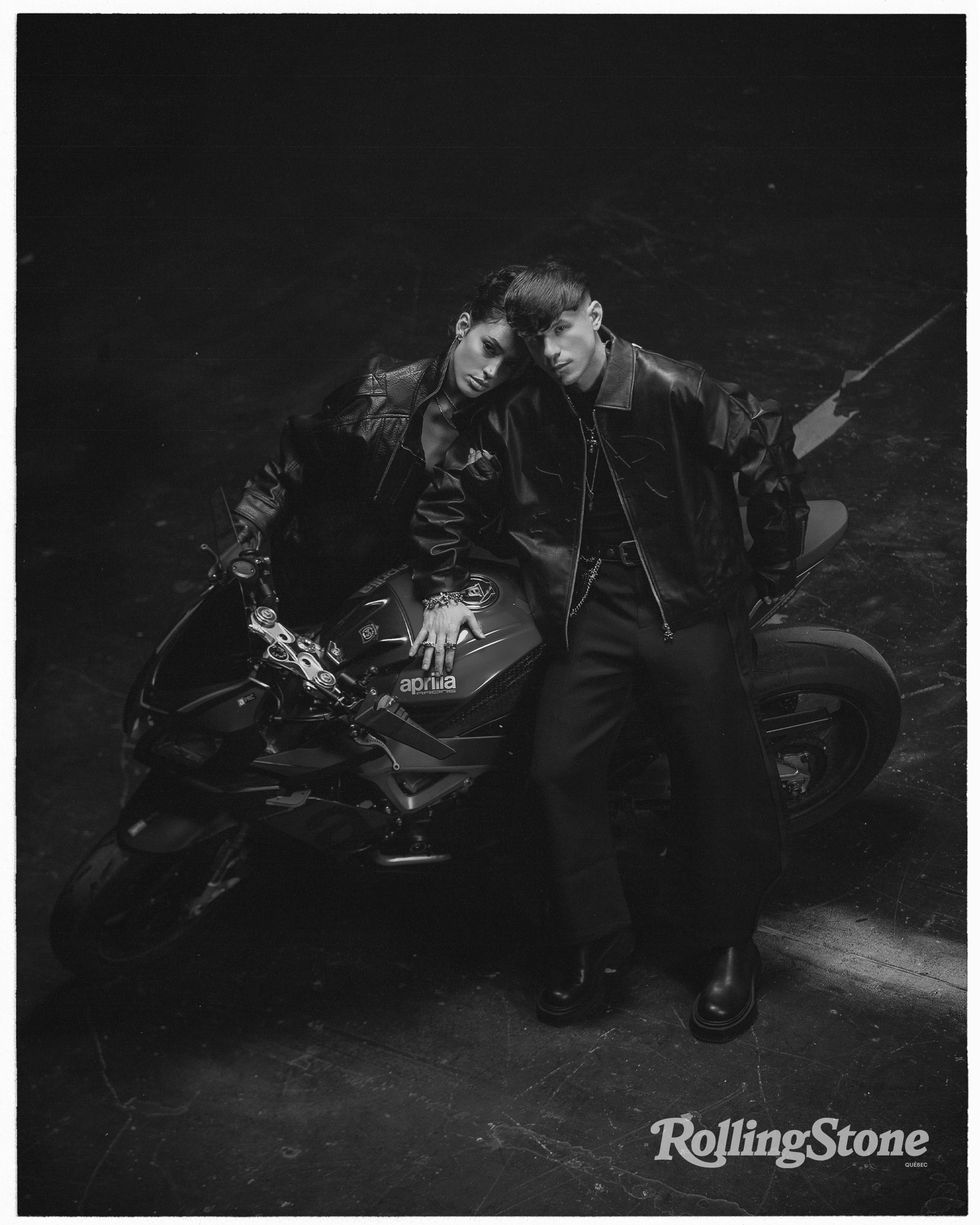
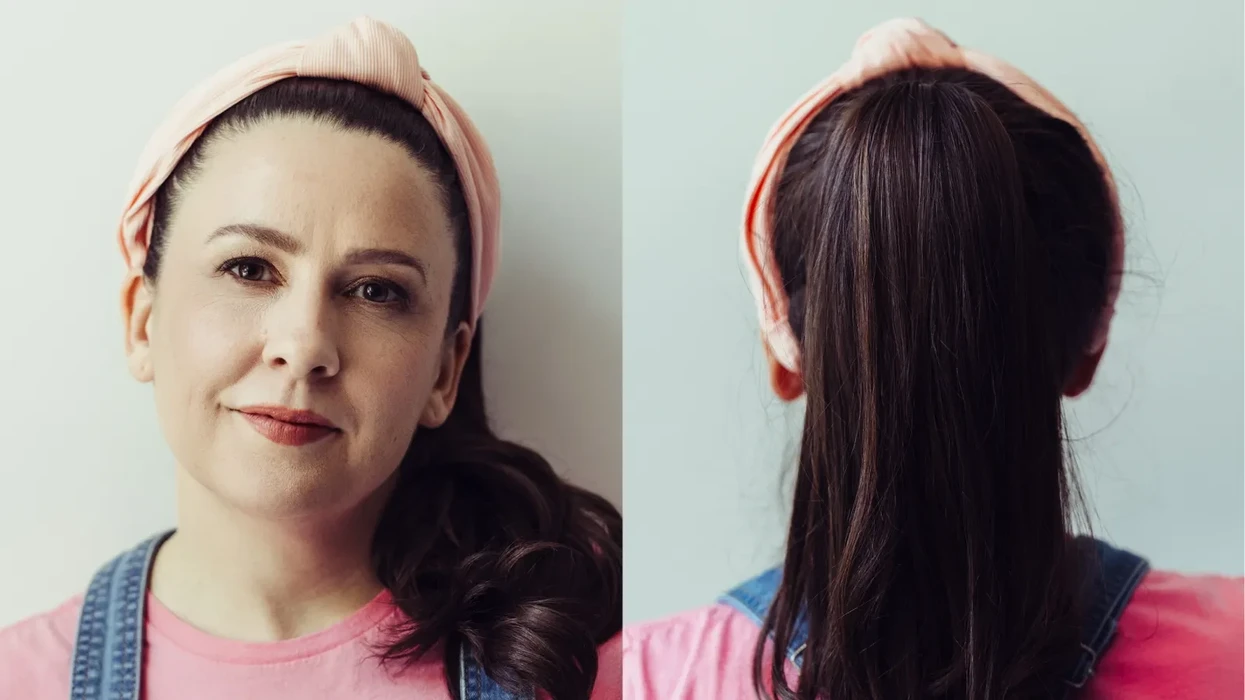
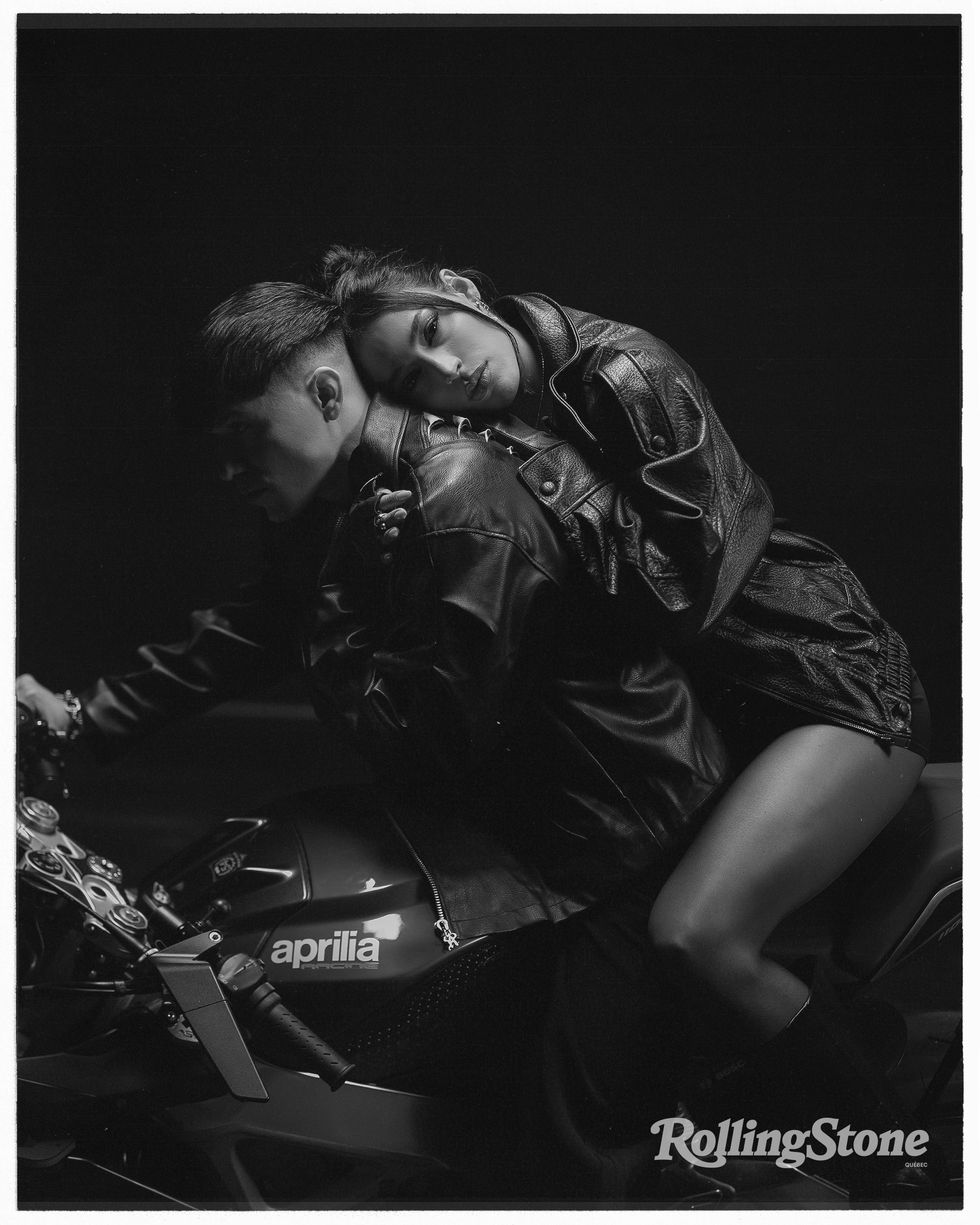
Your Rolling Stone Québec editorial features Sarah Caamaño alongside you. Tell us about that choice and your history together.
Sarah and I go back more than ten years. We met on the set of Roy Woods’ “Get You Good.” I was working as a photographer and she was modeling. Neither of us knew where our careers would go. Fast forward to 2020. I had just launched my production company, The.97 Collective, and the first model I ever booked was Sarah. That meant a lot. Now, to be on set again for this editorial felt full circle. Our paths have intertwined in a way that reflects everything I value: loyalty, growth and building through real connection.
You are known for creating opportunities for other creatives in Toronto. What is the scale of what The.97 Collective has built?
We have worked with and employed hundreds of creatives across the city, including DPs, editors, stylists, designers and producers. The goal has always been bigger than making videos. It is about creating a system where talented people can thrive. I have always been open to collaboration. If you bring the right energy and the drive to create, I will work with you. Toronto has so much hidden talent that needs opportunity and infrastructure. The Collective became that bridge. Seeing people build careers and support their families through our work is what legacy looks like to me. It keeps me grounded.
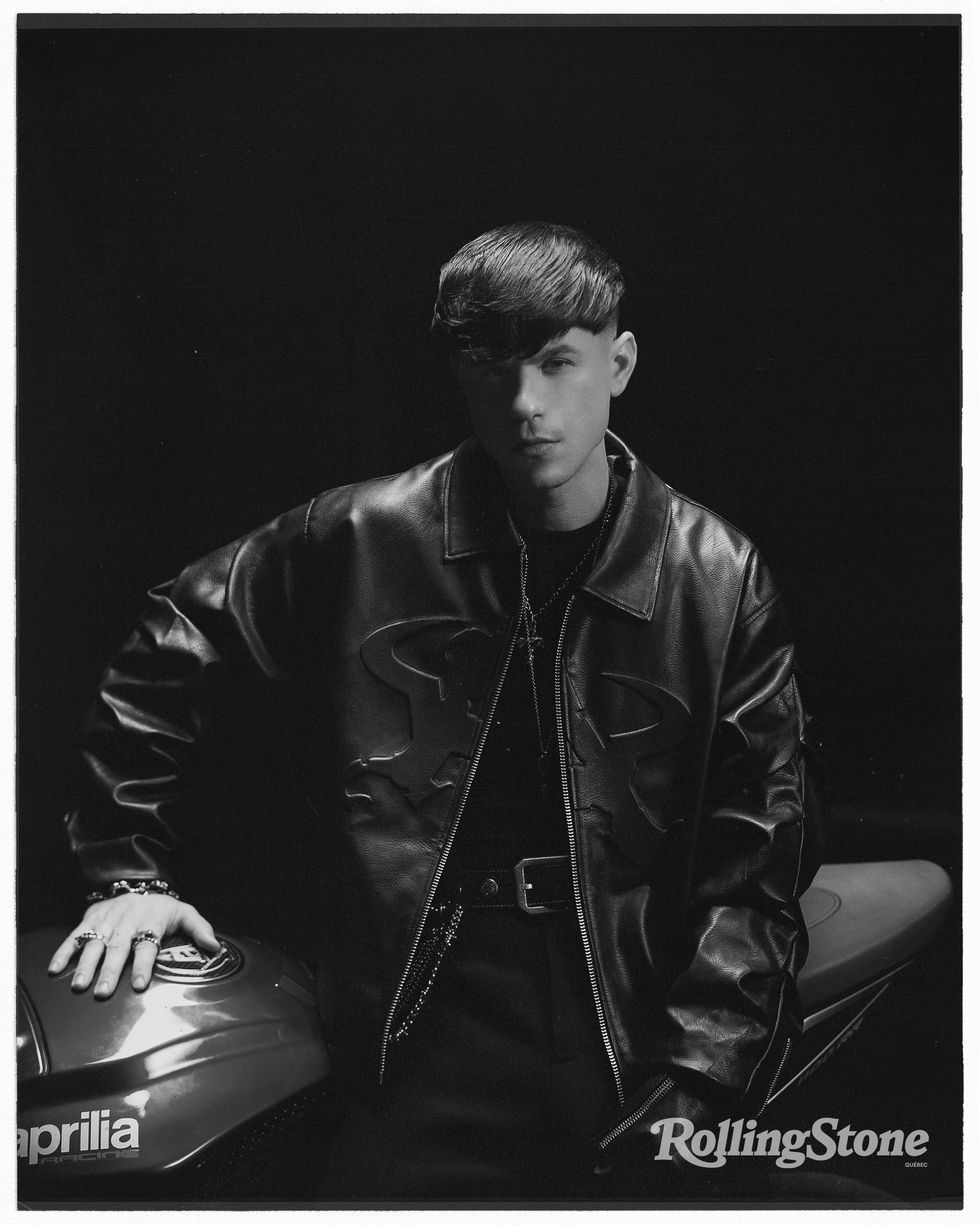
What does a typical day look like for you?
I am a night owl. My most creative hours start after midnight. I eat once a day because that is how my body and mind stay locked in. My days are structured but flexible. I usually wake up late morning, review edits and handle meetings in the afternoon. Once the sun goes down, I get into my zone, whether it is editing, writing treatments or planning shoots. Routine keeps me consistent. Everything in my life right now revolves around focus. I cut out distractions because peace of mind is my real currency.
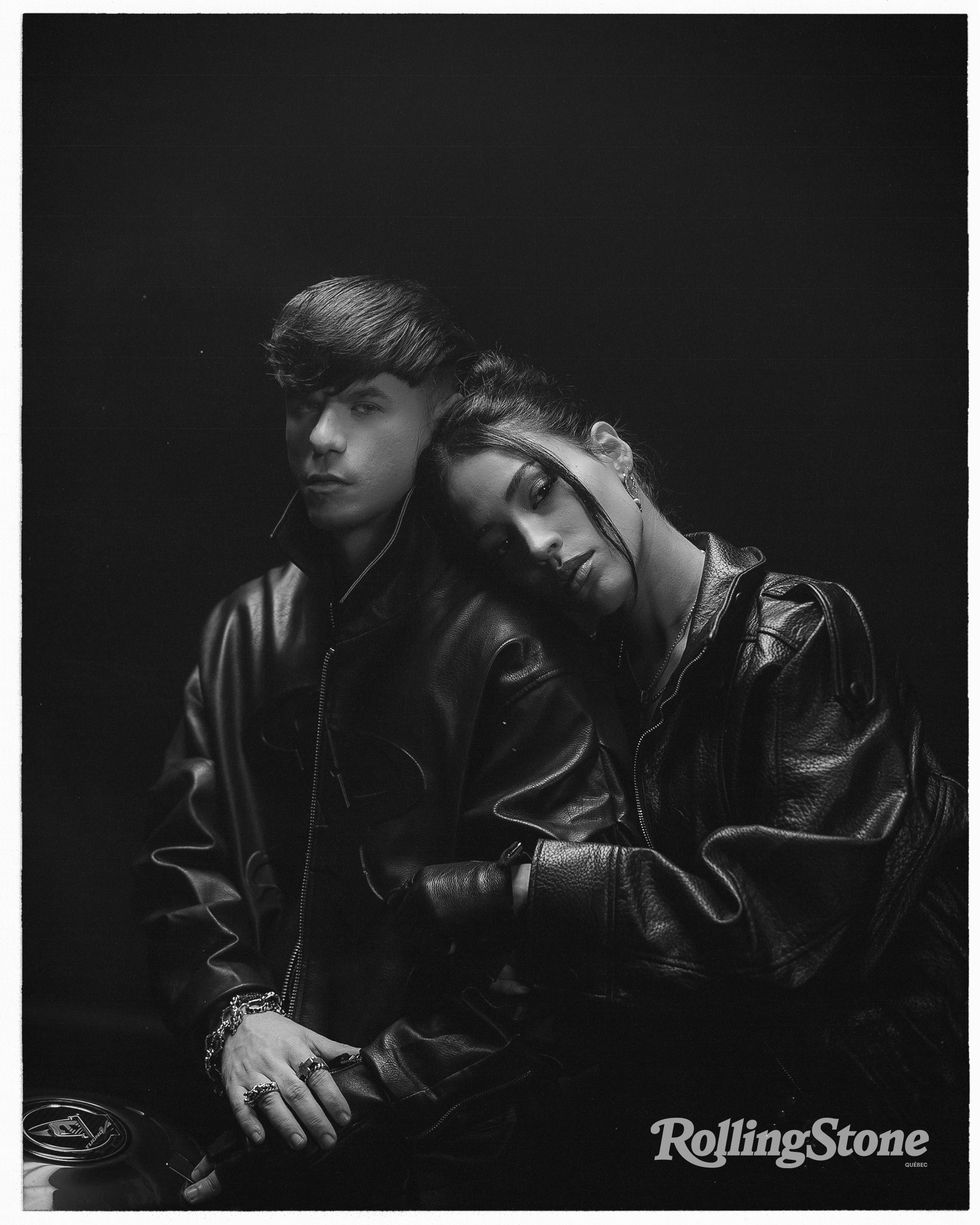
For the next generation of creatives coming up, what is your biggest piece of advice?
Create your own opportunities. Do not wait for anyone to validate you. Reach out to people, shoot your shot and build your network through energy and intention. When I started, no one gave me anything. I had to make it happen. Manifestation is not just a word. It is a practice. You have to see your future before anyone else does and work every day like you already have it. Believe in yourself even when the results are not visible yet. That is how you move from dreaming about success to living it.
You have built an empire out of creativity. What comes next?
Expansion. I want to take The.97 Collective global. We are building relationships in New York, Los Angeles and overseas. I see us creating films, branded content and possibly a studio space where Canadian creatives can develop projects that compete internationally. The mission has always been the same. Build something bigger than myself. I am not chasing fame. I am chasing legacy.
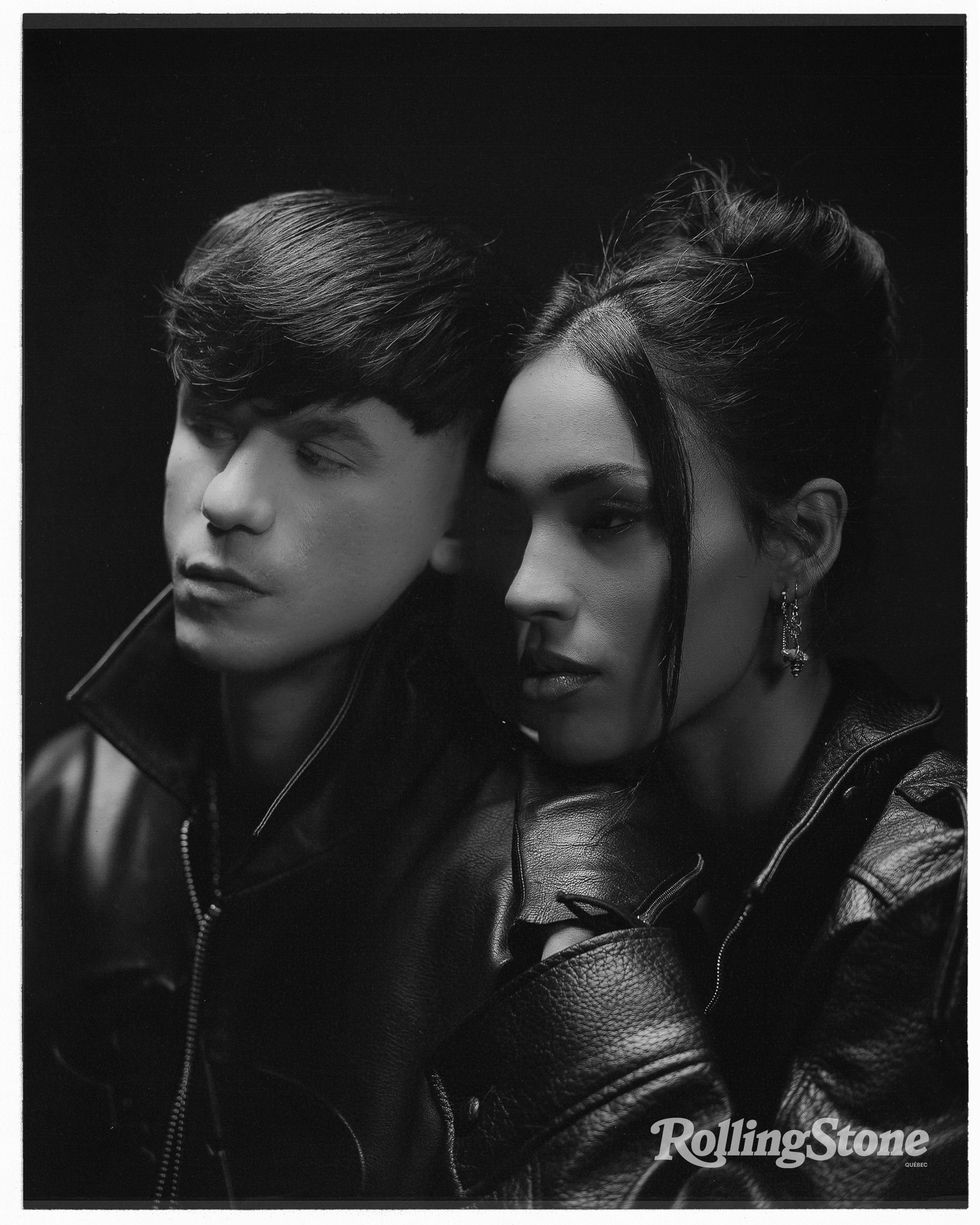
How did The.97 Collective start, and when did you realize it had grown into something much bigger?
The Collective started from pure obsession. There was no business plan and no announcement. I built it project by project. I was directing, editing and making connections, and before I knew it the name carried weight. I was so focused on growing the company that I stopped paying attention to how far we had come. One day I looked up and saw how big it had become and how many people were depending on us.
It was not overnight. It was years of staying up until sunrise and making sure every project outdid the last one. People talk a lot about balance, but when you are building something real, obsession becomes part of the process. I never saw the hours as a sacrifice. They were an investment. There should be no regret in giving everything you have to your craft. Every sleepless night, every long edit and every setback became part of the foundation of what The.97 Collective is today.
We did not chase validation. We built consistency. That is what separates passion from hobby. You treat it like your life depends on it, and in my case it did.
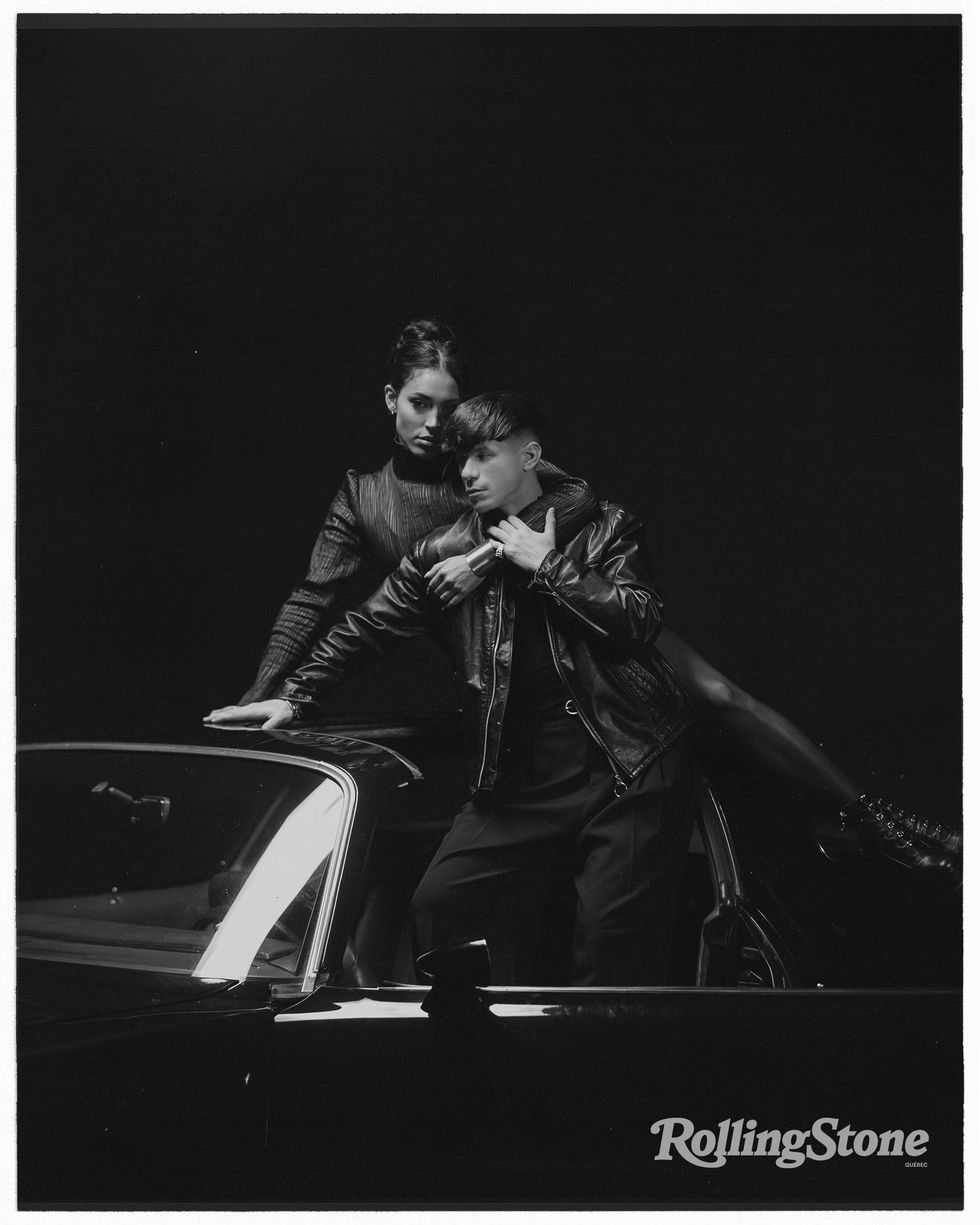
Mihailo Andic
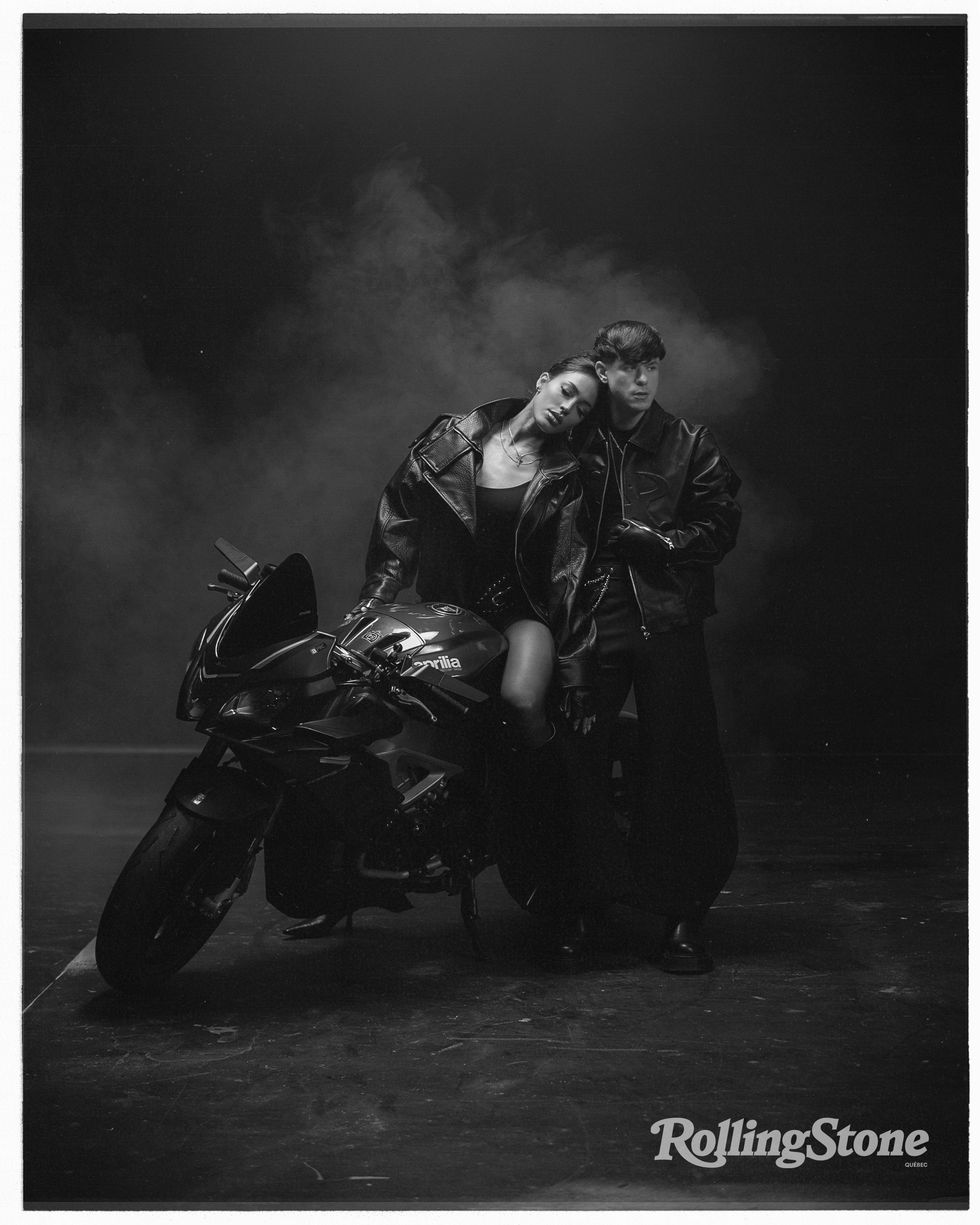
Mihailo Andic