
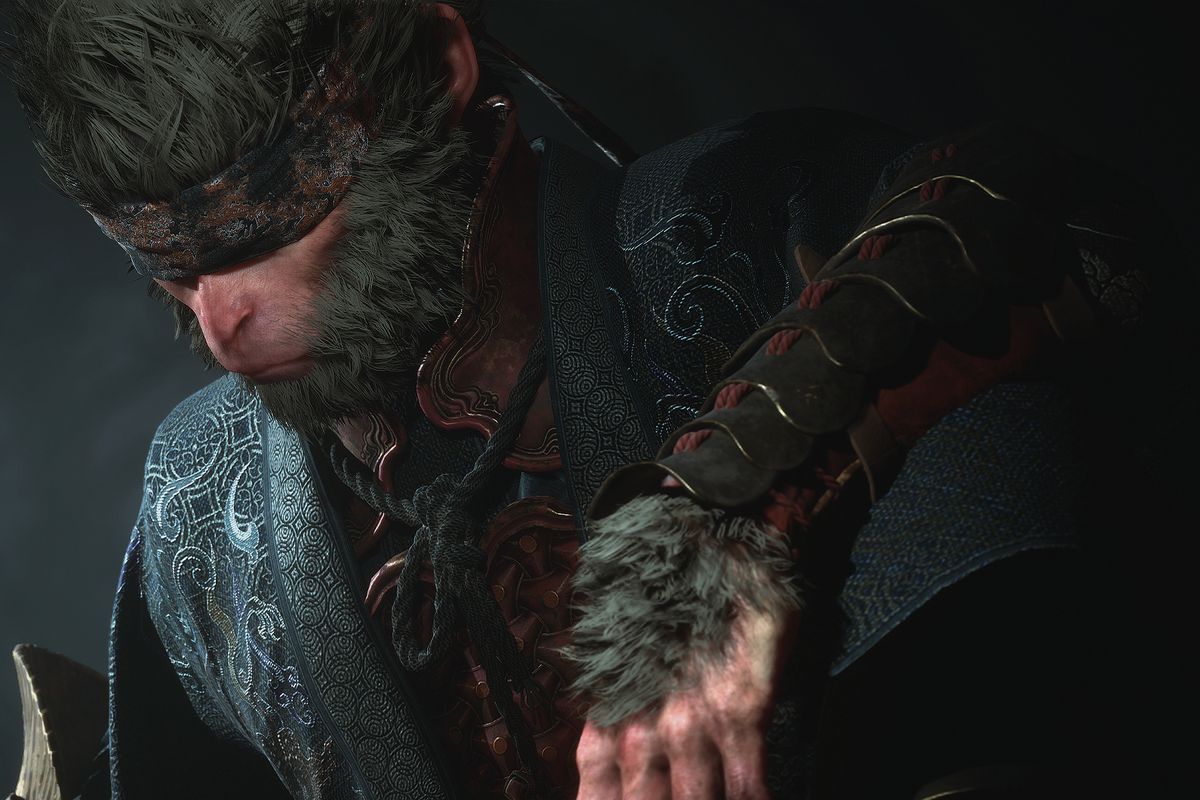

The expectations for Black Myth: Wukong have been sky-high since its first reveal back in 2020, which teased an action RPG with breathtaking graphics, set in a world based on the classic Chinese novel “Journey to the West” with a Dark Souls-style wrapping. After six years of development by independent studio Game Science, Black Myth: Wukong was released on Aug. 20 for PC and PS5, causing a stir in terms of sheer number of players amassed in just a few days.
At the time of writing, there are over 2.1 million concurrent players on Steam alone, as well as 132,000 viewers on Twitch watching dozens of streamers playing it. Black Myth: Wukong is, based on numbers alone, a rampant success. Beyond the stats, critical reception paints a mixed picture of a game mired in technical issues on the PC version, and multiple controversies surrounding both its development and the days around launch.
Here’s everything you need to know about Black Myth: Wukong, from how it parallels other hit games in its genre to why its reception has been so contentious.
What is Black Myth: Wukong?
Black Myth: Wukong is a single-player action RPG inspired by Chinese mythology. You play as the Destined One, following the footsteps of Sun Wukong, the Monkey King and the main protagonist of Journey to the West. Acting as a follow-up of sorts to the novel’s events, the Destined One must retrieve the six relics of Wukong with the help of familiar characters from the original story.
Based on the initial trailer, many expected the game to be a “Soulslike” in the vein of 2022’s Elden Ring or 2023’s Lies of P, but that’s not exactly accurate. Like in those games, you face enemies with massive health bars, dramatic attacks, and complex patterns to memorize to take them down. There are bonfire-esque checkpoints scattered around the world for you to save your game, tend to your upgrades, and craft items. But it also lacks many of the key elements of traditional “Soulslikes.” There’s no penalty for dying or shared in-game currency or progressions that are lost if you hit a “game over” screen. Checkpoints are usually a few meters away from boss encounters, too, so you’re not forced to repeat long and tedious paths for a retry.
Levels aren’t exactly labyrinthine either, another staple of developer FromSoftware, whose Dark Souls series inspired the “Soulslike” genre. While there’s exploration, and an array of items to reward your curiosity if you stray from the main path, the structure is quite linear. In fact, critics were surprised to see that Black Myth: Wukong ended up being a boss rush of sorts, taking you from one tough enemy encounter to the next with short sections breaking the pace in between featuring a few smaller enemies here and there.
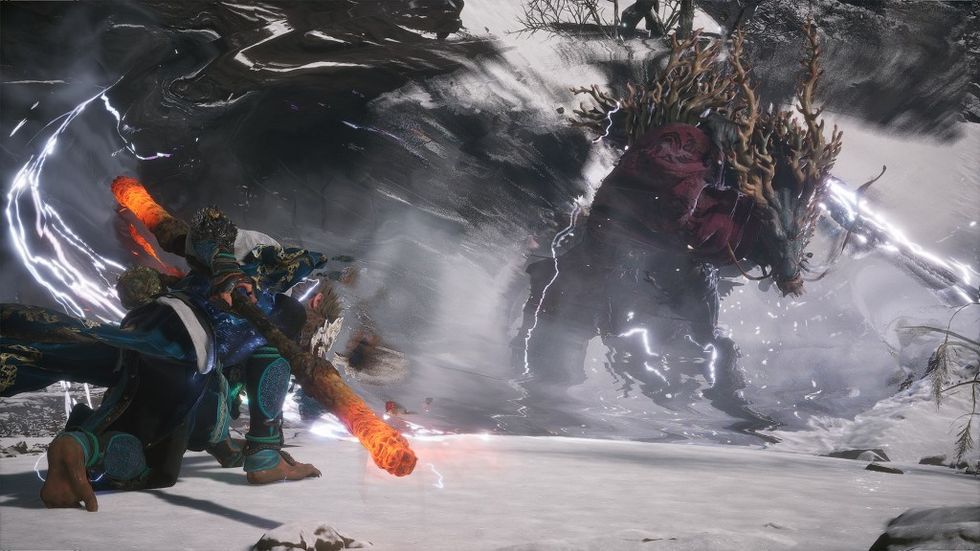
The bulk of the experience centers around set pieces packed with spectacle and a dynamic combat system to plunge through them. Transformations and spirits are the main standouts, granting you signature moves of enemies or momentarily letting you shapeshift into previously defeated bosses. The latter can be anything from a slow-moving character that has a massive rock on its head to stomp the ground and charge forward with force to an anthropomorphic tiger wielding a greatsword.
While Black Myth: Wukong isn’t an easy game by any means, you often have a large variety of tools at your disposal. The protagonist has plenty of surprises under his robe to mess with enemies, such as momentarily stunning them in place, creating decoys for foes to target while you take a breather to heal yourself or charge a powerful attack, making them lose their balance and hit the ground Monster Hunter-style, and more. Part of the charm is to collect as many of these transformations and spirits as possible and come up with creative ways to exploit weaknesses.
Is Black Myth: Wukong Good?
On the surface, the popularity of Black Myth: Wukong is hard to deny. Less than 24 hours after launch on Aug. 20, it reached second spot on the most popular Steam games with over 2 million concurrent players. As such, it managed to surpass other popular single player titles like Elden Ring and Cyberpunk 2077, as well as multiplayer behemoths like Dota 2 and Counter-Strike 2. The only other record left to break is the peak that PUBG: Battlegrounds saw back in January 2018 with over 3.2 million players.
As reported by PCGamesN, the first day’s player peak saw a significant drop off toward the evening. The dip, which took place around 5 PM EST, left the game with just over 290,000 players. Considering 5 p.m. EST is equal to 5 a.m. China Standard Time (CST), it’s likely that most players gradually went to sleep throughout the night. This was backed up by Daniel Ahmad, director of research and insights at Niko Partners who analyzes the video games market in Asia and MENA.
In a blog post, Ahmad also shared details on how Wukong was the number one most viewed game on Chinese game live streaming platforms on its first day, breaking previous records for single player titles. Meanwhile, Singapore-based outlet The Straits Times reported that a number of Chinese companies are giving their employees time off to play the game, as well as reimbursing the cost of the game for those who bought it.
It may sound crazy for businesses to be making a video game release into a paid holiday, but in context it makes sense. The Chinese games industry has exploded in recent years with hits like 2020’s free-to-play RPG Genshin Impact, but Wukong represents the country’s first big AAA-caliber foray into the global market. It helps that its source material, Journey to the West, is among the most beloved and recognizable pieces of Asian literature, inspiring everything from Dragon Ball to Jackie Chan Adventures.
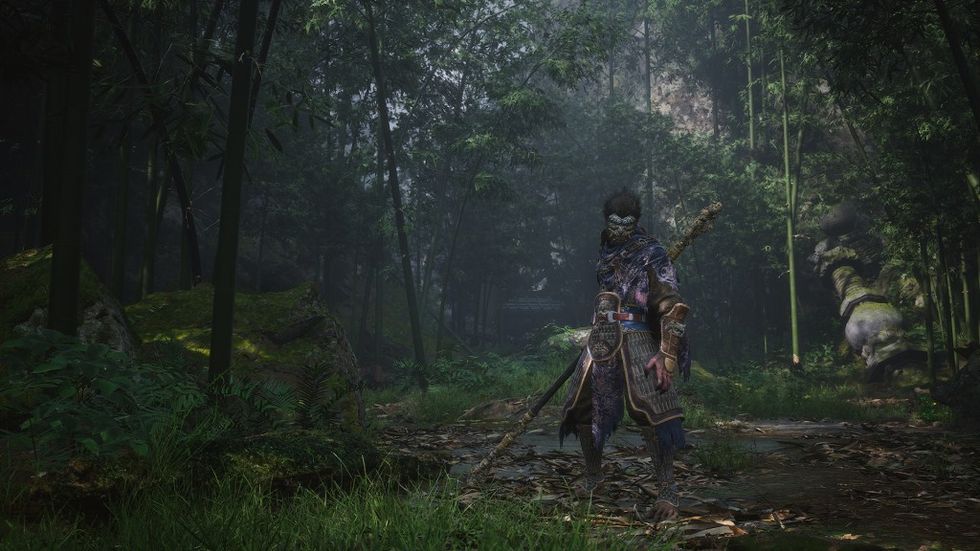
In terms of critical reception, the current score on Metacritic for the PC version of Black Myth: Wukong is sitting at 81, based on 69 reviews. Some outlets praised how Sun Wukong’s abilities are adapted from the novel to the game’s combat, as well as an unusual combo system that encourages fast-paced reactions. While the experience as a whole shows clear ambition with standout boss fights, level design lacks depth, the difficulty curve can sometimes feel uneven, and the story can be hard to follow without knowledge of the “Journey to the West” novel.
Others broke down in detail experiences with a number of technical issues. These ranged from several crashes on PC to instances of the player character falling through the game’s world, forcing a restart during some boss fights. It’s hard to keep a steady performance, too, with some users having struggling to run the game even with high-end PC graphics cards.
It’s worth mentioning that footage of some of these issues wasn’t present in a few reviews due to embargo restrictions, such as story-related spoilers like some boss fights. IGN, for example, uploaded a second version with updated footage on launch day. Outlets didn’t receive keys for the PS5 version either which, as Digital Foundry reports, is also a bit of a mess, with performance drops and visual woes. The latter is surprising, if not somewhat ironic, Sony’s extensive promotion of Wukong as a PlayStation 5 game. The game will eventually be released on Xbox Series consoles, although tech issues are reportedly delaying that version.
Other issues are related to audio, such as languages jumping from English to Chinese and vice versa at random, as well as some in-game journals seemingly lacking localization to English. Still, your experience may vary, especially on PC where different personal setups lead to all sorts of results. Game Science seems aware of these problems, as indicated by a Steam blog post on launch day warning that, despite multiple internal tests, “Occasional serious issues may still arise” due to the scale of different software and hardware environments across PC.
Why is it controversial?
Despite the hype surrounding Black Myth: Wukong over the years, its path hasn’t been without significant controversy. The most notable was a report by IGN, which compiled alleged sexist comments made by the studio’s founders and other internal team members, providing a deep look into misogynistic remarks that plagued the game’s development, and a toxic work culture. During an interview in late July with PC Gamer, the outlet asked a Game Science representative if they could address the details in the report, to which they replied, “We have no comment, we’re sorry. We’re only looking to answer questions related to the game and the gameplay.” IGN received a similar response after a demo session at this year’s Summer Game Fest, despite Game Science telling the outlet it’d have a statement “related to the reports of sexism” during the appointment.
Leading to launch, an email sent from the Black Myth: Wukong marketing team, which was shared by a few content creators on social media and later verified by news outlets, indicated a list of topics to avoid alongside the key to the game. The list includes standout items such as “feminist propaganda,” “COVID-19,” and “content related to China’s industry policies, opinion, news, etc.,” some which are related to IGN’s report.
The email was intended for content creators who planned to cover the game on launch, but didn’t include a non-disclosure agreement. Members of the press and reviewers who were sent a key before launch did not receive the list. As reported by Aftermath, the “anti-feminist propaganda” streaming restrictions are unusual, but not entirely unprecedented for the usual guidelines of sponsorship activation deals between brands and content creators. In the case of Wukong, since the email didn’t involve a sponsorship contract or NDA, there was no way to legally enforce the list’s items. This led to some streamers mocking the situation like MOONMOON, who ran a nearly 8-hour long livestream on launch day with 324,124 views, named the stream “Covid-19 Isolation Taiwan (Is A Real Country) Feminism Propaganda.” The VOD of the stream features the phrases “Human Rights” and “High Speed Rail.”
Much of the community’s response to critical reviews has also been in bad faith. Screen Rant, which scored the game with 3 out of 5 stars, included “lacking in inclusivity and diversity” as one of the cons of the review summary, but required an editor’s note on the footer explaining that the author’s name has been “removed for their safety” due to the backlash from fans. Users also shared a fake IGN review en masse, which the actual reviewer quickly discredited. At the time of writing, the fifth “most helpful review” on the Wukong‘s Steam store page has homophobic remarks about diversity, and has been up since launch day. There are currently over 277,000 reviews on the platform, which aggregate to an “Overwhelmingly Positive” rating.
Black Myth: Wukong has gotten a majority of mixed-to-positive reviews after years of hype, but is being hoisted on its own petard by controversy. It’s possible that Game Science might iron out the technical issues present in the game in the coming weeks or months, polishing the experience. Beyond that, it seems plausible that Wukong‘s legacy could remain tarnished by an unwillingness to address past comments while continuing to foster a contentious fanbase prone to respond to any sort of criticism in bad faith.
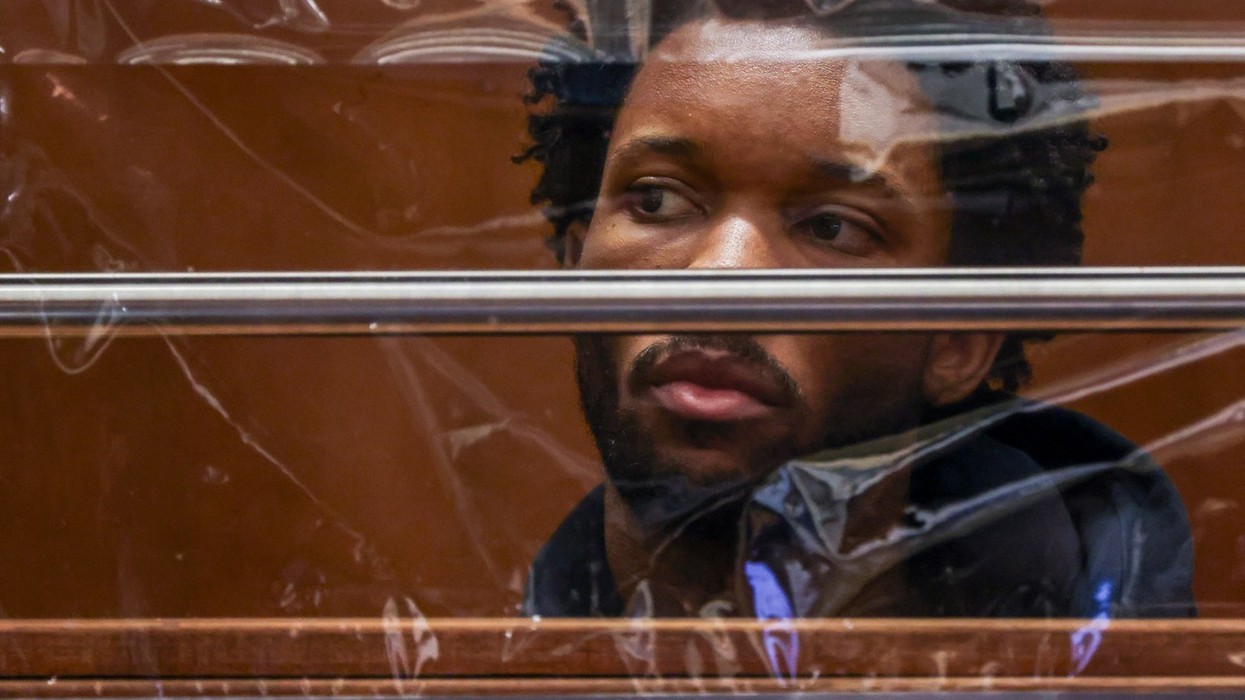


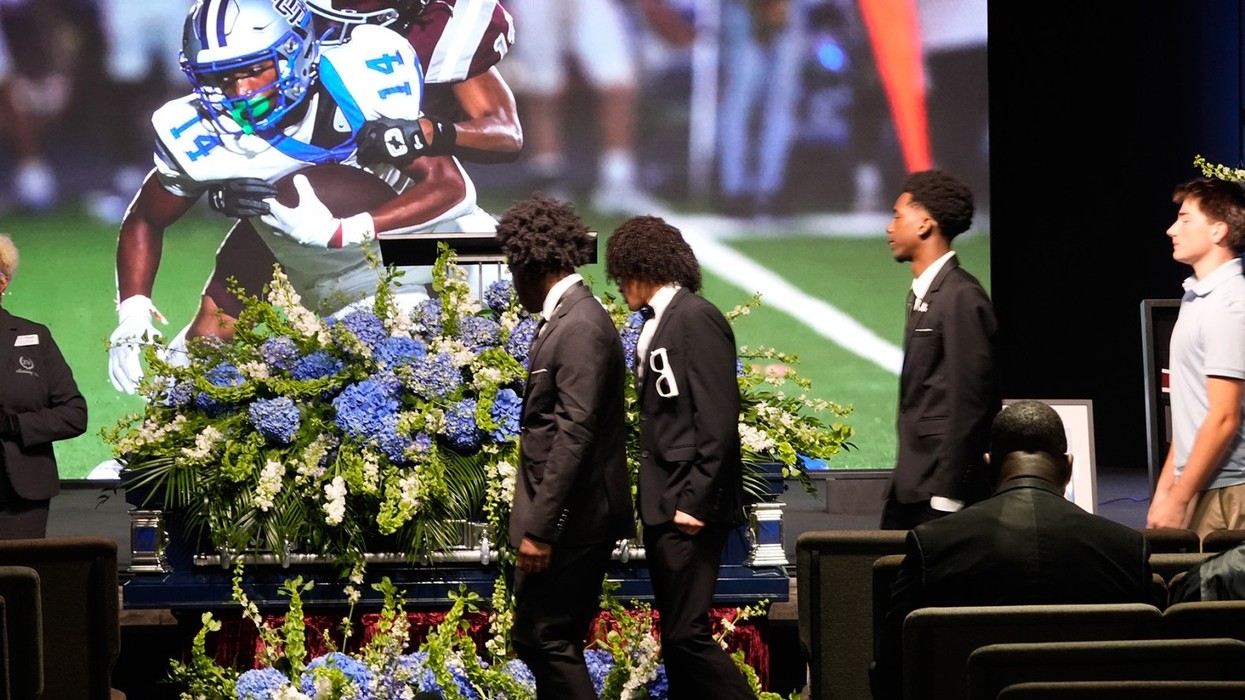
 Christine Wonsley with her husband, Elmore (second from left), attorney Ben Crump (left), and Rev. Al Sharpton (right), during a memorial service for her son Nolan Xavier Wells.Gerald Herbert/AP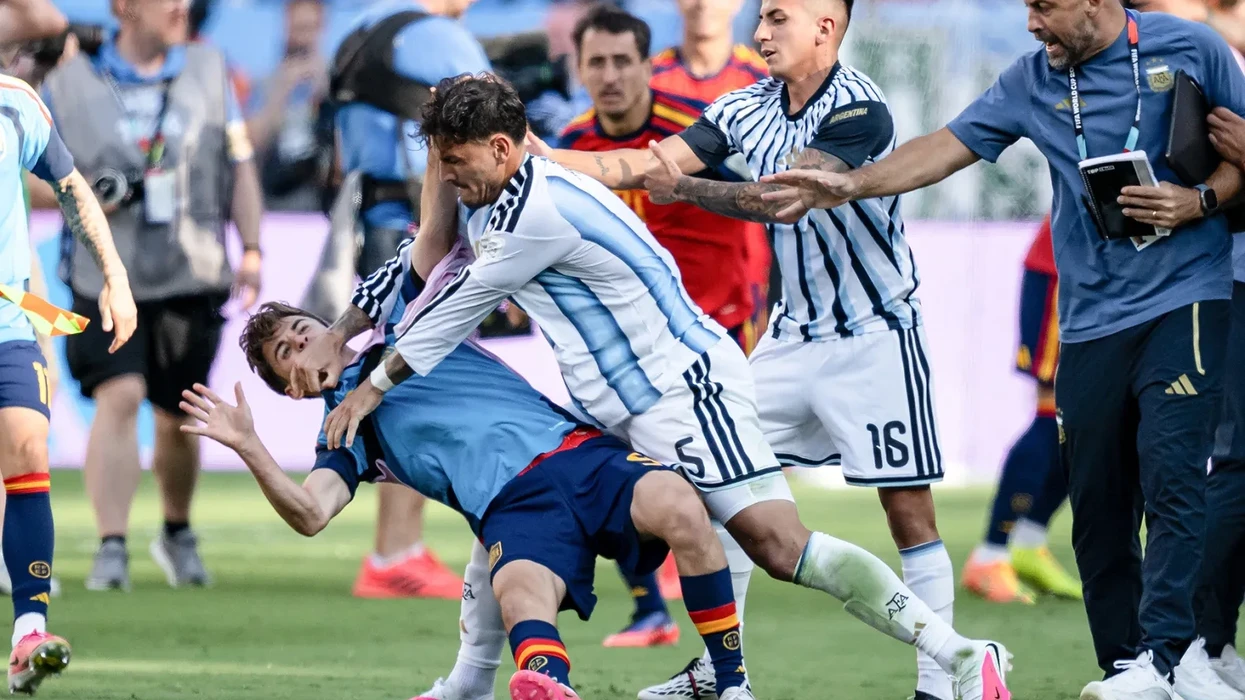
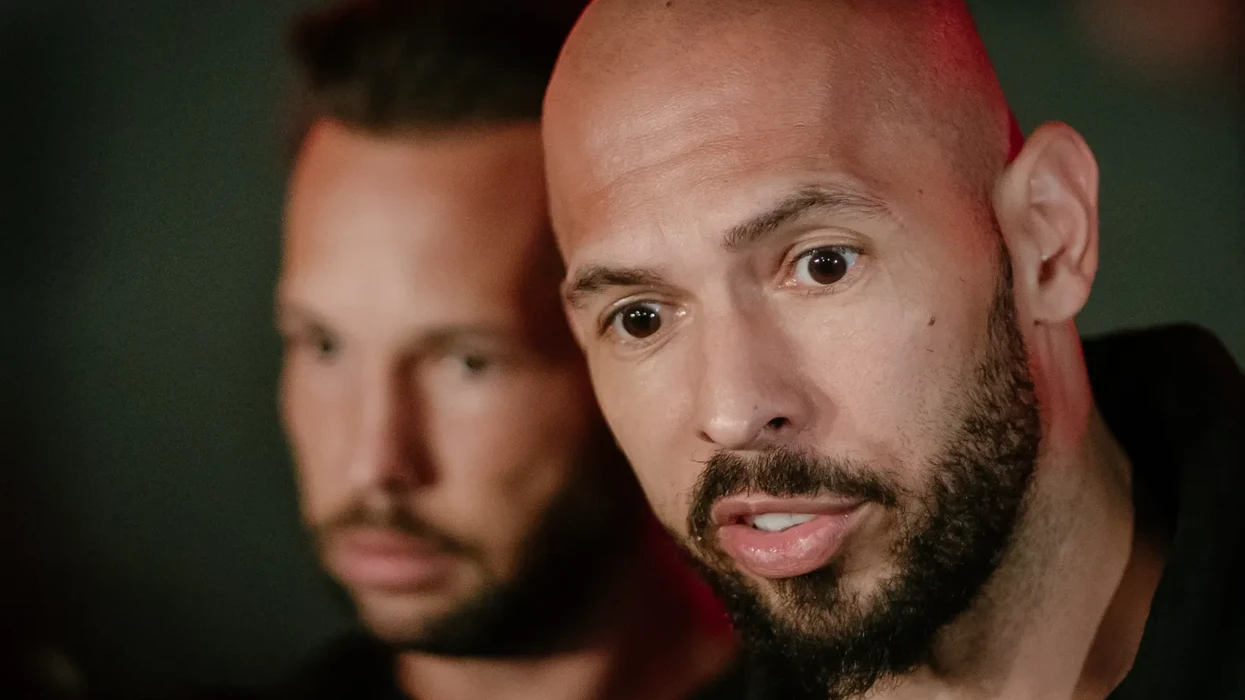
 Abu Asada, the current-day star of calisthenics, has built a cultlike following with his high-energy videos. Jason Motlagh
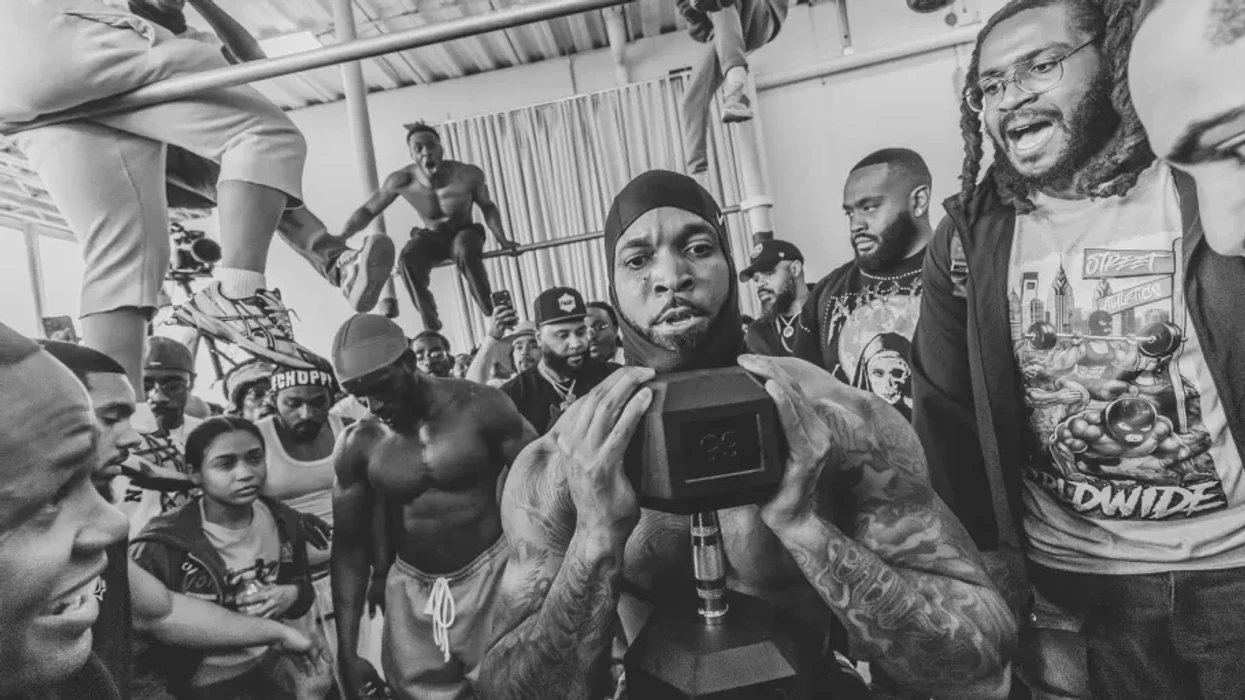
 Weighted pushups on a bar are a staple of battles. “The bars don’t lie” goes one old-school mantra. Jason Motlagh
 “In the world of calisthenics, the world is your gym,” one Houston-based battler says, “so you can get it in anywhere.” Jason Motlagh
 Abu Asada (center, standing) with competitors in Houston. “He really opened eyes to life-or-death [training],” says one athlete. Jason Motlagh

 Marshall Sampson celebrates his win surrounded by a raucous crowd in Brooklyn, New York. Sacha Lecca
 An exhausted Sampson post-battle. “Pressure exposes everyone,” Abu Asada says. Sacha Lecca
 The crowd cheers on the Calisthenic Prince, who calls himself a “bar magician,” during a battle in Brooklyn. Sacha Lecca
 The Prince and a competitor called Xtra Money go head-to-head on dips. Sacha Lecca
 The warriors take to the bar for muscle-ups. “This is the most physical thing you’re gonna see people do without being violent,” Abu Asada says.Sacha Lecca
 Xtra Money cranking out 75 goblet squats with a 65-pound dumbbell. Sacha Lecca
 The Prince accepts defeat in what Abu Asada calls “the most hostile even I’ve ever been a part of.” Sacha Lecca
Donald Trump and FIFA President Gianni Infantino stand as Spain celebrates its World Cup victory, on July 19, 2026.
America Got the World Cup It Deserves — Good and Bad
For the past six weeks or so I’ve been having a recurring fight with my friends. The dispute is over whether or not it’s ethical to support the U.S. national team in the World Cup.
To the vast majority of people reading this article, this is an absurd question: of course you can and should support the United States Men’s National Team, you weirdo. And look, I’m with you. But despite the fact that my friends are pompous dorks who are no fun to watch the game with, the question they raise is valid: Are our national teams avatars of the administration in power, or of the people and promise of that country?
If you believe the former, then yeah, it’s pretty fucking weird to support the USMNT. In doing so, by that thinking, you’d be engaging in a sort of athletic nationalism on behalf of a country run by Donald Trump, the most corrupt president in history, who forced the Iranian national team to flee across the border immediately after the final whistle of each of their games, whose federal police have shot numerous civilians dead in the street during a brutal immigration crackdown, who has started a war and supported a genocide while covering up his close personal friendship with the most notorious pedophile in modern history.
I mean just look at him. On Sunday he waddled down onto the field to present Spain with their trophy, lingering on stage with the victorious team as they tried to celebrate. The presence of Mexican President Claudia Steinbaum and Canadian Prime Minister Mark Carney did little to dilute the image of Trump standing next to his crony Gianni Infantino, grinning at all the trappings of their power, hands caressing a trophy they’d done nothing to earn, lingering well past his cue to leave Spain to their glory. This World Cup, literally, had Donald Trump’s fingerprints all over it.
And yet, this was one of the most thrilling, beautiful World Cups in recent memory. That’s America, baby — contradictions abound.
Over the past five weeks of the greatest athletic competition on Earth, we’ve seen games that will literally never leave my memory. The final, which I attended yesterday in New Jersey, was remarkably forgettable — a 0-0 draw until the 106th minute, with Spain dominating every second of play and yet unable to score, undone time and time again by their insistence on tricksy passing and the personal heroics of Argentina’s goalkeeper Emi Martinez. The rest of the tournament, however, delivered. Cabo Verde, refusing to lose until the very last moments of the first knockout round, battling back again and again against both teams that would eventually play in the final. The sheer dominance of France’s Kylian Mbappe in front of goal, scoring at will, rivaled only by the aging GOAT Leo Messi and the Norwegian warlord Erling Haaland. England’s heroic stand at the Estadio Azteca in Mexico City, 45 minutes in the rain, a man down, holding out for the win and singing “Wonderwall” with what felt like half the stadium when it ended. Off the pitch, too: the Algerian national team being welcomed with open arms by Lawrence, Kansas; Scottish braves drinking Boston dry and partying wildly with Haitian fans that overcame so much just to be at the tournament. In Mexico, of course, the World Cup was everything, and its fans threw joyous South Koreans pumped full of tequila into the air, and celebrated in the streets with opposing fans even after their hard-fought defeat to England.
For the United States, what the 2026 World Cup was — what our team was, what our fans were, what our performance as hosts was — is a reflection of two things at once: what our nation is and what it can be.
Our star striker, Folarin Balogun, was born here by accident, a citizen only because of a birthright system that our president is currently trying to erase. We have Ricardo and Giovanni and Freeman and Zendejas. We have another striker whose name is Haji, for goodness sake. I look at that team and I see the country America can be, one in which any soul born in or living within our arbitrary borders can become part of a great national project that seeks to improve the lives of everyone it can. And yet, I can also look at that team and see a reflection of what the country is, because there is an anchor around its neck. When Balogun was — albeit unjustly — suspended for a crucial match, Trump himself stepped in. Cronyism saved the day and got Balogun reinstated, but ruined the fragile harmony the team had enjoyed. On the pitch against Belgium, they came apart. Temperamental star Christian Pulisic tried to go alone and then quit, aging defender Tim Ream’s legs failed him when he needed them most, a young goalkeeper slipped and fell when he had no good options for support.
What more can you say about a team, about our country? The team is an entity that is capable of more but still has so far to go, that is vulnerable to the same forces of avarice and selfishness and fear that plague our national identity writ large.
It’s possible to end the story there, to say good riddance to another failed year and fractured team. But I think that’s a mistake. I think if you believe that you haven’t really been watching. I think that’s also why it pissed me off so much that some of my friends wouldn’t root for the U.S. Yes, we have flaws, like every country involved in the tournament. Yes, our current team management and political government are filled with morons. But if you won’t put on the shirt you’re essentially opting out of our future. We can’t wait around for a better world, a better team, a better president, before we deign to lend our support. Progress only comes from effort, from caring, from believing in something more.
One of my favorite images of the World Cup was a crowd shot of the opening match against Paraguay in Los Angeles: every race, color and creed of American there is, all covered in red white and blue. It’s corny and trite, sure. But that’s what it’s all about. That’s why we’re here. You have to believe. The U.S. won that game 4-2. In four years, we’ll be even better.