
Elon Musk took Twitter private in 2022, but he didn’t do it alone: the deal was backed by his wealthy allies in Silicon Valley, embattled hip-hop mogul Sean “Diddy” Combs, and holding companies based in Saudi Arabia and Qatar, according to a court document ordered unsealed by federal judge on Tuesday, which were first seen by the public late Wednesday night.
The list of shareholders was made public thanks to a motion filed by nonprofit group the Reporters Committee for Freedom of the Press on behalf of independent tech journalist Jacob Silverman, who has argued that the public deserves to know “who owns an important site for public discourse and whether its free-speech fundamentalist majority shareholder is doing business with censorious dictatorships.” Musk’s company, now branded X Corp., had until Sept. 4 to comply with U.S. District Judge Susan Illston’s order to disclose the investors.
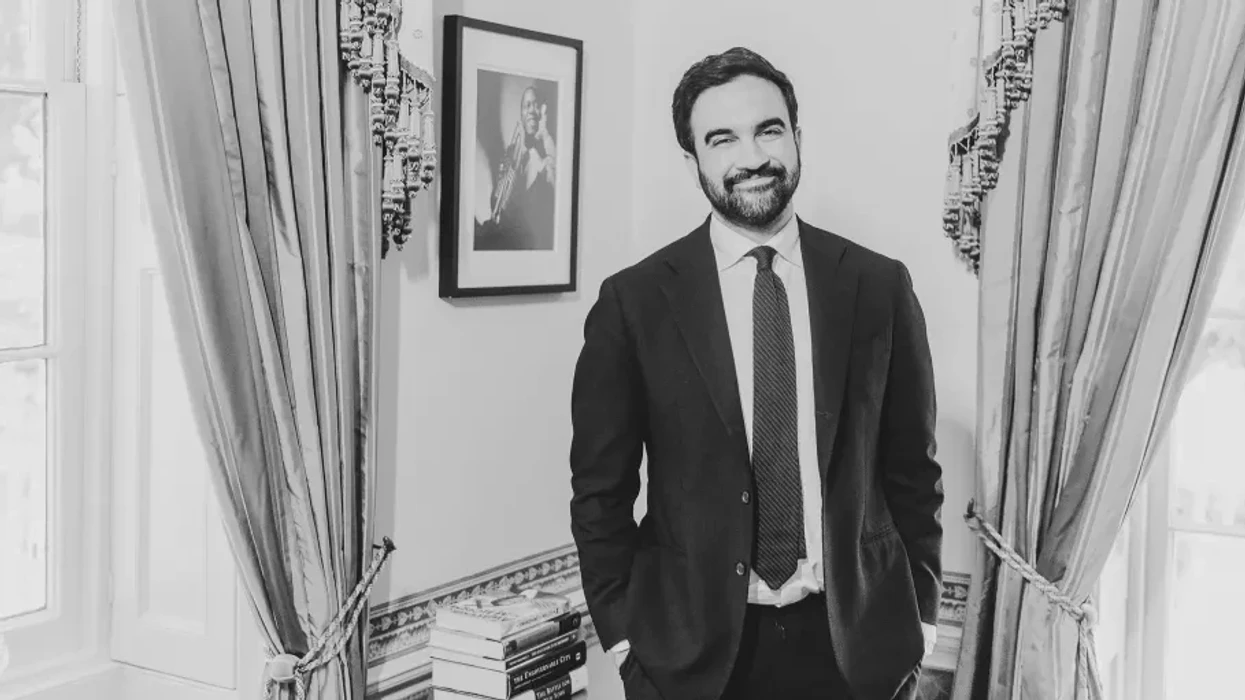
One group represented in the document was far from surprising: wealthy elites in tech and finance, many of whom have joined Musk in supporting Donald Trump‘s bid to retake the White House. Among those represented are venture capitalists Marc Andreessen and Ben Horowitz, Bill Ackman‘s hedge fund, and 8VC, a firm where Palantir Technologies co-founder Joe Lonsdale is managing partner, as well as Sequoia Capital (partner Shaun Maguire was an early backer of Trump in Silicon Valley) and the cryptocurrency exchange Binance. Scott Nolan, a partner at Founders Fund, co-founded by Peter Thiel, is named, as is Ross Gerber, CEO of Kawasaki Wealth and Investment Management. Gerber earlier this year complained that Musk’s behavior had hurt sales for Tesla, in which his fund is invested — prompting Musk to call him an “idiot” on X.
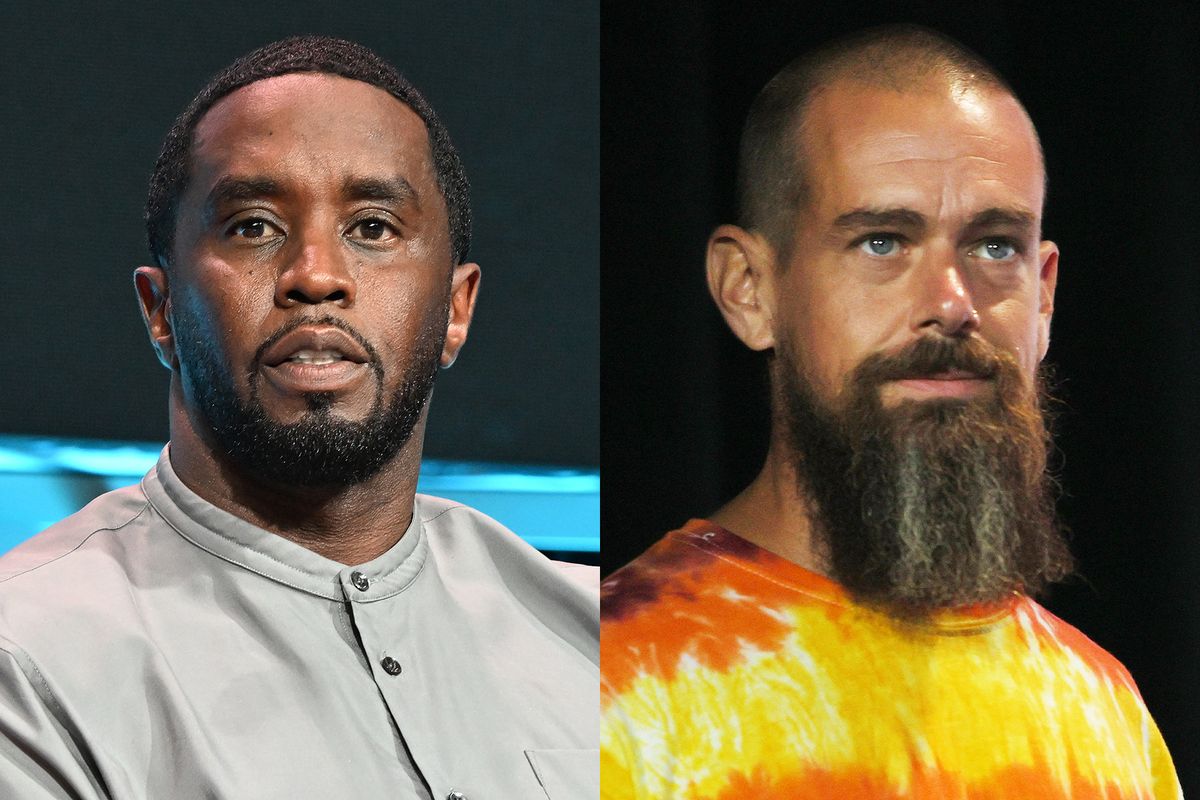
Jack Dorsey, a co-founder of Twitter and its CEO until 2021, was another one of the financiers who bankrolled Musk’s acquisition of the platform. Although once optimistic about the company’s future under Musk’s ownership, he has since openly criticized Musk’s disastrous changes to the platform and suggested the deal should never have happened.
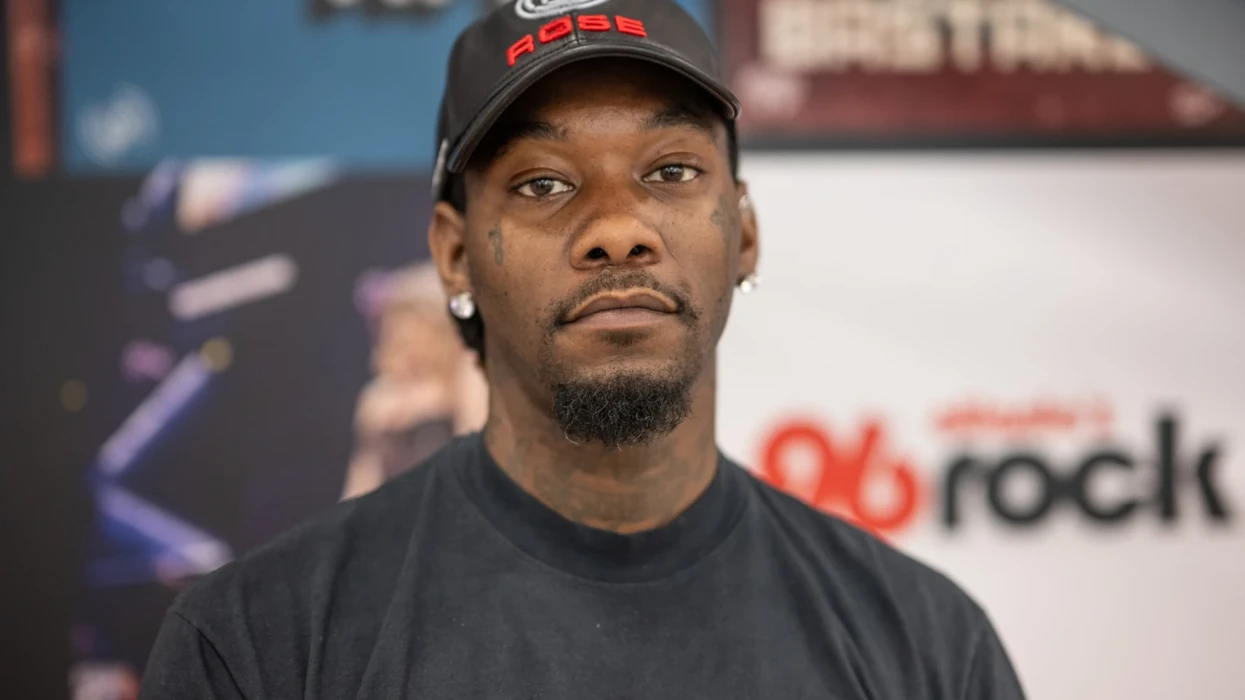
It’s unclear if any of his fellow shareholders have regrets about investing in what was to become X, shedding precious name recognition and hemorrhaging ad revenue as Musk told brands fleeing the site due to rising hate speech to “go fuck yourself,” then launched a series of desperate lawsuits in attempt to claw back the money lost. But one individual who might have put his fortune to better use is Sean Combs. In the months following the Twitter takeover, he began to face a reckoning for a long history of alleged abuse and sexual violence, and earlier this year, law enforcement raided his homes as part of a federal sex-trafficking investigation. (He has vehemently denied all the allegations.)
The forthcoming book Character Limit: How Elon Musk Destroyed Twitter by New York Times reporters Kate Conger and Ryan Mac, relates an awkward scene in which Musk tried to assure the CEO of Revolt, a media company founded by Combs, about the surge in racist content that accompanied his appointment to chief executive at Twitter. (Combs sold his stake in Revolt this summer.) Detavio Samuels, the head of that company, was worried that Black users would be assailed by hate speech. Musk deflected by saying, “I don’t know if you know this, but Puff [one of Combs’ former stage names] is an investor in Twitter.” He added, “You know, he’s a good friend of mine. We text a lot.”
Meanwhile, Silverman’s speculation that Musk, an avowed defender of free speech, might be in bed with “censorious dictatorships” has been confirmed: Prince Al Waleed bin Talal Al Saud of Saudi Arabia is listed as a shareholder along with Kingdom Holding Company, of which he is CEO and 95 percent owner. The billionaire royal and Kingdom Holding had purchased a 3 percent stake in Twitter for $300 million back in 2011. According to Amnesty International, Saudi Arabia’s monarchy works to strictly limit freedom of expression online and is “brutal” in its crackdowns on citizens using the internet to voice opinions they find unacceptable, even sentencing some to extensive prison terms. Q Tetris Holding, another of Musk’s investors, is a Qatari company; its leadership overlaps with that of the nation’s sovereign wealth fund, Qatar Investment Authority. Qatar, too, is known to filter and censor internet data.
The exact size of the stakes bought by each shareholder is unknown, though one of them, the financial services company Fidelity Investments, indicated in a January filing that it had slashed the valuation of its shares from $20 million in October 2022 to about $5.6 million, for an overall loss 71.5 percent. It had already marked down the stake by 65 percent within a year of Musk’s purchase. All in all, it seems this was the wrong bet to make with Musk — and nobody’s walking away any richer.