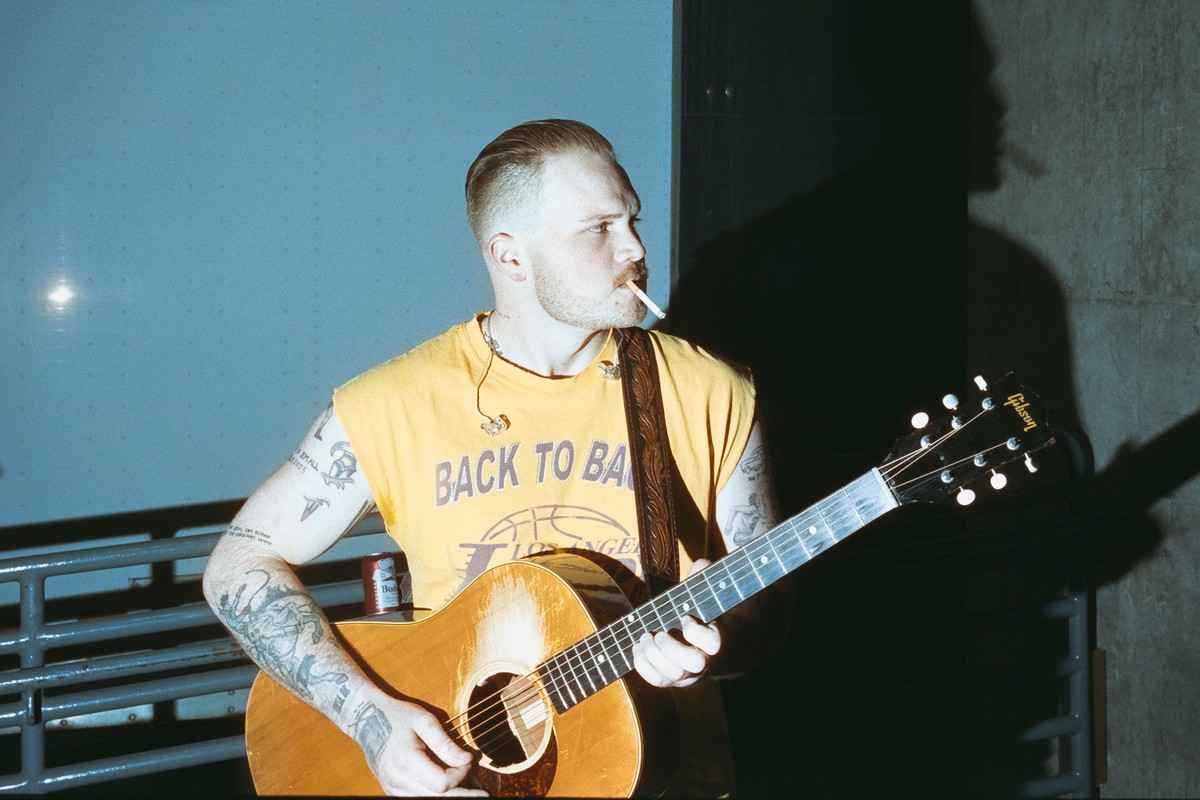

In barely five years, Zach Bryan has transformed from cult-roots road warrior (2020’s Elisabeth) to fast-rising country-adjacent renegade (2022’s American Heartbreak) to Number One hitmaker and voice-of-a-Gen-Z-generation storyteller (2023’s Zach Bryan).
The men and women (mostly men) in his songs spend their twenties drinking their way through the alienating cities they’ve fled to from the small towns they’ve outgrown. They congregate in dive bars, break each other’s hearts, pound High Lifes, pop Zyn, ponder God, place parlays, rediscover their rural accents, act younger and feel older than they really are. The boys and girls in his America have such a rad time together. So why do they spend all their spare time remembering everything?
The feat of The Great American Bar Scene, Bryan’s fifth record, his magic trick, to quote one of its many featured guests, Bruce Springsteen, is to make it seem like the life he sings about is still the one he’s living. Since Bryan is such a preternaturally gifted songwriter, his new album’s premise is as convincing as it is absurd: That America’s most iron-hot rock star spends his time not on airplanes and in hockey arena green rooms but traversing dirty dives with the boys, losing money to sketchy Philly bookies, and staying up for sunrises on friends’ apartment roofs.
The way Bryan wrestles with this contrast between his newfound success and the homespun characters he writes about — and he wrestles with it quite a bit — is by leaning on remembrances of a recent restless past that’s never far from his mind. “Give me four minutes and a little ‘bit of time,” he sings on “Bass Boat,” another tune about his favorite topic: memory. “I’ll make them old days an old friend of mine.”
These 19 songs feel like a batch of old friends largely because of Bryan’s other magical gift: his knack for absorbing and transforming his many influences into something that feels uniquely his own. He’s emerged as the foremost pop synthesizer of the past decade in singer-songwriter, country-rock, indie-folk, and heartland rock, blending his favorite Kings of Leon, Bon Iver, Turnpike Troubadours, and Lumineers records into something that feels new to a younger audience.
Call it the Great Americana Bar Jukebox: the way Bryan deploys mournful trumpets, like the National, to build tension (“Oak Island”), the traces of the Lumineers’ feel-good playbook when he sings “‘cause I got you’” in falsetto (“Funny Man”). Throughout the record, he channels his hero Tyler Childers’ knack for writing in his characters’ rural vernacular (see the album’s surplus of “they’s” and “I’s” and “you’se”). On “American Nights,” he twists bro-country signifiers (Fords, tan lines) into a noir, Nebraska-esque tale tinged with violence and PTSD. On “28,” he sets a Jason Isbell-evoking chorus melody to the cello melodrama of the Avett Brothers. On the ballad “Memphis; the Blues,” he goes further, recruiting songwriting hero and fellow Okie John Moreland, for a co-write and a second verse. When, a few songs later, he enlists Springsteen himself for a duet, the song they trade verses on (“Sandpaper’) is an homage to “I’m on Fire.”
But part of Bryan’s stunning commercial success may be that amid all this influence-peddling, his closest songwriting contemporary is Taylor Swift, whose sui generis world-building Bryan almost always pulls off for himself. Like Swift’s recent work, he uses silence and space to turn otherwise sparse records into stadium sing-alongs. And as a lyricist, he’s absorbed Swift’s knack for detail (a worn-in baseball glove, a rusty door hinge, a balled-up left fist).
The result is writing that blends endearing Kerouac cosplay, Instagram poetry, and Proustian profundity, sometimes from one line to the next, like on the last verse of “The Way Back.” “Pink Skies,” the album’s lead single (featuring Watchhouse, another influence), is a masterclass in storytelling that deploys sparse imagery about grief and family to pack a novel’s worth of emotional punch into four minutes. In one image, Bryan nails the flood of memories and emotions his protagonist faces packing up a childhood home while grieving: “All the inches scraped on the door frame/We all know you tiptoed up to 4’1 back in ‘08,” he sings. Bryan is adept at letting scraps of dialogue do his narrative heavy lifting, as he does on “The Way Back,” the story of a mother and her wayward adult son: “She always sat under the oak tree/Sayin’, ‘God I miss the old me.’”
That Bryan’s latest would be even stronger if it were four songs shorter is beside the point. Among the many methods he’s absorbed from his pop contemporaries (Swift, Drake, Morgan Wallen, Bad Bunny, et al.) is the modern concept of the album as Annual Content Dump. This one’s cheerfully grandiose title is, unsurprisingly, a bait and switch: These are sad songs, small in scope and size (none run past four minutes). These are stories about alienated young adults shooting the bull and trading memories over pool tables and front stoops to both fend off and feed a nostalgia they feel crushed by before hitting 30. On The Great American Bar Scene, Bryan shows his fans just how much he relates: “I always felt like I’s in-between something,” he sings on “28.” “Like home and somewhere far away.”
We’re changing our rating system for album reviews. You can read about it here


 Drowster
  Drowster
  Drowster
  Drowster
  Drowster
  Drowster
 Jean Jacket: Repull/Jewelry: Personal collection
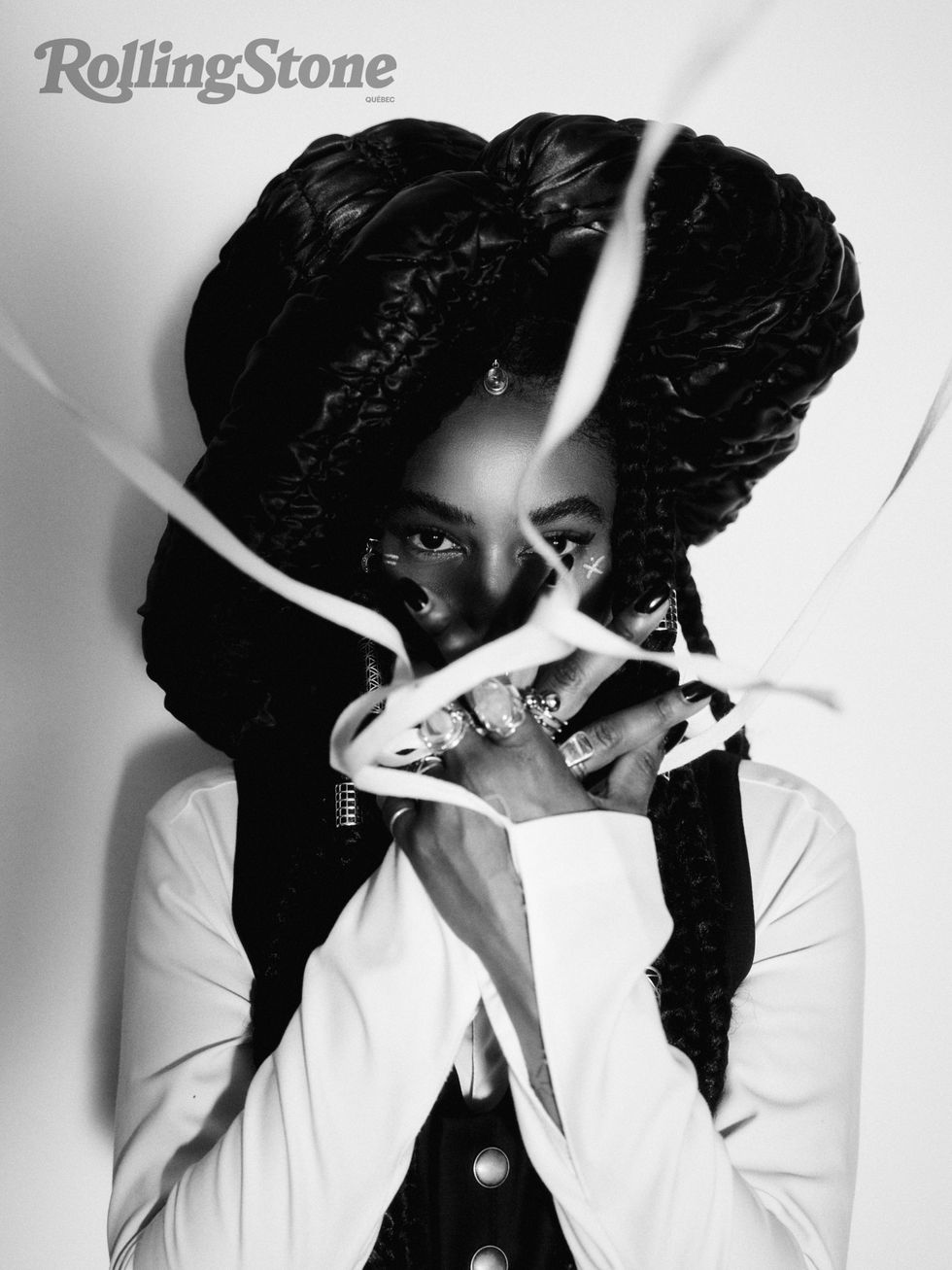 Hat: Xtinel/Dress shirt and vest: Raphael Viens/Jewelry: Personal Collection & So Stylé
 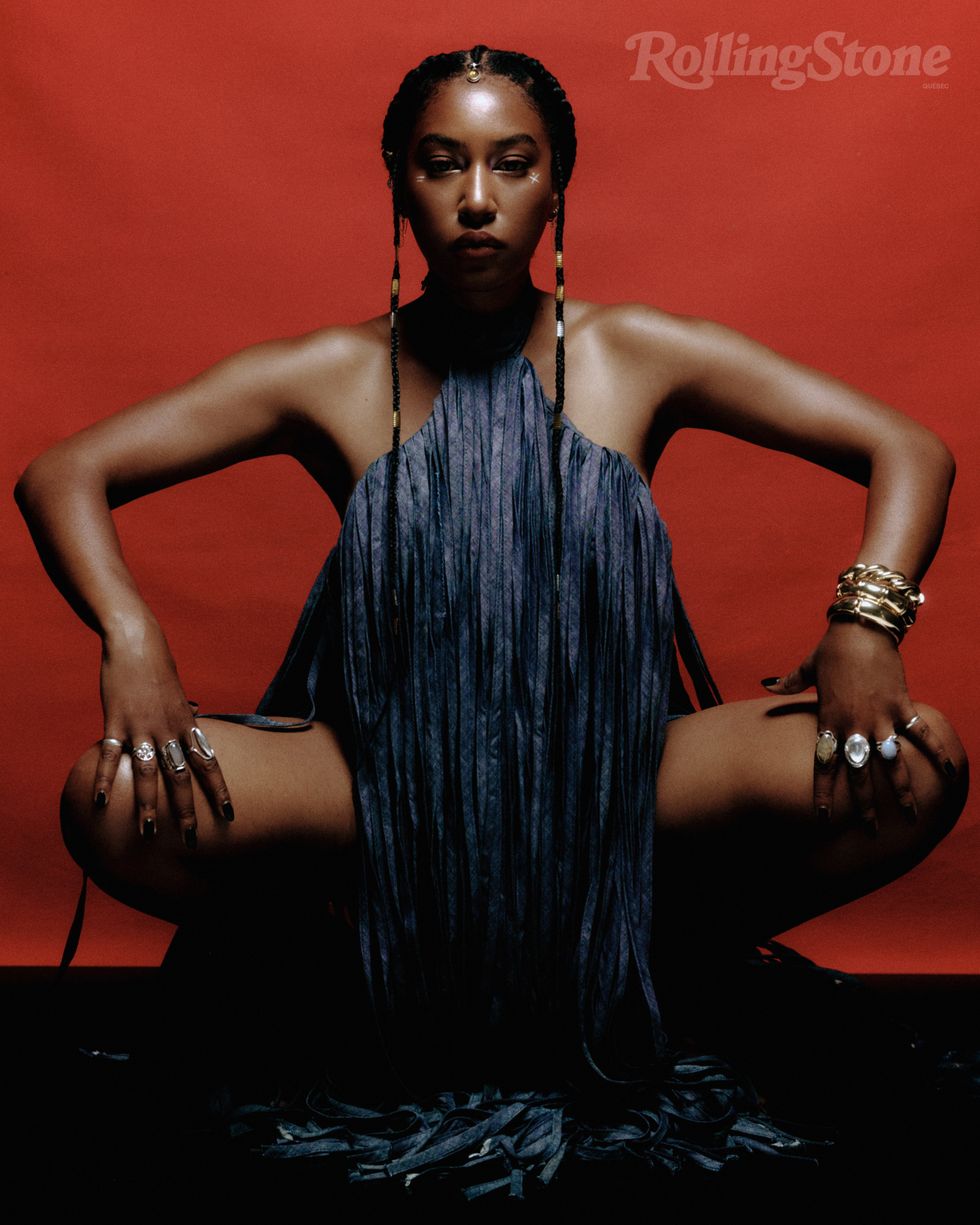 Dress: Helmer/Jewelry: Personal Collection
 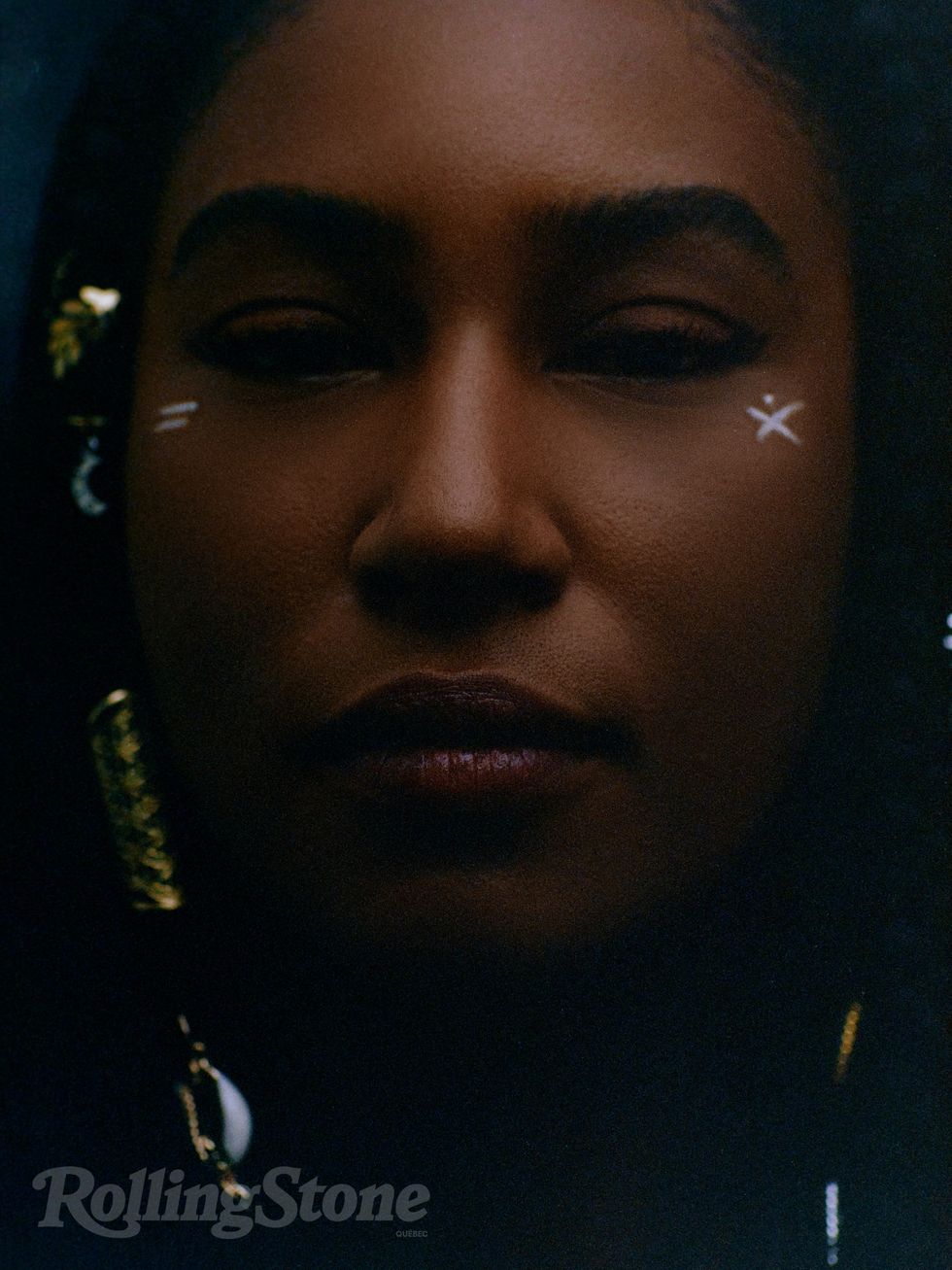 Jewelry: Personal Collection
 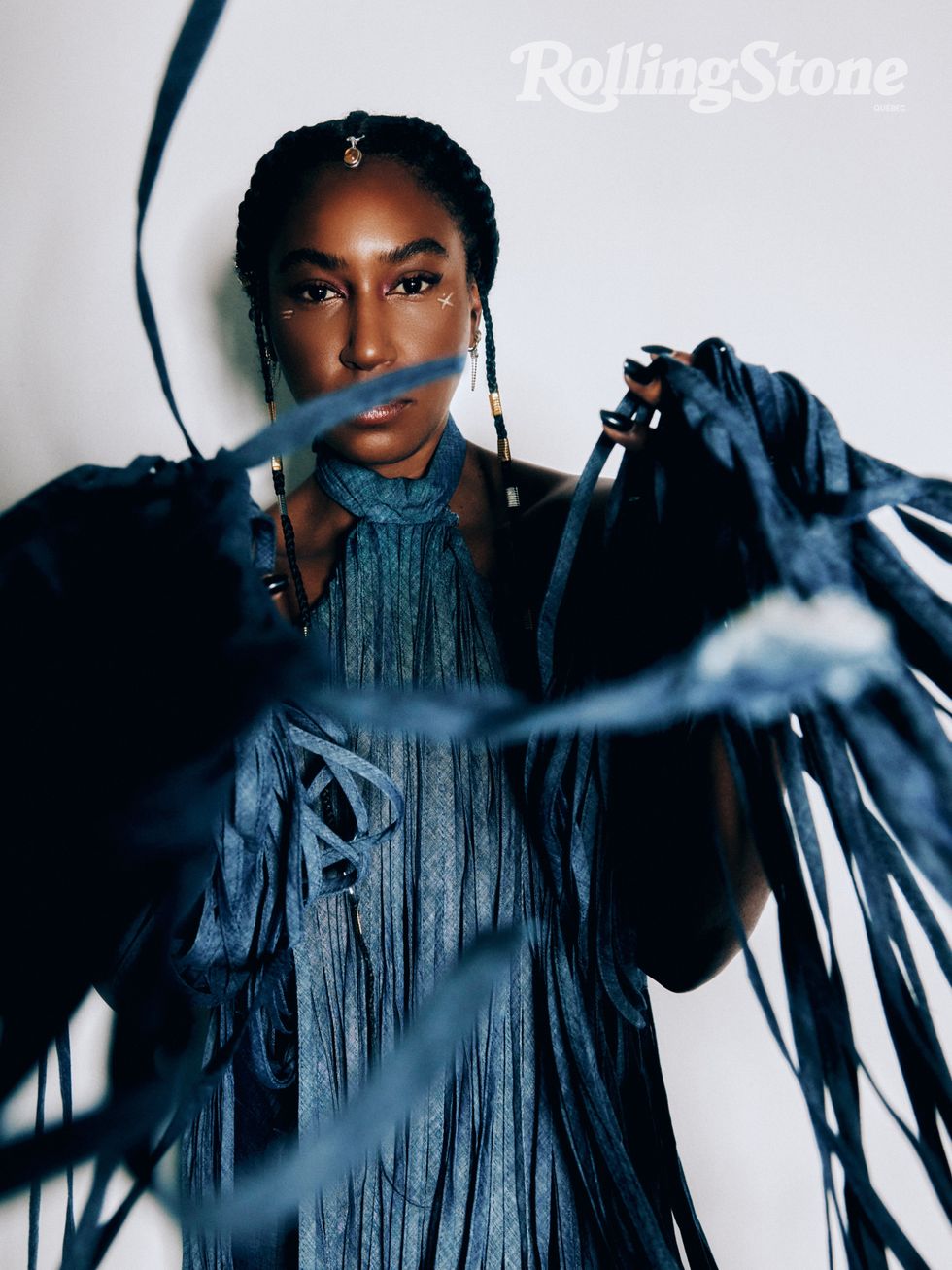 Dress: Helmer/Jewelry: Personal Collection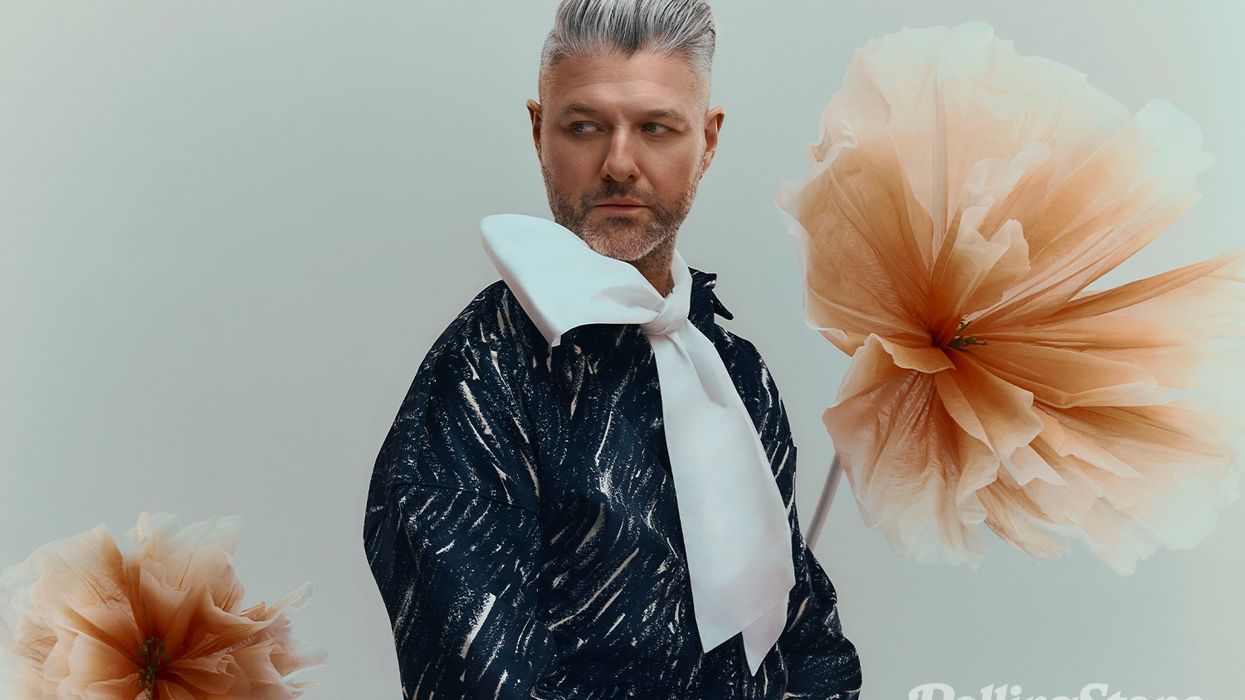
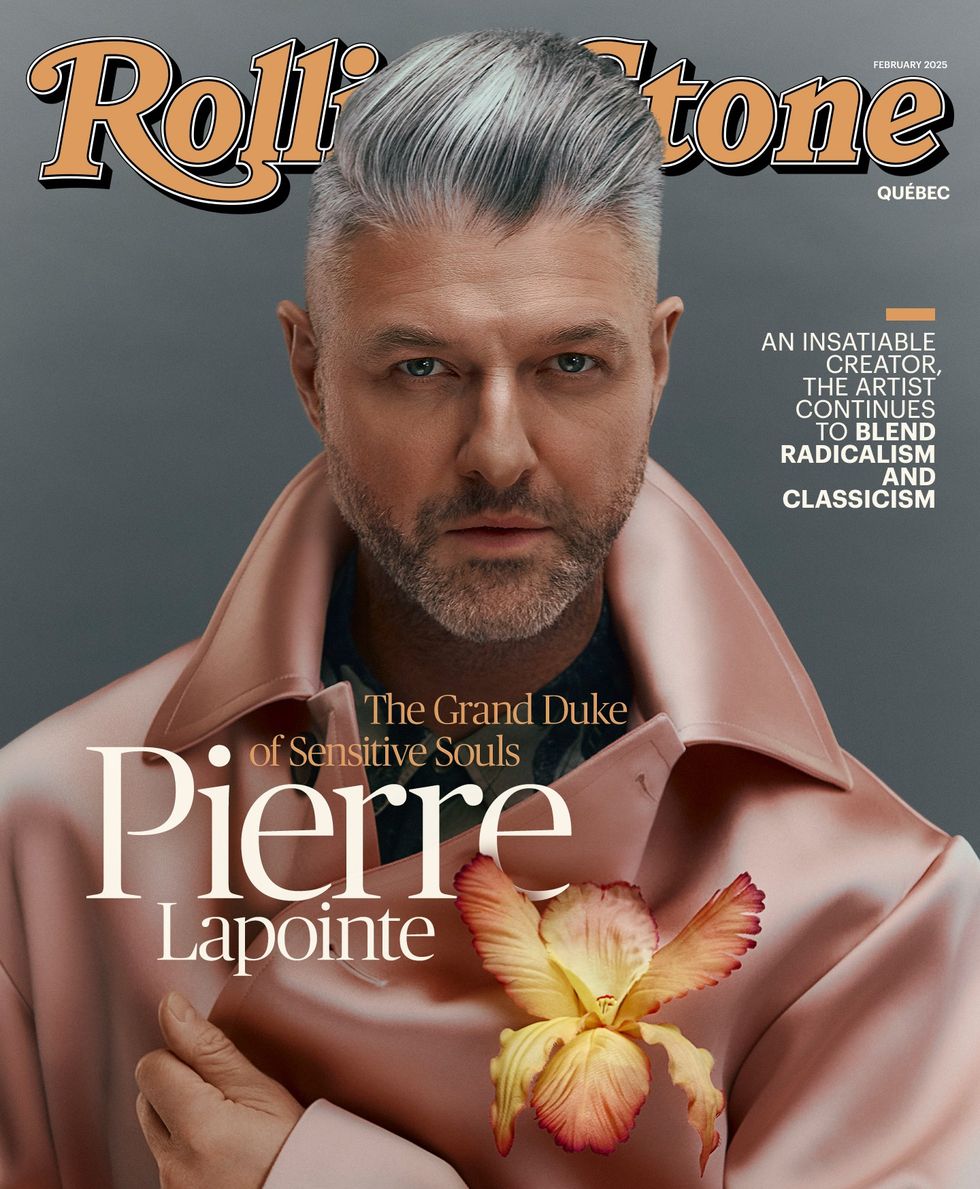 Coat (polyester and wool), shirt (silk), Dries Van Noten, SSENSE.com / Flower (silk), M&S Schmalberg
 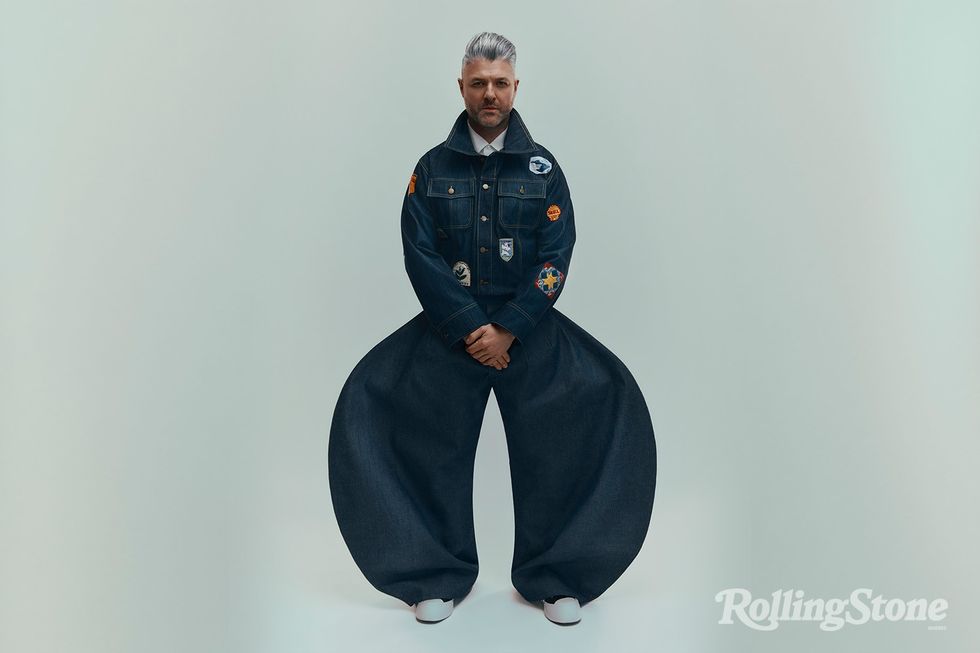 Blouson (denim and hand embroidered patches), WJ Crosson / Shit (polyester), Homme plissé Issey Miyake, Holt Renfrew/Pants from personal collection/ Shoes(canvas), Marni
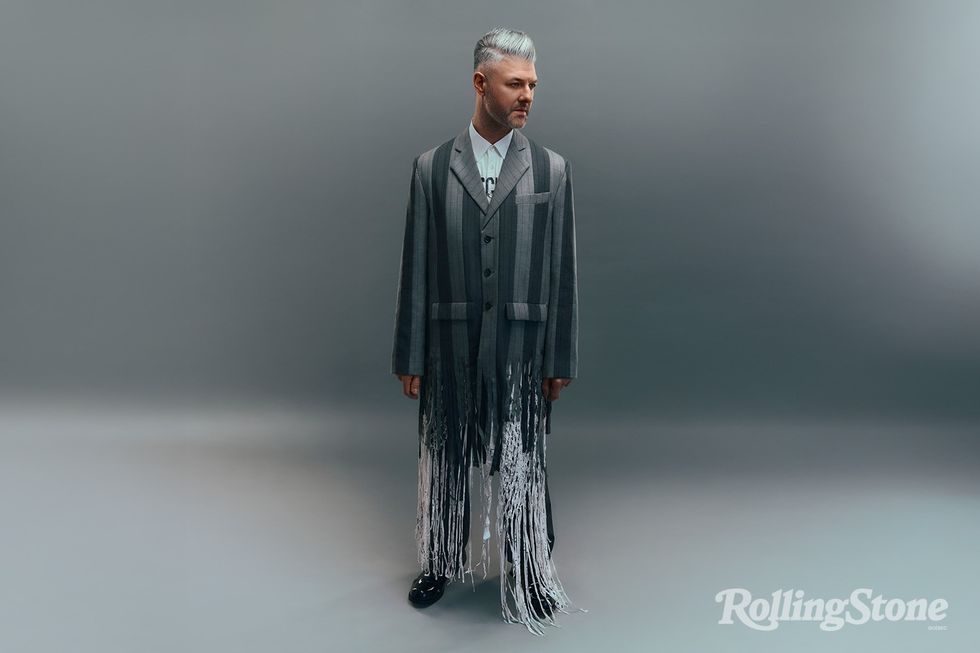 Jacket and pants (virgin wool), shirt (acrylic coated cotton), Moschino / Shoes from Pierre Lapointe's personal collection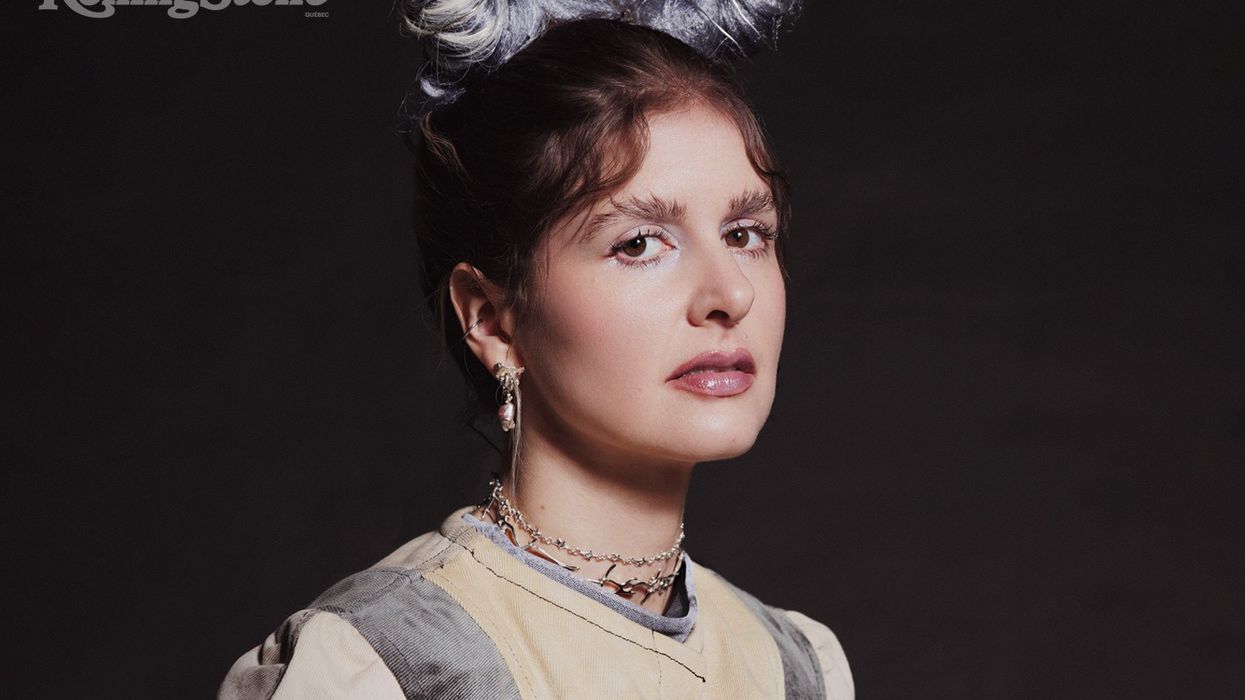
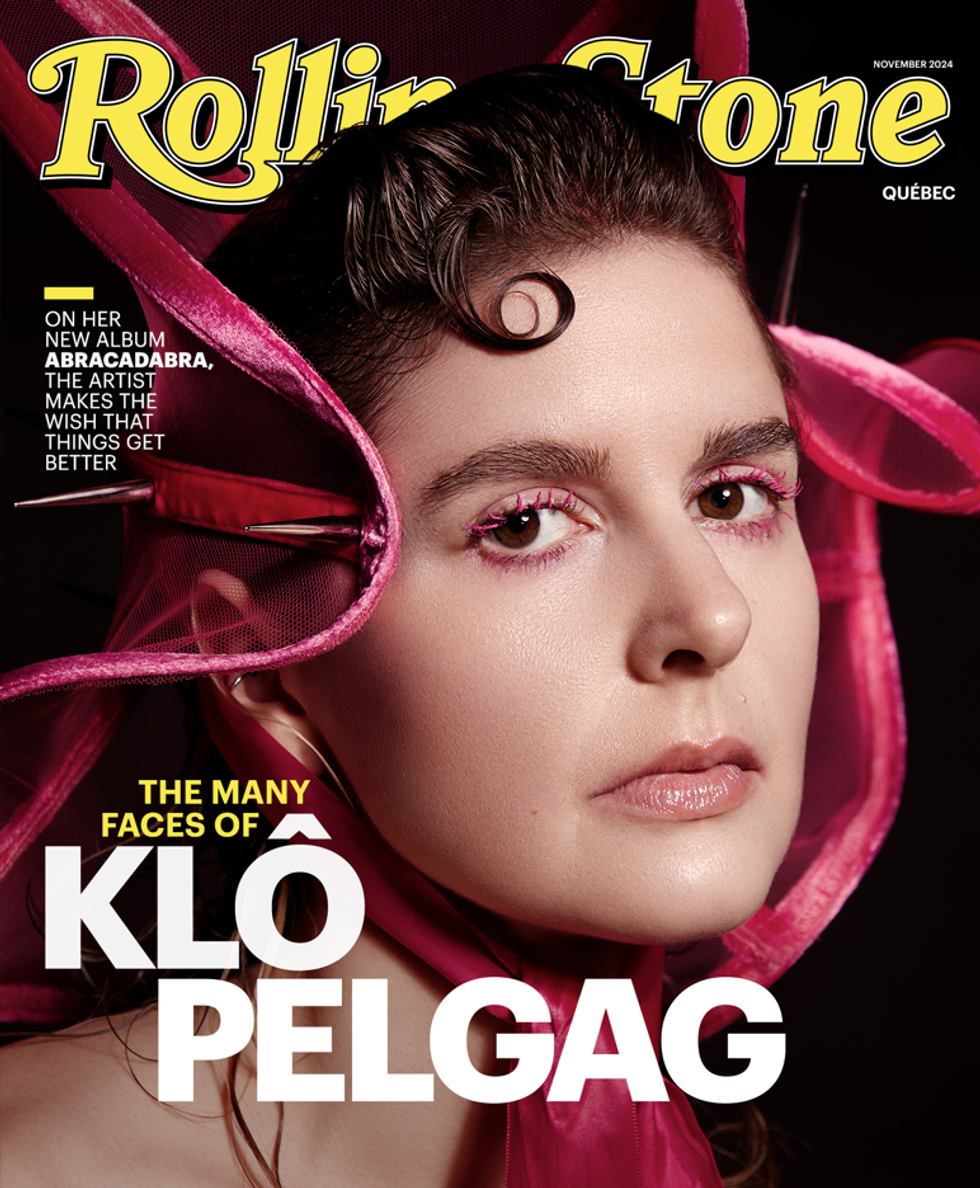 Photographer: Raphaëlle Sohier / Executive production: Elizabeth Crisante & Amanda Dorenberg / Design: Alex Filipas / Post-production: Bryan Egan/ Headpiece: Tristan Réhel
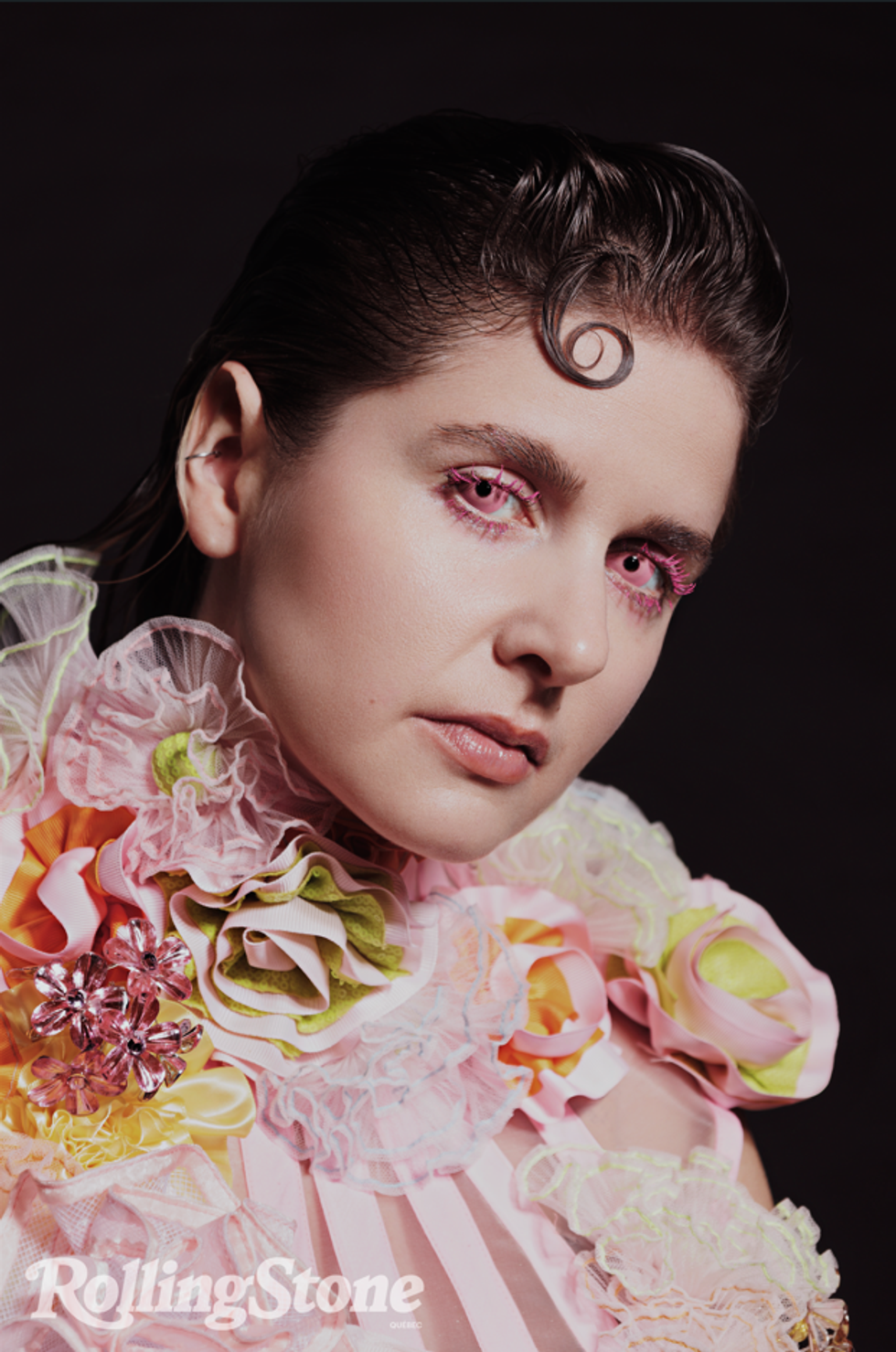 Photo: Raphaëlle Sohier
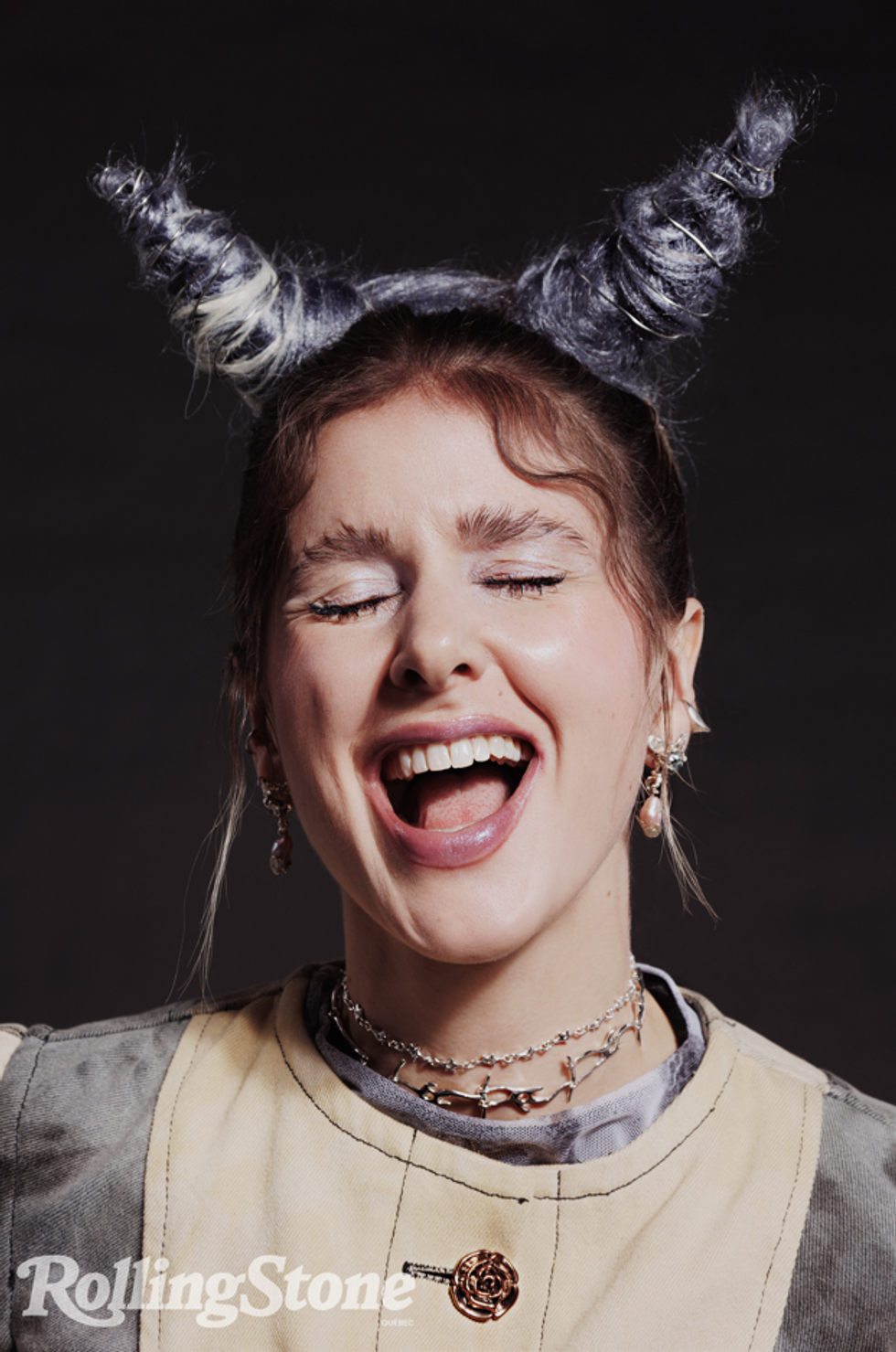 Photo: Raphaëlle Sohier/ Photo production: Bryan Egan/ Blazer:
  Photo: Raphaëlle Sohier/ Blazer: Vivienne Westwood/ Skirt :