
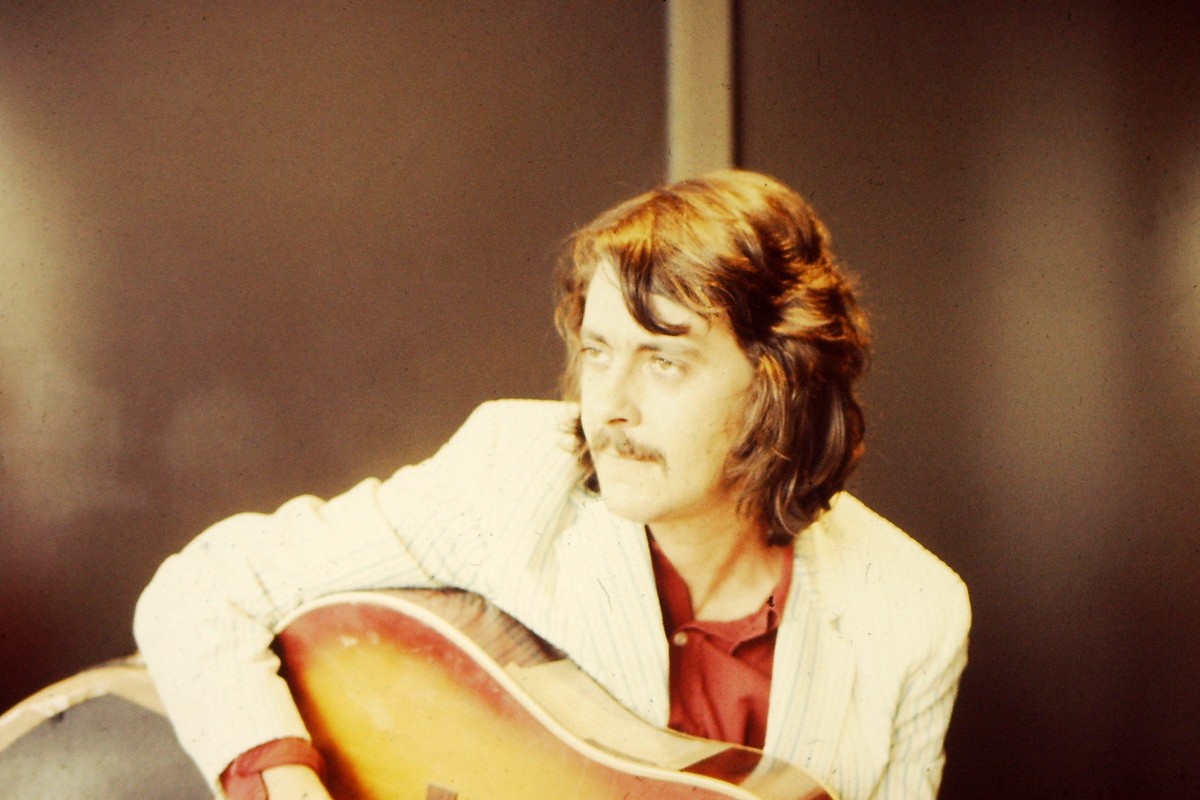

Right up until his death in 2022, Bob Neuwirth was known to cognoscenti as a songwriter (“Mercedes Benz,” famously recorded by Janis Joplin), painter, recording artist, and onetime member of Bob Dylan’s inner hipster circle. The last thing he was known for was being famous, which his longtime partner, music executive Paula Batson, says was intentional. “He was very self-effacing in a way,” she says. “He didn’t believe in blowing your own horn. He loved promoting other people and helping them, but he wasn’t good at self-promotion.”
Two years after he died of heart failure at age 82, Neuwirth’s profile is about to increase beyond his appearance in D.A. Pennebaker’s Don’t Look Back. In December, actor Will Harrison (who played Graham Dunne, the lead guitarist in the streaming series Daisy Jones & the Six) will be seen playing Neuwirth in A Complete Unknown, the Dylan biopic starring Timothée Chalamet. A documentary on Neuwirth’s life, co-produced by Batson and currently in the works, will incorporate footage from a posthumous 2022 tribute concert that featured covers of his songs by Eric Clapton, T Bone Burnett, Maria Muldaur, the late Happy Traum, and many others.
On the next edition of Joni Mitchell’s rarities boxes, Joni Mitchell Archives, Vol 4: The Asylum Years (1976-1980), Neuwirth will be heard introducing Mitchell on several performances recorded during the Rolling Thunder Revue. Over 1,000 pieces of his paintings and artwork have been catalogued. And Neuwirth’s own debut album, first unveiled 50 years ago, has been remixed and will be re-issued next month, accompanied by a new lyric video featuring rare footage, most of it shot in the Sixties by Neuwirth himself.
An art student at the School of the Museum of Fine Art in Boston, the Ohio-born Neuwirth wound up in the Cambridge and then New York folk scenes. “Right from the start, you could tell that Neuwirth had a taste for provocation and that nothing was going to restrict his freedom,” Dylan wrote admiringly in Chronicles: Volume One; indeed the two shared a love of a cynical putdown. But Neuwirth could also be supportive, encouraging Patti Smith to write songs and not just poems and suggesting Joplin record his friend Kris Kristofferson’s “Me and Bobby McGee” when the song was largely unknown.
Eventually leaving the Dylan orbit (although returning for Rolling Thunder), Neuwirth moved to L.A. There, he fell in with the Troubadour crowd and wound up being signed to David Geffen’s Asylum label alongside Dylan and fellow Laurel Canyon regulars Mitchell, the Eagles, Jackson Browne, David Blue, and Judee Sill. Arriving a decade after he’d first played clubs in New York, his first and only Asylum album, Bob Neuwirth, was the definition of a long-delayed debut.
But with Geffen’s financial encouragement, Neuwirth made up for lost time. Attesting to his stature, Neuwirth recruited a veritable denim-clad army to join him on the songs, including Kristofferson, Cass Elliot, Don Everly, the Byrds’ Roger McGuinn and Chris Hillman, Rita Coolidge, then-Poco member and future Eagle Timothy B. Schmit, folk legend Geoff Muldaur, steel player (and Neil Young compadre) Ben Keith, then-Doobie Brother Jeff “Skunk” Baxter, and Dusty Springfield. Neuwirth, McGuinn, and Kristofferson cowrote “Rock and Roll Time,” a boozy slice of Seventies music life, and Neuwirth also finally was able to release his version of “Mercedes Benz,” which he never considered much of a song, and with a new verse.
Befitting the times, the album sessions were reportedly carousing affairs. “He said it was just a drunken alcohol fest,” says recording engineer and Neuwirth friend John Hanlon. “It was the Seventies. The label gave him a lot of money, and you could tell. Nobody questioned budget with them. It was just about making great art.”
But according to Batson, Neuwirth was never happy with the end result, which was overloaded with guests and layers of instrumentation that swamped Neuwirth’s voice. The album also reflected his own indulgences at the time. “As long as we were together, Bob would mention how amazing it was to have Don Everly and Mama Cass and Kris’ band and Booker T. Jones at those sessions,” Batson says. “But he knew that the end result was not what it could have been. He wasn’t happy with it because he felt that, not being sober, he didn’t deliver what he could have. It was a regret.” In fact, Neuwirth stopped drinking three years after the album’s release.
Shortly before his death, Neuwirth thought about revisiting and tweaking the album and reached out to Hanlon, who has worked for notorious audio perfectionist Neil Young for decades. “I said, ‘How do you want me to approach this?’” Hanlon recalls. “And Bob said, ‘I know what you do. Just do what you do.’ He was a man of few words about music, but he knew what was good and what sucked.”
Working painstakingly with the tapes, Hanlon was able to pare down some of the horns and orchestration and declutter the recordings. “These were A-list players, all playing great licks, but everyone was playing constantly,” he says. “You had to figure out the lick that accentuated the melody and what the melody line was. I wanted to find the song in the song and bring it out.”
With the help of the remix, Bob Neuwirth sounds even more like an early alt-country record, especially on “Kiss the Money” (which is getting the lyric-video treatment), the waltz “Hero,” and Neuwirth’s takes on country songs by Don Gibson (“Legend in My Time”), Donnie Fritts, and Troy Seals (“We Had It All”). The reissue, which will be released on CD and vinyl on Sept. 27 and then on streaming services in January, will also include “Ohio Mountain Blues,” an outtake that finds Neuwirth singing about leaving “a little old country town” for, ultimately, New York City.
Neuwirth passed away any of this renewed interest was in the air. The bulk of the work on A Complete Unknown didn’t start until after his death. (Batson says she hasn’t seen any of the movie yet but adds, “I’m happy to see Bob included and I hope it’s wonderful.”) The same goes with the revamped Bob Neuwirth album; sadly, Neuwirth was never able to hear a note of his dream project. But Hanlon feels his friend is aware of it, somehow. “I know he’d be proud of it,” he says. “As far as I’m concerned, he has heard it in his own way. He’s heard a bit of it in heaven.”
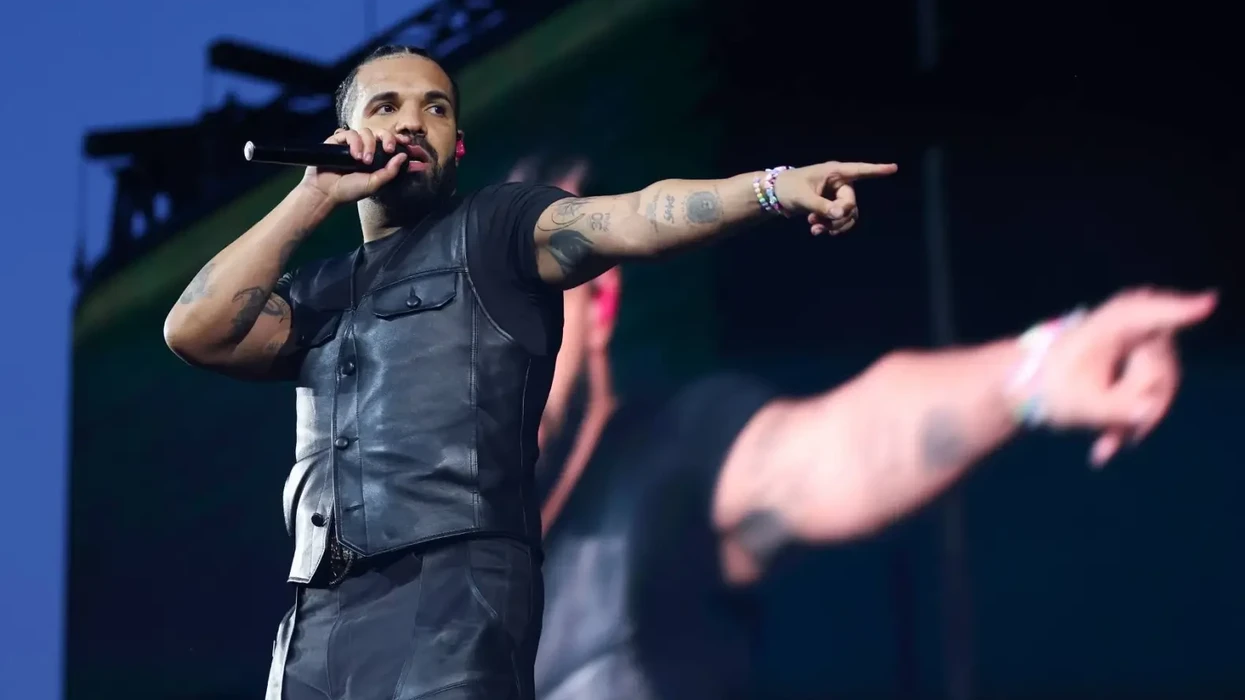

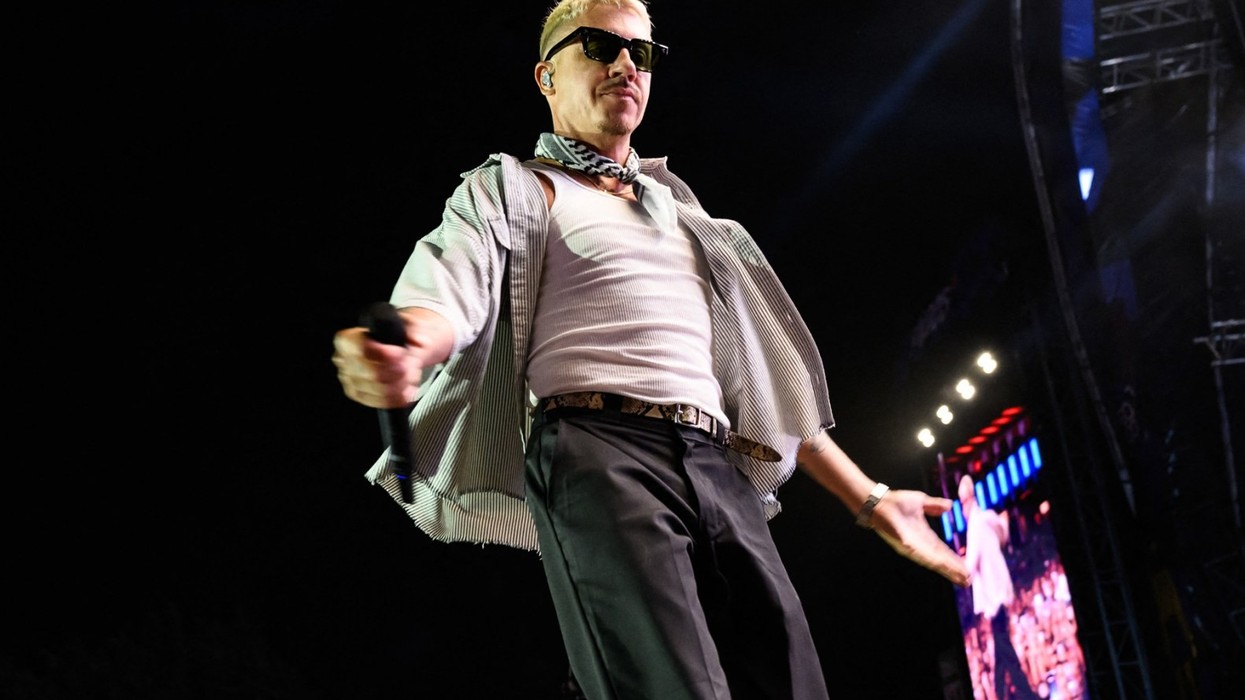
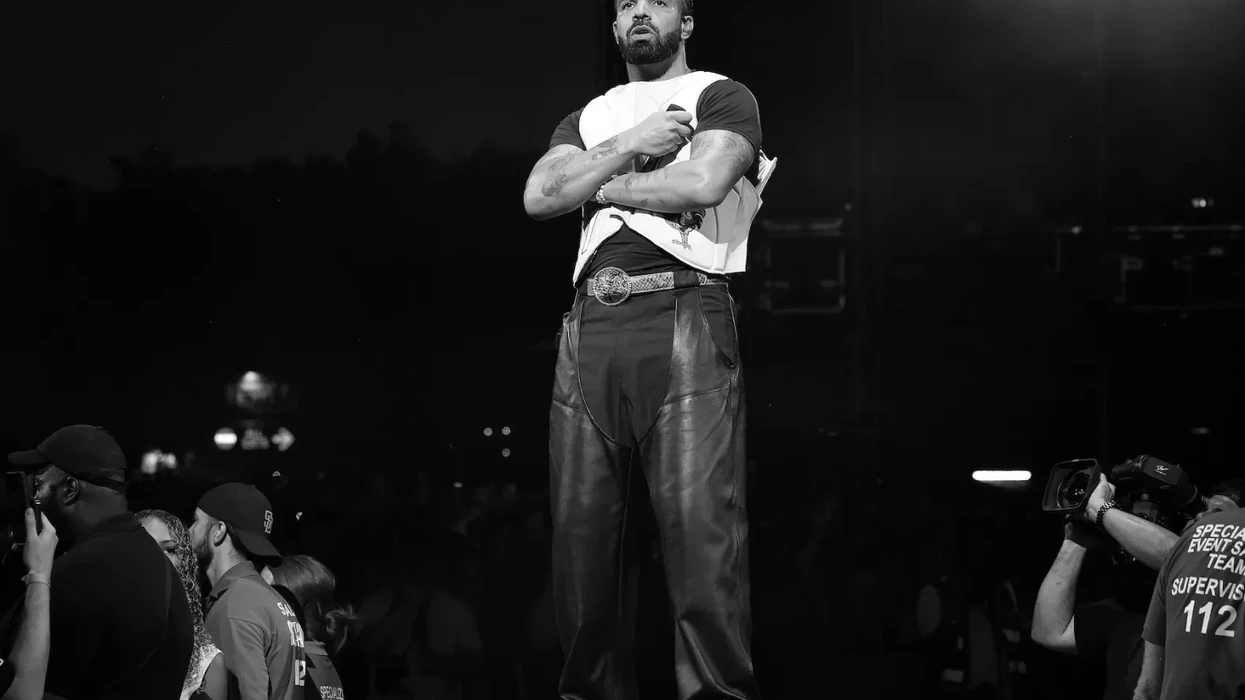


Drake onstage in Toronto last year
Everybody Likes Drake Again. That Means We’re Healing
Not to be dramatic or anything, but not too long ago, listening to people talk about Drake, you’d think he would never top the charts again. But here we are: With Iceman, he’s broken his own record, earning a 13th week atop Billboard’s Top R&B/Hip-Hop Albums chart on Sept. 5, surpassing Take Care’s 12-week run more than a decade ago. The achievement comes after the great rap civil war of 2024, which was framed as everything from a referendum on Drake’s character as a human being to a cleansing of what popular radio host Ebro would describe, in February 2025, as “a sickness in the game.”
Again, not trying to be dramatic, but even if you were skeptical of the discourse circa 2024, it is a bit shocking to hear the public’s recent re-embrace of Drake. Consider how far the frenzy around the most salacious allegations on Kendrick Lamar‘s “Not Like Us” extended. There was Christopher Alvarez, a disabled journalist, being dragged into conspiracy theories. There was the woman from the resurfaced concert footage, now 31, having to publicly dispute the creepy significance strangers had assigned to an onstage kiss from when she was 17. Drake said in his lawsuit against UMG that the threats had forced him to pull his seven-year-old son out of school.
What now feels like the absurdity of the moment registered as something deathly serious at the time. By September 2024, Lamar was releasing the ominous “Watch the Party Die,” just days after his Super Bowl halftime performance was announced. Oh, also, a major talking point in American culture a year and a half ago was whether one of the biggest superstars in the world would be publicly branded a pedophile during the Super Bowl.
In what world would any celebrity recover from that?
Except, with time, the online frenzy surrounding the Drake and Lamar feud reads more like a mass-psychosis event than a cultural reckoning. The music, oddly enough, often seemed secondary to the certainty of everyone discussing it. “Not Like Us” was a veritable hit, absolutely. But its cultural dominance became bound up in a widespread vilification of Drake that curdled online, where the most damning interpretation of anything could quickly become the accepted one. For a while, even putting on a Drake song could feel like something you had to explain, as if listening amounted to taking a position on the allegations.
That this all happened in 2024 is meaningful. This was right in the peak of Elon Musk’s reconstruction of Twitter, privileging rage bait and engagement tactics that helped misinformation disseminate like fact. It was also the beginning of AI tools becoming sophisticated enough to produce convincing-sounding tracks. Even before Drake released his first response, “Push Ups,” AI-generated response tracks were circulating across social media. And so, in many ways, the well of public opinion was already poisoned.
Listeners’ recent embrace of Drake feels settled in a broader cultural shift brewing since 2024. The beef, in hindsight, feels like a dying vestige of whatever people want to call “Woke 1.0”: a particular faith that exposing the right person could amount to a cultural transformation. For a moment, defeating Drake seemed to promise something about the future of hip-hop, about who would belong in it and what it would tolerate.
There were obvious holes in the argument, namely who exactly these arbiters of culture were and why they were uniquely qualified to speak for the entirety of Black people, questions that Drake pokes at on “Ran to Atlanta” from Iceman. Still, these were never even supposed to be binding philosophical truths in the first place. To hear levelheaded commentators discuss it, this was all simply entertainment — two of the genre’s greats duking it out. Even one of the beef’s catalysts, Metro Boomin, echoed the sentiment, lamenting how online fans had turned the battle into something sinister. Hell, even Jay-Z said something similar before himself tossing a few jabs at Drizzy in a freestyle at the Roots Picnic this year. But the artists themselves supplied the allegations. The ability to raise those stakes and then retreat into “simply entertainment” was part of the dynamic, too.
Even so, how it all devolved into a pseudocultural reckoning says more about the environment fans exist in today than it does about either Drake or Lamar. In the years around the beef, shocking revelations about Diddy as well as the global elite’s ties to Jeffrey Epstein have become folded into the background, alongside a sense that accountability remains selective. This atmosphere of collective powerlessness offers one explanation for the conspiratorial thinking at the heart of Lamar versus Drake. A frustration with an increasingly degraded world and dwindling resources to change it means outrage can mobilize an enormous number of people very quickly, with little holding them together once the moment passes.
The language of exploitation and cultural extraction gave the battle a purpose that seemed to extend well beyond either rapper. But even if you took the least charitable opinion imaginable of our Canadian hitmaker, what was supposed to happen after Drake was defeated? The industry whose supposed wickedness Drake allegedly embodied carried on selling the spectacle itself.
What everyone was caught up in was an appetite with a longer history than the social media platforms now feeding it. Lance Oppenheim’s new film, Primetime, returns to Chris Hansen and To Catch a Predator, a television format that made public humiliation feel like a public service. The connection is in the experience offered to the audience. The viewer could enjoy the confrontation with the reassuring sense that watching served some larger good. Never mind if anything that was unfolding on screen amounted to justice.
In the historian Anton Jäger’s book-length essay Hyperpolitics, published earlier this year in English, he describes how the past decade’s surge of political feeling has coincided with a continuing withdrawal from communal life. More isolated digital environments can fuel extraordinary mobilization without the actual community organizations that might turn it into something tangible. Negating Drake, then, became a gesture in itself. A means of signaling a broader dissatisfaction with the direction of hip-hop culture. Where the problems extend to technology and the demoralizing margins of streaming music, for a while it felt good for people to just wrap it all up in one word: Drake.
But on Iceman, it’s hard to take the idea of Drake as an evil force within hip-hop very seriously, even as he himself makes an effort to lean into the role of the villain. Drake’s music is most potent when it’s aimed at the masses, even if he swears his nice-guy days are over. This is the Degrassi kid turned global superstar rivaling Taylor Swift, after all.
Now, with Fear of Missing Out, Drake’s cryptically announced project slated for release this week, we’ve entered a second kind of Drake Renaissance. However delusional it seems, there was a moment when it felt somehow wrong to play Drake. His return to the top of the charts suggests a good deal of people were eager to get back to listening.