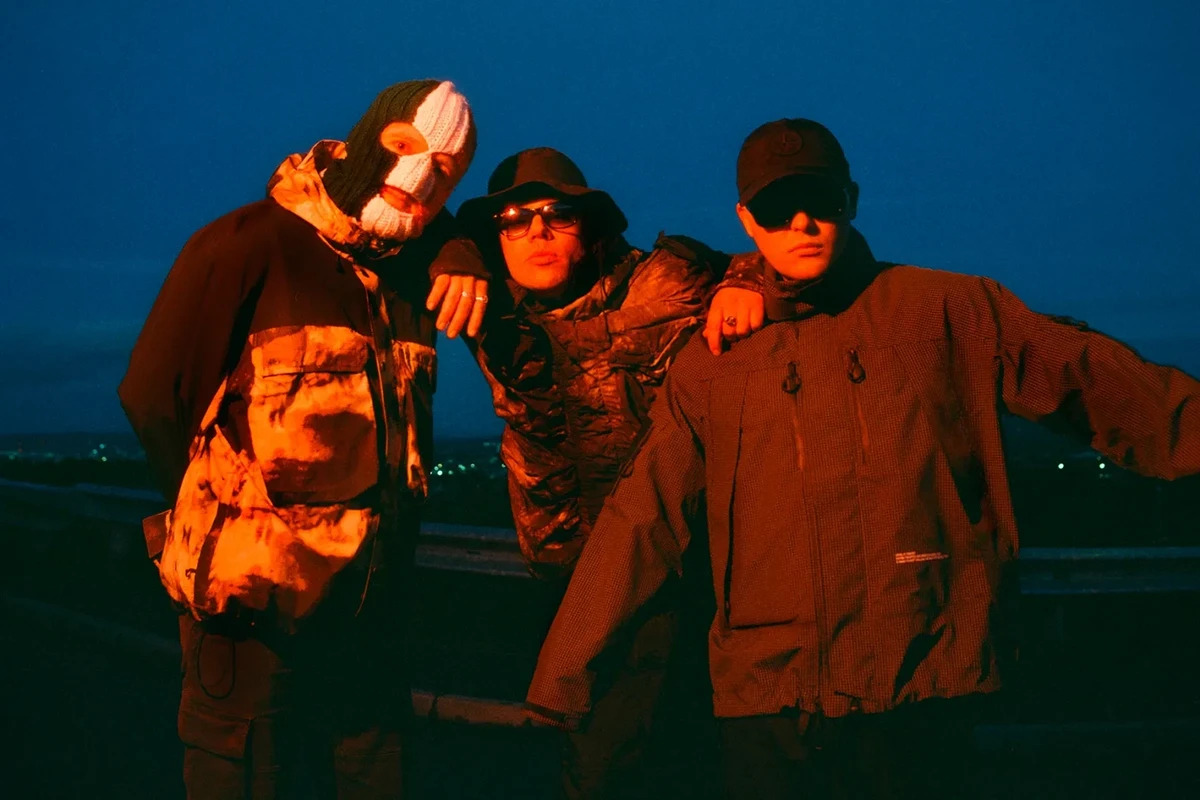

Kneecap are a politically charged, hard-partying, musically explosive rap crew from the north of Ireland who’ve been at it for nearly a decade. But it wouldn’t be your fault if you knew more about the controversies they’ve been embroiled in than the music they’ve put out. Rappers Mo Chara and Móglaí Bap, along with DJ Próvaí, have always put their leftist sympathies front and center on their music. At Coachella in 2025, the group projected the phrase “Israel is committing genocide” on screens behind their performance. In the annals of button-pushing statements by musicians, that sentiment doesn’t necessarily seem that extreme, but in our touchy times it led to the loss of their U.S. visas and the cancellation of a North American tour. A few months earlier in 2024, during a London show, Mo Chara held up a Hezbollah flag. (He claimed a fan threw it onstage.) In response, he was prosecuted under the U.K.’s 2006 Terrorism Act. The charges were later thrown out, and the group issued a statement denouncing “all attacks on civilians, always,” but the scandal was big enough news that British Prime Minister Keir Starmer stepped in to claim that Kneecap’s upcoming performance at the 2025 Glastonbury festival was “not appropriate.” Undeterred, the band fired back, “You know what’s ‘not appropriate’ Keir? Arming a fucking genocide.”
Kneecap used the downtime caused by their canceled tour to record their third album, Fenian, which builds off their well-received 2024 LP Fine Art by setting over-the-top political sloganeering to a frenetic punk-rap sound. These guys have got the spotlight, and they’re going to make the best of it. “Fuck Keir Starmer/Netanyahu’s bitch, and genocide-armer/Better off as compost for farmers,” they rap on “Liar’s Tale,” in one of the best examples of their ability to deliver Public Enemy-level invective with an Eminem-ish feel for the absurd. On “Carnival,” they break out a classic hip-hop trope — a skit where they get pulled in front of a lame-ass, bewigged judge — and use it as a springboard for a fiery recounting of their myriad career travails and legal persecution. “That’s double standards of the highest degree/I think it has something to do with the subjects we speak,” they intone. On “Palestine,” which features a verse calling for pan-Arabic unity from Palestinian rapper Fawzi, the band connects the struggle for Irish independence with the plight of the Palestinians, rapping “From the west of the city to the West Bank/We won’t stop until everyone is free.”
Comparing life on the west side of Belfast to life in the West Bank is a little dicey, even if your heart is in the right place. But Kneecap definitely aren’t the first politically minded pop act to struggle a little with the specifics. And there’s plenty here they’re pretty clear on — whether they’re romanticizing Ireland’s revolutionary past on “Smugglers and Scholars,” taking the piss out of English cultural imperialism on “An Ra,” or big-upping the endurance and grandeur of the Irish language on “Gael Phonics.” The last of those is a passion they put into practice as Mo Chara and Móglaí Bap buoyantly switch from English to Irish in their hot-potato rhymes. They will certainly go down as the first rap act to shout out labor radical, Easter Rising alum, and martyred republican freedom fighter James Connolly. When you can make verses that go, “DaoinegafafaoismachtnanGall/Saoirse Niamh agus Oisín de reir cosúlachtaí ag teacht ró-mhall” bounce and swerve and flow and actually sound kinda tough, you’ve added something unique to the rap canon.

Even when the subject matter skirts into uncomfortable territory (“Smugglers and Scholars” isn’t shy about mythologizing IRA violence), the general feel of this joyously hard-hitting album is as convivial as a fun night out at the pub, fusing decades of music into a coherent playful whole (abetted by Fontaines DC and Wet Leg producer Dan Carey). “Carnival” and “Cocaine Hill” bring to mind the Nineties trip-hop of Massive Attack and Tricky; with its hyper-speed jungle bats and fire-alarm backing track, “Headcase” harkens to early Prodigy; “Big Bad Mo” has echoes of Detroit techno; “Palestine” rides along on a grainy grime track; and their hip-hop palette goes from word-nerd indie spiels to grim gangsta menace.
Kneecap write about their lives in Belfast on songs like “Cocaine Hill” and “Cold at the Top,” mainly getting moodily specific about the dark side of drugs and partying, and they close it out with “Irish Goodbye,” a tribute to a loving mother who has died. On “Occupied 6,” an allusion to the six counties that comprise North Ireland, they rap “it wasn’t all about teenage kicks,” a passing reference to a classic 1970s punk tune about youthful good times by Belfast greats the Undertones. On Fenian, Kneecap are more in step with the dead-end angst of another legendary Belfast punk banger from that era, Stiff Little Fingers’ “Alternative Ulster,” a rousing song about hungering for a better, fairer, freer future than the one history has handed you. Even if you can’t go down the line with every political stance they take — or you wouldn’t know Gerry Adams from Jerry Lee Lewis — that desire should feel universal.





 A past show produced by The Concert Production for Sidhu Moose Wala.
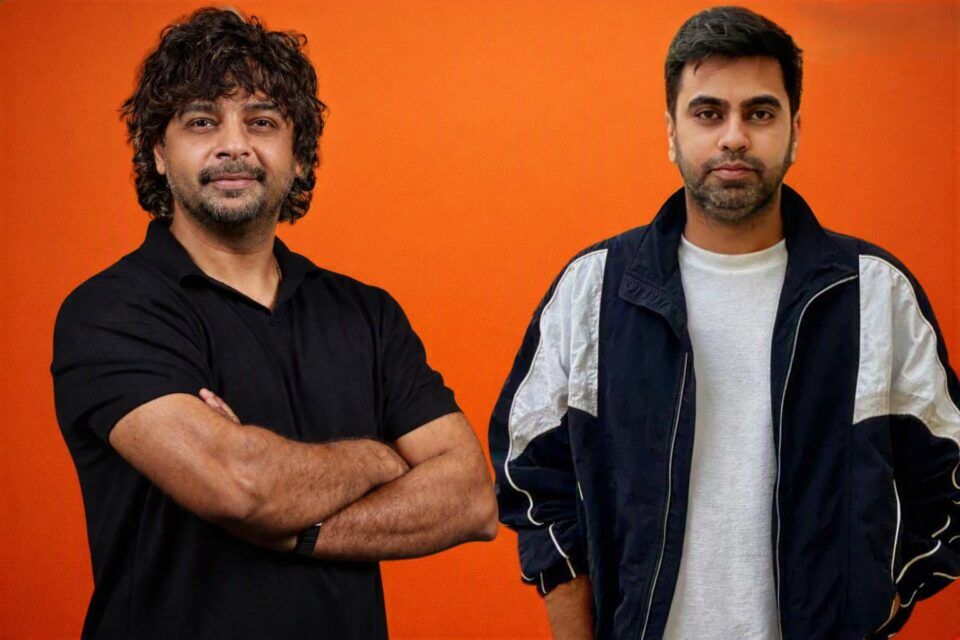 The Concert Production founders Sohail Mansuri and Zeeshan Siddiqui. Photos: Courtesy of The Concert Production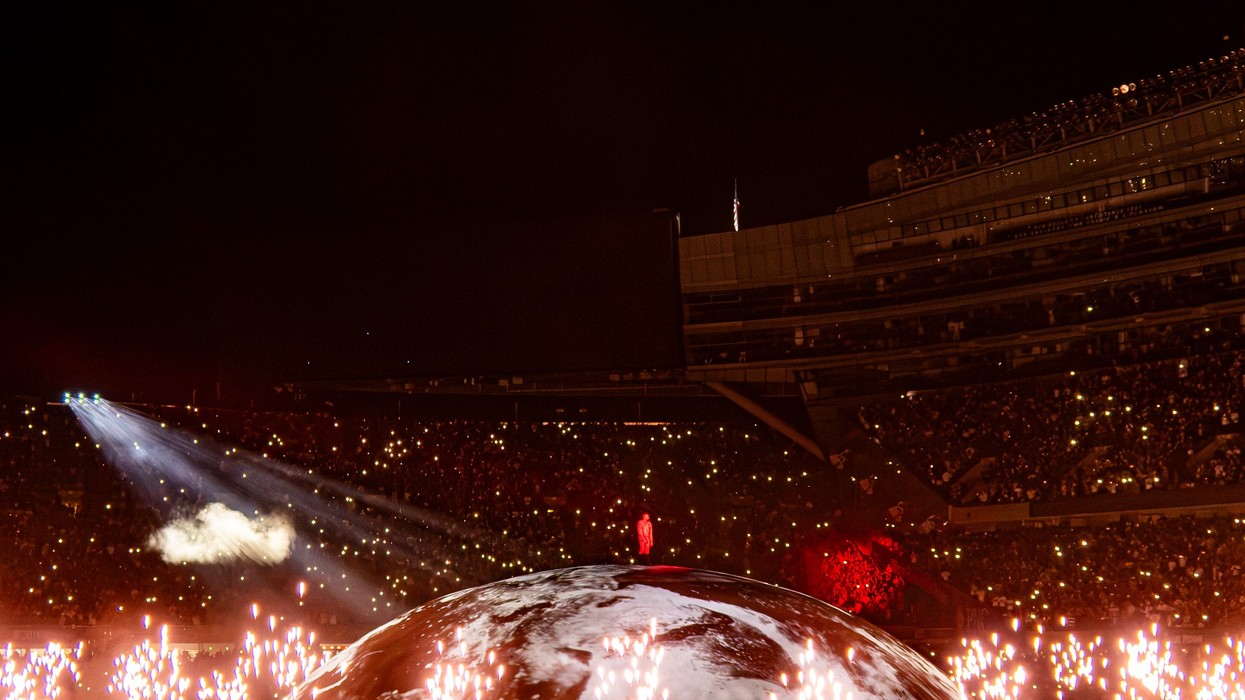
 Ye in ChicagoCambams Cam