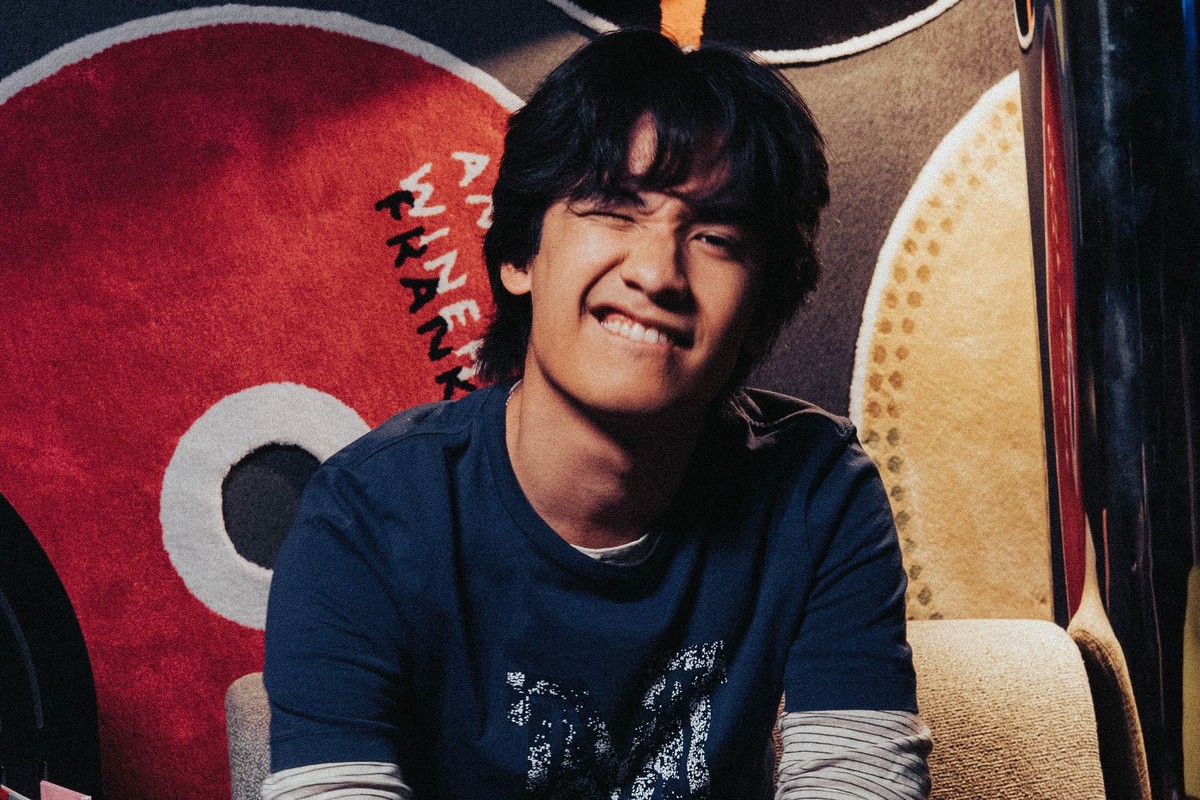

There was a point where the only way to hear a new MICO song was to be in the room while it was happening, except the room was a Discord call. No rollout, no finished version, sometimes not even a full song yet. He’d play something, and people would react to it right there, saying what they felt, whether it worked, whether it didn’t.
That kind of start sticks with you. You don’t really think about numbers first when you’ve built things that way, you think about whether someone actually felt something. The connection happens early, before anything is packaged or pushed out, and by the time the music reaches more people, there’s already a group that’s been part of it from the beginning.
Even now, as things get bigger and more structured, that hasn’t really gone away. The scale is different, but the way people connect to what he’s doing still feels direct, still tied to that same idea of just putting something out and seeing if it lands.
For MICO, it’s less about figuring out how to build that kind of connection and more about not losing it as everything around it grows.
You built your audience in spaces like Discord and livestreams before anything else. What did that teach you about fan connection that traditional routes might miss?
Reactions are more than just a listen. Since I developed initially on platforms that relied on person-to-person contact, when numbers started to grow, it never really felt the same as just hearing from someone’s mouth that something moved them or made them feel heard. It’s always stuff that I would dream to be able to tell my favourite artists, and so to hear that right after singing a song in a voice chat or playing a demo on a livestream from someone that may have just heard me for the first time or has continuously made an effort to witness it means a lot more.
A lot of artists go viral first and figure things out later, but your growth felt more community-driven from the start. How intentional was that, and how do you protect that now as things scale?
I’d like to think that people see a lot of themselves in me. A lot of the conversation around me revolves around relatability and since it’s been so tight-knit since the start, people have a really easy time recognizing that if they resonate with me and my music, they’ll probably resonate with the others that also do. It’s not something that’s easy to take away from a community and I think that even if things drift in the future, the memories that they attach to what I make and the people they’ve met through it will live beyond what I’m doing right now.
Your music taps into a very specific kind of internet-era coming of age. Do you feel like you’re documenting your own life in real time, or are you more conscious now about shaping a narrative?
There’s a little bit of both for sure. I’ve always played a bit of a character for others to observe, and that’s something that’s always seemed a bit fun to play with. It’s a bit odd that everyone in the world has access to the feelings I have in such an accessible manner, and so dressing it up with a larger picture and a caricature of those feelings and mannerisms in characters and worlds makes it all a bit more bearable.
You’ve gone from independent momentum to a major label system quite quickly. What’s been the biggest behind-the-scenes shift that people wouldn’t expect?
I don’t think that people will realize how much of myself still exists in the work. Even as things have gotten bigger, it doesn’t mean I get less involved; it just means I have more hands and resources to carry out exactly what I want. Everything before was built around the ideas I’ve had and the limitations surrounding it, and now that I have the support from a partner who sees things similarly to me enough to commit to a contract with me, it just means that the limitations start to disappear and you get an even clearer picture.
There’s a strong pop-punk and alt influence in your work, but it doesn’t feel nostalgic; it feels current. What are you drawing from sonically right now that’s shaping your next phase?
I still listen to a lot of the same music and consume very similar art as before. My taste hasn’t really changed, but I don’t think you should be chasing nostalgia or a feeling you had; you should always be chasing what feels cool. And what feels cool to you today will always involve newer things and build on the past, even if it isn’t conscious to you.
Your fans have been part of the journey from the beginning. How do you maintain that sense of closeness as the audience grows and the stakes get higher?
I think as long as I continue being authentic in what I make, people will feel an attachment to it. Fandom is a very symbiotic thing; the more you provide, the more they give back and push what’s possible to access. Things only grow if you continue to feed them, and I always want to give people the things that I felt or wanted from the people I look up to.
Looking ahead, what does growth mean to you right now, is it numbers, reach, or something more personal?
I think that growth is a feeling rather than a metric. Nothing matters in numbers or audience if I don’t think I’m pushing myself in a direction that me or other people can resonate and grow with. I’m never trying to be famous; I’m always just trying to do something that makes me feel something that I felt in the art that inspires me.
What are you working on in 2026? Can you share any details?
I’m really focused on just getting this album right and being able to tour it. I put a lot of work into it and I just want to see it get the flowers it deserves after all the years I’ve put into not only the MICO project but also everything musically that’s built me up to this point. I have something to prove and I intend to do that.
 Linda Ramone and John Travolta Sean Sabhasaigh/Getty Images