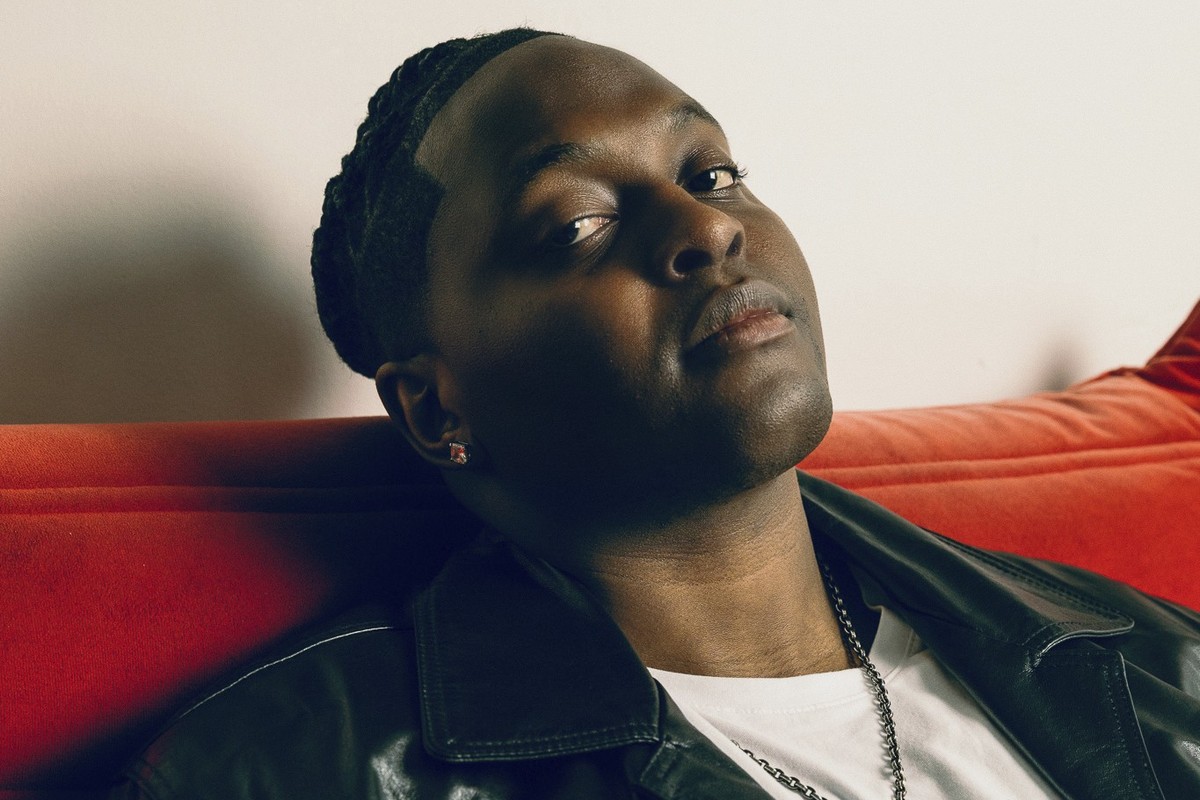

Born in Zimbabwe and raised across cities like London, New York and Toronto before eventually settling in Calgary, Kuzi Cee doesn’t come from one fixed scene—and you can hear that in the music. His approach to R&B feels shaped by movement: different cities, different influences, all landing in one place.
Over the past couple of years, he’s been building steady momentum, first catching attention online with early snippets of ‘Rather Be,’ a track that went on to pick up millions of streams and views across platforms. That moment translated offline too—festival slots, opening sets, and a growing audience that’s been following him from social media into real rooms. He’s shared stages with artists like Mario, Nelly and Ashanti, while also performing at spaces like the Calgary Stampede, slowly building a live presence to match the online buzz.
In 2026, that trajectory took a bigger step forward with his signing to Universal Music Canada, marking a shift from independent momentum to a wider global push. But what’s been consistent through all of it is the core of his music—songs that sit in vulnerability and lean into love, even when it’s messy or unresolved. His recent releases continue to double down on that space, positioning him as part of a new wave of Canadian R&B artists who aren’t trying to fit into one lane, but are instead building their own from the ground up.
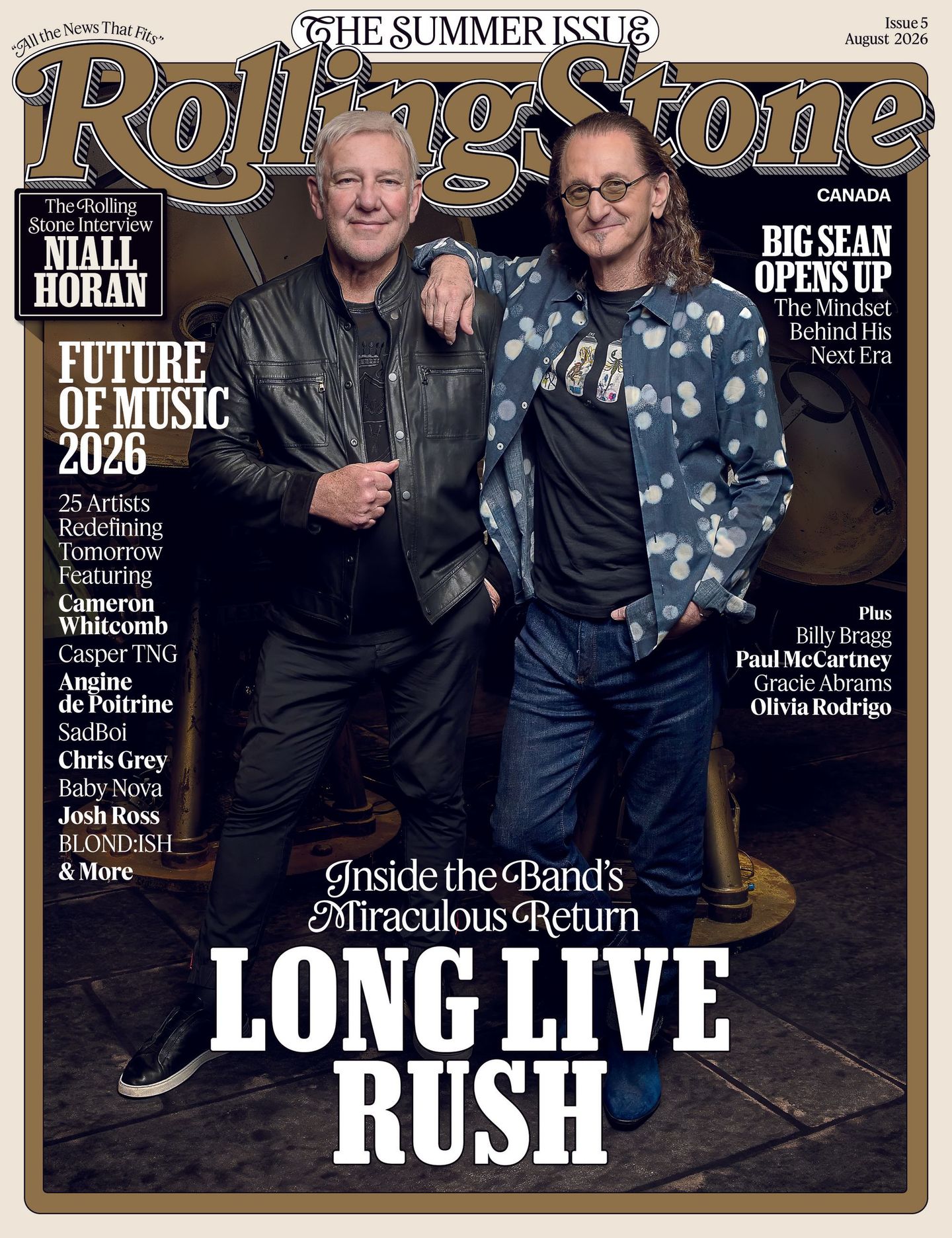
For Rolling Stone Canada’s Future of Music 2026, Kuzi Cee talks about coming up outside the usual industry centres, why emotion still sits at the centre of his writing, and how he’s thinking about building his career one release at a time.
You’re coming out of Calgary, which isn’t always seen as a central R&B hub. How has that shaped the way you approach your music and audience?
For me, my background is tied to many cultures and regions, so naturally, my music incorporates different sub-genres and production elements. That has played a major role in shaping my take on R&B and how it’s been received locally. It’s still deeply rooted in R&B, but it also welcomes listeners who gravitate toward pop, rap/hip-hop, Afrobeats, dancehall, and dance music. Blending genres came naturally to me, and it’s helped bring both new and existing listeners into the space. Calgary has seen a lot of success in folk, pop, and country, so it’s not always easy to pull people’s attention away from those legends and get them to take a chance on my music and on R&B as a whole.
R&B right now is pulling in a lot of different influences and directions. Where do you feel your voice fits within that space?
I like to think I’m carving out my own lane in the R&B space with the yearners, the lovers, and the “wear your heart on your sleeve” types. The best part of R&B, in my opinion, is the vulnerability and emotion tied to the music. That is exactly where I try to live. I don’t shy away from telling uncomfortable stories that people can relate to and think, “I’ve definitely been there.”
As a songwriter, what are you trying to say that you don’t feel like you’re hearing enough from other artists?
It’s okay to be happy. It’s okay to be sad, depressed, or overjoyed. Emotions are just that—emotions. There aren’t necessarily good or bad ones, even though they can feel difficult at times. It’s important to feel things fully and take your time with that. That’s one of the best parts of being human.
A lot of artists today are building through singles and moments rather than full projects. How are you planning to pace your releases?
It’s hard to push a full-length project of all new songs as an emerging artist, especially in the attention economy we’re in. I have hopes of doing that one day, but for now, I want to stay consistent with releases and continue building out my artist world before taking that on. I’m an album listener too, so I’d want to really take the time to build out the music and then tell that story in a longer form. For now, let’s keep the singles pushing. It’s definitely a different game from what I grew up on as a music listener, but the change has allowed a lot of voices, including mine, to be heard.
If someone listens to your music for the first time, what do you want them to sit with after it ends?
“Man, he really loves to love” or “who hurt him?” (ahaha). I want first-time listeners to be hit by the sonics right away—strong instrumentation, tight vocal arrangements, storytelling. I also want them to be brought into a world of love they might not have heard before, or haven’t felt in a long time.
Do you think R&B right now is being shaped more by artists or by the platforms it lives on?
I would say R&B is being shaped by the artists. When I look at the ones leading the genre right now, they all have their own distinct sounds, which isn’t easy in R&B. Artists like Leon Thomas and Kehlani each have their own way of telling their stories, which inspires millions. From production to themes to visuals and live shows, artists are the driving force. Platforms help amplify that spotlight, but the genre is in a really healthy place because artists are focused on the details and care about their craft.
What are your thoughts about the Future of Music in Canada?
Music in Canada is in a strong place. We have so many talented people being recognized on a global stage and across platforms. It’s amazing to see our voices being heard, our stories being shared, and our community continuing to grow.
 Linda Ramone and John Travolta Sean Sabhasaigh/Getty Images