
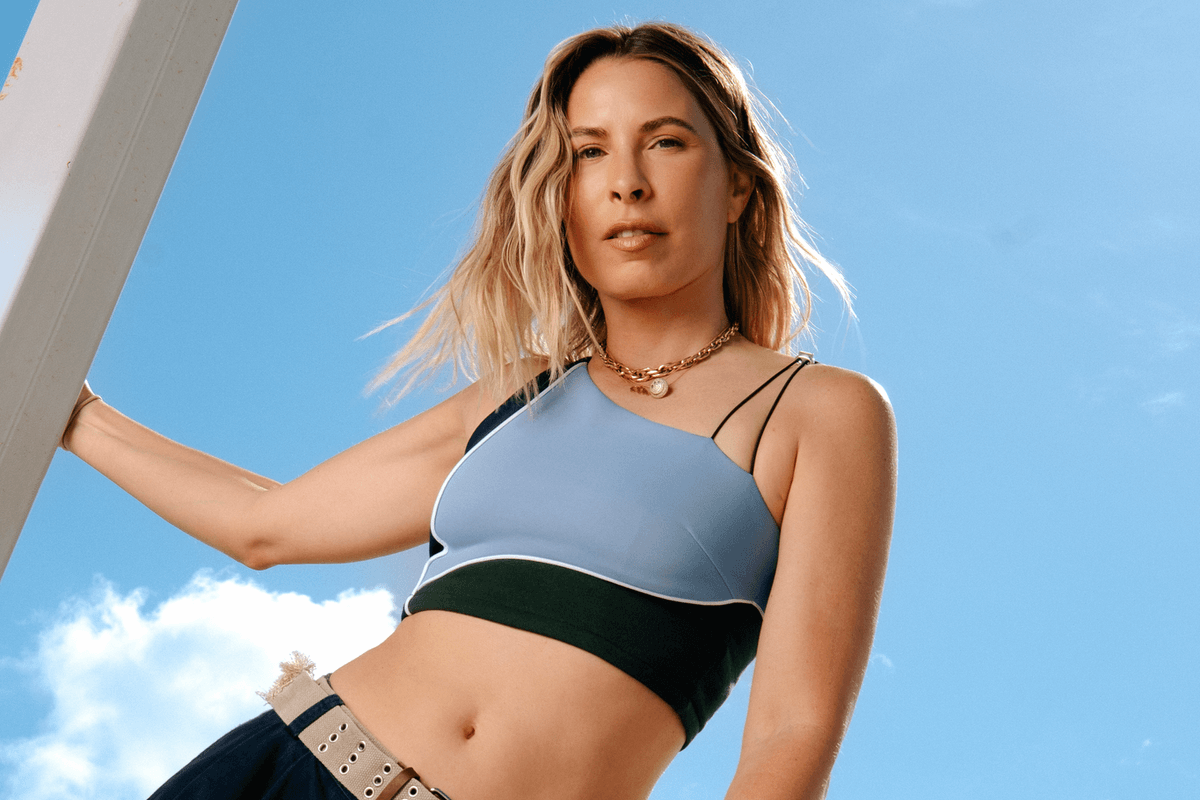

On any given night in Ibiza, the difference between a good set and a memorable one is hard to explain but easy to feel. It’s not just about the tracks or the crowd, it’s about what carries beyond the room. That’s the space BLOND:ISH has been moving towards, whether she’s playing to packed dancefloors, building out her Abracadabra parties, or holding down a residency at Pacha Ibiza.
Her trajectory through electronic music followed a familiar arc at first. Releases across labels like Anjunadeep and Defected Records, a steady global touring circuit, and tracks like “Waves” and “Never Walk Alone” finding their way into sets far beyond her own. But over time, the focus began to shift. The music stayed central, but it stopped being the only thing.
Through Bye Bye Plastic, she’s pushed for tangible changes within live music, from eco-riders to reducing single-use plastics at shows. At the same time, her Abracadabra events have evolved into something more layered than a typical club night, bringing together elements of community, intention, and shared experience without needing to fully define them.
It doesn’t read like a reinvention as much as an expansion, one where the dancefloor, the message, and everything around it are part of the same system. And increasingly, that system seems to be what BLOND:ISH is building towards.
You’ve turned BLOND:ISH into something that goes way beyond DJing. When did that shift happen for you—when it stopped being just about gigs and started becoming something bigger?
I always thought I was just a DJ. But when you go through life—and music—you start to realise your why. For me, that shift really happened when things were falling apart. I had no money, I couldn’t get records signed, I was just trying to survive. And that’s when I started visualizing, meditating and asking bigger questions.
That’s when I understood: my music isn’t just about playing gigs and making people dance. It’s bigger than that and bigger than me. I recently put it into words that I want to help 1 billion people live their best lives, and my music is the catalyst for that. Once I felt that path for myself, everything expanded naturally. And the best part is, I planted those seeds in Stoney Creek, Ontario, Canada.
Your residency at Pacha Ibiza is being talked about as a landmark moment. From your side, did it feel like a real shift or just another step in the journey?
Honestly, it feels like a step in the journey—something consistent where people can come find their magic, like a church. But also, there’s something there. We came into Pacha with our own twist on a party… give them something familiar like the party, and then there is something much deeper happening in the background if anyone wants to discover it.
I don’t over-label it too much. I’m living it. But I do feel like we’re bringing something fresh, something intentional, and people are responding to that.
Through Bye Bye Plastic, you’ve been pushing for structural changes—from eco-riders to cutting single-use plastics at shows. From where you stand, is the industry actually changing, or just becoming more aware?
There are a lot of hurdles when going up against the fossil fuel industry because they have endless cash, and promoters often prioritize securing a bag over the planet. But it’s definitely changing, and for the better.
95% of our Abracadabra events are plastic-free, and a high percentage of BLOND:ISH shows are also plastic-free. When we started, it was 0. We’re just planting seeds everywhere we go, leaving mini movements in different regions for the community to take over.
The most notable one I loved was the zero-plastic club initiative in Paris, where we got 25 clubs together to go plastic-free. They got so inspired during those initiatives that they took further action together after we left. That’s where we can shine—starting those mini movements, leaving cities with the tools, and then human nature takes over.
You talk a lot about wanting to help people live their best lives through music. What does that actually look like for you in a set, or in the music you make?
For me, it’s about energy and intention. No preaching. Even just a hug, eye contact during my set, a smile, a shared experience—those little energy moments plant seeds.
The most important thing I put into the party and my music is intention. I literally sit in the green room 10 minutes before I go on stage and picture sending good energy to every single person at the party, into every single cell of their body so they can take that energy back into their lives and use it for something positive.
One plus one equals 11. Intention is a crazy thing. It was an experiment for me—I had no idea if it would work, but now I can safely say it does and I’m doubling down on it.
Across everything you do, there’s a strong sense of connection and community. Was that something you set out to build, or did it grow naturally over time?
It grew naturally. I didn’t sit down and say, “I’m going to build a community.”
Abracadabra, for example—it’s a party on the surface. But underneath it's a community. It’s a registered church in the U.S., and it’s a meme. It’s people knowing and questioning that there’s more to life than what we’ve been told growing up. We want more out of life, we want to thrive, and we’re figuring out how to do that. "Energy maxxing" is what we call it now.
Can you tell us a little bit about your upcoming projects in 2026?
Always creating and expanding on this vision of how to unlock 1 billion people living their best lives. I just made around 30 songs in Jamaica in March, so a lot of that music is coming out.
Now we’re releasing that music as the ENERGY TAPES. There’s music for your body, music for your mind, and music for the masses. It all comes from the same place, it just hits in different ways.
I also built an app called $NRG for my fam, so you don’t have to DM me anymore and hope you get an answer. It’s made for claiming guestlist, backstage access, unreleased music, etc. at my shows.
Right now, what I’m focused on is how to release music closer to the time I made it. I don’t love the old system of waiting a year. I want the energy of the studio to translate faster into the world. It’s just how we work these days.
We’re just getting started.
You’ve spent a lot of time between Canada and the rest of the world. When you think about Canada now, what do you feel is happening in the music culture there?
I have no idea! I haven’t lived there in a minute. But I do know that Canadian fans are the best fans when I see them around the world. We’re so proud and just up for a party.
Canada gave me everything culturally when it comes to electronic music, from my Toronto days to raving in Montreal. That’s where I really absorbed the scene and got my education, spending long hours researching music on the dancefloor as a raver with a dream.
And remember, I’m just like you. I come from a small town in Canada, but I stayed curious and driven. Two traits I feel are even stronger than talent.

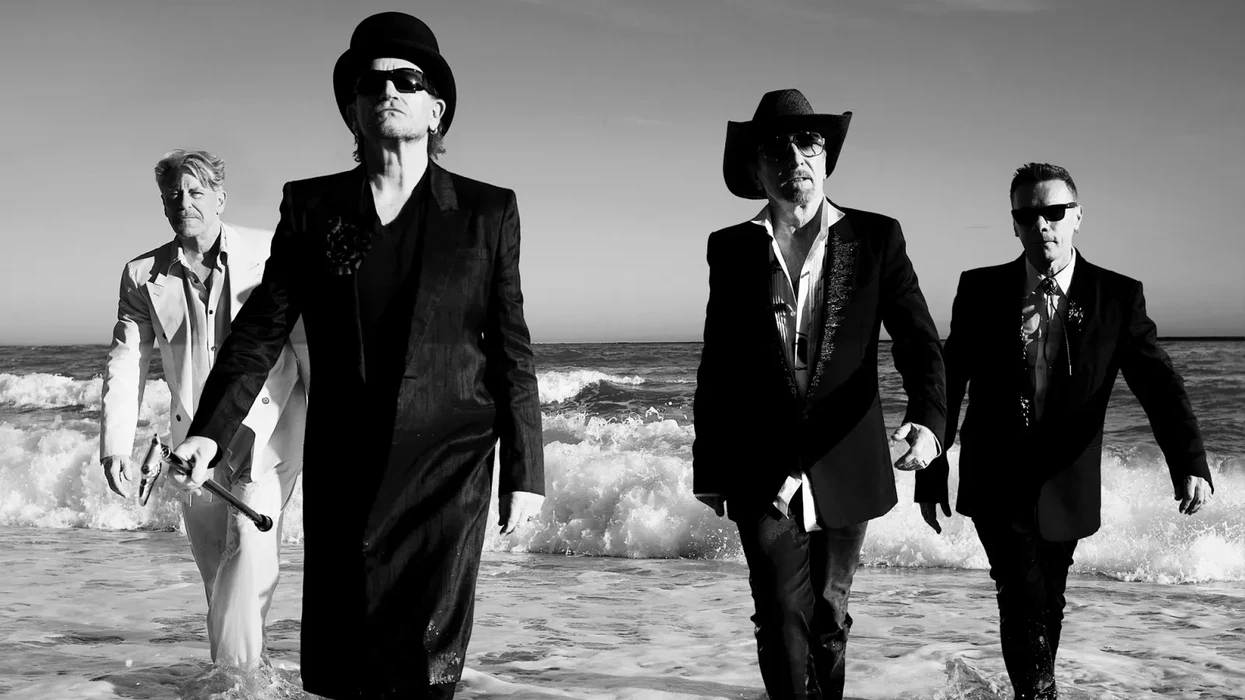

 The Edge, Larry Mullen Jr, Bono and Adam Clayton (from left) in 1978 Patrick Brocklebank
 Class photo from Mount Temple Comprehensive School in Dublin, 1978. Bono is in the front row, third from left; his future wife, then Ali Stewart, is to his left. The Edge is in the back row, center, in jacket and tie. Courtesy of U2
 U2 in Berlin circa Achtung Baby Anton Corbijn
 Anton Corbijn
 Bono, the Edge, and Clayton perform at the Sphere in Las Vegas in 2023, with Bram van den Berg filling in for Mullen on drums Kevin Mazur/Getty Images
 U2 shooting the “Street of Dreams” video in Mexico City in May Eloisa Sanchez
 Michael Schwartz
 The All-American Rejects at Soho House Courtesy of Soho House

Pete Hegseth’s ‘Warfighter’ Crusade Isn’t About Killing