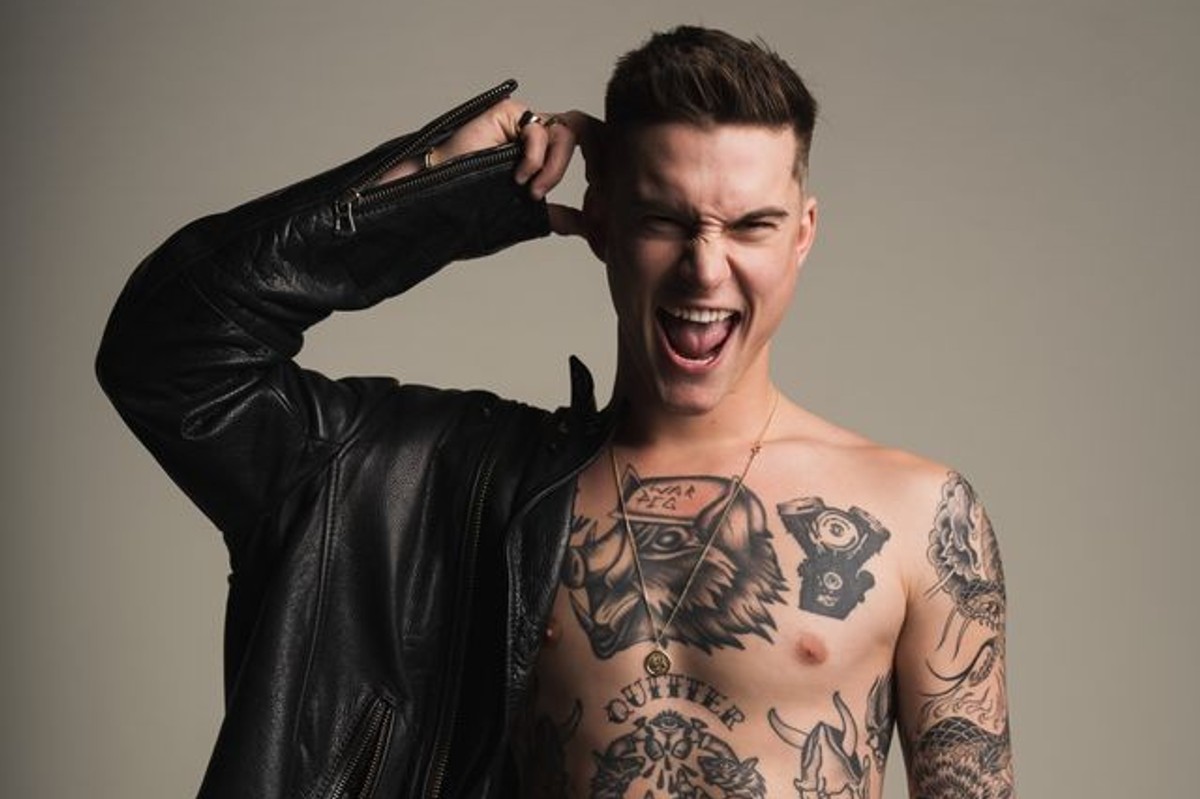

Before the music started landing, Cameron Whitcomb was back home in Nanaimo, B.C., figuring things out as he went. His run on American Idol in 2022 put him in front of a bigger audience, but it didn’t immediately translate into a clear next step. What followed was slower — writing, releasing, and building a connection online through songs that felt direct and unfiltered.
That’s the space his 2025 album The Hard Way comes from. The project is built to play straight through — concise, intentional, and rooted in his own experiences, including addiction and recovery. It moves across folk, country and alternative, but never really settles into one, which lines up with how he approaches writing in the first place.
As things pick up, that approach hasn’t really shifted. He’s still writing day by day, pulling from what’s happening around him, and letting the songs land as they are — which is exactly why they connect as quickly as they do.
The Hard Way introduced people to your songwriting in a very direct way. When you were putting that project together, what were you most particular about getting right?
What was most important in creating The Hard Way was making sure that every song lined up like a coherent album. That the songs were concise, and that the project was easy to listen to from front to back.
Your music pulls from folk, country and alternative spaces without sitting fully in one. Does that give you more freedom, or does it make it harder to position your work as things scale?
It gives me a lot more freedom to do what I need to do creatively without putting myself in a box. It allows me to write songs I love, and put them out to the world, without being too precious about genre or identity.
You’ve built a strong connection online, but your songs also feel very suited to live settings. How has performing them changed the way you think about writing new material?
Songwriting and live performances are so different, I’ve never let one influence the other. I write songs day by day. What songs become in the writing room are what they were supposed to be. Some songs are better from a writing standpoint, some perform better live. Some are both, and that's OK.
There’s a rawness to your records that people connect with quickly. As your audience grows, how do you keep that intact without repeating yourself?
My life is moving so quickly these days. New experiences, new people, new places, new cultures. It gives me tons of material to write about. As I collect moments, I write about them. It helps keep the music fresh while staying consistent, because it’s all from my perspective.
You’ve entered the industry at a different stage of life than a lot of artists. Do you think that’s shaped how you approach this moment?
Because I’m young and new to this, it makes my craft a lot less refined. Everything is less polished and more raw.
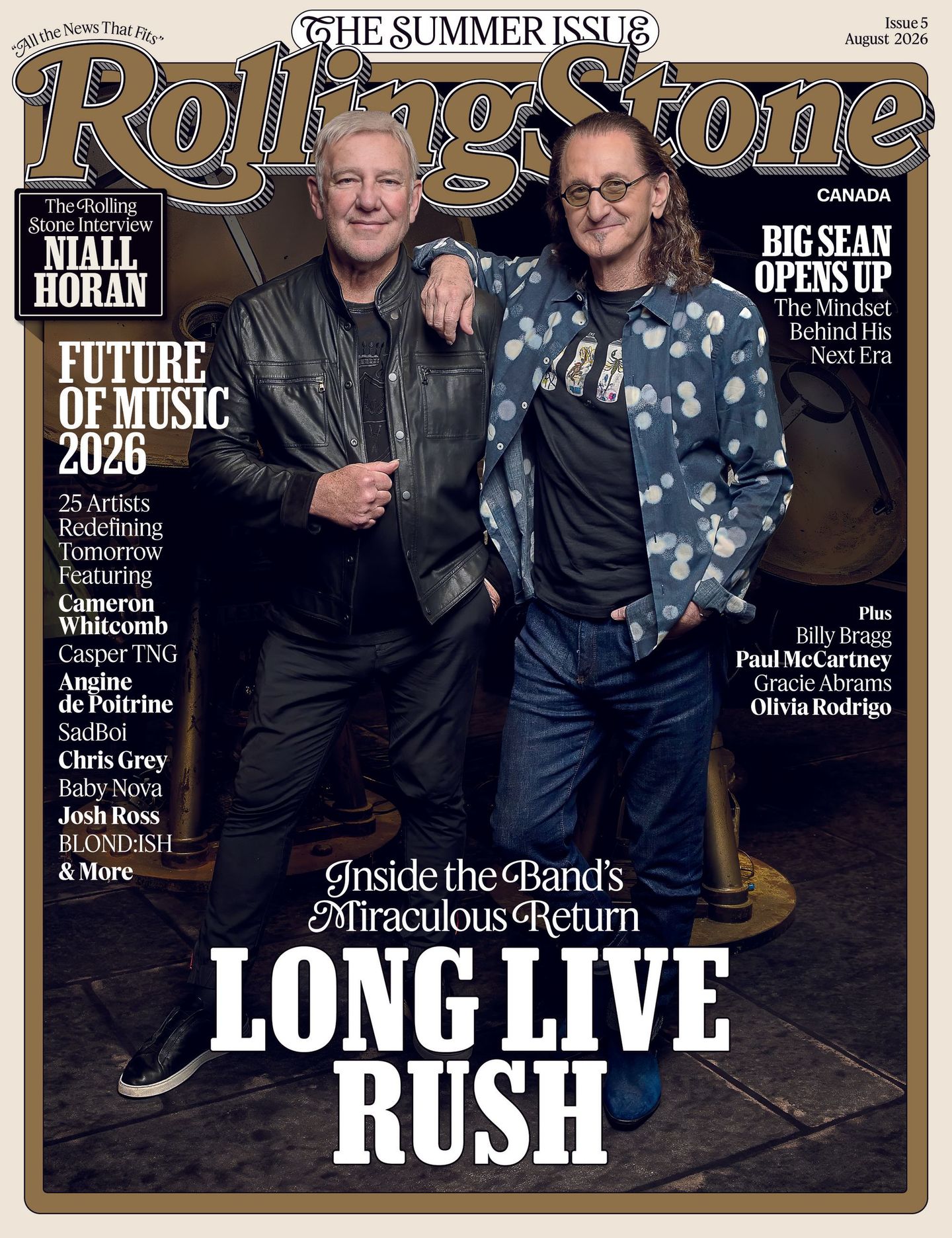
What are your thoughts on Future of Music in Canada?
With social media, it’s much easier to for Canadian artists to access the rest of Canada, and the rest of the world. Canadian artists are able to be less regional. I think Canadian artists will be much more recognized and have a bigger footprint than they have in the past.





 Cheery Viruet*
 Cheery Viruet