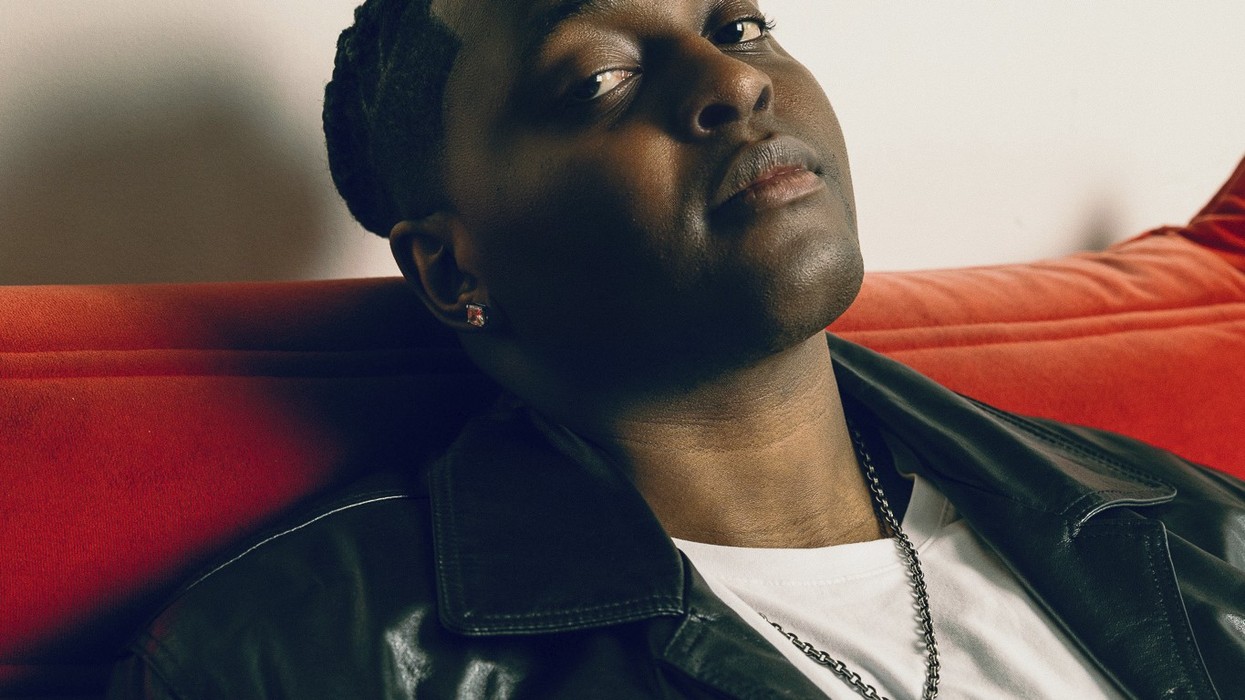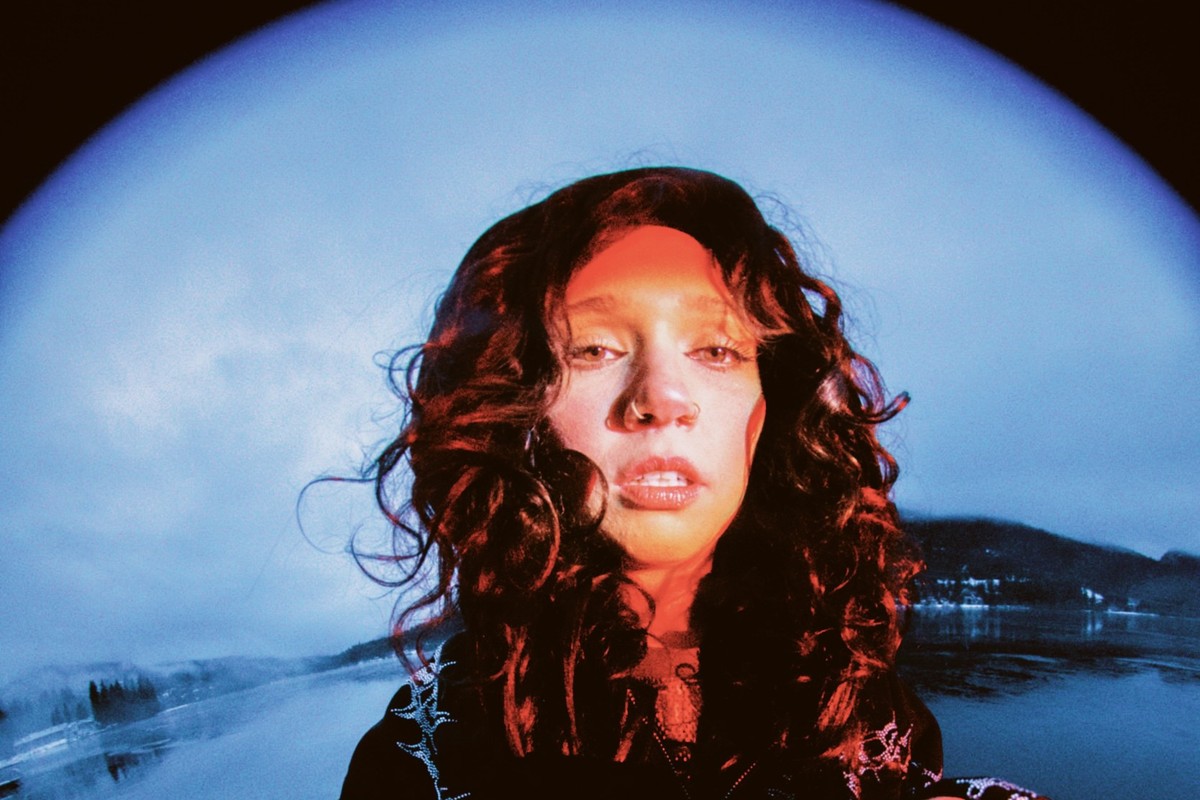

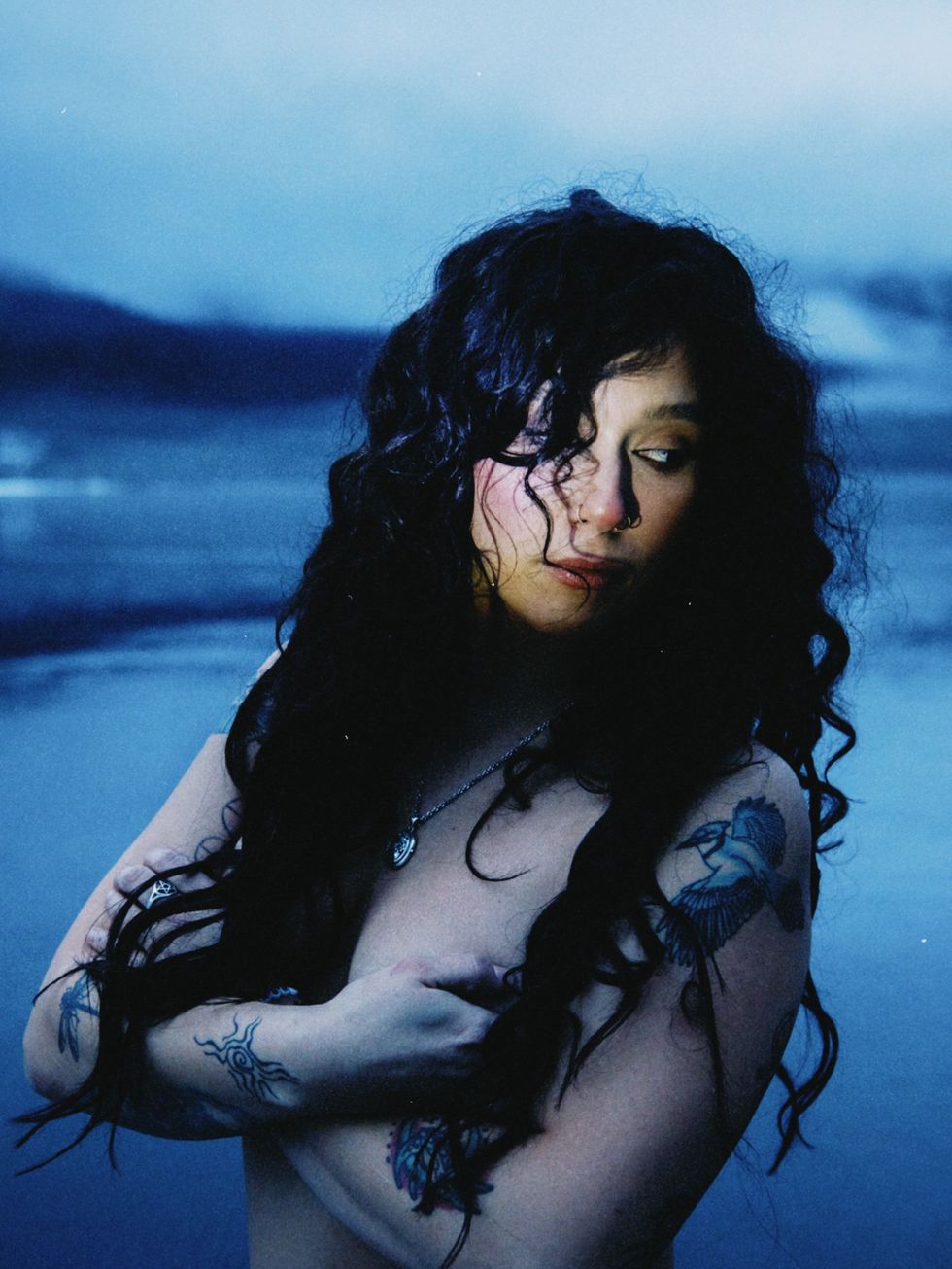
Ontarian singer-songwriter Ruby Waters has built momentum in a way that feels increasingly rare: through constant motion, word of mouth, and live shows that turn songs into something sweatier, louder, and less fixed than their recorded forms. While streaming and social media helped widen the audience, Waters’ music still carries the energy of someone figuring things out in real time, letting instinct outrun polish.
Her songs move easily between rock, pop, folk, and something harder to pin down, but genre rarely feels like the point. There is looseness in the writing, chaos in the delivery, and a refusal to flatten personality into something easier to package. Even as her audience has grown, Waters continues to make music that feels emotionally immediate, sometimes messy, and entirely uninterested in sanding itself down for mass approval.
That instinctive quality sits at the centre of her work. Whether she is writing from a feeling, chasing a colour in her head, or reshaping songs onstage night after night, Waters treats music less like a fixed product than a living thing.
You’ve built your career on the road as much as online. How has that balance between live momentum and digital growth shaped the way you make music?
The way I make music has never really been too affected by its outcome other than just wanting it to be kickass. Writing and the music itself has always come first. That said, getting to share music with people both on the road and online has been life-changing. Creating an online presence has been fucking weird and terrifying, but I’m continuing to learn how to be one with the times (sort of).
There’s something in your music that feels almost instinctive. How do you protect that feeling as your audience and expectations grow?
I really like being able to switch lanes and do my thing. “Fitting in” has never really been something on my agenda, especially creatively.
As long as I’m following my instincts, then hopefully the authenticity of the music will be there inevitably. There’s definitely a lot of pressure to try and make me and my art more digestible to help meet societal expectations and reach a larger audience but fuck that. I’m playing the game a little bit for sure, but it’s always been about the music and I think that whoever’s listening knows that.
A lot of your writing feels immediate, like it’s coming straight from a moment rather than being heavily constructed. Has your process changed at all as things have scaled?
Not much has really changed in terms of the writing process. Sometimes it’s the beat that drives the song, and I draw inspiration from how it makes me feel. Other times, the music is built around a more personal feeling or experience. Sometimes, I feel like I can see the song's colour while I’m making it, and when that happens I try to play within the same colour palette.
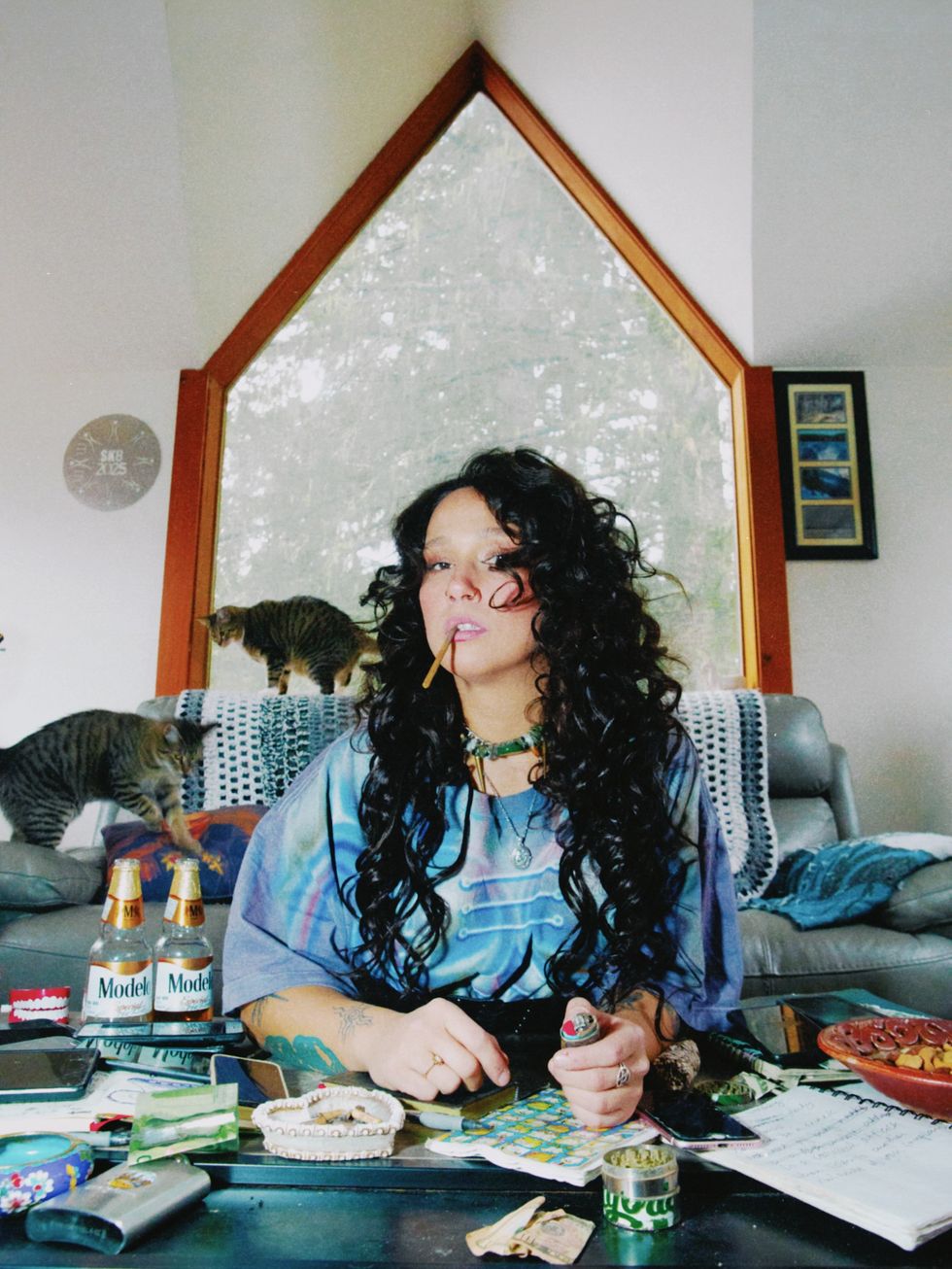
There’s a sense of freedom in your work, but also a kind of chaos. Do you feel like you’re chasing control in your music, or trying to stay in that unpredictability?
I definitely like to think that I thrive in chaos, maybe a little too well sometimes. Navigating madness can be a really good exercise for going with the flow. The music needs to stay wild, and unpredictability can be a really good time.
Your live shows are a huge part of how people connect to your music. Does performing reshape how you think about the songs after they’re released?
The way I perform versus the way I write definitely have their own little worlds. My songs sometimes sound a little different. I think it keeps them fresh for me, so I can play them over and over but breathe a little bit of new life into them at the same time.
Do you think audiences right now are looking for something polished, or something that feels real and a bit unfiltered?
I think the world will always want both. Shiny things will always draw us in, but that raw, unfiltered good good will always call us in and bring us back down to earth.
When someone hears your music for the first time, what do you want them to feel?
I want people to know and feel that they’re not alone, and that they have a right to be here. Ultimately though, I hope everyone who hears my music for the first time has their own human experience with it and feels what they feel.
Future of Music is about artists shaping what comes next. Do you feel like your role is to refine what’s already there, or to break away from it?
I think two things can be true at once! I think artists have really been blazing their own trails, while still being part of this bigger community that’s refining how music is being shared daily. Breaking away is good, but so is building on what’s already there.
What does success look like to you now, especially after having songs connect at a larger scale?
I guess everyone’s definition of success is different, but today I would say that success is just being happy and grateful for what you have. It’s easy to forget sometimes. I’d love to get my family straight someday, open up a food kitchen, have a farm, maybe start a sick festival.
What are your thoughts on the future of music in Canada?
I think the future of music in Canada is looking fierce as fuck, and that Canadian musicians are just getting started. Let’s fucking go baby!