


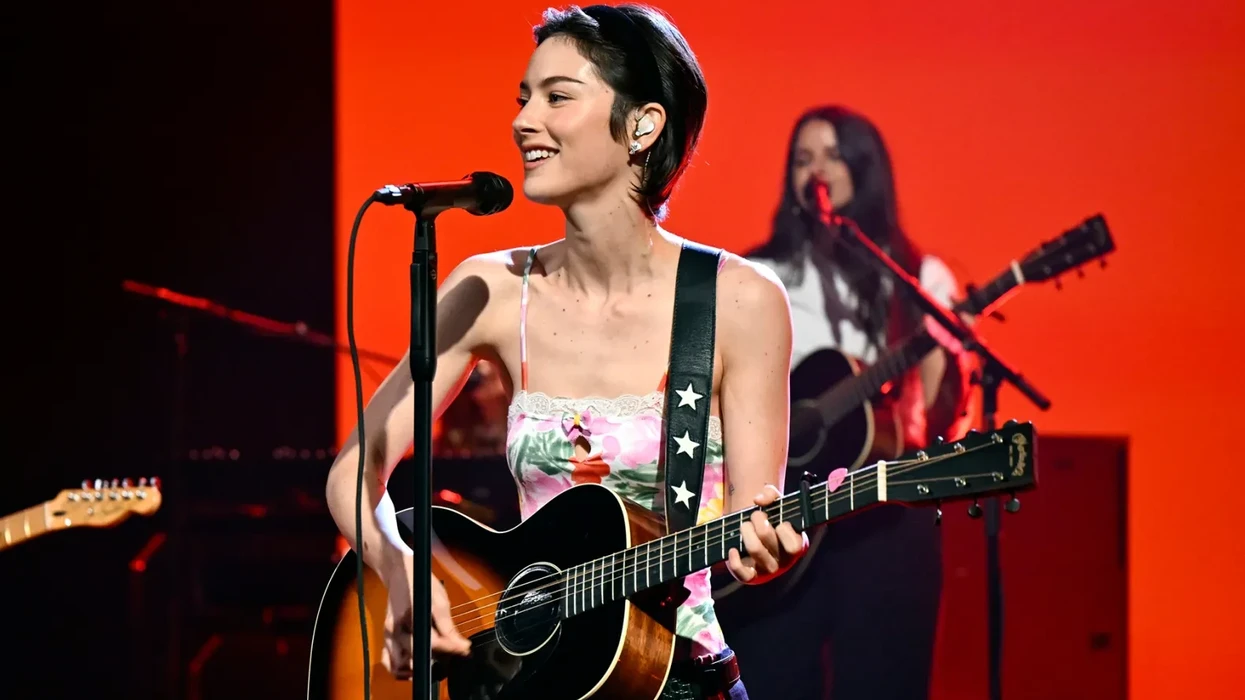
Raised in Nanaimo on Vancouver Island, Lauren Spencer Smith started out posting covers online before a wider audience found her during her run on American Idol in 2020. But things really shifted in 2022, when “Fingers Crossed” took off globally after gaining traction on TikTok. The song didn’t just travel — it stuck, and quickly put her at the centre of a wave of emotionally direct pop.
She followed it up with tracks like “Flowers” and her debut album Mirror, leaning into the same kind of writing that first connected. Nothing about it feels overworked — it’s direct, personal, and comes from wherever she’s at in that moment. As things have grown, that approach hasn’t really changed.
If anything, it’s clearer now that this is the lane she’s choosing to stay in — say it as it is, don’t dress it up too much, and let people take what they need from it.
You broke through with a song that travelled globally very quickly. Has that changed how you approach releasing music now?
I think it definitely made me more aware of how quickly things can grow, but I try not to let that pressure change how I write or release music. The songs that connected the most were the ones that were the most honest and unfiltered, so I just try to stay in that space instead of overthinking what “might” work.
There’s clearly a demand right now for emotionally direct songwriting. Why do you think audiences are responding to that again?
I think people are craving honesty. Everything feels so curated and filtered now, so when someone says exactly what they’re feeling in a really raw way, it cuts through. It makes people feel less alone, and I think that’s what people really want from music.
You’ve moved from online momentum into a global career. What’s something about that transition people underestimate?
I think people underestimate how much your life changes personally, not just professionally. It’s amazing, but there’s also a lot of pressure and a lot of growing up really quickly. You’re figuring out who you are while everything around you is moving so fast, all while trying your best to stay relevant to your audience.
When a certain kind of song works at scale, it can define expectations. How do you avoid getting boxed into that?
I think it’s just about reminding myself why I started. If I only chase what’s already worked, I’m not really growing. I want to keep evolving and writing about different experiences, even if it surprises people a bit.
What’s something you’ve learned about yourself through your music that you didn’t expect people to hear?
I think I didn’t realize how deeply I feel things until I started writing and sharing my music. I always knew I was emotional, but putting it into songs and seeing how people connect to that made me understand that it’s actually a big part of who I am, not something I need to tone down.
Do you ever feel pressure to stay in a certain emotional space because that’s what people connect to most?
I don’t really feel like I’m choosing an emotion; I just write from wherever I am in my life. I feel things really deeply, and when I’m sad, I feel it strongly, so that naturally comes out in my music. But if I’m happy or in a different place, I want to be honest about that too. I’ve always just wanted to be myself in my songs. I’ve been through a lot of hard things and struggles in my life, so sometimes the so-called “sad emotion” feels like it overpowers the others within my songs overall.
What are your thoughts about the future of music in Canada?
I think it’s really exciting. There are so many unique artists coming out of Canada right now, and I feel like people are paying more attention globally. I also think what makes Canada special is how accepting it is of different cultures and backgrounds, and you can really hear that diversity in the music. It creates space for people to be themselves, which I think is why so many distinct voices are coming out of here.
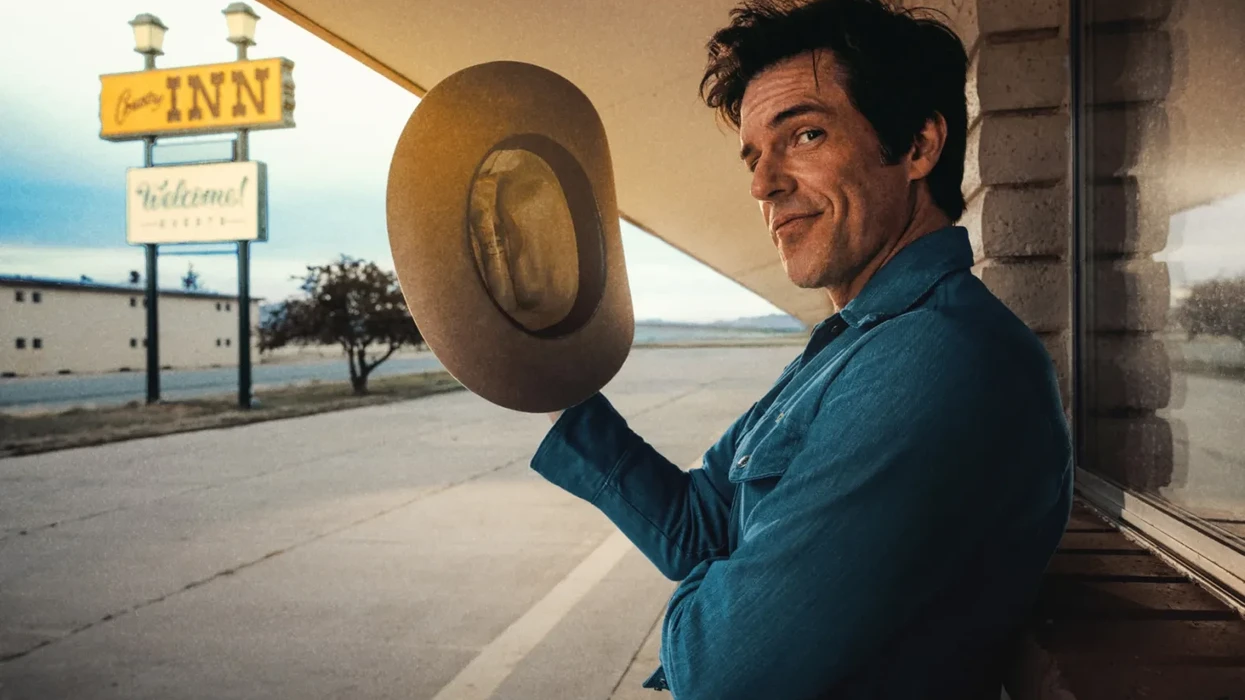

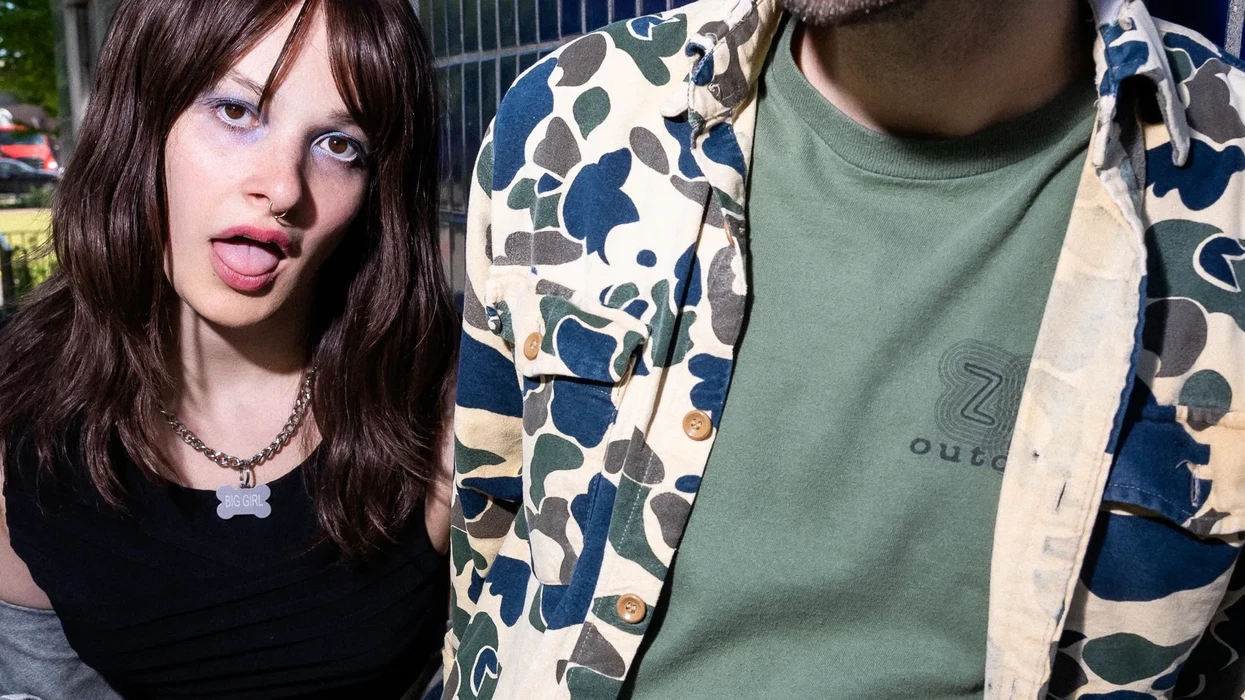
 Holzman and Hughes at the Lincoln Memorial Reflecting Pool.Courtesy of Ekko Astral
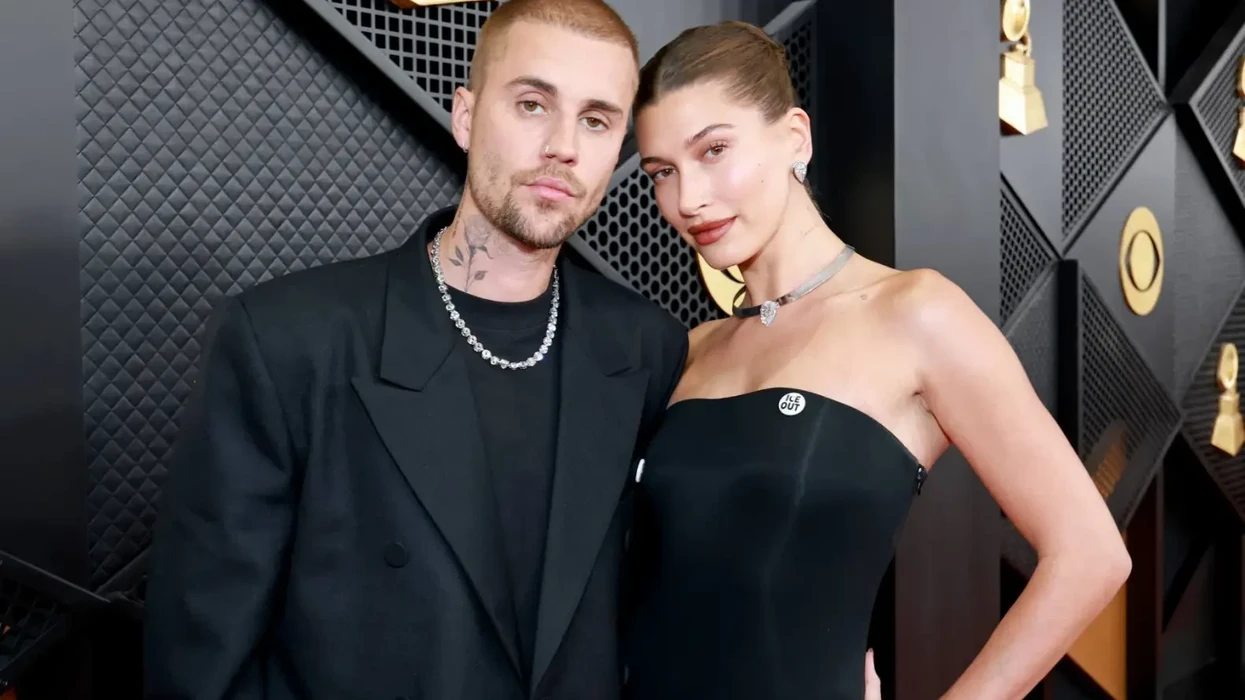
 Holzman and Hughes in Brooklyn, May 2026.Griffin Lotz for Rolling Stone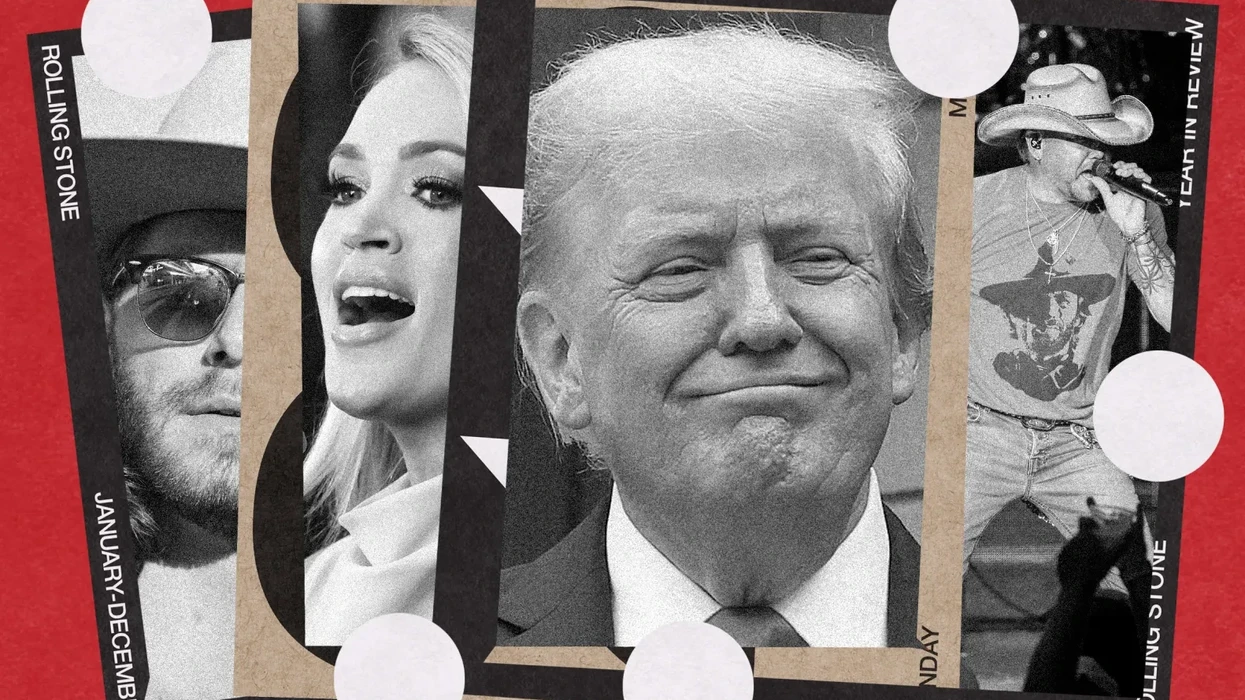
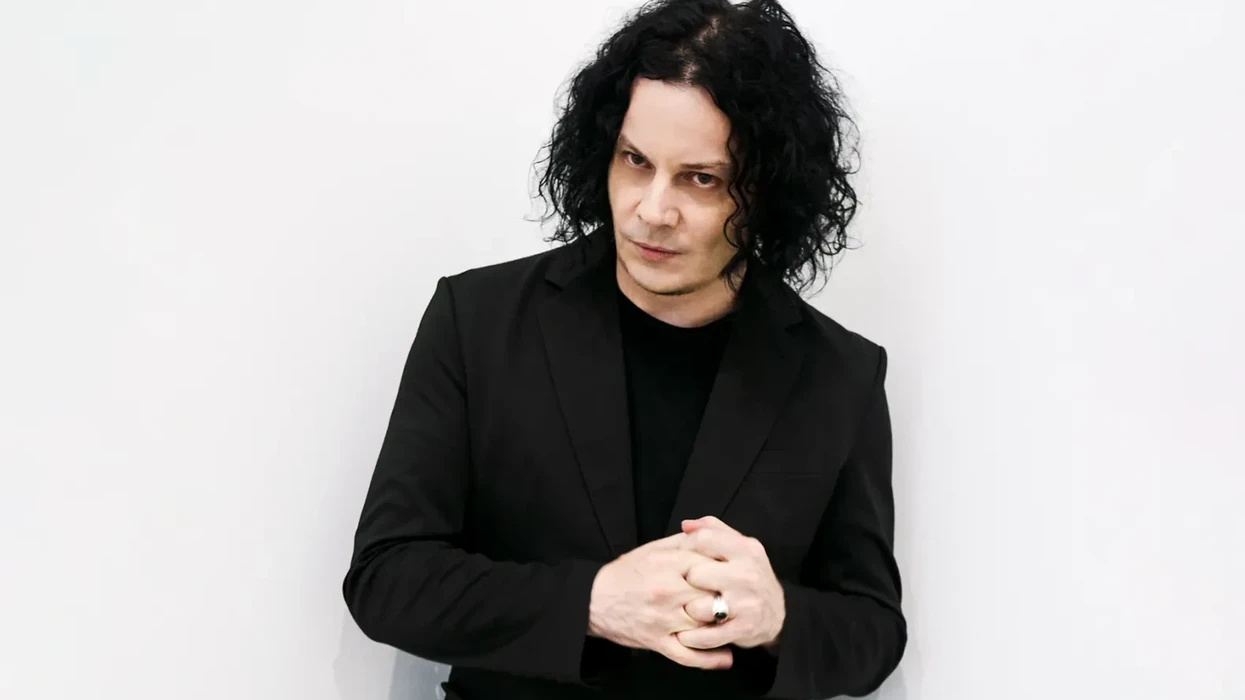
 There’s no immediate resolution in any of this. There’s no surrender either — and a lot of great escape. White’s slide guitar in “Dollar Bill” sounds like a National Steel on steroids until the solo, when it turns into what seems like a theremin gone postal. “I Can’t Believe What I’m Hearing” has a great pop-wise chorus closer to the Pretty Things than Son House. And don’t miss White’s wry aside to the White Stripes’ old creation myth in the second verse of “G.O.D.,” on the way to the real business at hand. “Well, it’s the beginning of the world now,” he declares at the song’s end. “Let’s do it all over again.”

Jay-Z has turned the 30th anniversary of his classic debut album into a major marketing event
Jay-Z Knows the Past Still Pays
There’s a pleasant absurdity to the advertisements for JAŸ-Z30 that are currently found across New York’s subway tunnels. Their dramatic imagery — a stark black backdrop pierced through the center with a pair of hands, presumably Jay’s, fixed into the famous Roc diamond — invites a kind of religious authority that feels a touch ironic for anyone who’s old enough to remember all types of handwringing over those very hand symbols only a few years ago. And maybe that’s the point. By now, nostalgia’s grip extends layers deep. So much so that you could find yourself waiting for the train, reminiscing on the days when people still made jokes about the so-called Illuminati.
Jay-Z’s months-long campaign commemorating the 30th anniversary of Reasonable Doubt and the 25th anniversary of The Blueprint has indeed resurfaced the rapper-turned-mogul’s success story. Reasonable Doubt, released in 1996, positioned Jay as not only a resonant voice in hip-hop but also in the increasingly lucrative business around it. After major labels passed, the album was released independently through Roc-A-Fella Records and Priority Records, setting the tone for Jay’s career as a business…man.
And in the full-court press campaign around this summer’s anniversaries, culminating in this weekend’s trio of performances at Yankee Stadium, Jay’s business acumen is again at center focus. You’d be forgiven for throwing around buzzwords like “multichannel” or “cross-platform” to describe the slate of festivities. There was a Spotify-backed takeover of the J and Z trains; custom JAŸ-Z30 subway maps and a Google Maps guide; commemorative Brooklyn Public Library cards; and most recently Bowery Station and DUMBO pop-ups with archival footage and merch. (That these Yankee Stadium shows come on the heels of Taylor Swift’s wedding at MSG suggests some sort of mega-rich takeover of cultural institutions, but let’s leave that one for another day.)
The moves come as nostalgia continues to drive a considerable chunk of the music industry’s profits. In an era when old songs can circulate infinitely on streaming platforms, gaining new life in the form of everything from samples to memes, and when superfans are willing to spend on physical goods, limited merch, and live experiences, album anniversaries have become their own product launches. Jay-Z’s Reasonable Doubt campaign is only the splashiest recent example.
No wonder, then, that Beyoncé already appears to be setting the stage for her own run of commemorations for the upcoming 20th anniversary of her album B’Day in September. Over the weekend, she released her first new song in two years, titled “Morning Dew (Donk),” to tease the upcoming reissue. According to Luminate, older music still dominates attention, with only 43 percent of U.S. on-demand audio streams in 2025 coming from tracks released in the previous five years. This is also one reason why vinyl and physical formats have seen renewed value in recent years, with the RIAA reporting that vinyl sold 46.8 million units in the U.S. in 2025, compared with 29.5 million CDs. Luminate says superfans are 20 percent of U.S. music listeners and spend heavily on live events and physical merchandise; 73 percent of these fans purchase physical merch, versus 26 percent of general music listeners.
In today’s industry, having a major anniversary is like having a new product to promote, a way to participate in an already thriving marketplace for nostalgia. The demand is visible well beyond official artist stores: Vintage concert tees now trade as collectibles, with one 1967 Grateful Dead shirt selling at Sotheby’s for $19,300 and rare rap tees treated as wearable archives of hip-hop history. Anniversary campaigns give artists and labels a way to reclaim that energy, turning the secondary market’s appetite for old symbols into new, officially sanctioned products.
Jay-Z’s official anniversary store turns that logic into a menu of objects: a $1,500 collector’s crate, a $300 cassette box, $400 Yankees jerseys, and four-figure varsity jackets. Of course, Jay is far from alone when it comes to legacy acts cashing in on nostalgia. He’s more like one salient example of a much larger wave of artists and promoters marketing anniversary products that includes the Smashing Pumpkins’ Mellon Collie and the Infinite Sadness 30th anniversary super-deluxe edition, My Chemical Romance’s Black Parade stadium tour, and the returned Warped Tour, among many others.
Five years before Reasonable Doubt became the occasion for library cards, pop-ups, collector crates, and stadium spectacle, its 25th anniversary was marked by an NFT. In 2021, Sotheby’s and Roc Nation auctioned a one-of-one Derrick Adams artwork tied to the album, billed as the only official Jay-Z-authorized commemoration of the anniversary. Around the same time, Roc-A-Fella was in court over co-founder Damon Dash’s attempted sale of a Reasonable Doubt-related NFT, a dispute that ended with a judgment making clear that no shareholder could sell or dispose of an interest in the album — including through an NFT — without the company’s authorization.
That ownership question is becoming harder to avoid as music enters the AI era, where the archive is not only something to reissue, exhibit, or sell, but something that can be scraped, modeled, and trained on. Last week, SZA took to Twitter to express frustration with AI music company Suno, notably calling out Diplo by name as one of the company’s investors. “DO NOT GIVE AWAY YOUR VIBRANIUM !!! DO NOT TRAIN AI WITH YOUR GENIUS,” she wrote on Twitter. Her complaint was joined by Kenneth Blume, who said Suno’s workers were “stealing from countless struggling musicians.”
For an artist with a legacy as impactful as Jay-Z’s, the current anniversary boom feel like the latest phase of a longer project of deciding who gets to turn hip-hop history into intellectual property. Jay-Z’s legacy deserves preservation; few catalogs have made a stronger case for it. But the more that preservation arrives through limited-edition objects, auction platforms, luxury merch, and authorized experiences, the more it has to answer a harder question: When does protecting the archive become another way of extracting value from it?