

Every journalist loves to tell war stories. On February 26, 2022, for instance, I woke up on the lobby floor of the Kharkiv Palace hotel in Eastern Ukraine to a security guard nudging the pile of couch cushions I was sleeping on, insisting that I go down to the car park before the next wave of Russian missiles hit. The hotel had rented me a room on the seventh floor, but the bombing was so incessant that I figured it was safer to pull up the cushions from a few of the lobby couches and make a nest at the back of a room on the first floor, which let me get a few hours of fitful sleep a night, broken up by sirens and the thump and bangs of incoming munitions.
This is a pretty mundane tale, as far as war stories go. Most of mine are similar: a few gunpoint holdups at checkpoints, a few sprays of machine gun fire overhead, plenty of artillery and missiles that landed close enough to make me chronically afraid of New York’s extremely loud garbage trucks but not close enough to pose any real risk in the moment. I’ll tell you all this basically at the drop of a hat. Give me half a drink and I’ll start showing off my iPhone gallery of selfies wearing my flak vest. If a journalist ever claims to not be a narcissist, they’re lying to you.
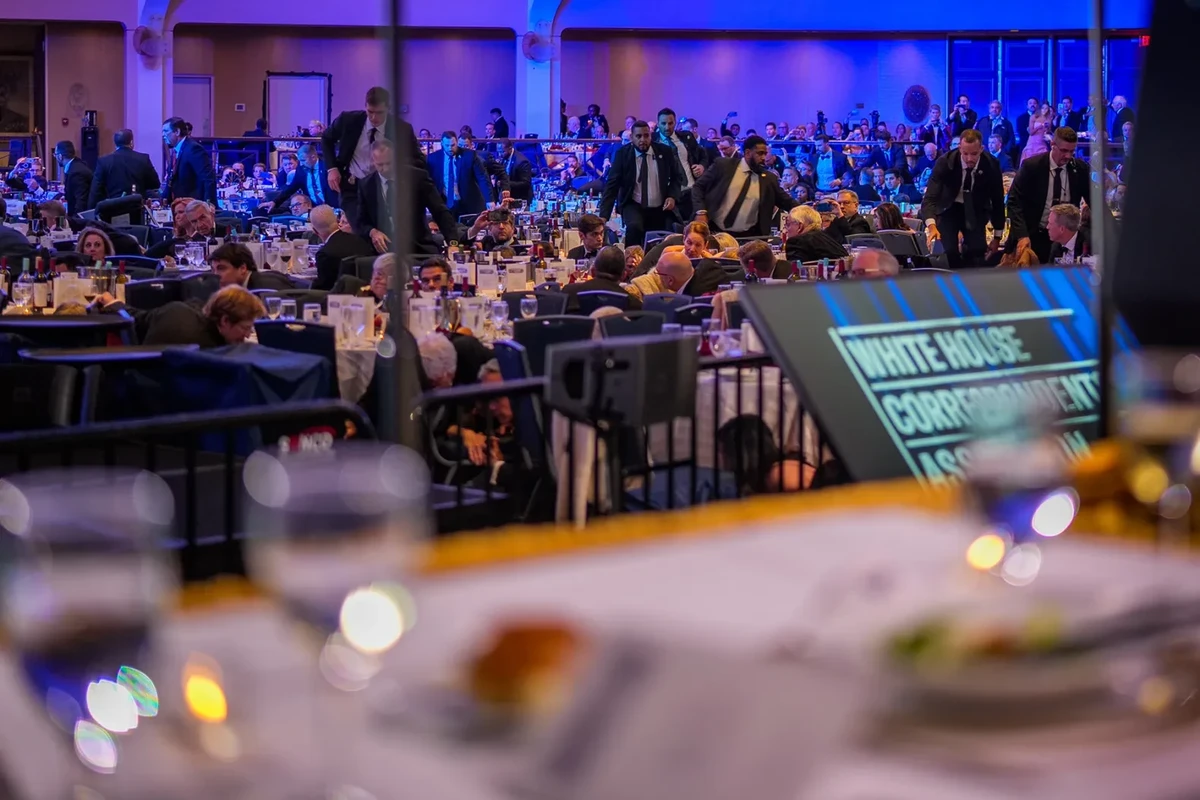
On Saturday night, a whole new crop of journalists got a pretty good war story. When Cole Tomas Allen, a 31-year-old game developer and tutor, stormed into the Washington Hilton Hotel with a shotgun and pistol, D.C.’s fourth estate elite were partway through the salad course at the annual White House Correspondents’ Dinner, which is affectionately and derisively known as “nerd prom.”
The nerds were horrified – and excited. In the immediate aftermath of the shooting, and the days since, members of the press have blown up their near-brush with death into tales of personal heroics under fire. In The Free Press, a conservative politics website started by current CBS News head Bari Weiss, Weiss’s sister Suzy wrote:
“Everyone was reeling, but the men were also another thing: They were activated. And I’m not talking here about the obvious heroes of the evening: the law enforcement professionals, and the Secret Service, one of whom was shot by the would-be assassin as he leaped toward the gunshots. Others, with guns at the ready, hustled officials out of the room. They acted nobly. But they weren’t the only ones.
The lobbyist David Urban was nearly glowing, telling us how he went to West Point, served in the 101st, and that he simply wasn’t about to let anything bad happen to us. I believed him. (And so did Bari, who was shielded by him at the front of the room like I was by Elliot in the back.)
In moments of crisis, something deep in our biology kicks in.”
Suzy Weiss’ piece was a more lighthearted take on the shooting, remarking on the generally cavalier behavior of the men in the room. But almost every other first-person account I’ve read of the event also makes it seem as though bullets were whizzing over the banquet tables, when in reality the only rounds fired were lodged in the walls (and one unlucky agent’s body armor) downstairs. Another FP reporter, Olivia Reingold, narrated the event into her front-facing iPhone camera as she huddled beside her table. “Tip for younger reporters: point your camera at the thing that’s happening,” writer Chris Hooks quipped on Twitter.
As the evening continued, so did the self-worship. Journalists praised each other for running to the subsequent press briefing in formal wear, for continuing to do their jobs under great pressures, and for generally being around and looking better than they normally do on a daily basis while a man so disgusted with the current status quo tried ineffectually to kill the sitting president. The president, for his part, also praised the press, before touting his leadership instincts in the heat of the moment during a gauzy 60 Minutes interview the following day. Everyone, in other words, came away feeling pretty good about themselves.
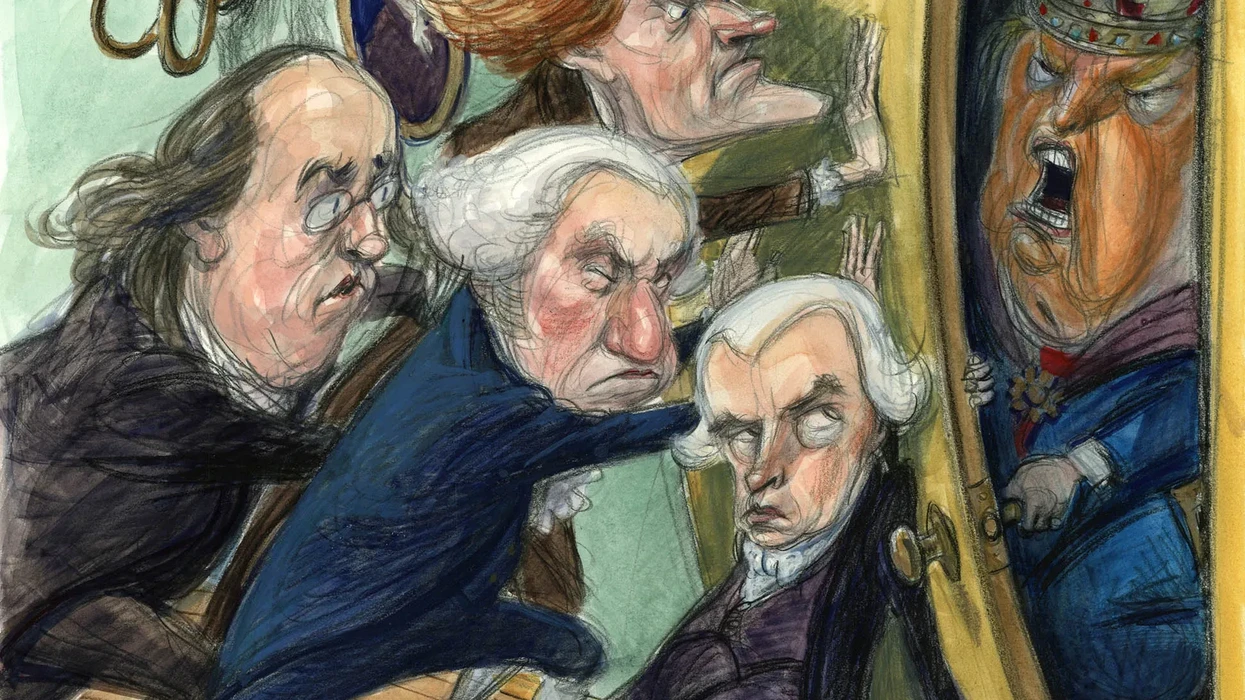
The Correspondents’ Dinner has been criticized for exactly this kind of chummy fraternization for years. The most common critique is simple: It looks bad that an organization set up ostensibly as a check on the nation’s most powerful executive hosts an annual dinner honoring said executive, with jokes and drinks and the kind of generally mediocre food that any event serving more than 25 people will inevitably have. CBS, for instance, brought both Trump puppeteer Stephen Miller and Secretary of Defense Pete Hegseth, who frequently berate the press, to the event as official guests of the network. Donald Trump attended the event for the first time as president, which is about as clear of an indication of the greater WHCA’s disposition towards him that you can get. At nerd prom, the president gets to be king.
Which brings us, in a roundabout way, back to war stories. The problem with the WHCD and the problem with war stories is, essentially, the same thing. As a foreign correspondent, you have access to something fascinating and horrific and powerful: violence. You will see, as a part of the job, moments of loss and pain and fear and tremendous human courage, all alongside things so nihilist and cruel that you will wonder how this species ever made it out of the days when we beat each other to death with rocks. It is intoxicating. It makes you feel important and interesting. Your colleagues take pictures of you in flak vests and khaki clothing.
You get a certain version of the same thing as a politics reporter. Like war, politics reporting often gives you a certain proximity to the fascinating inner workings of power. You get lanyards and hall passes rather than kevlar, sure, but the everyday circumstances of your work make the case that you are someone important and valuable. If you weren’t, they wouldn’t let you in the room, right?
But like war, the fallacy here is the same. Proximity to something is not purpose. You are not in the room to take a picture with the president, you are not at war in order to make yourself look cool. You are there to do a job, and if you’re not doing that job, then hanging around in a war zone or the White House makes you a tourist. The point of being in close proximity to power is so you can examine it and evaluate the people wielding it. You’re supposed to find the people that it harms — the little guys, the ones that the soldiers and presidents squish under their boots or black wingtips.
If someone takes a shot at the president, your job isn’t to praise his heroics and resolve in being swiftly escorted out of a room by a phalanx of armed men, or to praise your own resolve as you duck for cover under a table. It’s to figure out why a college-educated white-collar worker got so fed up that he decided to tear up every last shred of the social contract we live under. It’s to examine why he picked that event, why he chose that specific target. Along the way, it might be worth taking a hard look at what your own participation in a gilded celebration of a violent regime says about the job you’re claiming to do. If the answers to those questions scare you, then maybe it’s time to find a new line of work.

 Construction of the proposed White House ballroom seen from the Washington Monument on May 17, 2026.Graeme Sloan/Getty Images
 Donald Trump greets Vladimir Putin on Aug. 15, 2025 in Anchorage, Alaska.Andrew Harnik/Getty Images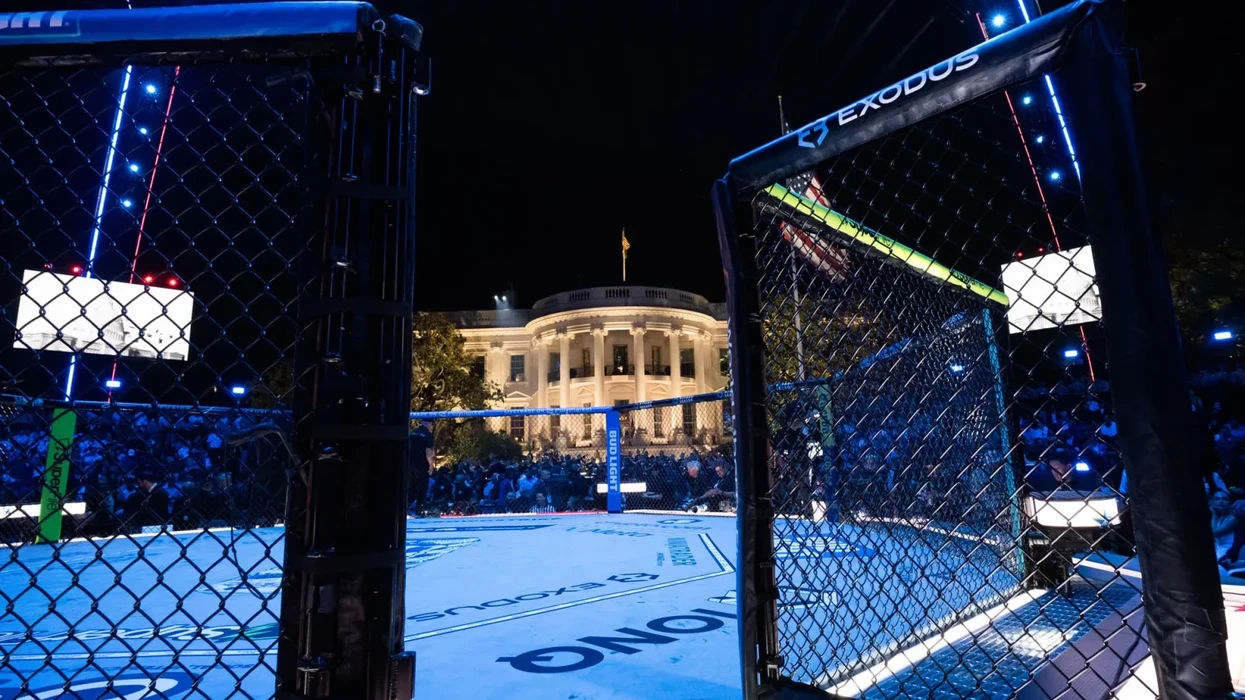
 Dana White, Mark Zuckerberg, and
 Donald Trump along with members of his family at the Sunday Night fight.
 Diego Lopes (shown) defeats Steve Garcia by KO.
 Cheryl Hines and Robert F. Kennedy Jr.
 Jim Jordan and Stephen Miller
 Some of the active members of the military who were picked to attend the fight.
 Justin Gaethje after defeating Ilia Topuria.
White House Journalists Swap Integrity for a Good War Story
The media's job should be to hold truth to power, not to dress up and have dinner with it