

With the arrival of each new year, we are compelled to reflect in dreadful wonder on the distance we have journeyed through time. It is strange that our lives, up to the present moment, are part of history, and that we keep moving forward into it. There is something important to be understood, it seems, by unearthing our own near past and feeling almost alienated from it: Was I really that person, ignorant of all that would happen between then and now? In another city, in love with someone else? Wearing those clothes?
And so our entry into 2026 has occasioned the traditional visit to the photo archives. The navel-gazing aspect of social media turns this impulse into a communal phenomenon, everyone pulling out their 2016 pictures to gain some perspective on a decade that may have gone quickly, but felt endless as we endured it. Some remember their challenges in that era, others their triumphs — and still more express what they hadn’t known about themselves back then, how their identity was evolving.
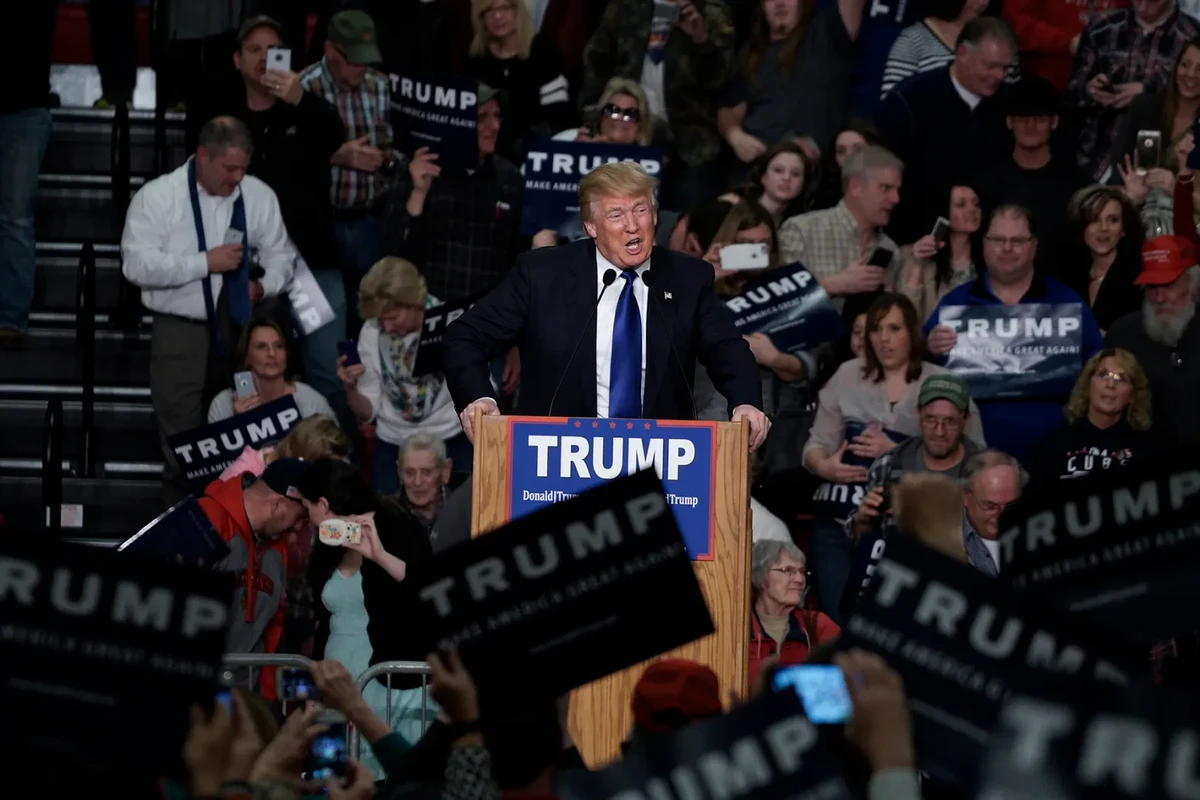
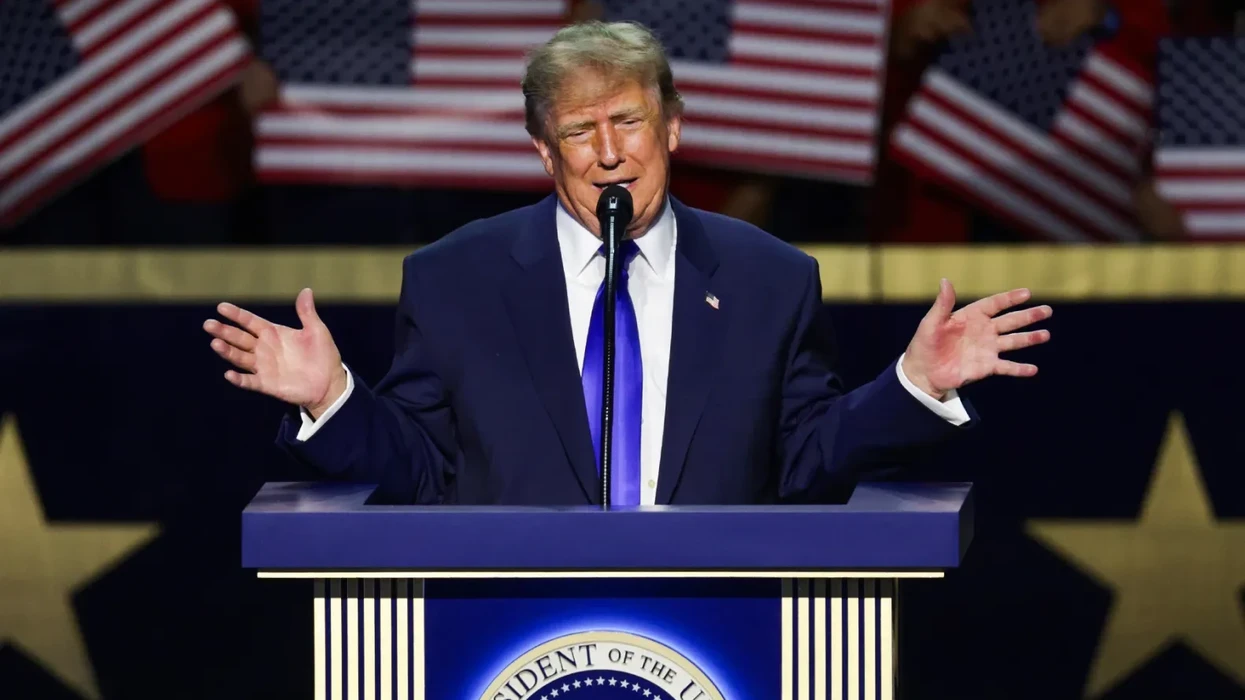
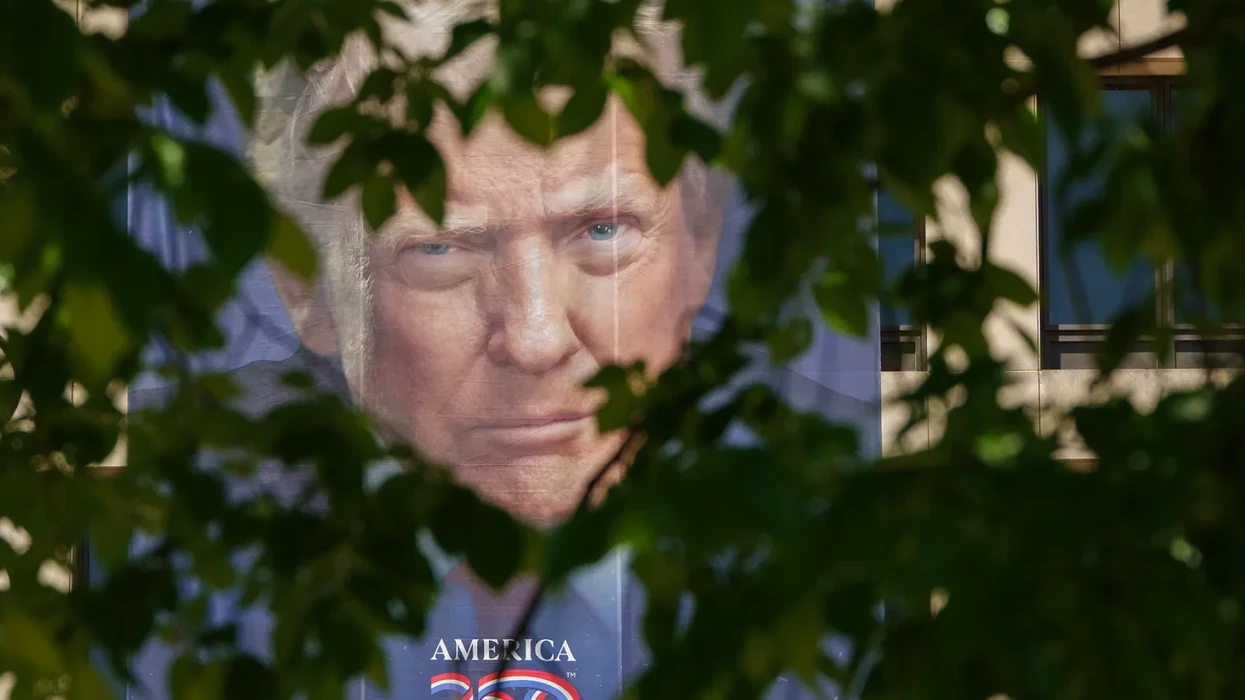
The wrinkle in this case is that many remember 2016 both as a hellish tragedy and the last gasp of anything like normality. For the United States (and, unfortunately, the rest of the world), the election of Donald Trump, thanks to a rising tide of far-right extremism, guaranteed geopolitical instability, economic chaos, and viciously anti-humanitarian praxis for a generation to come. “I think there’s so much attention on looking back at 2016 because things lowkey fell off a cliff in this country there after,” wrote one X user this week, expressing the trepidatious kind of nostalgia seen all over the timeline of late. Indeed, people have presented their innocent old selfies as if they’re portraits of someone about to be hit by a bus.
But we should give ourselves credit for seeing what awaited us in 2017 and beyond. We knew during the election that whether he won or not, Trump’s viability as a candidate was a very bad sign. We groaned when Hillary Clinton told us to “Pokémon Go to the polls,” realizing that her struggle to connect with voters made her vulnerable as Trump perfected his vulgar performance of populist bromides. The Republican candidate was no mystery, a sleazy tabloid character since the 1970s, and the warnings about what his presidency would look like — including from GOP leadership that later bent the knee to the MAGA movement — have proved remarkably prescient. Few outside the field of epidemiology might have predicted a disaster such as the Covid-19 pandemic, yet the garish renovations to the White House, brazen corruption, coziness with dictators, gutting of federal institutions, and deployment of masked goons against the U.S. population are all in line with what the doomsayers had said.
Which is really what makes those 2016 photos so poignant. Even then, we sensed a better future slipping through our fingers, and fretted that all we took for granted was about to be demolished by lawless, reactionary forces. This was a year commonly referred to as “the worst year ever” by those eager to turn the page despite the widespread expectation of heightened misery ahead. The pangs we get from glimpses of it today are reminders that we were already hanging on by a thread.
I began that pivotal year by moving across the country to Los Angeles, a sprawling metropolis unfamiliar to me. In short order, my long-term relationship unraveled, I quit my job to work for a meager hourly wage at a bookstore, and I moved into the back room of a slovenly shared house routinely circled by helicopters. I didn’t like suddenly treading water right after turning 30, but because the chaos was of my own making, I told myself I could manage.
What I couldn’t deal with was watching America come apart at the seams. I’ll never forget spotting a man in a Trump shirt at my favorite taco truck — a co-founder of Latinos for Trump had recently gone on TV to scare viewers by proclaiming that unchecked immigration from Mexico would lead to “taco trucks on every corner” — and realizing that I had no idea which way was up. On election night, I took an Uber home from a friend’s house, and the driver, noting my depressive fugue, told me that the outcome was meaningless, since the Rothschild banking family controls the government anyway. That comment was a special preview of the conspiracist madness that has flourished under Trump.
Maybe, then, 2016 is the year we finally lost touch with reality. Fake news and viral misinformation became QAnon and election denial and eventually deepfakes and state-disseminated AI slop. We can study our decade-younger faces and find people not numbed to this stuff, who might actually believe that everyone can agree upon certain basic facts. They are anxious and afraid, to be sure, but have tried to convince themselves that reason will survive. And maybe it can, in a society that outlasts Trump and seeks to reverse the profound damage he has wrought.
That hope is weaker than ever, a guttering flame, so it hurts to recall that we once relied upon it from day to day. But if we were also remarkably clear-eyed about where the years after 2016 would take us, then we at least have the ability to envision a path out of this dark age. You can pity your former self for what they’ll have to go through, or you can borrow their strength. Whatever the cost, they made it to 2026.



 A Canadian flag flies along the waterfront of Lake Ontario, on Aug. 27, 2026. Cole Burston/AFP/Getty Images
In 2016, We Already Knew How Bad This Would Get
As social media fills up with pictures from a decade ago, nostalgia isn't hitting quite the way it used to.