Skip to content
Search

Taylor Swift’s ‘Blank Space’ Was a Pop Pivot With a Sense of Humor

Taylor Swift’s ‘Blank Space’ Was a Pop Pivot With a Sense of Humor

Taylor Swift knows a thing or two about swerving when people least expect it. Still, nothing could have prepared listeners for the way she totally abandoned country music on her 2014 album, 1989. Sure, she had teased some Max Martin-assisted pop hits on her previous album, Red, but 1989 was a total 180 from the country starlet’s past, one that saw her teardrop-soaked guitar for sassier synths instead.

The crown jewel of the album is “Blank Space.” While lead single “Shake It Off” was an empowering kiss-off to the haters, the follow-up was an unexpected satirization of Swift’s public image at the time as a “maneater:” It poked fun at all the talk around her romances with famous men and the ensuing songs about their times together. She fought back against sexist criticism she’d received around writing “too many breakup songs” and her dating habits with this ferociously catchy track that highlights her sense of humor and wit while helping break free a bit from her “girl next door” image.


On this week’s episode of Rolling Stone’s 500 Greatest Songs, hosts Rob Sheffield and Brittany Spanos discuss “Blank Space” in-depth, exploring what makes this song so great and how it shifted Swift’s sound and lyricism for the better. Later in the episode, they are joined by their colleague and Rolling Stone Music Now host Brian Hiatt to dig into just how big of a risk her pop pivot had been.

In 2004, Rolling Stone launched its 500 Greatest Songs of All Time list. Tabulated from a massive vote that had artists, industry figures, and critics weighing in, the list has been a source of conversation, inspiration, and controversy for two decades. It’s one of the most popular, influential, and argued-over features the magazine has ever done.

So we set out to make it even bigger, better, and fresher. In 2021, we completely overhauled our 500 Songs list, with a whole new batch of voters from all over the music map. Rolling Stone’s 500 Greatest Songs takes a closer look at the entries on our list. Made in partnership with iHeart, Rolling Stone’s 500 Greatest Songs finds Brittany and Rob discussing a new song each week, delving into its history and impact with the help of a special guest — including fellow RS colleagues, producers, and the artists themselves. It’s our celebration of the greatest songs ever made — and a breakdown of what makes them so great.

Check out the latest episode above, on iHeart, or wherever you get your podcasts, and look for new episodes every Wednesday.
More Stories

Duran Duran and Nile Rodgers Throw a Disco Party on New Single ‘Free to Love’

Duran Duran and Nile Rodgers Throw a Disco Party on New Single ‘Free to Love’

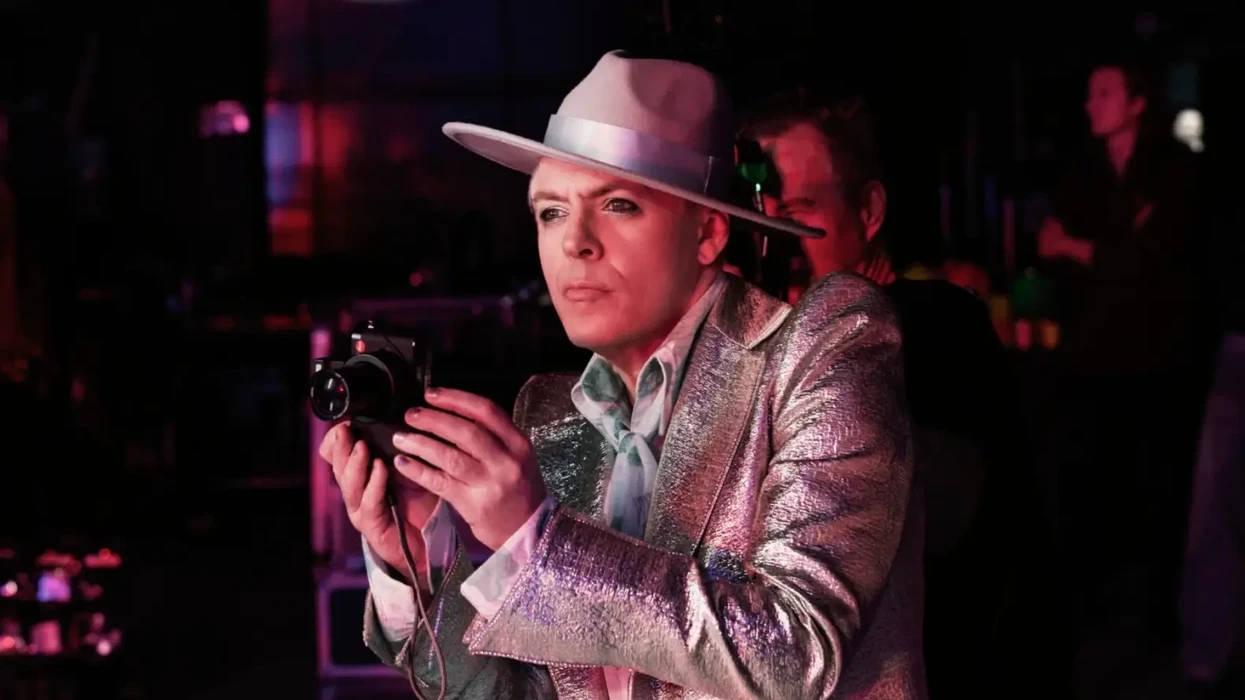
Duran Duran revealed their first new music of 2026 on Thursday, “Free to Love,” their disco-fueled single featuring longtime collaborator Nile Rodgers.

“Every time we plug in and play with Nile, the electricity he generates could light up a whole city. We share a common belief that music is a force for good and something that brings positive energy into the world,” keyboardist Nick Rhodes said in a statement. The musician called the new track the band’s “call to all the people out there who want peace, hope and understanding to prevail” and an “anthem for freedom.”

Keep ReadingShow less
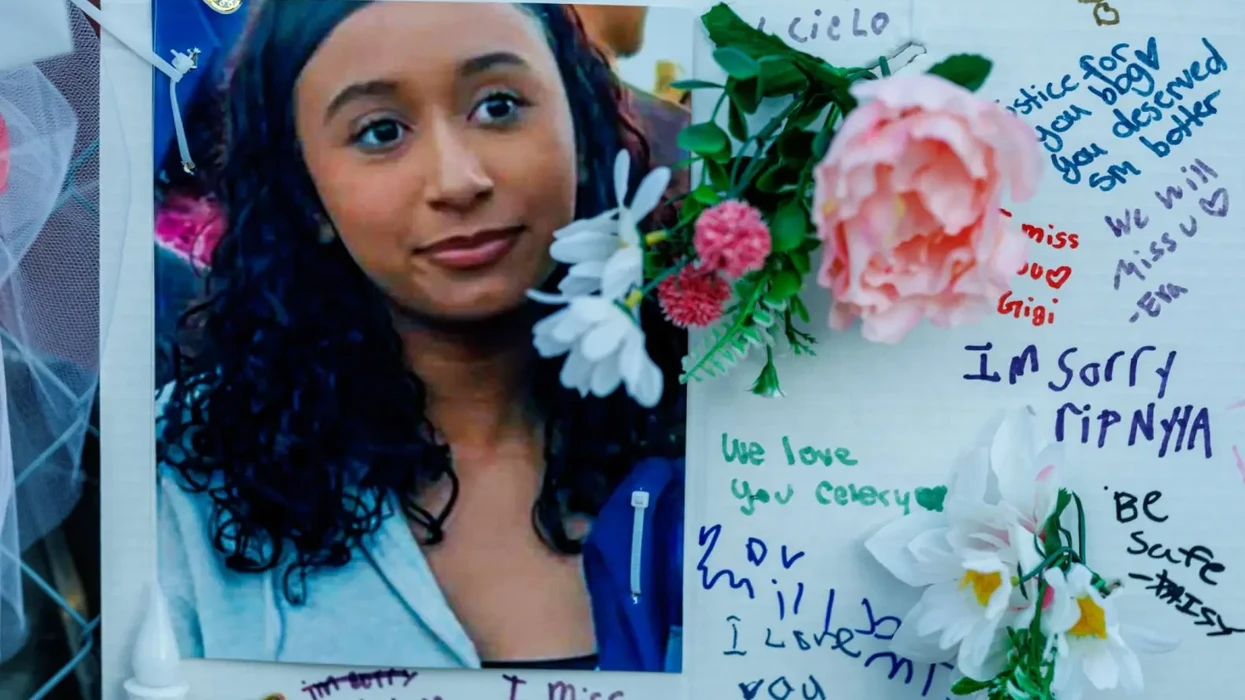
Celeste Rivas Died of Two ‘Penetrating Injuries’ With ‘Smooth Edges’ on Teen’s Torso
Photographs, notes, and flowers are among the items left at a memorial for Celeste Rivas Hernandez in Lake Elsinore.
Gina Ferazzi / Los Angeles Times via Getty Images

Celeste Rivas Died of Two ‘Penetrating Injuries’ With ‘Smooth Edges’ on Teen’s Torso

Celeste Rivas Hernandez died from “multiple penetrating injuries” on her upper abdomen, according to an autopsy report from the Los Angeles County Medical Examiner’s Office released on Wednesday.

The report, which has long been under seal, was finally released to the public after the singer D4vd — real name David Anthony Burke — was charged with Rivas’ murder Monday, April 20.

Keep ReadingShow less
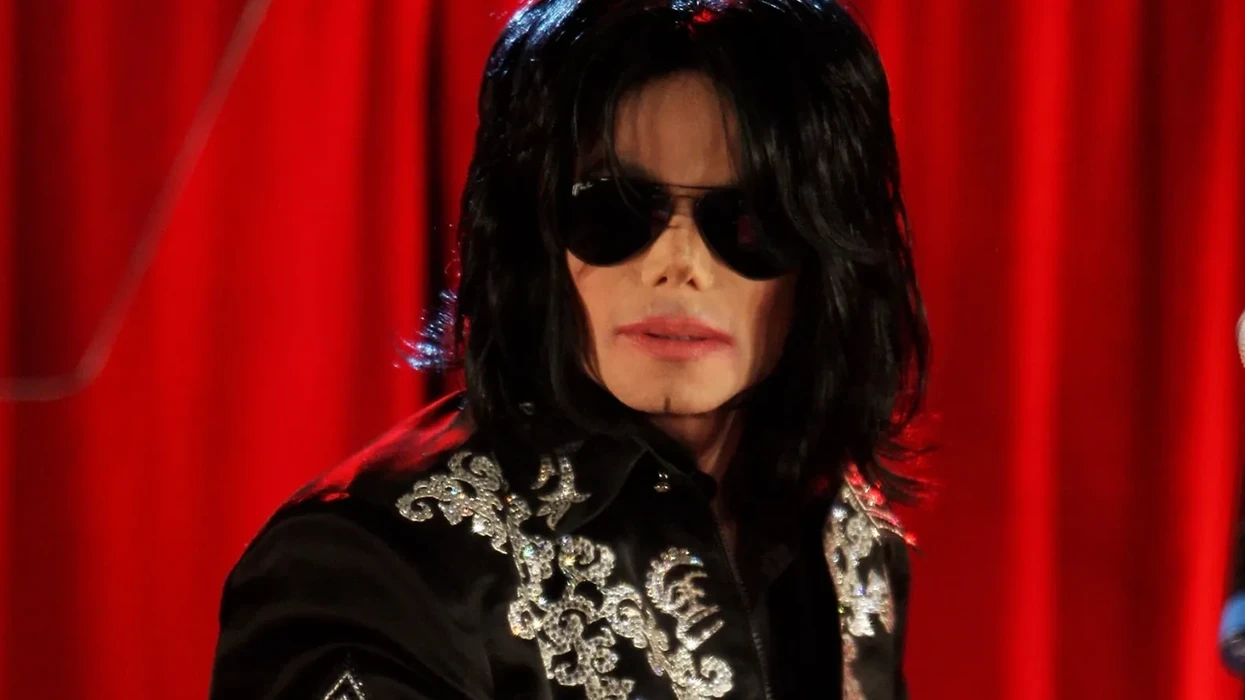
‘Michael’: Why It Took Years to Bring Michael Jackson’s Story to Life

Michael Jackson in London in 2009

Dave Hogan/Getty Images

‘Michael’: Why It Took Years to Bring Michael Jackson’s Story to Life

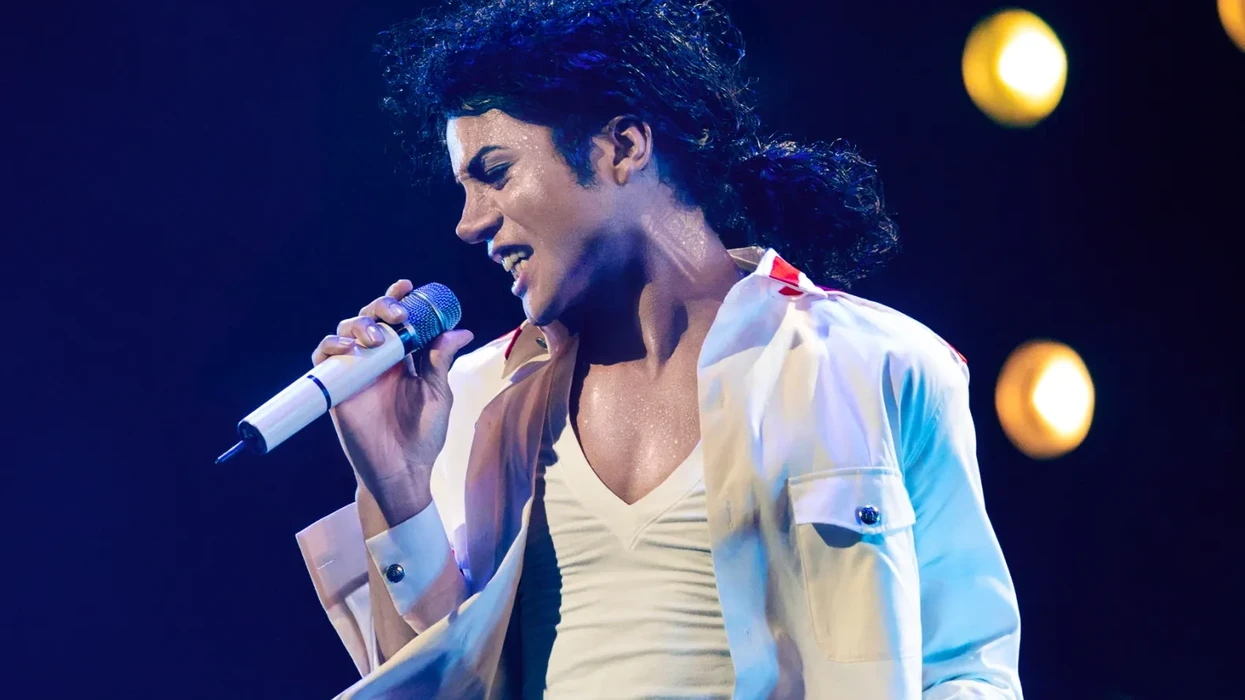
The upcoming Michael Jackson biopic, Michael, concludes in 1988, with Jackson gliding across a London stadium stage, performing in that white T-shirt and black jacket full of zippers, as fans weep before him. But where’s the rest of the story? As Rolling Stone’s David Fear noted in his review, there are zero mentions of the multiple sexual-abuse allegations Jackson faced for the rest of his life in subsequent years. The inclusion — or lack thereof — is one of many reasons it took so many years to bring the (partial) story of the King of Pop’s life to the screen.

Keep ReadingShow less
Drake’s Ice Installation Dismantled by Toronto Fire Services
Cole Burston/The Canadian Press/AP

Drake’s Ice Installation Dismantled by Toronto Fire Services

A large-scale promotional installation created for Drake was dismantled by Toronto fire crews after safety concerns escalated around the site. The towering structure, made of thousands of ice blocks, had been designed to generate excitement for his upcoming album Iceman by hiding its release date within.

However, what began as a creative marketing campaign quickly became hazardous. Fans gathered in large numbers and attempted to break into the structure using extreme measures, including lighting fires and using tools such as sledgehammers. According to CBC, these actions prompted emergency intervention late Tuesday night.

Keep ReadingShow less
432 Hz: The Mystical Frequency Artists Are Embracing

Ziggy Marley, James Blake, and Ed O'Brien (from left) are among the musicians interested in the properties of music tuned to 432 Hz.

432 Hz: The Mystical Frequency Artists Are Embracing

From classical to rock, musicians tune their instruments to a common pitch so they can play together harmoniously. For at least 80 years, that standard pitch frequency has been A440 Hz — which defines the A note above middle C, and by extension, all the other notes around it. But this longstanding tuning standard is now being challenged across genres, as more and more artists, including a pair of Grammy-winning acts, release albums tuned to A432 Hz instead. It’s a slightly lower tuning, and for these musicians, it makes all the difference.

Radiohead guitarist Ed O’Brien’s interest in this subject started about 12 years ago, at the Glastonbury Festival. “I had an inspiring conversation about the Solfeggio scale, an ancient scale, and this led me to discovering 432 Hz,” says O’Brien, whose second solo album, Blue Morpho, will be released May 22. “I loved the idea that music could be more than just pleasant on the ear or move you — that the actual frequency it was played at could actually have a healing component or vibrate in harmony with the cells in your body and the world around you.”

Keep ReadingShow less