
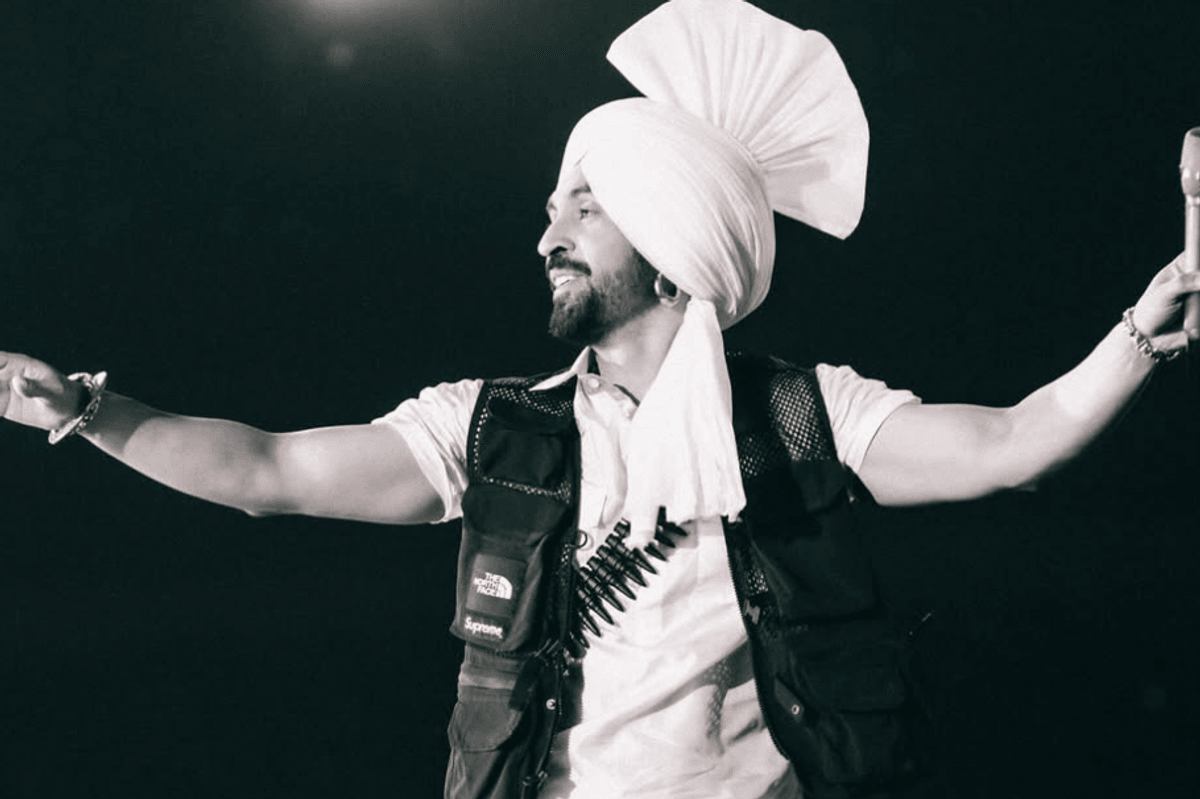

India's live music industry is experiencing a period of extraordinary growth. International artists are increasingly including the country in their touring schedules, Indian musicians are commanding major venues overseas, and concerts have become a significant part of the country's entertainment economy. Diljit Dosanjh is among the artists driving that transformation. His international success has demonstrated the commercial reach of Punjabi music, while his Aura India Tour reflects the appetite for large-scale performances at home. Yet, just days before the tour's scheduled opening concert in New Delhi, a security-related development has introduced uncertainty into what was expected to be another major moment for the country's live music industry.
Delhi Police has refused permission for Dosanjh's October 30 concert at Jawaharlal Nehru Stadium, according to reports published on October 22 by Hindustan Times and news agency ANI. The police communication, as reported by Hindustan Times, cites specific threat-related intelligence, security deployments during the festive season and other law-and-order commitments. At the time of writing, the organisers have not announced whether the concert will be cancelled, postponed or relocated.
The performance was originally scheduled for November 1 but was brought forward to October 30 following an appeal by Rajya Sabha MP Vikramjit Singh Sahney, who raised concerns about the date coinciding with the anniversary of the 1984 anti-Sikh violence. The organisers subsequently accommodated the request. The latest development introduces a separate consideration involving the security responsibilities associated with a major public gathering.
It also comes against the backdrop of reported incidents involving Dosanjh and people associated with him. In May, shots were allegedly fired outside the Karnal residence of his manager, Gurpartap Singh Kang, in Haryana. A social media post attributed to members of the Lawrence Bishnoi gang claimed responsibility, although police initially reported finding insufficient evidence to confirm the shooting. In July, Haryana's Special Task Force announced the arrest of a suspect allegedly involved in the incident, according to The Tribune. Earlier this month, pro-Khalistan and anti-Dosanjh slogans were painted near the singer's ancestral residence in Punjab, with Hindustan Times reporting the arrest of three suspects.
These incidents provide context for the security concerns surrounding the artist, but there is no publicly established connection between them and the intelligence cited in the Delhi Police decision. The precise nature of that intelligence has not been disclosed. Public safety must remain the overriding consideration, and it would be inappropriate to speculate about the authorities' assessment.
The situation nevertheless raises a broader question about the realities of organising major concerts in a market that is expanding so quickly. Stadium productions require months of preparation, substantial financial commitments and coordination between numerous parties, from production teams and venue operators to local authorities and emergency services. Even with extensive planning, circumstances can change close to an event. The challenge is not to assume that every disruption can be prevented, but to ensure that the industry is equipped to respond when one occurs.
The scale of India's growth makes that conversation particularly relevant. According to the FICCI-EY 2026 report, the country's organised live events segment grew by 44 per cent in 2025. Although the category extends beyond music concerts, the figures reflect growing demand for large-scale entertainment experiences. Concerts are also generating opportunities across hospitality, transportation, tourism, technical production and employment, giving the live entertainment business an economic significance that extends beyond ticket sales.
The country's promoters have contributed considerably to this expansion. BookMyShow Live, working alongside Live Nation, promoted and produced Coldplay's five-show Music of the Spheres run across Mumbai and Ahmedabad in January 2025, which sold more than 387,000 tickets, according to Pollstar. Major Indian productions involving Ed Sheeran, Travis Scott and other international artists have further demonstrated the market's capabilities. These events have helped establish India as a destination for ambitious international tours while expanding the experience and resources available within its production industry.
Dosanjh's career offers an equally important perspective on the changing landscape. His performances at Vancouver's BC Place, London's Wembley Stadium and New York's Madison Square Garden have brought Punjabi music to some of the world's most prominent venues. In Canada, where Punjabi music has a substantial audience and cultural presence, his success reflects the increasing international visibility of South Asian artists. His India tour is part of that same development, connecting a global career with audiences across his home country.
Canada also offers an interesting point of comparison when considering how established touring markets approach large-scale events. There is no single national system governing concert permissions, with requirements varying across cities, provinces and venues. In Toronto, for instance, organisers seeking permits for events at city-managed locations must prepare an Emergency Action Plan, which is reviewed by representatives from emergency management, police, fire, paramedic services and event support. Vancouver Police similarly requires advance planning for major events, recommending that requests for policing resources be submitted at least 30 days ahead of time, with detailed security or traffic-management plans requested where necessary.
These procedures illustrate the importance of defined responsibilities and coordination between public authorities and private organisers. They do not guarantee that an event will receive permission, nor do they prevent authorities from changing their assessment when new security concerns emerge. The relevance for India lies less in adopting another country's model than in recognising the value of established processes that can evolve alongside the industry's ambitions.
India is already pursuing reforms of its own. At an October 7 meeting of the Ministry of Information and Broadcasting's Live Events Development Cell, officials reviewed the implementation of single-window clearances through the India Cine Hub portal, alongside proposals concerning licensing, designated entertainment zones and venue infrastructure. According to the ministry, five states have adopted its model executive order for streamlining live-event permissions, while further integration of state and local licensing systems remains underway.
These developments demonstrate that the demands of a growing concert industry are being recognised at an institutional level. More efficient licensing procedures cannot replace independent security assessments or the responsibilities of law-enforcement agencies. Their value lies in making routine processes clearer and supporting coordination among the many stakeholders involved in delivering large-scale productions.
For artists operating at Dosanjh's level, touring is an intricate business. Multiple cities, production crews, technical equipment, travel schedules and commercial arrangements must be coordinated well in advance. There is currently no confirmed indication that the remaining dates of his India tour will be affected by the Delhi development. Still, the uncertainty surrounding its scheduled opening performance illustrates how closely connected the different elements of a major touring operation can be.
There is also the audience to consider. For many fans, attending a major concert involves considerably more than purchasing a ticket. Travel, accommodation and time away from work can all form part of the experience. When uncertainty arises close to an event, clear and timely information becomes particularly important, even when organisers are themselves awaiting further decisions.
Dosanjh's Delhi concert remains an evolving situation, and its outcome should not be anticipated before the relevant parties have provided further clarity. What is already evident is that India's live music industry has reached a scale at which its opportunities are accompanied by increasingly complex operational demands.
The experiences of markets such as Canada offer useful perspectives, but India's path will necessarily reflect its own regulatory structures, infrastructure and circumstances. The country has already demonstrated its ability to attract major international productions and develop artists with genuine global reach. Sustaining that progress will depend on the continued efforts of promoters, public authorities, venues, artists and production professionals, each contributing a different form of expertise. The circumstances surrounding one concert do not diminish what the industry has achieved; they simply underline the importance of ensuring that its supporting systems continue to mature alongside its ambitions.


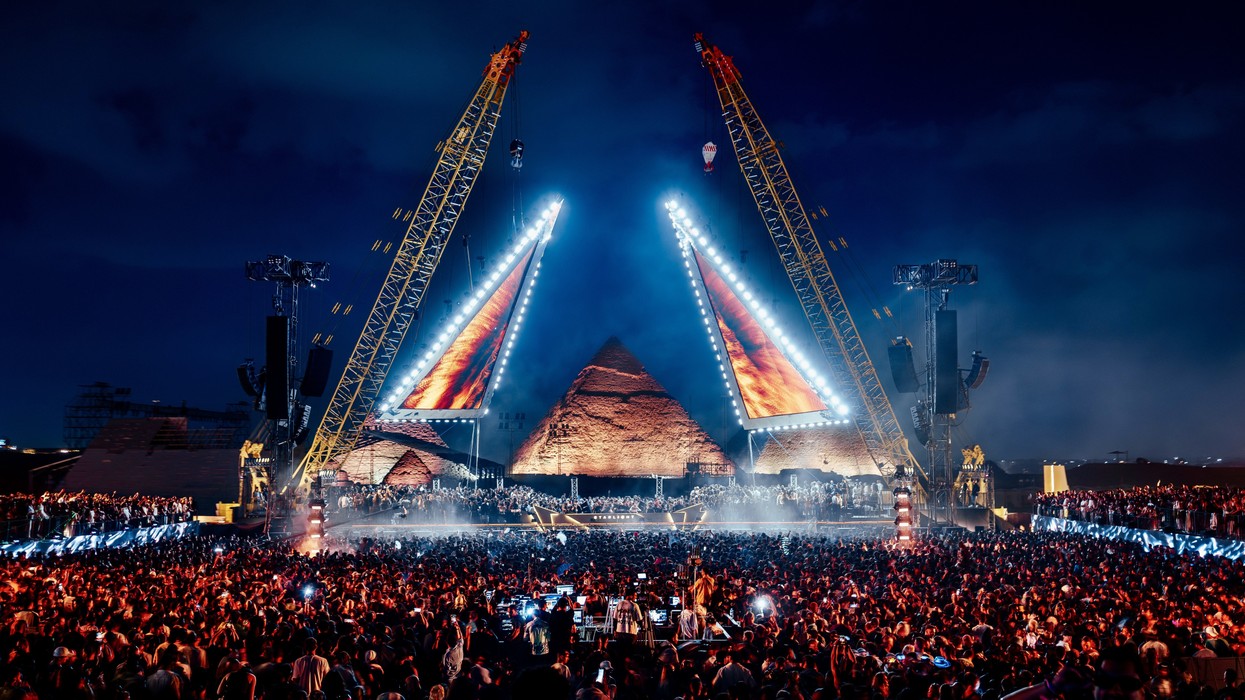
 Courtesy of Martin Garrix
 Louis Van Baar*





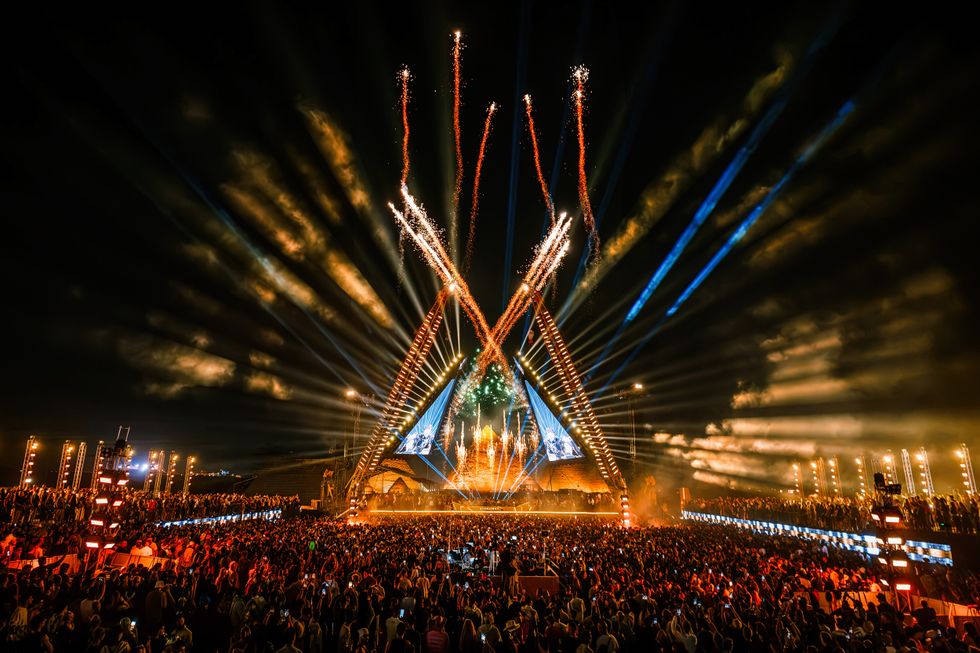 Courtesy Photo
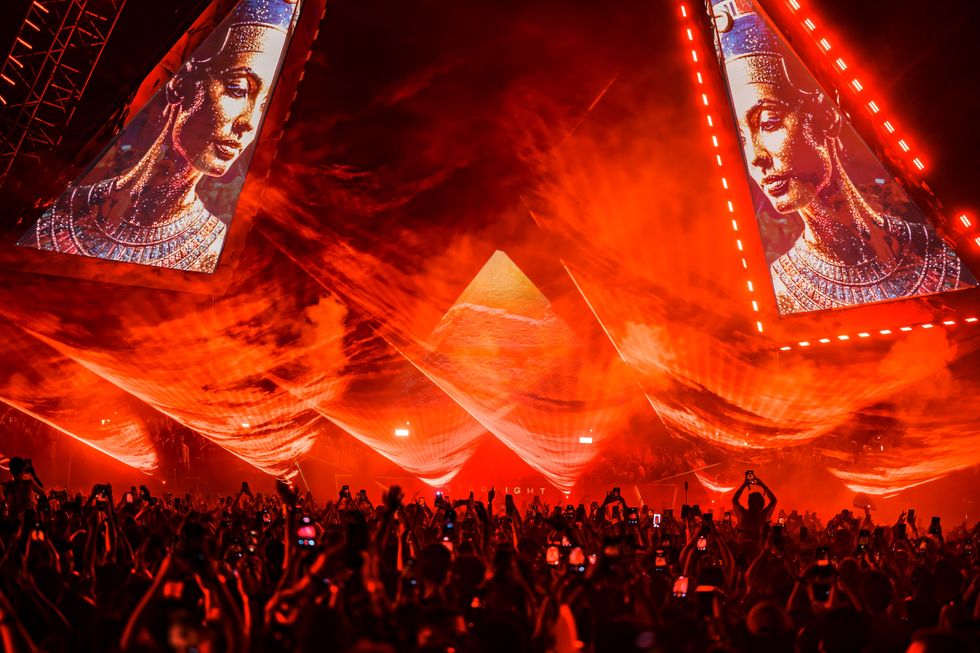 Courtesy Photo

The Last Tour for Our Horny, Mad King