There is a moment in Always Lalisa when the scale surrounding Lisa seems almost beside the point. The stadiums, cameras, choreography and machinery of global pop are still there, but director Sue Kim’s documentary is most interested in what happens when one of the most recognisable performers in the world is given something she has rarely had since she was a teenager: room to figure herself out.
“It's almost like a delayed coming of age,” Kim tells Rolling Stone Canada ahead of the documentary's premiere at the Toronto International Film Festival. She had sensed that possibility almost immediately after Sony Music Vision approached her about following Lisa through the year she was establishing her solo career and recording Alter Ego. Kim knew BLACKPINK and appreciated K-pop, but it wasn't the prospect of documenting a famous person that interested her. “I saw this year as an opportunity for someone to expand who they are to maybe live outside of their comfort zone, like Lisa was doing,” she says. “She was trying to do something she's never done before. There's no real template for that as well.” Whatever happened, Kim thought, there would inevitably be some combination of “growth and maybe hardship, but also expansion.”
Sitting down with Lisa, that idea of a belated coming of age becomes more interesting because she doesn't particularly mourn the adolescence she gave up. She was 13 when, as Always Lalisa recounts, a fortune teller suggested changing her name. “I wanted to be a singer, you know, like I want to be an artist,” she remembers. A year later, she left Thailand for South Korea. “I had to drop out of my school, fly to Korea, age of 14,” she recalls. “I trained for five years, so I would never have experienced high school stuff or a prom.” She laughs about the prom fantasy now, the dresses and crowns she has seen in films and games, although she is quick to point out that the ritual was never exactly part of the Thai adolescence she left behind. More importantly, she resists the idea that ambition simply robbed her of something. “I don't feel like I miss something, you know, because I go to Korea and I wanted to be there. I wanted to train there.”
Something is striking about knowing what you want that young and actually getting it. Lisa spent the years when most people are still experimenting with possible versions of themselves pursuing one with extraordinary precision, eventually becoming one fourth of BLACKPINK and one of the most recognisable pop stars of her generation. Always Lalisa begins at the other end of that certainty. What happens when you have already become the person you decided to be at 13 and discover that you might want to become other things too? Kim watched that question play out not as a clean reinvention but in flashes. “I think she got a lot closer to who she wants to be creatively as an artist, who she wants to be as a young woman, what she wants her life to look like,” she says. “She grew so much.”
Some of that growth came from choosing to be inexperienced again. Lisa had spent most of her life singing and dancing by the time The White Lotus offered her the chance to act, and familiarity had begun carrying its own fatigue. “I've been singing and dancing since I was young till now, and you know, sometimes you just get burned out,” she says. Acting appealed because she couldn't rely on years of muscle memory. “I feel like this would be the opportunity for me to try new things to challenge myself, new stuff that I'm not comfortable with, and I've never done it before.” Playing Mook in season three of The White Lotus – who speaks both Thai and English – gave her a way into that discomfort without making everything unfamiliar at once. “It's a good role for me to start something like acting,” Lisa says. “I'm just so lucky that I got to play Mook.”
Kim was watching for precisely those moments, though she insists she didn't know what story they would eventually become. Her filmmaking leans heavily on observation, and she resisted arriving with a ready-made narrative about a K-pop star breaking free. “Whenever I think I know what the story will be, the actual footage, the actual events of this person's life always end up showing me something deeper and something more interesting,” she says. With Lisa, Kim tried instead to notice what kept “bubbling to the surface”: when she was struggling, when she was changing, when something that looked like another career milestone from the outside felt considerably more complicated from within. “I was very focused on not trying to determine what her story was and to try to listen to what she was telling me just in her daily life.”
Listening required keeping up with her first. Kim and her crew embedded themselves with Lisa and her team, and she laughs now about discovering that the most difficult production problem was simply Lisa's schedule. Film crews have mandated breaks and Lisa's life did not seem to. “It was so hard to maintain a film crew and a film production on her schedule because she gets no breaks,” Kim says. People occasionally had to be rotated out just to physically recover. “I've never seen anyone work this hard, and that's part of who she is.” It became another piece of information about Lisa that Kim could not have understood from a performance or music video. The relentlessness wasn't happening for the camera; the camera was struggling to keep pace with it.
But Always Lalisa needed the moments when that competence slipped, too. Kim entered the project wondering how much vulnerability LISA would actually permit once the cameras were there. One of the documentary’s rawer scenes was filmed on the day LISA learned about the so-called “YG Leaker” scandal, a 2025 data breach that saw a large cache of purportedly internal K-pop material released online, including pre-debut footage of BLACKPINK that quickly began circulating across social media. There was no planned interview or carefully composed response, Kim says, just LISA on a couch, a sweater pulled over her head, processing what she was feeling in real time. “There was no premeditation; it was just her truly speaking her thoughts and emotions and, like, sadness and regret about the situation,” Kim recalls. “It was really stream of consciousness.” “That's what made that scene so affecting. It was so emotional and vulnerable.” Kim knew the stakes of leaving it in. “She knows that there could be a lot of pushback from the fans or from the public about what she was revealing,” she says.
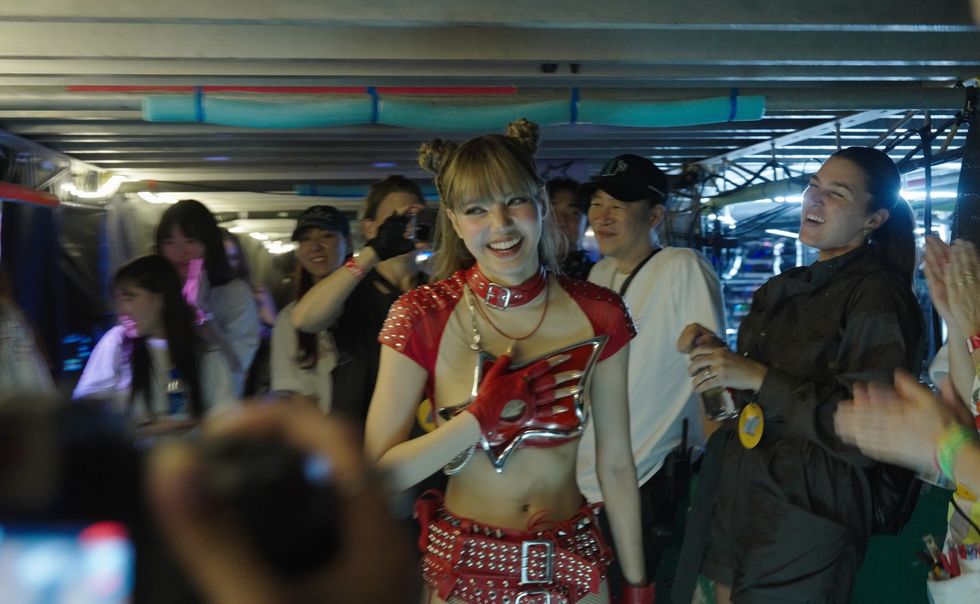 Lisa in Always LisaCourtesy Photo
The greater test came later, when Lisa actually had to watch herself being that exposed. Kim remembers sitting down for the first screening with some apprehension. “I was like, is she going to regret having been this vulnerable with this?” she says. Lisa watched, laughed, cried and ultimately told Kim she loved it. According to the director, she never asked for a vulnerable moment to be removed because she was worried about how it made her look. “There were a couple things that she asked to be removed, and they were all things that she was worried [would] hurt or, like, you know, a friend of hers in the film might be uncomfortable with,” Kim says. “But when it came to herself, she was willing to be so seen.”
Being seen is a curious proposition for Lisa, who has spent years being almost unimaginably visible. Always Lalisa repeatedly returns to the distance between those things, finding intimacy not through some enormous revelation but in the details that survive underneath the spectacle. Before going onstage, for instance, she still thinks about Teacher Nok, her childhood dance instructor, and her grandfather. “I feel like he's my guardian angel, and also my grandpa,” she says of Nok. “If I think of them before I go on stage, [it] just brings confidence,” she explains, believing that they will make sure everything goes well. “And it always works.”
Even at Coachella, where the scale becomes difficult to ignore, Kim found herself searching for what was happening outside the official frame. Lisa’s April 2025 appearance marked her first time performing at the festival as a solo artist, two years after BLACKPINK became the first Asian act to headline Coachella, and Kim wanted to capture the stakes of that transition as much as the spectacle itself. Goldenvoice’s cameras covered the singer’s performance at the Sahara stage, while Kim directed an additional crew towards the moments a festival livestream would never necessarily prioritise, including Rosé dancing with Lisa’s mother as they watched her perform. “That's not gonna be covered by the Coachella camera,” Kim says of those peripheral moments. “So I had a crew that I was able to direct, like, that's what we need to get.” But underneath the stage, in the minutes before she walked out for one of the biggest solo performances of her career, Kim couldn’t bring her camera crew with her. She filmed on iPhones instead. “That's where the nerves are happening, that's where you feel the stakes,” she says. “So we needed to be filming.”The professionally captured version of Lisa, commanding a festival stage on her own, was already being broadcast around the world. Kim was interested in the few minutes before she had to become that person.
Perhaps the clearest evidence of what changed during the year, though, comes after Lisa returned to BLACKPINK. Asked what she discovered during the members’ time pursuing their own work, she doesn't describe some dramatic revelation about Rosé, Jennie or Jisoo. Instead, their solo projects felt almost uncannily familiar. “When I listened to their album and stuff, and I'm like, wow, that's so Rosé, that's so Jennie, that's so Jisoo,” she says. “It just, like, it makes so much sense.” What she saw was each member becoming more distinctly herself. “I'm just so proud of them, and I'm proud of myself too,” Lisa tells Rolling Stone Canada. “We're doing the same thing, but we're trying to find our own selves.”
That individual confidence changed what they brought back to BLACKPINK. “I think we all, like, found ourselves more and more during that break time,” Lisa says. “And that's why when we're back together, we're just, you know, we just got a lot of energy, and we just bring good energy to the team.” “We know each other so, so well, and we always support each other no matter what,” she says. “But I feel like we all gained a lot of confidence through that one year.” For her personally, the change is surprisingly practical. “It's just more like now I love to speak my opinion more and more,” she says. When decisions come up about styling or the group's creative work, she is more willing to voice what she thinks rather than “just say okay with everything.” “I'm more confident to, like, say it out loud,” she says. “And I think everybody's like that. I respect that, and I think everybody respects me the same way as well.”
LISA doesn't describe this as wresting creative control from anybody. If anything, she is careful to make the opposite point. BLACKPINK's conversations are conversations: the members listen, nobody judges, and they work towards a “middle ground” everyone can live with. “We're more like, let's have a conversation,” she says. “We know each other so well, so we would never judge each other. We're just more like, listen, okay, so try to find the middle ground and then just make sure that everybody's happy with that.” She says YG [Entertainment] is similarly open to hearing what the group wants. “I feel like BLACKPINK, we're like one,” she says. “YG also [is] really open to whatever we wanted to do because they respect us and we both respect each other.” But that doesn't diminish what has shifted. The significant part isn't that Lisa suddenly gets her way; it's that she has become more comfortable saying what her way might be.
- YouTube www.youtube.com
That is where Kim's description of a delayed coming of age begins to feel less like a filmmaker's framing and more like something Lisa is describing herself. The year didn't dismantle the identity she had spent more than a decade building. It expanded what she thought could fit alongside it: acting, solo music, different creative instincts, opinions voiced more confidently, and ultimately a return to BLACKPINK that didn't require shrinking those discoveries back down. “I really got to see a young woman come into her own, kind of find her selfhood,” Kim says, adding, “And that was so emotionally complicated, but really gratifying in the end.”
Lisa is more understated about what she hopes all of this reveals. Asked what she ultimately wants to leave people with, she initially says she has never really thought about legacy. Her answer instead returns to the film directly. “I just want people to understand me a little bit more of who I am because they just know me as Lisa, a BLACKPINK performer,” she tells us. “They don't really know my background, where I'm from, like how I am with friends.” For all the access the documentary gives, she is careful about what she believes that access is for. There are comments about her and her work that aren't true, she says, but she stops short of treating Always Lalisa as an opportunity to set the record straight. “There's a lot of, like, comment about my work or some things that it's not true,” she says. “I just want to not clarify myself,” she says, “but I just want them to just understand me a little bit more.”
For someone who has spent years becoming increasingly visible, “a little bit more” feels like a revealingly modest ambition. Always Lalisa doesn't offer a hidden, supposedly authentic Lisa to replace the one millions of people already know, nor does her year outside BLACKPINK emerge as a rejection of the life she chose at 13. Kim's “delayed coming of age” is subtler than that. The girl who knew exactly what she wanted grew up, got it, and discovered that becoming yourself doesn't necessarily end there. Now, Lisa seems increasingly comfortable with the possibility that she can keep deciding what comes next.


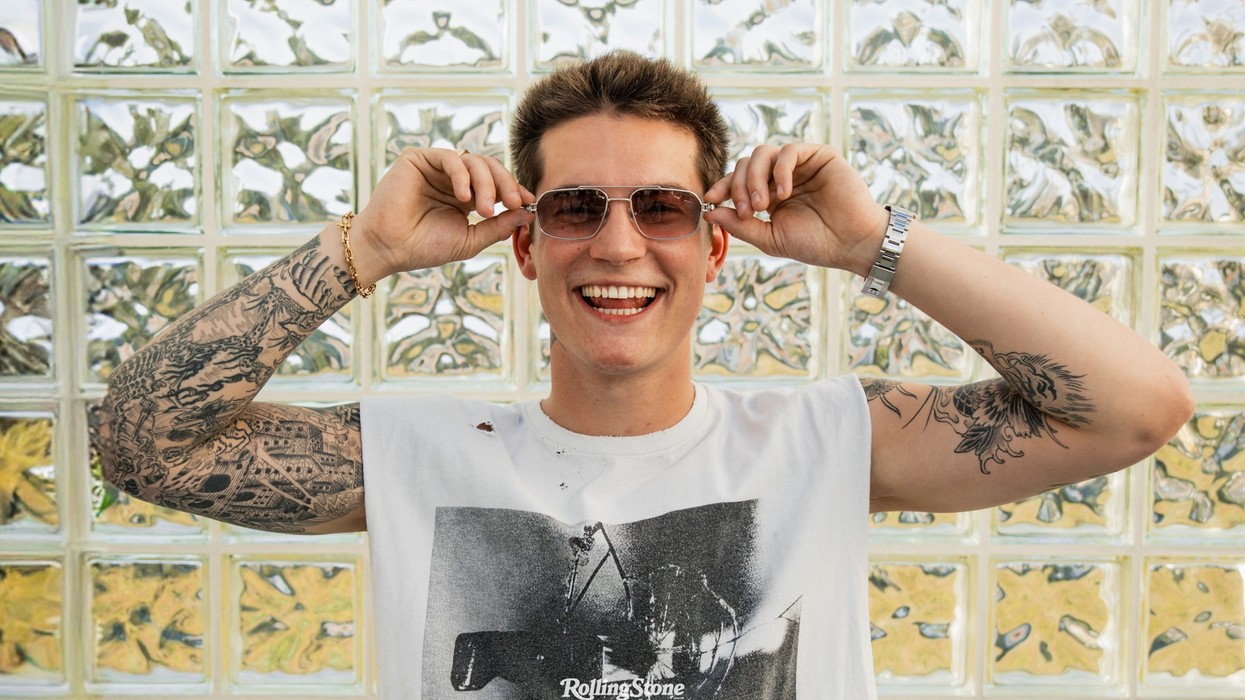
 Cameron WhitcombPhotography by James Baker for Rolling Stone Canada
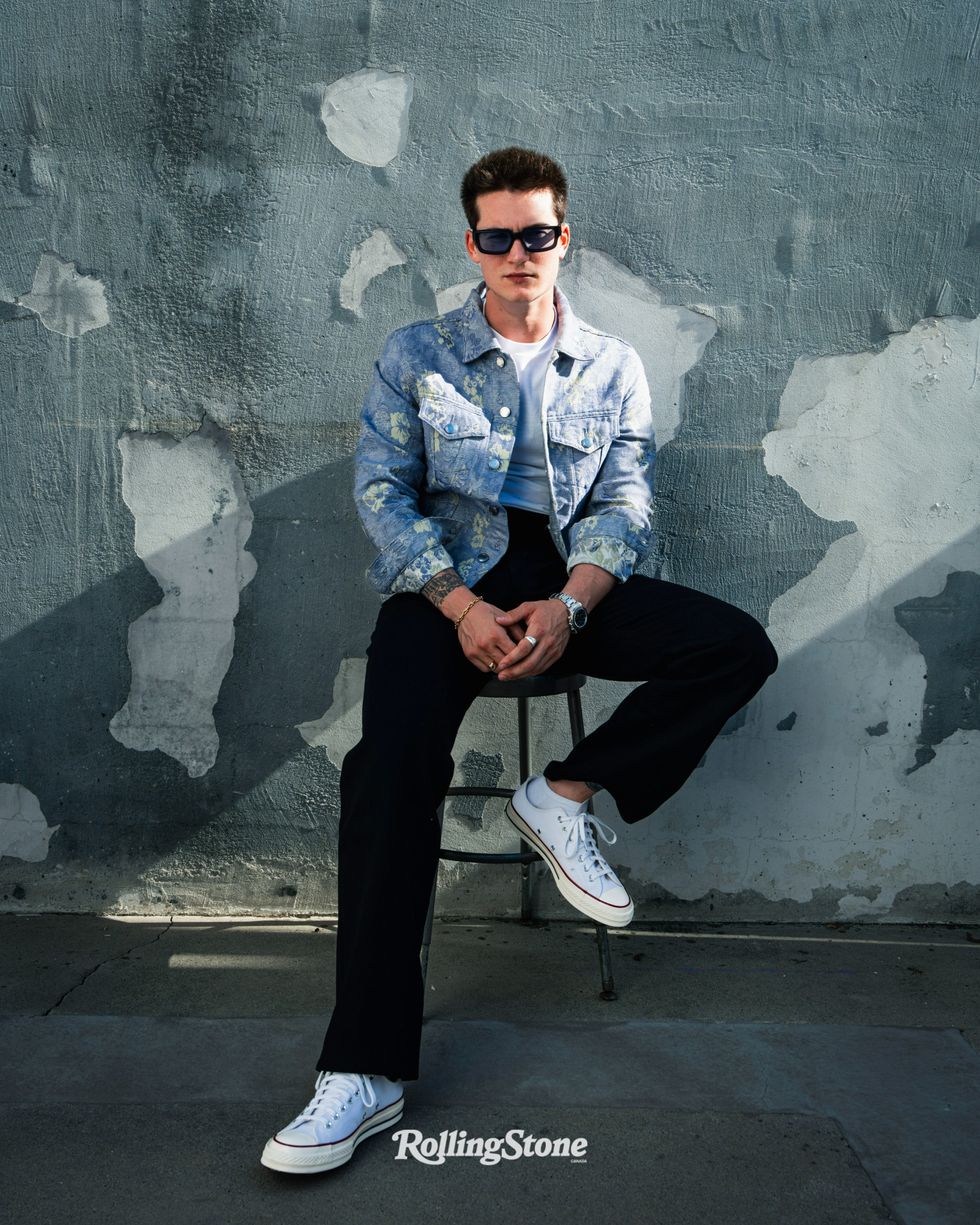 Cameron WhitcombPhotography by James Baker for Rolling Stone Canada
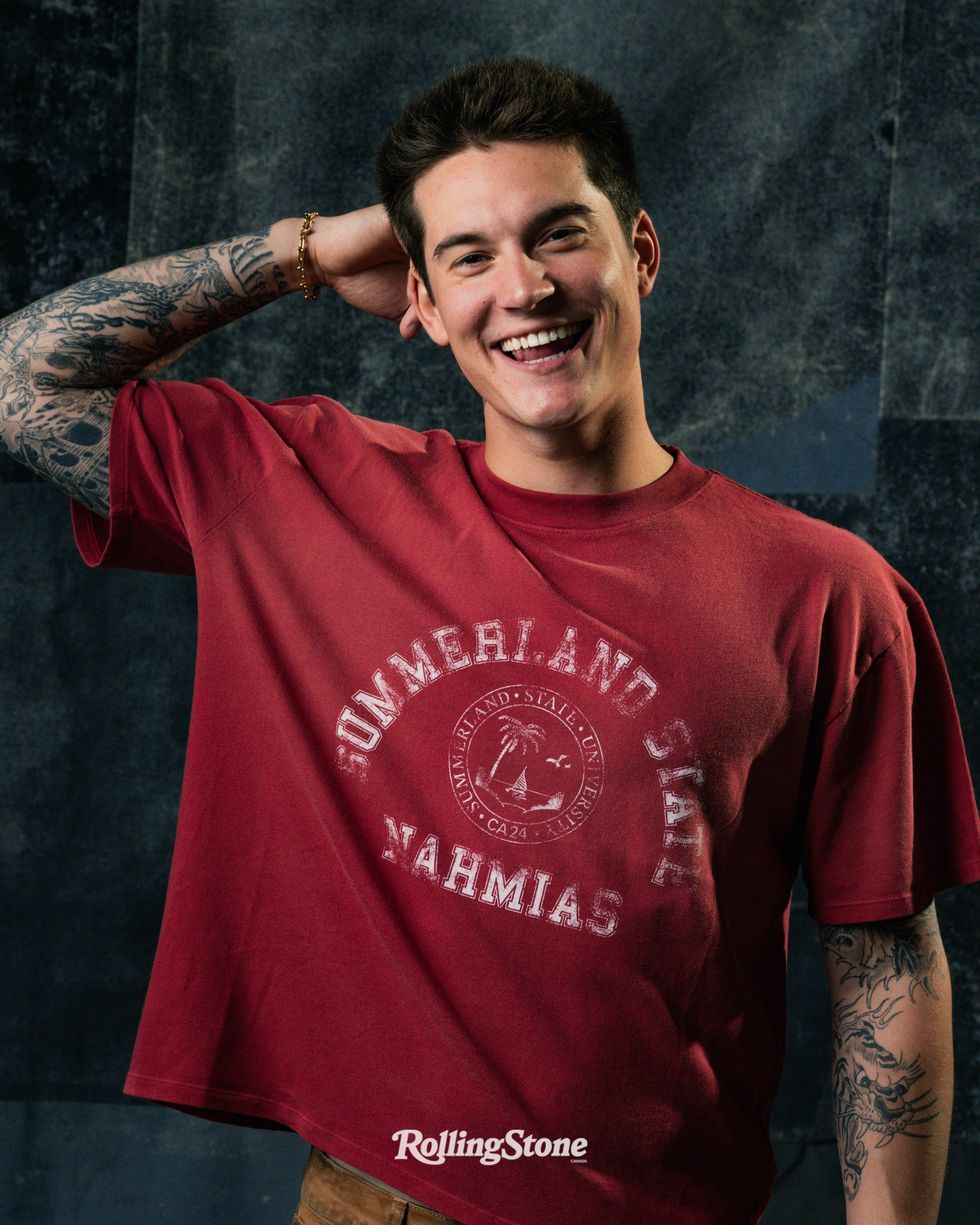 Cameron WhitcombPhotography by James Baker for Rolling Stone Canada
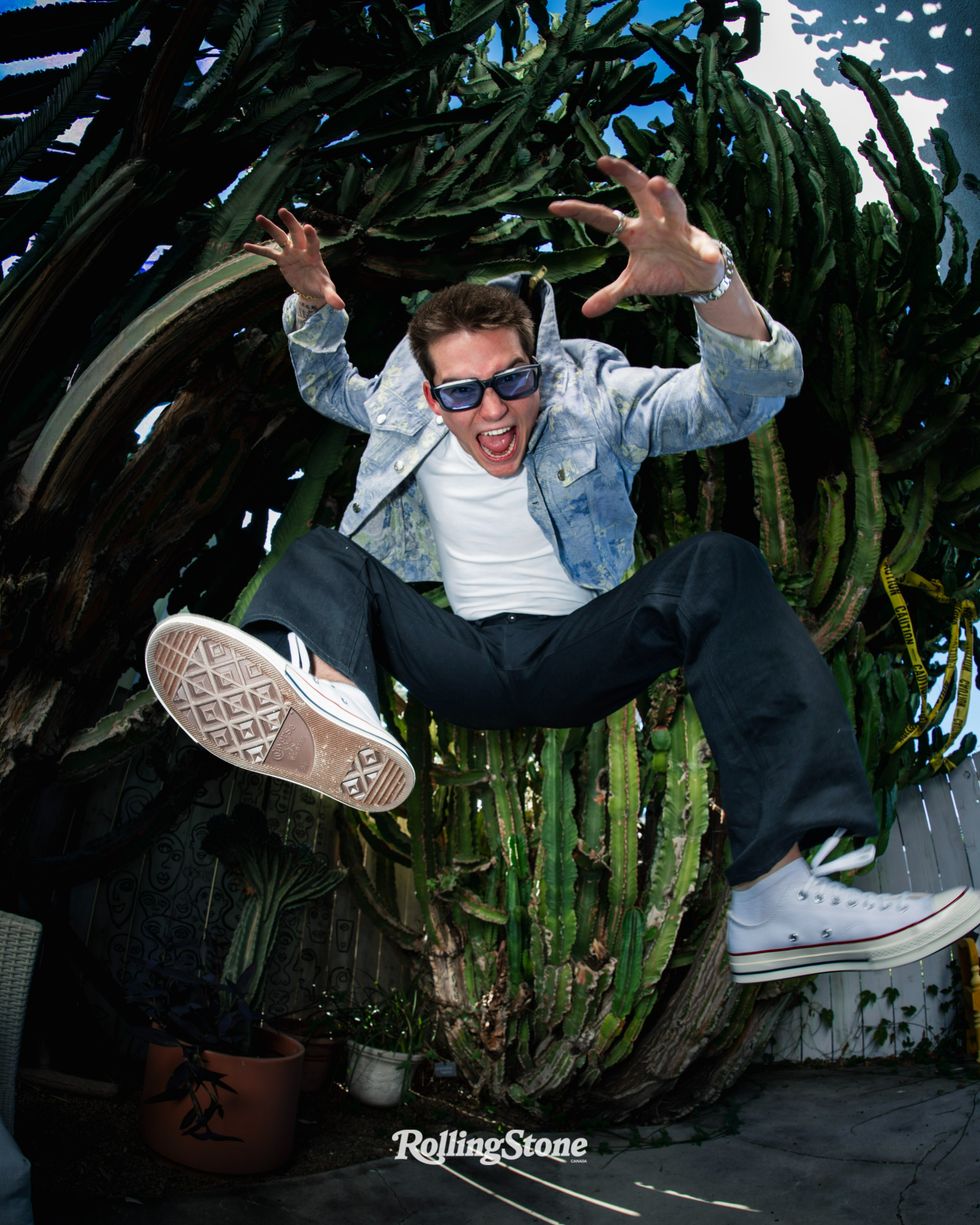 Cameron WhitcombPhotography by James Baker for Rolling Stone Canada
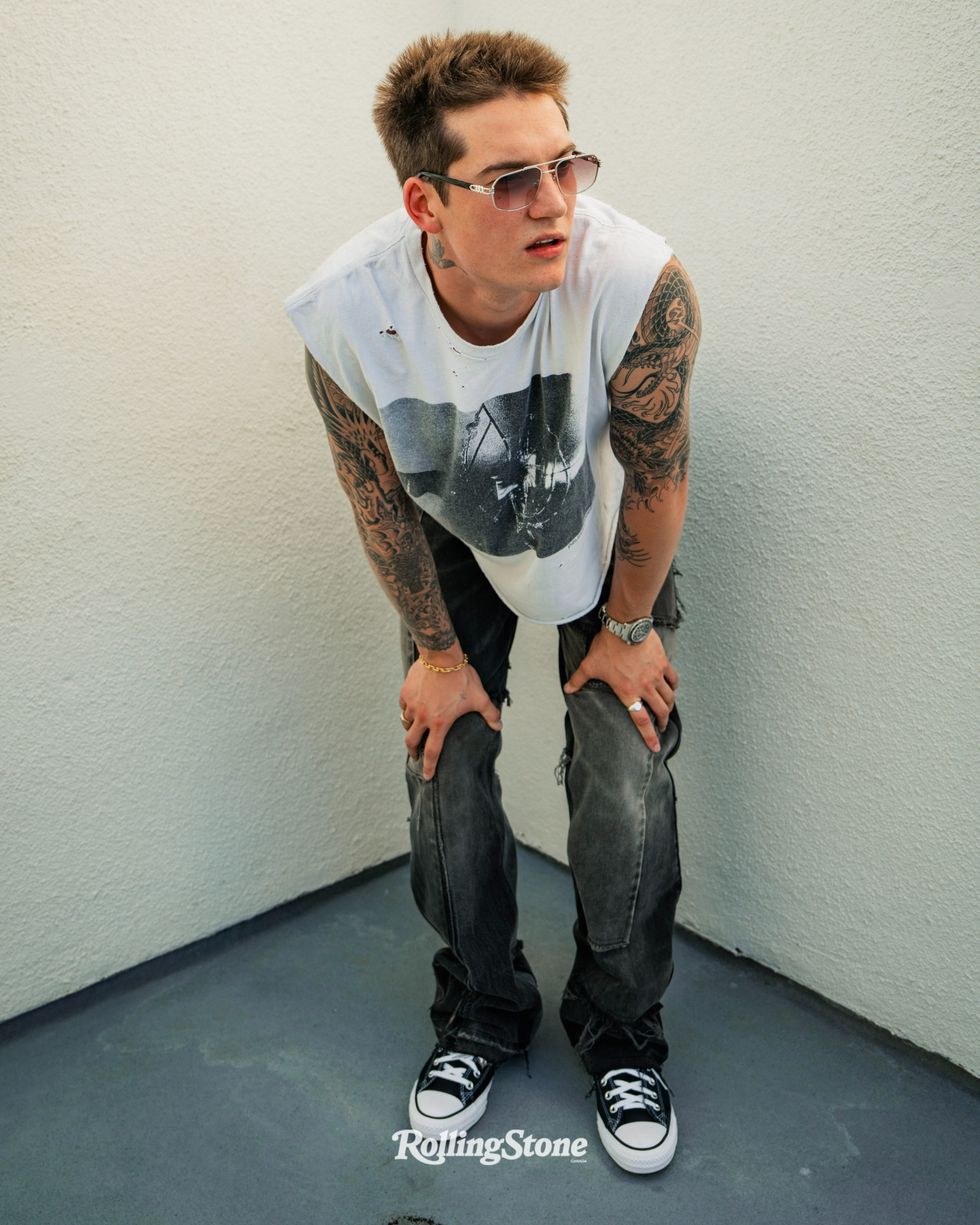 Cameron WhitcombPhotography by James Baker for Rolling Stone Canada
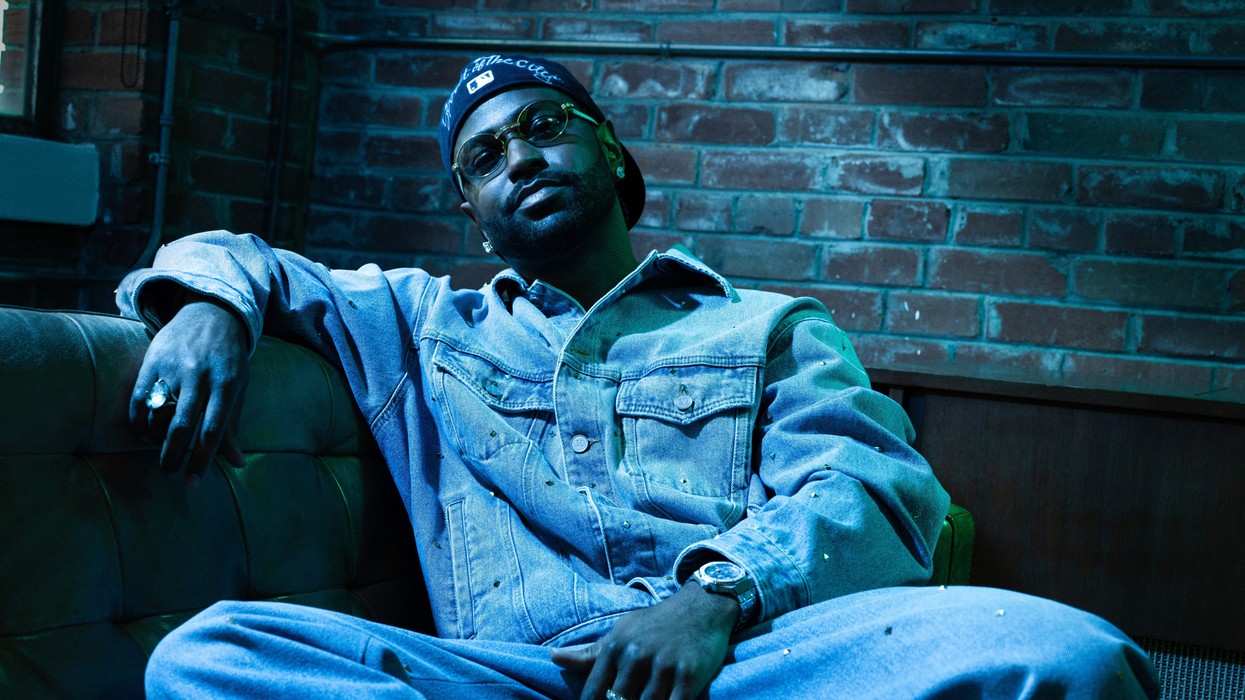
 Big SeanBig Sean photographed by Lane Dorsey in Toronto in July, 2026. Phoebe Philo coat, Mayer suit and VSP Consignment Gucci shoes.
 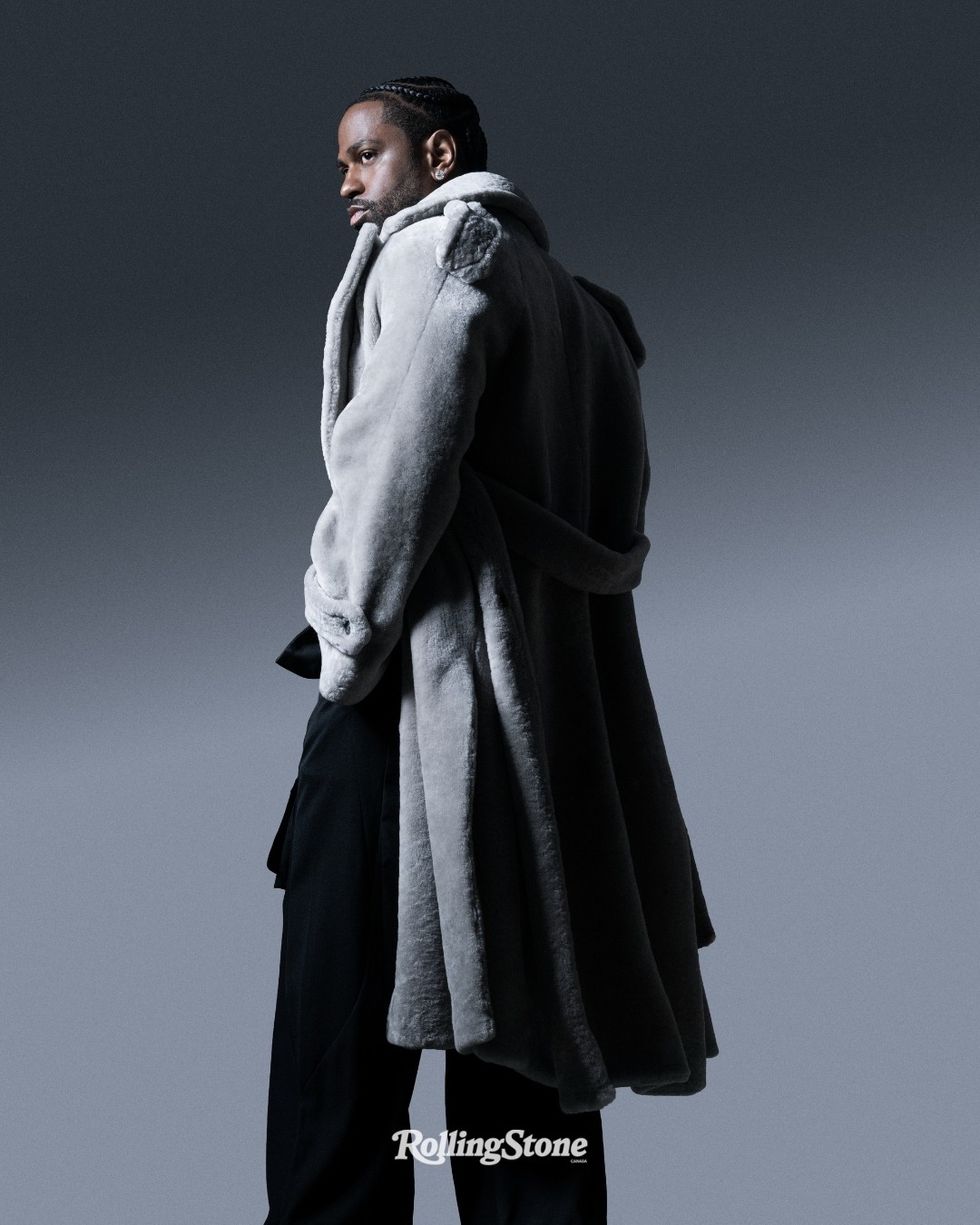 Big Sean Big Sean photographed by Lane Dorsey in Toronto in July, 2026. Phoebe Philo coat, Mayer suit and VSP Consignment Gucci shoes.
 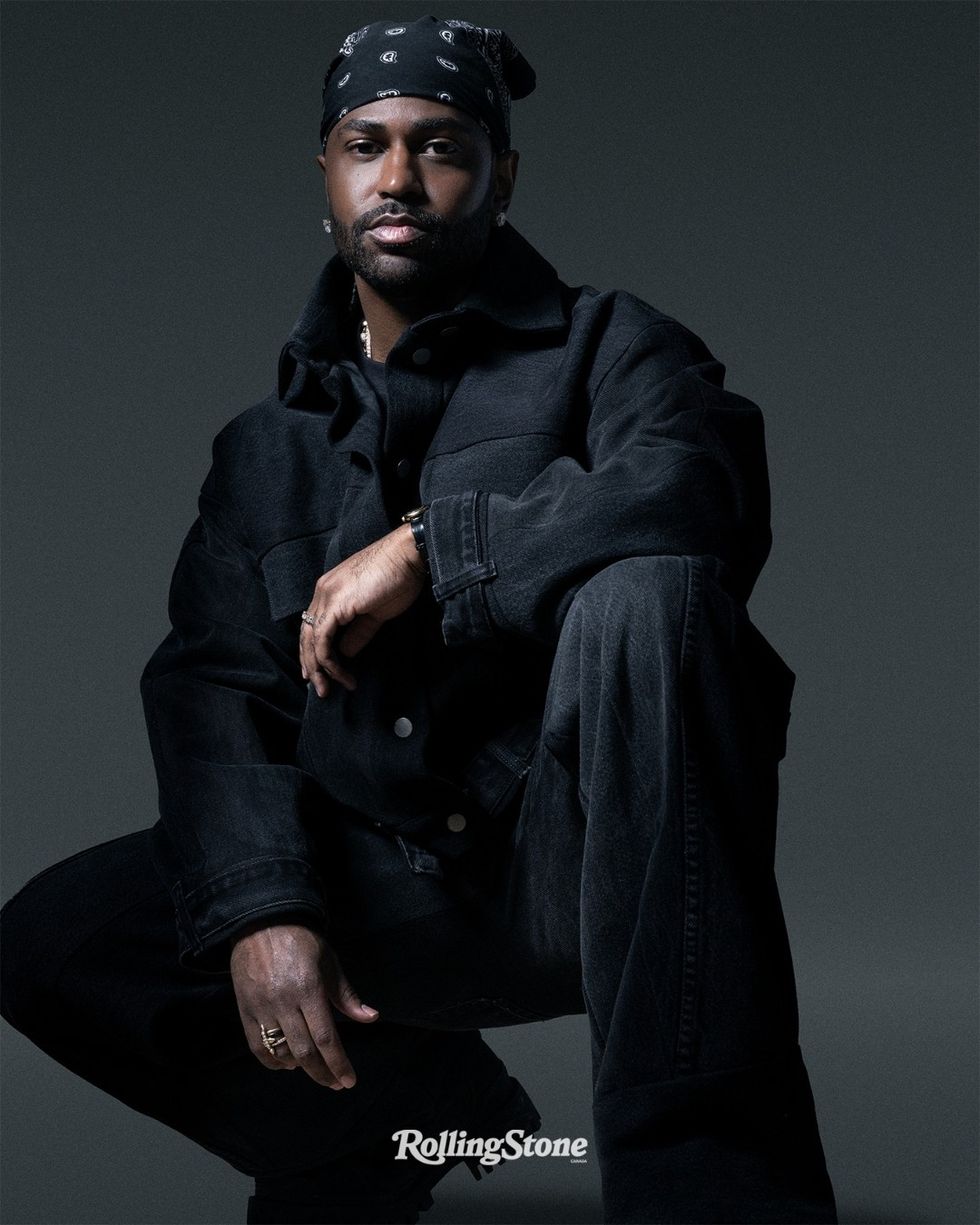 Big SeanBig Sean photographed by Lane Dorsey in Toronto in July, 2026. Jacket and jeans by Re-pull, shoes by Balenciaga.
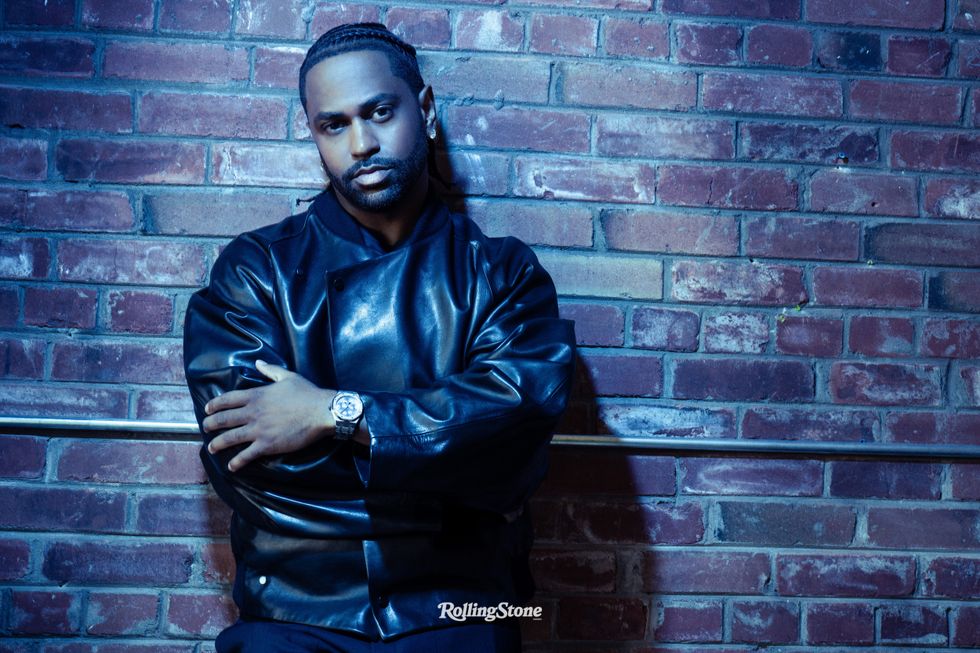 Big SeanBig Sean photographed by Lane Dorsey in Toronto in July, 2026. Jacket by Fear of God (Harry Rosen).
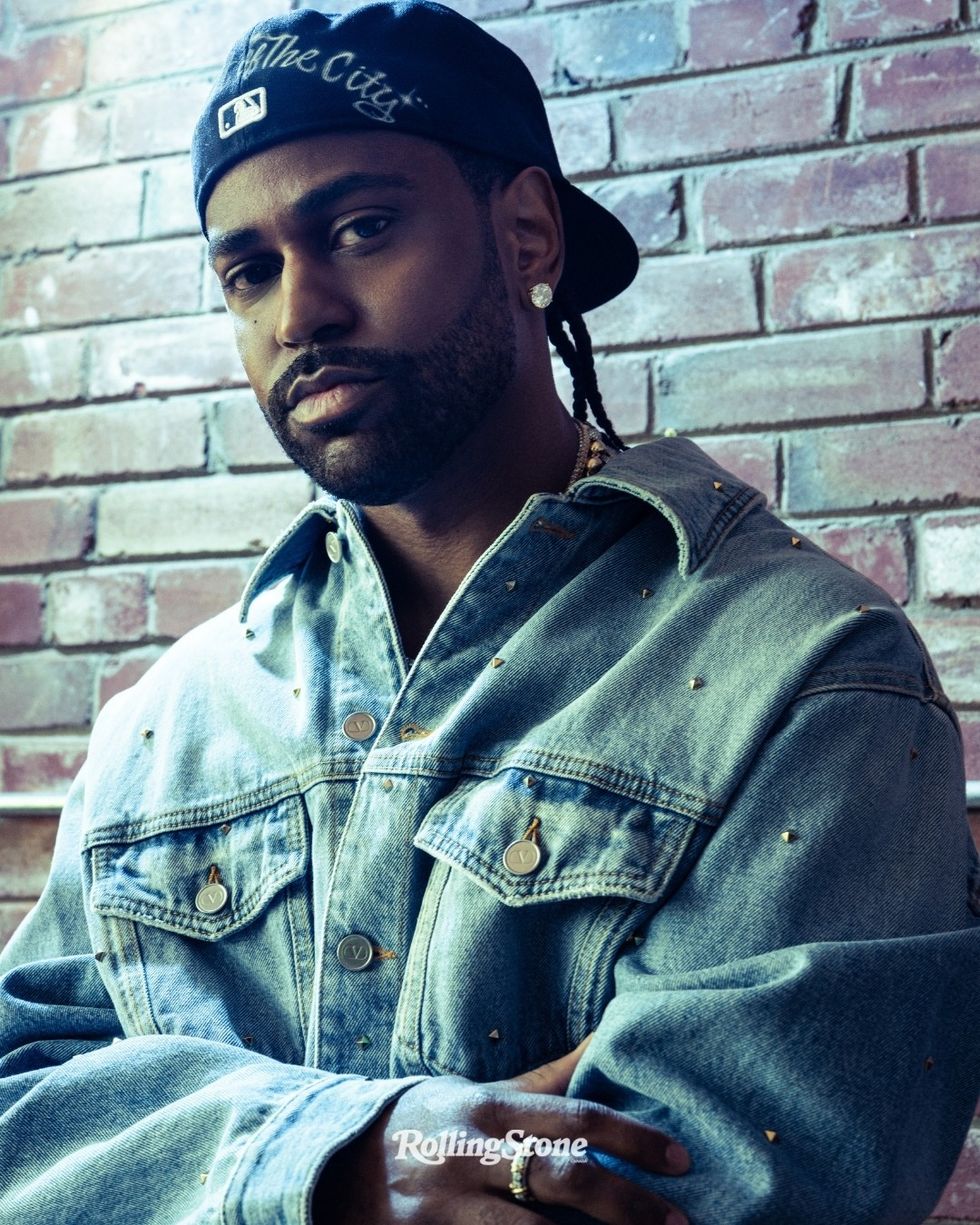 Big SeanPhotographed by Lane Dorsey for Rolling Stone Canada. Jacket and jeans by VSP Consignmen (Valentino).