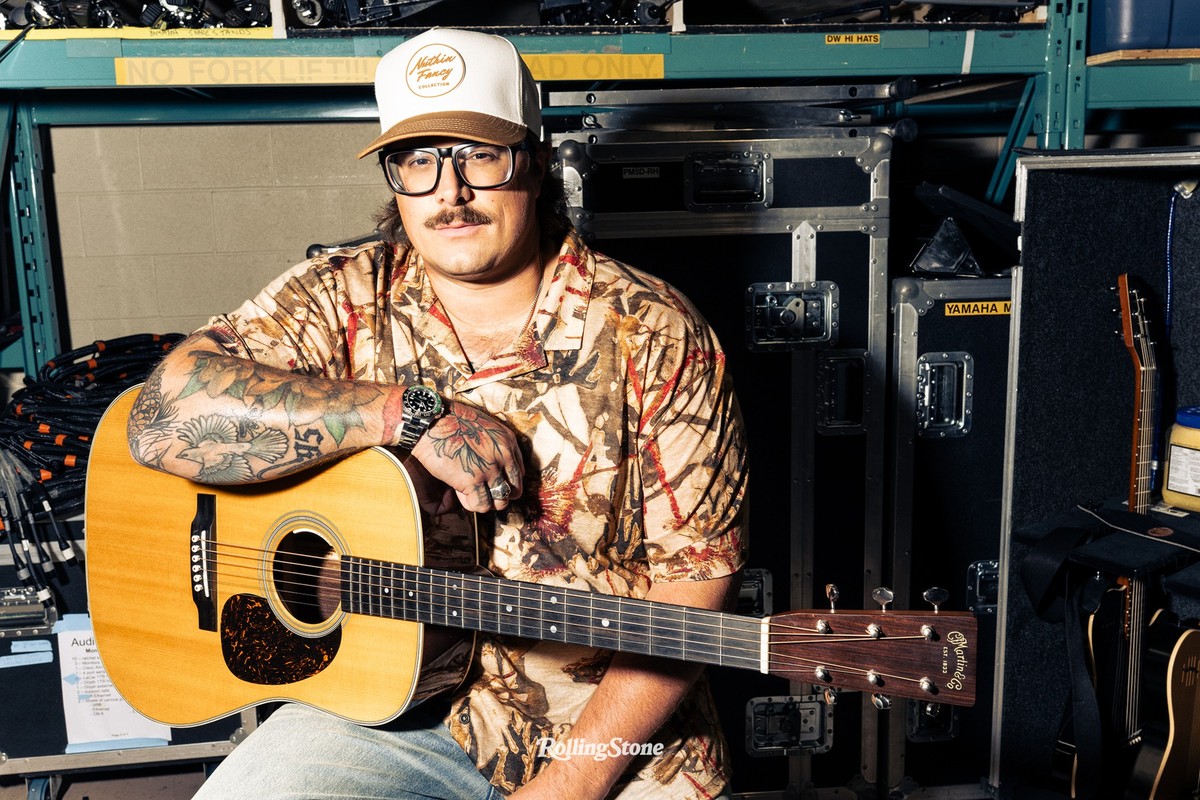

Hardy moved to Nashville hoping for a 9-to-5.
Though the Mississippi songwriter has become a major country artist in his own right, being the person standing behind the microphone was not part of the plan. "I've always seen myself as a songwriter first," Hardy says. "I moved to Nashville to be a songwriter and my first love is writing songs."
Upon moving, he joined a band and, one fateful night, was introduced to Florida Georgia Line by a mutual friend, and eventually became a writing partner for the group.
For years, Hardy, born Michael Wilson Hardy, was content grinding away in the studio, writing for other artists, spending weekends on the road with Florida Georgia Line and building the kind of Nashville career that happens largely behind the scenes. Then, people around him started suggesting that he should become an artist himself. Tyler Hubbard of Florida Georgia Line, particularly, kept pushing the idea. Hardys music industry friends, meanwhile, were very clear: becoming an artist would mean giving up the life they knew he enjoyed, one that included hunting, fishing and being home.
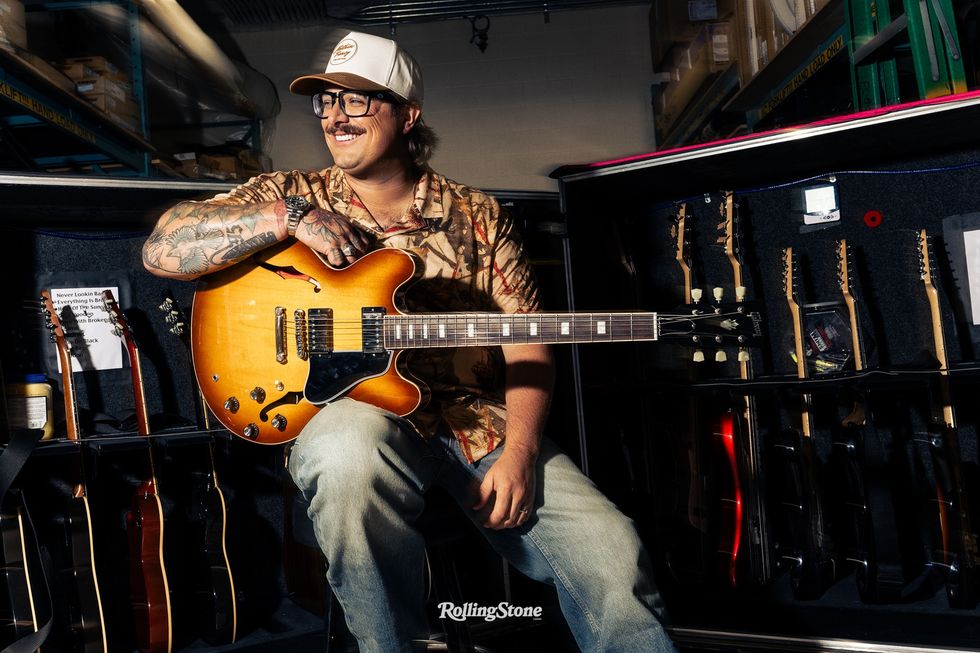
He wasn't convinced. "I kind of felt like I got ambushed one day," he says, laughing. The ambush came courtesy of Big Loud co-founder Seth England, who invited Hardy to the office under the pretense of simply hanging out. "I show up and all the department heads are in the office. And I was like, 'What the fuck is this?'"
That ‘’fuck’’ was a record deal.
Hardy signed it, but then had to figure out what being an artist actually meant. He had already spent years learning how to write songs that other people could turn into hits. Now he had to determine which parts of that songwriting belonged to him.
The answer came gradually. He started experimenting with the different sounds he'd always carried around: country, rock, soul and the heavier music he'd loved since high school. His first releases established him as one of Nashville’s premier polymaths, while albums including the mockingbird & THE CROW and Quit!! made that range increasingly central to his identity.
But even after finding success as a performer, the songwriter never disappeared. If anything, Hardy's experience as an artist seems to have reinforced his belief in the craft itself. When he walks into a writing room, he says, he isn't thinking about whether the song is for him or another artist. If that song turns out to be a HARDY song, great. If another singer can make it work better, he is happy to give it away.
Asked whether he has ever handed a song to another artist and later wished he'd kept it, his answer is immediate. "Nope, not one time."
It helps that he genuinely enjoys the routine of songwriting and doesn't romanticize the process. He prefers the Nashville model of waking up, driving somewhere and spending the day writing before going home. On the road, he has found that the process is harder to protect. There are cities to explore, people to see and the unavoidable possibility that everyone simply doesn't feel like writing the next morning."I enjoy the seemingly non-creative part of it, treating it like a real job," he says.
Hardy talks about songwriting with the practicality of someone discussing a trade; we might as well be talking about woodworking or car mechanics. He has a structure akin to that of a company, with a regular circle of roughly 15 writers he works with, and he sees collaboration less as a concession than as the best way to make something good. Everyone fills a different space in the room.
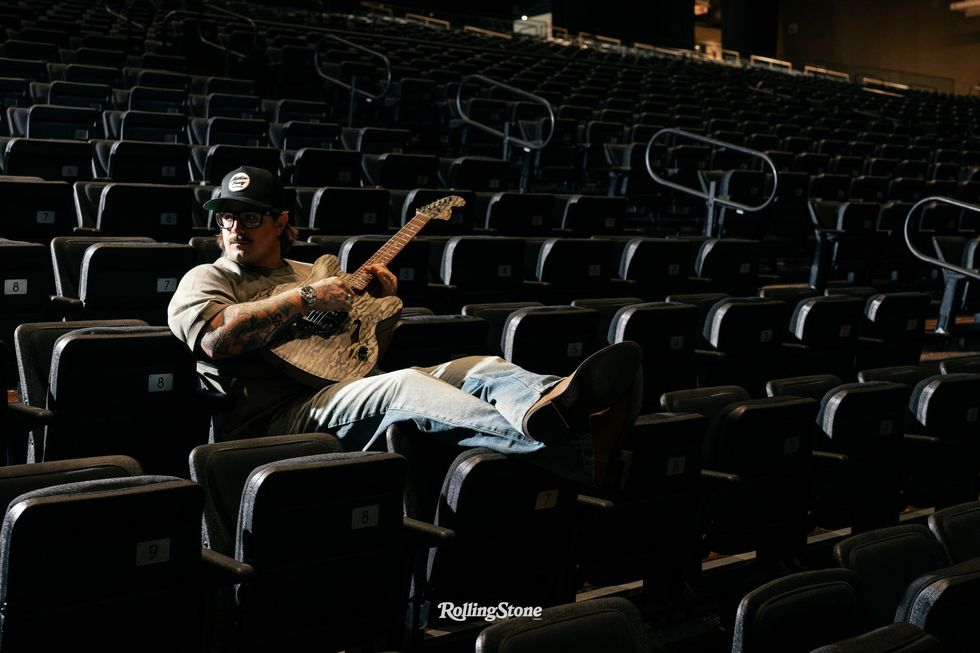
When Hardy started touring, opening for some of his collaborators, including Morgan Wallen, his approach to performing was almost the opposite. The goal, he says, was to make the headliner nervous. "Our goal was to shit on the people that we were opening for," he says. "We wanted whoever we opened for to watch our show from side stage and be like, 'Fuck, I've got to go on after this.'"
It’s not about grudge or hubris, but rather a competitive instinct, the same kind of drive that now informs his headline shows. He wants people leaving his concert convinced they've just seen the best show of their lives. "That’s my mindset every time I step on stage," he says.It’s an admittedly bizarre duality: the person who treats songwriting like a job becomes almost obsessively competitive once the job is performing.
When I ask him about country music's current dominance, which has been one of the defining stories in popular music, Hardy doesn't pretend to have a clear explanation for why or how it happened. He points to friends like Wallen and Zach Bryan as artists who helped push country beyond its traditional audience. He also credits Diplo with entering Nashville's orbit earlier than many other pop and electronic artists.
His own music, however, was shaped by more underground influences. In high school, young Michael got a burnt CD from a friend that served as his introduction to the expansive metal and hardcore ecosystem. A Day to Remember, August Burns Red, The Devil Wears Prada and Maylene and the Sons of Disaster were among the bands on it, he recalls.
Though he never joined a hardcore band, it became an integral part of his approach to music. "Had I never listened to metal, none of my rock songs would exist," he says.
Obviously, what he absorbed wasn't the lyrical content. He admits that he was often paying more attention to the music. What stuck with him was the mechanics: the tension, the buildup, the sudden release. The architecture of a breakdown could become the architecture of a chorus."To have a build-up, and then like an explosion!" he explains, enthusiastically. "I definitely learned that from metal and hardcore."
That influence has become increasingly visible as Hardy's career has developed, but he resists turning it into a neat genre narrative. "I hate saying this, but it's all Hardy music to me," he explains. "I put out a rock record with QUIT!! a couple of years ago. And then I blatantly turned around and put out a country record with Country! Country! last year. You can label something as rock or as country, but I’m kind of done with that. I think from now on, it just is what it is."
That’s probably the most Hardy answer of the conversation. He has spent his career surrounded by people trying to determine what songs will work, what audiences want and what comes next. Yet his own approach is disarmingly uncomplicated: craft the best song, put on the best show and let people contend with what they just witnessed.

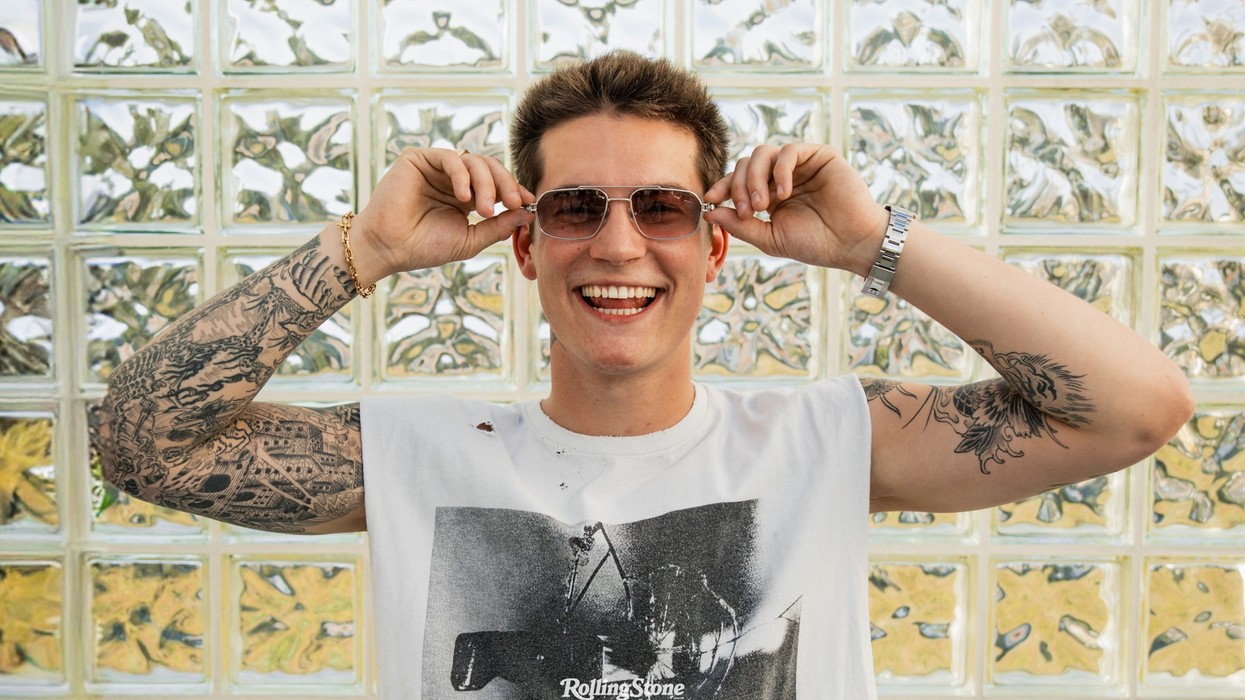
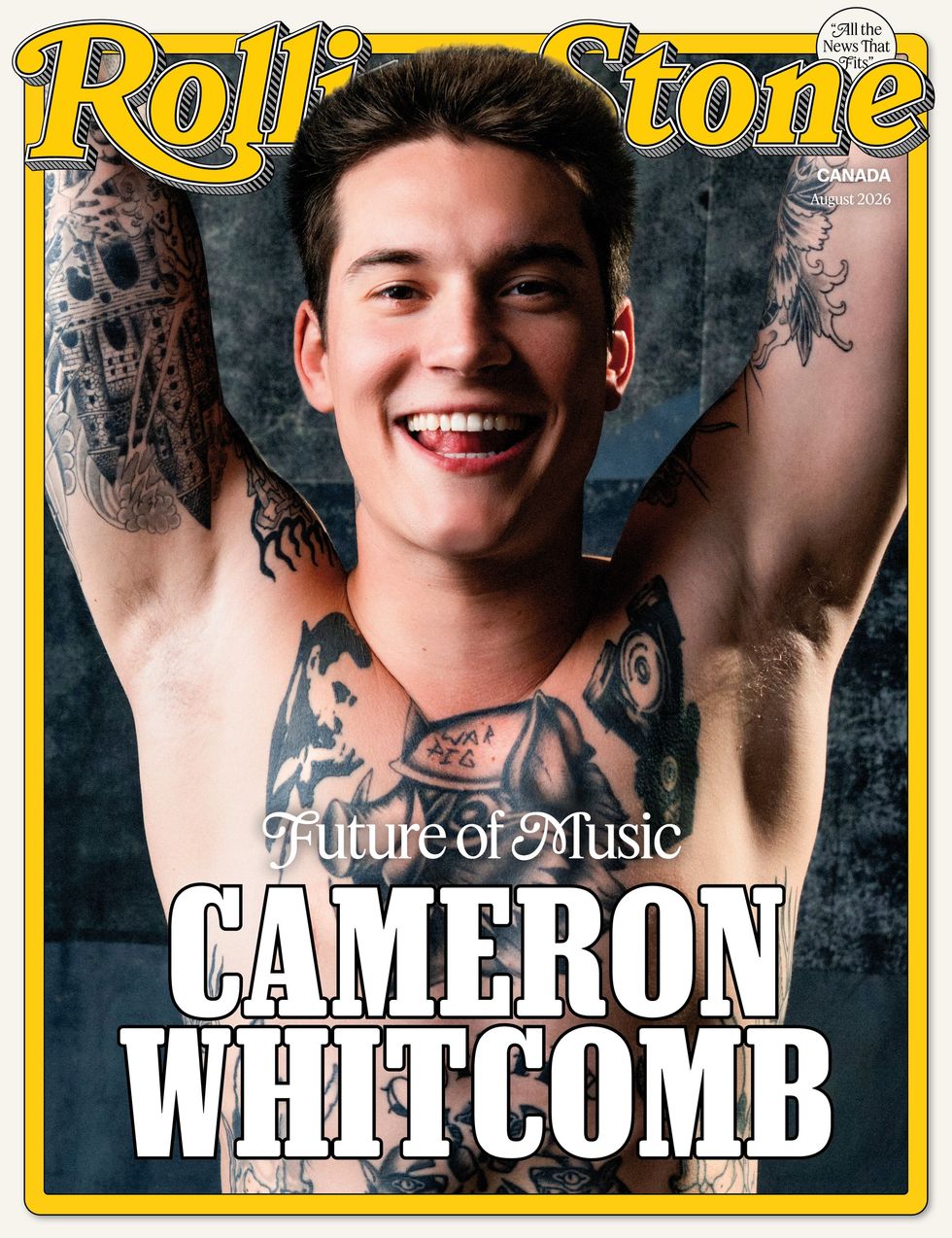 Cameron WhitcombPhotography by James Baker for Rolling Stone Canada
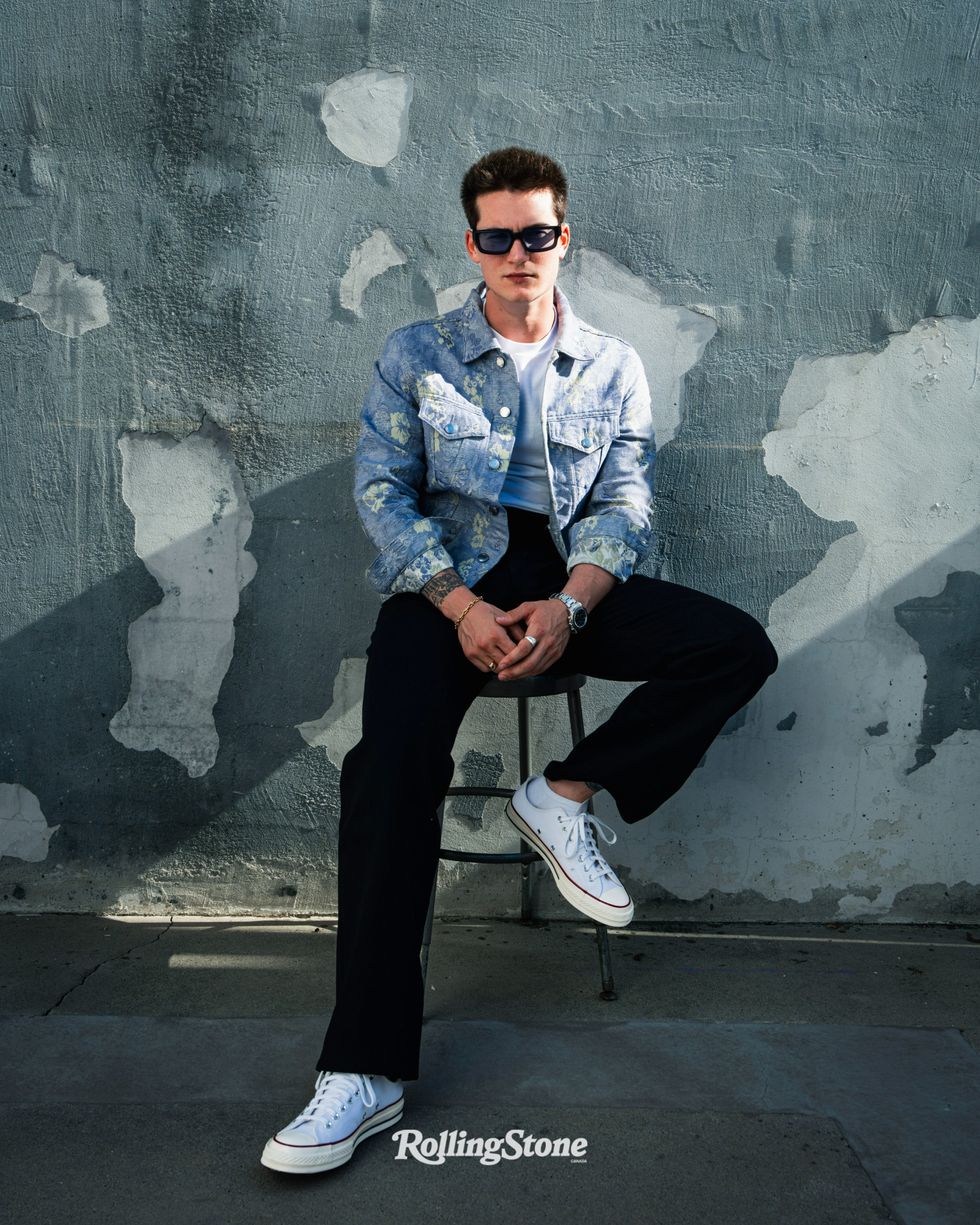 Cameron WhitcombPhotography by James Baker for Rolling Stone Canada
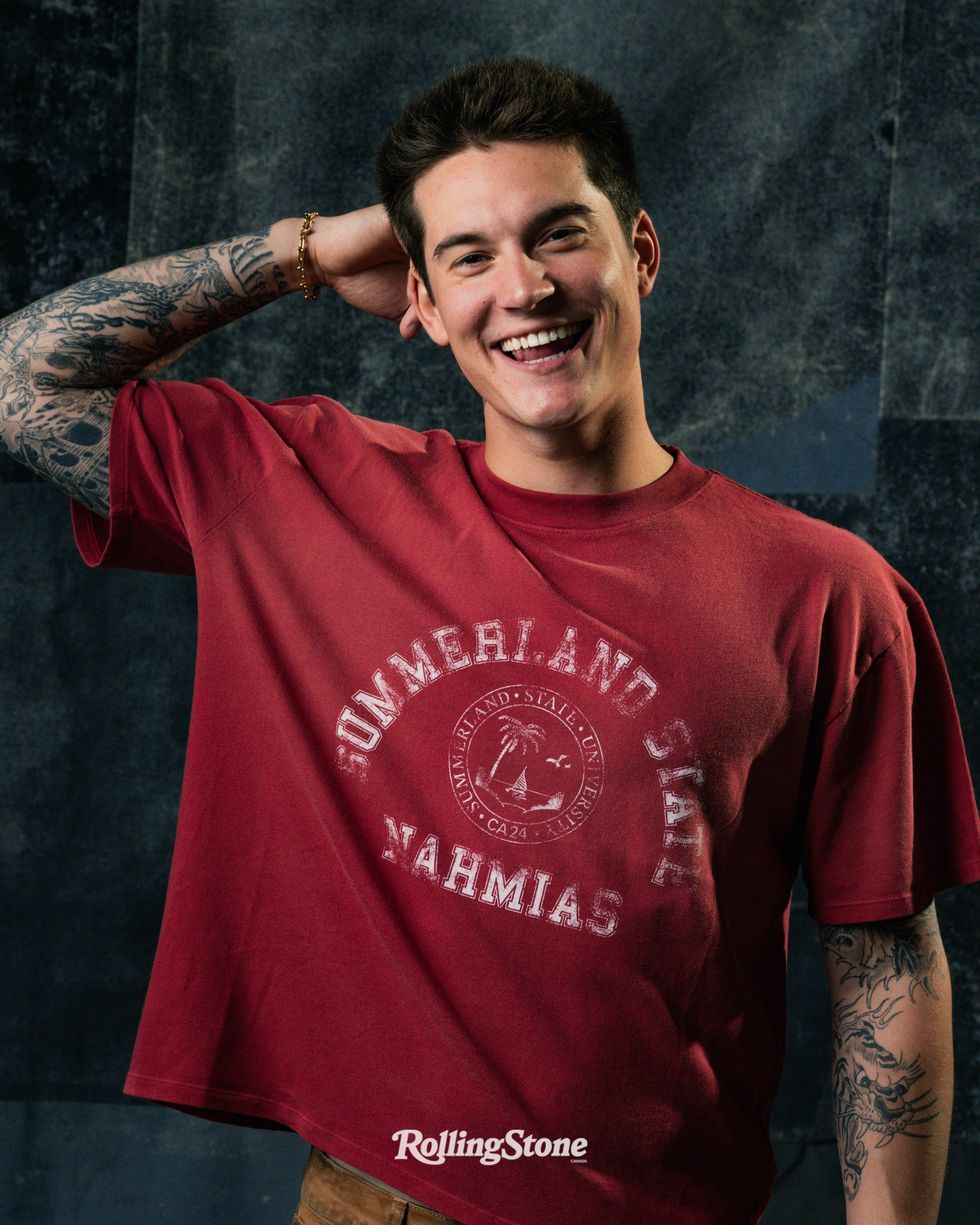 Cameron WhitcombPhotography by James Baker for Rolling Stone Canada
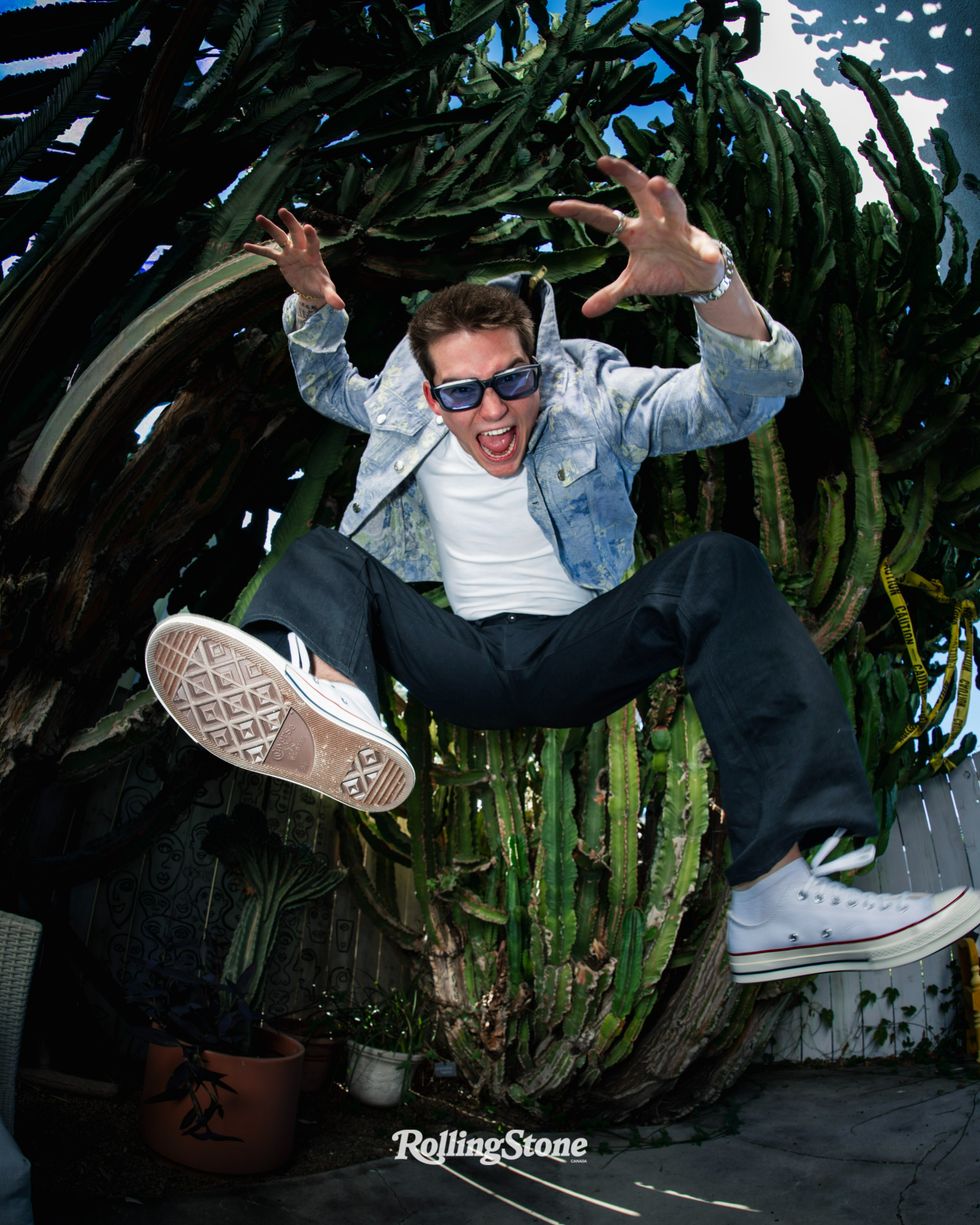 Cameron WhitcombPhotography by James Baker for Rolling Stone Canada
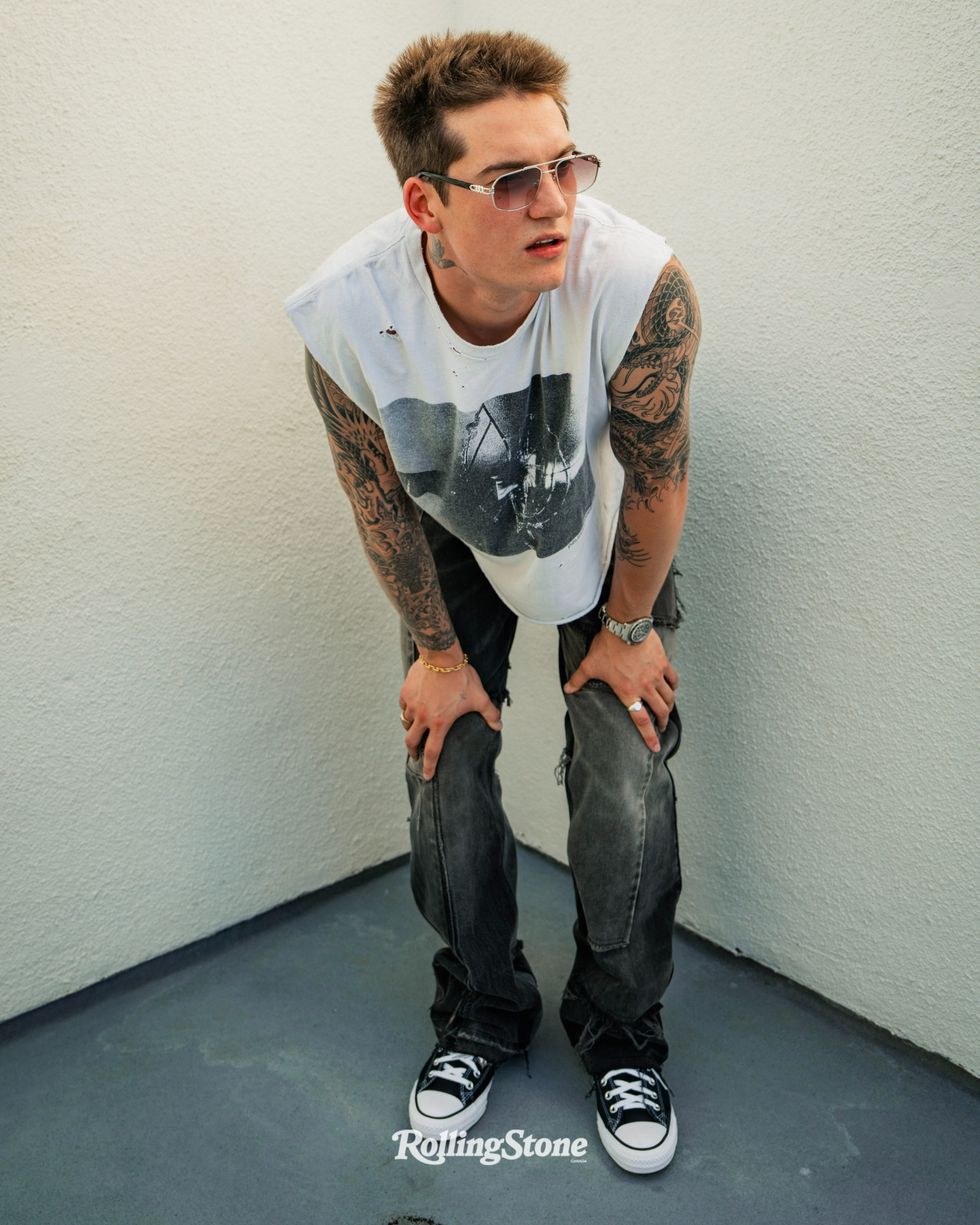 Cameron WhitcombPhotography by James Baker for Rolling Stone Canada
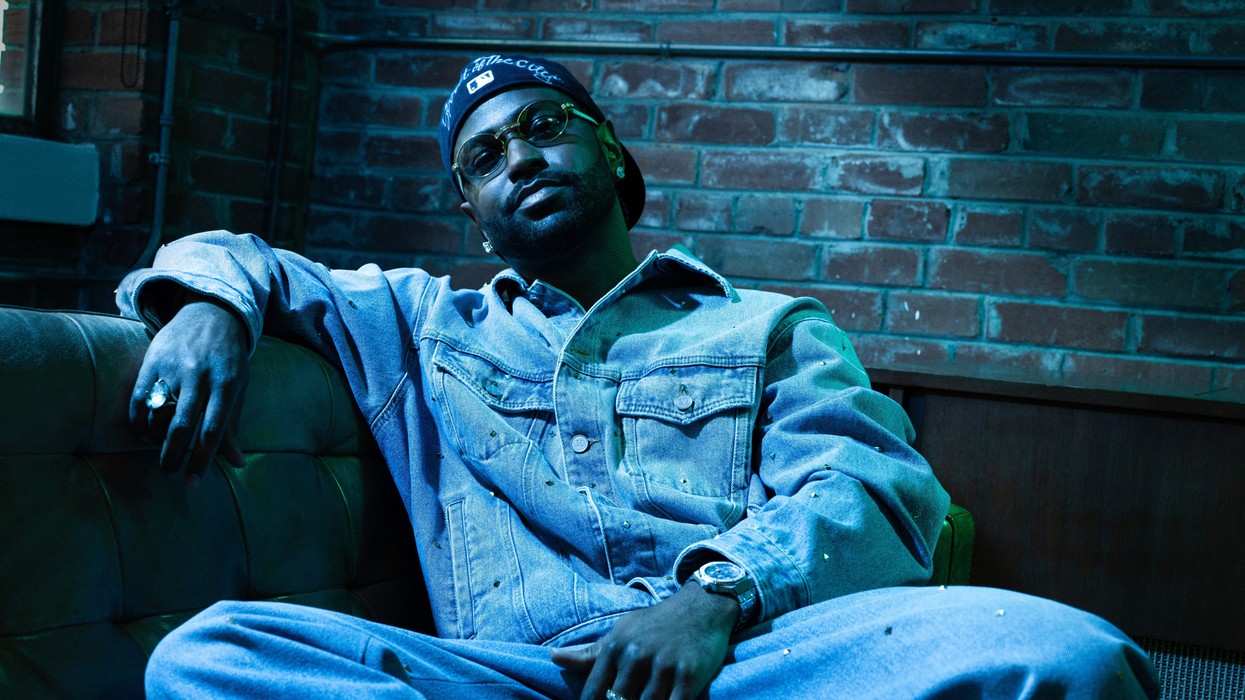
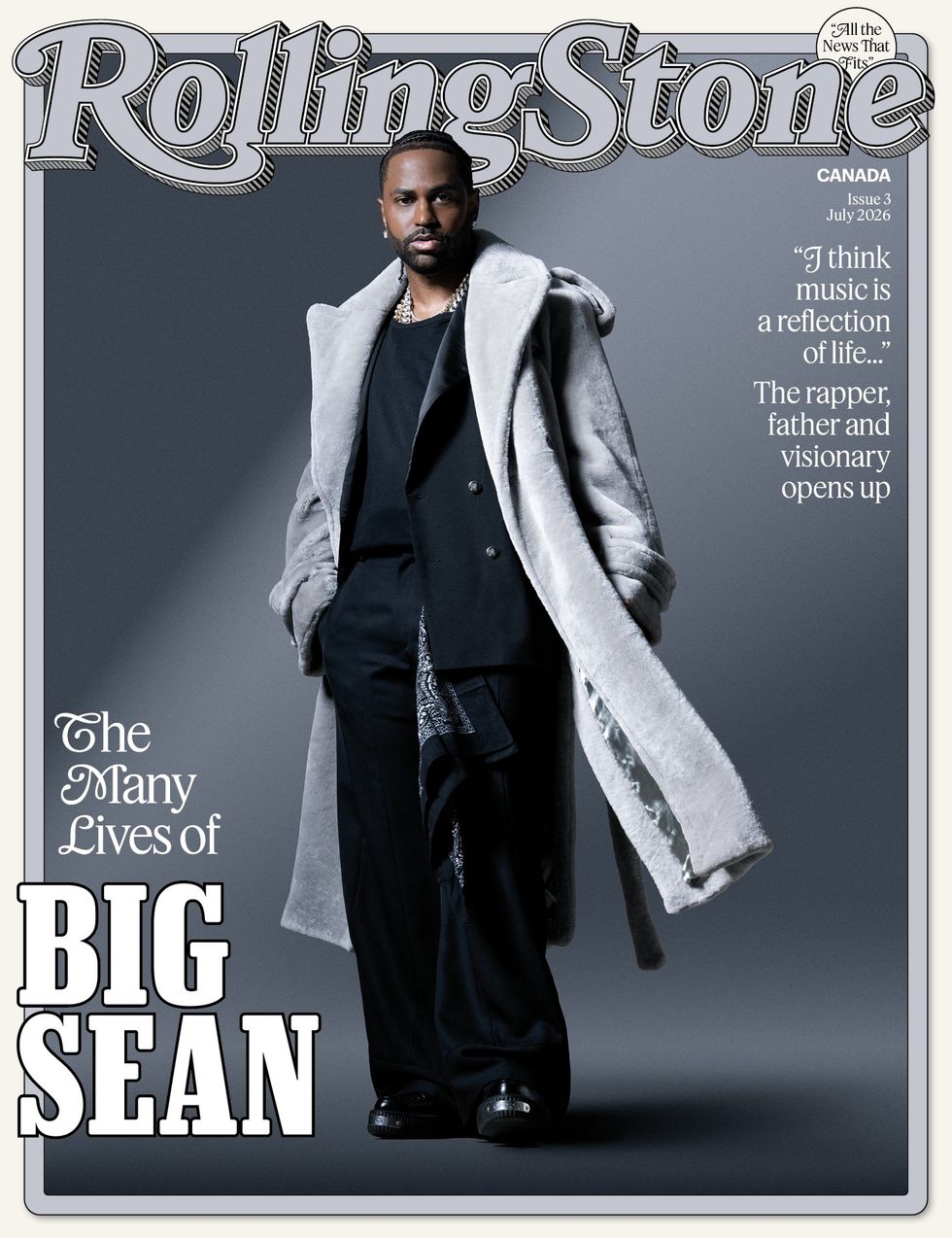 Big SeanBig Sean photographed by Lane Dorsey in Toronto in July, 2026. Phoebe Philo coat, Mayer suit and VSP Consignment Gucci shoes.
 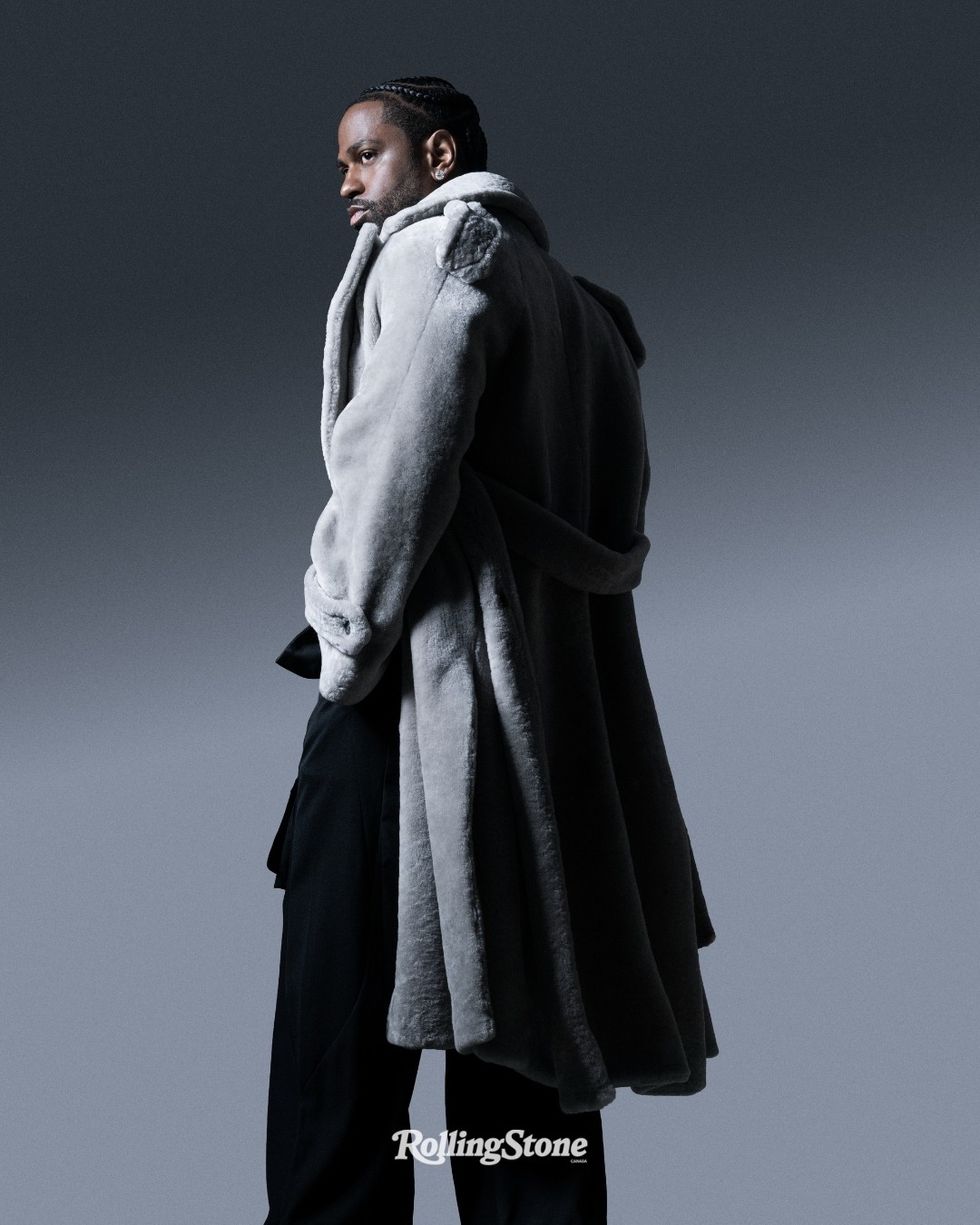 Big Sean Big Sean photographed by Lane Dorsey in Toronto in July, 2026. Phoebe Philo coat, Mayer suit and VSP Consignment Gucci shoes.
 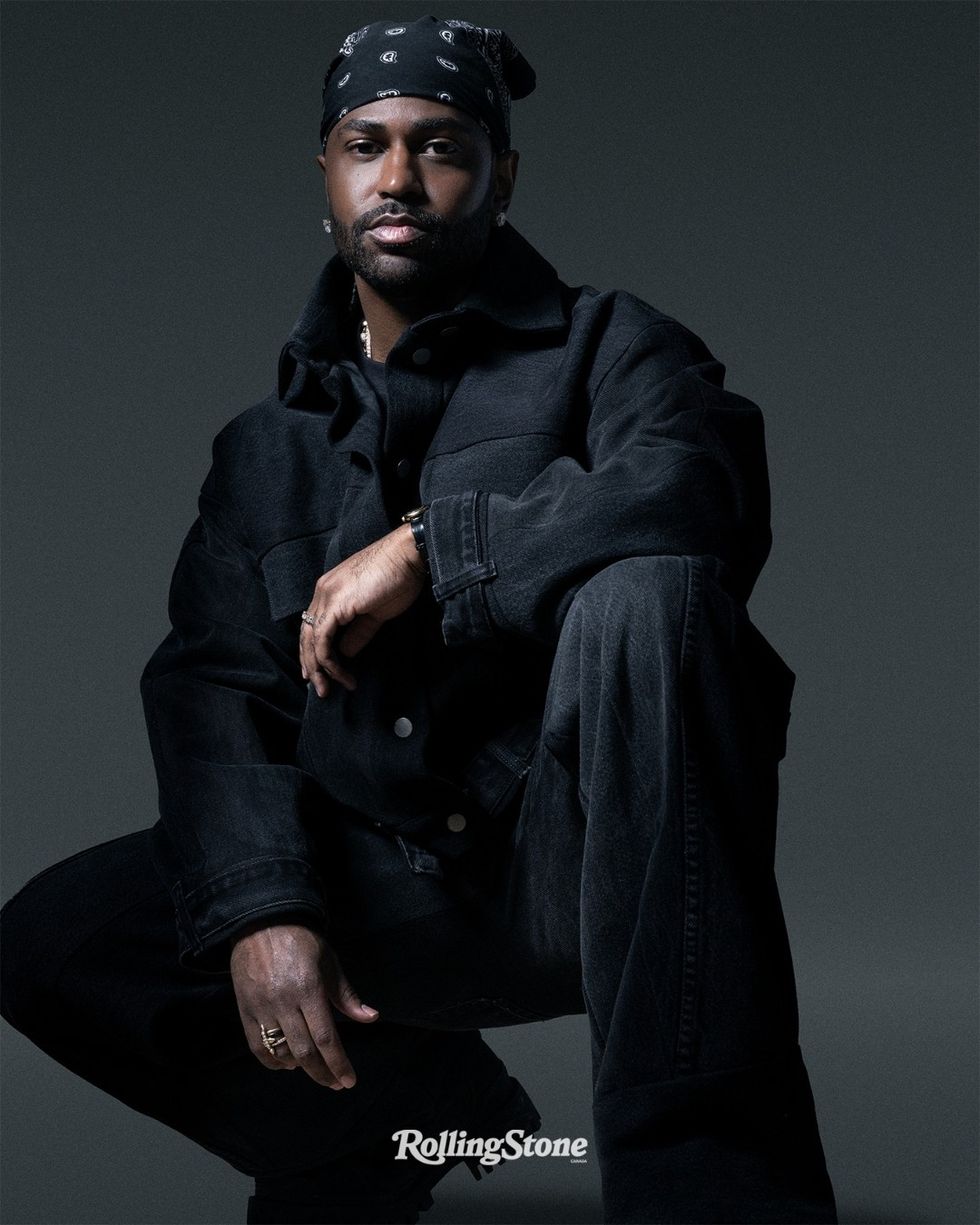 Big SeanBig Sean photographed by Lane Dorsey in Toronto in July, 2026. Jacket and jeans by Re-pull, shoes by Balenciaga.
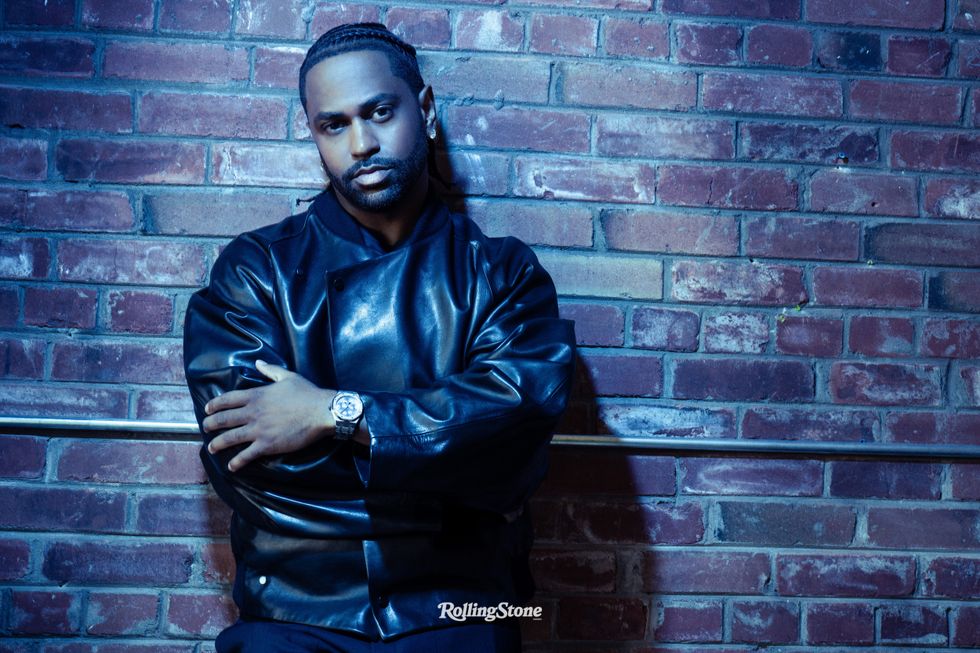 Big SeanBig Sean photographed by Lane Dorsey in Toronto in July, 2026. Jacket by Fear of God (Harry Rosen).
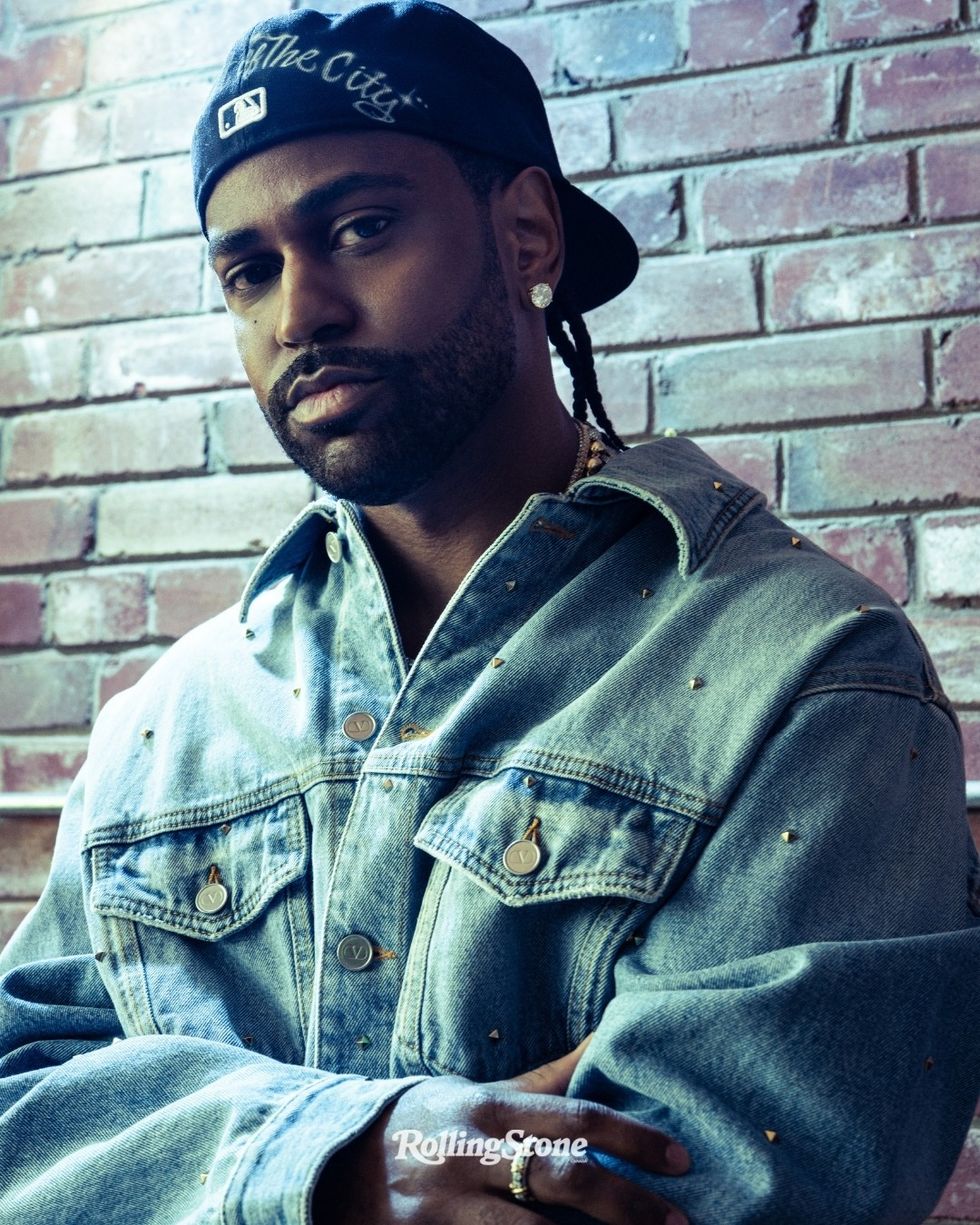 Big SeanPhotographed by Lane Dorsey for Rolling Stone Canada. Jacket and jeans by VSP Consignmen (Valentino).