
Skip to content
Search

How ‘It Takes Two’ Defined Hip-Hop’s Golden Age

How ‘It Takes Two’ Defined Hip-Hop’s Golden Age

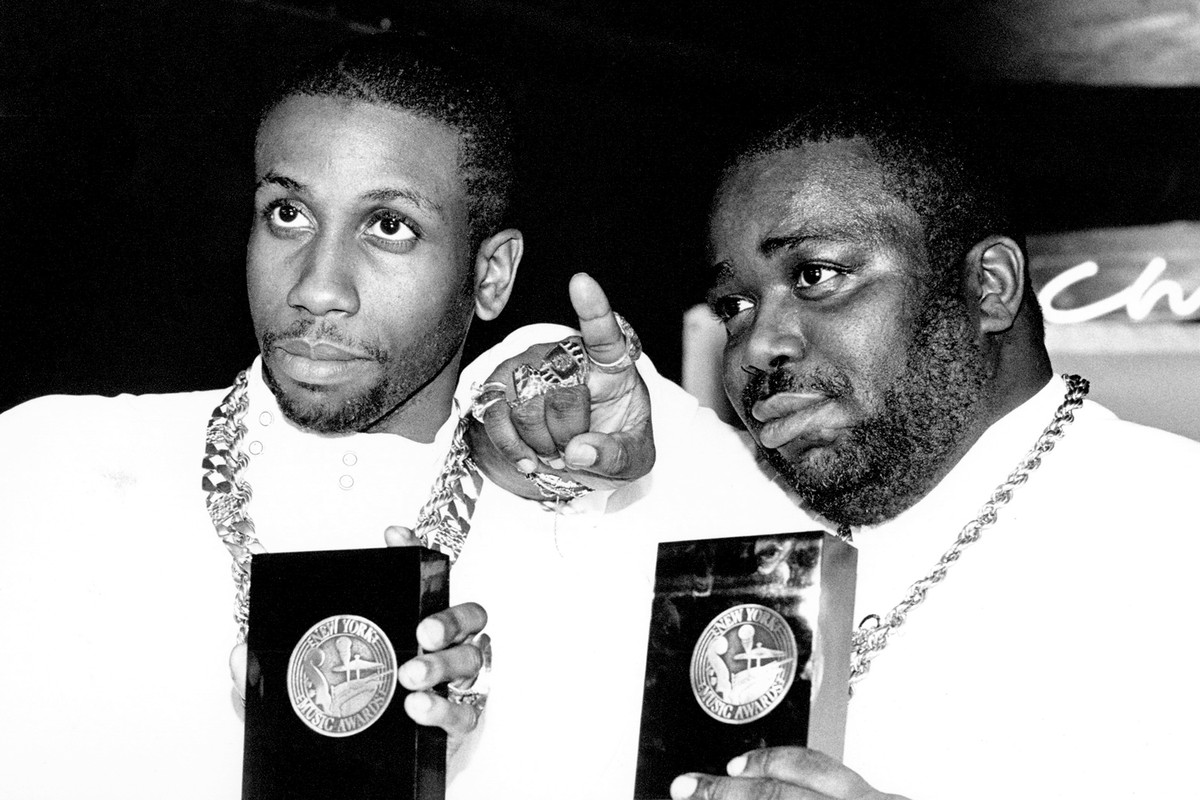
Rob Base never thought “It Takes Two” would become a massive hit. He and DJ E-Z Rock were just aiming to make a neighborhood party record, straight from the streets of Harlem, to get bodies moving in their local clubs and skating rings.

But “It Takes Two” blew up into a monster hit around the world, forever changing hip-hop. The music business was shocked when this raw rap anthem crashed into the U.S. Top 40, with zero crossover or compromise. “It Takes Two” transformed history, yet it’s also a dance-floor banger that never fails to light up a wedding or party. On Rolling Stone’s list of the 500 Greatest Songs, “It Takes Two” comes it at 116.

Rob Base makes it undeniable right from the start, declaring, “I wanna rock right now!” “It Takes Two” was strictly minimal, built on a James Brown sample from the 1971 Lyn Collins hit “Think (About It).” JB wrote, produced, and released the song on his own label People Records. But Base turned it it one of the most iconic hip-hop breaks, looping the moment when Collins and Brown trade off their ““whooo! yeah! whooo!” yelps.

“It Takes Two” first broke out on rap radio, becoming one of the definitive classics of hip-hop’s Golden Age, the beatbox soundtrack to the legendary summer of 1988. But to everybody’s surprise, “It Takes Two” just kept on traveling. It was easily the most hardcore rap hit to go Top 40 at that point — it was surreal to hear it on pop radio, in between Rick Astley and Belinda Carlisle. “It Takes Two” changed the way people thought about hip hop, at a time when it was still considered a fad. It also altered the way people thought about sampling, reviving James Brown for a new era.

On this week’s episode of Rolling Stone’s 500 Greatest Songs, hosts Rob Sheffield and Brittany Spanos discuss “It Takes Two,” how it changed pop history, and why it lives on. They’re joined by a special guest: Rob Base himself, as he tells the story of how the song came together. But like everyone else, Base was stunned when their street beats conquered the world.

In 2004, Rolling Stone launched its 500 Greatest Songs of All Time list. Tabulated from a massive vote that had artists, industry figures, and critics weighing in, the list has been a source of conversation, inspiration, and controversy for two decades. It’s one of the most popular, influential, and argued-over features the magazine has ever done.

So we set out to make it even bigger, better, and fresher. In 2021, we completely overhauled our 500 Songs list, with a whole new batch of voters from all over the music map. Rolling Stone’s 500 Greatest Songs takes a closer look at the entries on our list. Made in partnership with iHeart, Rolling Stone’s 500 Greatest Songs finds Brittany and Rob discussing a new song each week, delving into its history and impact with the help of a special guest — including fellow RScolleagues, producers, and the artists themselves. It’s our celebration of the greatest songs ever made — and a breakdown of what makes them so great.

Check out the latest episode above, on iHeart, or wherever you get your podcasts, and look for new episodes every Wednesday.
More Stories

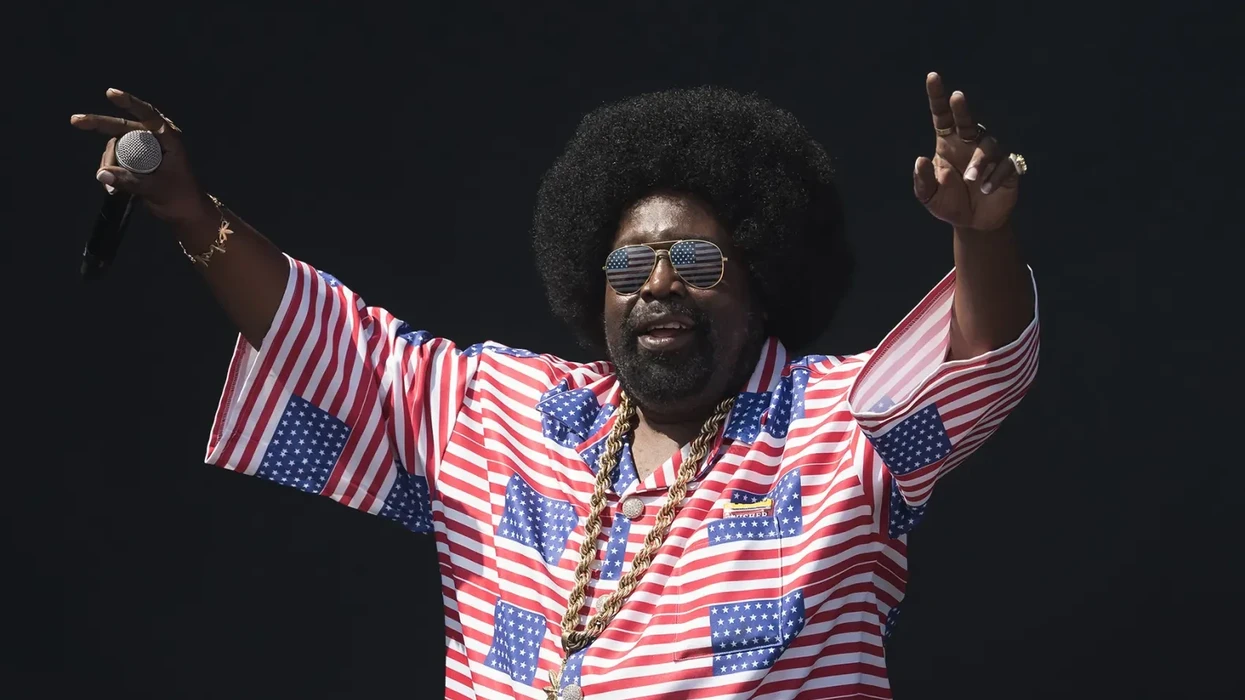
Afroman Sues Officer Who Raided His Home, Sued Him, and Lost

Afroman performs onstage on day two during 2026 Tortuga Music Festival at Fort Lauderdale Beach Park on April 11, 2026 in Fort Lauderdale, Florida.

Jason Koerner/Getty Images

Afroman Sues Officer Who Raided His Home, Sued Him, and Lost

Afroman has filed a lawsuit against one of the officers who raided his home in 2022 and later sued him after he turned footage of the botched raid into music videos. The musician, real name Joseph Edgar Foreman, won the highly publicized defamation lawsuit brought against him by officers at his local sheriff’s office.

The civil suit filed in Adams County, Ohio on Monday, July 27 and obtained by Rolling Stone, accuses Brian K. Newland, one of the officers involved in the case and defamation lawsuit, of malicious prosecution, abuse of process, intentional infliction of emotional distress, and tortious interference with contract.

Keep ReadingShow less
Willie Nelson Voices Concern About ‘Data Centers Invading Our Land’

Willie Nelson Voices Concern About ‘Data Centers Invading Our Land’

Willie Nelson is speaking up against the ongoing construction of data centers across the United States. The musician released a statement on social media condemning the “loud, water thieving, light polluting” hubs that are “invading our land.”

Nelson wrote that he hails from the Texas town of Abbott and he still has “home there with farmed land where I can still see stars at night. And now our community, like many others, needs to fight against data centers invading our land.”

Keep ReadingShow less
Tony Iommi on New Solo Album, Missing Ozzy Osbourne, and How He’s Not Going Anywhere

Tony Iommi

Ross Halfin*

Tony Iommi on New Solo Album, Missing Ozzy Osbourne, and How He’s Not Going Anywhere

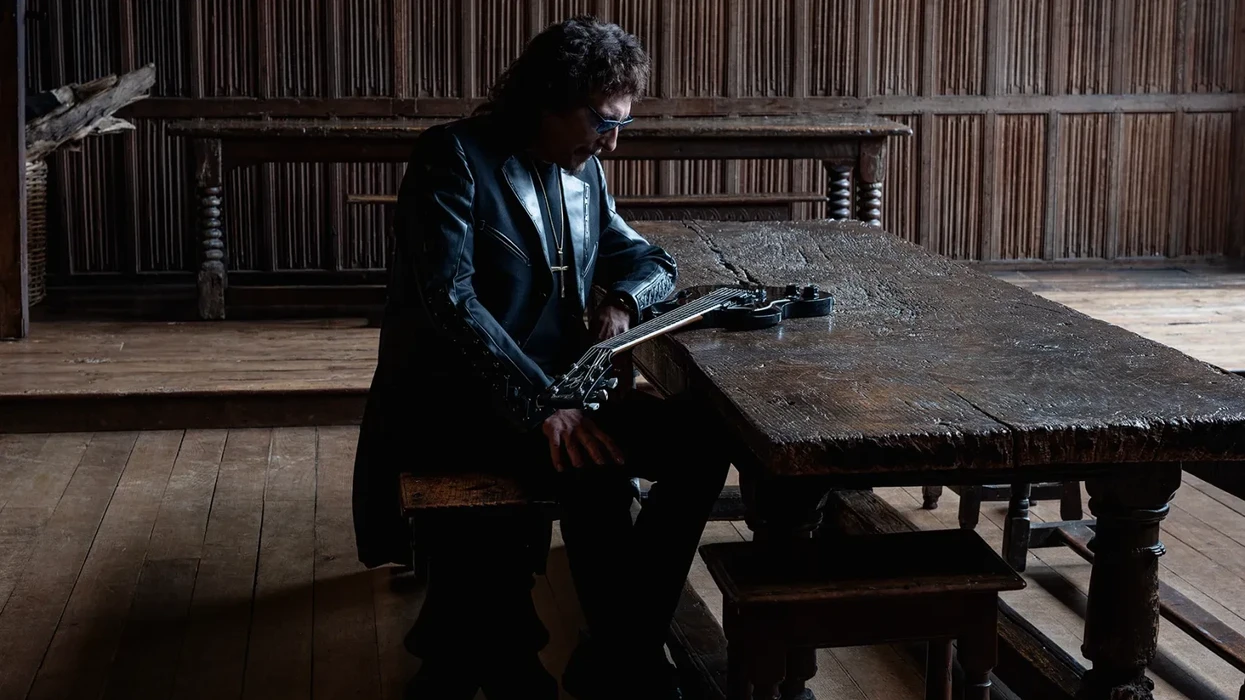
Sometimes Tony Iommi needs to remind himself to write songs that sound a little more upbeat. “I tend to always start off with the doomy stuff,” the former Black Sabbath guitarist says with a chuckle on a phone call from his home in England. “It always has been that way. I just get absorbed with doomy riffs. It’s a feeling I get when I play something heavy and powerful. I still like the up-tempo stuff, of course, though.”

“World Alone,” the first single off From the Dark, Iommi’s upcoming solo album — his first in more than two decades, due Oct. 23 — is decidedly up-tempo. But it’s still heavy. The song finds the guitarist, 78, playing a walloping riff and a snarling solo, recalling Black Sabbath’s cutting Mob Rules album but with a unique, modern twist thanks to vocalist Jørn Lande’s gutsy wailing and apocalyptic lyrics. The song and the seven others on the album, which only sound heavier and more menacing, show how Iommi is doing his own thing apart from Black Sabbath’s legacy but still staying within the doomy world of sound he began constructing nearly 60 years ago.

Keep ReadingShow less
Kavinsky, French DJ-Producer Whose Chilly ‘Nightcall’ Defined ‘Drive,’ Dead at 50

Kavinsky, 2012.

David Wolff - Patrick/WireImage

Kavinsky, French DJ-Producer Whose Chilly ‘Nightcall’ Defined ‘Drive,’ Dead at 50

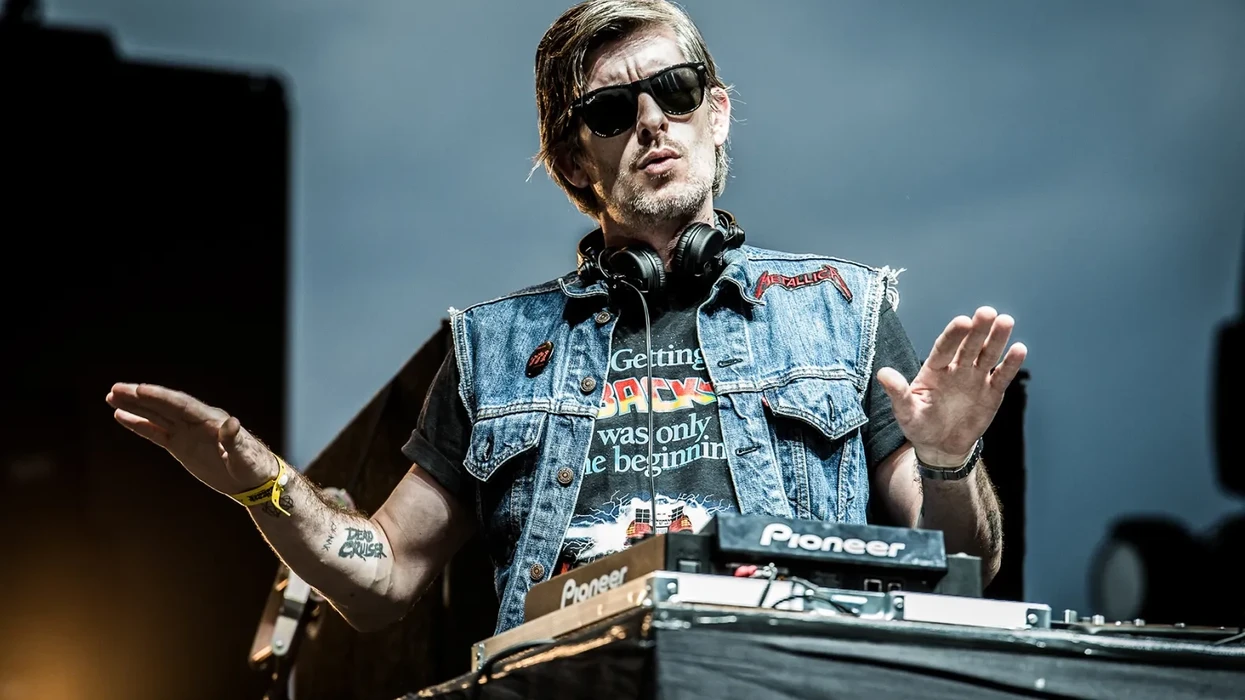
Kavinsky, the French house DJ-producer whose collaborations with the Weeknd and Phoenix were worldwide hits and whose “Nightcall” gave the movie Drive a sleek, detached quality, was found dead at his Paris home on Tuesday evening, according to Reuters. The musician, whose real name was Vincent Belorgey, was 50.

“An inquiry into the cause of death has been opened to ⁠determine the circumstances of the death, as first responders found no suspicious elements at the scene,” ⁠the Paris prosecutor’s office stated.

Keep ReadingShow less
Why Are So Many Musicians Singing on Couches? An Investigation
Sacha Lecca for Rolling Stone

Why Are So Many Musicians Singing on Couches? An Investigation

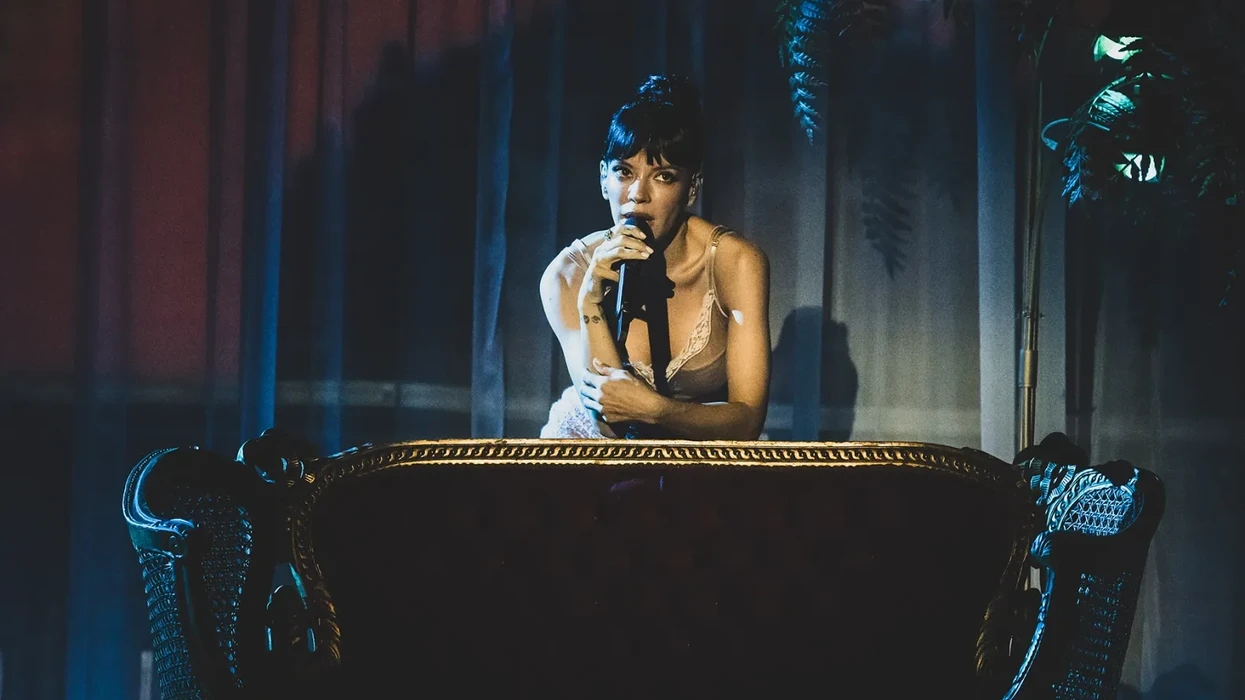
If you’re a lamp or a bed, we have bad news for you. There’s a new kid in town, and it has four legs, a pair of armrests, and is a major supporter of vertical posture. That’s right: couches. These bad boys are the new in-demand stage prop at concerts, with more and more musicians incorporating the piece of furniture into their set — from Lily Allen to Charli XCX to Hilary Duff. We aren’t sure why, exactly, so allow us to investigate.

Couches have always had a strong presence in song lyrics — just think of Jeff Buckley’s “So Real,” Paramore’s “All I Wanted,” the Arctic Monkey’s “Do I Wanna Know?” and Snail Mail’s “c. et. al.” (in the case of most of these tracks, couches are good for sleeping or spilling drinks on, especially when you’re wasted). But appearing onstage so frequently is a new thing. We got used to seeing beds a lot: Sabrina Carpenter fittingly sang from a canopy one during the sensual “Bed Chem” on the Short n’ Sweet Tour, Taylor Swift brought a massive white metal bed to deliver “Fortnight” during the Eras run, and Usher is currently bringing his R&B magic to the mattress on tour during “Seduction.” But the couches have officially taken over. These days, if you’re a musician preparing to hit the road, it’s probably number three on the must-have list, behind “in-ear monitors” and “herbal tea.”

Keep ReadingShow less