
Skip to content
Search

Heaven Knows Morrissey Is Still Miserable on ‘Make-Up Is a Lie’

His 14th album isn’t going to do much to change his strange place in the world, but it proves his pain is real too

Heaven Knows Morrissey Is Still Miserable on ‘Make-Up Is a Lie’

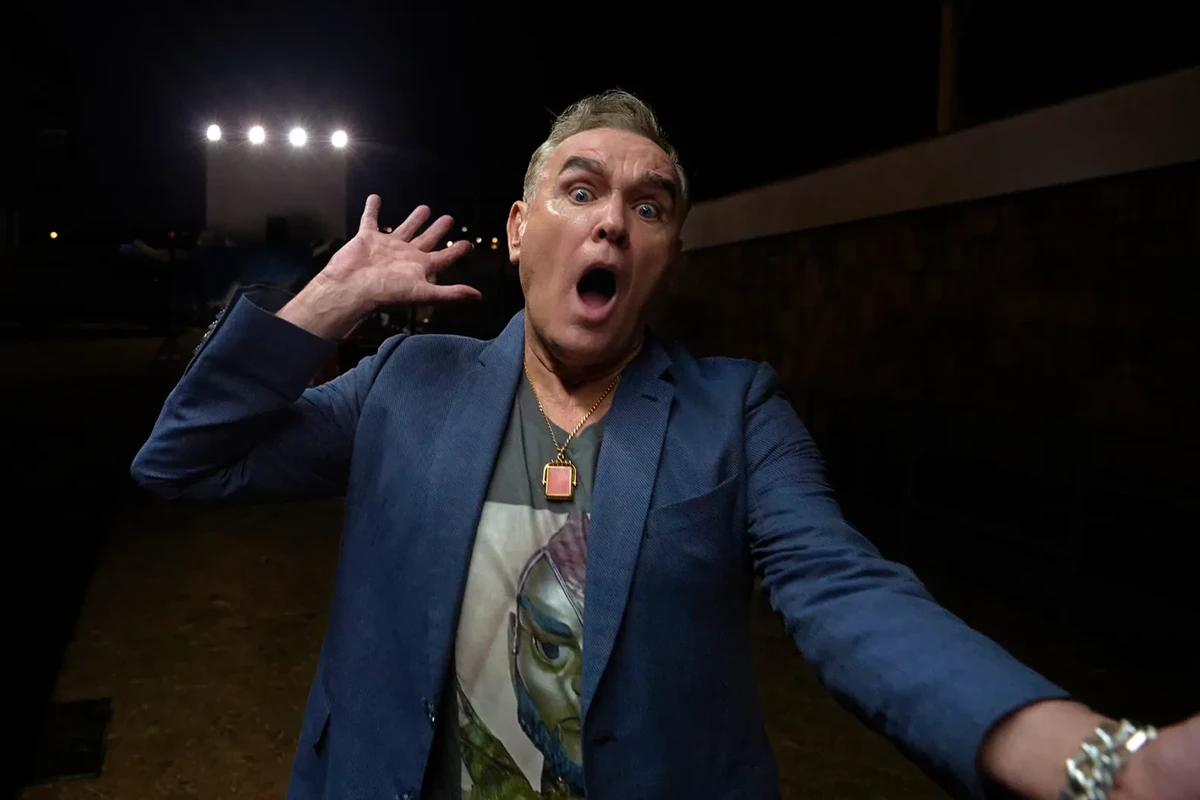
Morrissey’s 14th album Make-Up Is a Lie finds him wearing all his favorite guises: eternal romantic, tireless crank, fragile old soul, free speech martyr, rock-nostalgia torchbearer, heavenly miserablist. He claims his years of controversial political utterances have made it hard for him to find a label to release the record, his first in five years. He ended up on Sire, which put out the Smiths and his early solo work. “I want to move away from those who stare at screens all day/I want to speak up and to not be trapped by censorship,” he sings against the Eighties-alt-rock guitar sparkle of “You’re Right, It’s Time,” more than one example here where clunky self-absorption gets in the way of a pretty good song.


The nadir is the sallow disco shitpost “Notre Dame,” in which he floats the xenophobic conspiracy theory that the 2019 fire that destroyed Notre Dame cathedral was the result of an uninvestigated terrorist attack. (He made the lyrics here a little more vague compared to the version he performed live but the intent still seems pretty obvious.) Mostly, though, he avoids dicey subject matter for solid autobiographical songwriting. “Zoom Zoom the Little Boy” sets two classic Moz themes – passionate animal rights advocacy and deep misanthropy — to a fun Swinging Sixties tune. A number of songs return to his deepest childhood musical loves. “Lester Bangs” is a tribute to the 1970s rock critic whose reviews of the New York Dolls and Roxy Music changed his life when he was a sad teenager — “this nerd hangs on your word.” “The Night Pop Dropped” returns to the shock of David Bowie’s death to honor his greatness, and Morriseey lovingly knocks out a zesty cover of the Roxy Music deep cut “Amazona.”

Those reflections on youthful passion contrast sharply with the Mozzer’s current state of self-pity. On “Boulevard” the only thing he can empathize with is a lonely street trod upon and senselessly abused. “Birds shit/Schoolboy’s spit/Right at you,” he moans. He recently had to cancel some tour dates due to health issues, and on “Headache” he offers an assessment of mortality that’s pretty morose even for him: “Man born of woman has a short time to live/And it’s still too long,” the 66 year-old artist intones. For many people, even longtime fans, dealing with Morrissey has become a headache. This album isn’t going to do much to change his strange place in the world, but his pain is real too.
More Stories

432 Hz: The Mystical Frequency Artists Are Embracing

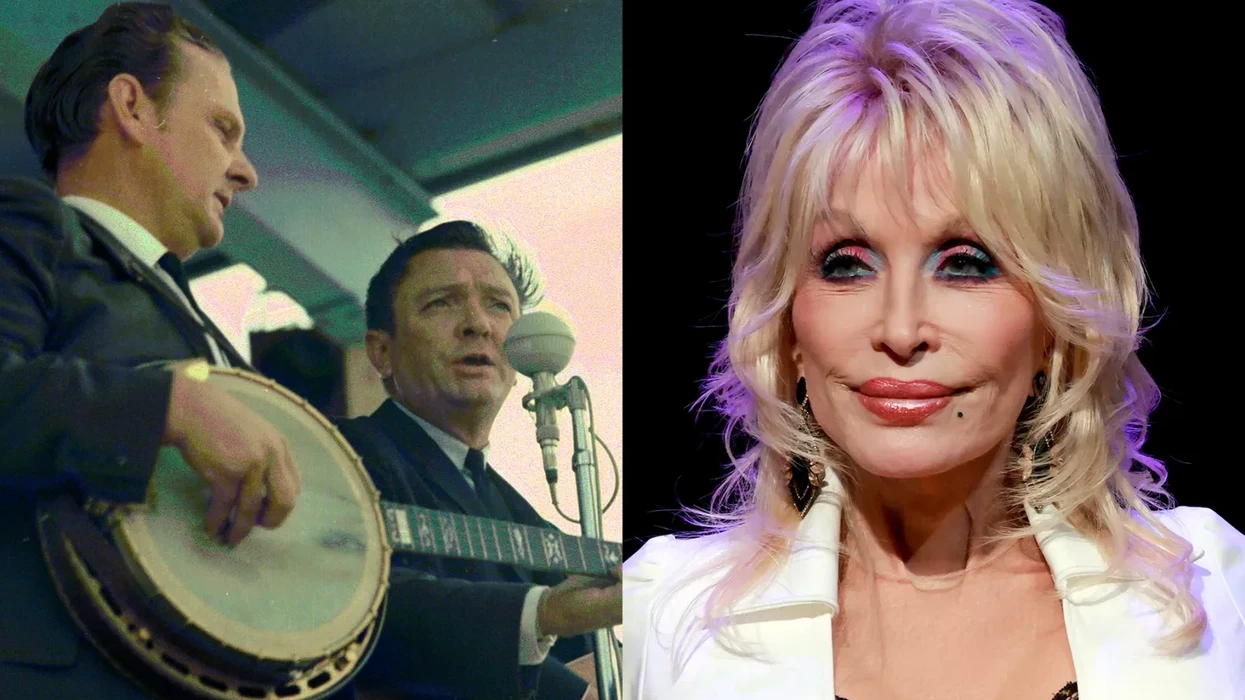
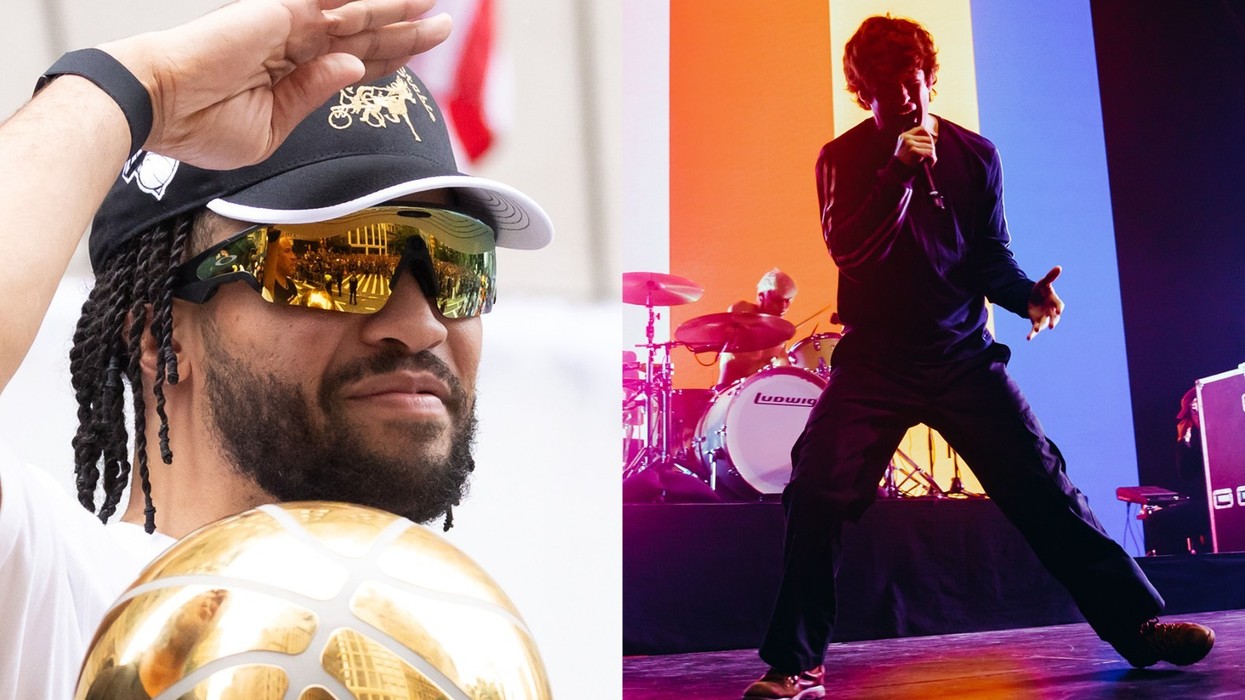
Ziggy Marley, James Blake, and Ed O'Brien (from left) are among the musicians interested in the properties of music tuned to 432 Hz.

432 Hz: The Mystical Frequency Artists Are Embracing

From classical to rock, musicians tune their instruments to a common pitch so they can play together harmoniously. For at least 80 years, that standard pitch frequency has been A440 Hz — which defines the A note above middle C, and by extension, all the other notes around it. But this longstanding tuning standard is now being challenged across genres, as more and more artists, including a pair of Grammy-winning acts, release albums tuned to A432 Hz instead. It’s a slightly lower tuning, and for these musicians, it makes all the difference.

Radiohead guitarist Ed O’Brien’s interest in this subject started about 12 years ago, at the Glastonbury Festival. “I had an inspiring conversation about the Solfeggio scale, an ancient scale, and this led me to discovering 432 Hz,” says O’Brien, whose second solo album, Blue Morpho, will be released May 22. “I loved the idea that music could be more than just pleasant on the ear or move you — that the actual frequency it was played at could actually have a healing component or vibrate in harmony with the cells in your body and the world around you.”

Keep ReadingShow less
The Music Industry’s Unfinished #MeToo Fight

Protesters gather at Harvey Weinstein's trial in 2020 in New York City.

Spencer Platt/Getty Images

The Music Industry’s Unfinished #MeToo Fight

April is Sexual Assault Awareness Month, and I’m writing this open letter not to call anyone out, but to invite you in.

The music industry has had several opportunities for a reckoning in recent years. But so far, it’s a reckoning the industry has managed to avoid. What we’ve seen instead are individual moments, isolated legal outcomes, and public spectacles that generate headlines but haven’t produced the systemic change this industry needs. The scrutiny that swept through Hollywood at the height of the #MeToo movement largely passed over the music industry. And while the last few years have heightened that scrutiny, the industry’s response has been mostly silence.

Keep ReadingShow less
Tokischa Had to Go to Hell and Back to Make Her New Album

Tokischa Had to Go to Hell and Back to Make Her New Album

t’s Wednesday night at the Box, the notorious erotic club in downtown New York, and Tokischa is stripping off her lingerie onstage. She cheekily steps behind a white, backlit curtain so that the crowd can only see the shadow of her body as she dances sensually. The room of devoted fans roar at each gyration.

A few moments later, Tokischa sports a skirt and cropped T-shirt as she lies face down and claws at the stage in painful desperation, channeling the heartbreak that overflows on her new album, Amor & Droga. She’s delivering this dramatic performance for an album listening event, and each theatrical move speaks to the duality at the heart of Latin music’s favorite provocateur.

Keep ReadingShow less
Get Ready for Ticket Prices to Keep Rising

The chaotic onsale process for Taylor Swift's Eras Tour prompted the Justice Department's lawsuit.

Richard Lautens/Toronto Star/Getty Images

Get Ready for Ticket Prices to Keep Rising

Back in the Nineties, Pearl Jam famously sued Ticketmaster in an unsuccessful effort to rein in the runaway costs of attending a concert. These days, many are raising the same concerns — like Doc McGhee, Kiss’ longtime manager. In the late 1970s, when he was a young man on the rock scene, top concert tickets cost $10 to $11 (or about $50 to $55 in today’s dollars). Last year, according to Pollstar, the industry trade that monitors touring, the average ticket price had soared to around $132. That’s an increase of 38 percent just since 2019, when they cost a comparatively affordable $96.17. “It’s up to us,” McGhee says. “Until people say, ‘We’re not going,’ the prices are going up.”

Keep ReadingShow less
How a Bathroom Trip Led to the Soul Classic ‘Hold On, I’m Coming’

Isaac Hayes (left) with Porter at Stax Records circa 1970

Gilles Petard/Redferns/Getty Images

How a Bathroom Trip Led to the Soul Classic ‘Hold On, I’m Coming’

As one-half of the famous Stax songwriting team Hayes and Porter, David Porter is one of the most important American popular songwriters of the 20th century. “They became,” Jimmy Jam writes in the introduction to Porter’s memoir The Soul Man, out today, “two of the greatest musical innovators in the history of the music industry.”

But Porter’s story — and career — far exceeds the Stax writing partnership that lasted just a handful of years from the mid-Sixties to the early-Seventies. From his upbringing in Memphis to his Stax heyday writing songs for Carla Thomas, Johnnie Taylor, and, most famously, Sam & Dave, to his relationship with the Recording Academy, to the founding of his music nonprofit the Consortium MMT, Porter tells his entire story with candor and insight.

Keep ReadingShow less