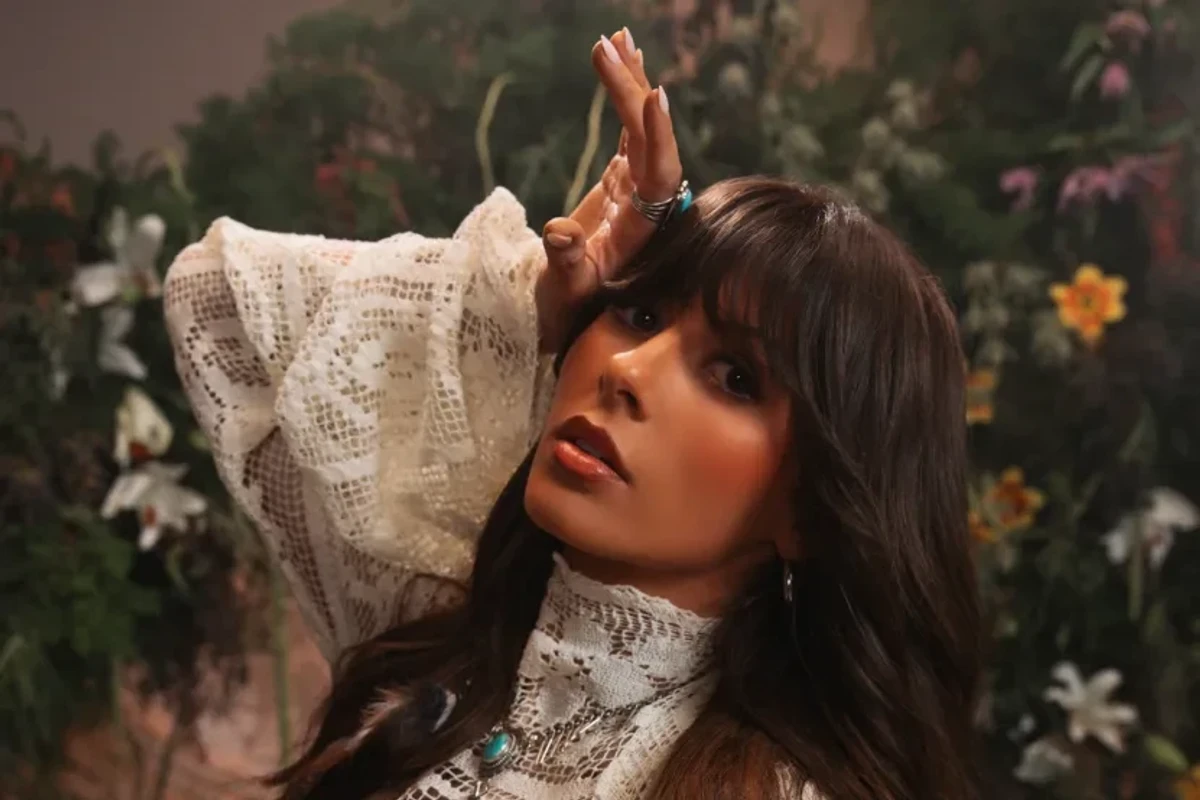

When country-music fans hit play on Ella Langley’s second album, Dandelion, out on Friday, the first song they’ll hear won’t sound anything like Langley’s pop-crossover smash “Choosin’ Texas.” The 26-year-old from Hope Hull, Alabama, chose to open Dandelion with a centuries-old folk song, “Froggy Went a-Courtin’.”
“The first two songs I ever learned how to sing were ‘Amazing Grace’ and ‘Froggy Went a-Courtin’,” says Langley, calling during a rare moment of downtime in what has already been a transformative year for the singer and songwriter. “Whenever we do family reunions, everyone would gather around the piano and sing ‘Froggy.’ This record is so personal to me in the way of trying to give you a little insight into not only me, but Alabama, growing up in the country with these old type of songs.”
Langley recorded a full version of “Froggy” with the country traditionalist Charlie Worsham, and uses snippets of that bare-bones performance to bookend Dandelion. In between are lush and smoky country ballads shot through with irresistible melodies. Songs like the swooning “Be Her,” the escapist “Loving Life Again,” and the disarming title track have more in common with the smooth Urban Cowboy movement of Eighties country than the bright and twangy Nineties sounds presently in vogue.
The Academy of Country Music’s reigning New Female Artist of the Year got her start playing cover sets in bars when she was just 18. In 2019, she moved to Nashville, and broke through five years later — relatively quickly by Nashville’s 10-year-town standards — with “You Look Like You Love Me,” a cheeky come-on of a duet with fellow country singer Riley Green that won Song of the Year at the 2025 CMA Awards. It was an unconventional radio hit that found Langley reciting her verses, not singing them, and its success announced her as an exciting new talent in Nashville unafraid to take risks.
“I had some arguments about ‘You Look Like You Love Me’ in the beginning,” she says, recalling a standoff with her label, Columbia. “They all wanted me to sing those verses. They just didn’t believe that the song would work. But I am as hardheaded as you can imagine someone ever being in their life. After that moment, it created this level of trust where they don’t question me.”

Aaron Raitiere, who co-wrote the song with Langley, describes her as a “magical” songwriter. “She is a vehicle for new, timeless country music,” Raitiere says. “It isn’t uncomfortable or forced. It’s always calm, cool, and easy.”
Indeed, Langley exudes chill in conversation. When talking about her parents, she laughs at their polar-opposites love story — Dad’s from Deep South Alabama, Mom’s from Michigan — and says the dreamy imagery of Dandelion was born in part from her penchant for weed. “You want to know why this record is so colorful? My brain moves so fast that I just function well that way,” she says.
Whatever inspires Langley’s easygoing brand of country music, it’s working. Earlier this year, she made history when “Choosin’ Texas” hit Number One on Billboard’s Hot 100, Hot Country Songs, and Country Airplay charts at the same time. Morgan Wallen, Post Malone, and Shaboozey are the only other artists to ever achieve the feat; Langley is the first woman. To date, “Choosin’ Texas” has spent five nonconsecutive weeks atop the Hot 100. When she conceived the song, with country star Miranda Lambert and the songwriters Luke Dick and Joybeth Taylor, Langley says she was thinking about a tall tale she had heard involving Lambert, a kangaroo, and a traffic stop.
“We were at this writers retreat, and I just asked her,” Langley says, laughing. “She had a dog in the back and a kangaroo in the passenger seat, and got pulled over. I said randomly, ‘I’m sure [the police officer] was like, She’s from Texas, I can tell.’”
That line ended up becoming the hook of “Choosin’ Texas,” the song that knocked Harry Styles’ “Aperture” out of the top spot and catapulted Langley into the mainstream. She says its theme of unrequited love — a cowboy returns to his cherished Lone Star State, leaving Langley alone at a bar sipping Jack Daniel’s — is universal. “Everyone can relate to wanting something that doesn’t want you back, whether it be a relationship or a job,” she says. “I’m giving my heart to people a lot. And that’s scary to constantly do, because no one wants their heart broken.”
‘She lives life in a big way’
Langley reunited with Lambert when it came time to record Dandelion. They sing together on “Butterfly Season,” and Lambert co-produced the album with Langley and Ben West. The women have a bond forged before they ever met at that writers camp. When Langley was only a teenager, her family suffered a serious financial crisis, and she took solace in “The House That Built Me,” Lambert’s hit ballad about returning to where you were raised many years later. “We lost our house to the bank the day after my 14th birthday,” Langley recalls. “I heard that song for the first time around then. I was like, ‘Whoa, she’s singing about my life.’”
“Ella has a fiery spirit,” Lambert says. “She lives life in a big way and on her own terms. With this record, I wanted to honor her vision every step of the way.… It felt important to help her make choices that stayed true to who she is as an artist.”

Dandelion also includes a nod to another strong-willed woman from country music’s past: a faithful cover of Kitty Wells’ 1952 track “It Wasn’t God Who Made Honky Tonk Angels,” the first song by a solo woman to ever top the country charts. Langley loves the song and its message of empowerment so much that she uses it as the alarm on her smart speaker at home. “She had some balls on her, you know?” Langley says.
This spring and summer, Langley will play stadiums with Wallen and perform at festivals in California and Kentucky; in May, she’ll kick off her headlining Dandelion tour. “Putting on the live show has been the number-one dream for me,” she says.
Thanks to “Choosin’ Texas,” she’s also become a Number One pop songwriter, which makes perfect sense when you consider the full range of her listening tastes. “My biggest influence was Stevie Nicks, and the symbolism in songs,” Langley says. “Sometimes I’ll put in words like ‘Drinking Jack all by myself.’ That can mean a lot of things. Yes, literally, I’m sitting here drinking Jack, but what it’s also saying is ‘He’s gone!’”



 Anthony Orosz*
 Jeff Yeager*
 Jeff Yeager*
 Brett Murray*
 Brett Murray*
 Jeff Yeager
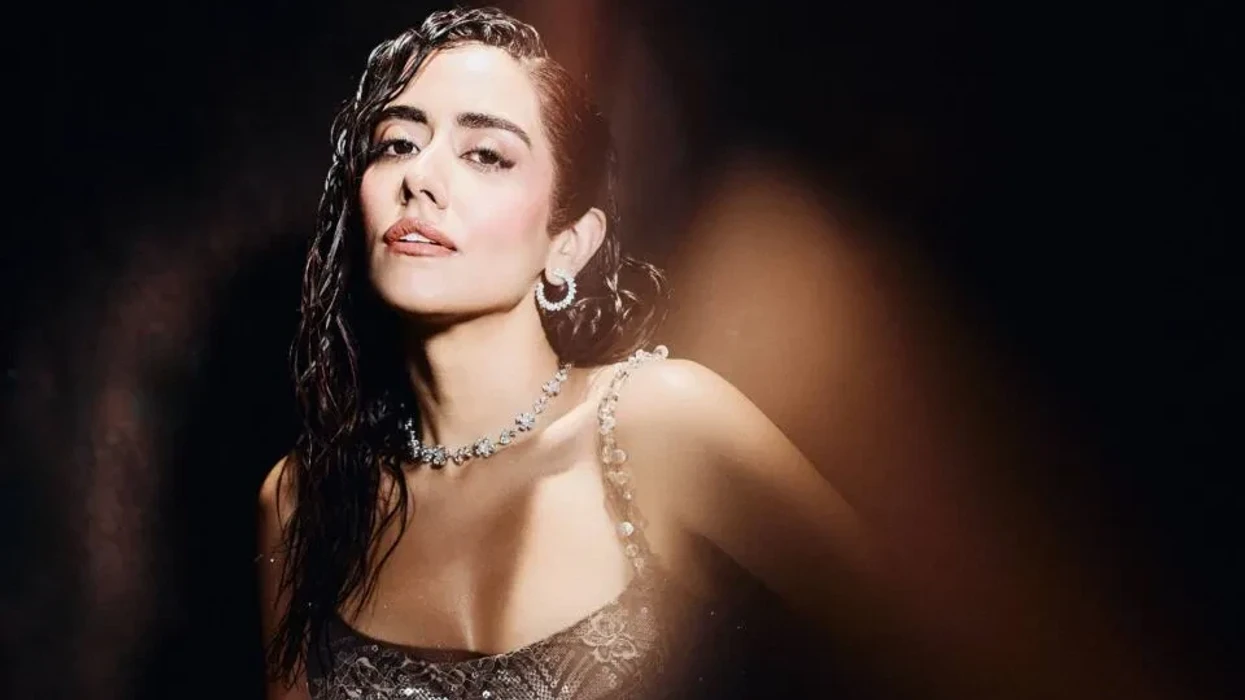
 Jonita starred in the Tamil film Idhayam Murali alongside the likes of Fahadh Faasil. Photo: Courtesy of the artist
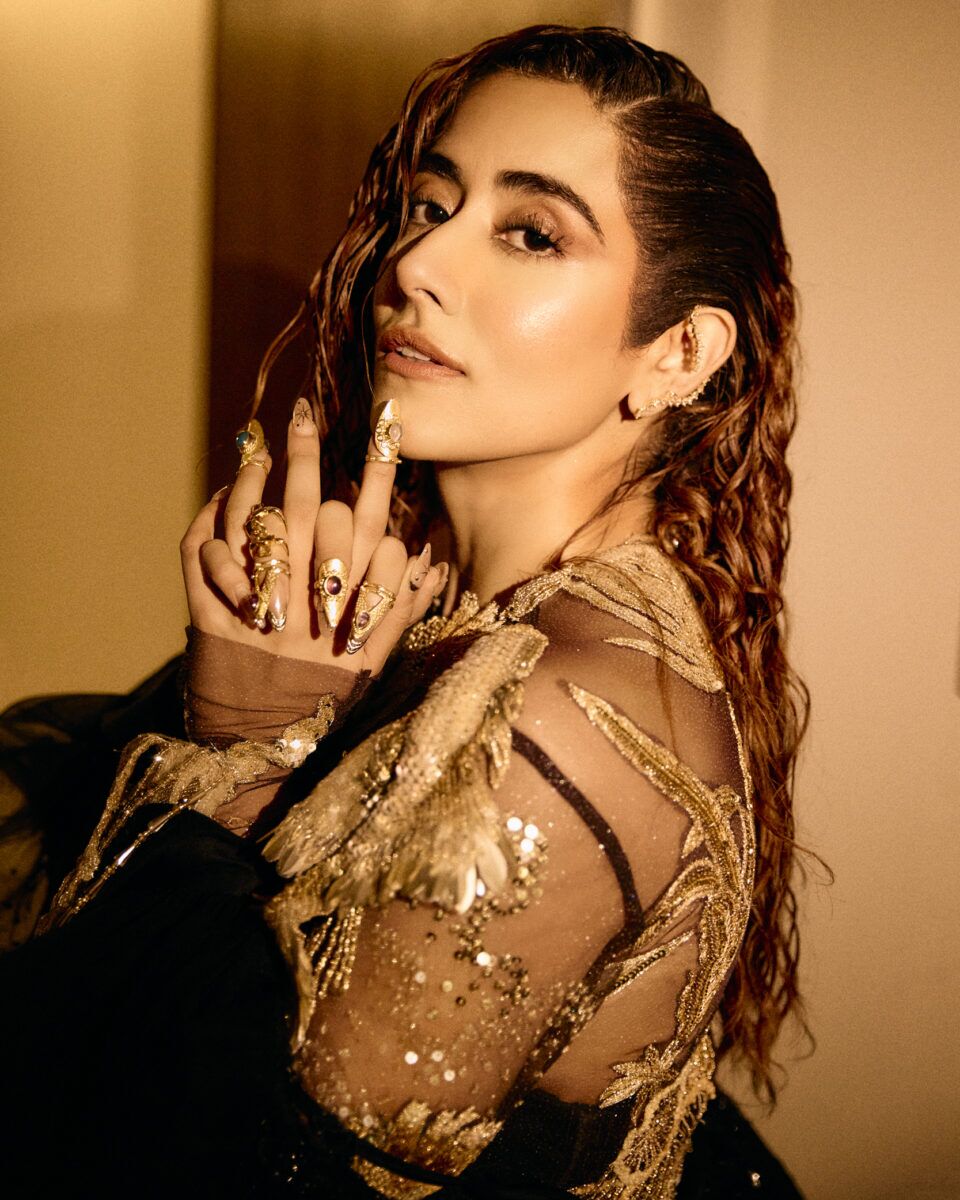 Jonita was recently on tour with Anirudh Ravichander in North America. Photo: Courtesy of the artist
 Nirvana on Nov. 12, 1991Paul Bergen/Redferns/Getty Images