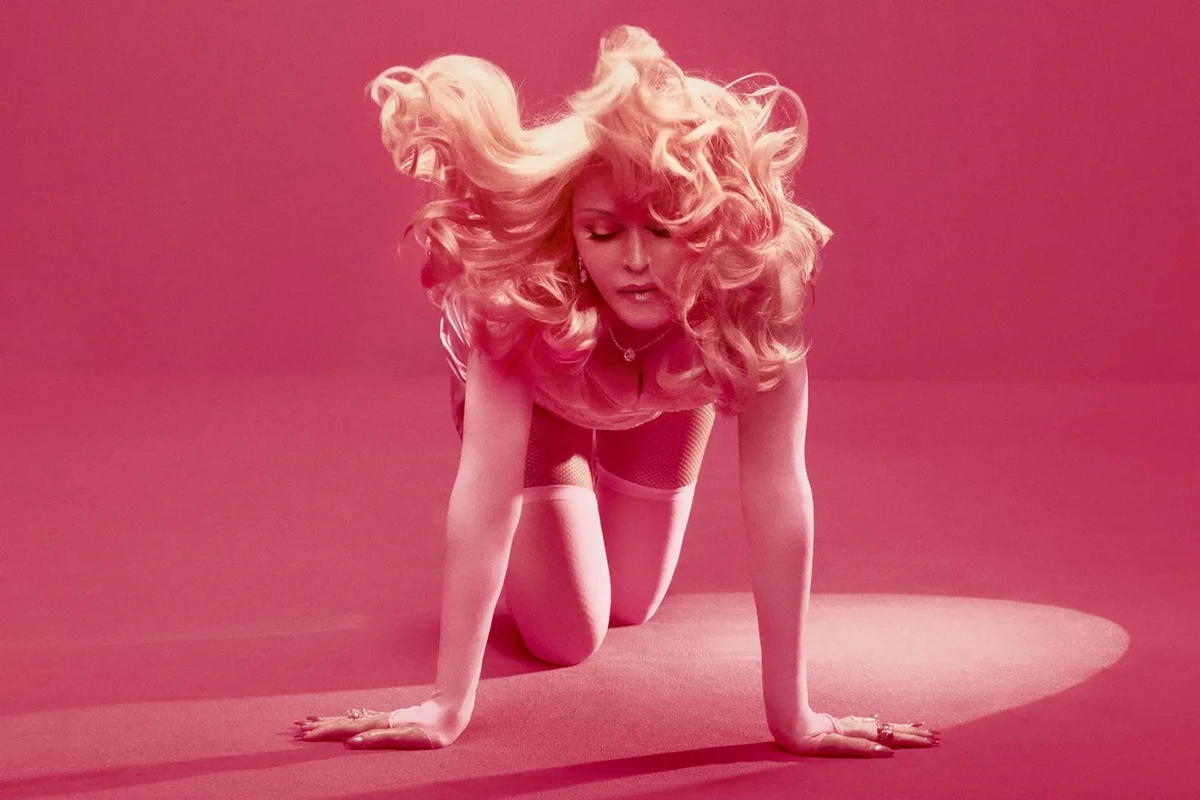

“People think dance music is just superficial,” Madonna announces early on her excellent new album, Confessions II. “But they’re all wrong. The dance floor is not just a place. It’s a threshold, a ritualistic space where movement replaces language.” That’s the threshold where Madonna has spent her whole life. Ever since she blew up in the Eighties, pop’s queen of queens has devoted her career to proving how complex, how dramatic, how ecstatic a dance floor can be.
On Confessions II, Madonna returns to the floor, the place where she always goes to rediscover herself. It’s a sequel to one of her most beloved albums, Confessions on a Dance Floor, her 2005 collaboration with the London disco master Stuart Price. But it’s also her best album since the original Confessions 21 years ago. It’s a 64-minute nonstop groove that flows like a club-DJ set, each song fading into the next, drawing from all over the history of dance music. You might hear a flicker of “I Feel Love” here, or “Apache” there, but it’s a history lesson that she turns into her musical autobiography.
She opens with a bang, in the triptych of “I Feel So Free,” “Good for the Soul,” and “One Step Away,” a 12-minute suite where she rides the electro-throb beat while pondering the inner neediness that drives her to the floor. “Sometimes I like to just hide in the shadows,” she murmurs over a groove sampling the Lil Louis house classic “French Kiss.” “I can be whoever I want to be, create a new persona. Honestly, I wish I could be like other people, and just not care — but out here on the dance floor, I feel so free.”
Stuart Price produced the whole album, with guest co-production shots from Andrew Watt, Cirkut, Mirwais, Arca, Triangle Park, Parisi, and more. Belgian artist Stromae joins her on the Catholic exorcism “My Sins Are My Savior,” while “Read My Lips” has Tainy producing and a Spanish vocal interlude from Feid.
“Bring My Love” is her heavy-breathing duet with Sabrina Carpenter, which the two stars debuted at Coachella in April. It soars on glimmers of Detroit techno, interpolating Inner City’s 1988 classic “Good Life,” as they hold their dialogue on artistic inspiration. “Bring it, Sabrina,” Madonna commands — a clever pairing, since she was ripping the man-children to shreds before Sabrina was born.
“Danceteria” is one of the album’s most delightful disco trips, her ode to the legendary Eighties New York club. She captures the thrill of the not-yet-famous party girl going out to meet her not-yet-famous friends, setting the scene with lines like “Get on the elevator/I run into Debi Mazar.” Fresh from the Midwest, she’s dazzled by all the stars she sees at the club, with downtown artists like Jean-Michel Basquiat, Fab Five Freddie, and Keith Haring. But she’s starstruck at all the music legends: “Nile Rodgers and David Byrne/The B-52s had money to burn/Lounge Lizards have so much style /Lower East Side, take a walk on the wild side,” before she goes off on her own version of the “Doo de doo” chant from the Lou Reed classic.
It’s a song saturated in different generations of New York glam cool, translated to the sweaty democracy of the dance floor. She chants the hook “Everyone here is a work of art.” But that could be a credo for her whole career, from her 1982 debut 12-inch “Everybody” to “Vogue” to “Ray of Light.” She sings about the thrill of hearing her own song boom out of the Danceteria speakers — the night DJ Mark Kamins played her “Everybody” demo tape, the moment that got her a record deal and started her whole story. As a fan, Madonna was taking it all in, from club beats to post-punk to early rap — the ultimate disco fan turned into the ultimate disco mastermind.
The original Confessions on a Dance Floor was both an obvious move and a career peak, two decades after she claimed her throne with her 1985 hit blitz of “Into the Groove,” “Material Girl,” and “Crazy for You.” But it was the last time — until now — she set out to make any kind of crowd-pleasing move. Confessions kicked off one of the weirdest eras in a career that has never been stingy with weirdness. She made a string of eccentric pop albums — Hard Candy, MDNA, Rebel Heart — before the bizarro 2019 experiment Madame X, a midlife travelogue ranging from Portugese fado to the ballet interlude to the declaration “Bitch I’m Loca.” Some of us hardcore fans happen to cherish this weird little album, but it’s understandable that the pop world was totally baffled by it.
Since Madame X, she’s done deep digs into her past, with Nineties archival projects like Veronica Electronica and Bedtime Stories: The Untold Story, as well as her career-spanning Celebrations Tour. That seems to have helped inspire the introspective, memoiristic aspects of this album. Confessions had one of her biggest, glossiest hits, “Hung Up,” the ABBA-sampling monster with the chant “Time goes by so slowly.” But she spends much of Confessions II looking back on times gone by. “Fragile” is her pained lament for her long-estranged brother Christopher, with whom she reconciled before his death in 2024. “The Test” is a moving duet with her daughter Lourdes Leon, where she apologizes for bringing her into such a crazy celebrity world. She quotes from “Little Star,” her tender 1998 love song to her newborn girl, while the adult Lourdes pledges her devotion.
“L.E.S. Girl” closes out the album with a pensive guitar ballad, on the morning after an orgiastic night in the clubs. It’s the young Madonna on the Lower East Side, waking up to the daylight in last night’s eyeliner, struggling to make the rent on Avenue B, but realizing she’ll never truly belong with the L.E.S. boy at her side. As she sings to her younger self, “The night is kind, the day is blue/Everything fades away except for you.”
After an hour of disco fireworks, “L.E.S. Girl” is a properly poignant comedown. But even at that early age, with her whole impossible career still ahead of her, she already knows she’s Madonna. She sounds like a hungry party girl ready to conquer the planet. On Confessions II, she revisits those youthful dreams — but she demonstrates smashingly how she made them come all true.
 Anthony Orosz*
 Jeff Yeager*
 Jeff Yeager*
 Brett Murray*
 Brett Murray*
 Jeff Yeager
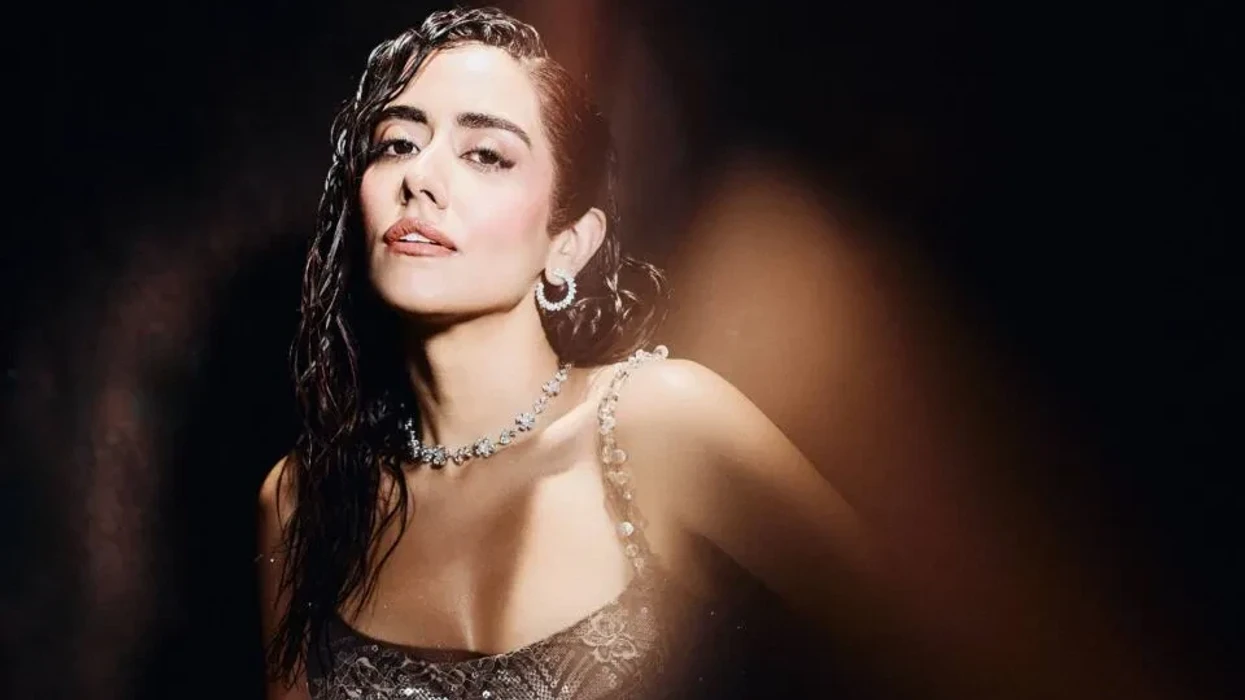
 Jonita starred in the Tamil film Idhayam Murali alongside the likes of Fahadh Faasil. Photo: Courtesy of the artist
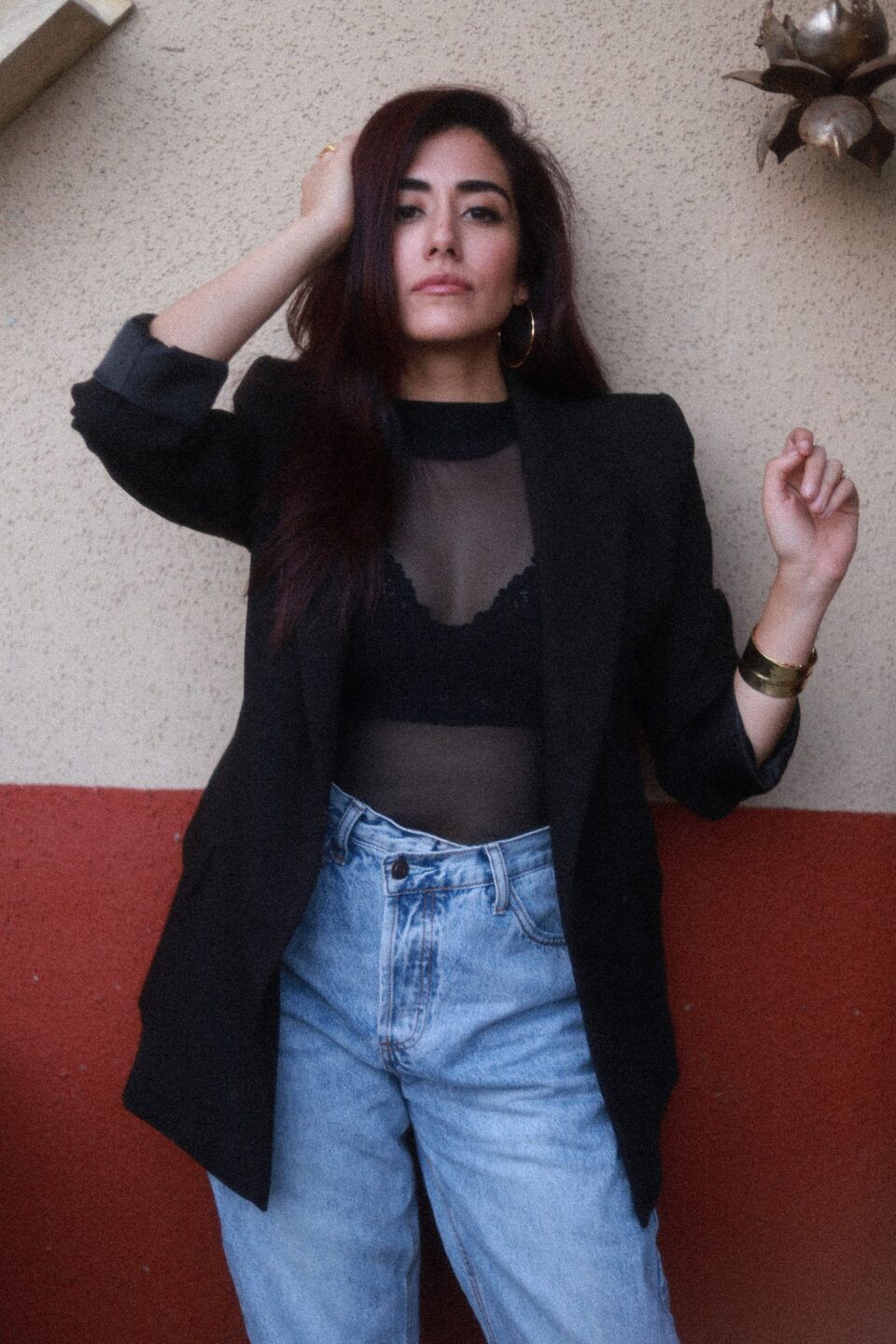
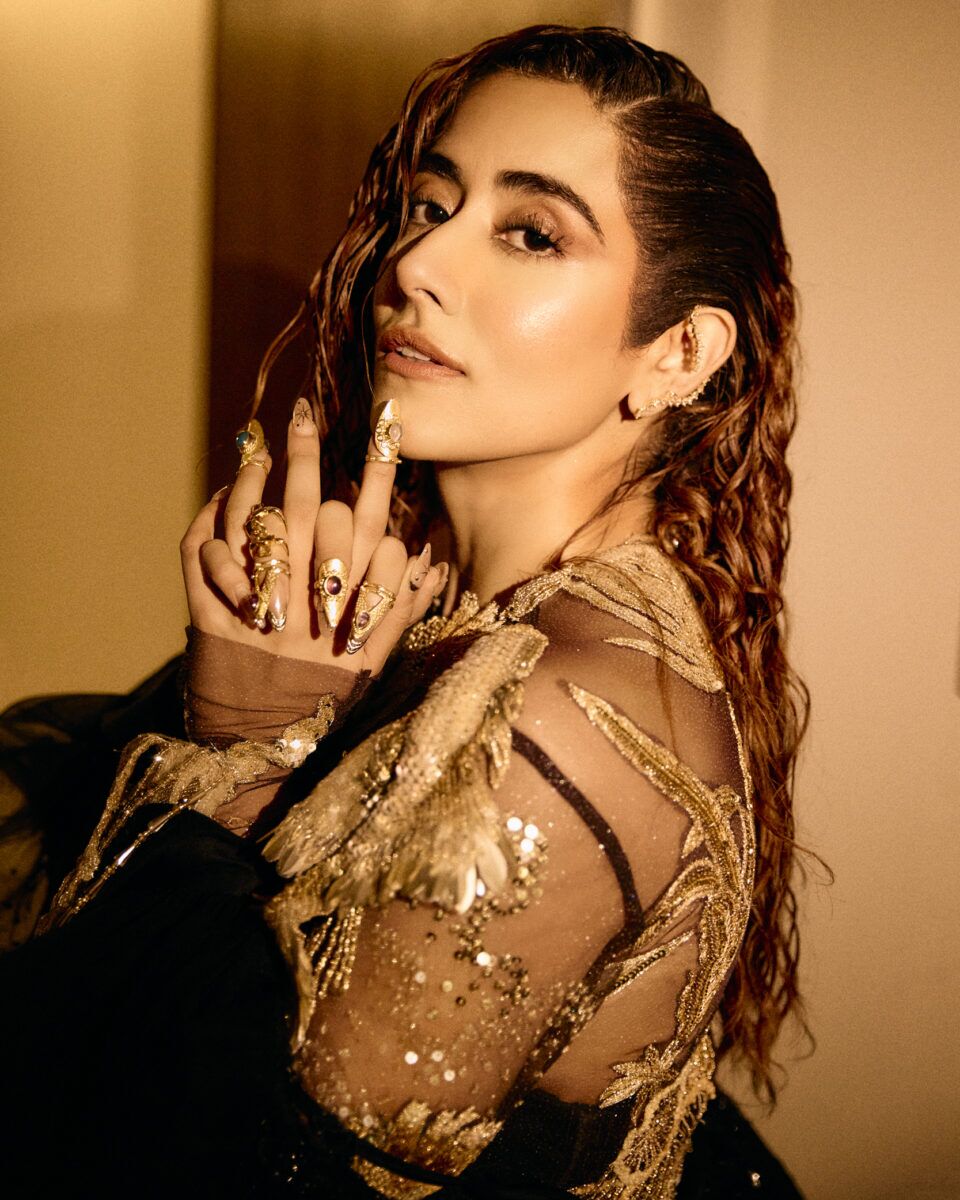 Jonita was recently on tour with Anirudh Ravichander in North America. Photo: Courtesy of the artist
 Nirvana on Nov. 12, 1991Paul Bergen/Redferns/Getty Images