
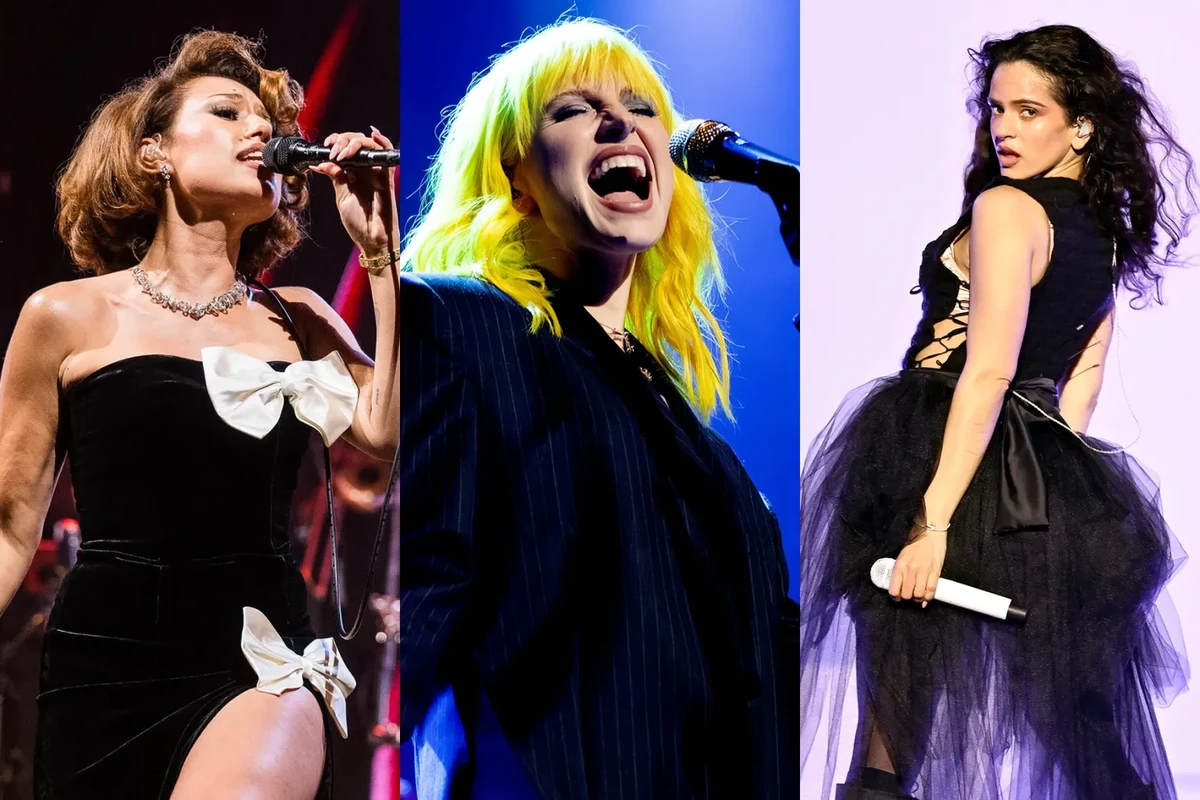

This Music May Contain Hope, the second album from British songstress Raye, makes great demands of its audience. The record nearly runs the length of a feature film and most of the 17 songs sound like they could soundtrack one. When the credits roll at the end — she thanks each and every person who helped create the record for six and a half minutes on “Fin.,” — they conclude a gloriously disorienting listening experience. For most of the album, Raye is asking you to come along as she fights and prays through despair and self-criticism to keep hope alive.
Sometimes that battle is filtered through songs that sound like show tunes or gospel hymns. In the case of “Click Clack Symphony,” they crescendo into a dizzying Hans Zimmer composition. There’s a level of patience and reciprocity the album requires from its listeners: At once confrontational and confessional, This Music May Contain Hope is not designed for detached consumption — and it’s part of a surge of recent releases that find artists creating ambitious records that encourage intentional engagement.
Last year, Hayley Williams released Ego Death at a Bachelorette Party as 17 individual singles. Fans created their own sequencing and narratives guided solely by the themes and sounds they chose. A few months later, Rosalía released Lux, a captivating 18-track record performed in 13 languages. It shares a musical complexity with This Music May Contain Hope and an interrogative spirit with The Apple Tree Under the Sea, the debut album from Hemlocke Springs released earlier this year. Each record is as all-consuming as the ideas they’re engaging with — mental anguish, faith and religion, internal and interpersonal implosion.
Raye often describes music as medicinal. Backed by the London Symphony Orchestra and Flames Collective choir on “I Know You’re Hurting,” her melodies and harmonies are bandages and sutures. When she instructs the listener to “close your eyes and let this music get to working,” she exudes the wisdom of an elder passing home remedies through generations. At a time when easier access to music often means increasingly passive listening, these albums replace momentary distraction with connection and compassion. They give the audience something to return to.
Raye included the voices of her grandparents at the start of “Life Boat.” The portion her grandfather contributes, where he says, “I’m living, not giving up,” was recorded just days before his death. More voices flood in across the next four minutes. They all repeat some variation of “I’m not giving up, yet,” some with more desperation than others. “Say it,” Raye says, stern and direct. “Say, ‘I’m not giving up, yet.’” The mantra is set against the kind of thudding club beat that defined the earliest phases of her career. Drums and synthesizers are interspersed with delicately arranged strings, but there’s something transcendent about the contours and echoes of Raye’s voice.
That kind of vocal power is something Rosalía speaks about often: Duende. The flamenco term refers to a type of enchantment delivered through an especially evocative vocal performance. It’s not necessarily about technical prowess, or precision. “There’s something so ethereal and divine about el duende,” Rosalía told The New York Times last year. “El duende is something that visits you. It’s something that comes to you.” It makes the listening experience feel targeted and personal. This funneled into Rosalía on Lux. The record unravels in a way that transcends the barrier of language.
Rosalía begins “Mundo Nuevo” in Spanish. Its translation reveals she’s searching for a hint of truth. She finishes “De Madrugá” in Ukrainian with something searching for her this time. “I’m not looking for revenge,” she sings. “Revenge is looking for me.” The London Symphony Orchestra and the Escolania de Montserrat i Cor Cambra Palau de la Música Catalana choir bolster the album, their arrangements ranging from anxious and erratic to soothing and hypnotic.
Rosalía introduced Lux with the first single “Bergain,” which splinters across German, Spanish, and English. When Yves Tumor’s voice cuts through on the song’s outro, the persistent repetition of “I’ll fuck you till you love me” is harsh and abrasive against the preceding moments. Rosalía chases that friction across Lux. Like her mix of languages, she challenges the listener with existentialism and ruminations on the afterlife. It might turn some listeners away, but the ones who stay are rewarded.
Most of the record was inspired by saints, like Teresa of Ávila or Joan of Arc. Their history adds a third layer to the depth of Lux; Hemlocke Springs similarly fixates on religious motifs on The Apple Tree Under the Sea. She weaves in medieval tales and impulsive adventures made for a storybook. Positioning herself as a character in her fantastical stories gives her audience someone to root for while creating some distance between fiction and reality.
In that sense, The Apple Tree Under the Sea shares a theatrical ease of access with This Music May Contain Hope. Raye’s cautionary tales about traitorous South London men who should be banned from WhatsApp play into the same spectacle as Springs’ “Head, Shoulders, Knees and Ankles” and “Moses.” There’s a prelude towards the end of The Apple Tree Under the Sea that features the voice of a man who sounds far away as he preaches about sin and final judgements. It gets even harder to hear him when the sounds of running horses and marching feet cut through. The suspense builds into an orchestral outro that leads into “Sense (Is),” a booming, optimistic song about making the most of a clean slate and a glass half full.
Springs’ journey is the shortest within this set of albums. It spans 10 songs in just over half an hour, but retains its complexities with winding plot twists. Where she leans into communicating through stories and allegories, Raye through a version of theater, and Rosalía essentially through multinational cathedrals, Williams’ Ego Death at a Bachelorette Party brings listeners into an excruciatingly vivid reality. The achingly haunted “True Believer” walks the streets of Nashville. It moves down Broadway and past repurposed clubs. It attends the churches and questions the rhetoric presented in them. It runs parallel to the moments across the album that brings listeners into a home with fragile glass walls.
The album’s most shattering moment arrives towards the end: “Good ‘Ol Days.” It’s not as distressing as “Negative Self Talk,” or as sobering as “Whim.” It glides along a warm groove and drops burning one-liners with pointed specificity. What fortifies it the most is an appearance from Williams’ grandfather midway through the song. “You are so tacky/I think that’s why I love you so much,” he says in a voicemail message. “I just had to call you first on my new phone/I love you, y’all have a blast, bye.” The interlude emphasizes just how interior the content of the record is, made up of real moments, people, and feelings.
There’s a false perception in pop music that the best way to connect with the masses is to keep things broad — that vague generalizations are easier for people to latch onto. But the hyper-specificity and confrontation on these albums form real connection, creating the feeling that the listener is being trusted with someone else’s secrets and struggles — and safe to embrace their own, too.
There’s bravery in how these artists are driven by conviction. They understand the reach their platforms provide, but have little interest in idolatry. They each use different formats to craft a sense of togetherness even in their most intimate moments, like it means more to show someone they aren’t alone than to tell them. They ask for patience as they remind listeners it’s commendable to try. Some people don’t come to music looking for this; it can be challenging to have an artist in your ear telling you to bring your most shattering emotions and memories to the surface. But those are the kind of records that endure over time.





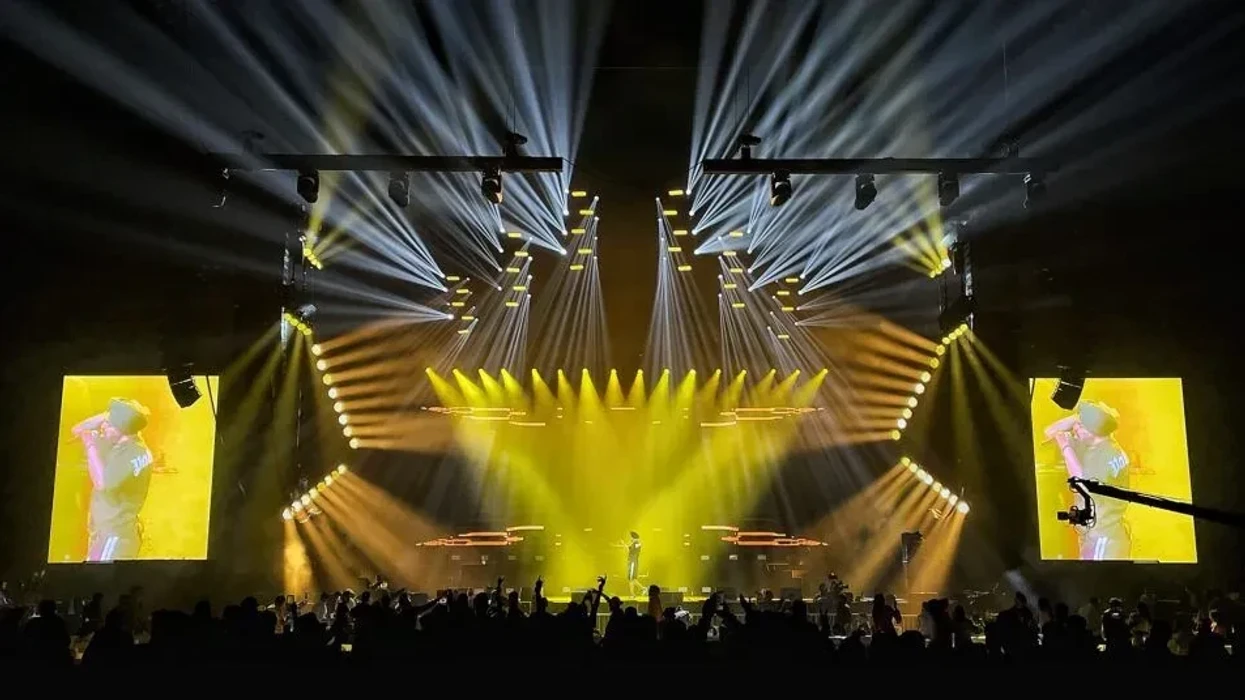
 A past show produced by The Concert Production for Sidhu Moose Wala.
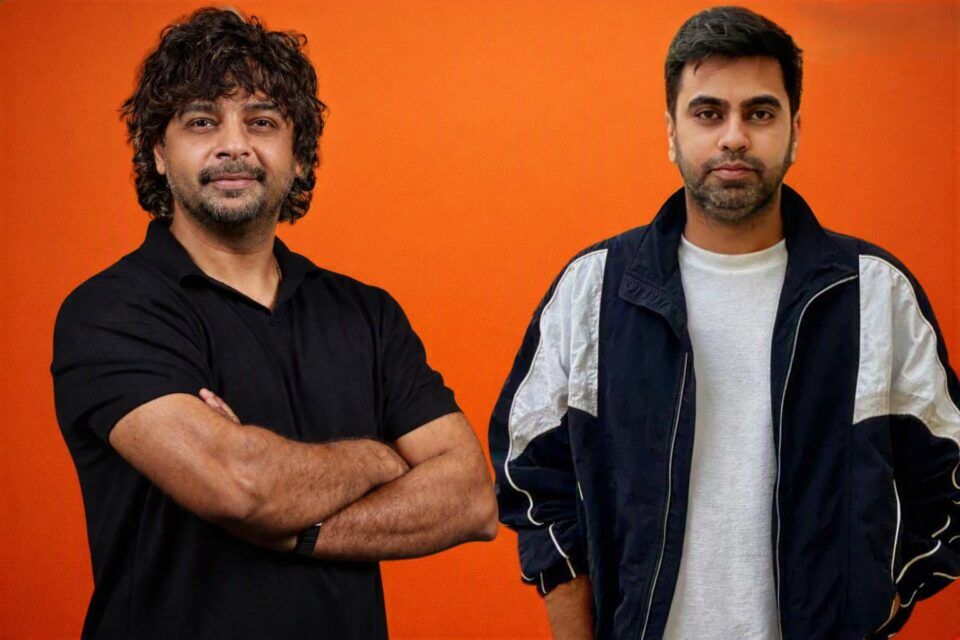 The Concert Production founders Sohail Mansuri and Zeeshan Siddiqui. Photos: Courtesy of The Concert Production
 Ye in ChicagoCambams Cam
Pop Albums Are Getting More Ambitious. Can Audiences Keep Up?
Raye, Rosalía, Hemlocke Springs, and Hayley Williams are some of the artists releasing projects that challenge fans' attention and emotions