
Skip to content
Search

Spotify Removes 75 Million Songs Identified as ‘AI-Generated Slop or Spam’

The streaming service cut the slop tracks in favor of "more music made by authentic, human artists," with 50 million more being filtered from recommendations made to listeners

Spotify Removes 75 Million Songs Identified as ‘AI-Generated Slop or Spam’

Spotify is making room for more real music as it scrapes more than 75 million songs identified as "slop or spam" from the streaming service.

Samuel Boivin/NurPhoto/Getty Images

Spotify is making room for more real music as it scrapes more than 75 million songs identified as “slop or spam” from the streaming service. The removed releases were flagged as having made “serious or repeated violations of our rules,” the platform shared in its one-year update on the plans it made to put AI protections in place for artists, songwriters, and producers.

An additional 50 million songs have been filtered out of recommendations for users following repeated complaints regarding quality. “We looked closely at the tracks listeners were skipping, ignoring, or telling us they didn’t want to hear,” Spotify shared in a recent newsletter. “A clear pattern emerged: these tracks were consistently ones identified as slop or spam.”


Prioritizing “more music made by authentic, human artists” has become a greater priority for Spotify over the past six months. Editors at the streaming service “hold the same standard and don’t program content identified as slop or spam,” the newsletter states, while additional filtering to decrease poor recommendations to users relies on “listener engagement and feedback, upload patterns, metadata, and information from multiple third-party AI detection tools.”

It takes time to develop proper detection tools. In the meantime, AI continues to evolve in music. Spotify acknowledges that “it will only get harder as generative AI evolves,” but remains committed to keeping its pulse on new tactics, like “mass uploads, duplicates, SEO manipulation, spammy playlist networks, and artificially short tracks.”

Spotify competitor Tidal announced plans earlier this year to identify and tag music found to be almost completely AI-generated. These labeled releases are allowed to exist on the platform, but not eligible for monetization. Spotify and Apple Music both previously rolled out features to identify AI-generated content, but the approach relied largely on transparency from artists and their distributors.

Spotify notes that 300,000 artists are now verified on the platform. Their profiles contain a badge to signal to listeners there is a “real, identifiable person” behind the music. Music uploaded by what the service is calling “AI Personas” are being marked with a separate badge. “AI Personas are excluded from editorial or algorithmic recommendations by default, unless a listener follows an AI Persona, for example,” Spotify said.

Further protections include the beta program Artist Profile Protection, which allows artists to review releases delivered to Spotify under their name to avoid impersonation and stream-farming. The service reports thousands of participants already with plans to open up access to more artists by the end of the year. On the fan side, Spotify has also launched a feature to list AI contributions to a song in its credits, which can be viewed directly in the app.

Removing AI slop from streaming seems to be becoming an elaborate game of Whack-a-Mole, but Spotify is down to play.

More Stories

Artists Behind Olivia Rodrigo ‘Expectations’ Music Video Debunk AI Accusations

Olivia Rodrigo performs during Daisy Chain Fields at The Great Park on Saturday, Aug. 29, 2026 in Irvine, CA

Kayla Bartkowski/Los Angeles Times/Getty Images

Artists Behind Olivia Rodrigo ‘Expectations’ Music Video Debunk AI Accusations

On Friday, Olivia Rodrigo unveiled a music video for the Chappell Roan-assisted remix of “Expectations,” though some viewers believed AI may have been involved in the video’s creative process. However, one of the art team’s designers and Rodrigo’s official fan account showed behind-the-scenes footage featuring hand-drawn 2D and 3D animations, analog treatments, and seemingly no AI involvement. (A rep for Rodrigo did not immediately respond to Rolling Stone’s request for comment.)

The AI accusations mainly sparked from a scene beginning around the three-minute mark of the video. In it, a series of retro logos and animations of Rodrigo and Roan fly through the frame. Viewers pointed to the inconsistencies on Rodrigo and Roan’s fingers as possible proof of generative-AI usage in the video.

Keep ReadingShow less
Drake Denies Stealing 'Janice STFU' Chorus
Drake on July 12, 2025 in London, England.
Simone Joyner/Getty Images

Drake Denies Stealing 'Janice STFU' Chorus

Drake is facing a copyright infringement lawsuit from Grammy-winning songwriter Aviel Calev Hirschfield, who alleges the rapper copied a chorus he recorded and sent to producers in Drake’s circle months before the release of “Janice STFU,” according to TMZ. The complaint was filed October 16 in California federal court and names the Toronto rapper, OVO Sound, UMG Recordings and Universal Music Publishing as defendants.

Hirschfield, who records as GoodbyeCalev, claims he completed his demo around January 25, 2026, and sent it to production duo FnZ and other producers connected to Drake. He says the chorus on “Janice STFU,” released in May on Iceman, matches his recording in lyrics, melody and cadence.

Keep ReadingShow less
Eminem Defends New Collaboration With ‘Old Friend’ Kid Rock: ‘Not About Choosing Sides’

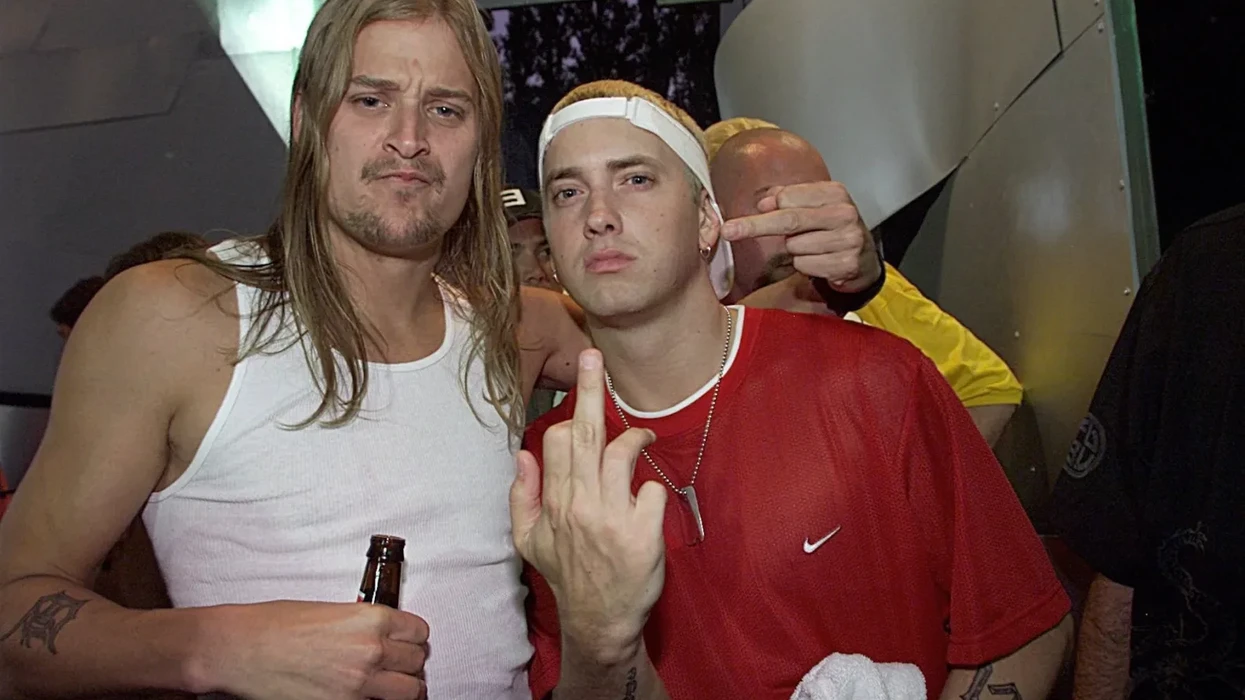
Kid Rock and Eminem (Photo by KMazur/WireImage)

KMazur/WireImage

Eminem Defends New Collaboration With ‘Old Friend’ Kid Rock: ‘Not About Choosing Sides’

Eminem defended his guest verse on Kid Rock’s new faith-based album, saying their long friendship overshadowed their political divide.

Rock released his new LP Halfway 2 Jesus on Friday, with Slim Shady — a fellow Detroit native and longtime friend of the rocker — appearing on the track “Heal My Faith.”

Keep ReadingShow less
Inside Madonna’s ‘Confessions II’: Producer Stuart Price Goes Deep on One of the Year’s Best Albums

"I think the most notable thing is just how natural the continuation was," says producer Stuart Price

Ricardo Gomes*

Inside Madonna’s ‘Confessions II’: Producer Stuart Price Goes Deep on One of the Year’s Best Albums

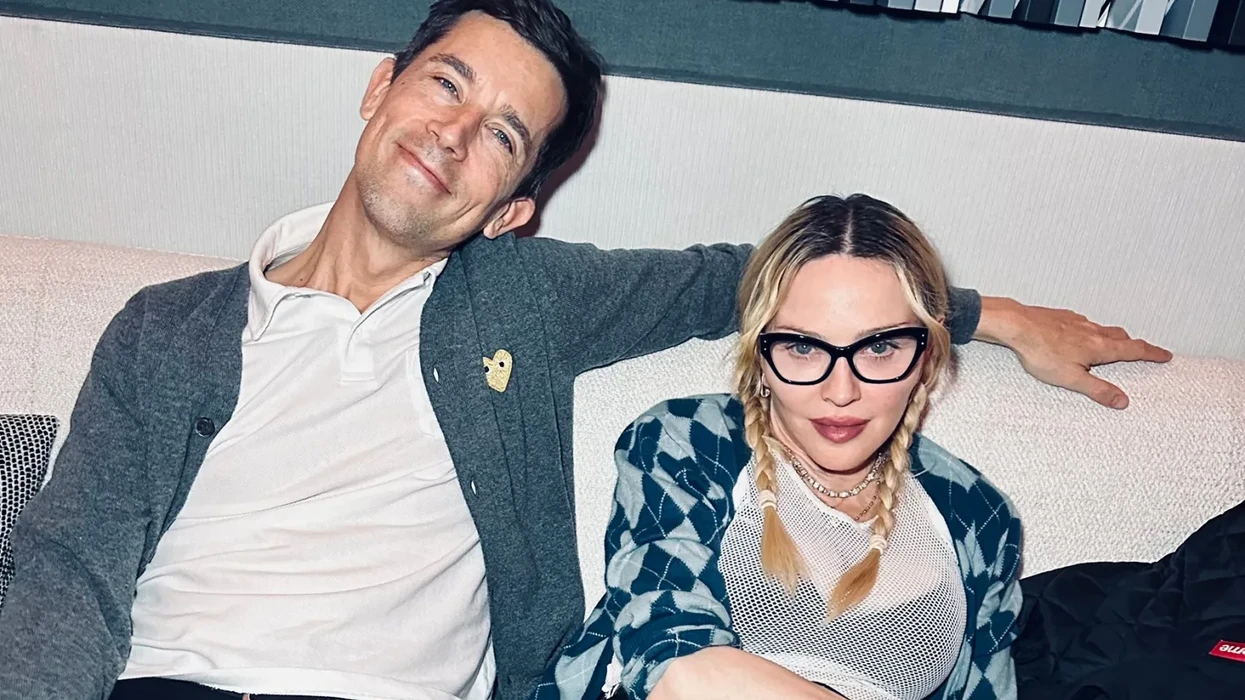
Madonna was as ambitious as she’s ever been in the studio sessions for July 3’s Confessions II, which is saying a lot. For the sequel to 2005’s Confessions on a Dance Floor, she reunited with that album’s producer, Stuart Price, and crafted a relentless DJ set of an album that also includes some of her most emotionally bare songs: a duet with her daughter Lola (“The Test”) and wrenching songs about her late stepmother (“Betrayal”) and her late brother, Christopher Ciccone (“Fragile”). She brings her full pop firepower, too, on songs from the Sabrina Carpenter duet “Bring Your Love” to the Eighties reminiscence of “Danceteria.” It all helped win Madonna Artist of the Year at this year’s VMAs, where she opened the show with a guest-star-packed performance, her first on the awards show in 23 years.

Keep ReadingShow less
Sophia Stel’s Pop Ambitions Are Stronger Than Her Nerves
Griffin Lotz

Sophia Stel’s Pop Ambitions Are Stronger Than Her Nerves

It’s a seasonally ambivalent day at Brooklyn’s Herbert Von King Park, and Vancouver-based singer and producer Sophia Stel is in need of a lighter. She’s smoking Canadian cigarettes, which, as I hand her a light blue Bic, she describes as “more polite,” taking after her fellow citizens’ pleasant disposition. She’s in town doing press ahead of her album release party this week. The record in question is called the greatest album of all time, and it feels like watching a shy kid blossom in front of a talent show crowd.

Stel first came onto the scene in 2024 with her debut EP, Object Permanence, though she says she’s made music since she was seven. For years, she psyched herself out of sharing what she was making. “It’s just so lame to be so afraid of what people think that you make all this music for years and never release it because you’re scared it’s not perfect or something,” she says. Releasing those first songs helped put the stakes in perspective: “If you drop a shitty EP, you’re going to be OK.”

Keep ReadingShow less