
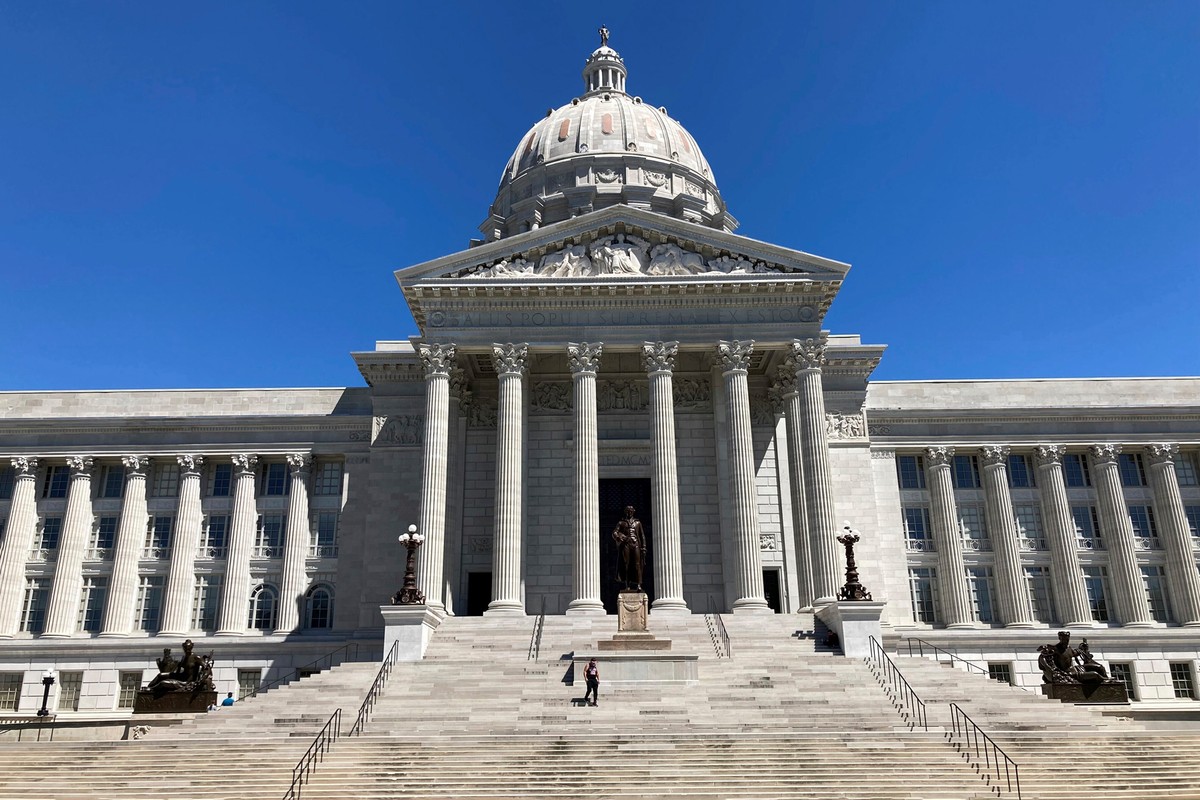

Holly Thompson Rehder was a sophomore when she dropped out of high school and married her 21-year-old boyfriend. Today, she’s a GOP state senator and the sponsor of a bill that would ban child marriage in Missouri — a bill that she has been surprised to see blocked by her Republican colleagues who argue there is nothing wrong with the practice.
“I know firsthand. I was married at 15. My sister was married at 16. My cousin was married at 16,” Rehder says. “I understand how a teenage girl being married off is harmful to her life, and sometimes that’s hard for others who haven’t seen that, up close and personal, to understand.”
Marriage is currently legal in Missouri at age of 16 with at least one parent’s consent. That’s a relatively recent development: Missouri lawmakers only banned marrying children who were 14 years old or younger in 2018. Fifty lawmakers — 38 Republicans and two Democrats — voted against that bill at the time. Before the 2018 legislation passed, Missouri had one of the laxest child marriage restrictions in the country, which, some argued, made the state a refuge for sex trafficking.
Rehder, along with state Sen. Lauren Arthur (D), introduced a bill that would outlaw marriage for anyone under the age of 18. The bill, which passed the GOP-controlled Senate 31-1 earlier this year, has stalled in House — the Government Efficiency and Downsizing committee, specifically — where half of the committee’s 14 members have opposed it.
Among the bill’s opponents is Rep. Hardy Billington (R), who told the Kansas City Star he believes that ending child marriage in Missouri would encourage abortion. “My opinion is that if someone [wants to] get married at 17, and they’re going to have a baby, and they cannot get married, then… chances of abortion are extremely high,” Billington said. (Missouri bans abortion at any stage, except when the life of the pregnant person is at stake.)
This argument — that child marriage must be preserved to prevent abortion — seems to be gaining currency with Republicans across the country as they consider laws to raise the marriage age.
The United States does not have a federal law setting the age of marriage. The marriage age is set by states, and only 12 of them have banned child marriage. (Those states: Connecticut, Delaware, Massachusetts, Michigan, Minnesota, New Jersey, New York, Pennsylvania, Rhode Island, Vermont, Virginia, and Washington.)
A 2021 study by the advocacy group Unchained at Last found that 300,000 minors were married between 2000 and 2018 in the United States. According to the group, 60,000 of those marriages involved an age difference that would have otherwise been considered a sex crime.
The vast majority of these minors were 16 or 17 years old, and most were girls wed to adult men who were four years older than they were, on average. There were five documented instances of children as young as 10 married in the U.S. in the period studied.
Several states legislatures have recently considered bills that would raise the marriage age recently — but they have run into opposition from Republican men who often cite abortion as the reason.
On the New Hampshire House floor last week, state Rep. Jess Edwards (R) argued against raising the marriage age from 16 to 18, by asking whether a law preventing people “of ripe, fertile age” from getting married would thus make “abortion a much more desirable alternative” than being pregnant out of wedlock. The bill, which had already passed the state Senate unanimously, narrowly made it through the House, with 192 votes in favor and 174 against. It now awaits the signature of Republican Gov. Chris Sununu.
Last year in West Virginia, a bill that would have raised the minimum age to obtain a marriage license passed the House of Delegates with overwhelming support, was defeated in the Senate Judiciary committee. Among the bill’s opponents was Republican state Sen. Mike Stuart, who shared that his mother married at age 16, and gave birth to him six months later. “I’m the luckiest guy in the world,” he said. The proposal, which raised the marriage age to 16 with parental consent, was ultimately resurrected and signed into law.
In Wyoming last year, when state lawmakers were considering a bill to raise the minimum marriage age to 16, the Republican Party sent out an email citing talking points from the religious group Capitol Watch for Wyoming Families that asserted: “Since young men and women may be physically capable of begetting and bearing children prior to the age of 16, marriage MUST remain open to them for the sake of those children.” (The bill ultimately passed.)
Missouri’s Rehder, who became pregnant shortly after she was married at 15, doesn’t accept this argument. “I think there is no correlation” between child marriage and abortion, she says. “As a woman who was married at 15, who was pregnant at 15, you’re either pro-life or pro-choice. Your marriage status doesn’t have anything to do with either being pro-life or pro-choice.”
Another thing Rehder won’t accept? The possibility of her legislation dying in committee. While the bill that would raise the marriage age to 18 remains stalled with one week left in the legislative session, Rehder — who is currently running for lieutenant governor — has a plan to see it voted on next week.
“I’m tenacious, and I don’t give up until the last bell rings,” Rehder says. “I’ve got a bill that I’ve been working on [about] sex trafficking and foster children benefits. I’ve got it moving in the House, and I’m working to try to get this language for the marriage age added [as an amendment] to it.”
Rehder expects that bill, which has already passed out of committee, to come to the House floor on Monday, where she believes it might succeed. Proposing it as an amendment on the floor, she says, “will give us a larger pool of votes to pull from, and more women voting on it,” she says. “My hope is that we can still make this happen.”








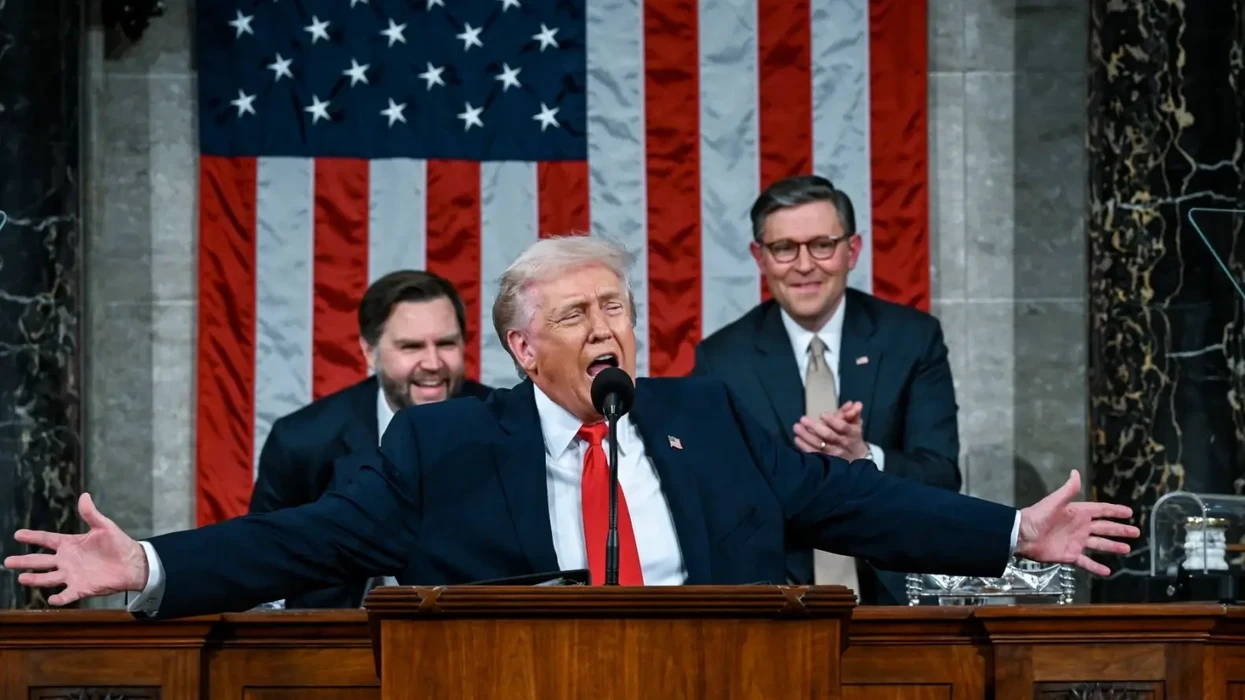

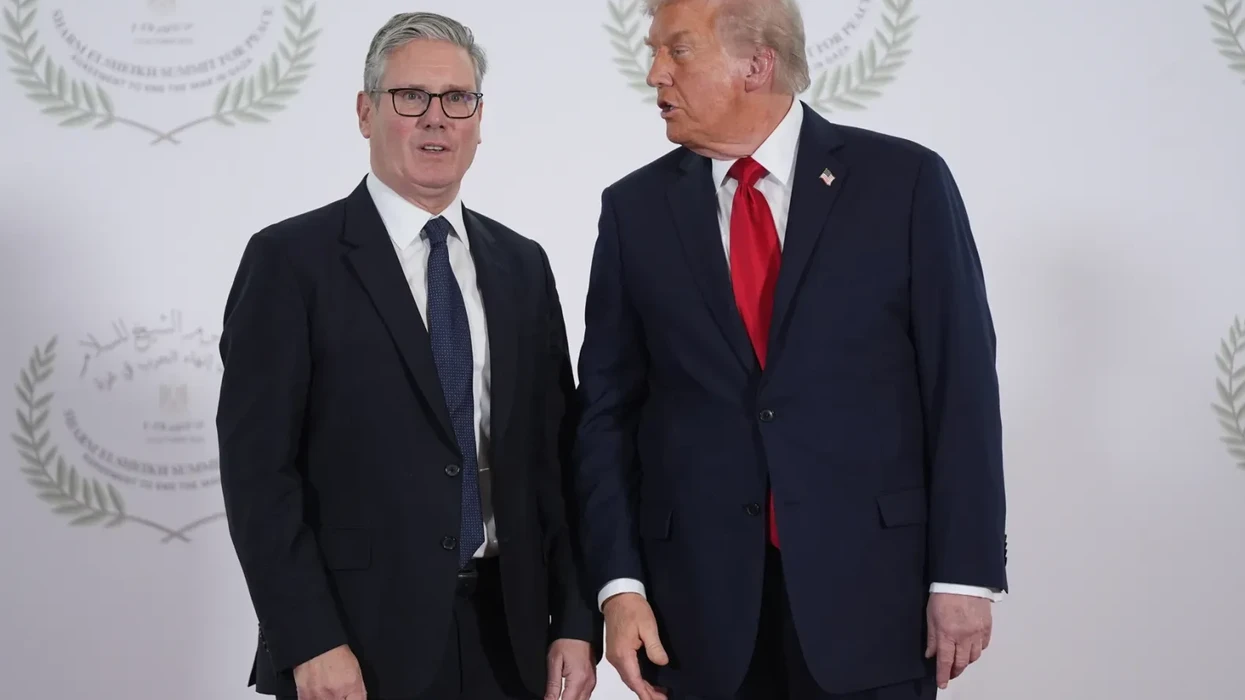

War Is Peace: Trump’s Regime-Change Reversal
As American and Israeli rockets fly into Tehran, with the stated goal of regime change, anyone who bought into the self-evidently absurd idea of “Donald the Dove” ending America’s forever wars ought to be suffering from a bloody form of buyer’s remorse.
It was always bullshit. But that’s what the Trump team was selling hard. Take human ghoul Stephen Miller’s tweet days before the election: “Kamala = WWIII. Trump = Peace.”
The Trump team reads George Orwell’s 1984 like an owner’s manual and so of course “war is peace.” Their undermining of NATO and the dismantling of American alliances in favor of a “might makes right” foreign policy executed by a sycophantic kakistocracy is a guarantee of more war amid autocratic power grabs worldwide, with a side order of corrupt crony capitalism to profit from the chaos.
If you voted for Trump and believed him, this is on you. And that includes self-styled Palestinian peace activists who thought that Biden and Harris were the worst of all possible worlds and stayed home. We will no doubt see protests for the innocent lives lost in these strikes — but I’d have a lot more time for those folks if they were also seen protesting the estimated 20,000 to 30,000 Iranian lives snuffed out by murderous mullahs in the last few months alone.
The Islamic Republic of Iran has been despotic and dangerous from its inception. The Iranian people have been oppressed and denied basic freedoms for decades. But this is an extreme example of a war of choice. The American military strikes against Iran’s nuclear weapons facility last year were justified because Iran cannot be trusted with a nuclear weapon. That is true. But the much trumpeted total obliteration of those facilities is apparently not true — or so goes the justification for this war. And don’t forget that it was Trump who pulled the U.S. out of an Obama-era deal to stop Iran from developing weapons — arguing absurdly that the imperfect anti-nuke deal needed to be blown up to stop Iran from developing a bomb. Iran’s subsequent progress toward a bomb then created the rationale toward these strikes. This is a self-inflicted state of emergency. Peace is war and war is peace.
Pity the willful dupes in Congress who deluded themselves into thinking that Trump deserved the Nobel Peace Prize. They’ll probably rationalize that he would’ve been peaceful if he got the honor. Now it will be read as a cautionary tale for not sucking up. The chairman of the Board of Peace is now bored of peace. While Rand Paul remains admirably consistent, it’s Lindsey Graham who is pirouetting around the Senate floor while the Gimp Speaker Mike Johnson is unable to speak for the basic constitutional principles of separation of powers let alone authorization to go to war.
If you’re feeling shell-shocked trying to keep up with Operation Epstein Distraction, get ready for the inevitable next crisis — regime change without a plan for replacement. This is what the Trump administration did in Venezuela — kidnapping the socialist dictator Maduro but keeping his regime in place in exchange for crude oil access. The opposition is still in exile and its leader María Corina Machado gave her Nobel Peace Prize to Trump in exchange for exactly nothing.
One of the clear lessons of history is that if you don’t win the peace, you don’t win the war. The Saudis and their Sunni allies will back the U.S. and Iran because they hate the Shia Iranians (who, incidentally, are not Arabs), but beyond removing the Iranian regime, the plans for replacement and stabilization seem TBD — and with Trump’s inability to stay focused on anything beyond his immediate self-interest, solid plans are unlikely to emerge. Maybe a leader will come from the underground opposition; maybe it will be the Shah’s son, who has been living in the U.S. waiting for a restoration like many members of the diaspora. The upside is that Iran has a distinguished history and an accomplished Persian culture: The Islamists don’t represent the entirety of the people of Iran and never have.
But the path ahead will be messy at best. It will require concerted effort and civil commitment, not just an open call for private investment from Mar-a-Lago members. If the United States is now kidnapping and killing dictators without direct provocation, it establishes a dangerous precedent which will come back to bite us after demolishing our moral authority in the world.
It is the unexpected effects, the cascades of consequence where we cannot always plan ahead, that cause most responsible statesmen to try to keep the peace. But Trump has the carelessness of a rich-boy bully who can always buy or bluster his way out of trouble. He’s a con man who has found his ultimate mark in his followers, who fool themselves into thinking that a reflexive liar is the one man with the courage to tell the truth.
Perhaps the most prominent example is the vice president himself — a bright guy who not that long ago compared Trump to Hitler and a deadly narcotic but then convinced himself that careerism demanded an abrupt conversion. After all, he endorsed Trump less than two years ago with this very serious column headlined “Trump’s Best Foreign Policy? Not Starting Any Wars,” explaining, “He has my support in 2024 because I know he won’t recklessly send Americans to fight overseas.”