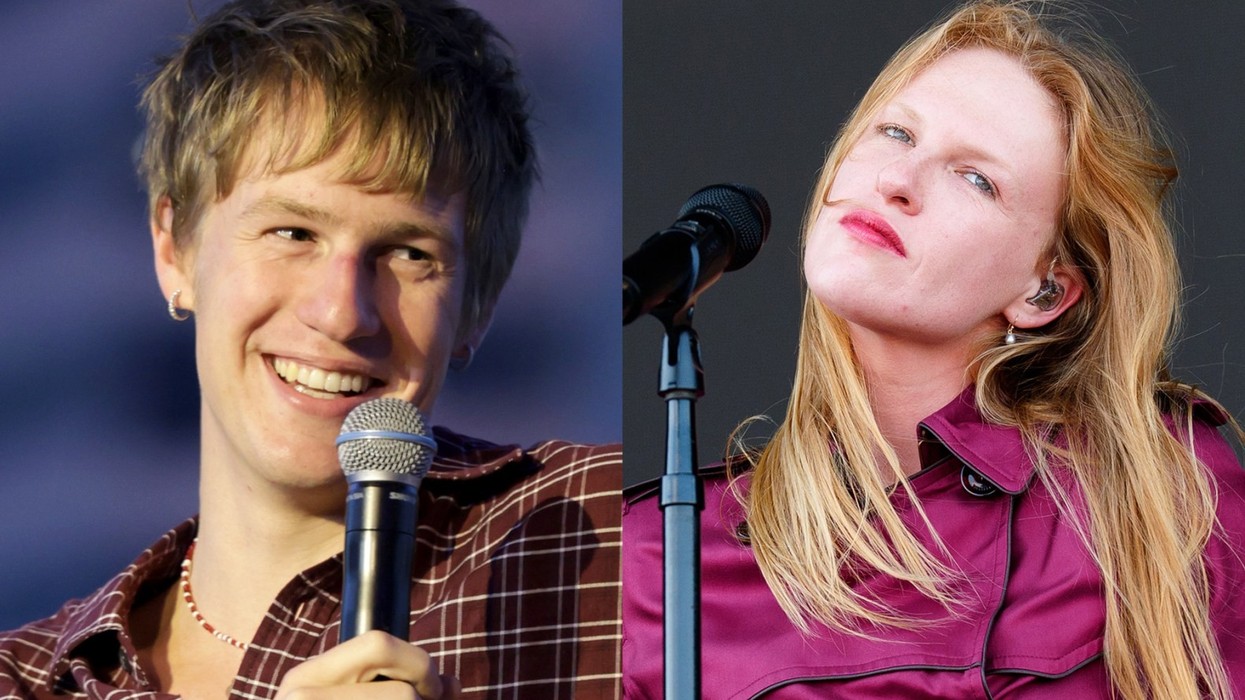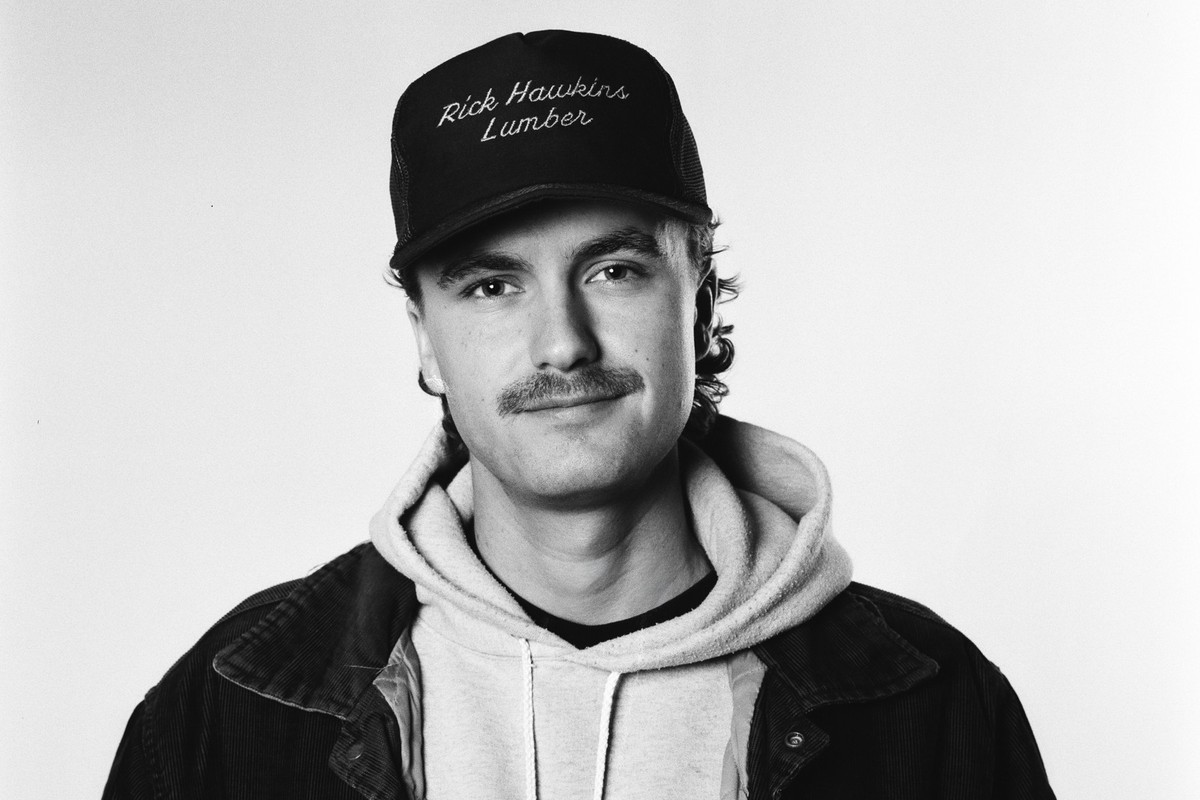

Raised in the small farming community of Mildmay, Ontario, Owen Riegling didn’t come up through the industry as much as he worked his way into it. Years spent playing bars and building a local audience laid the groundwork for what followed — from winning the Boots & Hearts Emerging Artist Competition 2022 to the breakout success of his platinum-certified single “Old Dirt Roads” and a run of over 100 shows across Canada. His latest album In The Feeling captures a period of transition shaped by life on the road, his recent marriage, and a growing sense of distance from home.
What hasn’t changed is how he approaches the music. Even as the scale shifts, Riegling continues to write from a place that feels close to him — treating each song less like a bid for momentum and more like a record of where he’s at. In a moment where country is opening up in every direction, that instinct to stay grounded is what sets his trajectory apart.
You built momentum through Boots & Hearts and a grassroots audience before things scaled. Do you think that path changes how you make decisions now compared to artists who start inside the system?
I don’t think I would be where I am today without the work I put in before anyone was watching. I spent so many hours in the corner of bars playing for people who didn't care. I gained a lot of confidence through that process and really started to find my voice there. Looking back at my career some of my fondest memories were during those times and I wouldn't want it any other way.
Country is expanding globally, but a lot of it is polished. What do you feel is missing from the current moment?
I don’t think there has ever been a better time to be a country artist; it feels like there are no rules anymore and you can really let the music that influenced you shine through. Lyrically, I feel like we could use some self-deprecating male artists; there are already enough people trying to look cool out there.
Your songs are very place-driven. As your audience widens, do you feel any pressure to step away from that specificity?
I don’t think about that. If it feels good as I’m writing it then that's what I chase. I think now that I’m out on the road most of the time, getting to see new places and meet new people, it’s hard not to widen my story lyrically.
When people position you as part of country’s “next wave,” what do you think they’re misunderstanding about where you actually sit?
I think ‘next wave’ sometimes makes it sound newer than it actually is. I’ve been doing this a long time now. Playing bars, driving myself to shows, learning the hard way. I don’t take it as a bad thing; I just think they’re missing all the reps that got me here. I don’t feel like I’m arriving, it just feels like I’m doing what I‘ve always done and now more people are aware of it.
There’s a version of success in country right now that’s very visible. What does success look like to you that people don’t really see?
To me, the marker of success has always been ‘Can I make a living playing music? Is music my career?’ and being able to answer both of those questions with ‘yes’ is success to me. I feel weird calling this a job because it's the thing I used to do in my free time after getting off of my real job. I’m blessed that things worked out the way they did, and as long as I get to wake up next to my wife and report to the writing room or the studio or the stage, I will be a happy man.
Has there been a moment recently where you’ve had to choose between what feels true to you and what would move things forward faster?
I think about this a lot, and I’m thankful to have a team of people around me that allows me to do it how I want to do it. Sure, there are more radio-friendly songs out there that I could cut that would likely push the needle faster. But I fear looking and listening back in 20 years to songs I don’t like. I want to treat my music like chapters in a book, time stamps on my life. In The Feeling is a timestamp on this coming-of-age era of my life and every time I listen to these songs, I’m reminded of that.
What are your thoughts about the Future of Music in Canada?
I think music in Canada is in a great place; we have some of the biggest stars in the world, and some of the most talented developing artists. Having the support of Canada has been a huge blessing in my career and I definitely wouldn't be where I am today without it.