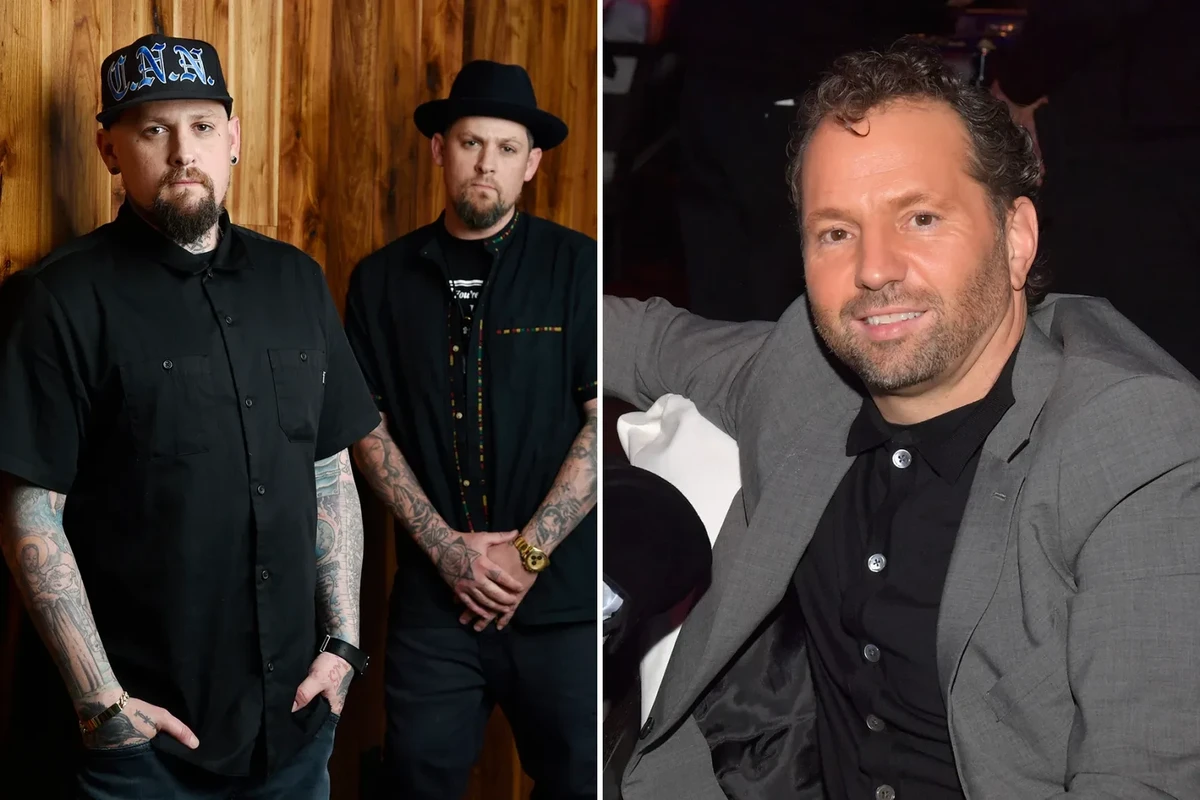

Veeps, the livestreaming platform founded by Good Charlotte’s Joel and Benji Madden and now majority-owned by Live Nation Entertainment, has reportedly eliminated much of the editorial staff behind Alternative Press, BrooklynVegan, Revolver and Goldmine, marking another major shift in the increasingly fragile music media landscape.
The four publications remain online, but their editorial teams and regular contributors have largely departed, bringing an end to the day-to-day operations that shaped their coverage and communities over the years.
Each publication played a distinct role in documenting different corners of music culture. Founded in 1985, Alternative Press became one of the defining publications for alternative, punk, emo and hardcore scenes, covering the rise of bands including My Chemical Romance, Fall Out Boy and, ironically, Good Charlotte. For generations of fans (and a vast majority of music writers) the magazine served as a guide to emerging artists and underground movements before they reached the mainstream.
BrooklynVegan, launched in 2004, became one of the most influential independent music websites of the indie era, with a focus on new artists, underground scenes and live music coverage. Its concert photography, festival reporting and daily news updates made it a key resource for fans and musicians alike.
Revolver, founded in 2000, built a devoted following around hard rock and heavy metal, while Goldmine, established in 1974, was a trusted and respected source for collectors, vinyl enthusiasts and fans of classic rock history.
The changes come as music media continues to face significant economic challenges. Over the past decade, many publications have reduced staff, moved away from traditional editorial models or shifted toward branded content and other revenue streams as advertising revenue has declined.
For independent and specialist music outlets, this is a heavy blow. While streaming services and social media platforms have transformed how audiences discover artists, traditional music journalism has continued to play a vital role in providing context, criticism and long-form storytelling.
Veeps entered the publishing space after acquiring Alternative Press in 2022, later adding Revolver and other music media brands to its portfolio. The company’s expansion into editorial was thought to be part of a trend of entertainment companies investing in direct relationships with fans through content, live events and digital platforms, something Veeps would have been well positined to do. After Veeps was acquired by Live Nation in 2023, the company became part of one of the largest entertainment organizations in the world, with operations spanning concert promotion, venues, ticketing and artist services.
The restructuring of Veeps’ editorial operations fuels the ongoing uncertainty surrounding music journalism at a time when audiences increasingly consume music news through social platforms, newsletters and creator-driven channels. For publications built around specialized communities, maintaining a dedicated editorial staff has become increasingly difficult.
The Madden brothers built their early career singing about the vacuity of celebrity culture. They now lead a company that created a problem even they couldn’t have imagined all those years ago: what happens when every part of music, from concerts to content, becomes part of a larger corporate machine.
Every generation of music has been preserved by people who cared enough to document it before there was money attached. Even when they didn’t necessarily like or care for it. The writers covering basement shows, regional festivals and strange new scenes are often the ones creating the historical record. Dozens of journalists doing some of the most crucial reporting in the music industry are now left without a job, because a company that profits off that industry doesn't consider independent and up-and-coming artists to be valuable or profitable enough.
The tragedy is not that a corporation decided four important music publications were no longer worth the investment. That has become an all-too-familiar story; ask anyone who works in media. The true tragedy is that the people who spent years documenting the culture were treated as disposable by the very industry they helped build.
In 2002, the Madden brothers asked us to question a world where money could buy influence, credibility and attention. Nearly a quarter-century later, the music business is still wrestling with that issue. The difference is that now, fewer people remain to write about it.