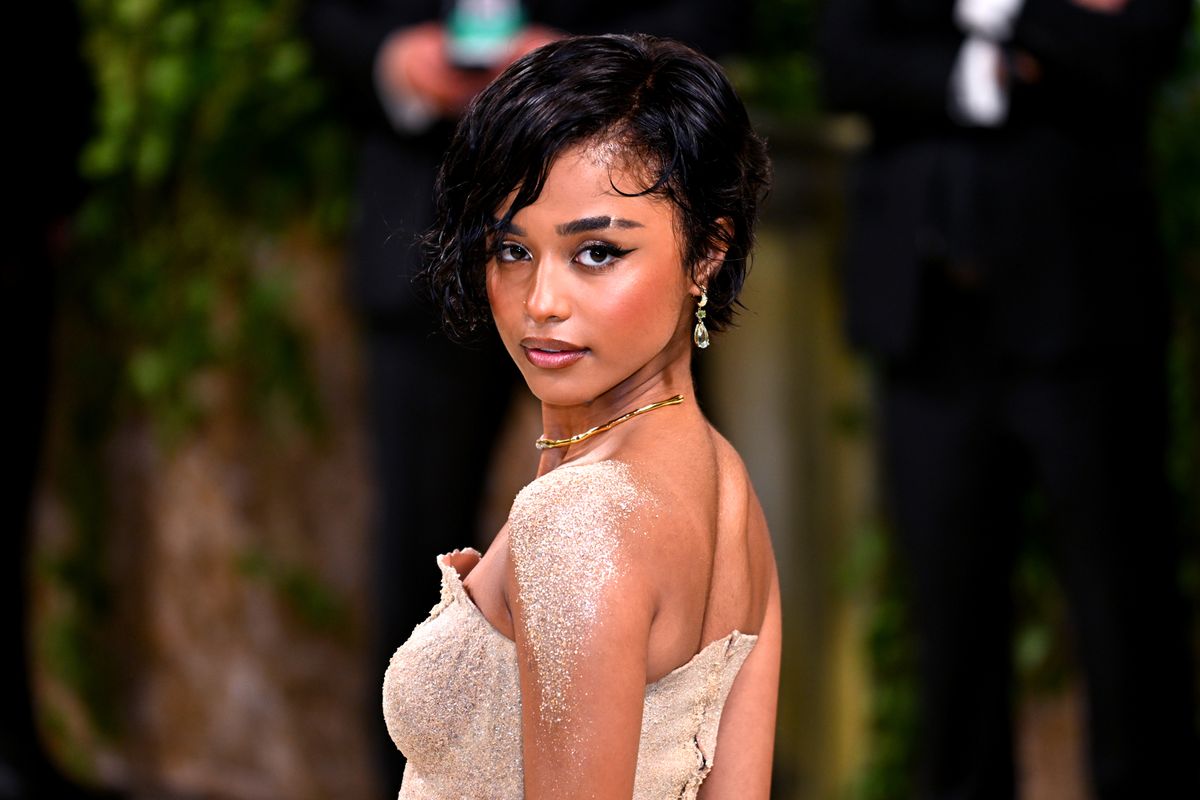

On Thursday’s episode of radio show The Breakfast Club, Tyla refused to answer a question she had spoken to publicly at least twice before: What does it mean that she calls herself a Coloured woman from South Africa? Of course, controversial host Charlamagne tha God framed the query in context of tense discourse that’s erupted around her racial identity since the 22 year-old Grammy winner took the world by storm with “Water.”
“School me on these debates that they be having,” he said, prefacing his question. In response, Tyla looked behind her and a voice off-screen answered for the singer, and said: “Can we not, por favor?” Charlamagne agreed to move on, but mentioned that the moment would be left in the published interview. “Next one, please,” the voice asked after Tyla looked back again.
The debate referenced is one that questions Tyla’s Blackness as a Coloured woman and hasn’t always made room for differences in racial identity in different parts of the world. After the Breakfast Club interview circulated, Tyla took to X, formerly Twitter, with a screenshot of an iPhone note to explain: “Yoh guys,” she says. “Never denied my blackness, idk where that came from…I’m mixed with black/Zulu, irish, Mauritian/Indian and Coloured.” She delineated that her Coloured identity is unique to where she’s from. “I don’t expect to be identified as Coloured outside of [South Africa] by anyone not comfortable doing so because I understand the weight of that word outside of SA. But, to close this conversation, I’m both Coloured in South Africa and a Black woman. As a woman of the culture, it’s ‘and,’ not ‘or.'” She ended with an enthusiastic “Asambe”: Zulu for “Let’s go!”
As she alludes to, some American observers have taken offense to Tyla calling herself Coloured, because in the US, and without that crucial (but undetectable in live speech) “u,” colored is a dismissive term for Black from the racist Jim Crow era. In South Africa, however, “Coloured” signifies that someone is of mixed ethnic descent, most often including White and indigenous African or Southeast Asian heritage. And, as racial identity does in America, “Coloured” also signifies a sociopolitical status; that a person was likely a descendant of people from different class backgrounds as well. During the violently racist Apartheid regime in South Africa that lasted until the early 1990s, Coloured people, like Black Africans there, were stripped of many rights to land, vote, work, and safety.
In a TikTok from 2020, far predating her international fame but recirculated since, Tyla put her hair in the Bantu knots of her indigenously African Zulu people and proudly explained that as a Coloured woman in South Africa, her heritage is multicultural (though perhaps better said as multiethnic since culture and race or nationality are not always synonymous). To put it in American terms: she’s mixed or biracial … but she’s not American and she hasn’t usually called herself that. The idea that she doesn’t identify as Black at all may have gained ground because she doesn’t identify as Black in this particular TikTok.
@tyla_ #celebratemzansi let’s see you guys join the challenge💕 #african #heritageday #heritagemonth #africa
What she has said, however, and repeated, is that she never denied her Blackness herself — people online did that for her. “I’m happy there’s a conversation happening and that people are learning that Africa is more than just Black and white. Obviously, it gets messy and no one likes that, but I’m just happy people know we exist and have our own culture,” she said, discussing her race and the fervor around it with Cosmopolitan. “It’s just that I grew up as a South African knowing myself as Coloured. And now that I’m exposed to more things, it has made me other things too.”

 Drowster
  Drowster
  Drowster
  Drowster
  Drowster
 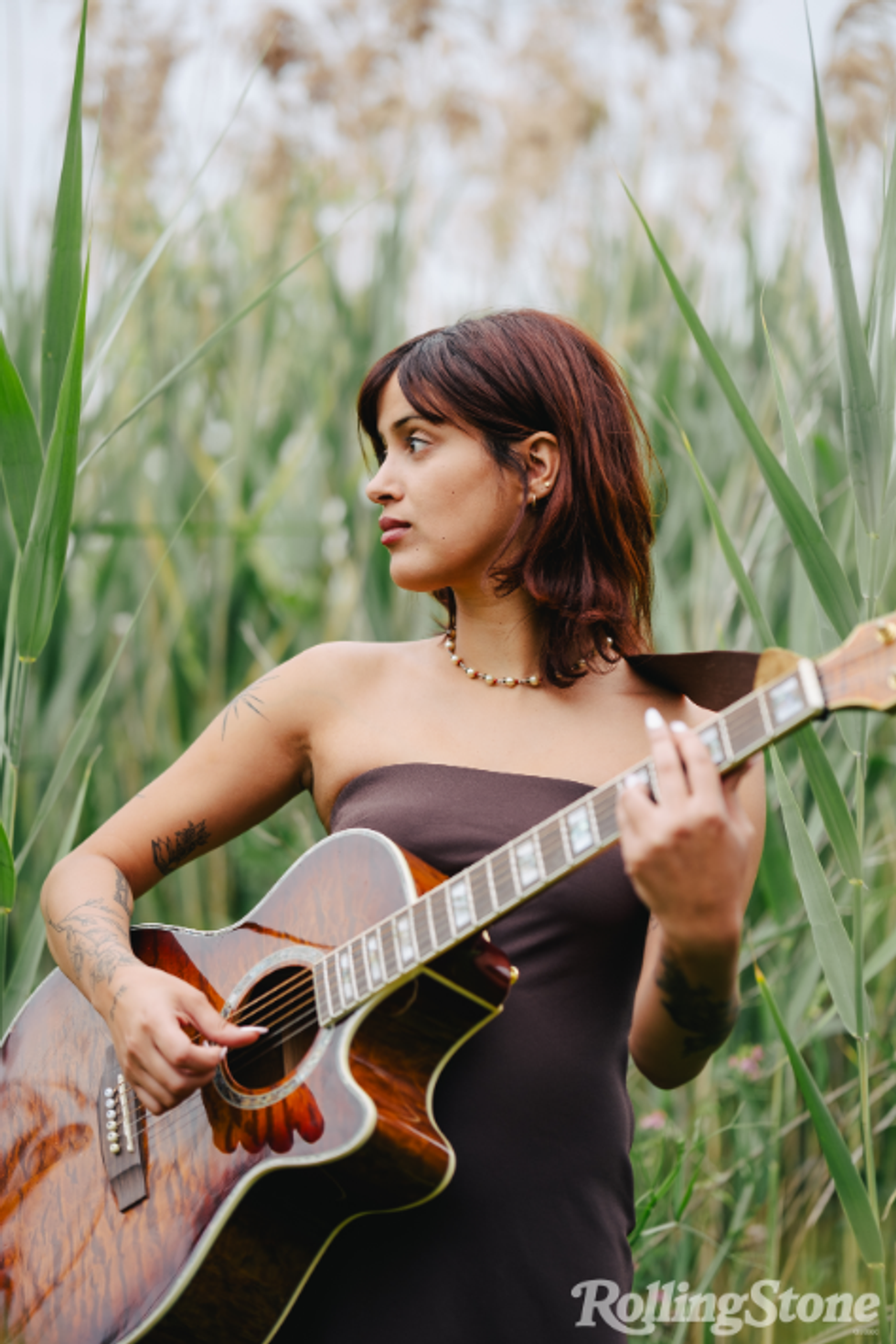 Drowster
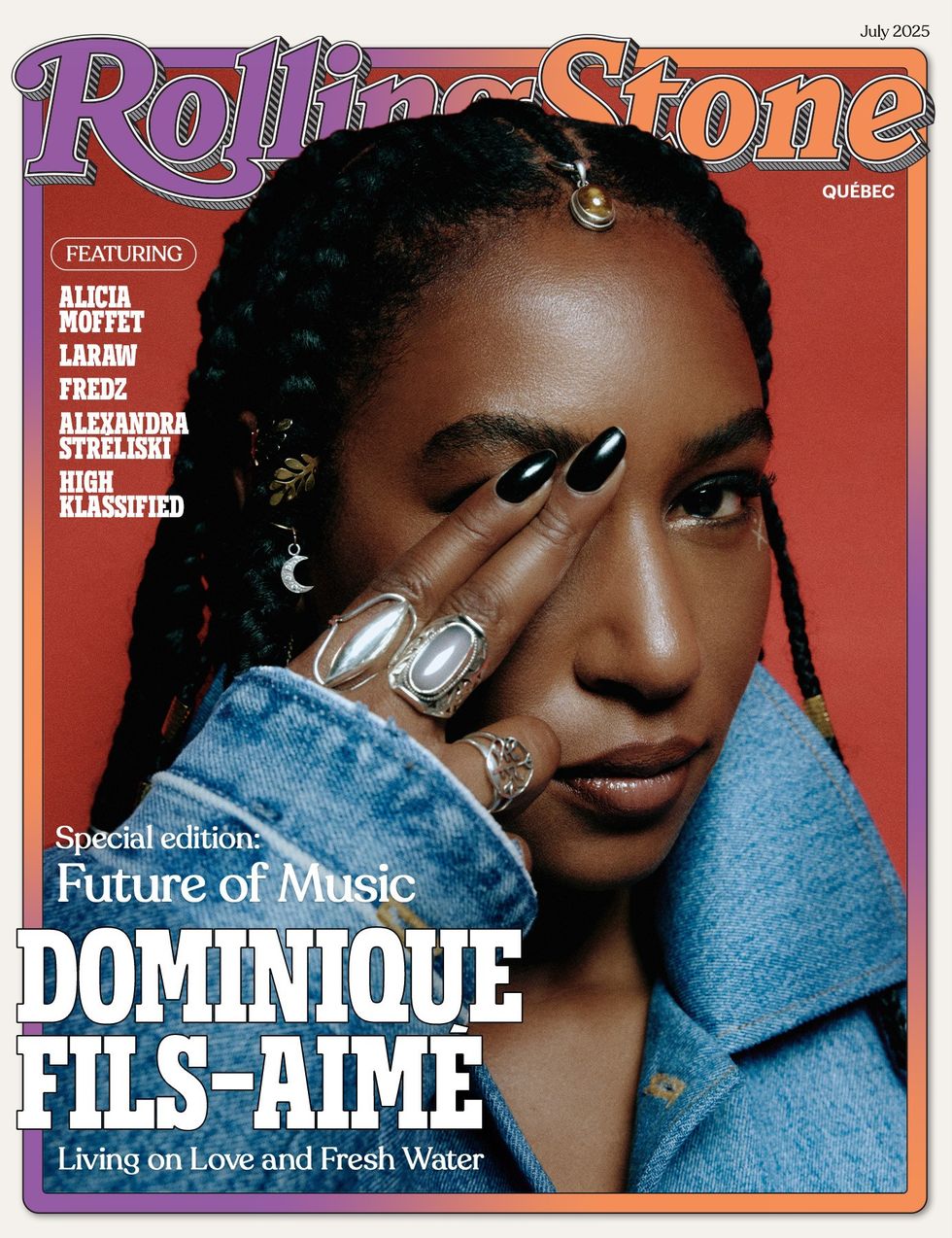 Jean Jacket: Repull/Jewelry: Personal collection
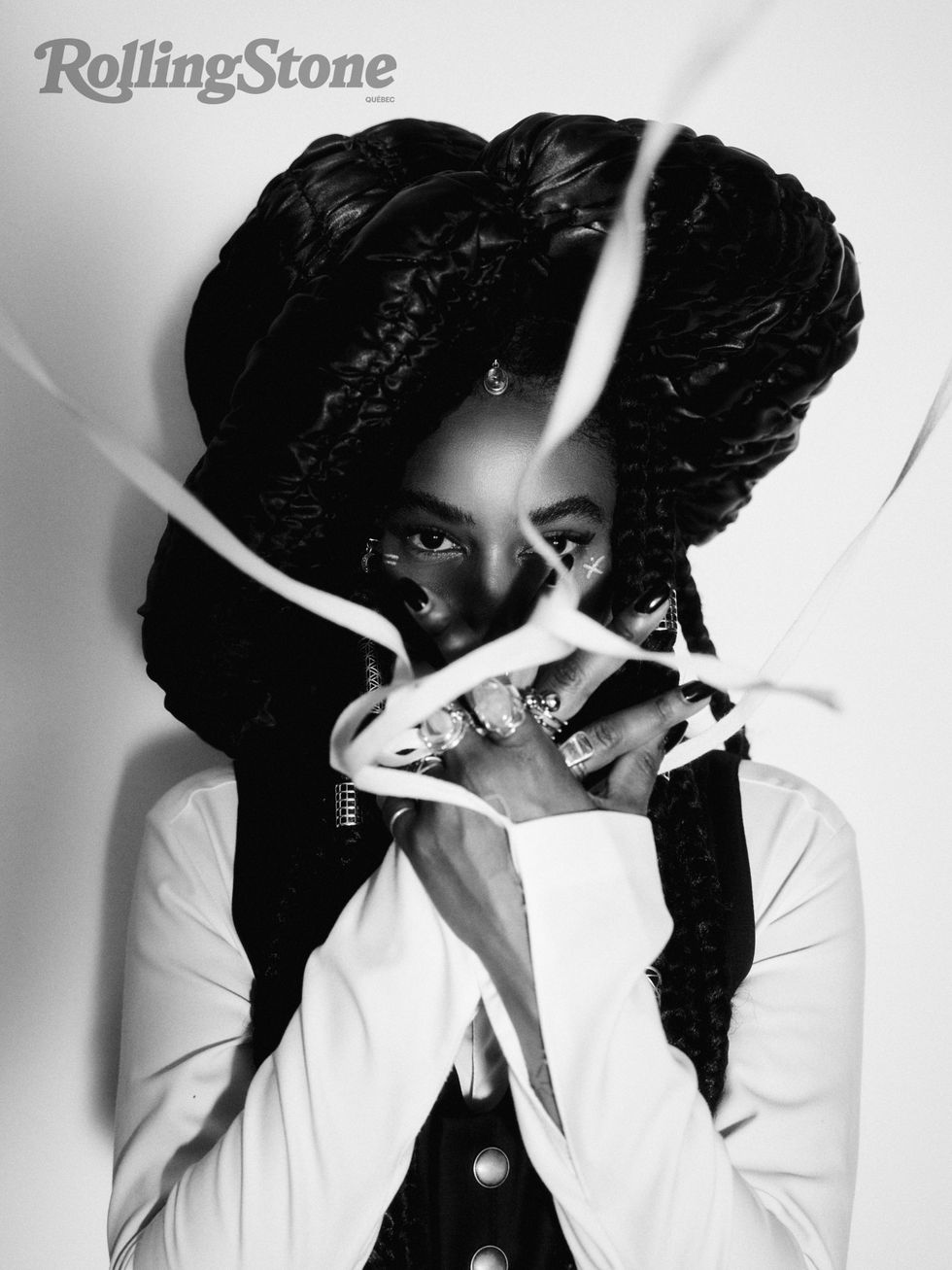 Hat: Xtinel/Dress shirt and vest: Raphael Viens/Jewelry: Personal Collection & So Stylé
 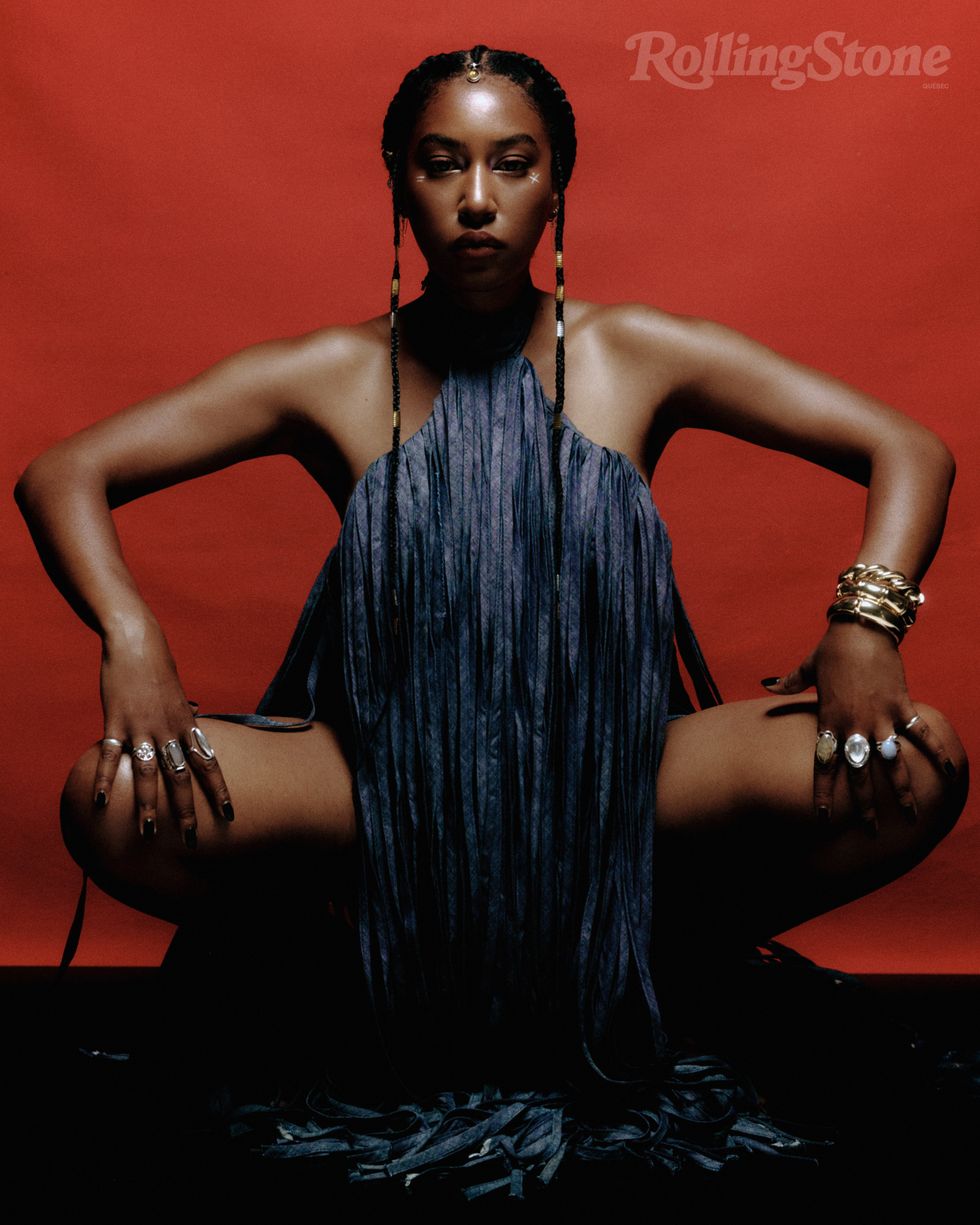 Dress: Helmer/Jewelry: Personal Collection
 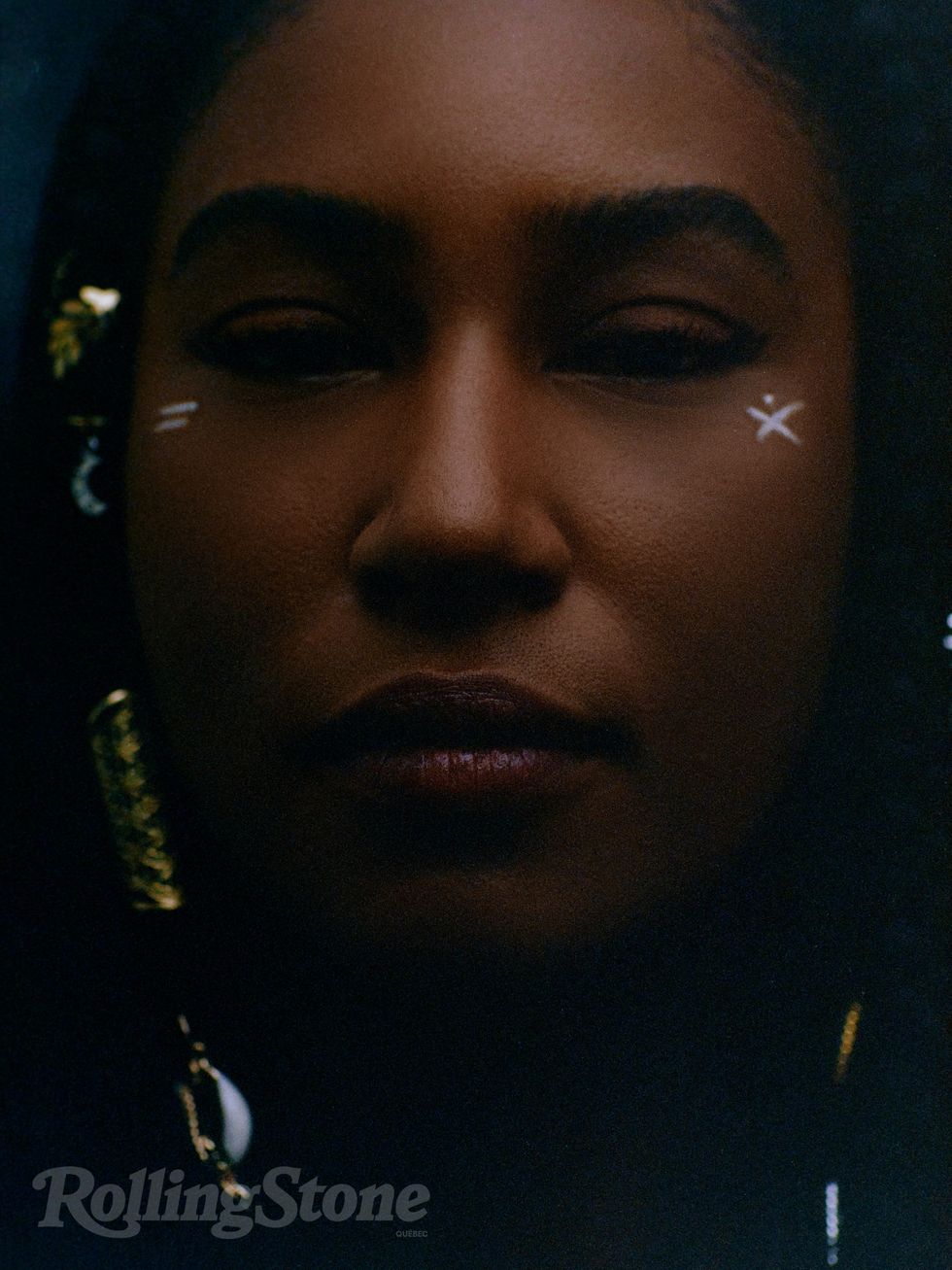 Jewelry: Personal Collection
 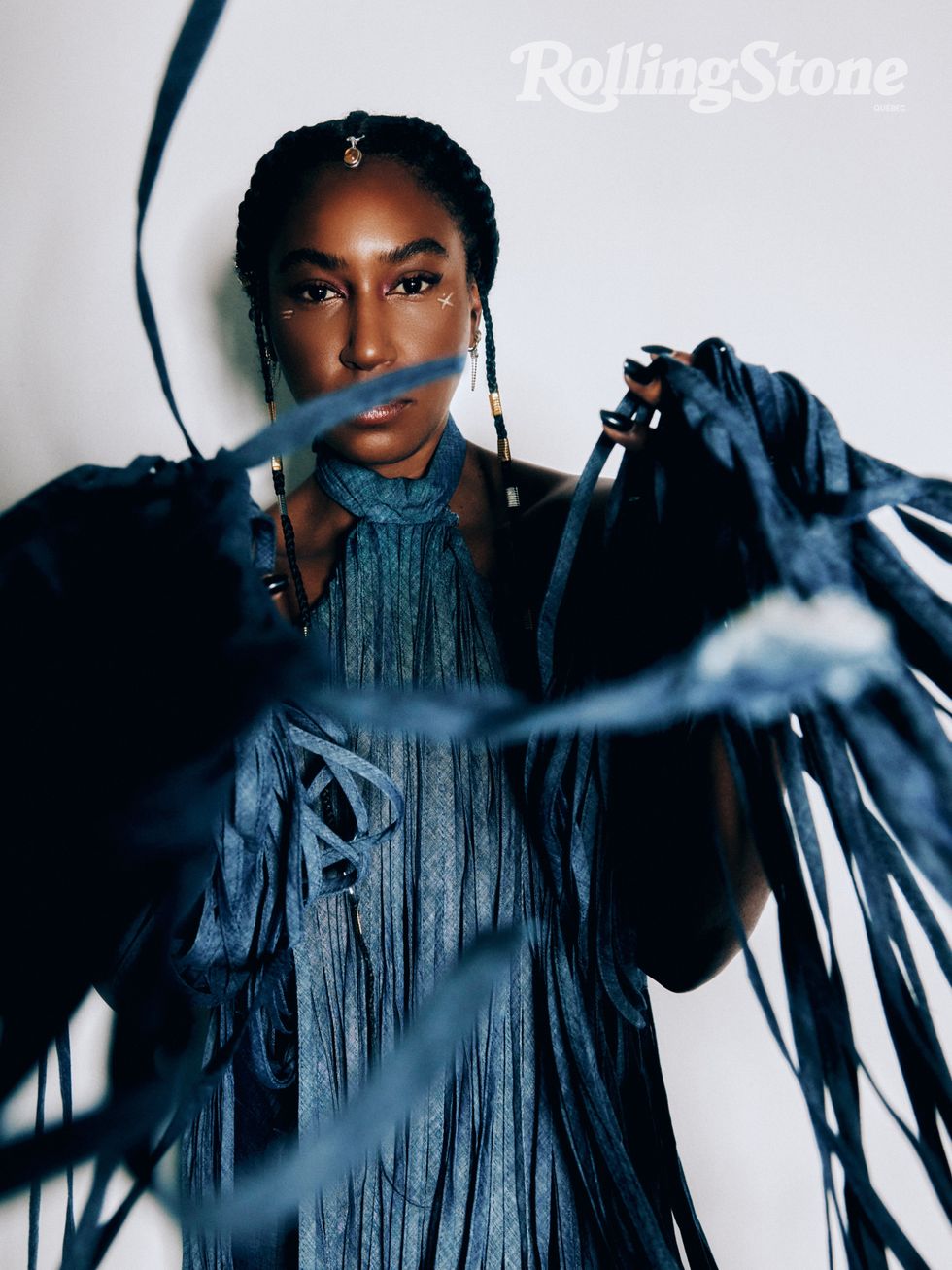 Dress: Helmer/Jewelry: Personal Collection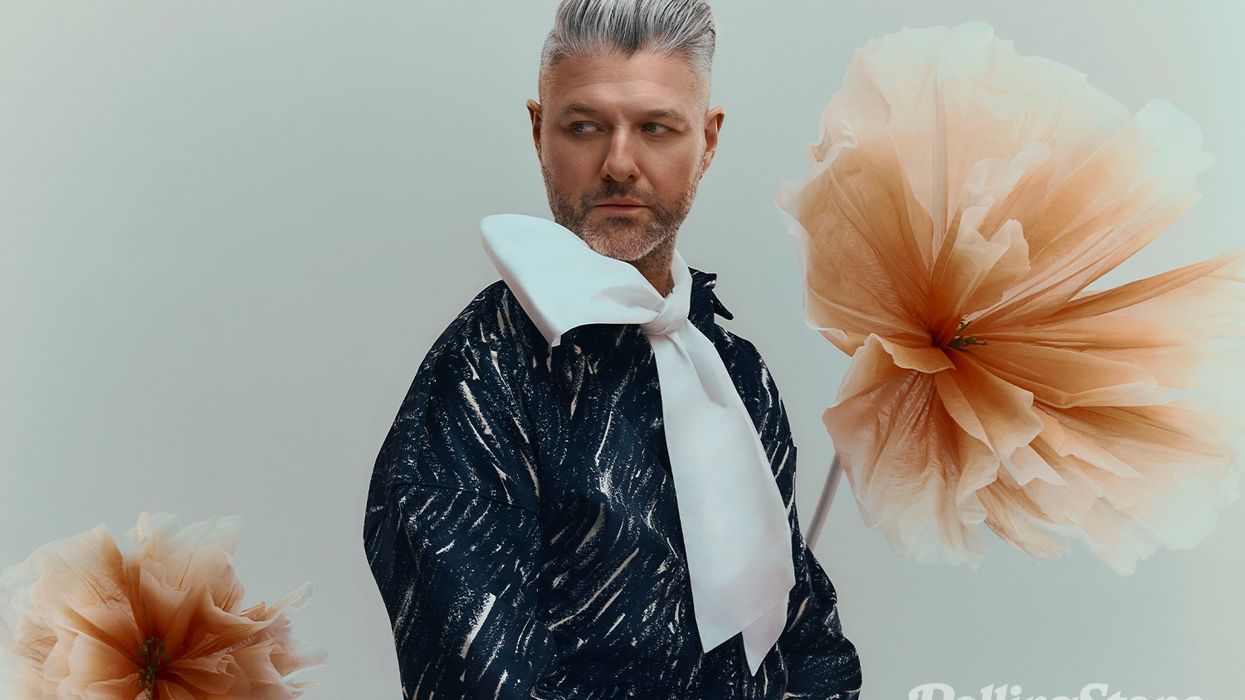
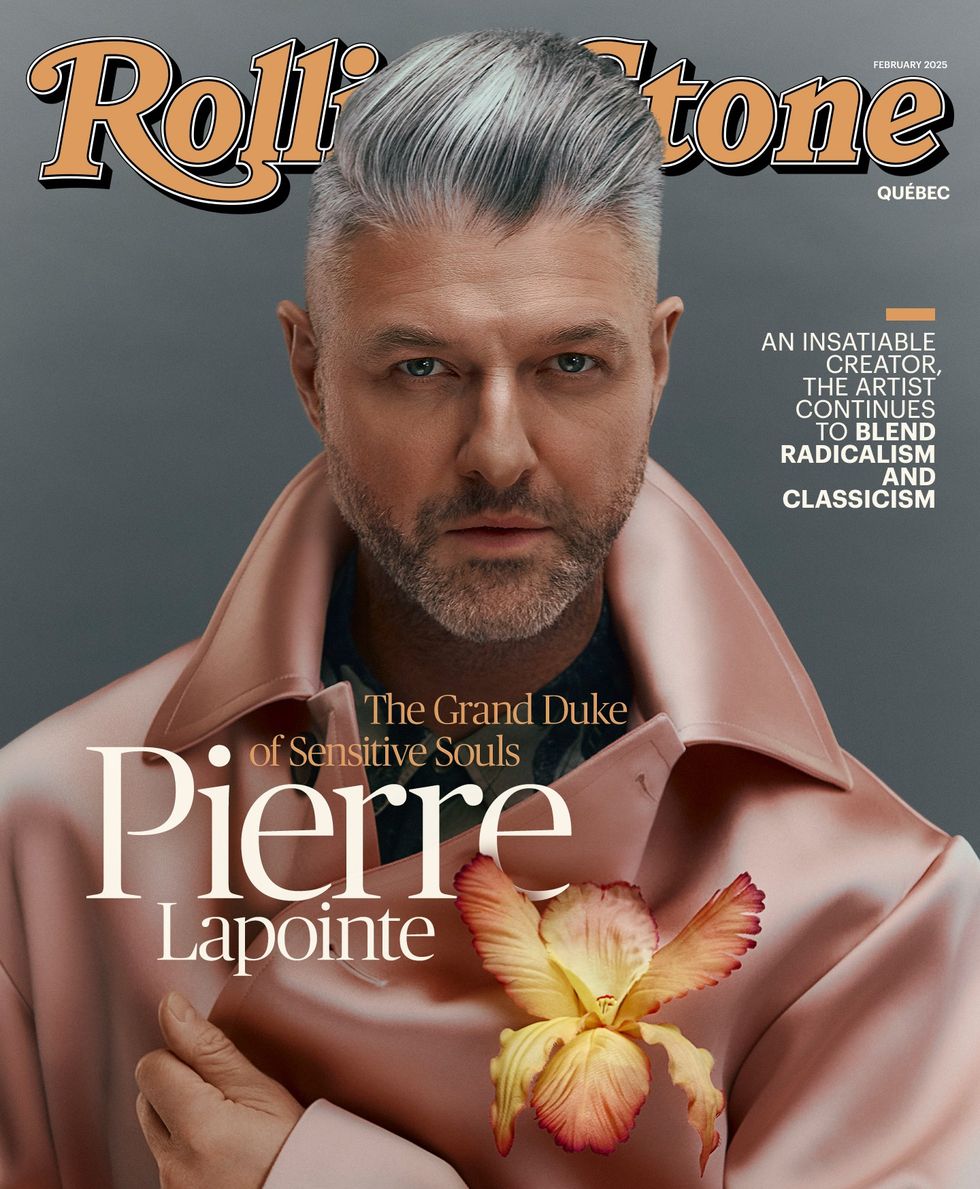 Coat (polyester and wool), shirt (silk), Dries Van Noten, SSENSE.com / Flower (silk), M&S Schmalberg
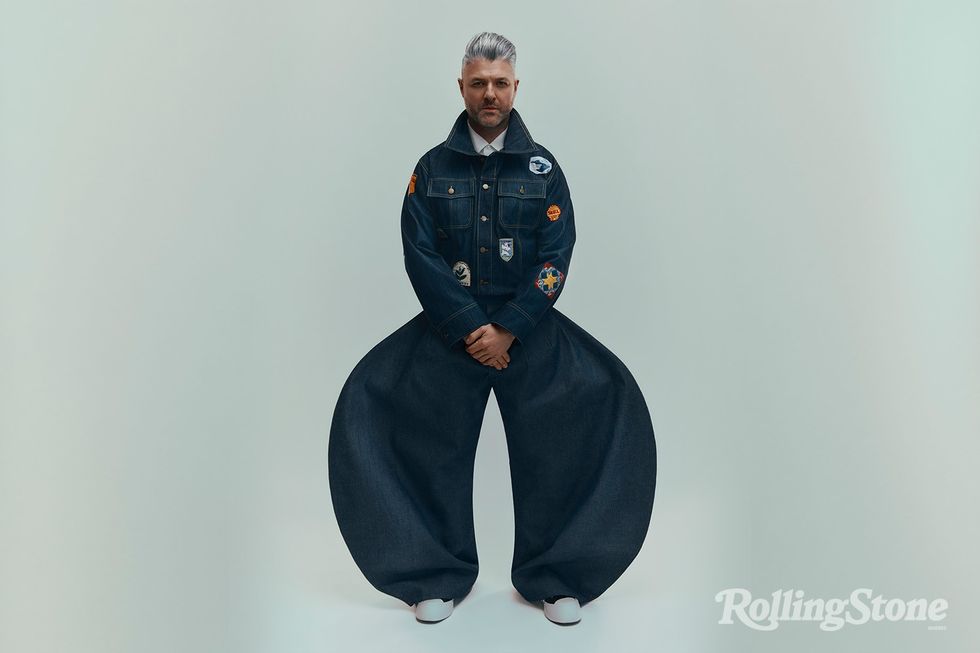 Blouson (denim and hand embroidered patches), WJ Crosson / Shit (polyester), Homme plissé Issey Miyake, Holt Renfrew/Pants from personal collection/ Shoes(canvas), Marni
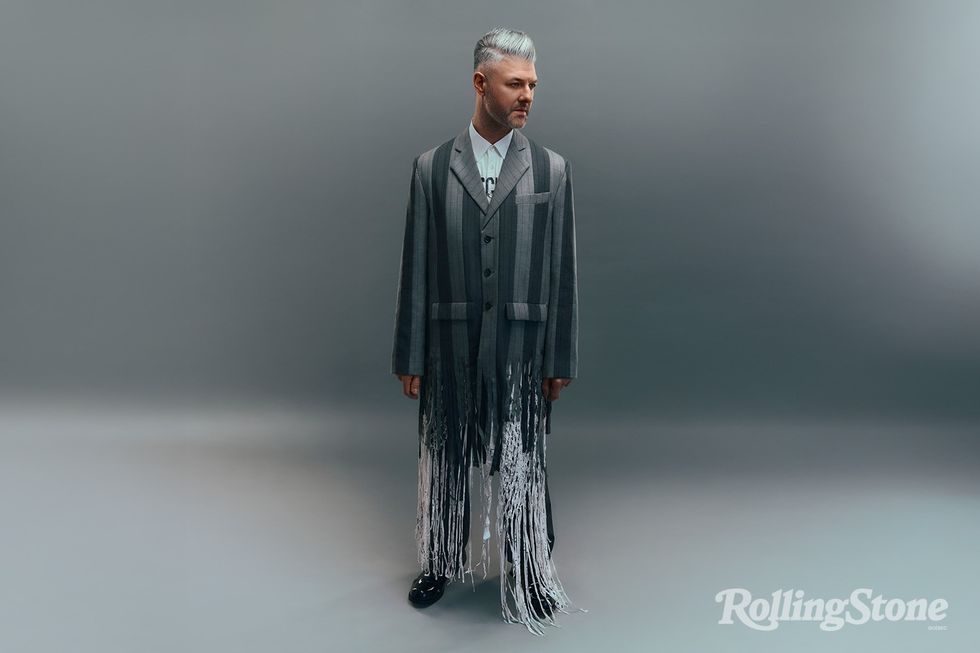 Jacket and pants (virgin wool), shirt (acrylic coated cotton), Moschino / Shoes from Pierre Lapointe's personal collection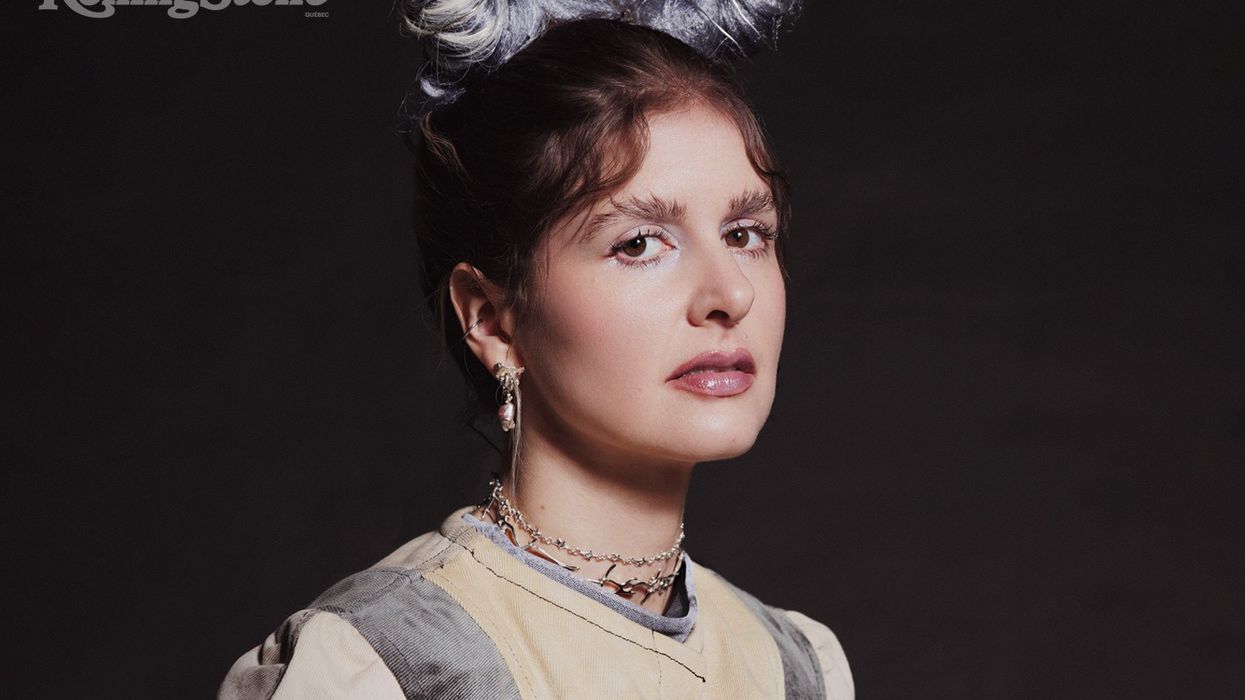
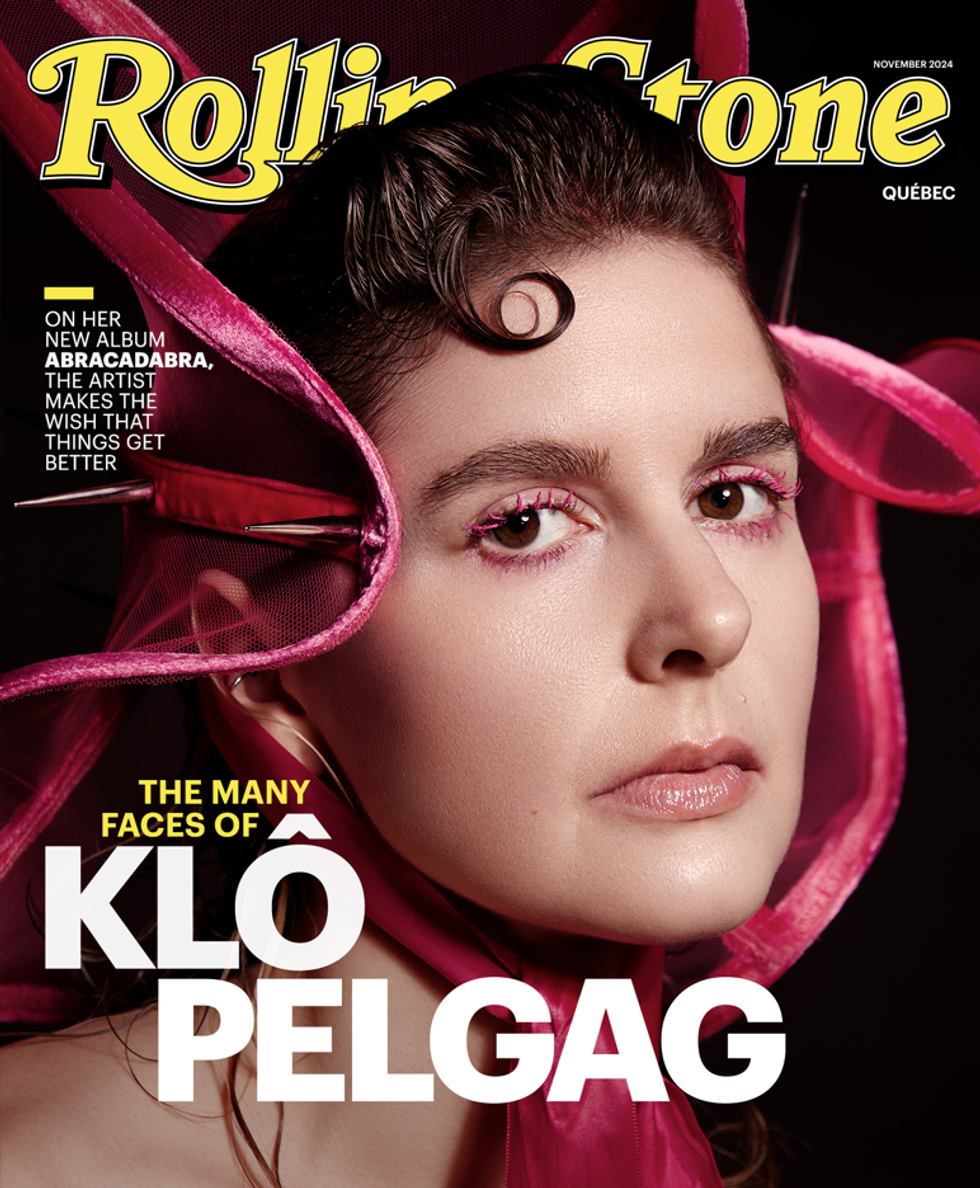 Photographer: Raphaëlle Sohier / Executive production: Elizabeth Crisante & Amanda Dorenberg / Design: Alex Filipas / Post-production: Bryan Egan/ Headpiece: Tristan Réhel
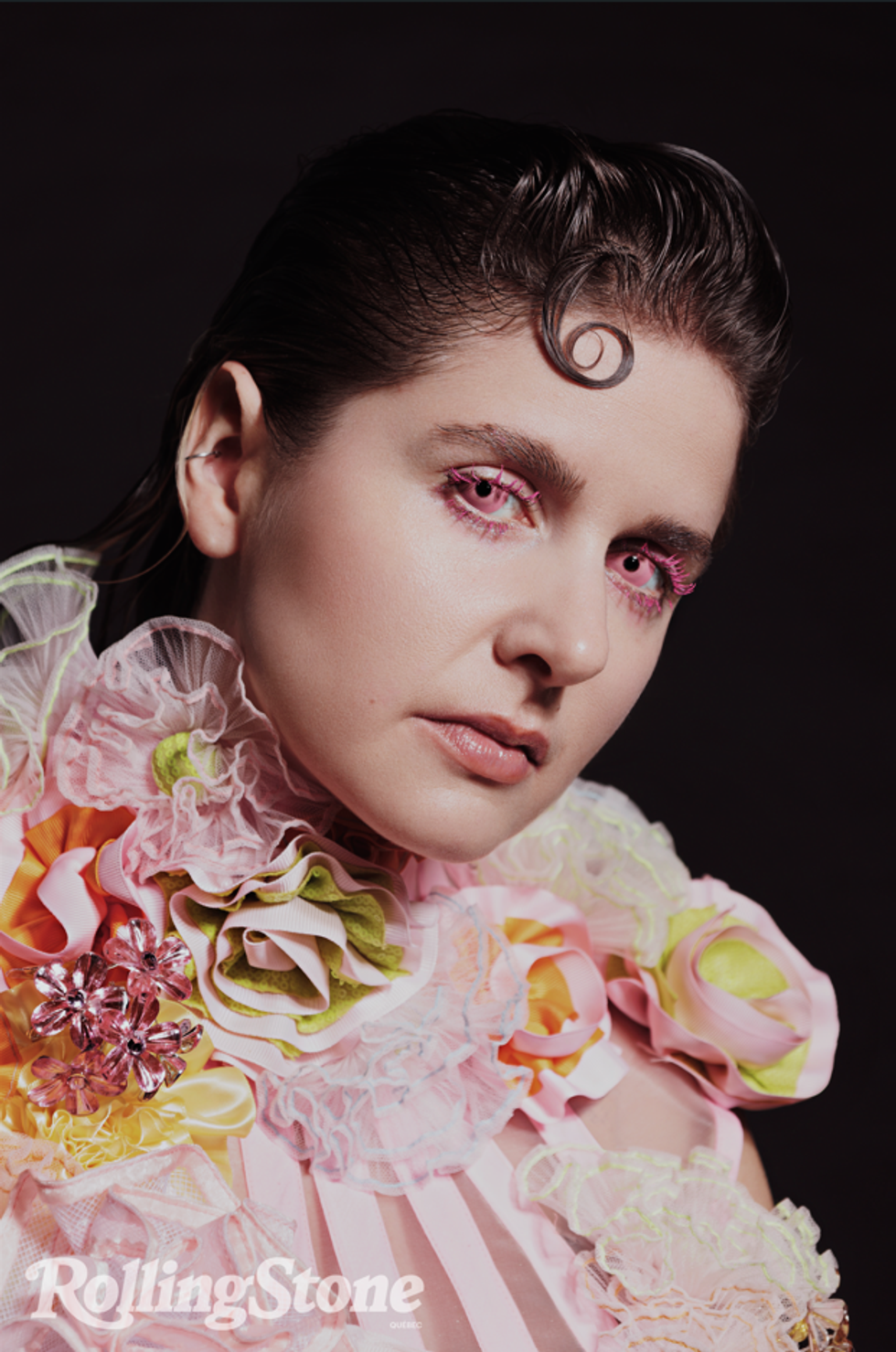 Photo: Raphaëlle Sohier
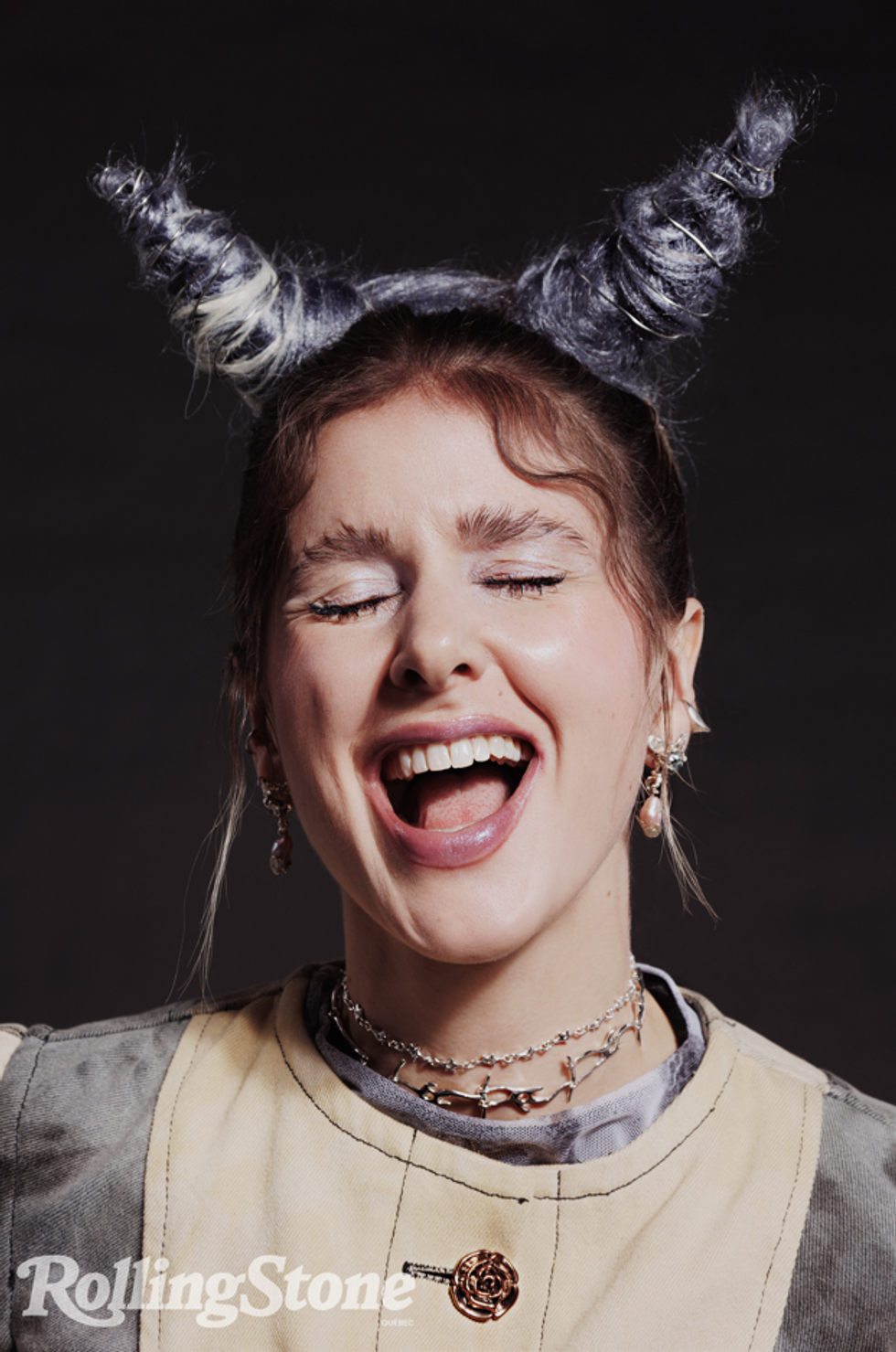 Photo: Raphaëlle Sohier/ Photo production: Bryan Egan/ Blazer:
 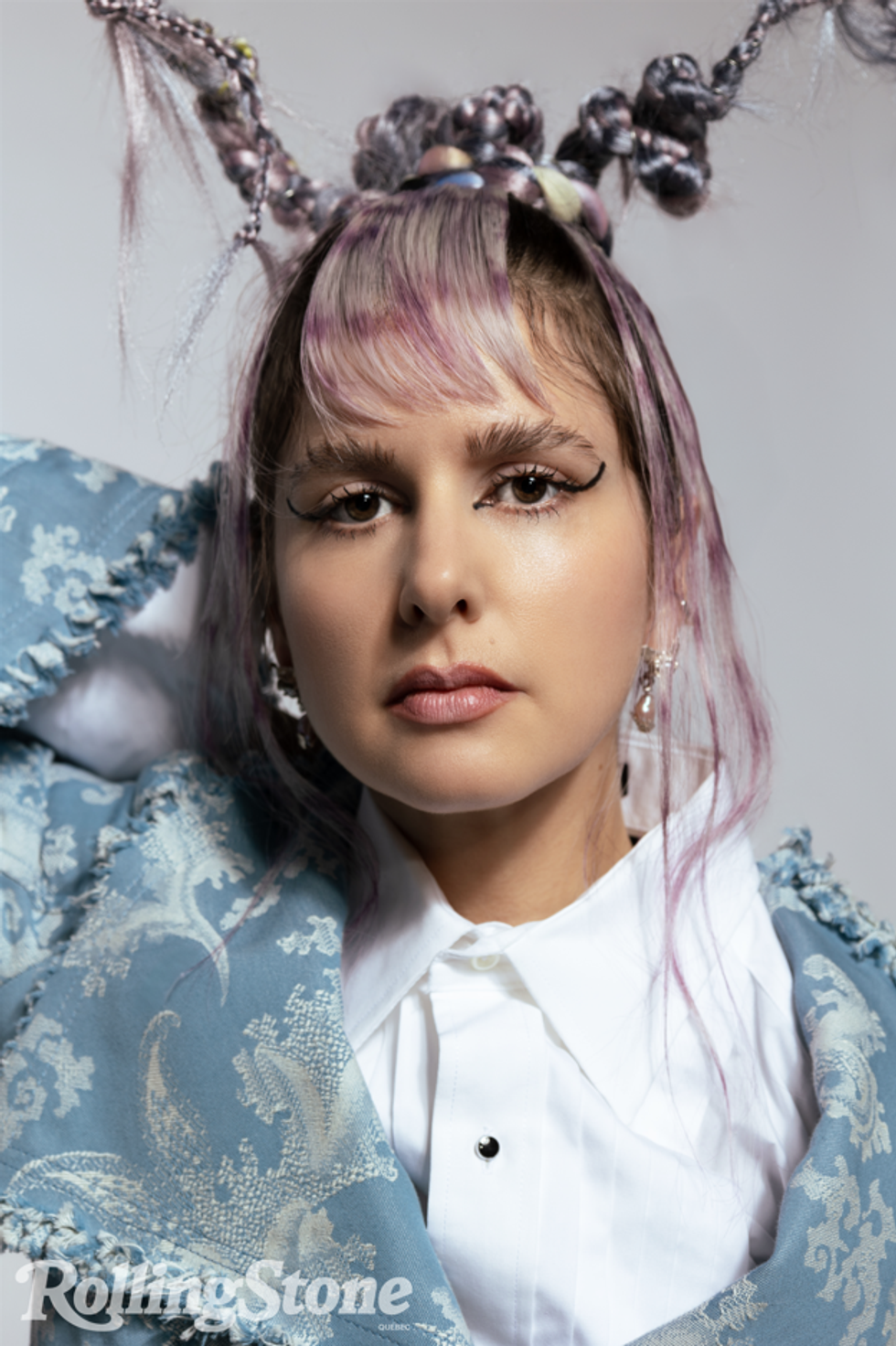 Photo: Raphaëlle Sohier/ Blazer: Vivienne Westwood/ Skirt :