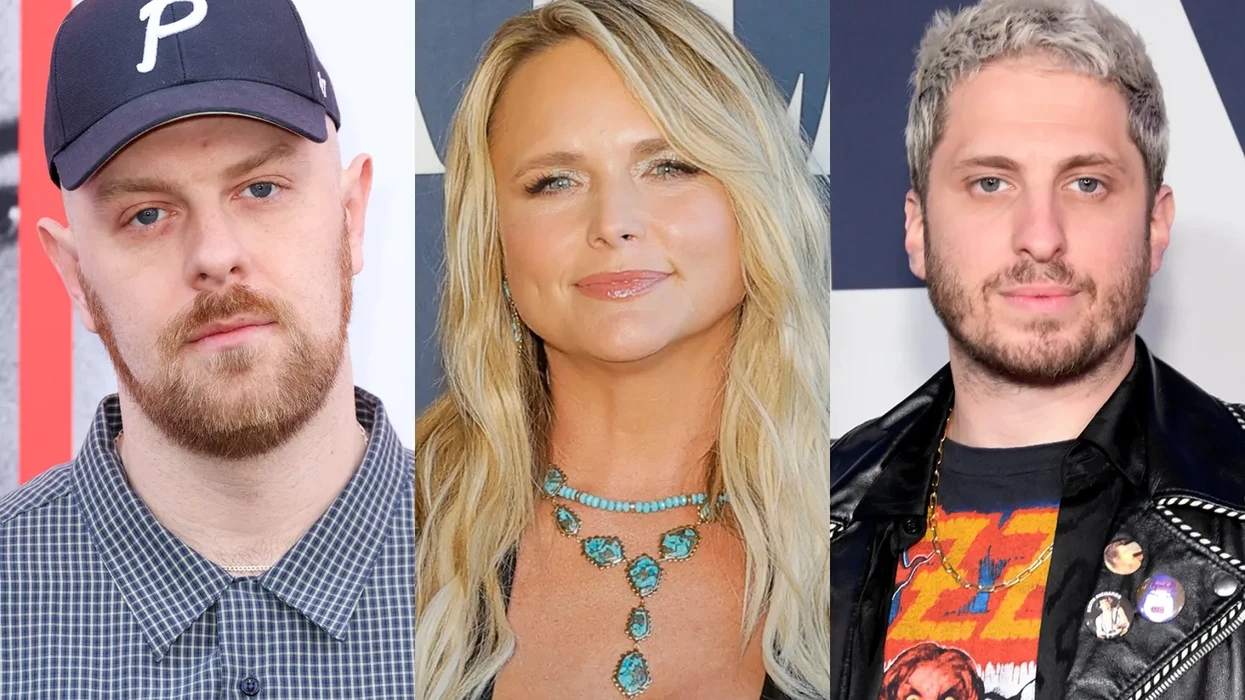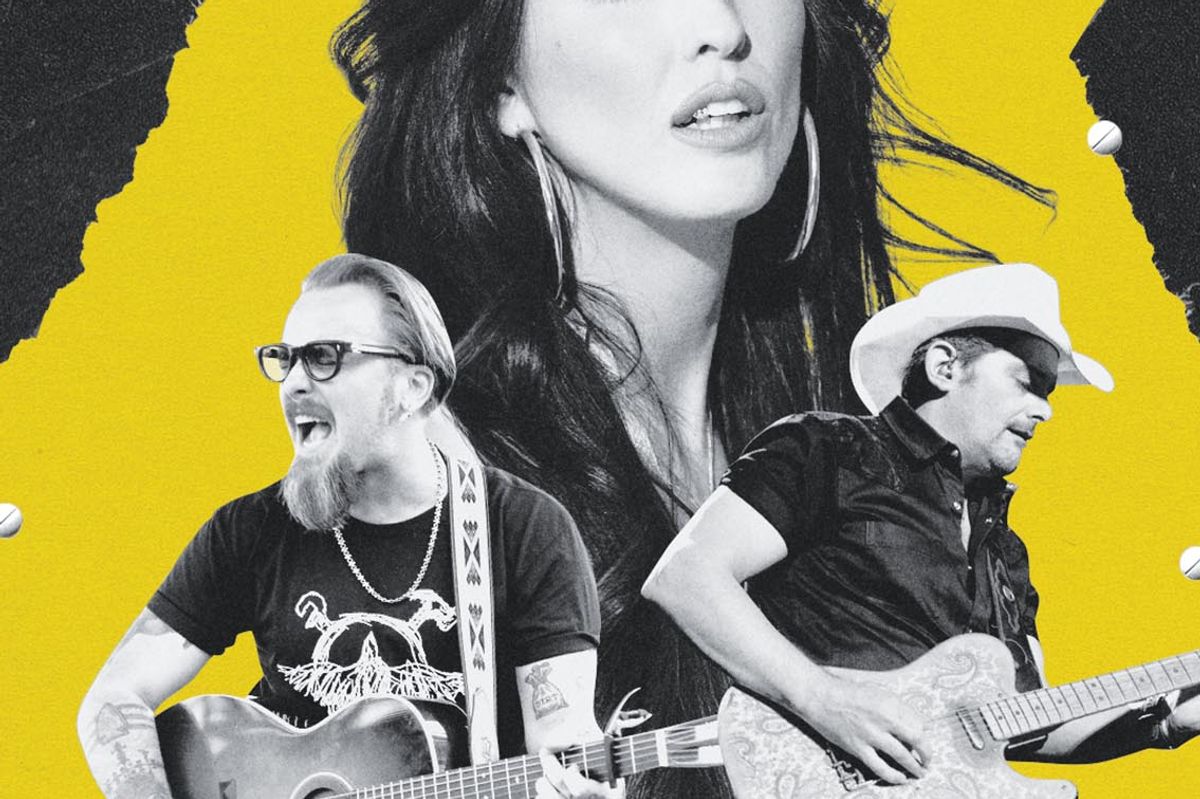

DRUGS NEVER SEEMED like a problem to Elvie Shane. Dabbling in cocaine, meth, and heroin were all part of the future country singer’s college days in Bowling Green, Kentucky. Even when he got hooked on speed, the dangers didn’t seem real. He could take it or leave it, he figured, a good time for whenever he had the money.
“We just thought we were having fun and catching a buzz,” says Shane, who was clean for nearly a decade before scoring a country Number One with “My Boy” in 2021, over a Zoom call from his home in Nashville. “It wasn’t until I started seeing my friends drop like flies that I realized we were playing with fire.”
That was before the opioid crisis ravaged Shane’s home state of Kentucky, much of neighboring Appalachia, and virtually every corner of the U.S., especially rural areas like the one where he grew up: Caneyville, population just more than 500. “Hard drugs were a big-city problem,” Shane recalls. “The word ‘overdose’ was very, very rare.”
Today, drug overdoses kill more than 100,000 people annually in this country, with fentanyl, a synthetic opioid, touted as the leading cause of death for people between the ages of 18 to 45. Those figures led Shane to come clean about his drug abuse on the 2023 single “Pill,” one of two songs from his new album, Damascus, that address the crisis.
“Those songs are for the people that have been there,” says Shane. “So, if you hear the words in my songs, you know I’ve fucking been there too.”
He’s not alone in the country world in opening up about addiction. Grammy-nominated singer Jelly Roll explored his past as a drug user and dealer in songs like “Save Me” and in the Hulu doc of the same name. He’s performed in prisons and recovery centers, and last January, he testified before Congress in support of anti-fentanyl legislation.
“I was a part of the problem. I am here now, standing as a man that wants to be a part of the solution,” Jelly Roll testified. “I was the uneducated man in the kitchen playing chemist with drugs I knew absolutely nothing about, just like these drug dealers are doing right now when they’re mixing every drug on the market with fentanyl — and they’re killing the people we love.”
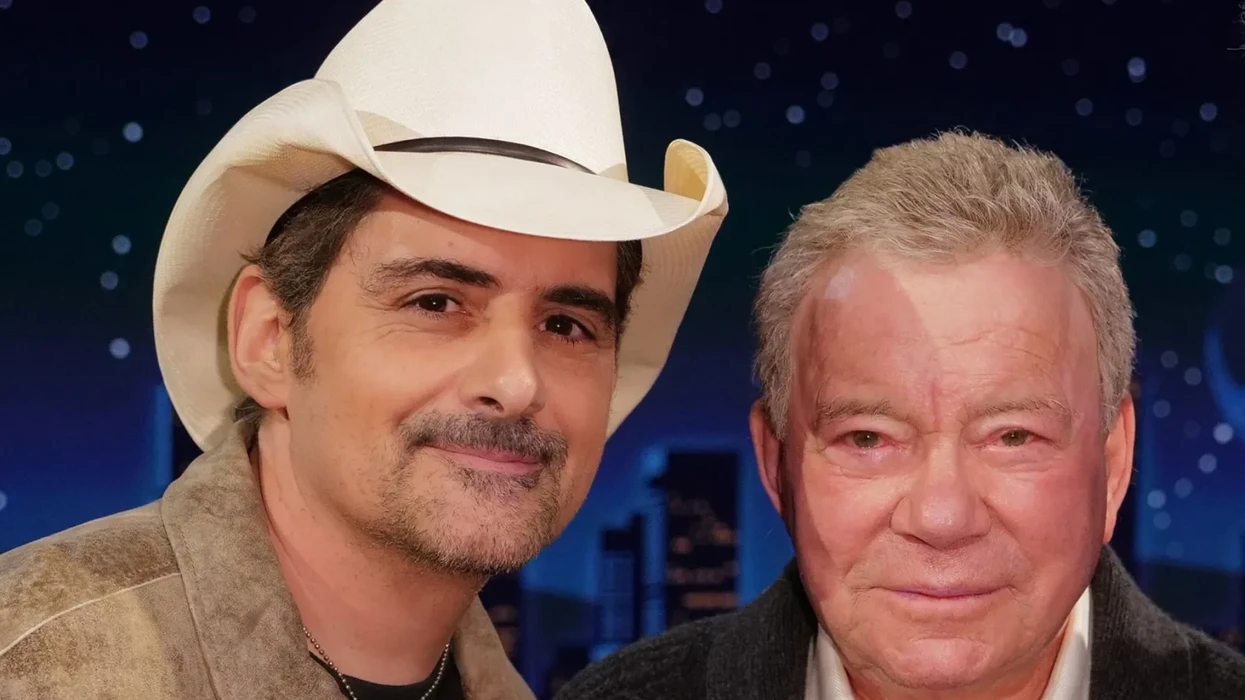
It’s not just the artists who have personal experience with opioids who are speaking up. Brad Paisley came out forcefully last fall with “The Medicine Will,” a blistering takedown of the pharmaceutical companies that flooded communities with prescription drugs like Oxycontin and allowed the epidemic to run rampant.
“It’s so much worse than I even imagined. I mean, it’s really crazy,” Paisley says. He saw the impact of the opioid crisis firsthand when he spoke with victims from his home state, West Virginia, where overdose deaths per capita are among the worst in the world. The singer lays the blame for the crisis squarely at the feet of drug company executives.
“They said, ‘These people are the perfect people to target with this. They’re in pain. They have powered this country with backbreaking labor, and it’s drying up; and we’re gonna go get ’em because they’ll eat this stuff up, and we’ll tell ’em it’s not addictive,’” Paisley says.
Country artists singing about substance abuse is nothing new. Alcohol is ubiquitous, a cornerstone of the genre from the heartbreak ballads of the Fifties to the red-cup-chugging party anthems of the 21st century. Marijuana is also celebrated, while a long history of amphetamine and cocaine use is alternately winked at or swept under the rug, the necessary evils of a grueling career.
The no-nonsense response to opioids, however, is a unique moment, according to country-music scholar Amanda Marie Martínez, a doctoral fellow at the University of North Carolina at Chapel Hill. “The growing demands country stars are making to take legal action against the opioid epidemic is an unparalleled development,” she says. “This is heavily attributable to the severity of the crisis, and a testament to the level of devastation it’s caused to communities across region, class, and race.”
Opioids are a particularly acute problem in communities at the heart of country music. Tennessee’s Davidson County (where Nashville is located) was named the second-deadliest metro area in the U.S. for overdoses in a September report, and the state ranks in the top 10 for overdose death rates. West Virginia is worst of all, with more than 75 deaths out of every 100,000 residents.
“This is different,” Paisley says, comparing opioids to country music’s broader drug culture. “There are people who made billions of dollars on the death and suffering of people like my home state. And no one’s in jail.” For that reason, he had no qualms with coming out so aggressively with his criticisms. “It’s rare that you know you’re right,” he says.
Jaime Wyatt, who chronicled her journey from addiction to sobriety on albums like 2017’s Felony Blues, says she’s lucky to have recovered before fentanyl became so commonplace. Like Shane, her entryway to substance abuse came through pills — in her case painkillers that were prescribed to her then-partner, who worked in construction. “In America, a lot of people come by opiate and heroin addiction honestly,” Wyatt says. “Through injuries, through being overprescribed.”
The issue of prescription access runs both ways, as Shane can attest. “I literally got on the internet and I fucking typed in some information and got a letter from a doctor saying that I needed Adderall,” he says. “I never had to touch a single street drug. It was so easy to just get other shit without having to worry about getting in trouble for it.”
Shane briefly started using again after the success of “My Boy” and the release of his first album, Backslider, in 2021. His guilt over losing friends, some of whom he introduced to harder drugs himself, prompted him to write “Pill.”
“Now [a friend] is showing up at my door with a bag of cocaine saying, ‘Please, God, take this away from me…'” Shane says. His voice breaks up, and he trails off. “Sorry,” he says, swallowing back a lump in his throat. “I haven’t thought about that in a long time.”
Shane believes it is time for the genre to get more honest with itself and not lean on a favorite lyrical crutch. “I feel like country is usually hiding the real shit by talking about whiskey,” he says.
Wyatt sees it as a broader cultural issue. “The problem I see in society is that, like, what makes a tough guy is this guy that works his back till it’s broken and takes pills or drinks heavy to keep going,” she says. “And then it’s like, ‘Oh, but he was a hard worker,’ when he died super young and left a family [behind].”
Both agree it’s time for that conversation to change. “We’ve got to normalize treatment and therapy, just like you would get your oil changed on your car,” Wyatt says.
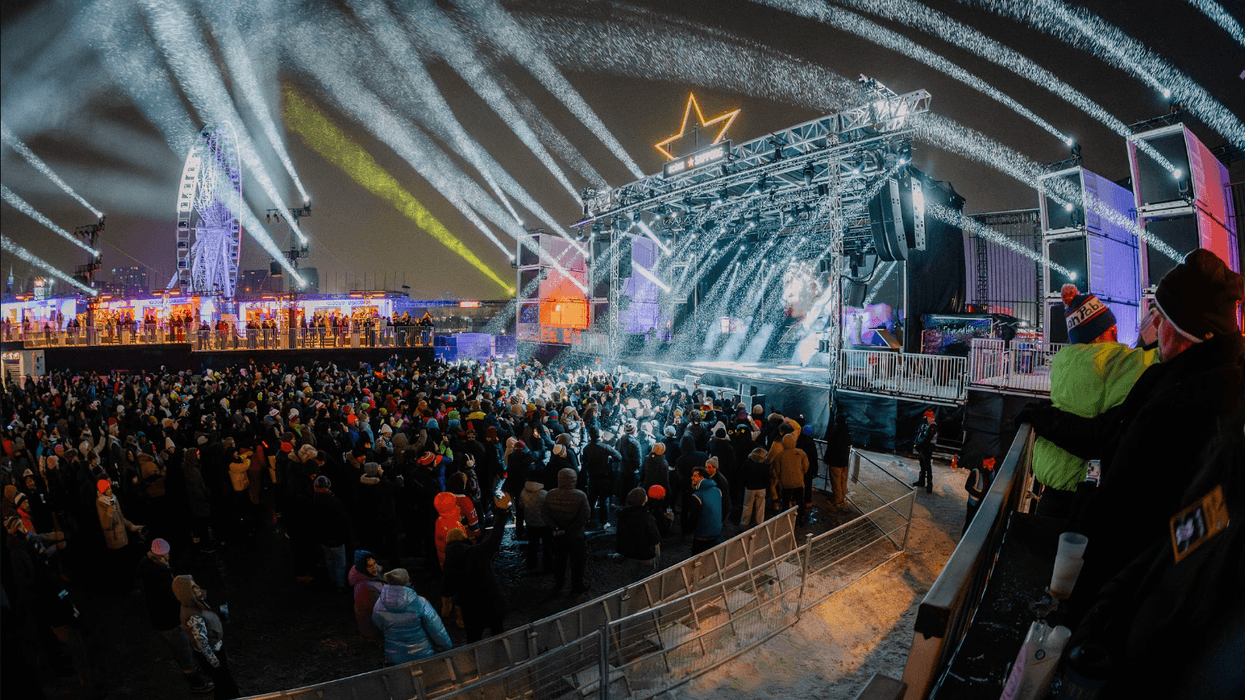
Some artists are working to do just that. Tyler Childers, who wrote about the crisis in his ballad “Nose on the Grindstone,” is a driving force behind the Healing Appalachia music festival, a recovery fundraiser in West Virginia, near where he grew up in Eastern Kentucky. The event, co-founded by his manager, Ian Thornton, was established after 26 people overdosed in Huntington, West Virginia, in one day in August 2016.
“People looked to Tyler and Ian as change makers, as if they could do something,” says Dave Lavender, board president of Hope in the Hills, the nonprofit behind Healing Appalachia. “And I think they were tired of seeing a lot of our friends die.”
The festival takes place each September — National Recovery Month — and highlights recovery through testimonials and tutorials for naloxone, a drug commonly known as Narcan that’s used to reverse opioid overdoses. “It’s important for people to see someone in recovery. I think that there’s an idea out there that people don’t get better, but it’s not true,” Lavender insists, pointing to data that suggests more than 70 percent of those with substance-use disorder find their way to recovery.
Since first being held in 2018, Healing Appalachia reports raising more than $640,000 for recovery and wellness organizations throughout the region. It’s also helped place former addicts on career pathways in the music industry. At the festival, partnering service providers have distributed tens of thousands of Narcan and Naloxone kits called ONEboxes. “This is a drive-thru society that’s faced with a real public-health crisis,” says Lavender. “It doesn’t have an easy fix.”
Paisley is cautiously optimistic. “There’s an enormous amount of hope with this issue,” he says. “I think that we crested a wave of enabled, ‘legal’ drug abuse into now something where everyone knows there’s this problem.”
Shane and Wyatt have both done the work at their shows, uniting with the program End Overdose to teach fans to recognize the signs of an overdose. They advocate for venues to carry Narcan and fentanyl test strips, even for nondrug users.
“I’m a believer that harm reduction stuff should be at every bar and every school,” Wyatt says. “What we’ve learned is that drug users are no longer the expendables. It’s your nieces, your nephews, your family members.”
It is a lesson that Shane himself learned a long time ago, and one that he will likely live with for the rest of his life. “People need to recognize that maybe just because you do this shit on weekends, that doesn’t necessarily mean you don’t have a problem,” he says. “It starts like that for a lot of people.”
This story is part of Country’s New Cowboy Era, a look at trends in country music that’s running in Rolling Stone’s May print issue.