
Mariah Carey says the $20 million copyright infringement lawsuit targeting her massive holiday hit “All I Want for Christmas Is You” should be wrapped up in her favor without a trial.
In a new motion for summary judgment filed Monday, the singer says her expert’s evaluation of her 1994 yuletide anthem found that it shares no “substantial similarity” with any protectable elements of the 1988 song of the same title written by co-plaintiffs Andy Stone, a country musician known as Vince Vance, and his co-writer Troy Powers. Predictably, experts working for Stone and Powers determined the opposite. A hearing on the matter is set for October 31.
“Like legions of Christmas songs before them, Vance’s and Carey’s lyrics include the idea of wanting someone for Christmas rather than presents or other trappings of Christmas,” Carey’s new motion for a court judgment in her favor reads. “But it is fundamental that copyright only protects expression of ideas, not the ideas themselves.”
The lawyers representing Carey, her co-writer Walter Afanasieff and corporate defendants Sony Music Entertainment, Universal Music Corp., Sony Music Publishing and Kobalt Music Publishing further argue in the new filing that the title and repeating hook “All I Want for Christmas Is You” is a “commonplace” Christmas phrase not invented by Vance. “At least 13 songs predating Vance use that phrase or a very similar one,” the new filing in federal court in Los Angeles reads.
The lawyers argue that the other Christmas “tropes” included in both songs – such as “mistletoe,” “snow,” “Santa Claus,” “stockings” and “underneath the Christmas tree” – are public domain elements “randomly scattered” through the compositions in different ways. For instance, Stone’s song refers to “sleigh rides” and “silver bells” while Carey’s song refers to “sleigh bells,” the lawyers state. And while Carey’s song describes writing “a letter to Santa Claus,” Stone’s song says, “I won’t make a list and send it to the North Pole for Saint Nick,” which is different, the lawyers argue.
Carey and her co-defendants go on to argue that the claimed musical similarities are actually “various generic musical elements that plaintiffs’ experts admit are commonplace.” They say the hooks share “only fragmentary and commonplace musical building blocks.”
“Plaintiffs’ reliance on a few commonplace words and phrases, the pitches of four isolated notes, the ‘function’ of three different chords, and other musical building blocks, all of which are selected and arranged differently in Vance and Carey, cannot satisfy the extrinsic test as a matter of law,” the new filing claims.
In their dueling motion for summary judgment in their favor, Stone and Powers argue that their experts looked at the songs and determined that they share the necessary “substantial similarities.” They accuse Carey’s camp of “twisting” the facts and argue the “poetic structure” of both songs is “remarkably similar.”
Stone and Powers filed the underlying lawsuit last November after previously dismissing the case in federal court in New Orleans because Louisiana was the wrong venue. “If you look at both songs, you can see that about 50 percent of the words are the same, in almost the same order. I think it’s a pretty strong claim,” Douglas M. Schmidt, the lawyer representing Stone and Powers previously told Rolling Stone.
Stone, whose legal name is Andrew Franichevich, originally sued in June 2022. He dismissed the complaint without prejudice a few months later, reserving his right to refile. According to the latest complaint, Stone and Powers believe Carey had access to their 1988 song because it purportedly received “extensive airplay” in 1993, and they performed it at the White House in 1994.
Carey, now considered the unofficial queen of Christmas, co-wrote and recorded her song before releasing it as the lead single for her Merry Christmas album in 1994. It quickly became a holiday staple, playing on heavy rotation each year at malls, parties, and sporting events around the world in the run-up to Christmas. Stone and Powers allege Carey’s song copies their work with its use of a female narrator who rejects “unwanted seasonal material goods” in favor of a “beloved” partner.
In Stone and Powers’ song, the narrator says, “I don’t need” sleigh rides in the snow, only an unnamed “you” standing “underneath the Christmas tree” in her “dream come true.” In Carey’s song, the narrator says, “I don’t need” and “I don’t want” in relation to seasonal comforts “underneath the Christmas tree,” rather the “one thing” she wants is an unnamed “you” to make her wish “come true.”
“The phrase, ‘all I want for Christmas is you,’ may seem like a common parlance today, [but] in 1988 it was, in context, distinctive,” the 19-page complaint filed in November argued. “Moreover, the combination of the specific chord progression in the melody paired with the verbatim hook was a greater than 50% clone of Vance’s original work, in both lyric choice and chord expressions.”
When Stone first filed his lawsuit in 2022, one expert said it could face an uphill battle considering there are at least 177 copyrighted works, many of them songs, with the title “All I Want for Christmas Is You,” Deadline reported.



 Thea Traff
 Thea Traff
 Thea Traff









 Drowster
  Drowster
  Drowster
  Drowster
  Drowster
  Drowster
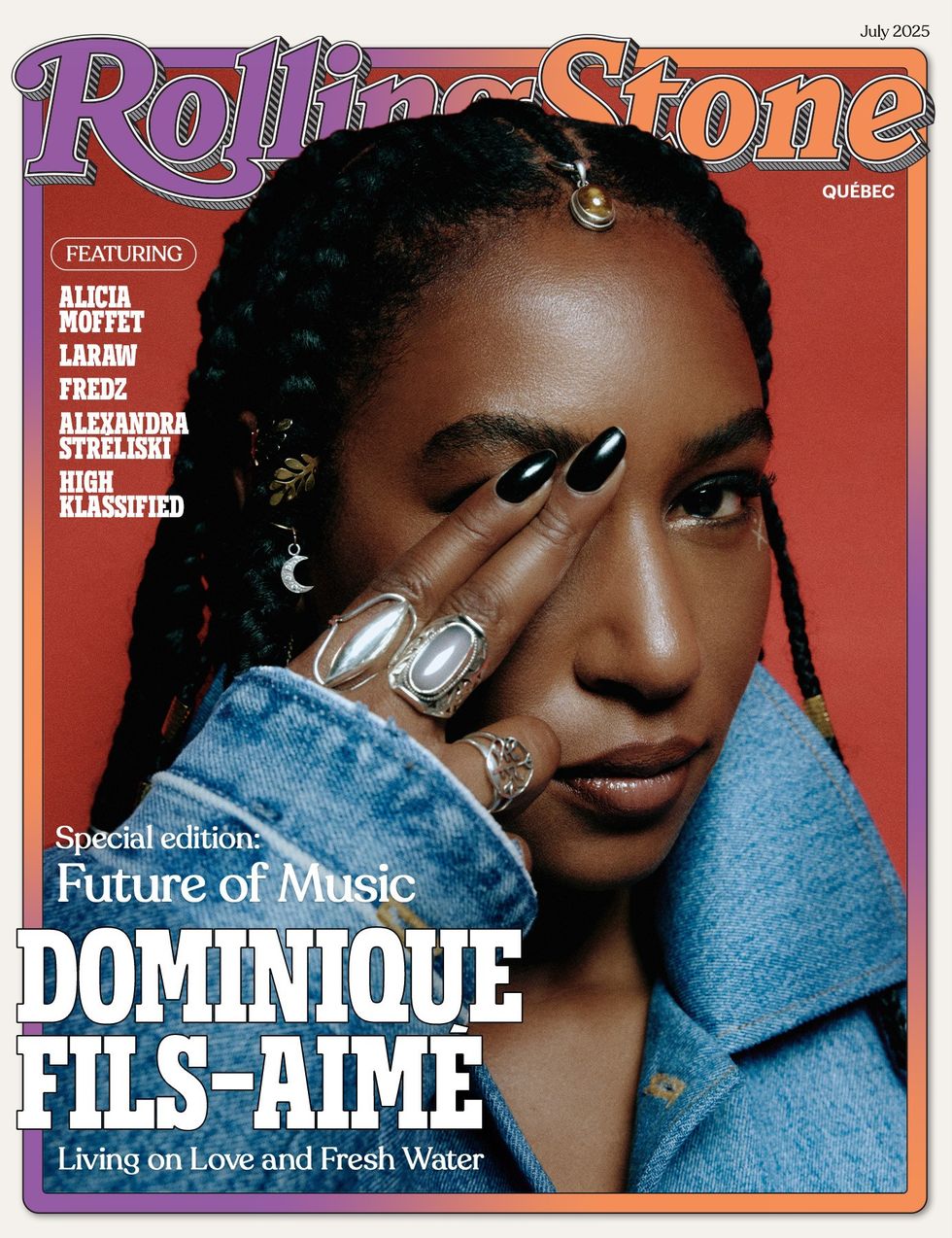 Jean Jacket: Repull/Jewelry: Personal collection
 Hat: Xtinel/Dress shirt and vest: Raphael Viens/Jewelry: Personal Collection & So Stylé
 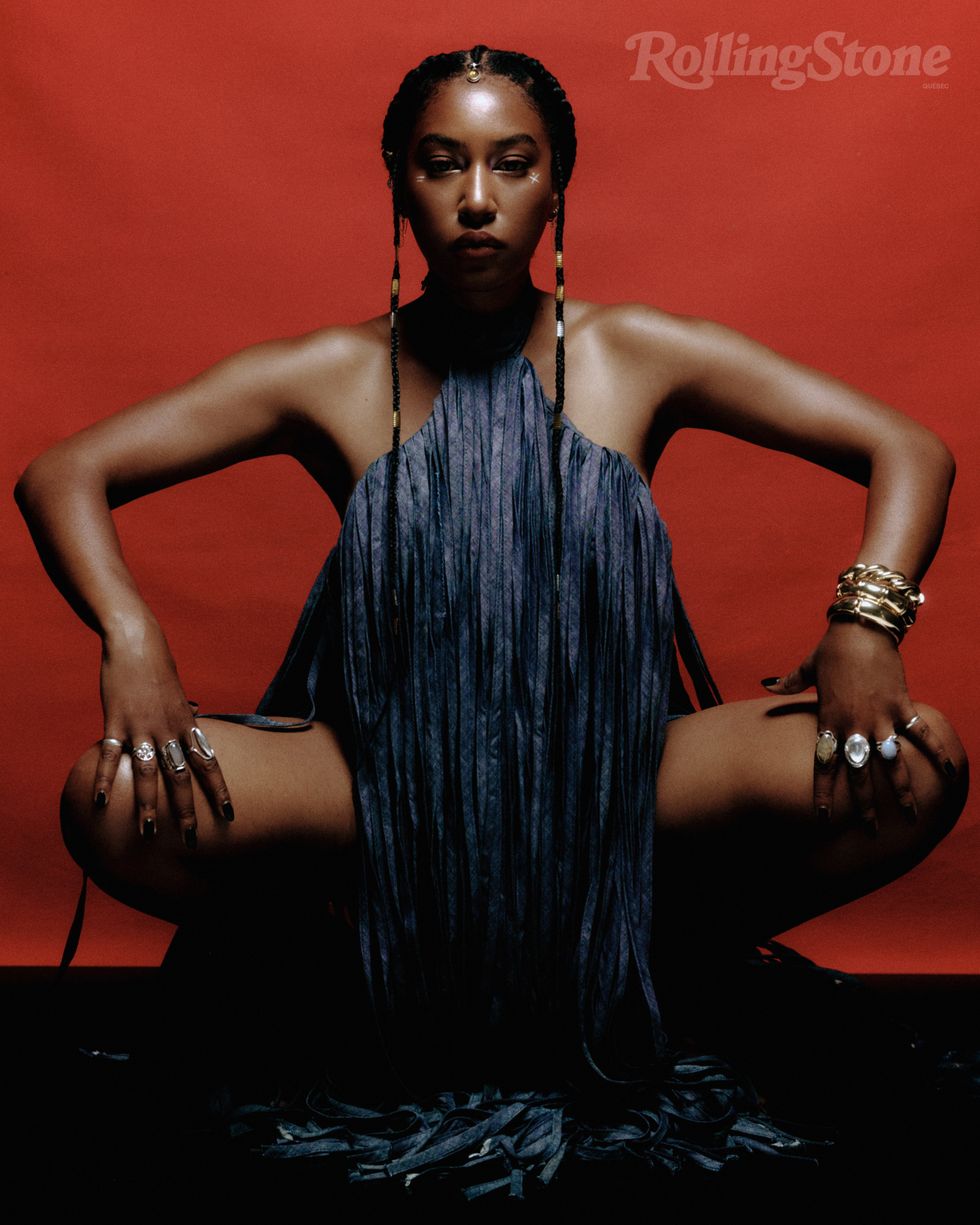 Dress: Helmer/Jewelry: Personal Collection
  Jewelry: Personal Collection
 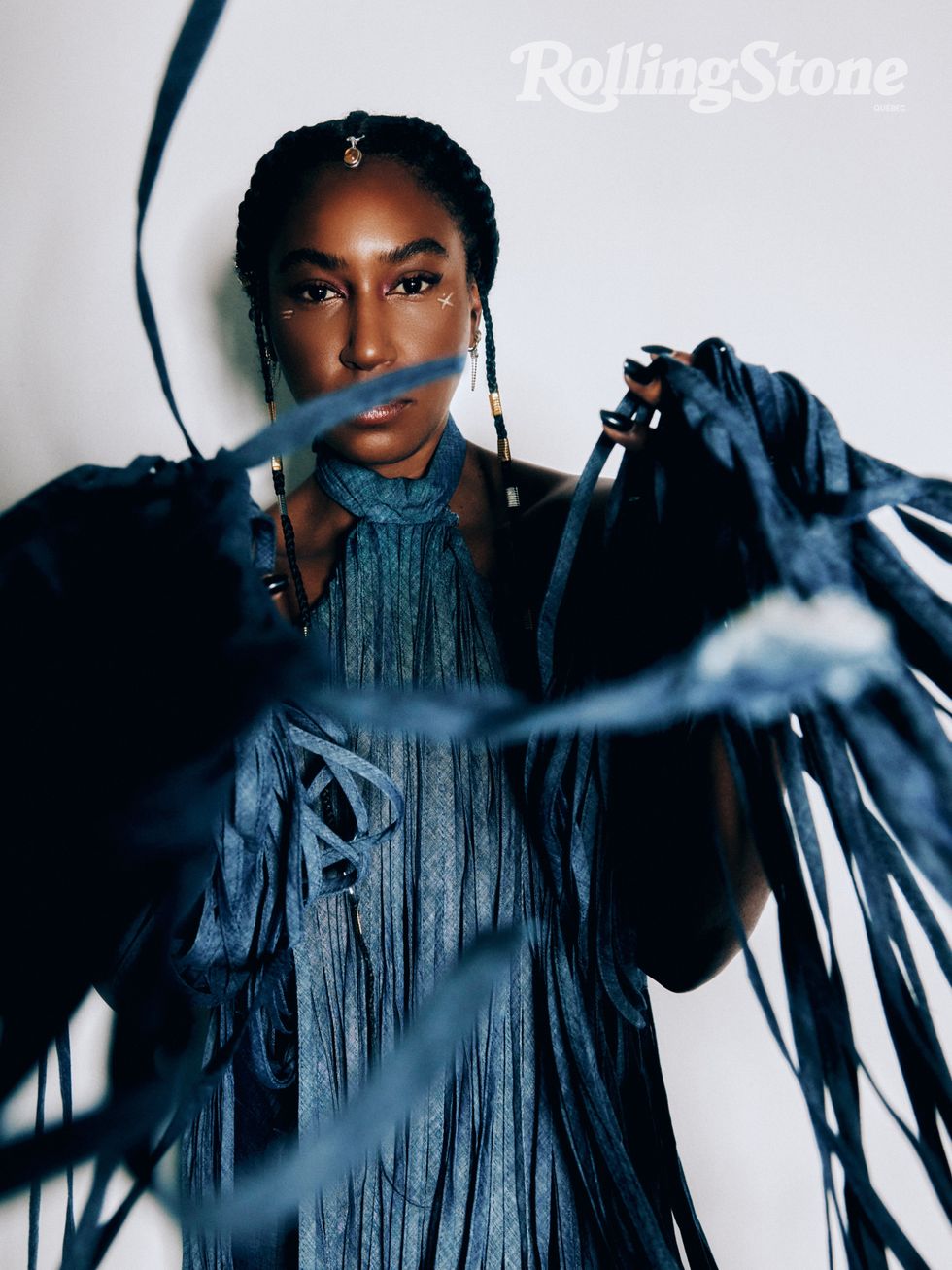 Dress: Helmer/Jewelry: Personal Collection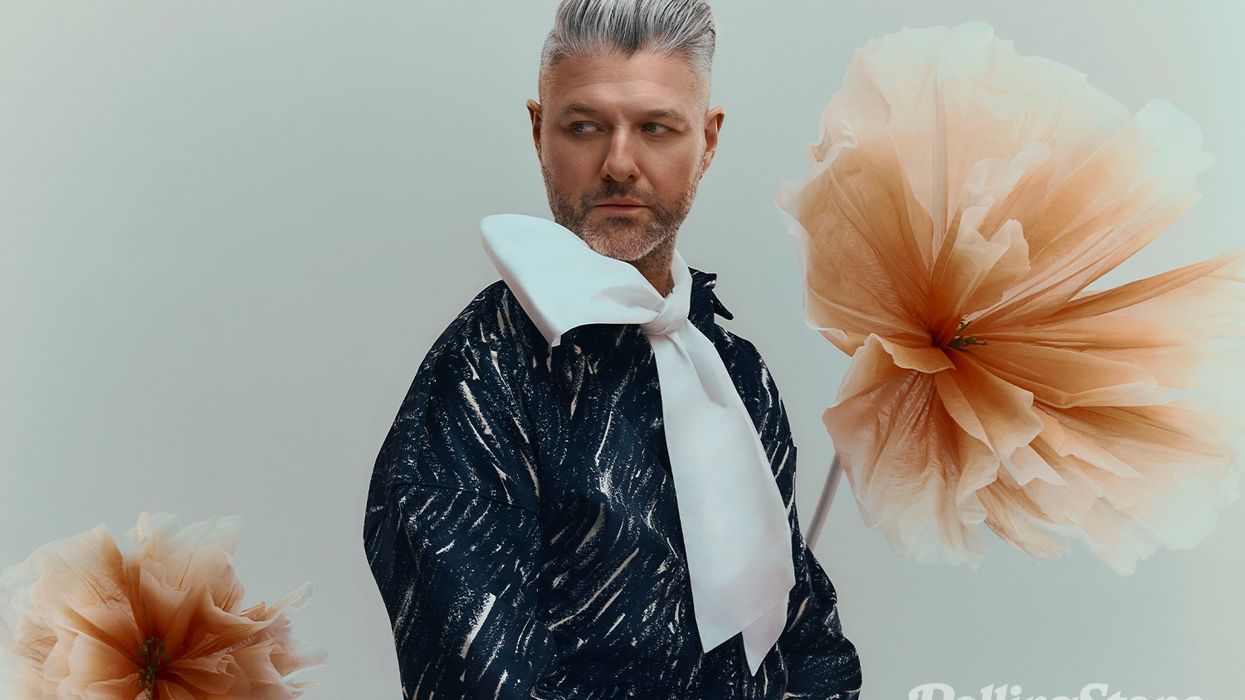
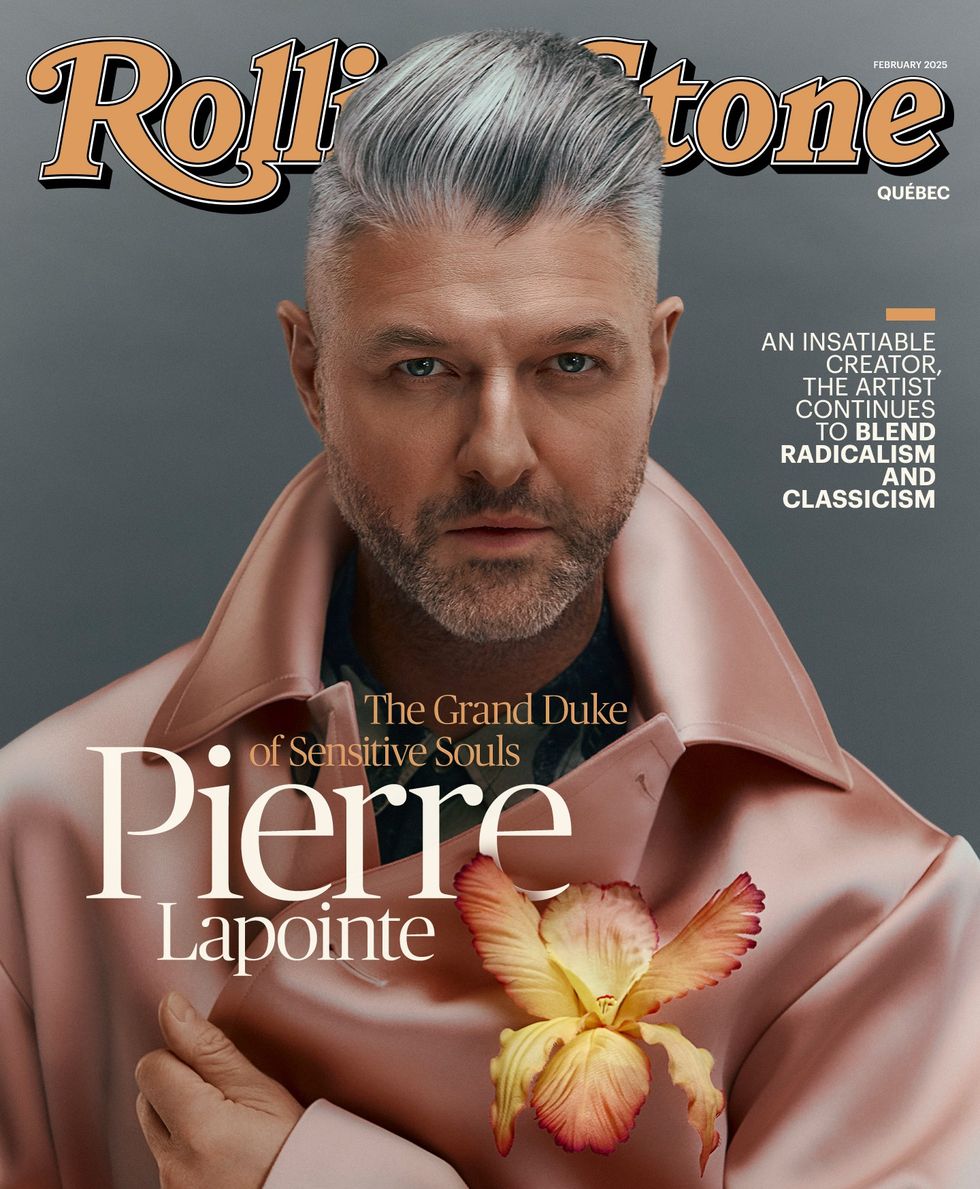 Coat (polyester and wool), shirt (silk), Dries Van Noten, SSENSE.com / Flower (silk), M&S Schmalberg
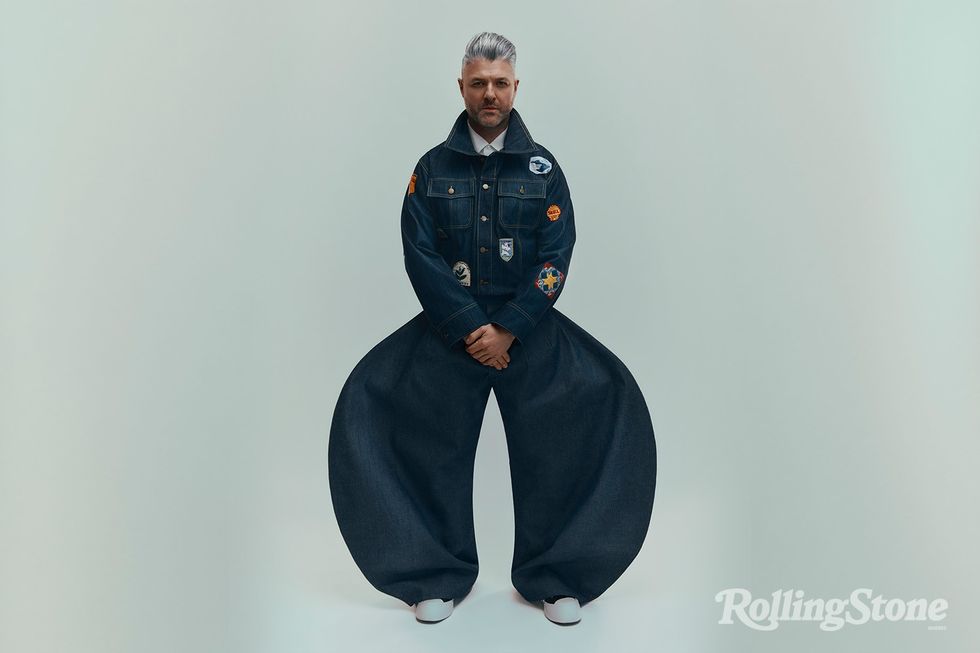 Blouson (denim and hand embroidered patches), WJ Crosson / Shit (polyester), Homme plissé Issey Miyake, Holt Renfrew/Pants from personal collection/ Shoes(canvas), Marni
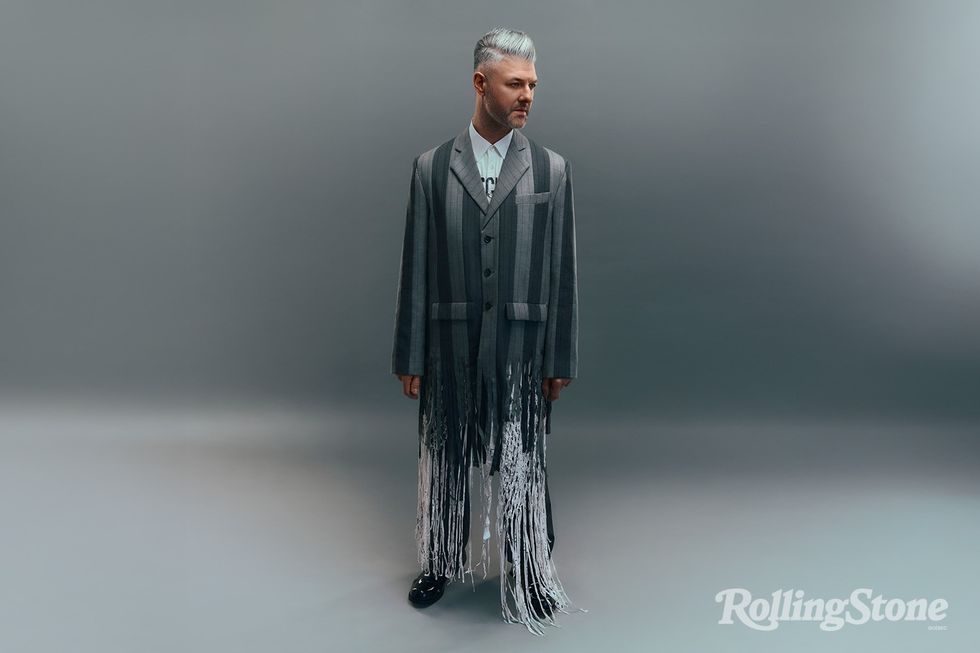 Jacket and pants (virgin wool), shirt (acrylic coated cotton), Moschino / Shoes from Pierre Lapointe's personal collection