
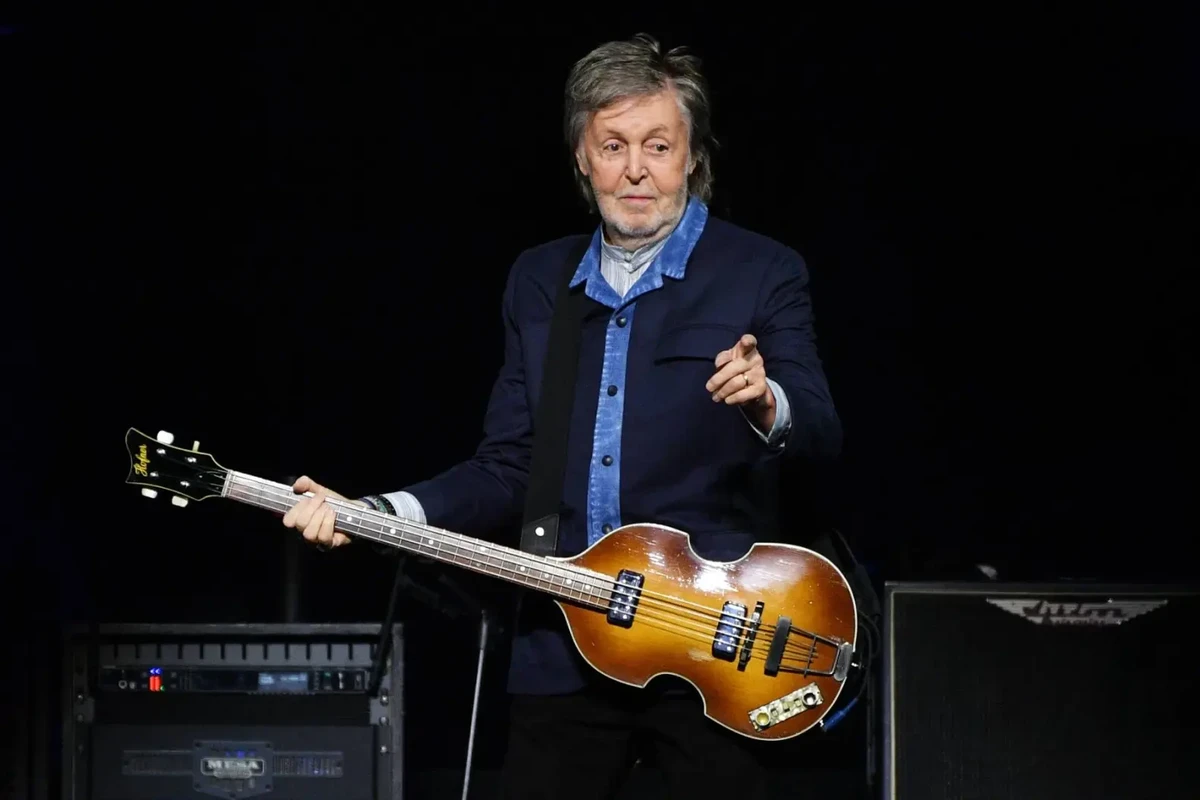

Paul McCartney stopped by the The Rest Is History podcast and sat down with host Tom Holland for a sprawling conversation that covered everything from how he wrote his first song at 14 soon after his mother’s death to how wartime resilience shaped the Beatles.
McCartney also previewed his upcoming song “Salesman Saint” from his latest album, The Boys of Dungeon Lane, set to release May 29. The track begins around the 8:17 mark in the episode below and features Macca taking a walk down memory lane as he sings, “My father was a salesman/ My mother was a saint/ Working every God given minute to make enough to pay the rent/The war was nearly over/The peace would soon begin.”
After sharing a snippet of the track with Holland, McCartney discusses witnessing his mother’s courage and profession as a midwife. “I have one big memory of her,” he recalled, detailing that it was during the winter after a heavy snowfall. “She got called to go to a birth — call the midwife — and so she got on her bike, because they didn’t have cars. She got on her bike in this deep snow, with her uniform on, with a little suitcase on the back and a little basket on the front. And I have this memory, in the street lights, of her cycling out through the snow and thinking, wow, that’s pretty brave.”
He also shared how he wrote his first song when he was 14, shortly after his mother died. “I remember the things that appealed to me about that song. The song was called ‘I Lost My Little Girl,’ and someone pointed out to me, my mum had died not too long before that. So probably, at the back of my mind, a therapist would say that’s what this was about. But the guitar was your therapist.”
Elsewhere in the interview, McCartney delved into how growing up in Liverpool shaped both his childhood and the spirt of the Beatles. “I do think the character of Liverpool is a very strong one. I think with the Irish influence and then coming through the war, and having to be happy when bombs were falling, there was a lot of music when I was a kid. My dad played the piano at home. There were a lot of jokes. And so they kept their heads above water by laughing at the whole thing. And I think that was something that found its way into the Beatles,” he said. “I think it gave us a good sense of humor — that no matter what we were going to do, like arrive in America and have the New York press ready to make fun of us, we gave as good as we got. And that was because of our Liverpool upbringing.”
The Boys of Dungeon Lane, which was produced by Andrew Watt, includes many songs looking back on the singer’s early days, including one about his friendship with John Lennon titled, “Home to Us.” (The single is also McCartney’s first duet with Ringo Starr.) In March, he released “Days We Left Behind,” and like much of the album, the track is steeped in McCartney’s childhood memories, with his upcoming LP even drawing its title from one of the song’s lyrics.
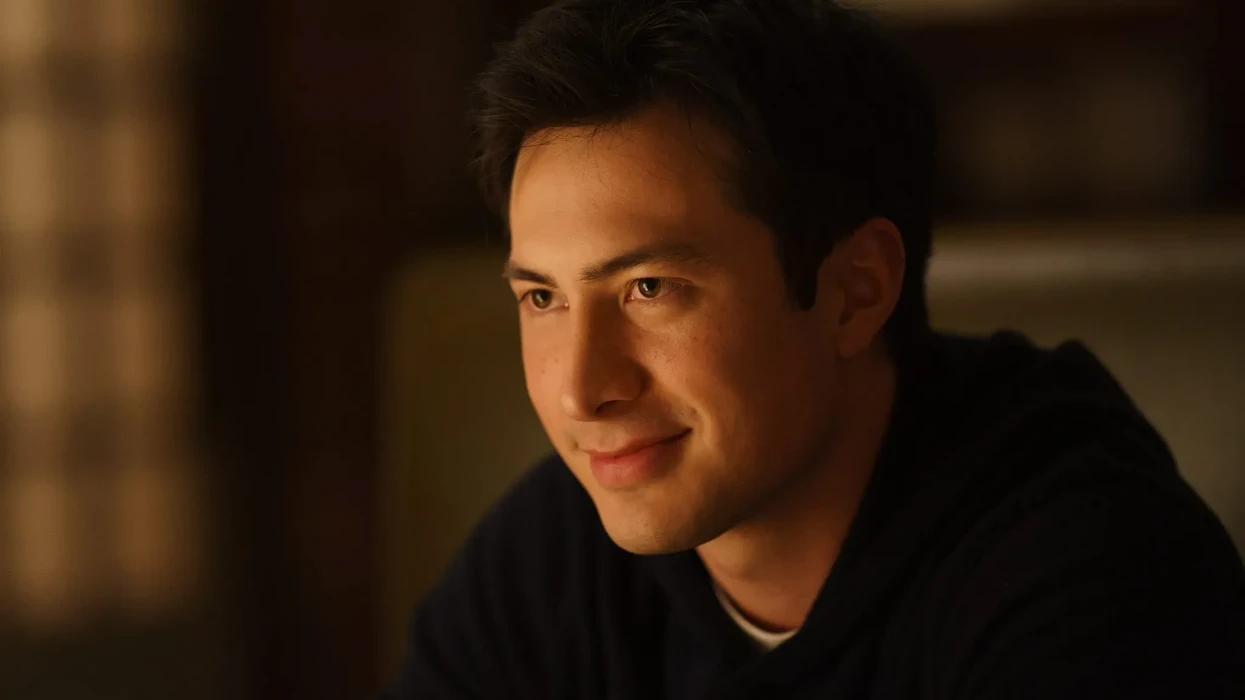


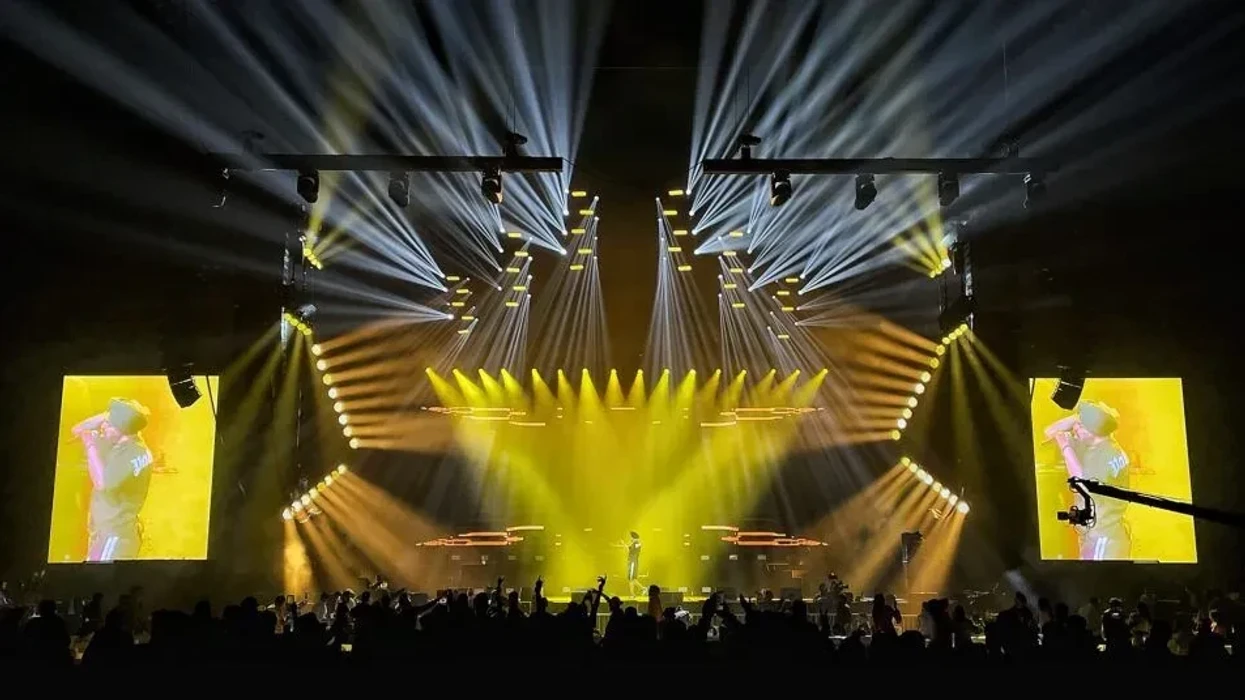
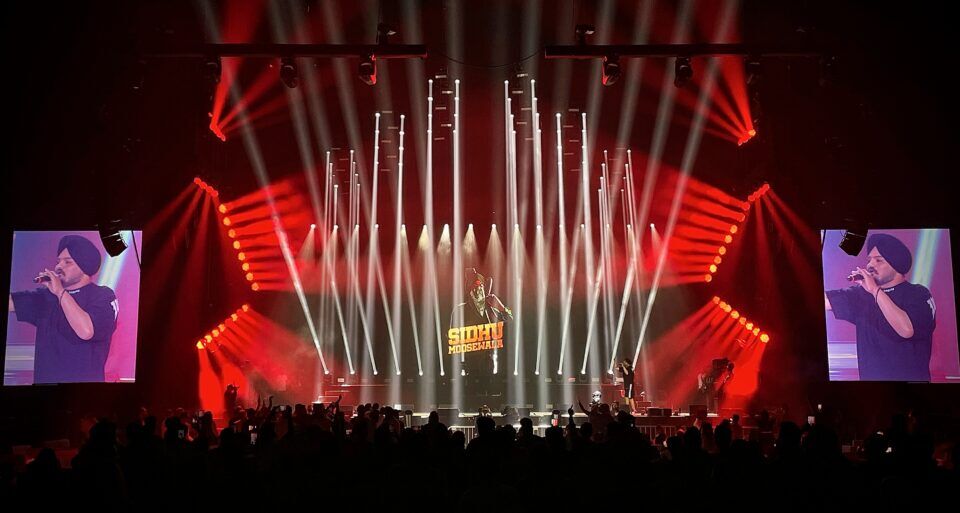 A past show produced by The Concert Production for Sidhu Moose Wala.
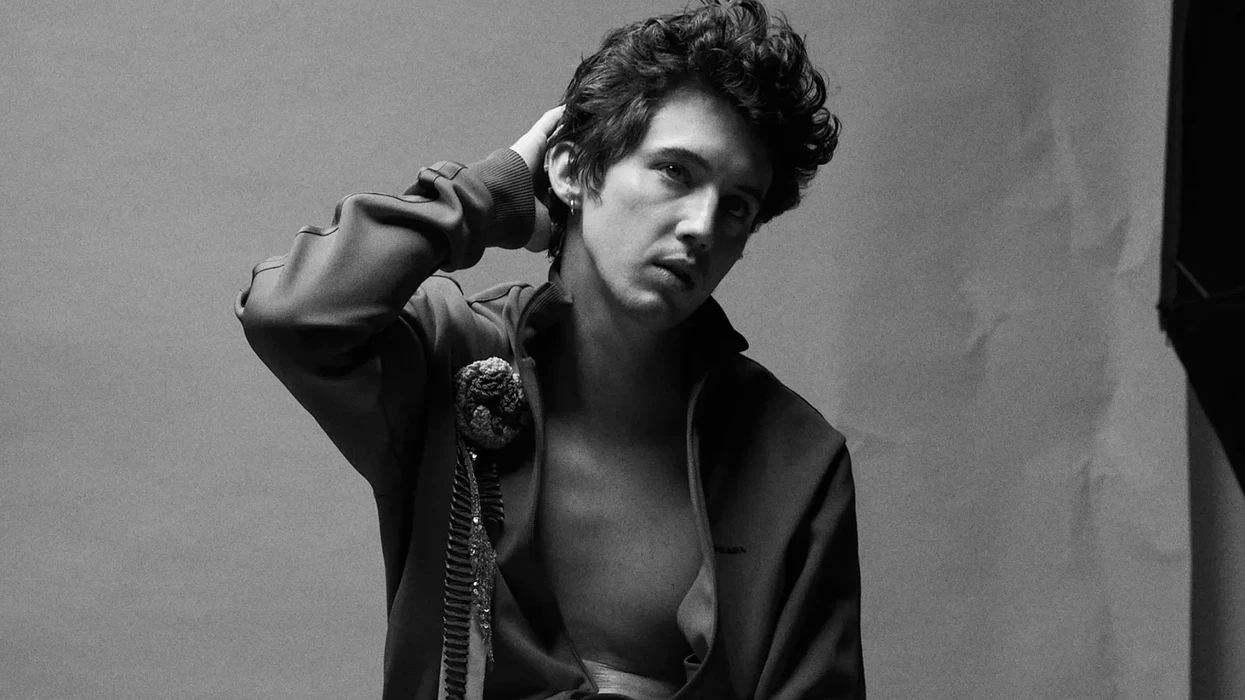
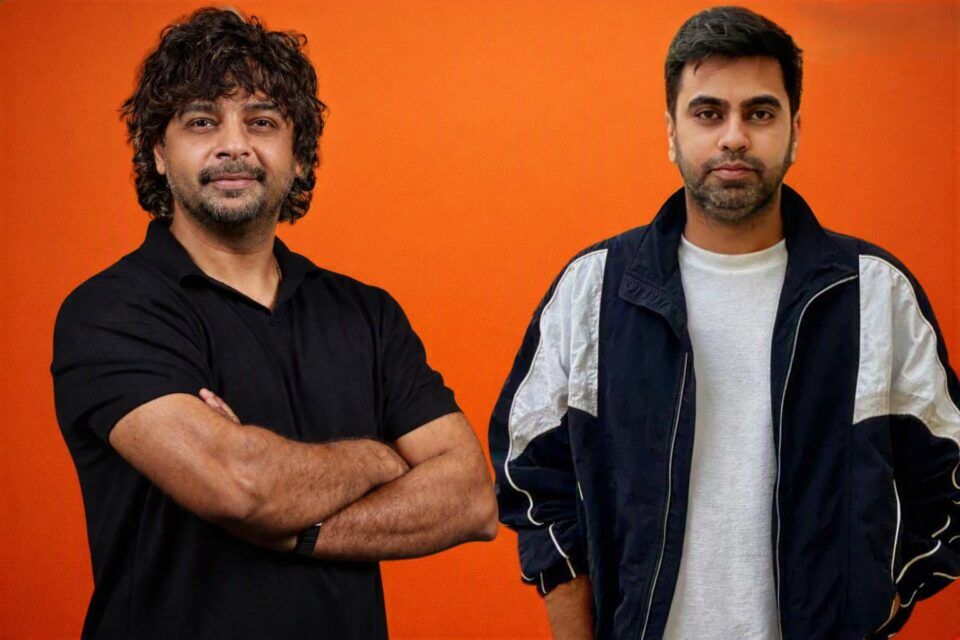 The Concert Production founders Sohail Mansuri and Zeeshan Siddiqui. Photos: Courtesy of The Concert Production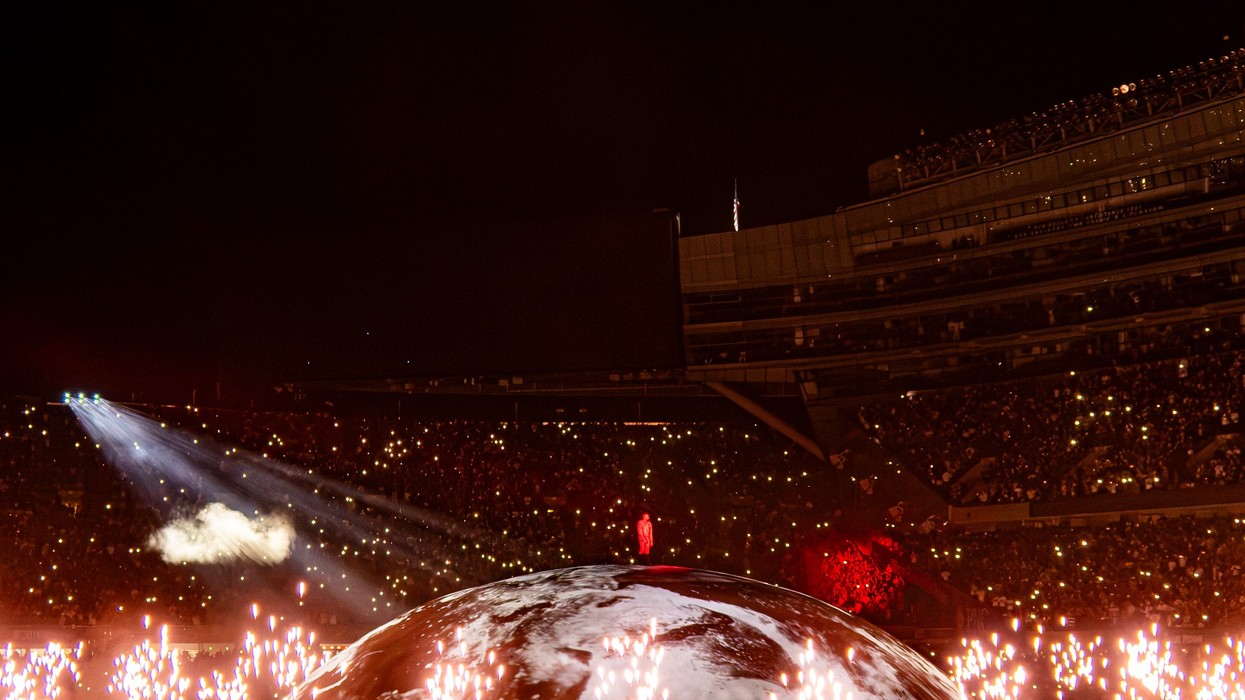
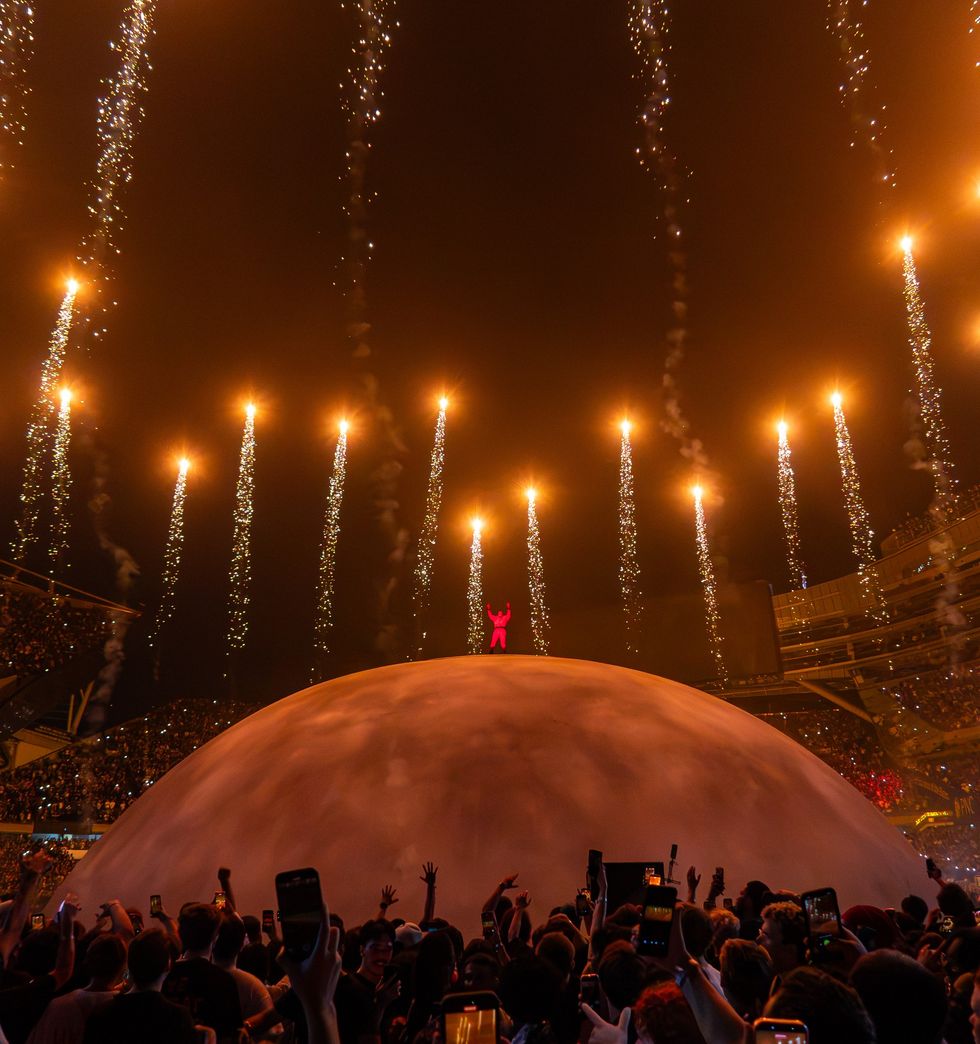 Ye in ChicagoCambams Cam
Drake onstage in Toronto last year
Everybody Likes Drake Again. That Means We’re Healing
Not to be dramatic or anything, but not too long ago, listening to people talk about Drake, you’d think he would never top the charts again. But here we are: With Iceman, he’s broken his own record, earning a 13th week atop Billboard’s Top R&B/Hip-Hop Albums chart on Sept. 5, surpassing Take Care’s 12-week run more than a decade ago. The achievement comes after the great rap civil war of 2024, which was framed as everything from a referendum on Drake’s character as a human being to a cleansing of what popular radio host Ebro would describe, in February 2025, as “a sickness in the game.”
Again, not trying to be dramatic, but even if you were skeptical of the discourse circa 2024, it is a bit shocking to hear the public’s recent re-embrace of Drake. Consider how far the frenzy around the most salacious allegations on Kendrick Lamar‘s “Not Like Us” extended. There was Christopher Alvarez, a disabled journalist, being dragged into conspiracy theories. There was the woman from the resurfaced concert footage, now 31, having to publicly dispute the creepy significance strangers had assigned to an onstage kiss from when she was 17. Drake said in his lawsuit against UMG that the threats had forced him to pull his seven-year-old son out of school.
What now feels like the absurdity of the moment registered as something deathly serious at the time. By September 2024, Lamar was releasing the ominous “Watch the Party Die,” just days after his Super Bowl halftime performance was announced. Oh, also, a major talking point in American culture a year and a half ago was whether one of the biggest superstars in the world would be publicly branded a pedophile during the Super Bowl.
In what world would any celebrity recover from that?
Except, with time, the online frenzy surrounding the Drake and Lamar feud reads more like a mass-psychosis event than a cultural reckoning. The music, oddly enough, often seemed secondary to the certainty of everyone discussing it. “Not Like Us” was a veritable hit, absolutely. But its cultural dominance became bound up in a widespread vilification of Drake that curdled online, where the most damning interpretation of anything could quickly become the accepted one. For a while, even putting on a Drake song could feel like something you had to explain, as if listening amounted to taking a position on the allegations.
That this all happened in 2024 is meaningful. This was right in the peak of Elon Musk’s reconstruction of Twitter, privileging rage bait and engagement tactics that helped misinformation disseminate like fact. It was also the beginning of AI tools becoming sophisticated enough to produce convincing-sounding tracks. Even before Drake released his first response, “Push Ups,” AI-generated response tracks were circulating across social media. And so, in many ways, the well of public opinion was already poisoned.
Listeners’ recent embrace of Drake feels settled in a broader cultural shift brewing since 2024. The beef, in hindsight, feels like a dying vestige of whatever people want to call “Woke 1.0”: a particular faith that exposing the right person could amount to a cultural transformation. For a moment, defeating Drake seemed to promise something about the future of hip-hop, about who would belong in it and what it would tolerate.
There were obvious holes in the argument, namely who exactly these arbiters of culture were and why they were uniquely qualified to speak for the entirety of Black people, questions that Drake pokes at on “Ran to Atlanta” from Iceman. Still, these were never even supposed to be binding philosophical truths in the first place. To hear levelheaded commentators discuss it, this was all simply entertainment — two of the genre’s greats duking it out. Even one of the beef’s catalysts, Metro Boomin, echoed the sentiment, lamenting how online fans had turned the battle into something sinister. Hell, even Jay-Z said something similar before himself tossing a few jabs at Drizzy in a freestyle at the Roots Picnic this year. But the artists themselves supplied the allegations. The ability to raise those stakes and then retreat into “simply entertainment” was part of the dynamic, too.
Even so, how it all devolved into a pseudocultural reckoning says more about the environment fans exist in today than it does about either Drake or Lamar. In the years around the beef, shocking revelations about Diddy as well as the global elite’s ties to Jeffrey Epstein have become folded into the background, alongside a sense that accountability remains selective. This atmosphere of collective powerlessness offers one explanation for the conspiratorial thinking at the heart of Lamar versus Drake. A frustration with an increasingly degraded world and dwindling resources to change it means outrage can mobilize an enormous number of people very quickly, with little holding them together once the moment passes.
The language of exploitation and cultural extraction gave the battle a purpose that seemed to extend well beyond either rapper. But even if you took the least charitable opinion imaginable of our Canadian hitmaker, what was supposed to happen after Drake was defeated? The industry whose supposed wickedness Drake allegedly embodied carried on selling the spectacle itself.
What everyone was caught up in was an appetite with a longer history than the social media platforms now feeding it. Lance Oppenheim’s new film, Primetime, returns to Chris Hansen and To Catch a Predator, a television format that made public humiliation feel like a public service. The connection is in the experience offered to the audience. The viewer could enjoy the confrontation with the reassuring sense that watching served some larger good. Never mind if anything that was unfolding on screen amounted to justice.
In the historian Anton Jäger’s book-length essay Hyperpolitics, published earlier this year in English, he describes how the past decade’s surge of political feeling has coincided with a continuing withdrawal from communal life. More isolated digital environments can fuel extraordinary mobilization without the actual community organizations that might turn it into something tangible. Negating Drake, then, became a gesture in itself. A means of signaling a broader dissatisfaction with the direction of hip-hop culture. Where the problems extend to technology and the demoralizing margins of streaming music, for a while it felt good for people to just wrap it all up in one word: Drake.
But on Iceman, it’s hard to take the idea of Drake as an evil force within hip-hop very seriously, even as he himself makes an effort to lean into the role of the villain. Drake’s music is most potent when it’s aimed at the masses, even if he swears his nice-guy days are over. This is the Degrassi kid turned global superstar rivaling Taylor Swift, after all.
Now, with Fear of Missing Out, Drake’s cryptically announced project slated for release this week, we’ve entered a second kind of Drake Renaissance. However delusional it seems, there was a moment when it felt somehow wrong to play Drake. His return to the top of the charts suggests a good deal of people were eager to get back to listening.