
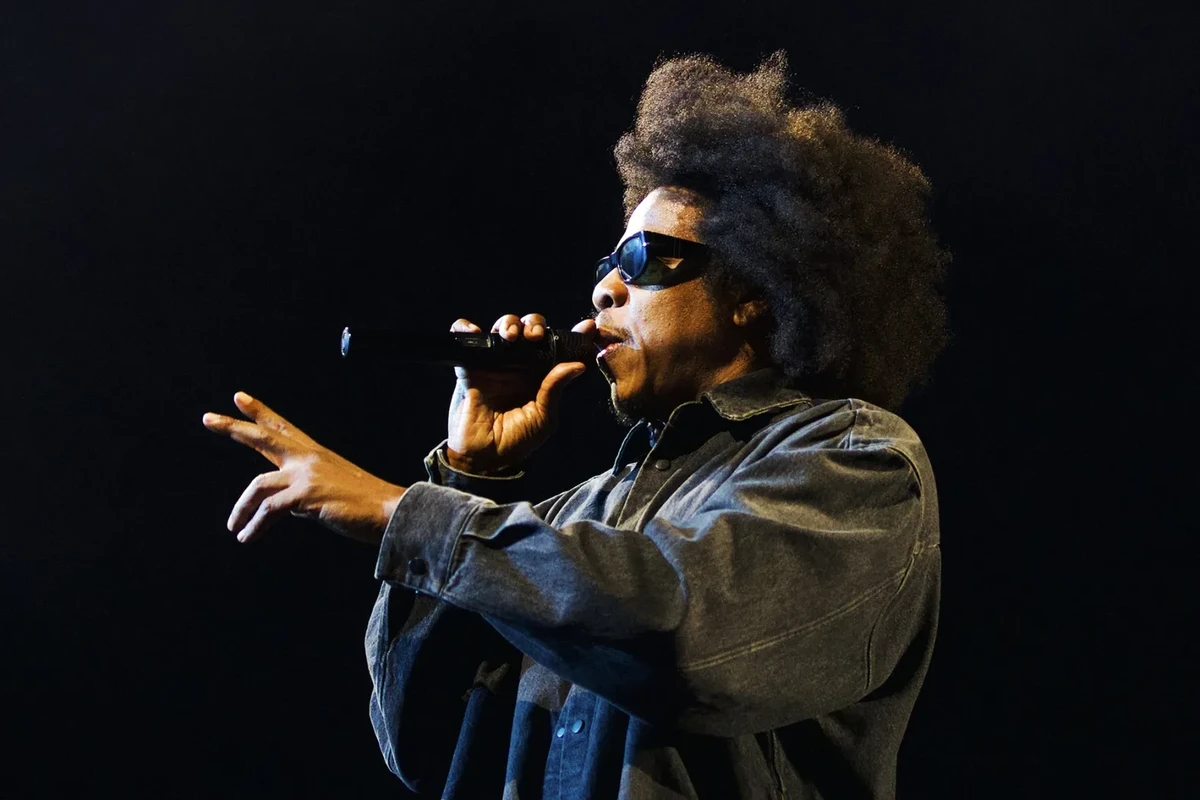

Jay-Z’s Roots Picnic freestyle was not merely a diss record played live. It was a reminder of the strange position he now occupies: still one of rap’s most dangerous technicians, but also a mogul institution whose grievances carry the weight of boardroom power. The performance, where he appeared to send shots at Tony Buzbee, Drake, Ye, Dame Dash, Nicki Minaj and Tory Lanez, has been treated online as a question of effectiveness. For Jay-Z, the better question is whether the battle helped his legacy or made him look too eager to prove he can still win one.
For fans of Jigga, this was defiant material for all the detractors who seem fed up with his era as a businessman and family man, the version of Jay-Z some imagine pulling strings in pop culture like an evil supervillain. Dressed in all black, with an afro that made him look like a soothsayer from the 1970s, Jay shot back. It was a therapy session from someone known for steely masculinity.
His most necessary bars were aimed at Buzbee, the attorney who represented a plaintiff in a civil lawsuit that accused Jay-Z and Sean “Diddy” Combs of raping her in 2000 when she was 13. The suit was voluntarily dismissed with prejudice in February 2025, and both men denied the allegations. Jay’s response onstage was not just a punchline; it was image maintenance on wax. His reputation has long depended on the idea that he can move near capitalism, celebrity and ruling-class power without being swallowed by scandal. To be Jay-Z is to stand for a version of Black excellence: the clean hustler, the solid husband, the solid father, the mogul who made it out and made it respectable. So, for his legacy, it made sense that he would rap at Buzbee. He was defending the whole brand.
At his best, Jay-Z has always been gaudy when he disses people, but he wears the gaudiness lightly. Take “Ride or Die,” from Vol. 2 … Hard Knock Life, the first album of his that connected with a mass audience. Jay practically embarrassed Mase, then a pop rapper at Bad Boy Records, not by screaming but by sounding amused. His legacy as one of rap’s great subliminal assassins is one of the most impressive parts of his career. Using dark humor, an arrestingly patient flow, imperial status and an absurdly cocky attitude, he gently but savagely dismissed rivals with a smile on his face and a wink. Whether it was Mase, Cam’ron, 50 Cent or Prodigy, Hov prevailed through dignified, scientific jabs. You’ve rarely heard someone so dangerous and so casual at the same time.
The Roots Picnic freestyle is not from that tradition of subtlety. Here, Jay seemed aggrieved, almost overly intense, demonstrative with his body language and vocal inflection. He was a stern dad when he addressed Ye’s past public comments about his family. He was looser when he mocked Dame Dash over a viral dental mishap, and when he appeared to reference Tory Lanez, who is serving a 10-year sentence for shooting Megan Thee Stallion. The posture was different: angry, theatrical, eager to dig a hole for his enemies. Maybe he has not sounded this way since “Supa Ugly,” the notorious Nas diss his mother urged him to apologize for.
For most of his post-4:44 career, Jay has been an entertainment executive more than a working rapper. He seems to want us to understand him as part of a different class of status from you and me, a man who uses the NFL, the most reliable mass-culture machine in American entertainment, as a way to speak to the public. When he wants to stage a celebration of West Coast rap and the Dr. Dre industrial complex, he helps make room for Dr. Dre, Snoop Dogg, Eminem, Mary J. Blige and Kendrick Lamar. When he wants to underline Rihanna’s titanic place in pop and R&B, she gets the Super Bowl stage. Those choices made sense, but they also turned Jay into a kind of rap commissioner, and commissioners create grievances.
That is where Young Money enters. The 2025 Super Bowl was in New Orleans, Lil Wayne’s birthplace, and many Wayne fans believed the halftime show should have been his coronation. Nicki Minaj, one of Wayne’s most famous protégées, publicly criticized the decision after Kendrick Lamar was announced. It was not hard to see why the wound lingered. New Orleans spent two decades being soundtracked by Wayne’s voice. Still, the Super Bowl is not a lifetime achievement award. As much as Kendrick Lamar’s 2024 felt like an annoying fever dream, Lamar was the better performer for that specific job, and performance may be the most important quality when picking a headliner.
Drake and Jay-Z have always been eager frenemies. On Drake’s first album, Jay appears on “Light Up,” a bruising and tart track where they trade bars about loyalty, haters and getting money. Jay functions as the big brother on the record, a mentor of sorts, explaining the rules of the game and telling Drake to ignore rap schisms because they are “silly.” Yet friction has always been nearby, whether through Birdman and Wayne, OVO or Jay’s camp. Their collaborations — “Pound Cake,” “Talk Up” and “Love All” — never removed the stench of distrust between them. In 2015, when Jay was introducing Tidal, Drake chose Apple Music instead, forging his own path as a mogul rather than teaming up with Jay.
That history made Drake the figure who drew the most attention from Jay at Roots Picnic. After Drake’s No. 1 hit “Janice STFU” jabbed at older rappers and declared “the jig is up,” Jay answered with chart talk and a warning about publishing. It was vintage enough to sting, but not effortless enough to disappear into legend.
The differences between Drake and Jay are small but significant. Drake inherited Jay’s mantle as the king of subliminal disses, using them to swat rivals like Meek Mill and Kid Cudi and, before 2024, Kendrick. But where Jay’s place in the hip-hop tradition is fixed, Drake’s is forever contested. The 2015 ghostwriting controversy around “If You’re Reading This It’s Too Late” damaged how some listeners hear his authorship, and his loss to Lamar hardened that skepticism into a verdict. Where Jay has become dignified, hip-hop keeps trying to undignify Drake.
One possible motive for Jay dissing Drake and company is the run of Yankee Stadium shows set for July: two album-anniversary concerts for Reasonable Doubt and The Blueprint, plus an added “Extra Innings” date. With most rappers, the freestyle might read as impulsive. With Jay, calculation is part of the text. Fans were going to show up anyway, but the freestyle gave him headlines in the weeks before the concerts and, maybe, before whatever else he has planned musically. He is Jay-Z, the megastar, but he is also effectively Unc, and beefing with Drake gives him momentary currency in the timeline.
The cost is that the freestyle played overly aggressive. His trademark cool was sidelined by a more demonstrative style, closer to the theatrical sensibilities of 2Pac than the muted menace that once defined him. 4:44 moved in that direction too: confessional rather than delicate, emotionally exposed rather than subliminal. Maybe this is simply how Jay raps now, rich enough and old enough to stop protecting the calm, collected soldier image that made him untouchable.
So, was Jay effective in his disses toward Drake? Yes, in the short term. He bent the conversation. He reminded people that the voice still cuts. But the “talk tough” line also asks Jay to look in the mirror. His critique of Drake’s proximity to powerful white businessmen is complicated by Jay’s own long history of proximity to power, including his public work with Harvey Weinstein before Weinstein’s downfall, when they were promoting Time: The Kalief Browder Story, a documentary series both men executive produced. That is not the same thing as Drake’s publishing situation, but it is the sort of contradiction Jay’s enemies can grab.
The larger legacy of Jay-Z is great. At Yankee Stadium, while performing Reasonable Doubt and The Blueprint, fans will be jubilant, breathing in the excitement of watching him perform songs that became soundtracks for the desire to live an American life and be more than what was given to you at birth. Yet Jay is dragging himself into a war with Drake, a fight he does not need to be in. To be a legacy is to protect your legacy and pop out once in a while. Jay has already made the choice to live above the fray. The trolls should not be able to call him back down whenever they want.


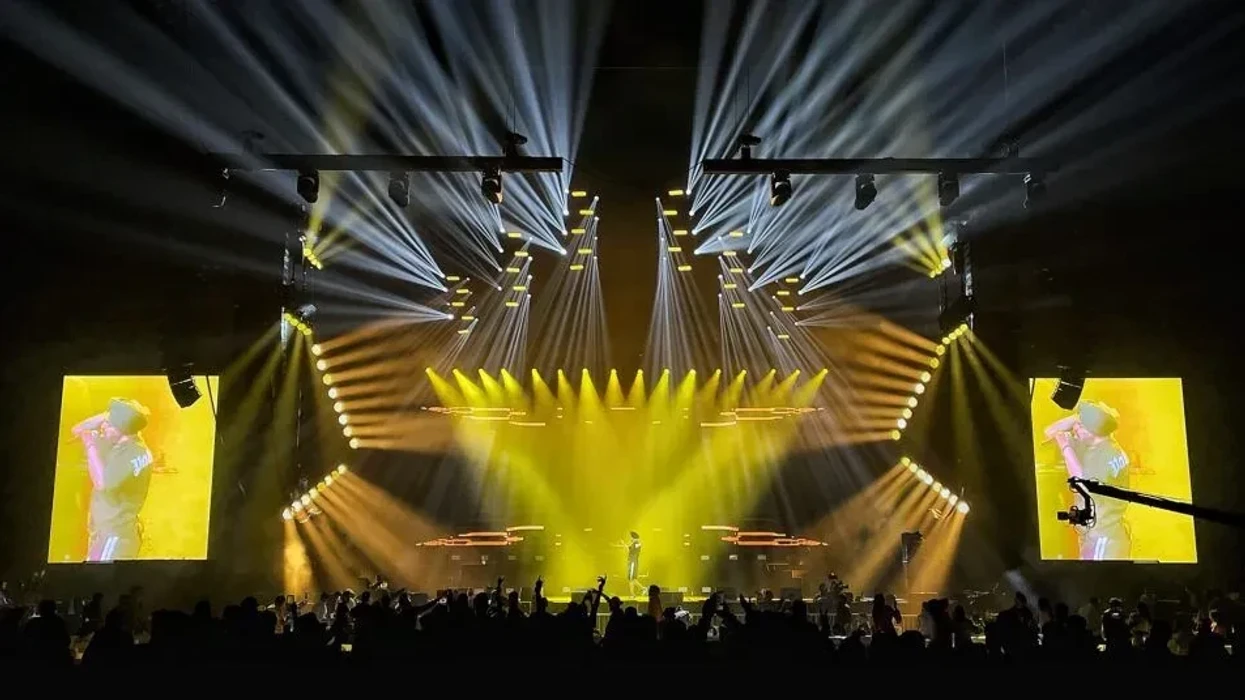
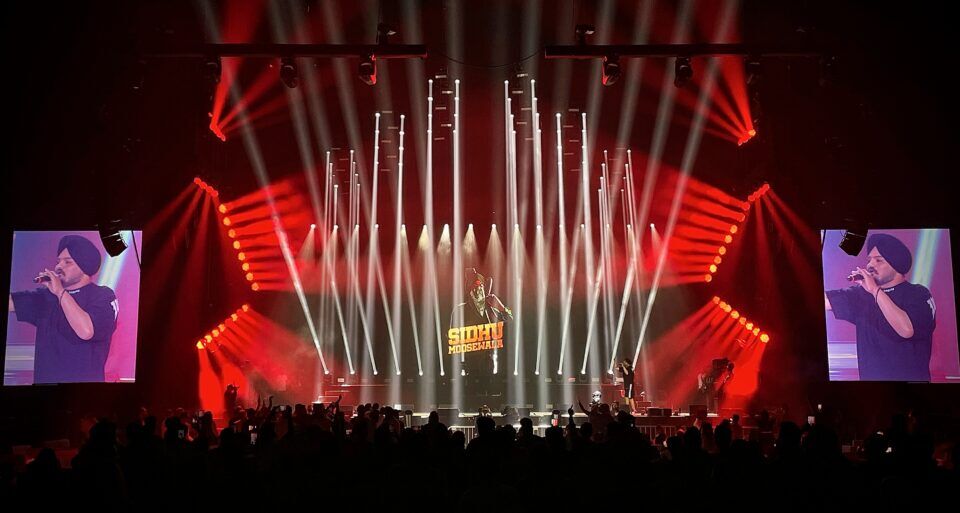 A past show produced by The Concert Production for Sidhu Moose Wala.
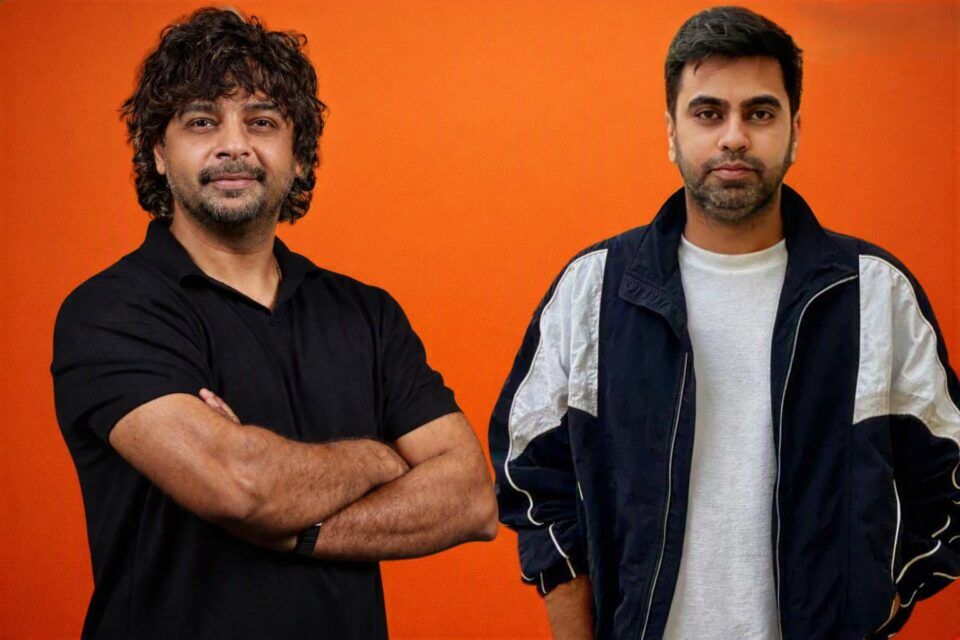 The Concert Production founders Sohail Mansuri and Zeeshan Siddiqui. Photos: Courtesy of The Concert Production
 Ye in ChicagoCambams Cam
Jay-Z Is Too Big for Rap Beef. That May Be the Problem
His Roots Picnic freestyle had the force of a legend clearing the air, but it also raised a harder question: What does rap beef do for an icon who already won?