
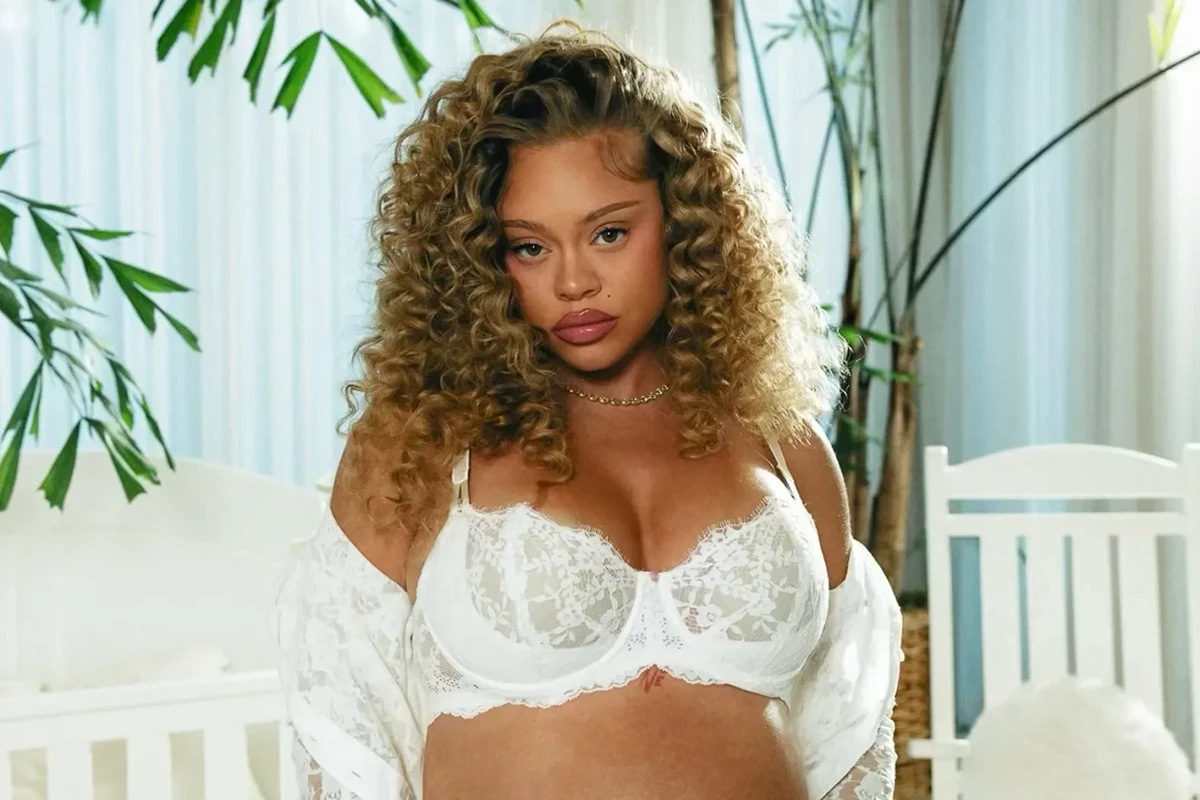

Since emerging from Atlanta as “Miss Mulatto” on Jermaine Dupri’s reality-TV series The Rap Game — an alias that led to accusations of trolling before she mercifully shortened her name — Latto has built a surprisingly resilient career. Her first three albums, beginning with 2020’s Queen of Da Souf, are each certified gold and yielded at least one major hit, from 2021’s Mariah Carey-quoting “Big Energy” to 2023’s “Put It on the Floor,” the latter with Cardi B.
Yet despite topping the Billboard Hot 100 in 2023 with her cameo on Jung Kook of BTS’ “Seven” and earning three Grammy Award nominations to date, Latto remains underappreciated, neither as critically acclaimed as Monaleo and Doechii nor a multiplatinum brand like Cardi. She spits as hard as anyone, and has the saucy, high-maintenance personality that’s a virtual requirement among women in mainstream rap. However, her albums can sound like a patchwork of impulses, torn between satiating her hardcore audience and designing a résumé for pop-radio rotation.
Big Mama, with its cover image of a visibly pregnant Latto, seems designed to change that. The 55-minute, 18-song track list is stuffed with lyrics about being a “baddie” in love, thanks to a messy, tabloid-ready romance with chart-topping Atlanta star 21 Savage, who left his wife to be with Latto, and the birth of their daughter last month. “Can’t believe my life right now, I feel on top of the world/Should’ve seen my face when they told me it’s a baby girl,” she raps on “Mama,” an overwrought country-rock ballad with Jelly Roll. (“Somebody,” which closes Big Mama, is a more effective arena-rap foray.) Meanwhile, 21 Savage appears on the decidedly smuttier “Hostage,” and the couple trade sex bars while Latto crows, “I dig in his bag, he dig in my guts.” Musically, Latto may still yearn for the kind of crossover success that seems quixotic in an era when rap has all but disappeared from the Billboard charts (with Drake a noted exception). But folks can’t accuse her of not making a statement.
The first cuts on Big Mama confirm Latto’s hard-rapping bona fides. “Hatin’ hoes don’t like me (bitter)/But all the lesbos wanna dyke me (scissor),” she raps in a hashtag style on the effective “Get Money Girl,” a Southern-trap number produced by Coupe. (He and Go Grizzly, both ATL veterans, have a hand in most of the album’s songs.) Latto bars up alongside Memphis star Glorilla on “GOMF,” as the duo boast and brush off haters, with Glo claiming, “Google said my net worth what? That’s how much I paid in taxes.” But by the fourth cut, the beatless “Chrome Heart Diaper Bag,” Latto is rapping melodically over airy laptop melodies about good sex: “Knew I was gon’ need a test soon as we landed back home.” Then there’s another lovelorn song in “Okayyy” with Doja Cat, who raps, “We both forgot what a condom is/You would think we was tryin’ for kids.”
The rest of Big Mama is overly focused on a big, big love, Fleetwood Mac-style. There are intriguing lyrical sidebars like “Hostage” where Latto speed-raps, “I ain’t goin’ nowhere, I’m dyin’ in the A/The fuck I look like, Trae Young?” And she inspires good performances out of singers Teyana Taylor (“4L”), Wizkid and Odeal (“Anxious”), and Mariah the Scientist (“Make Me”). But her singular emphasis can get tiring, no matter how gutter she tries to keep it. “Gangster bitches need love, too/Bad bitches need love, too/Real bitches need love, too/Rich bitches need love, too,” she chants on “Need Luv 2” alongside St. Louis rapper Sexyy Red.
Women in rap are often unjustly penalized for their artistic choices, putting them in an impossible quandary. If they go too hard, dudes like Jermaine Dupri will deploy sexist tropes about “strippers.” (Latto, for her part, mocks Dupri on “Get Money Girl,” as she celebrates outgrowing his expectations of her.) But if they sound too soft, they’re dismissed as lame and decidedly un-hip-hop pop. One can quibble with the deluge of romantic themes on Big Mama, and wonder if the resulting songs could be better. There are only one or two outright duds like “Onnat,” which references Big Boi’s Purple Ribbon All-Stars classic “Kryptonite” but sags around a mediocre chorus, and “Fallin’,” which pairs weepy guitar strings with throwaway lines like “You could make a dollar feel like a hundred grand.” Mostly, it sounds like too much of a good thing.
When thinking of Big Mama, one can’t help but recall the career of Trina, the Miami rapper who was frequently overlooked during her aughts heyday, yet is now celebrated as a defining artist, the sassy-voiced bridge between MC Lyte and the likes of Megan Thee Stallion. Perhaps Latto, who has demonstrated her knowledge of Southern-rap canon by chanting “baow baow” like Waka Flocka Flame and nodding to Crime Mob’s “Knuck If You Buck” in her lyrics, is playing a long game, making work that will gather more appreciation over time as her audience truly absorbs it. In the meantime, she has a newborn daughter to raise.


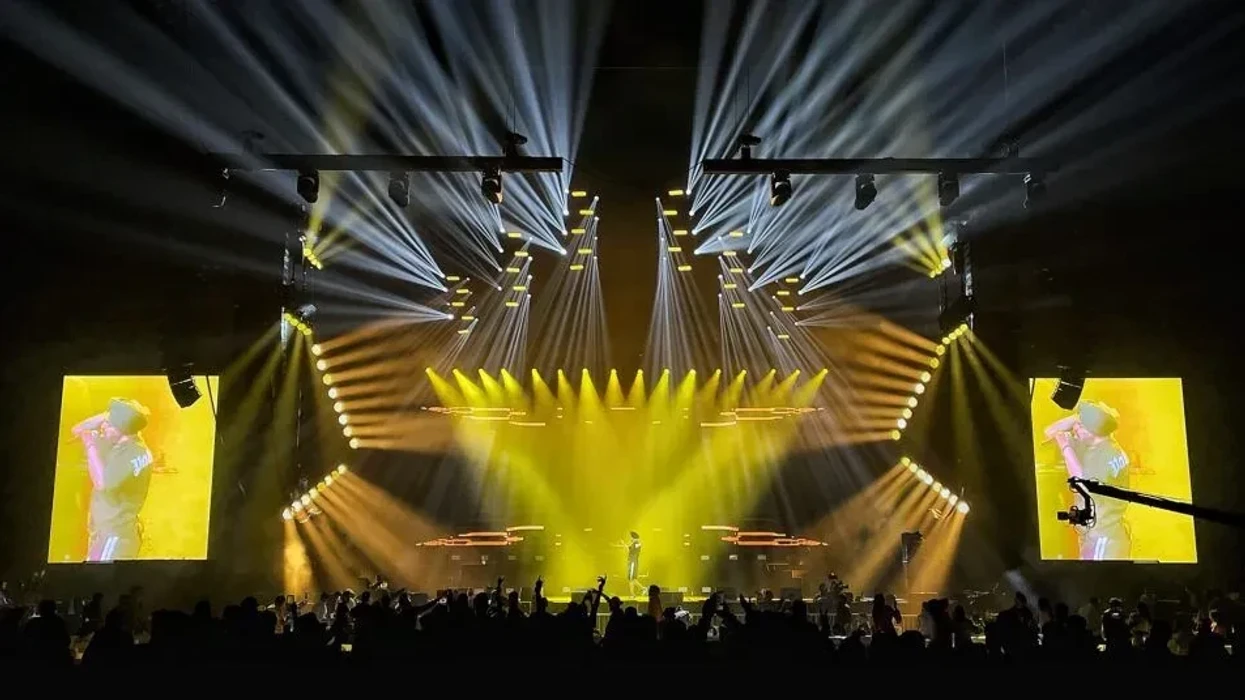
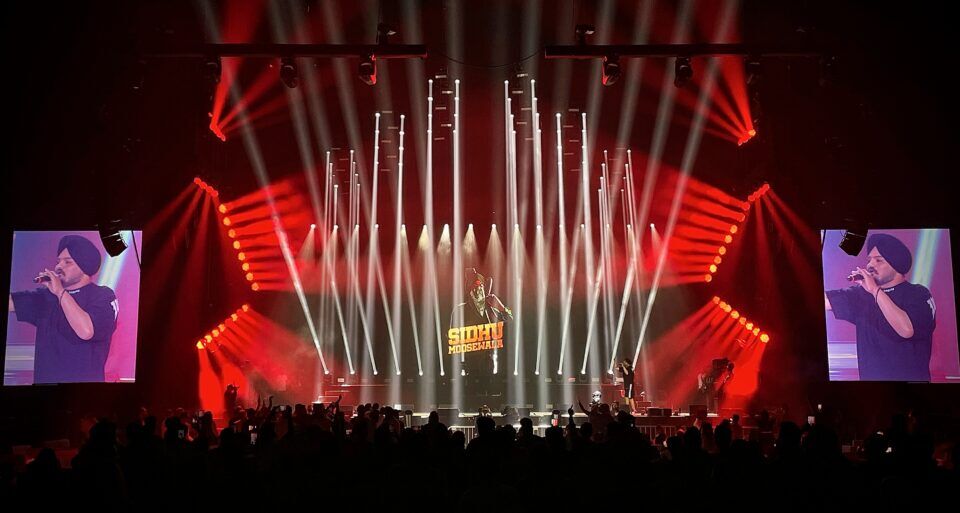 A past show produced by The Concert Production for Sidhu Moose Wala.
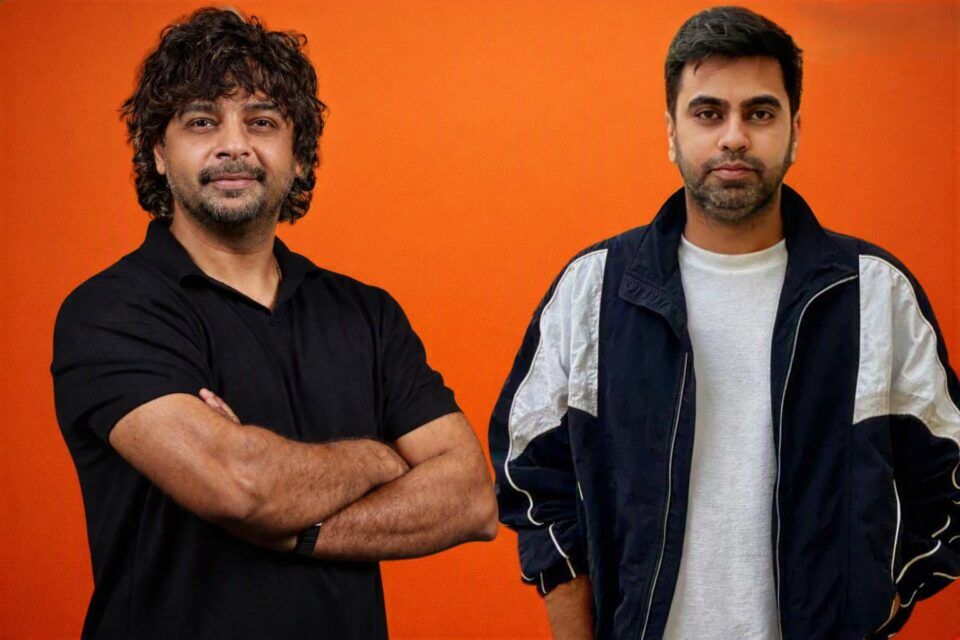 The Concert Production founders Sohail Mansuri and Zeeshan Siddiqui. Photos: Courtesy of The Concert Production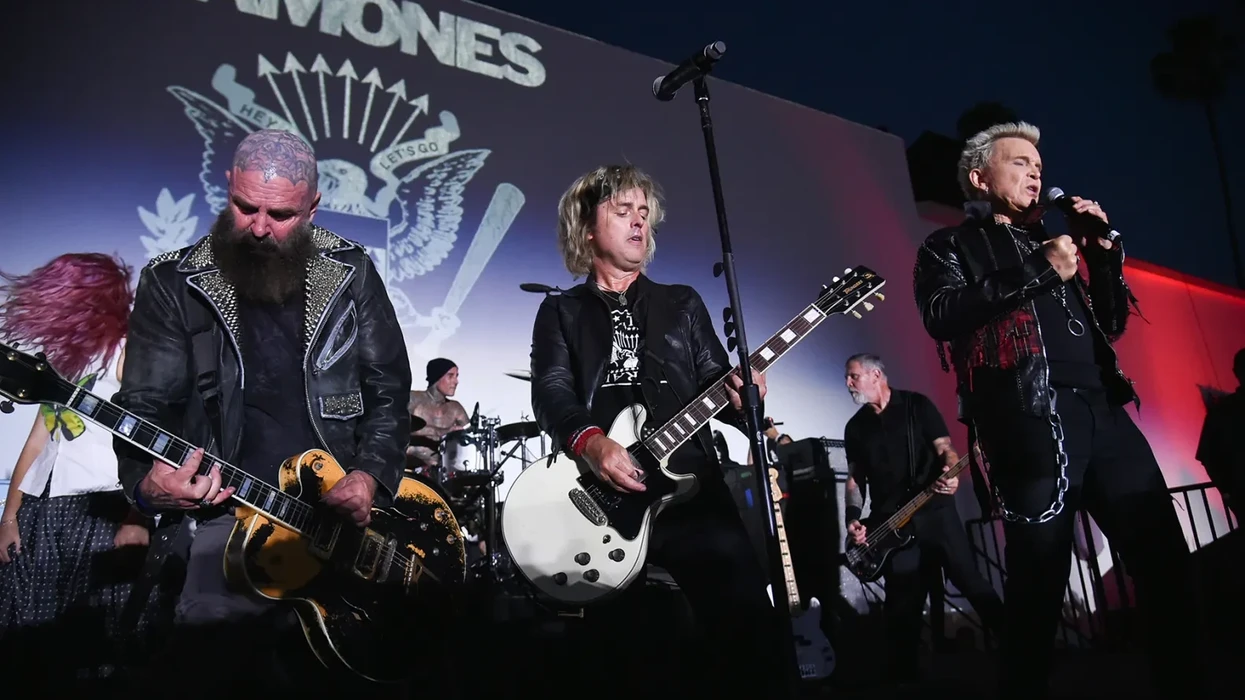
 Linda Ramone and John Travolta Sean Sabhasaigh/Getty Images
Everybody Likes Drake Again. That Means We’re Healing