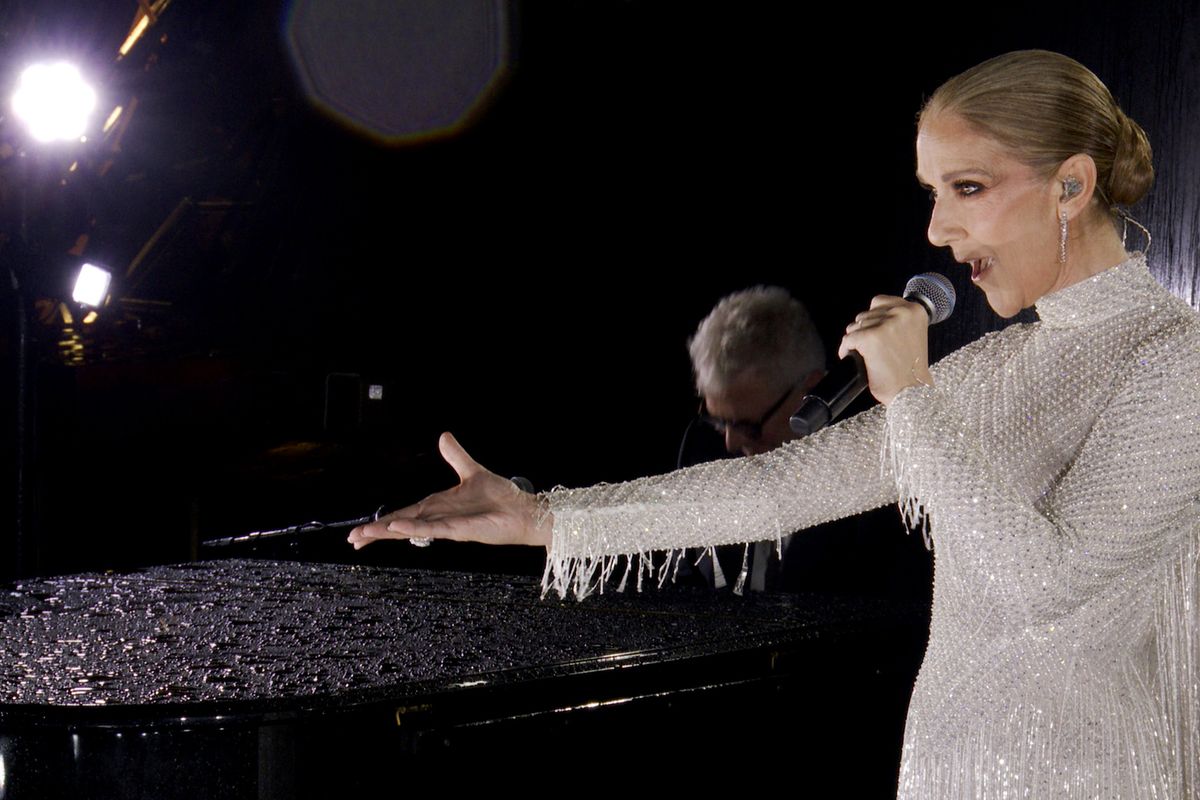

Donald Trump’s campaign has been hit with yet another artist not wanting their music being used by the candidate. This time, Celine Dion’s management and record label called out the GOP presidential nominee’s campaign for its “unauthorized usage” of “My Heart Will Go On,” one of her signature hits from 1997’s Titanic.
On Friday, Donald Trump’s campaign rally in Bozeman, Montana featured a video of Dion performing the theme song for the film.
“And really, THAT song?” a statement shared on Dion’s social media reads. The 1997 song from the blockbuster film Titanic discusses love persevering after tragic circumstances: The film features the story of star-crossed lovers Rose and Jack, who fall for one another under forbidden circumstances and meet a heartbreaking end.
In the statement on Saturday, Dion’s management team and label said their client’s song and visuals were not used with permission. “Today, Celine Dion’s management team and her record label, Sony Music Entertainment Canada Inc., became aware of the unauthorized usage of the video, recording, musical performance, and likeness of Celine Dion singing ‘My Heart Will Go On’ at a Donald Trump / JD Vance campaign rally in Montana,” the statement reads. “In no way is this use authorized, and Celine Dion does not endorse this or any similar use.”
It is far from the only time Trump’s campaign has used music without seeking approval from its creators. In 2016, the Rolling Stones said it did not endorse Trump’s use of “You Can’t Always Get What You Want.” Then, in 2020, the band and their reps said they would take “further steps” after his campaign ignored their cease-and-desist directives. Tom Petty’s estate also took umbrage with Trump’s campaign when they used “I Won’t Back Down” during his rally in Tulsa, Oklahoma in June 2020.
In 2019, Trump’s use of Ozzy Osbourne’s “Crazy Train” in a Twitter video drew ire from Sharon and Ozzy Osbourne. Back in 2018, Rihanna sent a cease-and-desist letter after “Don’t Stop the Music” was played at Trump’s rally in Chattanooga, Tennessee in November of that year. Also, during the 2016 election, Queen criticized the then-candidate for using “We Are the Champions,” while R.E.M., Neil Young, Everlast, and Aerosmith also spoke out after Trump used their music without permission.
 Thea Traff
 Thea Traff
 Thea Traff

 Drowster
 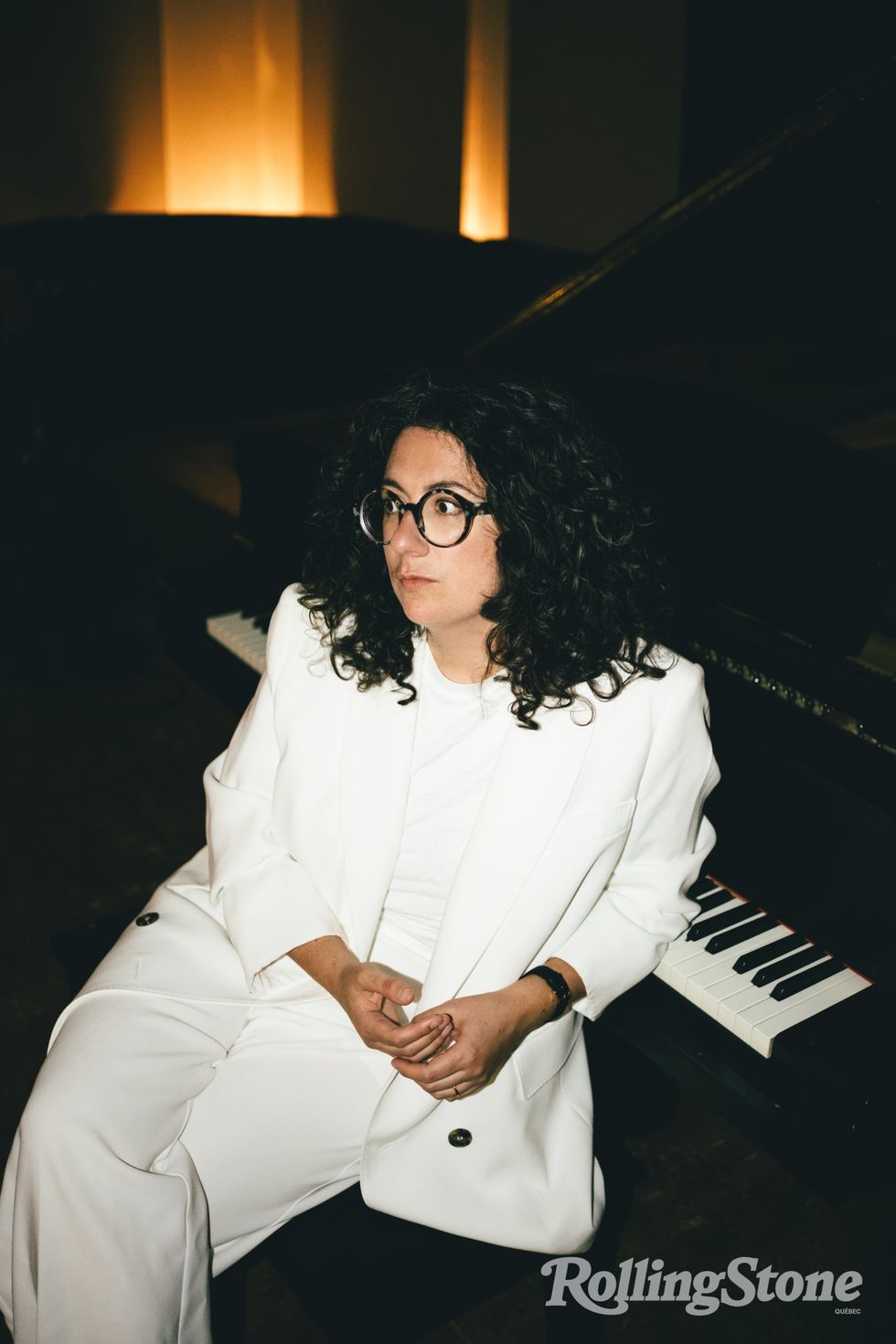 Drowster
 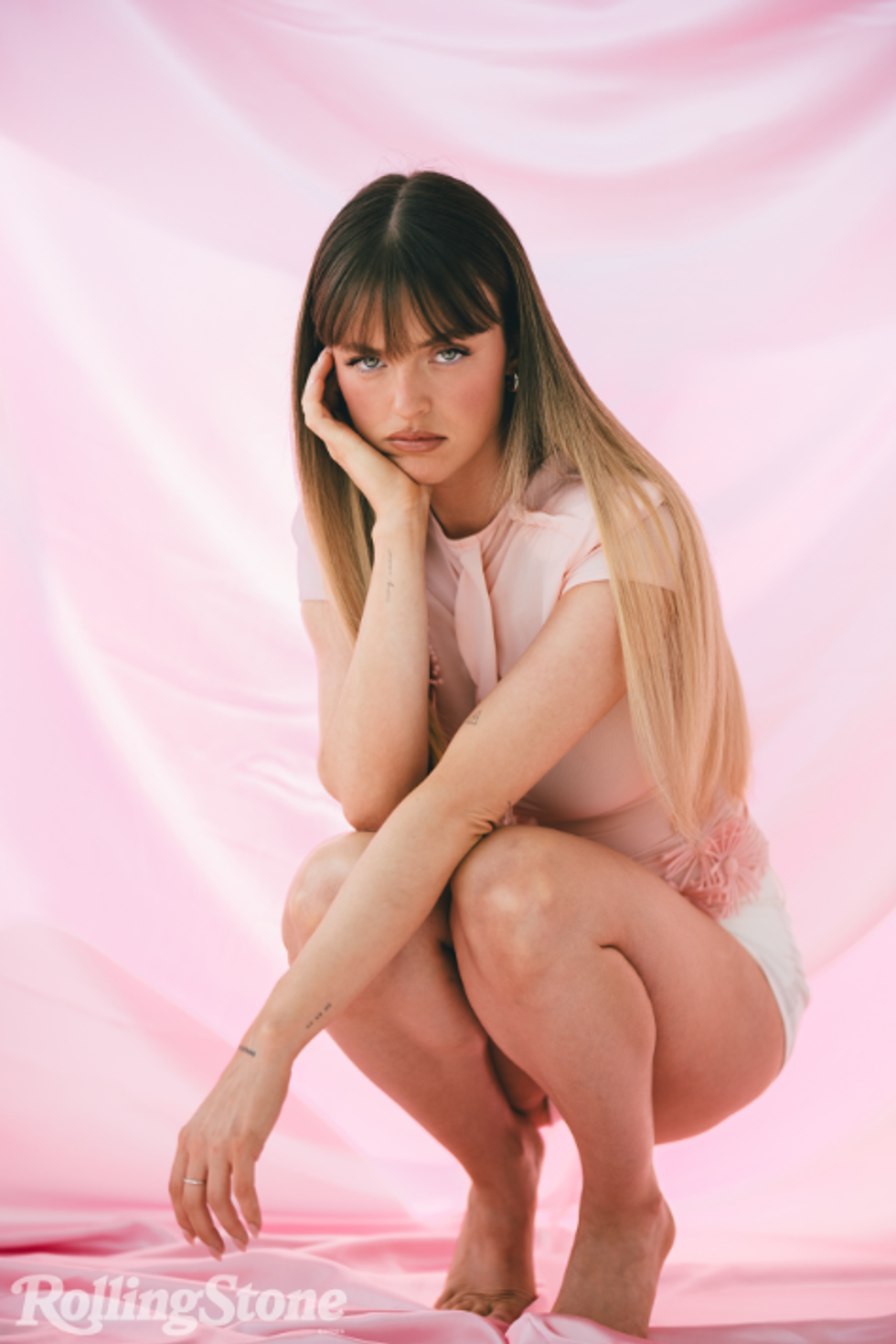 Drowster
 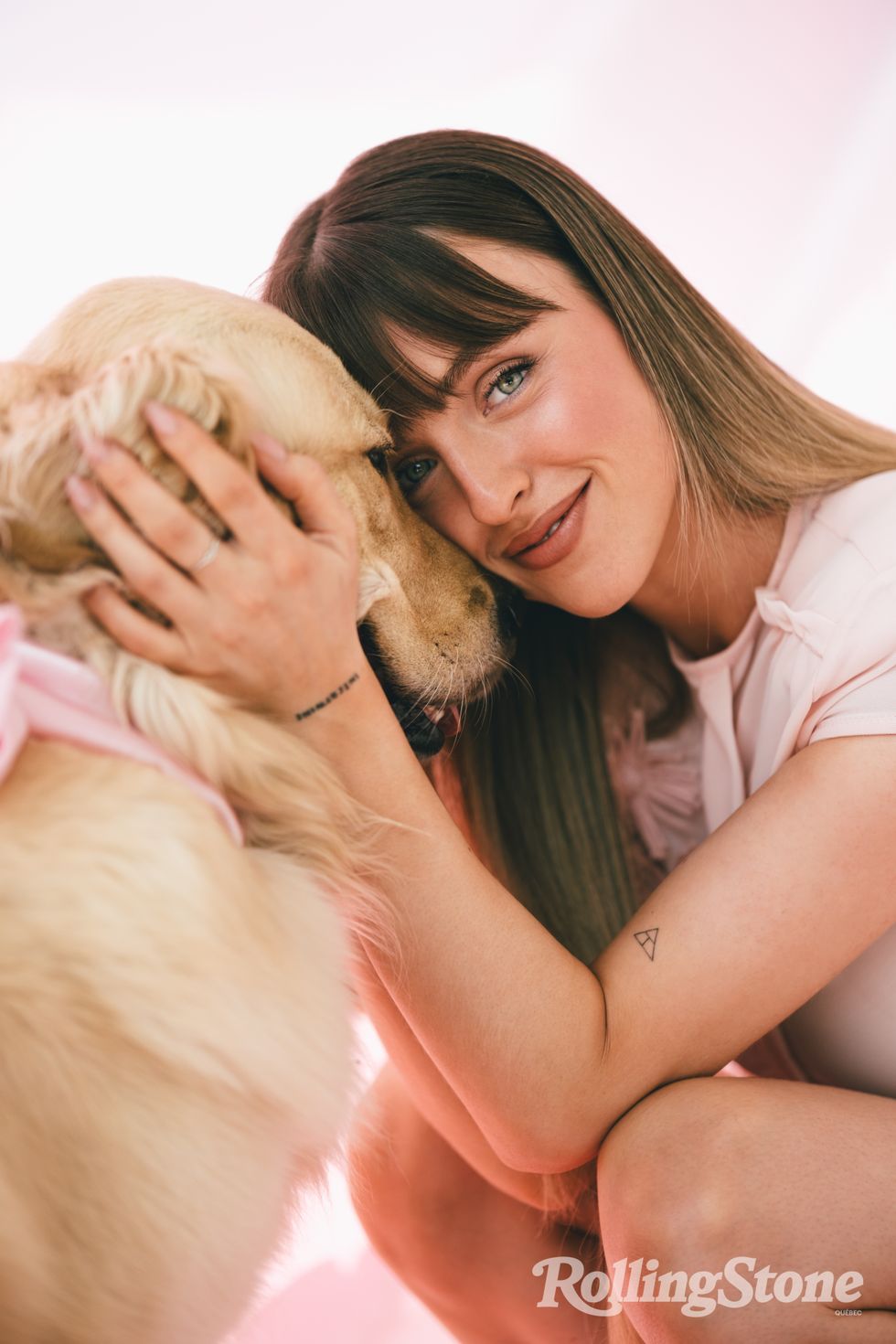 Drowster
  Drowster
  Drowster
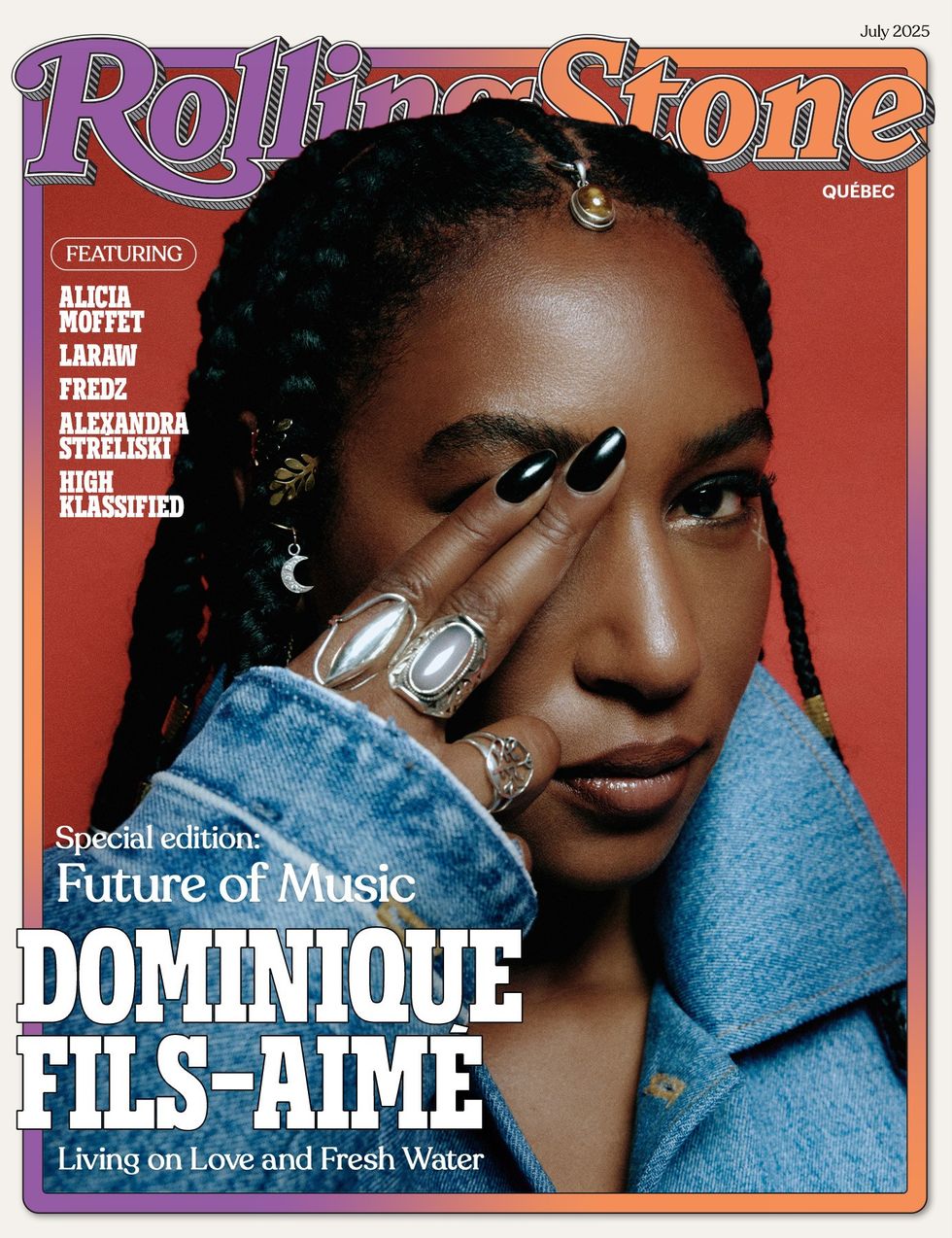 Jean Jacket: Repull/Jewelry: Personal collection
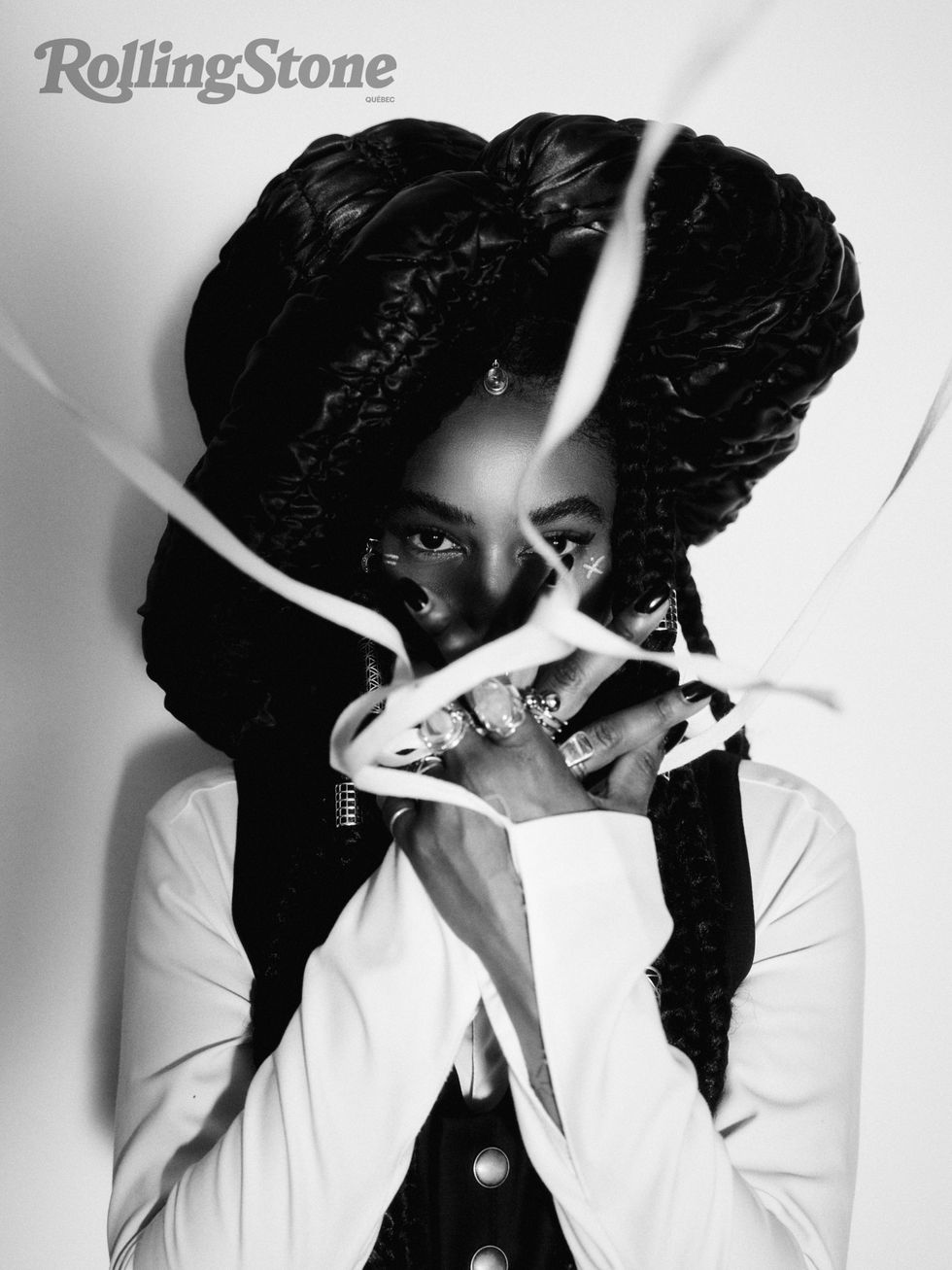 Hat: Xtinel/Dress shirt and vest: Raphael Viens/Jewelry: Personal Collection & So Stylé
 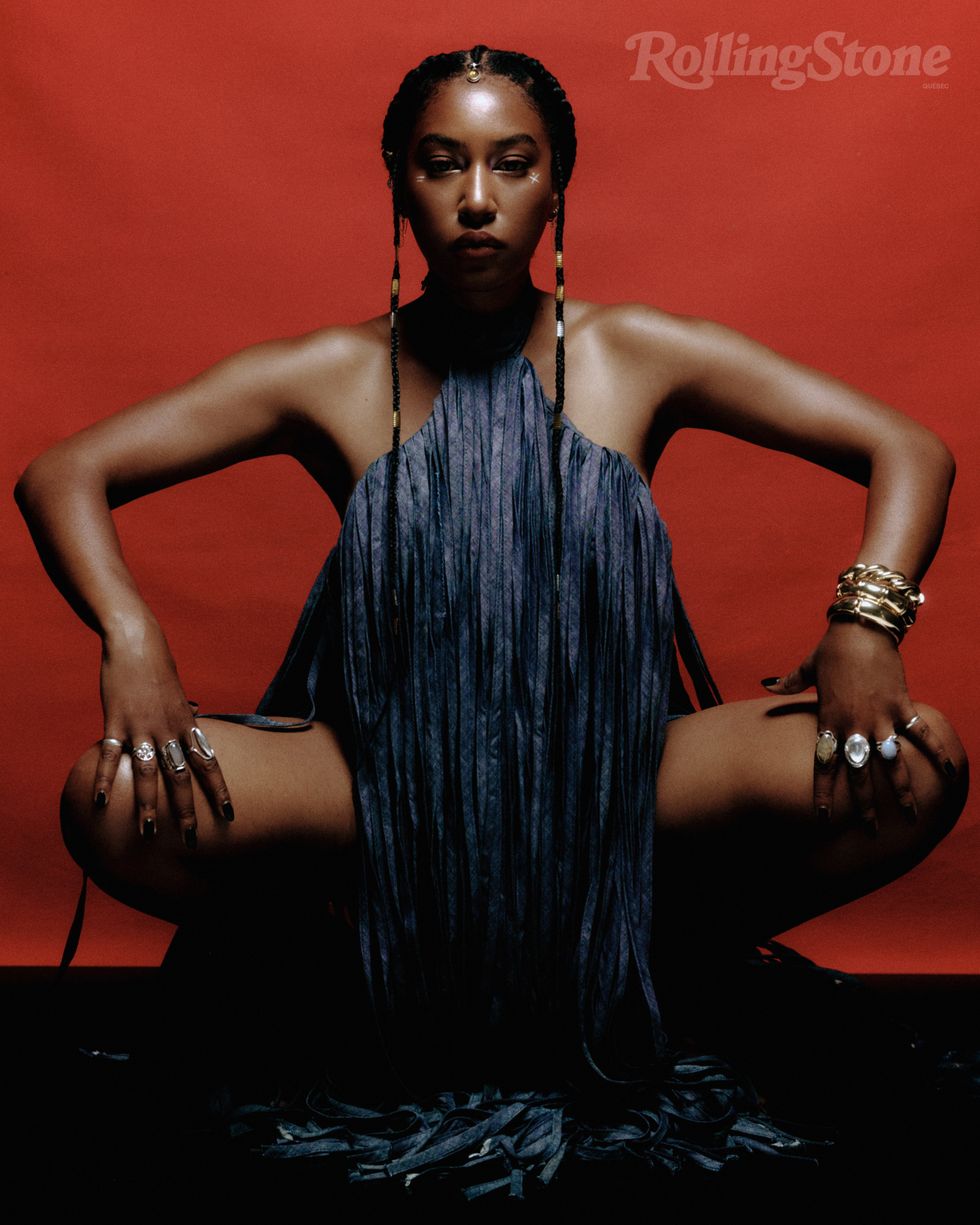 Dress: Helmer/Jewelry: Personal Collection
  Jewelry: Personal Collection
 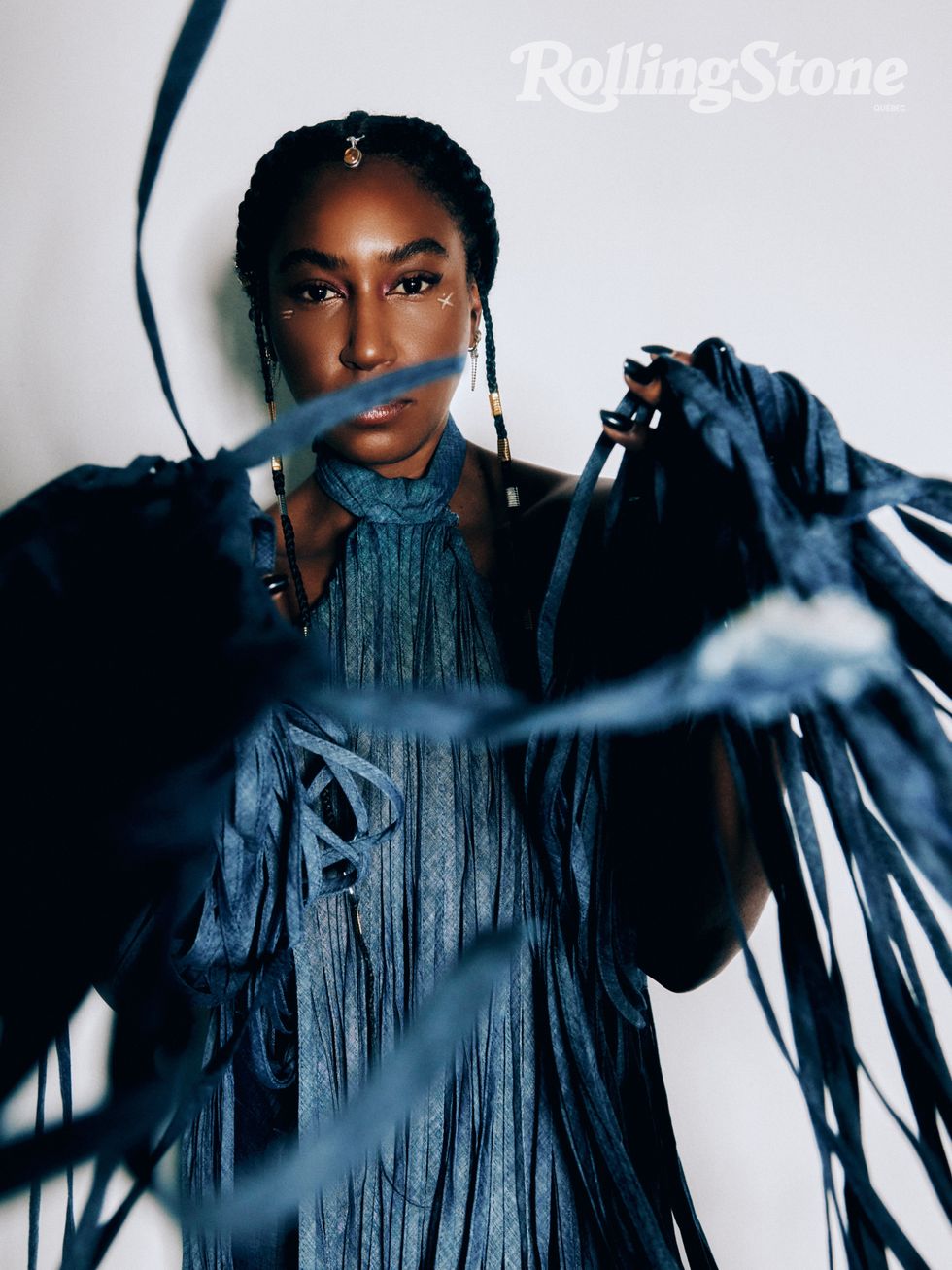 Dress: Helmer/Jewelry: Personal Collection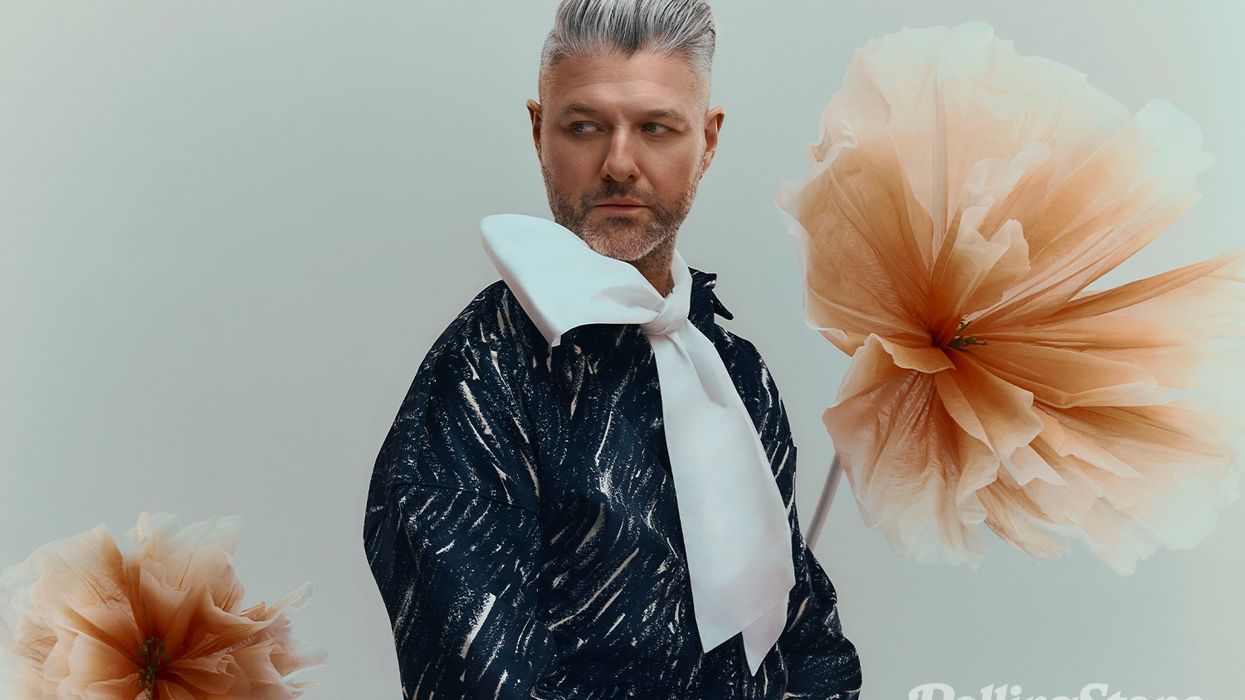
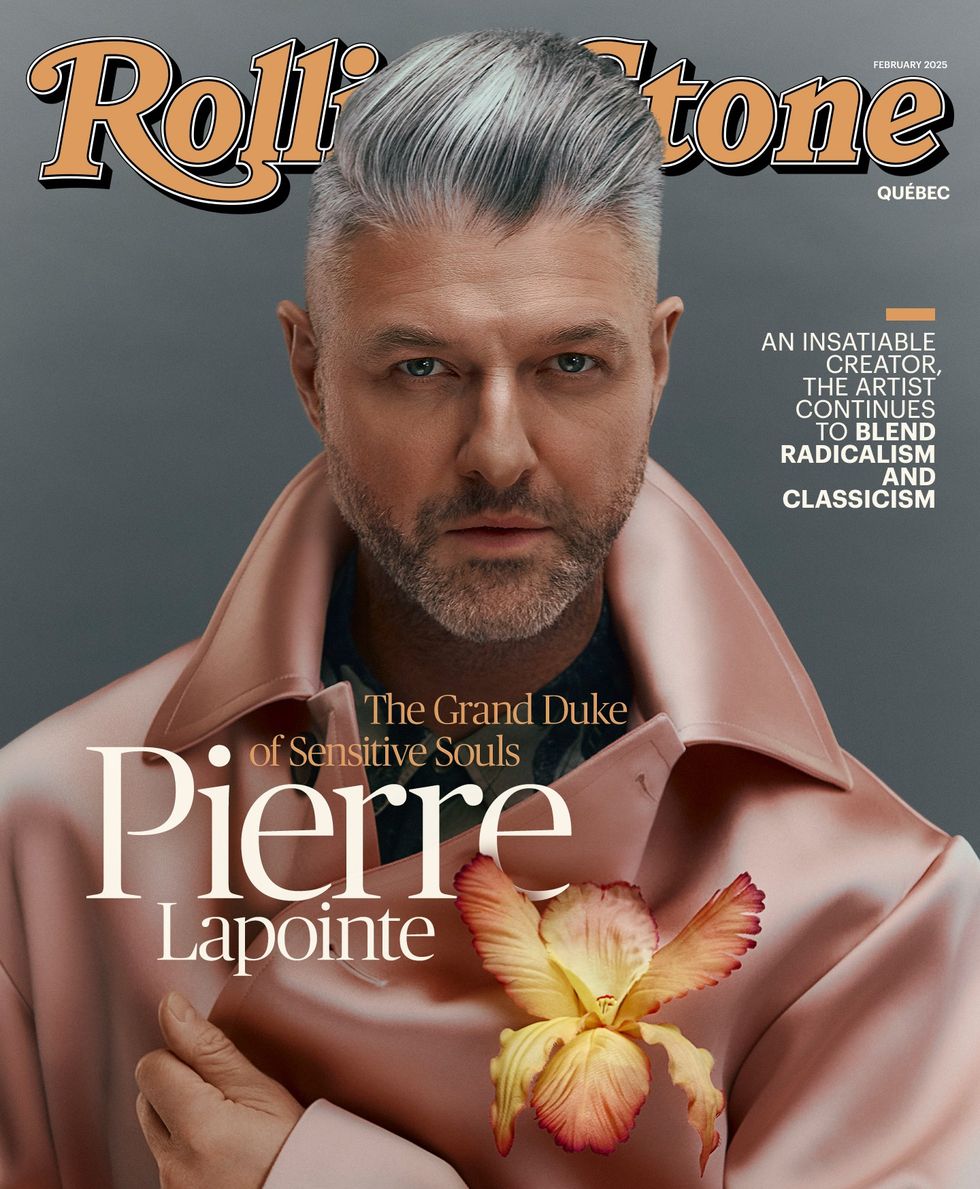 Coat (polyester and wool), shirt (silk), Dries Van Noten, SSENSE.com / Flower (silk), M&S Schmalberg
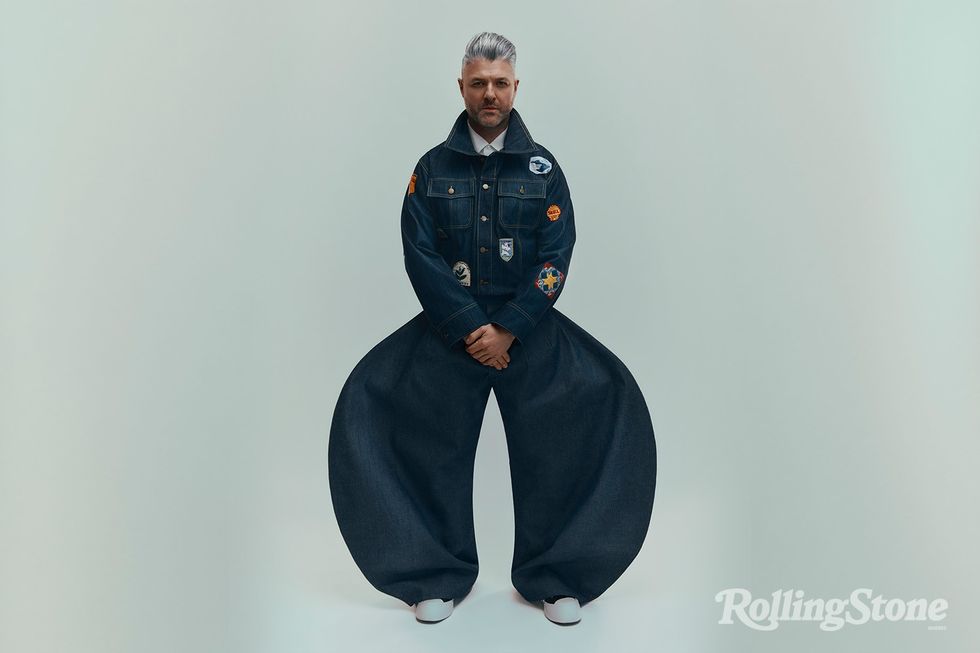 Blouson (denim and hand embroidered patches), WJ Crosson / Shit (polyester), Homme plissé Issey Miyake, Holt Renfrew/Pants from personal collection/ Shoes(canvas), Marni
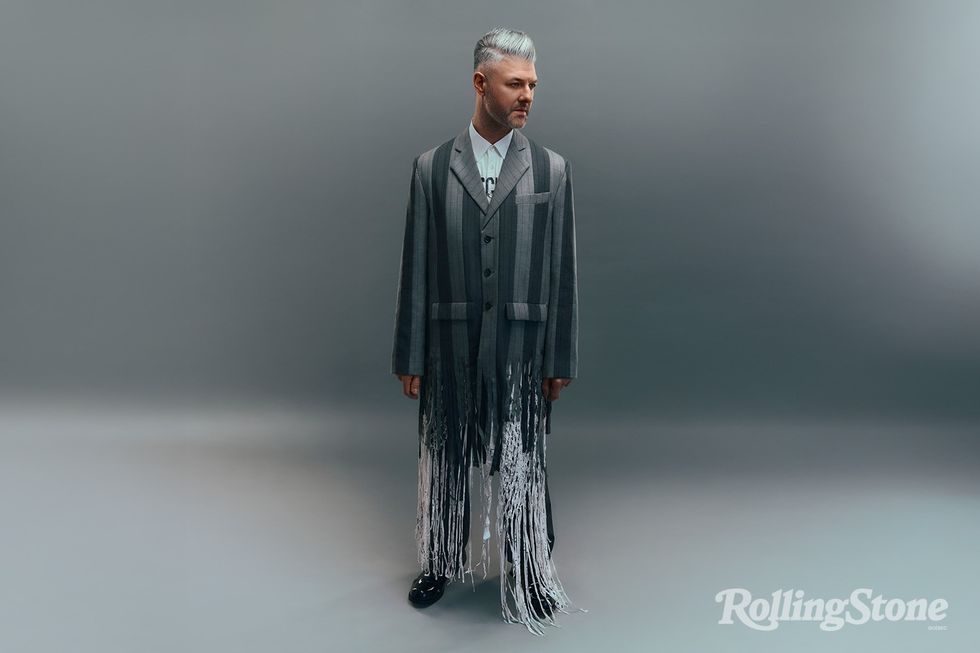 Jacket and pants (virgin wool), shirt (acrylic coated cotton), Moschino / Shoes from Pierre Lapointe's personal collection