
Skip to content
Search

Ikky

The producer behind some of Punjabi music’s biggest global records is thinking bigger than ever.

Ikky

Ikky

Warner Music

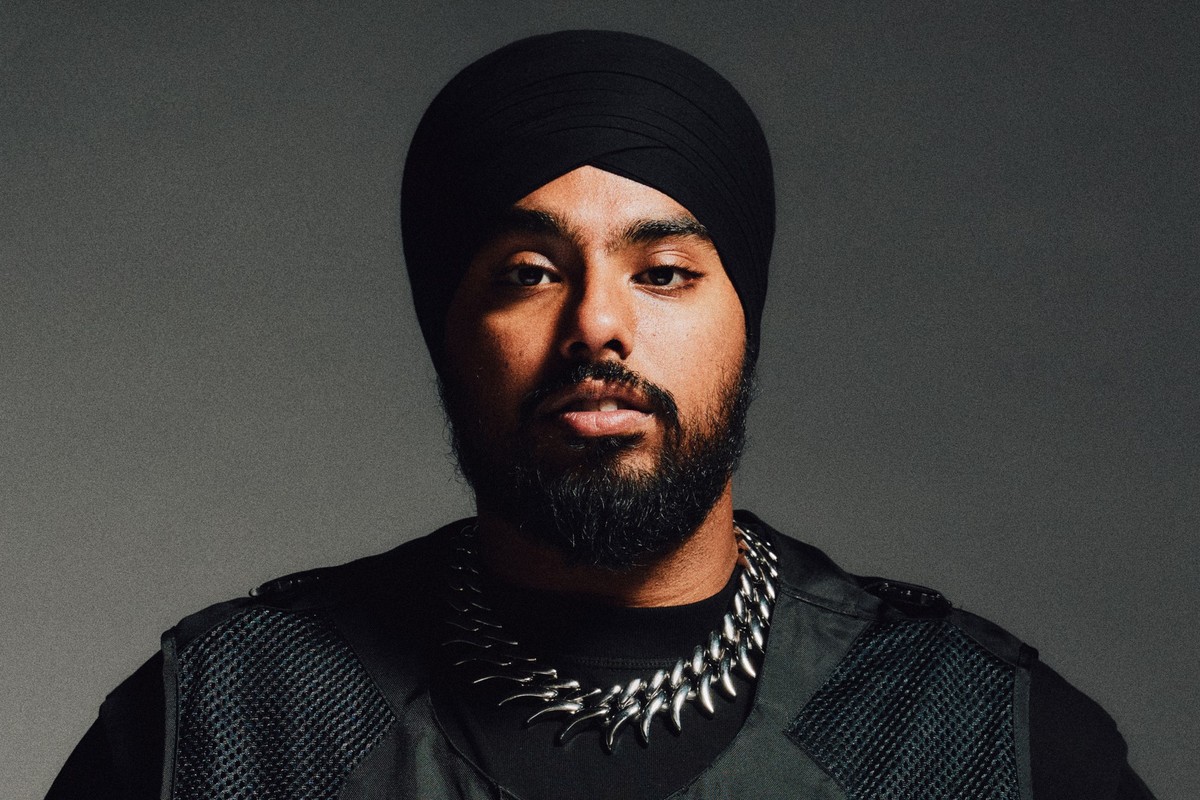
If you’ve been anywhere near Punjabi music over the last few years, you’ve already heard Ikky’s work. The Toronto-born producer, Ikwinder Singh, has been behind some of the records that pushed the sound well beyond its core audience — from Shubh’s “Baller” to his long-running collaboration with Karan Aujla across Making Memories and P-Pop Culture, along with crossover records like “Tell Me” with OneRepublic.

What’s changed over time isn’t just the scale, but where the music is landing. His records are now moving between Punjabi audiences and global pop spaces without feeling like they’ve been reworked to fit either. That comes from how he’s built his sound — rooted in Punjabi music, but shaped by growing up in Toronto, where those influences naturally overlap.


Alongside producing, he’s also building through 4N Records and expanding into projects like Punjabi Takeover Radio on Apple Music, putting more focus on how artists are developed and heard early on. With billions of streams behind him and major recognition, including a JUNO win alongside Aujla for P-Pop Culture, he’s now in a position where he’s not just contributing to the moment — he’s helping define where it goes next.

You’ve worked on records that have travelled far beyond their initial audience. When you’re producing, what tells you a track has that kind of reach?

When the melody and the music come together quickly. There’s something about simplicity. When it feels effortless, it’s a good sign that a track can travel and be perceived as more complex than it ever was in the studio.

Your sound often sits between Punjabi music and global production styles. How do you approach that balance without losing what makes the record feel rooted?

I grew up primarily listening to Punjabi music, so that’s always been my natural foundation. At the same time, being in Toronto surrounded by global pop influences, the overlap came to be organically. I’m not trying to sound like I’ve taken up roots, but sometimes it just happens. I’ve never really questioned whether something needs to be more or less rooted.

You’ve collaborated with artists at very different stages. Does your approach in the studio change depending on who you’re working with?

It does, but more in a “what do you need from me?” way. I’m there to serve the song first, and I try to find my role within that to help make the best record possible. Check the ego at the door and honour the song above all else.

As a producer, you’re shaping not just individual songs but how artists are heard. How do you think about that responsibility when building a record?

It’s a huge responsibility. I don’t think I have one specific sound or genre, so the stylistic direction, what sounds are used, in what era, for what artist, is what becomes really important. I always challenge myself to make each project feel distinct, because that’s what ultimately gives the music its fingerprint.

With 4N Records, you’re now involved in developing artists as well. What are you focusing on early when you’re building something from scratch?

Work ethic. Talent only takes you so far. The work has to be done, especially the unglamorous, put-your-head-down kind. Along with that, it’s about whether an artist can absorb what we bring to the table and come back with something even better. That’s the dealbreaker.

Punjabi music is reaching bigger audiences globally right now. What do you think will define which artists from this space sustain that momentum?

Identity! You can be talented, but still not recognizable. The music, lyrics, and tone, it all contributes to that identity. Anyone who’s dialed in on their concept, lyrics, attitude, sound, and performance has a real shot at longevity.

What are your thoughts on the future of music in Canada?

There’s still so much left to be discovered. The generation of Drake and The Weeknd helped bridge a lot of gaps for artists like us. I’m excited to see what happens when the next generation builds on that and mixes today’s sound with whatever comes next.

More Stories

Bun B on Being Sampled for Drake’s Ella Langley Remake: ‘The Stars Aligned’
Marco Torres*

Bun B on Being Sampled for Drake’s Ella Langley Remake: ‘The Stars Aligned’

About a month ago, Bun B was up late with the rest of the world, watching the online premiere of Drake’s short film Fear of Missing Out. At least, he caught the beginning of the midnight livestream. “I fell asleep, and then my phone started going off,” recalls the Texas rap legend. “And it’s my nieces calling me: ‘Uncle Bun, the song is on. The song is on!’”

The song in question was Drake’s long-promised remake of Ella Langley’s “Choosin’ Texas,” featuring Houston’s own Don Toliver. And Bun B’s nieces were excited because that remake — which is now a Top 10 hit in its own right, titled “Solar Eclipse,” after its official release this month on a deluxe edition of the Habibti album — also features a prominent sample of their uncle’s 2005 classic “Get Throwed,” with its signature descending bass riff.

Keep ReadingShow less
Grammy Family Feuds: Six Times Relatives Competed for the Same Award

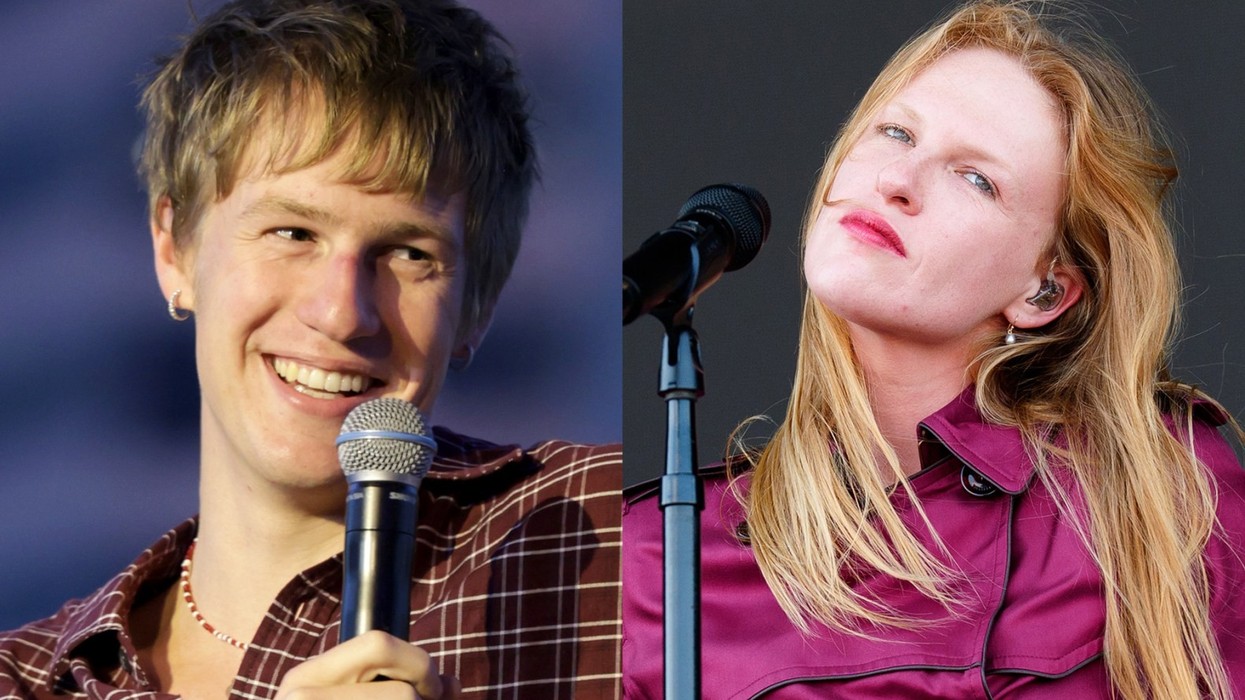
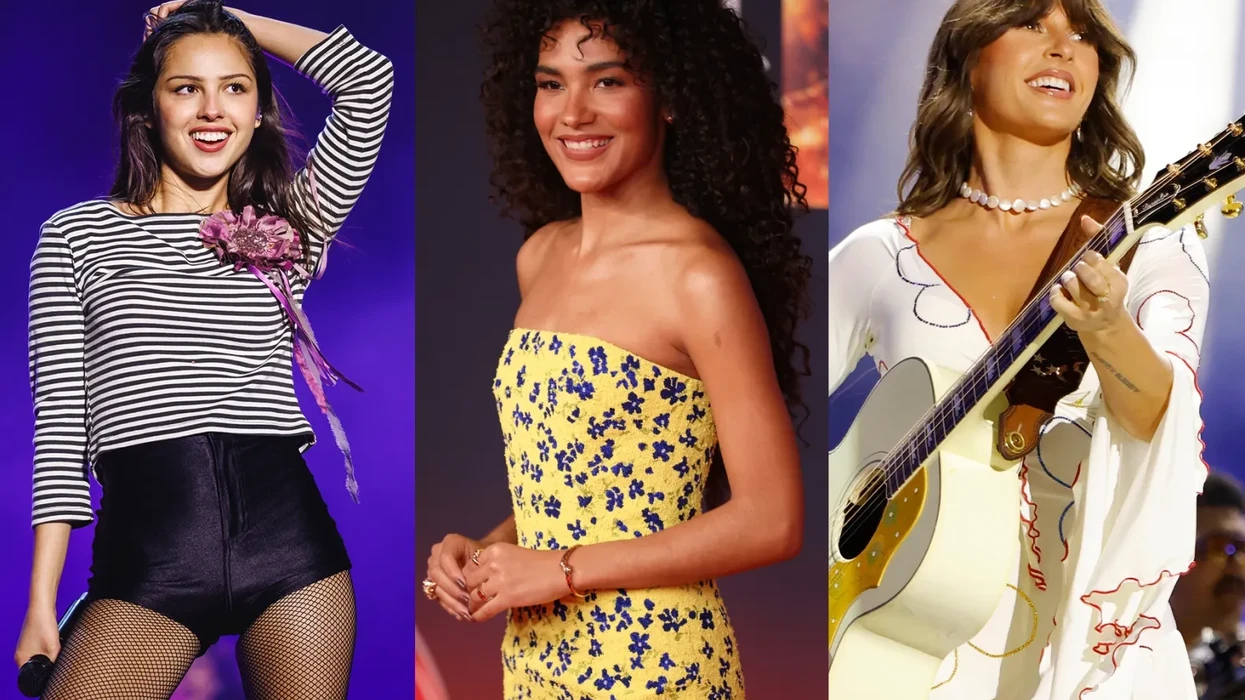
Siblings Malcolm Todd and Audrey Hobart may compete in this year’s Best New Artist race at the 2027 Grammys.

Rebecca Sapp/Getty Images; Erika Goldring/WireImage

Grammy Family Feuds: Six Times Relatives Competed for the Same Award

It’s notoriously difficult to predict how the fine people at the National Academy of Recording Arts and Sciences will assess the past year when Grammy nominations are revealed on Nov. 16., considering voters’ rocky history — remember when Bonnie Raitt’s supremely under-the-radar “Just Like That” won Song of the Year in 2023 over Beyoncé’s “Break My Soul” and Taylor Swift’s 10-minute “All Too Well”? But there’s a strong scenario that we’ll see something historic in the Best New Artist category this year if pop songwriter Audrey Hobert and R&B singer Malcolm Todd are both nominated.

They’re signed to different labels and have pretty different fan bases, but they are brother and sister. And if they’re nominated, it would be the first time in Grammy history that two siblings have faced off against each other in that category.

Keep ReadingShow less
The 2027 Grammys Contenders for Song of the Year Should Be Predominantly Women

The 2027 Grammys Contenders for Song of the Year Should Be Predominantly Women

Leading up to the Grammy nominations on Nov. 16, “Rolling Stone” is breaking down 11 different categories. For each, we’re predicting the nominees, as well as who will (and who should) win on Grammy night.

If there’s one through line for the likely 2027 Song of the Year nominees, it’s that it’s a wide-open field. “There isn’t something like a ‘Not Like Us,’ the song that everyone is anointing as the great song,” says Tony Gervino, editor-in-chief of Tidal, citing 2025’s big winner by Kendrick Lamar.

Keep ReadingShow less
Thom Yorke and Harry Styles Come Together in Epic Conversation
Photographs by Anthony Pham

Thom Yorke and Harry Styles Come Together in Epic Conversation

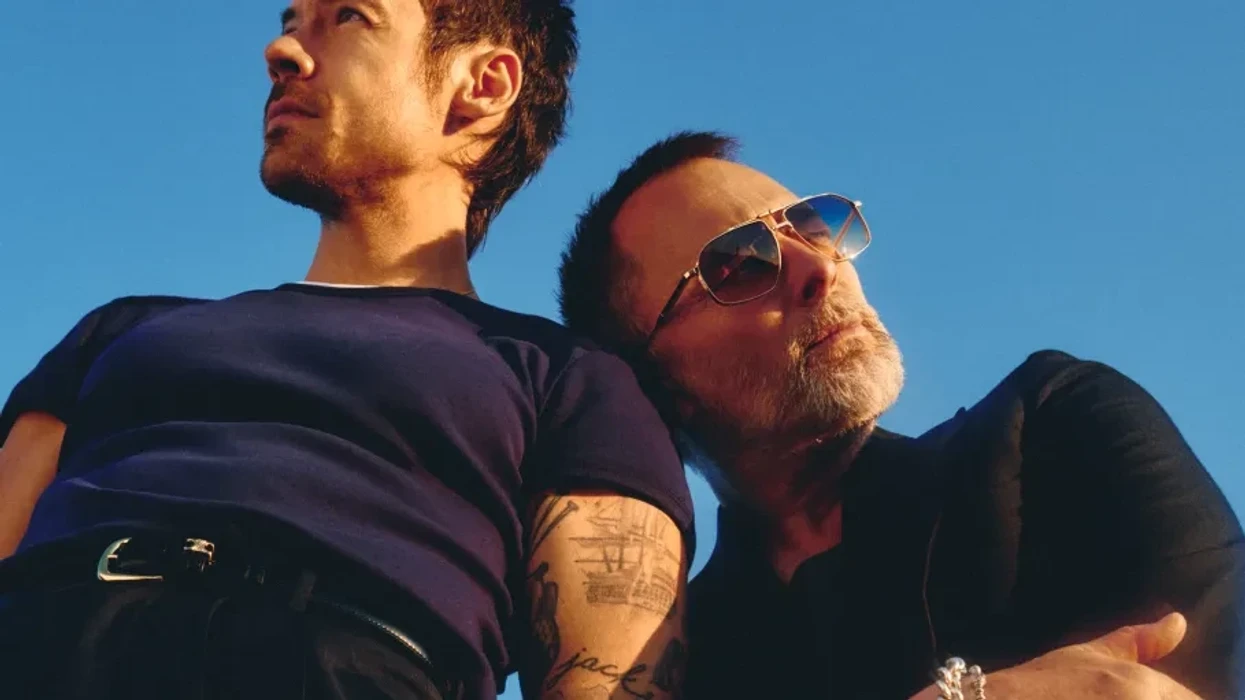
Two years ago, in the summer of 2024, Harry Styles was strolling down a small cobblestone side street in Rome, when he suddenly noticed a face he recognized. It was Radiohead’s Thom Yorke, one of his biggest musical heroes. He introduced himself — just two stars walking the streets incognito, with no entourage. As Styles confesses to Yorke now, with a shy grin, “You, to me, had always been that person that I was scared of meeting.”

Yorke and Styles might seem like they’re from two different worlds — the planet’s most dazzling glam-pop prince versus the high priest of art-rock angst. But today, they’re busy making each other laugh on a sunny July afternoon in London, at a studio near Camden Town. Yorke has been known to be a thorny interview subject, ever since the early days of Radiohead. Yet today he lets down his guard, as he basks in the presence of the equally notorious charm of Harry Edward Styles. They crack each other up like mischievous schoolboys.

Keep ReadingShow less
No Stairway? Denied! Five Times Led Zeppelin Declined to License Their Song Prior to ‘Narnia’

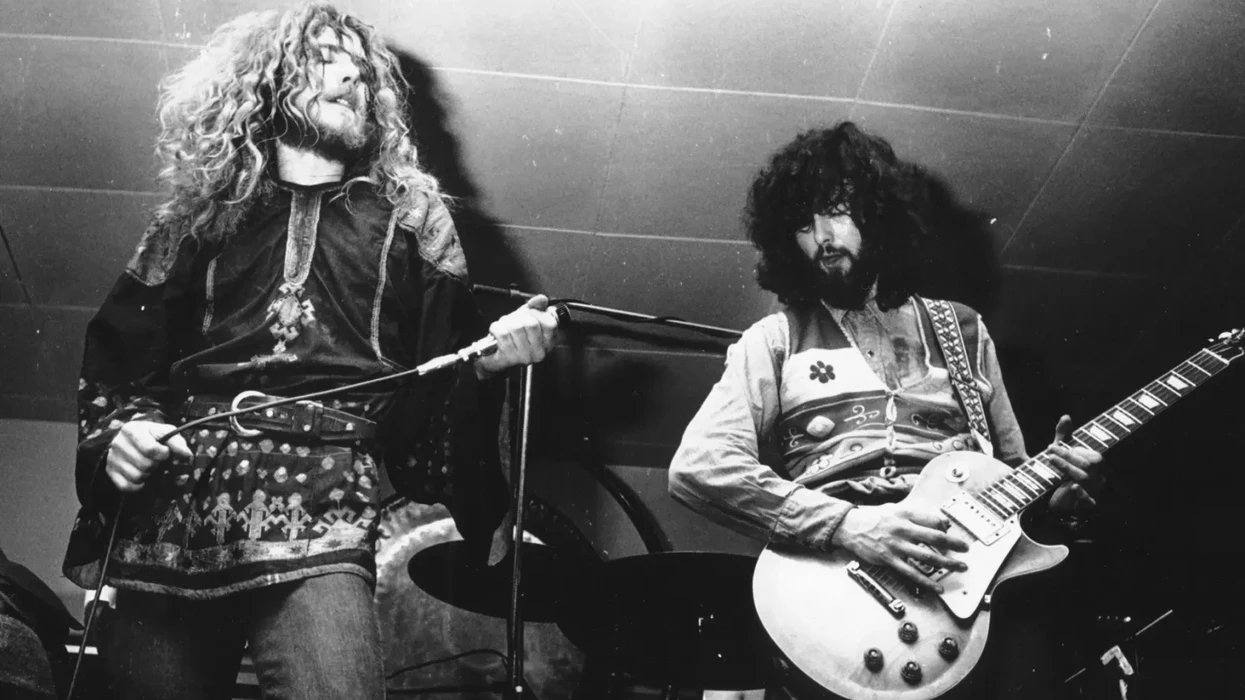
Led Zeppelin in 1971, before they began approximately 50 years of turning down requests to use "Stairway" onscreen.

Chris Walter/WireImage

No Stairway? Denied! Five Times Led Zeppelin Declined to License Their Song Prior to ‘Narnia’

The trailer for Greta Gerwig’s long-awaited Netflix movie Narnia: The Magician’s Nephew dropped earlier this week. Narnia fans were delighted to catch their first glimpse of child actors David McKenna and Beatrice Campbell as the characters Digory Kirke and Polly Plummer, along with a peek of author C.S. Lewis’ mythical land and its magical inhabitants. But classic rock fans were barely able to process any of that once “Stairway to Heaven” began playing.

Simply put, “Stairway to Heaven” is one of the most difficult works in music history to license for on-screen use. There have been several notable attempts over the years, but Jimmy Page and Robert Plant control their own publishing, and they hold onto this particular song quite tight for more than 50 years.

Keep ReadingShow less