

★★★★☆
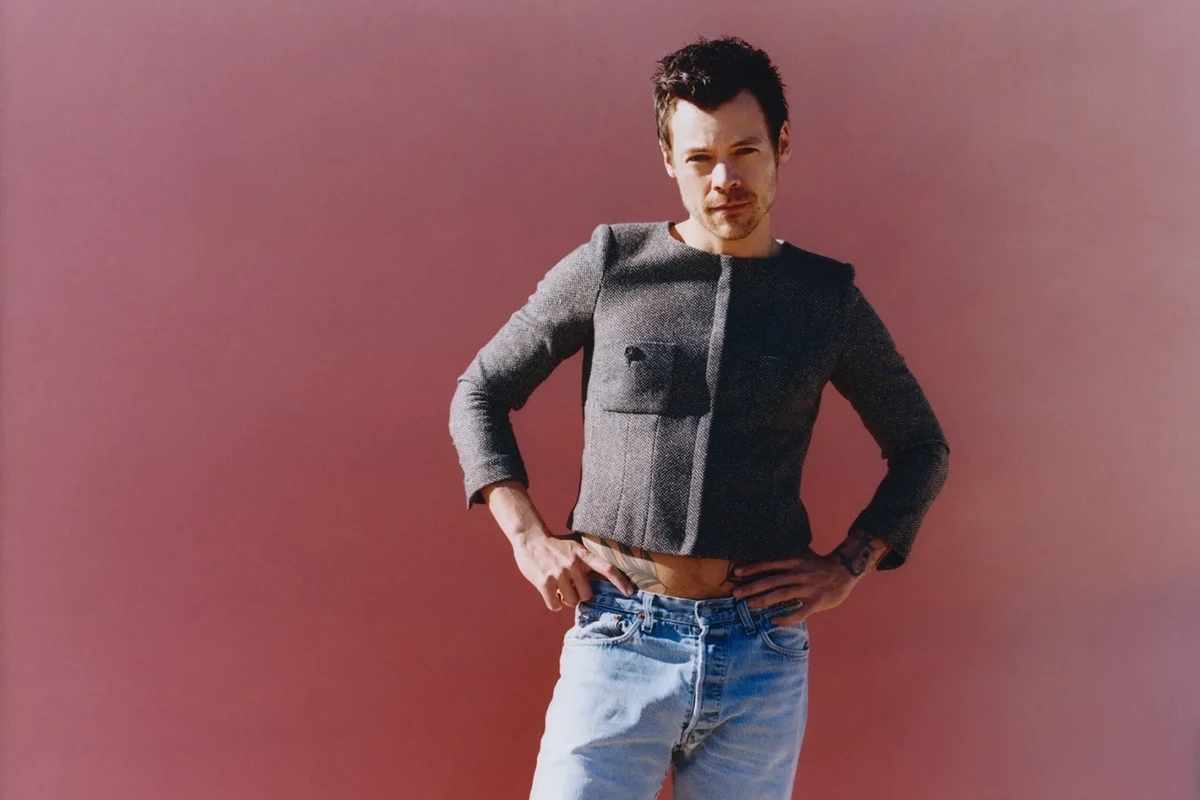
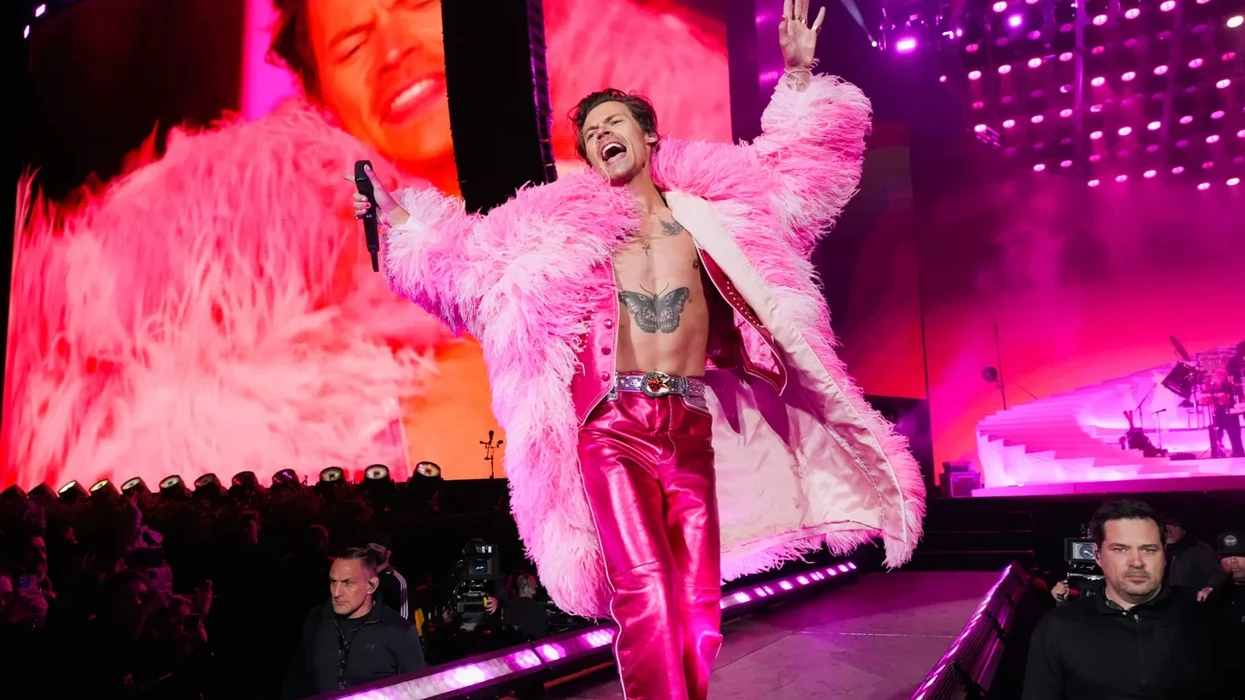
A little more than halfway through this delightfully strange, often lovely, and consistently fascinating album, things get downright freaky, at least musically speaking. Having deployed epic amounts of bass, a gospel choir, a valiant drummer who — whether it’s a thumper or a ballad — continually gets wicked, a wide array of rhythm tricks and tracks, guitars both acoustic and electric, and all sorts of pulses, washes, and rinses, Harry Styles shrugs and says: Why not everything at once?
“Season 2 Weight Loss” begins with some electric noise — something buzzing to life, plugging in, booting up, or feeding back — before keyboards that would be at home on a Kraftwerk record echo across a few seconds of stillness. What kicks in next sounds like the chopped-up breakbeats of drum-and-bass, except the beats keep hitting in odd places, like they’re trying to hide from the tempo instead of drive it. And when the bass thumps to life, it’s slightly out of sync, as if there were three tabs open on your computer, each playing a different song. Styles is addressing someone who could have been in his arms but who keeps holding out — “Do you love me now?” he asks, not for the first or last time on Kiss All the Time. Disco, Occasionally. in search of something just out of reach. The music builds and builds — calliope keys chasing a chorus of voices off in the distance, the drums banging like someone trying to break down a door — until, as if a mediation bell has rung to clear the space, things pause so Styles can sing, “You’ve got to sit yourself down sometimes.” And then, precept delivered, it all starts up again.
If that sounds a little weird, well, it is. It’s also typical of the ways this album subverts expectations. Styles was on tour for 22 months behind his second and third albums, 2019’s Fine Line and 2022’s Harry’s House, wrapping the last of 169 shows in July 2023. He’s said that afterward he wanted to spend time on the audience side of music, reconnecting to what it feels like to be in the dark, lost in the crowd, dancing and singing with strangers. The music he and producer Kid Harpoon — a key collaborator on both Fine Line and Harry’s House — have come up here reflects that desire. Like the work they’ve done in the past, it pays no attention to definitions, erasing all sorts of boundaries: rock-pop, organic-synthesized, written-jammed, authentic-contrived. And it’s based around freedom of all sorts — sexual, sure, but also a browser’s delight that raids the past without caring about history.
But Kiss All the Time. Disco, Occasionally. is more sensory, less star-driven than the music they’ve made before. Styles’ voice is sometimes secondary to the tracks, filtered or submerged in the mix. And though there are hooks — plenty of them — they too sometimes take a back seat to low-frequency thumps, grooves, shimmies, and shakes that are dirty in ways both sonic and erotic. This is music more invested in being than meaning, experience rather than ego.
Kiss All the Time. Disco, Occasionally. opens with four true bangers: the trancy “Aperture”; “American Girls,” with chomping low end that sounds lifted from an 8-bit video game; “Ready, Steady, Go!,” which matches a Chic bass line with an airplane-woosh effect like a DJ spinning the same track on two turntables slightly out of phase; and “Are You Listening Yet?,” where heavy 2010 vibes nod to both LCD Soundsystem and Stargate’s synth-bounce productions for Rihanna. There’s also “Dance No More,” a no-parking-on-the-dance-floor Eighties synth fest with chorus shouts of “Respect your mother!” invoking drag-ball culture.
Yet glitter-ball album cover notwithstanding, Kiss All the Time. Disco, Occasionally. isn’t exactly Styles’ dance album. Tracks like “The Waiting Game” and “Carla’s Song” are pop songs dressed up in disco clothes. “Coming Up Roses” leaves the dance floor behind for a ballad about a night on the town spent “hangover chasing” played by a 39-piece orchestra functioning less as a string section than a band. And Styles hasn’t given up his taste for Sixties melodic classicism. “Paint by Numbers” finds him sifting the pleasures and perils of his pop-idol persona while strumming an acoustic guitar as French horns and a mellotron-like keyboard offer support. “Oh what a gift it is to be noticed, but it’s nothing to do with me,” he sings. “It’s a little bit complicated when they put an image in your head and now you’re stuck with it.” The subject seems to be on his mind again in “Pop,” which rides along on an electro bounce and a chilly rococo synth melody and may be about music, orgasm, drugs, or all of the above. Styles mentions daytime mainlining and a lack of rolling papers before this: “It’s just me/On my knees/Squeaky clean fantasy/It’s meant to be pop.”
But on most of Kiss All the Time. Disco, Occasionally., Harry Styles is a seeker, looking to find or provide enlightenment, ecstasy, love, or light. The album opens with Styles singing about letting in the light in “Aperture” and ends with “Carla’s Song,” where he finds the light not in someone else’s eyes, but in the gold those eyes see, as if his own capacity for empathy and understanding — not sex and love — is what he’s been after the whole time. In between those two moments there are bellies butterflying, friends flirting “with the bad ones” and finding ease in each other, un-intimate sex, a forgotten mantra, a desire to know what safe is, and an almost psychedelic sense of adventure. “If you know, then you know,” Styles sings in the closing track, sounding like he’s coming down from a trip or maybe exiting the world’s most exclusive club after a three-day party. “If you don’t, then you don’t.” The melody rolls like the tide, the beats rise skyward, and he shares one final benediction: “It’s all waiting there for you.”
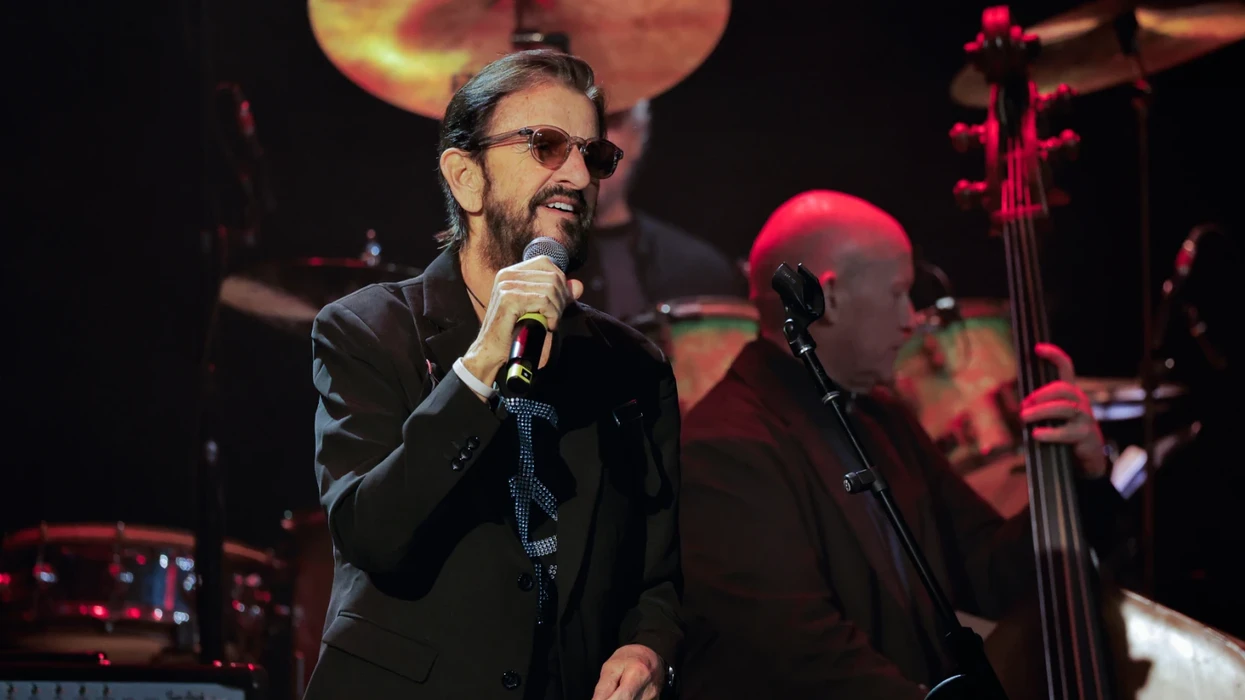




 Dry Cleaning had to rethink their plans for touring the U.S. this yearAmy E. Price/Getty Images
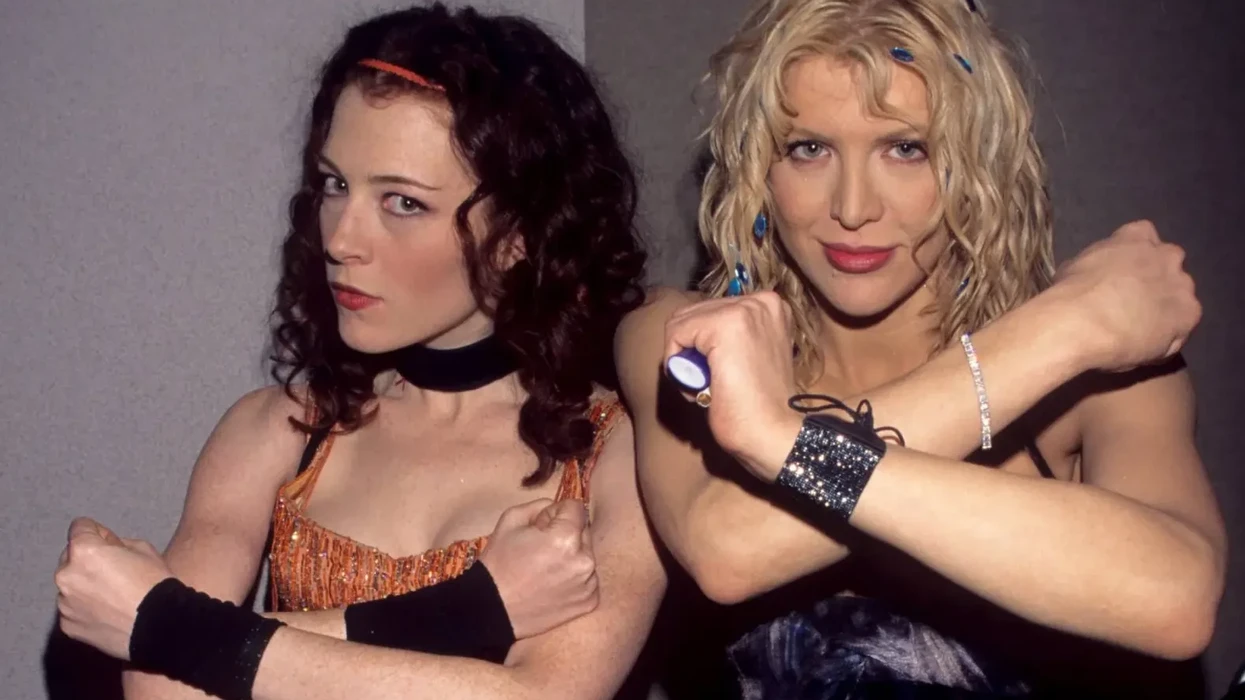
 Shirley Manson of Garbage has spoken out about the economic challenges facing touring actsNaomi Rahim/Getty Images

North West with her mom at a Lakers game in 2024
North West Was Born To Be a Star
As the celebrity children of the 2010s come of age and follow in their parents’ footsteps, we’ve arrived at the next generation of nepo babies. There’s no better example right now than North West, scion of Kim Kardashian and Kanye West’s celebrity empire, who, at 12 years old, seems poised to become a fixture in the future of not only music but also fashion. Take her recent single, “Piercing on My Hand,” which arrived on DSPs on Feb. 6, and was reported as a soul-sampled track produced by Ye and Will Frenchman. The single was reportedly released via Gamma., the independent music company co-founded by former Apple exec Larry Jackson in 2023 — the same company Ye recently partnered with for the release of his upcoming album, Bully. She also joined her dad onstage in Mexico City to debut “Piercing on My Hand” live. It’s a position that’s by now familiar for North, who previously appeared on Ye and Ty Dolla $ign’s Vultures single “Talking/Once Again,” which reached Number 30 on the Billboard Hot 100 and also charted in the U.K.
Perhaps this all represents a maximalist approach to the challenge of raising kids in the public eye. While it’s common to see celebrities attempt, with varying levels of success, to shield their children from the limelight, North has been slowly learning how to navigate being born into fame. This week, People reported that her mom, Kim Kardashian, filed applications in January to trademark the company name “NOR11” for use in the sale of clothing and accessories, including dresses, footwear, loungewear, hats, watches, jewelry, handbags, and cosmetics cases. North has already gained attention for her sense of style, raising eyebrows after revealing piercings on her middle finger last September, prompting online criticism because of her age. Her debut single is partly inspired by the controversy.
In addition to “Piercing on My Hand,” North has since racked up a handful of production credits for the underground rap staple Babyxsosa, including “Tokyo” and “Viral,” released as loosies on social platforms last month. The latter samples Chief Keef’s “Love Sosa” with a kind of dense, atmospheric texture that also recalls “Hold My Liquor,” the Chief Keef-assisted cut from Kanye’s 2013 opus Yeezus. North West’s producer tag, an anime voice squeaking “North-Chan” in Japanese with the sweetness of a kids’ video game, is already on its way to becoming iconic. In January, she landed a notable early placement as a producer on “Justswagup,” a single by Mag!c and Lil Novi — Lil Wayne’s son, who is 16 years old, putting him, like North, squarely in the “next-gen rap royalty” conversation.
Last month, North went on Instagram Live and answered questions from her followers about her journey learning how to make music, sharing snippets of in-progress beats, and describing more about her inspirations. That she’s so far leaned into the sound of her generational cohort, a frenetic, almost hyperpop-infused take on hip-hop, is more evidence of the genre’s changing sound. For their part, both of North’s parents are offering their support. On Monday, Kim Kardashian shared a clip on her Instagram of her listening to North’s song in the car, despite what would appear to be ongoing acrimony between Ye and Kim.
North is less a carbon copy of her parents than a Gen Alpha translation. At 12 years old, she was raised in the feed, is fluent in online culture, and is learning early that identity is something you can iterate in public. The nepo-baby conversation, which typically ascribes unearned privilege and access to the children of celebs, falls short of describing what’s actually interesting about North West. She represents how childhood, branding, and art are collapsing into a single timeline, and she is already moving through it like it’s her native language.