
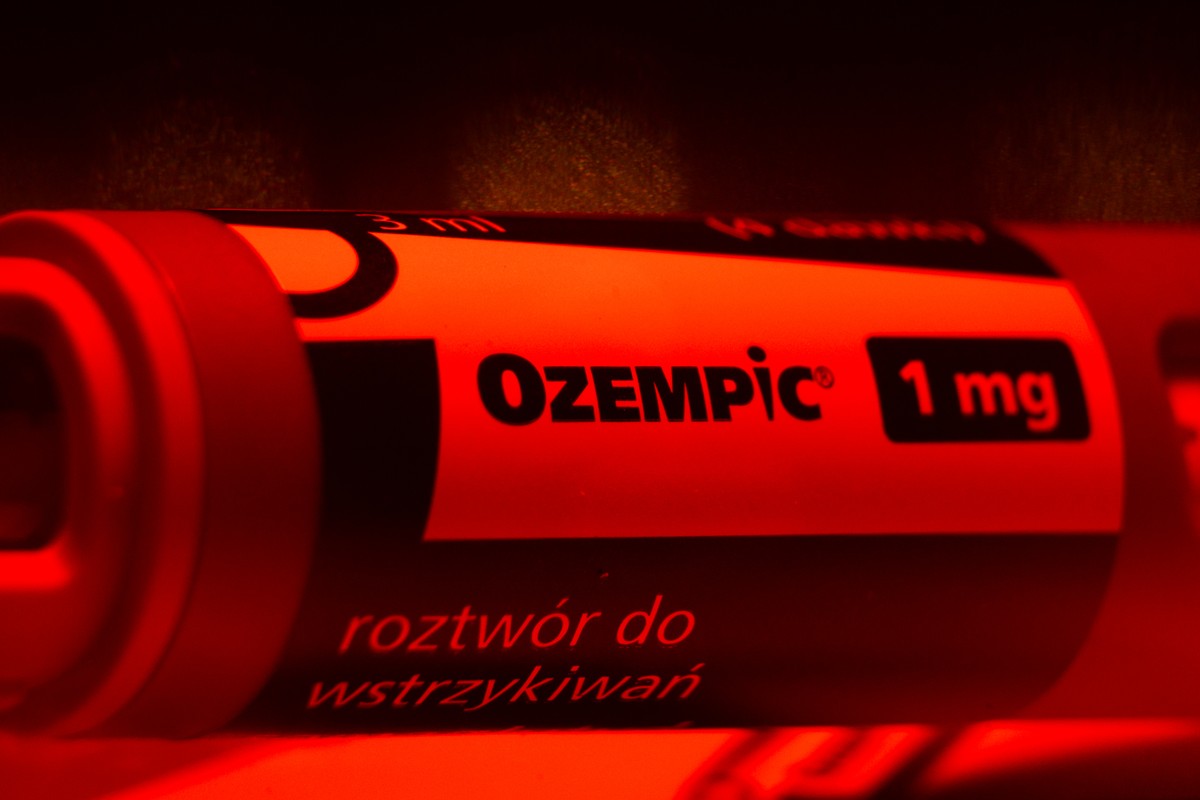

Amy Kane was 13 when she was diagnosed with Polycystic Ovarian Syndrome, a hormone imbalance that can cause quick weight gain. At 17, she was prediabetic, and by the time she reached adulthood and had three children, she knew she needed a change. But she wasn’t sold on Ozempic, a weight-loss drug that had recently come to market that people were calling a “miracle cure.”
“I was not the kind of person that walked into my doctor’s office and was like, please write me a script for Ozempic,” Kane tells Rolling Stone. “I was actually pretty hesitant. I have a long history of disordered eating because I struggled so much with my weight, and I thought [the medicine] was going to make me starve myself. And that wasn’t the ultimate goal that I wanted to achieve.”
It wasn’t until Kane began scrolling on TikTok and engaging with other creators who took similar drugs — known as semaglutide, or GLP-1 medications — that she decided to “take the plunge” and get a prescription for Mounjaro. She’s since lost 160 pounds in 15 months, and she’s joined the ranks of thousands of creators on TikTok who post content related to their drug-assisted weight-loss journeys. But according to new guidelines from TikTok, which went into effect May 17, the app no longer allows videos promoting weight-loss medication, weight loss, or content that could be fine “if seen occasionally, but problematic in clusters.” And several GLP-1 content creators tell Rolling Stone they believe the new rules won’t help young users stay safe — they’ll just keep users away from information they need.
First released in 2017, Ozempic, a type of semaglutide, mimics the body’s GLP-1 hormone, which regulates sugar, controls appetite, and delays the stomach from emptying. Though first developed as a supplementary treatment for diabetes, it quickly became popular for its side effect of weight loss. Others began flooding the market. Demand for semaglutide drugs has doubled since 2021 and made pharmaceutical companies over $5 billion in sales last year. While Ozempic became an award-season punchline and a constant topic on talk shows, online, creators steadily gained followings by talking about their experience with the drug, tracking weight loss, and in some cases, making money off affiliate links. But as TikTok begins to remove content surrounding Ozempic from for-you-pages, GLP-1 creators say they’re being unfairly forced to choose between talking about their journeys or following the rules.
@amyinhalf Replying to @sidd.i #glp #weightloss #pcosawareness #moonface #greenscreen
“I thought I was the only one that had these obsessions around food. I thought I was the only one who struggled with food addiction or who couldn’t lose weight. To have people connect with me on that level has been life-changing, not only for me but for other people as well,” Kane says. “I struggle with this concept that I’m influencing people to be on a medication. I’m not promoting anything. I’m sharing my journey to combat the negativity around these medications.”
The company’s website states it wants the app to be “a place that encourages self-esteem and does not promote negative social comparisons.” When reached for comment by Rolling Stone, a TikTok spokesperson referred back to the new guidelines, saying the policies were mainly expanded to prevent the sale of weight loss or performance-enhancing drugs on the site — and they still allow for people to share their weight-loss journeys as long as they aren’t extreme, dangerous, or relating to using GLP-1 medications for weight loss. Maria Rising, a GLP-1 creator on TikTok, says she understands the push to protect teens from negative body image. But she tells Rolling Stone that the new guidelines unfairly target GLP-1 creators without understanding what the bulk of them do. She adds that taking away access to the For You Page (i.e., the primary way TikTok users find creators and their videos) is only keeping people from a community they might need.
@tirzepatidetales Hey everyone! TikTok has been censoring and deleting my Tirzepatide content, so I’ve created a new Instagram to keep sharing my journey! 🌟💉 Follow me @MyTirzepatideJourney for updates and more! #Tirzepatide #HealthJourney #Censorship #NewInstagram #Wellness #HealthyLiving #FollowMe #greenscreen
“When I started, I was nauseous. The doctors had prescribed me medication for nausea. But people were like ‘Try this ginger mint thing they have at Trader Joe’s; it helps me a ton and it fits in your purse,’” Rising says. “That’s such great information. Those are the little nuanced how-tos of life that you don’t necessarily get from a doctor but you would get from the TikTok community.”
TikTok has an appeals process that allows creators to appeal a video’s removal or demonetization. But Ashley Raibick, another GLP-1 influencer, believes the new rules will have GLP-1 content creators constantly having to re-appeal to get their content put back up — which could force accounts off the app entirely. “I honestly just feel so sad that TikTok is de-prioritizing Ozempic content,” says Raibick. “The content I’ve created around this medication is so much more than just weight loss. I have built a community of people who needed someone they could relate to, someone who didn’t shame this medication or put it down or make them feel bad about being overweight or struggling with obesity.”
TikTok’s concern isn’t without merit. Dozens of peer-reviewed reports have found social media use has a distinct negative effect on user’s mental health and body image, especially for social media users under the age of 18. Merris Taylor, a registered dietician from Texas, knows that her weight and job have often interacted in complicated ways. But when the 32-year-old began taking a GLP-1 medication and looking at content about it online, she realized that there was major misinformation being spread, sometimes even by well-meaning Ozempic creators. She created a TikTok account focused on the nutrition your body needs while on the medication, supplemented with videos about her own experience. Since the new guidelines, Taylor has simply moved most of her content onto Instagram, where parent company Meta has more lenient rules about posts surrounding weight loss. But, she tells Rolling Stone, she’s nervous that losing TikTok as a platform could mean the fact-checks won’t make it to the people who need them most.
“TikTok is such a good place for people to spread the word,” Taylor says. “People are going to miss out on important information about these medications.”
@glp1.weightloss Month 10 finished out strong! Very happy i got the scale moving again after basically stalling the previous two months. What do you do to break a stall? #glp1 #tirzepatide #mounjarojourney #weightlossprogress #fypage #foryoupage❤️❤️
Since the new guidelines, however, dozens of GLP-1 creators have spoken out about seeing a decrease in engagement, including having videos taken down or made ineligible for monetization. Some who spoke to Rolling Stone also expressed general confusion over how the guidelines would be applied or why they exist in the first place. Reports in The Washington Post and The New York Times have speculated that the new guidelines might be in response to the rise of compounded semaglutide, sales of which thrive on TikTok through affiliate link programs. Compounded versions of semaglutide are mixed by a pharmacist but not manufactured by a name-brand company, which the FDA has warned could cause adverse and dangerous side effects if made by a pharmacy with poor standards. In May, a New York woman who sold Ozempic through TikTok was arrested for selling “misbranded and adulterated” versions of the drug — exposing one victim to multidrug-resistant mycobacteria, according to the Southern District of New York’s U.S Attorney Office. (She has not entered a plea.)
Kane recognizes that the situation becomes far more murky when popular influencers have a monetary interest in their followers getting on a semaglutide, even if it’s an unsafe version. She herself is prescribed her medication by her doctor, and as a diabetic, gets each dose for around $25 — so she’s never been tempted to explore the compounding world. But while she’s quick to encourage her viewers to try to get legitimate prescriptions, she’s hesitant to speak ill about creators who use affiliate-linking to afford their medication. Kane knows that social media can have an effect on people’s body image. It’s why she’s so dedicated to sharing her journey — and why she thinks TikTok’s new guidelines will only hurt people in the long run.
“So many of us have been shamed and made to feel bad about our weight struggles throughout our lives. We felt like it was our fault. Struggling with your weight in a society that prefers smaller bodies can lead to feelings of loneliness and immense shame,” Kane says. “I think the fact that there is a community of people who ‘get it’ and are working to decrease the shaming around weight struggles and GLP-1s is very powerful. I never feel that I am promoting a medication. I’m sharing my story.”
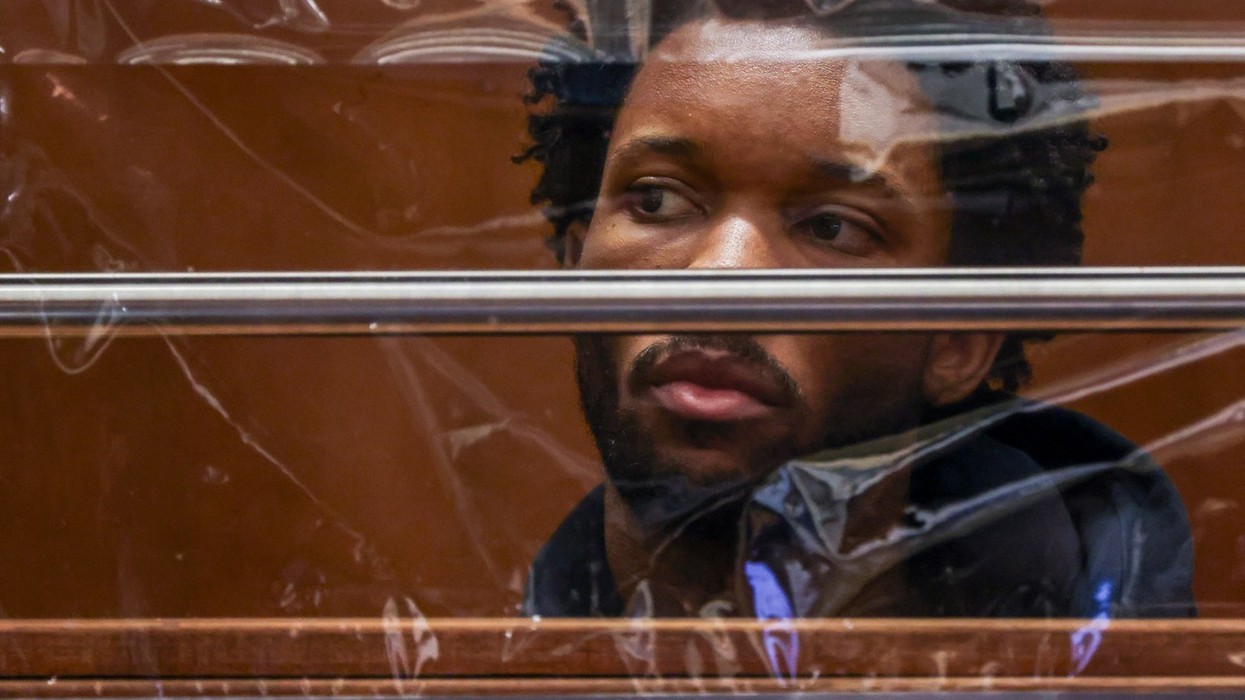

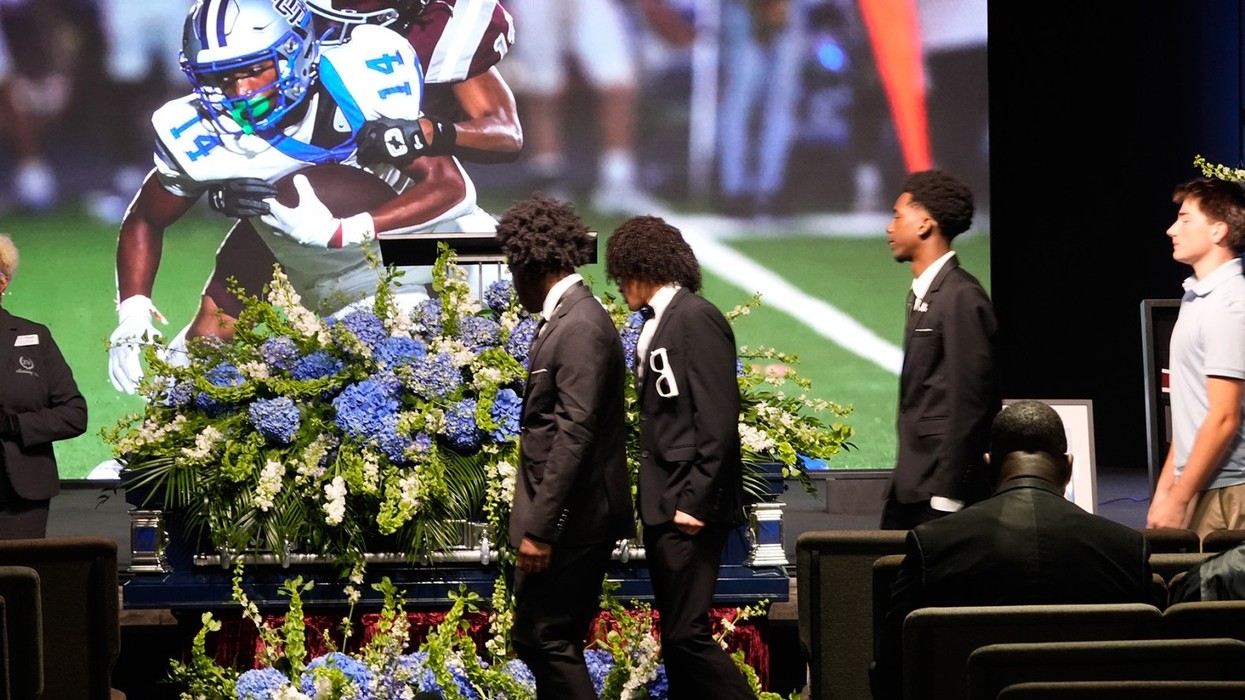
 Christine Wonsley with her husband, Elmore (second from left), attorney Ben Crump (left), and Rev. Al Sharpton (right), during a memorial service for her son Nolan Xavier Wells.Gerald Herbert/AP
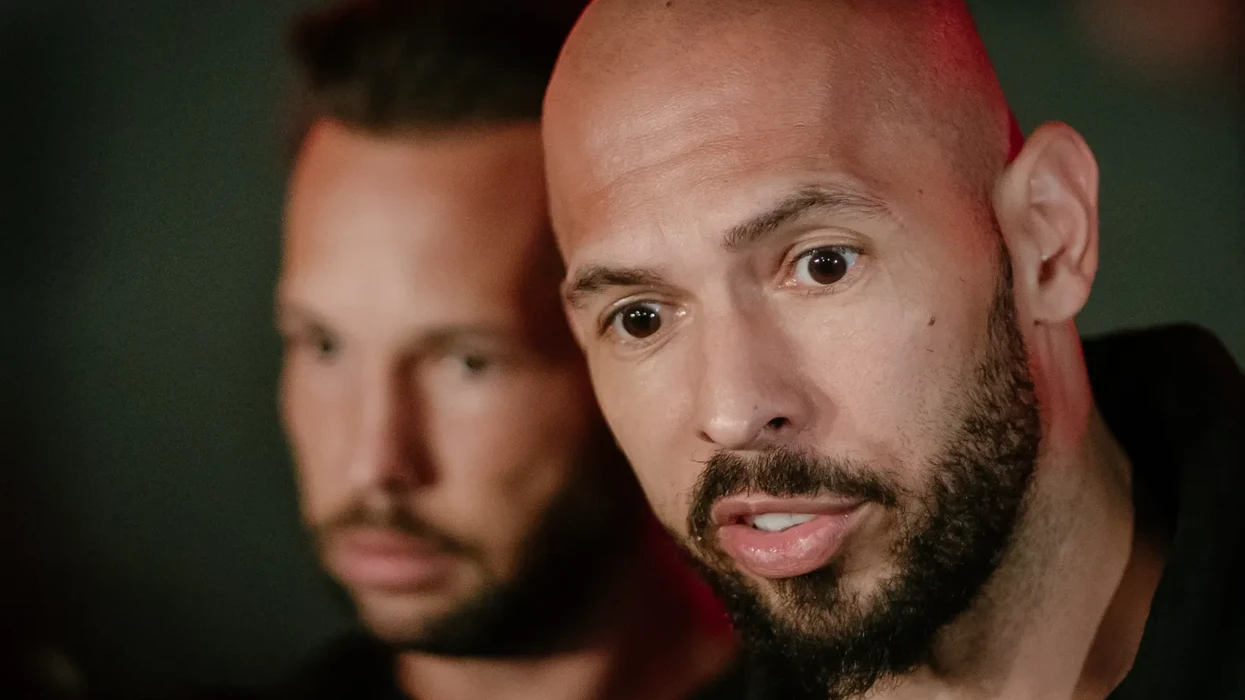
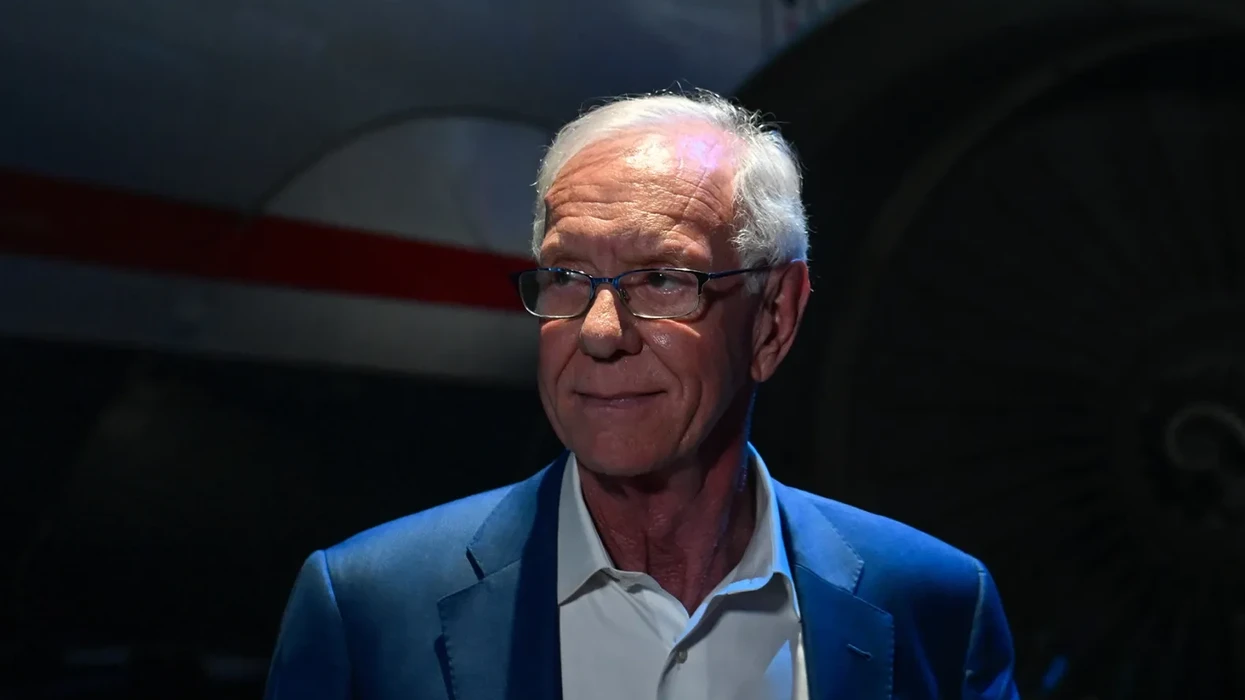

Donald Trump and FIFA President Gianni Infantino stand as Spain celebrates its World Cup victory, on July 19, 2026.
America Got the World Cup It Deserves — Good and Bad
For the past six weeks or so I’ve been having a recurring fight with my friends. The dispute is over whether or not it’s ethical to support the U.S. national team in the World Cup.
To the vast majority of people reading this article, this is an absurd question: of course you can and should support the United States Men’s National Team, you weirdo. And look, I’m with you. But despite the fact that my friends are pompous dorks who are no fun to watch the game with, the question they raise is valid: Are our national teams avatars of the administration in power, or of the people and promise of that country?
If you believe the former, then yeah, it’s pretty fucking weird to support the USMNT. In doing so, by that thinking, you’d be engaging in a sort of athletic nationalism on behalf of a country run by Donald Trump, the most corrupt president in history, who forced the Iranian national team to flee across the border immediately after the final whistle of each of their games, whose federal police have shot numerous civilians dead in the street during a brutal immigration crackdown, who has started a war and supported a genocide while covering up his close personal friendship with the most notorious pedophile in modern history.
I mean just look at him. On Sunday he waddled down onto the field to present Spain with their trophy, lingering on stage with the victorious team as they tried to celebrate. The presence of Mexican President Claudia Steinbaum and Canadian Prime Minister Mark Carney did little to dilute the image of Trump standing next to his crony Gianni Infantino, grinning at all the trappings of their power, hands caressing a trophy they’d done nothing to earn, lingering well past his cue to leave Spain to their glory. This World Cup, literally, had Donald Trump’s fingerprints all over it.
And yet, this was one of the most thrilling, beautiful World Cups in recent memory. That’s America, baby — contradictions abound.
Over the past five weeks of the greatest athletic competition on Earth, we’ve seen games that will literally never leave my memory. The final, which I attended yesterday in New Jersey, was remarkably forgettable — a 0-0 draw until the 106th minute, with Spain dominating every second of play and yet unable to score, undone time and time again by their insistence on tricksy passing and the personal heroics of Argentina’s goalkeeper Emi Martinez. The rest of the tournament, however, delivered. Cabo Verde, refusing to lose until the very last moments of the first knockout round, battling back again and again against both teams that would eventually play in the final. The sheer dominance of France’s Kylian Mbappe in front of goal, scoring at will, rivaled only by the aging GOAT Leo Messi and the Norwegian warlord Erling Haaland. England’s heroic stand at the Estadio Azteca in Mexico City, 45 minutes in the rain, a man down, holding out for the win and singing “Wonderwall” with what felt like half the stadium when it ended. Off the pitch, too: the Algerian national team being welcomed with open arms by Lawrence, Kansas; Scottish braves drinking Boston dry and partying wildly with Haitian fans that overcame so much just to be at the tournament. In Mexico, of course, the World Cup was everything, and its fans threw joyous South Koreans pumped full of tequila into the air, and celebrated in the streets with opposing fans even after their hard-fought defeat to England.
For the United States, what the 2026 World Cup was — what our team was, what our fans were, what our performance as hosts was — is a reflection of two things at once: what our nation is and what it can be.
Our star striker, Folarin Balogun, was born here by accident, a citizen only because of a birthright system that our president is currently trying to erase. We have Ricardo and Giovanni and Freeman and Zendejas. We have another striker whose name is Haji, for goodness sake. I look at that team and I see the country America can be, one in which any soul born in or living within our arbitrary borders can become part of a great national project that seeks to improve the lives of everyone it can. And yet, I can also look at that team and see a reflection of what the country is, because there is an anchor around its neck. When Balogun was — albeit unjustly — suspended for a crucial match, Trump himself stepped in. Cronyism saved the day and got Balogun reinstated, but ruined the fragile harmony the team had enjoyed. On the pitch against Belgium, they came apart. Temperamental star Christian Pulisic tried to go alone and then quit, aging defender Tim Ream’s legs failed him when he needed them most, a young goalkeeper slipped and fell when he had no good options for support.
What more can you say about a team, about our country? The team is an entity that is capable of more but still has so far to go, that is vulnerable to the same forces of avarice and selfishness and fear that plague our national identity writ large.
It’s possible to end the story there, to say good riddance to another failed year and fractured team. But I think that’s a mistake. I think if you believe that you haven’t really been watching. I think that’s also why it pissed me off so much that some of my friends wouldn’t root for the U.S. Yes, we have flaws, like every country involved in the tournament. Yes, our current team management and political government are filled with morons. But if you won’t put on the shirt you’re essentially opting out of our future. We can’t wait around for a better world, a better team, a better president, before we deign to lend our support. Progress only comes from effort, from caring, from believing in something more.
One of my favorite images of the World Cup was a crowd shot of the opening match against Paraguay in Los Angeles: every race, color and creed of American there is, all covered in red white and blue. It’s corny and trite, sure. But that’s what it’s all about. That’s why we’re here. You have to believe. The U.S. won that game 4-2. In four years, we’ll be even better.