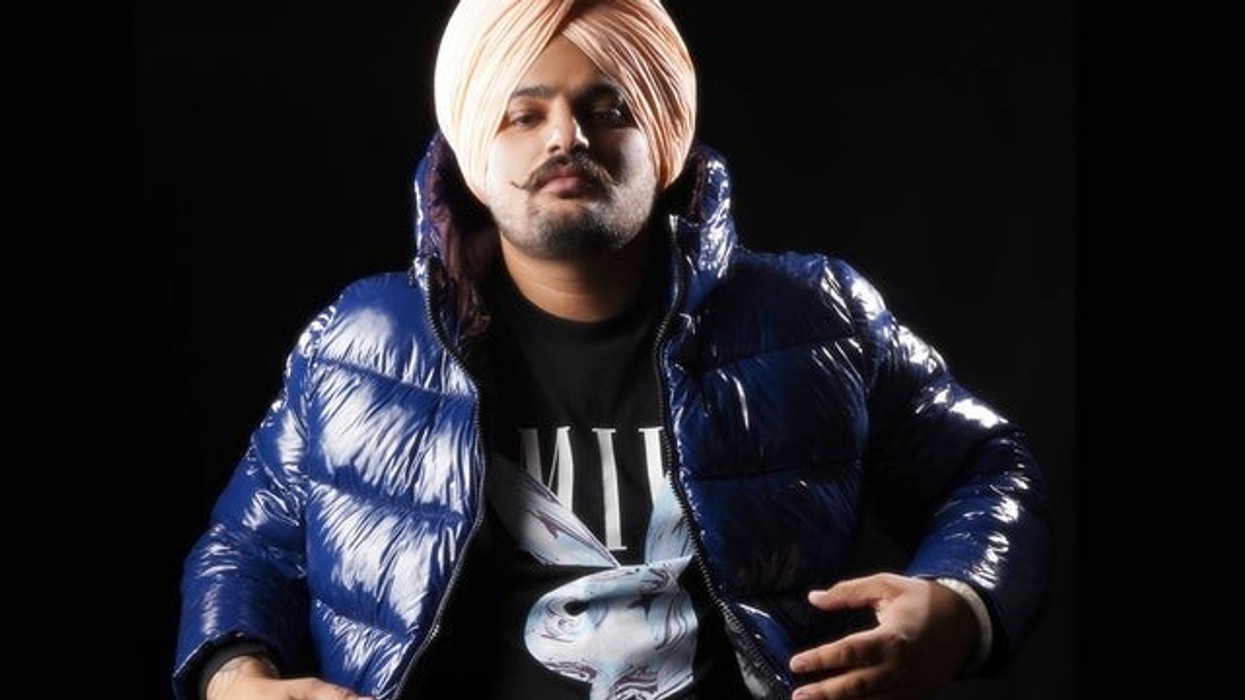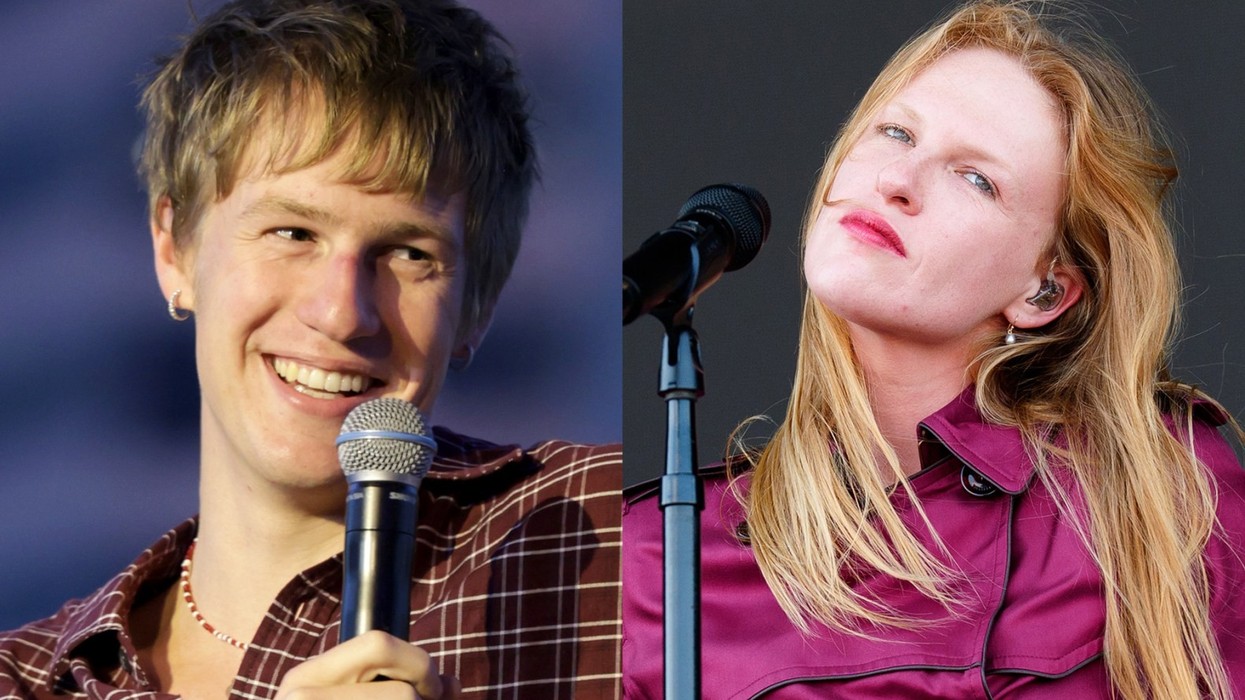
At some point, everyone’s heard a bbno$ song without realising it was him. That’s part of the whole thing. The tone isn’t always easy to pin down, and the way he shows up online doesn’t always explain itself. But behind that is an artist who’s been building for a while. bbno$, short for “baby no money,” had already released projects like Recess and built a touring audience across North America, Europe and Asia before his hit single “Lalala” blew up in 2019 with producer Y2K.
That record changed the scale in a very real way. Daily streams jumped from roughly a few hundred thousand to several million within months, and the song went multi-platinum across multiple markets. But it didn’t change how he worked. He stayed independent, kept releasing at a steady pace, and followed it up with records like “mememe” and good luck have fun, which went on to rack up hundreds of millions of streams of their own.
Since then, the pattern hasn’t really shifted. He’s continued putting music out consistently, built a direct line to his audience online, and translated that into real-world momentum, including chart runs in Canada and a TD JUNO Fan Choice Award in 2026. The gap between how people read him and how he actually operates is still there. The difference now is that the numbers back up the long game.
You’ve built one of the most recognisable careers to come out of the internet era, but you’ve also managed to outlast the idea of being just a viral artist. When you look at where you are now, what do you think people still misunderstand about the way you’ve built this?
People still don’t know how to pronounce my name correctly. I also feel like people don’t fully understand how I communicate online, whether I’m trolling or being sincere. There’s a certain way I interpret and reverse the internet that doesn’t always translate clearly to others. But that really just comes from being a product of the internet, growing up homeschooled and spending way too many days playing World of Warcraft.
“Lalala” was a huge turning point for you and still brings in new listeners years later. How do you look at that song now, especially in the context of everything you’ve built since?
“Lalala” was my first real entry point into mainstream success and culture. At the same time, even before that song was released, I was already able to go on a global tour and sell around 200 tickets pretty much anywhere in the world. I was also making really good money after the release of Recess and the viral success of my songs “Nursery” and “Who Dat Boy” on TikTok.
But “Lalala” took my catalog from about 400,000 streams a day to 4.8 million a day in just two and a half months. I don’t think that kind of growth is something you can easily recreate.
The only unfortunate part is that after that song took off, I found myself trying to recreate that success instead of just having fun and making music that felt original. Still, without that song, I definitely wouldn’t be where I am today.
You’ve stayed independent while still putting up serious numbers, from “Check” spending 20 weeks on the Billboard Canadian Hot 100 to winning the 2026 TD JUNO Fan Choice award. Has success made you feel more confident in doing things your own way, or has it made the pressure heavier?
Yeah, I think it’s an undeniable truth that success has made me more confident in doing things my own way. People always ask how I make so many TikToks and put out so much content. Honestly, it comes from doing the first thing that feels natural and taking the lowest-effort route possible on the content side. Even though it might seem meticulous or thought out, it really isn’t.
I don’t think the pressure is any heavier than it was earlier on. I remember in 2017 wanting to retire before I even had the slightest co-sign. At this point in my career, I’m just trying to have as much fun as possible, experience new things, and put myself in situations where I feel uncomfortable so I can grow as both a person and an artist.
Your self-titled album felt like a big statement, especially because it arrived at a point where your audience was following every move online. What did calling the album bbno$ allow you to say about yourself that earlier projects didn’t?
I basically called my album “bbno$” because people still don’t know how to say my name correctly. It felt like the obvious next step in the narrative, since people have always been messing it up, and I wanted to really lean into that world-building.
Every time I speak with press in other countries, they say, “We know the music, but we still don’t know how to say the name.” So I’m still in that education phase, and until the whole world gets it right, I’m going to keep pushing it into people’s minds.
I also think self-titled albums always feel like a big statement. I’m at a point in my career where I have the most traction, and I felt confident that this would signal that this is a serious album.
We ended up being the top six most pre-saved albums globally the week it came out, which was really cool to see. I never really pushed pre-saves that hard, but my fans showed up for me in a big way.
Your career has always felt very online, but not in a forced way. You seem to understand internet culture without letting it completely dictate the music. How do you know when you’re using the internet as a tool, and when it starts to pull too much focus away from the actual work?
If you’re not using the internet as a tool, you’re wasting your time. Think about all the actors out there who don’t use social media but easily could to explore a different side of themselves. For example, KJ Apa created a music project that lets him express himself in a completely different way than traditional acting. That’s a great example of using the internet and social platforms as a tool for a passion project.
I don’t think posting about my music takes away from the art behind it. My approach is simple. If people want to listen, they’ll know it’s out, and it’s up to them to press play. I’m just going to keep putting out content and deepening my relationship with the community I’ve built. The fans seem to enjoy it.
There can definitely be a disconnect sometimes when content creators try to make music, but I think I strike a strong balance between the two. Whether people agree or not doesn’t really matter to me. I’m going to keep being myself.
You’ve been consistent in putting out music without long gaps or reinventions. What keeps you motivated to keep building at that pace?
I literally have nothing better to do, and I love making music. I still believe I make music for the right reasons and that I’m an artist for the right reasons. If I hadn’t started making music early on, I honestly don’t know where I’d be emotionally or financially, but I know I wouldn’t be as happy as I am now.
Music has saved me in a lot of ways, so I’m going to keep making it no matter what. Whether or not I reinvent myself doesn’t really matter to me. It’s fun as hell.
Have you ever made a song? I’m asking you as the editor. It’s actually really fun.
What can you tell us about your upcoming releases and plans in 2026?
My upcoming release… right now I’m actually at a point where I have the least amount of unreleased music I’ve ever had, maybe in my life. But I’m about to write for the next two weeks, and I’m incredibly excited about it, so I’ll probably be set for the rest of the year.
I don’t really know what kind of music I’m going to make yet, but my live show perfectly captures what baby no money is. I’ll probably keep making fun, upbeat party music, because why the hell not.
What are your thoughts about the Future of Music in Canada?
The Canadian music scene has always had strong international recognition. Even the entertainment industry as a whole has seen a lot of global success, from shows like Heated Rivalry to the widespread recognition of Canadian talent across film, television, and music.