Skip to content
Search

The Cable Bundle Strikes Back

The Cable Bundle Strikes Back

On 30 Rock, Liz Lemon’s terrible sometime-boyfriend Dennis Duffy, a.k.a. “The Beeper King,” insisted the pager business would boom again because “technology’s cyclical.” Every idea Dennis espoused was meant to be as nonsensical and willfully ignorant as that one, like when he told Jack Donaghy that, politically, he was a “social conservative, fiscal liberal.” 

The world has somehow gone to hell enough that Dennis Duffy today seems like a prophet rather than a fool. “Social conservative, fiscal liberal” is basically the Republican Party platform in 2024, while the TV business is proving the cyclical nature of technology by reinventing the cable bundle that everyone cut the cord to escape. 


Technically, what we have now are streaming bundles, where you subscribe to multiple services for an allegedly cheaper rate than what you would pay if you got them individually. At first, there were bundles from streamers that all existed under the same corporate umbrella, like paying one price to get all three of Disney+, Hulu, and ESPN+. Now, though, rival corporations are joining forces like some bizarre streaming version of The Expendables

Disney and Warner Bros. Discovery have teamed up for an upcoming combined offering of Disney+, Hulu, and Max. Those companies have also partnered with Fox for a separate package, called Venu and tentatively coming this fall, to offer a wide array of national sports(*), when live sporting events are the main thing preventing more viewers from dropping cable. And those are just the bundles that have been announced as I write this column. By the time you’re reading it, there may be an upcoming one combining, say, Mubi, Crunchyroll, and MHz Choice (three real streamers whose names I did not invent).

(*) TNT’s coverage of pro basketball was supposed to be a key part of Venu, but if WBD winds up on the outside looking in with the NBA’s new media rights deal, the package now seems like less of a value proposition.

How did we get here, when only a few years ago it felt like we’d forever be free of paying for channels we don’t care about in order to get the ones we do? 

The glory days of the streaming era in the mid- to late-2010s were, like Netflix’s original programming division, built on a house of cards. Netflix scooped up the streaming rights to hit shows like The Office and Friends before it ever occurred to traditional Hollywood studios that there was real money to be made in streaming. So viewers got accustomed to the idea that they could pay one modest monthly fee to have access to all the series they wanted to watch — every episode available within a few clicks, without commercial breaks, onscreen ads during shows, or any of the other nuisances of traditional linear TV. 

But Netflix was primarily a tech company, and thus a TV business model that had been reliable for decades became another victim of Silicon Valley’s ethos about moving fast and breaking things. As consumers became acclimated to the Netflix way of watching, the Hollywood old guard decided it had to build its own Netflixes, reclaiming the rights to various shows they had licensed to their now-enormous rival. So where once you needed just the Netflix subscription to see almost everything you cared about, suddenly you needed at least a half-dozen, each of them featuring only a few of your favorites. 

None of this was sustainable. There were too many streamers and too many shows for anyone to keep up. TV companies used to have multiple revenue streams, from both commercials and cable carriage fees, and were shocked to discover that subscription fees alone from consumers weren’t nearly enough. Once Wall Street started to care more about profitability than subscriber growth, everyone started introducing ad-supported tiers, asking customers to pay extra to continue getting shows and movies without commercial interruption. 

Even the endless menu of on-demand options has proven less appealing in a world where there are hundreds of new shows each year. To fight decision fatigue, Disney+ is becoming the latest streamer to offer the option to choose from a curated collection of shows and movies that are running live as you open the app. I believe they’re called… channels? Time is a flat circle. 

Well, not entirely. All the existing and immediately upcoming streaming bundles provide only a handful of services, rather than the dozens or even hundreds of channels that come with a cable package; we’re not at the point where your money is subsidizing Real Housewives when all you want is sports, or vice versa. At some point, several of the existing services won’t so much bundle as merge; someone will buy Paramount in the not-too-distant future, and if they already have their own service, they’ll likely just absorb Star Trek and the other Paramount+ content into that. And don’t be surprised if the savings promised by these new bundles ultimately prove negligible — or, for that matter, if everyone winds up paying even more than they used to, all to get less overall programming than we got with cable. 

If you’ll excuse me, I apparently need to go buy a beeper. 
More Stories

Marketer Behind Fake Quotes in ‘Megalopolis’ Trailer Dropped by Lionsgate

Marketer Behind Fake Quotes in ‘Megalopolis’ Trailer Dropped by Lionsgate

Eddie Egan, a very real marketing consultant, lost his gig with Lionsgate this week after the studio discovered that quotes he used in a trailer for Francis Ford Coppola’s Megalopolis were fabricated, according to Variety.

The conceit behind the teaser, which Lionsgate recalled on Wednesday, was that critics had trashed Coppola’s masterpieces throughout the decades, so why trust them? Except that the critics quoted didn’t actually write any of the pith. A quote attributed to Pauline Kael that was said to have run in The New Yorker, claiming The Godfather was “diminished by its artsiness,” never ran.

Keep ReadingShow less
Can the Best of Star Wars Survive the Worst of Its Fans?

Can the Best of Star Wars Survive the Worst of Its Fans?

When George Lucas debuted his science fiction epic about a galaxy far far away in 1977, Star Wars went from a long-shot space opera into the highest grossing science fiction franchise of all time. Almost 50 years and one sale to entertainment conglomerate Disney later, Star Wars isn’t just a one-off world. There have been prequels, reboots, stand-alone television series, and an in-depth theme park addition. But like most popular culture, the Star Wars fandom, especially online, has become inundated with loud, conservative, and in some cases, incredibly racist voices. While Disney has never said these voices are directly impacting what shows get made, the vocal minority of Star Wars devotees keep limiting what they’ll accept as true Star Wars. These fans say they’re fighting for Star Wars’ future. But if their endless fantasy world can’t accept any stories that they don’t recognize — some of the self-professed biggest fans in all the worlds could be closing themselves off to any future at all. What is crystal (kyber?) clear is that before Star Wars can have another successful show, the loudest voices online need to realize the Star Wars they want to return to never existed in the first place. Will the real Star Wars please stand up? 

Much of the online discourse around Star Wars has centered on the franchise’s most recent live action projects. First premiering in 2019, these include The MandalorianThe Book of Boba Fett, Ahsoka, Obi-Wan Kenobi, Andor, and The Acolyte. The market has been oversaturated with stories, especially many that occur within the same time frames, with fans frankly, getting tired and in some cases — outright bored. Each of the projects has had its own reception — and own problems. However the low audience scores, angry YouTube rants, and long Reddit threads can really boil down to one question: who determines what’s real Star Wars? First as a film, and then a trilogy, Star Wars established early on to viewers that even when they were focused on a set of powerful twins and a dark Empire, shit was going down on literally every other planet. This freedom has allowed for endless story arcs across decades. But while opportunities have been endless — the patience of fans hasn’t. 

Keep ReadingShow less
Bob Mould and Fred Armisen Help the 8G Band Sign Off ‘Seth Meyers’ With Hüsker Dü Cover

Bob Mould and Fred Armisen Help the 8G Band Sign Off ‘Seth Meyers’ With Hüsker Dü Cover

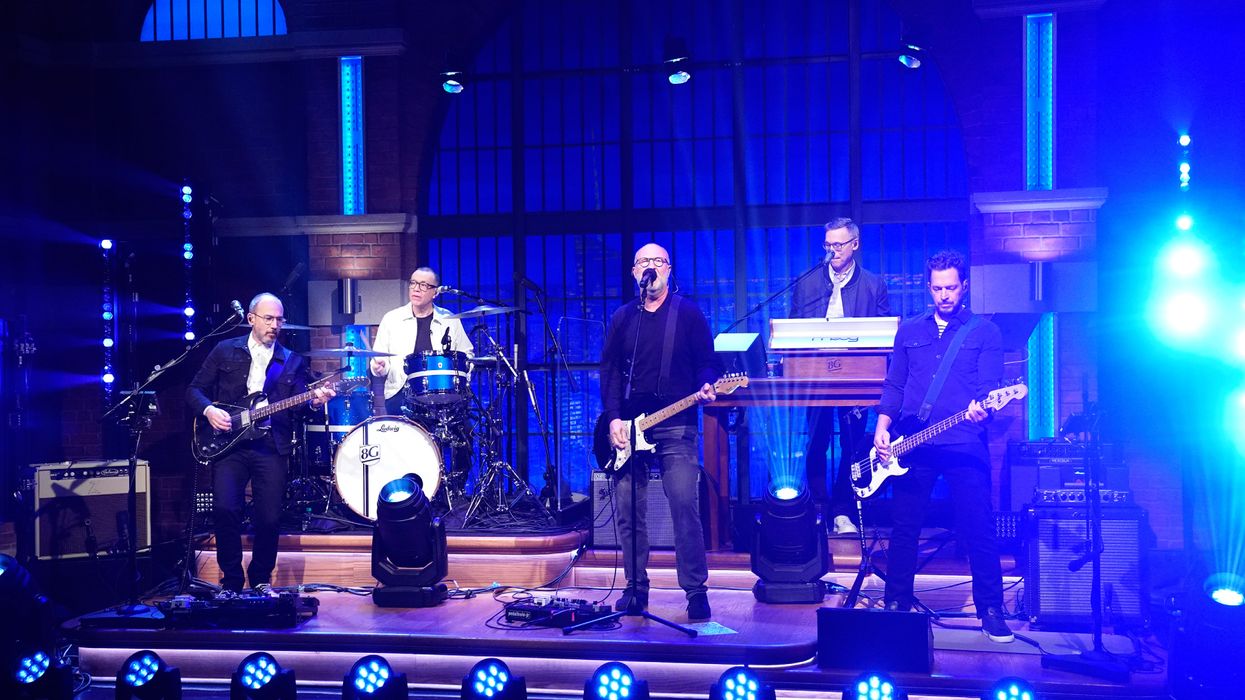
Bob Mould and Fred Armisen helped the 8G Band close out their tenure as the Late Night With Seth Meyers house band last night.

Mould fronted the group as they tore through a cover of Hüsker Dü’s classic, “Makes No Sense At All,” from the pioneering punk group’s 1985 album Flip Your Wig. Armisen, meanwhile, took his spot behind the drums and belted backing vocals alongside keyboardist Eli Janney, guitarist Seth Jabour, and bassist Syd Butler.

Keep ReadingShow less
J Balvin to Make Acting Debut in Crime Drama About a Fishing Village-Turned-Smuggling Hub

J Balvin to Make Acting Debut in Crime Drama About a Fishing Village-Turned-Smuggling Hub

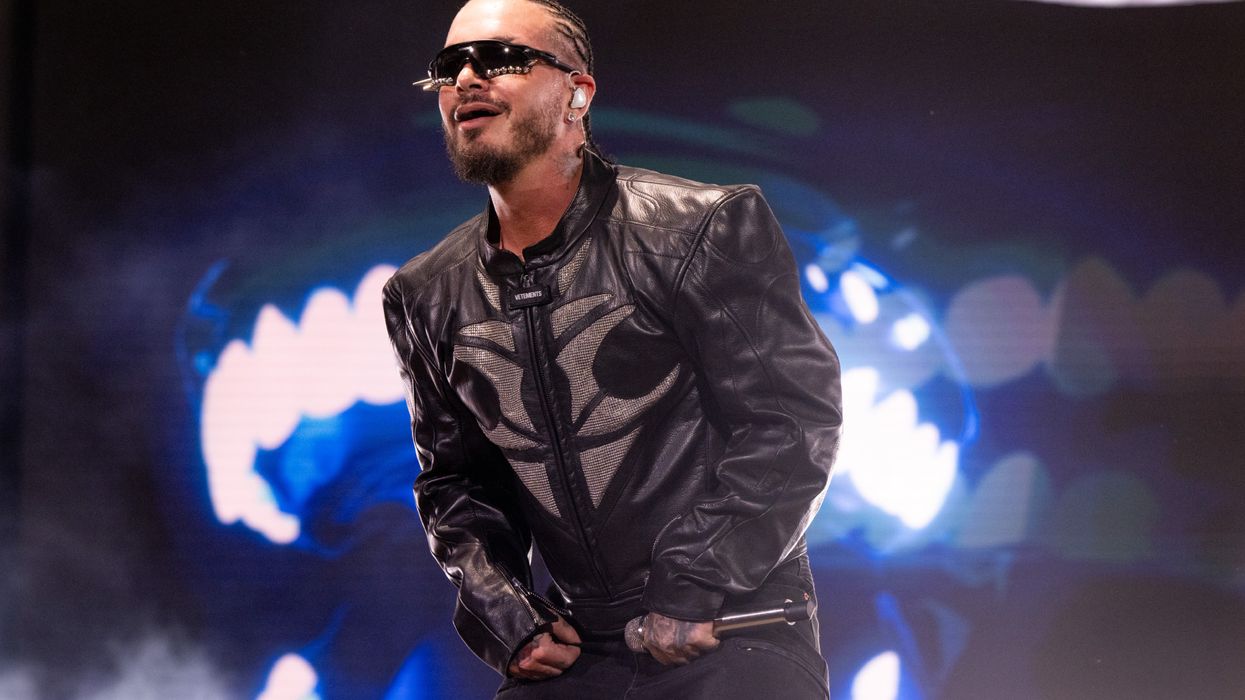
J Balvin will make his big screen debut as an Interpol investigator digging into a drug smuggling operation in the upcoming film, Little Lorraine, according to Variety

The film appears to be loosely based on real events in the Eighties, and will chronicle how a far-flung fishing and mining village in Nova Scotia became a hub for cocaine smuggling. Balvin’s Interpol investigator is drawn up north while investigating a Colombian drug ring suspected of moving product through the area.

Keep ReadingShow less
Watch Jon Stewart Recap the Democratic National Convention: ‘What a Night for Kamala Harris’

Watch Jon Stewart Recap the Democratic National Convention: ‘What a Night for Kamala Harris’

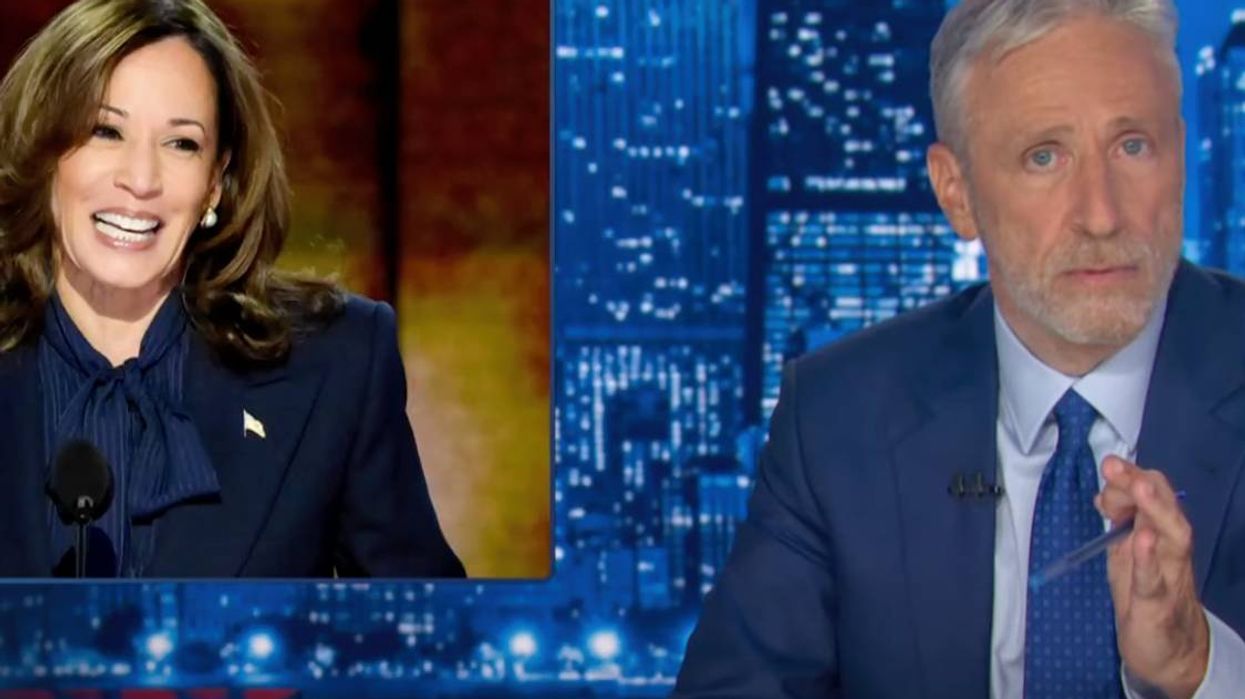
Kamala Harris accepted the Democrats’ nomination for president last night at the Democratic National Convention in Chicago, but not without some commentary from Republican nominee Donald Trump. Jon Stewart had some thoughts about all of it as he broadcast The Daily Show live from the DNC, ultimately concluding that Trump has “morphed into a poor man’s cat turd.”

During the episode, Stewart started off by addressing the disappointment from fans that Beyoncé didn’t show at the convention. Joking that there would be a special guest, he showed a clip of Michigan rep Elissa Slotkin at the DNC. “You thought it was Beyoncé because everyone thought that it was going to be Beyoncé coming out there, but it was Slotkin all along,” Steward confirmed. “Everybody knew.”

Keep ReadingShow less