
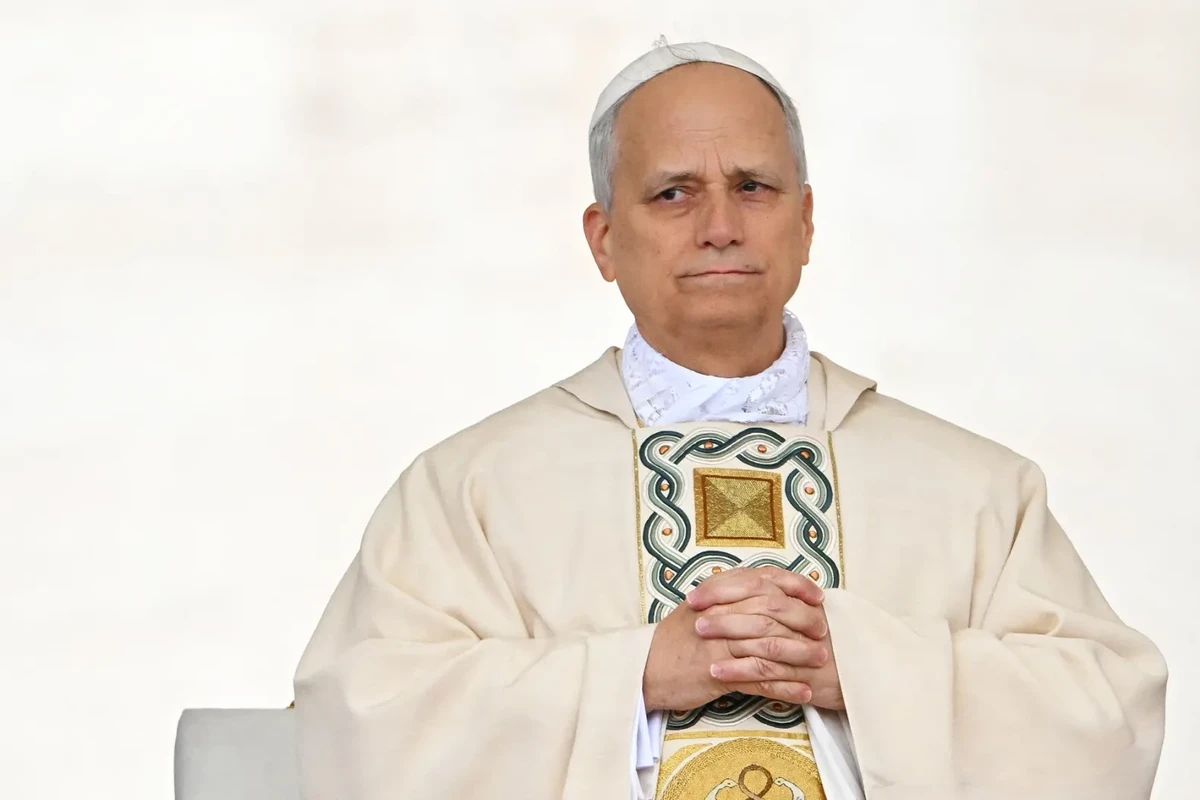

Pope Leo XIV is refusing to soften his criticism of Donald Trump’s war with Iran.
“God does not bless any conflict. Anyone who is a disciple of Christ, the Prince of Peace, is never on the side of those who once wielded the sword and today drop bombs,” Leo wrote Friday morning on X. “Military action will not create space for freedom or times of #Peace, which comes only from the patient promotion of coexistence and dialogue among peoples.”
Leo, a Chicago native and the first American pope in the 2000-year history of the Catholic Church, has been a vocal critic of the conflict in the Middle East since the United States and Israel began attacking Iran in February. Leo’s social media post on Friday appear to be at least partially in response to the Trump administration repeatedly invoking God as it carries out Operation Epic Fury.
Defense Secretary Pete Hegseth, in particular, has been framing the conflict as a holy war being waged “in the name of Jesus Christ.”
In a Wednesday press conference, Hegseth — a former Fox News host who boasts not one, but two, crusade-themed tattoos — told reporters of the supposed ceasefire: “God deserves all the glory. Tens of thousands of strikes carried out under the protection of divine providence. A massive effort with miraculous protection. God is good.”
The Pope also wrote on Friday: “Absurd and inhuman violence is spreading ferociously through the sacred places of the Christian East. Profaned by the blasphemy of war and the brutality of business, with no regard for people’s lives, which are considered at most collateral damage of self-interest.”
“No gain can be worth the life of the weakest, children, or families. No cause can justify the shedding of innocent blood,” he added.
Leo has been a vocal counter to his home nation’s Christian Nationalist war mongering. The Pentagon has reportedly not been happy about it.
On Monday, The Free Press reported that in January — as Leo’s indirect criticisms of the Trump administration became more forceful and drew more headlines — the Pentagon called in former Holy See American Ambassador Cardinal Christophe Pierre, who retired in March, into a meeting. There they warned the cardinal that the American military had the “power to do whatever it wants — and that the Church had better take its side.” Sources told The Free Press that Defense Department officials at one point invoked the Avignon Papacy, a 67-year period in the 14th Century during which the papacy was effectively held hostage under French control in the city of Avignon – not Rome. The Avignon Papacy began with the kidnapping and death of Pope Boniface VIII after long periods of political conflict with King Philip IV of France. Following Boniface’s death, Philip forced the election of a French pontiff amenable to his political ambitions, and kept the papal court in his own backyard. The papacy would remain under French control through seven popes before returning to Rome under Pope Gregory XI. A Frenchman has never again been raised to the papacy.
It’s a heavy historical threat to level against representatives for the Vatican, especially after the historic election of an American pope. The Pentagon and the White House have denied the report, and the U.S. Ambassador to the Holy See has said that Cardinal Pierre also denied the media’s portrayal of the January meeting..
Leo’s posts on Friday come days after he wrote on Easter that “death is always lurking. We see it in violence, in the wounds of the world, in the cry of pain that rises from every corner because of the abuses that crush the weakest among us, because of the idolatry of profit that plunders the earth’s resources, because of the violence of war that kills and destroys.”
Days after Hegseth berated reporters in March for not giving the war enough positive coverage, Leo wrote that it is “every journalist’s duty to verify the news, so as not to become a megaphone for power. They must show the suffering that war always brings to populations, which entails showing the face of war and recounting it through the eyes of victims.”
Tensions between the Vatican and the Trump administration have grown so much that Leo reportedly canceled a planned visit to the United States this summer, and may avoid trips to the nation of his birth so long as Trump remains in office.


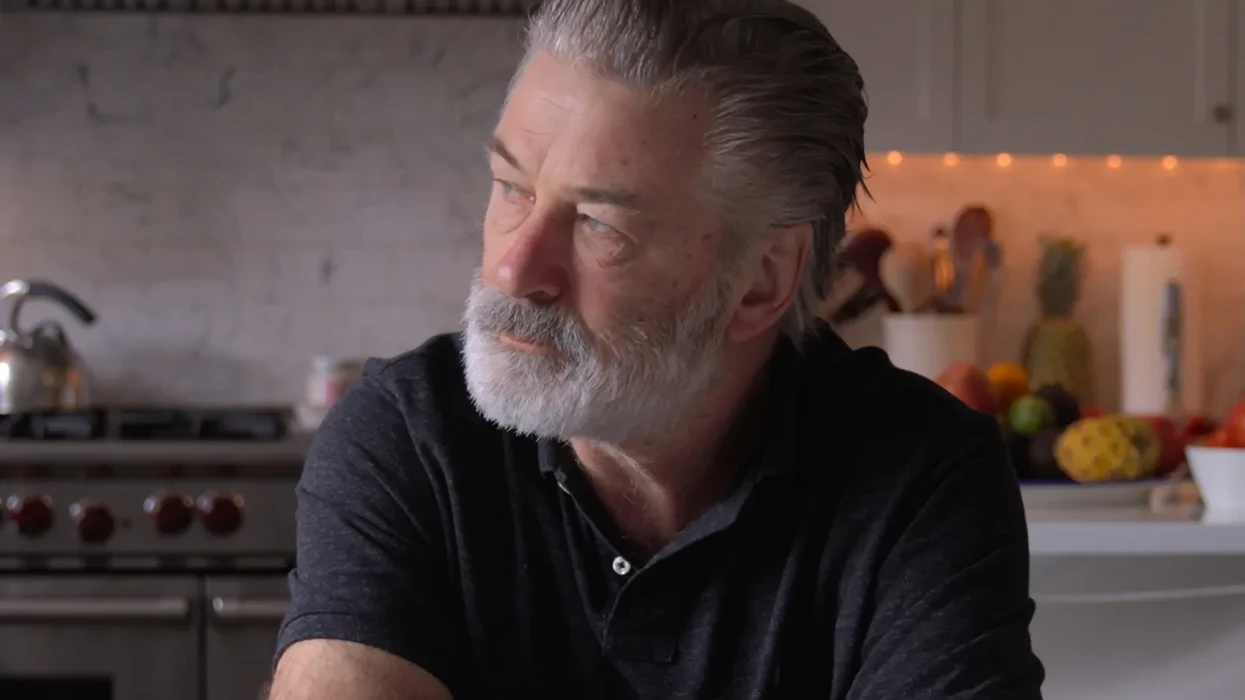
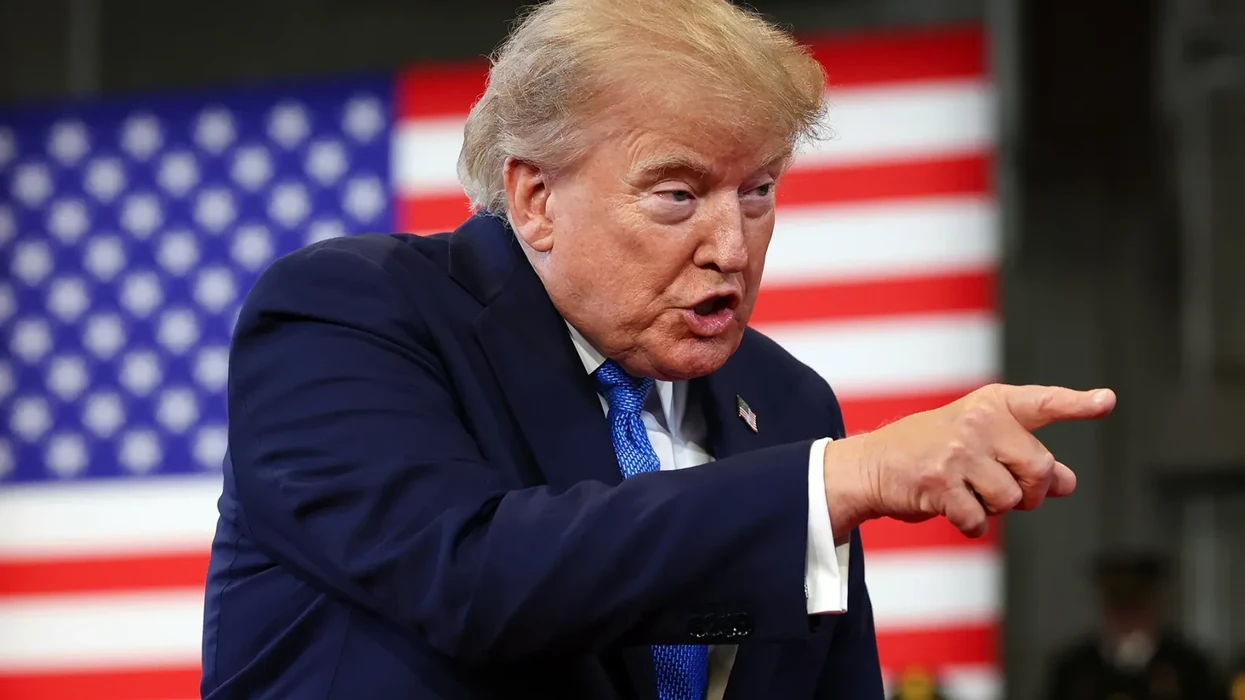
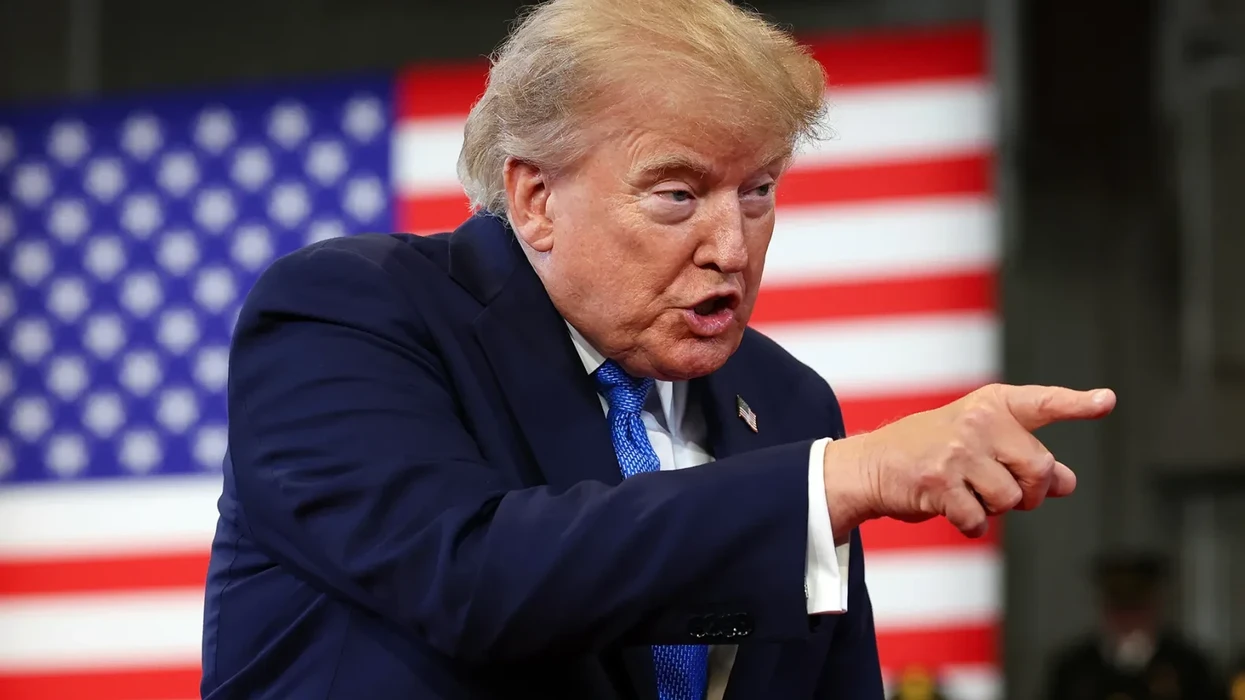

Natalie Harp with Donald Trump on July 22, 2026.
Nothing About Trump and Natalie Harp Is Normal
In early 2024, while reporting a story on New York’s boisterous, controversial Young Republican Club, one of my sources told me they had a pretty direct line to Donald Trump himself.
At the time, Trump wasn’t president again — yet. But he was campaigning, and in order to get something in front of his eyes you had to first get the attention of someone else: his assistant and right-hand woman, Natalie Harp.
Harp, 35, is now at the center of a major media frenzy, as Democrats like Georgia Senator Jon Ossoff have seized upon her unusual relationship with her boss: part assistant, part hype-man, part gatekeeper. On Sunday night, Ossoff made a comment that many interpreted as an insinuation that Harp had a more personal relationship to the president.
“The president sleeps through his meetings. He golfs and trades stocks,” Ossoff said at a campaign event in Georgia. “See he doesn’t want to do the job. He wants to build his ballroom and travel with Natalie on their apparently defenseless flying palace gifted by the Emir of Qatar.”
Ossoff’s comments set off a firestorm both in Democratic circles and the GOP’s reactionary messaging apparatus.
“Jon Jackoff has to be the biggest cuck loser in politics,” Steven Cheung, the White House communications director, posted on Monday morning. By Tuesday, the entire media ecosystem had weighed in — with some coming right out and saying what they thought Ossoff was implying in his joke, and detailing why it was out of bounds.
“Ossoff was clearly implying that Trump was having an affair with his staffer,” Megyn Kelly wrote on X. Florida Congresswoman Anna Paulina Luna called him a “sexist arrogant jerk.” Pundit Robby Starbuck wrote that “Ossoff is a vile coward for insinuating they’re having an affair.” The flood of backlash poured out of just about every conservative commentator you could think of.
The White House joined the fray after CNN posed a question about Harp to Trump, asking him to respond to Ossoff’s comments directly. “You mean Pee-Wee Herman?” Trump quipped in the moment, referring to Ossoff. His comms team went for a full broadside later online. “Someday, your children will come across your disgusting and inhumane question,” Trump’s rapid response account posted at CNN reporter Kristen Holmes. “They will be sickened and embarrassed to have a parent be so callous and vindictive. It’s quite troubling.”
Ossoff, meanwhile, tried to soften the blow of his joke, redirecting it — sort of — away from Harp herself to make it more of a comment on the president’s relationship to his staff in general. “I’ve heard this particular aide referred to as his security blanket,” he told Jen Psaki on MS NOW. “And I think we could say that about any number of the senior aides in the White House.”
But the damage was done, and it’s hard to believe Ossoff didn’t know exactly what he was doing. In recent years, some Democrats have occasionally flirted with the type of mud-slinging that Trump and his imitators became known for, but they’ve rarely landed a hit that provoked this much of a reaction.
“What a coward. Own your sexist joke, bro,” right-wing commentator Scott Jennings posted.
Harp’s history — and her relationship to the president — give some clues as to why the Republican beehive is so agitated.
Harp began her career in the public eye as an anchor for One America News, a right-wing propaganda outlet that was founded in 2013 and became something of a mouthpiece for the Trump administration and then the MAGA movement during the Biden administration. Democrats and liberal commentators have pointed out that Harp was often fawning over Trump during her segments.
While these clips have been used as more evidence that Trump and Harp have a strange dynamic, it’s hard to say that this kind of content is outside of the norm for OAN’s programming at the time. But that doesn’t mean Harp’s history with Trump isn’t strange — even by MAGA supplicant standards.
At the 2020 Republican National Convention, she said she was a bone cancer survivor and credited her survival to a “Right to Try” policy pushed by Trump in 2018 that allowed patients to use experimental drugs.
“When I failed the chemotherapies that were on the market, no one wanted me in their clinical trials,” Harp said at the RNC. “They didn’t give me the right to try experimental treatments, Mr. President. You did, and without you, I’d have died waiting for them to be approved.”
The Washington Post, however, notes that the drug Harp used was already approved by the FDA — which would have meant that the “Right to Try” law wouldn’t have applied.
Still, it’s clear that Harp feels a close personal connection to Trump. After her short stint at OAN, the Post cited her as a Trump employee as early as 2022. In 2024, The New York Times reported that Harp’s primary role on Trump’s staff was what other aides called “the human printer” — following Trump around with a battery powered printer so she could give him physical copies of social media posts, missives, text messages, and positive, often conspiratorial news stories. The Post story in 2022 also detailed her in this role, noting that other aides were “particularly distressed” by her access to and influence with the president.
“She is indicative of the people around him who just love him,” one anonymous adviser told the Post in 2022. “Love him too much.”
The Times’ reporting also noted that Harp’s esteem for Trump was particularly fervent, describing how she wrote him a series of what the newspaper called “devotional letters,” one of which said: “You are all that matters to me.” The Times described her running behind Trump’s golf cart, reading him social media posts and news articles. Following one of those instances, the Times reports that she wrote him another letter, apologizing for being “an embarrassment” while on the golf course in Scotland. “I want things to always be right between us,” she wrote. “I also know I’ve been distracted all week (forgetting to eat throughout the days, and even forgetting to sleep, and only catching a couple hours at a time).” Harp signed the letter, “With all my heart, Natalie.”
Harp’s family have acknowledged that her relationship to Trump is not that of a traditional staffer. In an interview with CNN on Tuesday night, Harp’s estranged brother Preston Harp said that “Since she was 16 she’s had an obsession with – she’s written letters to other presidents, let me put it that way,” Preston Harp said, mentioning “George Bush during the Iraq War” and that “her dream came true finally.”
These details are certainly odd, but so is basically everything about the particularities of Trump’s inner circle. Ossoff’s comment, however, likely came at least partially in response to another outlandish story that broke earlier this month.
On August 10, the Post reported that Trump had covertly switched planes during a trip to Turkey, hiding in an airline catering truck with a tiny group of aides in order to dodge a potential attack on Air Force One by Iranian proxies. The White House press corps and several key government figures — including Secretary of State Marco Rubio — stayed on board the “decoy plane.” Harp did not. She was reportedly in the food truck with Trump.
It’s impossible to know the exact nature of Harp’s relationship with Trump. Ossoff did not specifically mention an affair, though it’s hard to interpret his familiar comment as anything else — and the right-wing media is reacting to it as such, trying to take a moral high ground on behalf of a president who has, at least in civil court, been found liable for sexual abuse on at least one count, and routinely makes sexist comments toward female reporters and others.
Jesse Watters of Fox News was one of the only right-wing commentators to recognize the hypocrisy of bashing Ossoff’s comment while supporting Trump: “Am I fazed by this comment? No. Has Trump said so much worse, so much more sleazy things against other people? Yes. Have I defended those things? Absolutely. So, I’m not going to pretend to be all hot and bothered by it.”
Watters is an outlier, though. No matter what the charges, Trump will always have his protectors in the GOP, some more loyal than others. In recent years, Natalie Harp has been more loyal than anyone else.