


Back in June, when the Biden campaign was still in full swing, the president visited Los Angeles for what turned out to be a record-breaking fundraiser with Hollywood heavyweights like Julia Roberts. But the day before the star-studded main event, the campaign was busy courting a less famous and arguably more important group: social-media influencers. As part of its Creators Who Vote initiative, the Biden team invited 50 podcasters, creators, and micro-influencers (those with anywhere from 1,000-100,000 followers) to a cocktail hour to get them excited about the president’s candidacy and platform. The cocktail party even featured a surprise special guest — not Biden, but former president Barack Obama.
Several creators who attended the gathering that day at the Ritz-Carlton’s Sendero steakhouse in Downtown L.A. were tepid about Biden, telling Rolling Stone they were more or less resigned to voting for him. It took the star power of Obama to sell them on the Democratic party’s cause. As fashion and beauty influencer Chazlyn Yvonne put it at the time: “I think what Barack Obama was there to do was … position it in a way where it’s not about one person or the other, it’s really just about choosing what’s right.”
But since Biden bowed out of the race on July 21 and Kamala Harris became the Democrats’ presumptive nominee, there’s been a distinctive shift in the creator community and their Gen Z audience: You could even call it enthusiasm.
“Before it was like, we had to work with what we had,” Yvonne says. “Now it’s a bit more exciting. I’ve felt a shift with the people I know other people online that I’m mutuals with. I’ve seen a lot of people really come together about this because everyone’s so excited to have a woman and a Black woman running. … It’s just a little bit more hopefulness.”
Yvonne, 22, doesn’t typically post about social or political issues on her platforms. Her motivation to talk politics with her 90,000 followers has ebbed and flowed with the tumultuous news cycle. After the attempted assassination of Donald Trump at a rally in late July, she says she was dismayed about the political climate and how divided people had become. But the news about Harris taking Biden’s place on the Democratic ticket got her reenergized.
“I think Kamala really does speak to Gen Z more than her opponent, and the more people get excited about it online, the more it can literally influence people to go to the polls,” she says.
The internet has largely embraced Harris, with young people sharing memes and jokes on social media with the vice president at the center. Many of them are fresh remixes of old viral clips, like Harris’ coconut tree comments or her “We did it Joe” call to Biden when they defeated Trump in 2020. Thirty-three-year-old fashion influencer Nava Rose, who was also a guest at the Creators Who Vote event for Biden in June, cites the popular audio sounds of Harris that creators are using on TikTok, specifically one where she tells former vice president Mike Pence to stop interrupting her during a 2020 debate between the then-candidates.

The day Biden announced he was dropping out of the race and endorsed Harris, she got the ultimate crown of internet approval when Charli XCX tweeted, “kamala IS brat,” a nod to the major Gen Z cultural moment happening around the pop star’s latest album. Rose says that public support and co-signing of Harris by the queen of brat herself has been effective and not at all cringe.
“I don’t know that we’ve ever had a candidate that fit the ‘brat’ mold before but Kamala being brat is fully working,” Rose tells Rolling Stone. “Some of the clips that have been circling around the internet where she’s throwing sass to the people that she’s debating, people really love that. I am very much on the happy, ‘brat’ side of the internet and we’re just eating it up.”
She adds that this authentically viral moment makes it easy for her to jump into the fun. “It is part of my identity and who I am as a creator, so I feel like I’m able to lean more into posting in that theme or that kind of tone,” Rose explains. “I don’t know how I could’ve really sat in that theme and tone if I was posting for Biden.”
On top of being folded into the most popular meme of the year, creators think that Harris’ campaign is taking smart steps to incorporate pop culture components into the vice president’s image. Her team has made touchstone moments out of using Beyoncé’s “Freedom” as her official campaign song, having Megan Thee Stallion perform at a rally, and producing camouflage hats seemingly modeled after singer Chappell Roan’s merch, which sold out in minutes. (The artist’s song “Femininomenon” song has also been a popular sound for pro-Kamala TikToks.) These are savvy moves, according to Mal Glowenke, host of Made It Out, a podcast about issues affecting the lesbian community.
“It’s an absolutely genius way to engage young voters and engage Gen Z,” Glowenke says. “I think it’s working already. I don’t know about actually getting them to the polls, but I think we’ve got a lot of people engaged in a conversation that they weren’t engaged in before now.”
For a lot of influencers, the mission is the same now with Harris running as it was with Biden: Educate followers about the issues, raise awareness, and encourage them to vote. But there’s an added layer of excitement when it comes to Harris as a candidate. As Glowenke put it, the VP has brought “a resurgence of hope” to young Democratic voters.
Harris’ candidacy has also empowered some influencers not to “play it safe” in this election cycle, Rose says. When Biden was running, she was planning to just share content from the Creators Who Vote account and encourage her followers to vote without putting too much emphasis on Biden himself. But now, she says she isn’t going to shy away from posting explicitly about Harris as a candidate.

“There was definitely some hesitation with Biden,” Rose says, explaining that the president wasn’t universally popular online with young people because of his stance on the Israeli–Palestinian conflict. According to Rose, people also felt like he was generally out of touch with the youth. “Whoever you’re voting for, I guess you can’t agree with everything they’ve done. But for Kamala, she’s made a lot of pushes about things I’m excited about,” Rose says, citing the vice president’s focus on sustainability and environmental issues.
“I have been a Kamala fan and I became an even bigger fan when I met her [at an event in May] because I saw the passion that she has for the country and what she’s fighting for,” Rose adds. “I relate to her in a way. There are some similarities that I have with her: She fights for climate change, she’s a woman, she’s part of the Asian American community. I think there are new aspects about her that I am really excited to see as a candidate for president.”
While creators who were originally supporting Biden are excited about Harris’ campaign, they’re still concerned that the presidential race between the vice president and former President Trump is going to be a close one. A recent nationwide poll conducted by SurveyUSA from Aug. 2-4 found that Trump is leading voters aged 18 to 34 by four points; 50 percent of the group, mostly consisting of Gen Z and younger millennials, are in favor of Trump while 46 percent say they plan on backing Harris. There are four percent of voters in that age group who say they’re still undecided.
“That’s why I’m trying to encourage people to vote,” Rose says. “I know we have a lot of excitement right now but it’s still going to be tight. There’s just been so much of a roller coaster and if she is elected, I think it would be very helpful for us to come together because then it’s like, we made this happen.”
It’s no secret to creators who optimize social media in their daily lives that “digital is king,” as Glowenke put it, and influencers have the opportunity to reach young voters if they choose to opt into this moment.
“I think it is kind of a similar energy to Obama[‘s election],” Glowenke says. “I’ve never seen this kind of [political] excitement on TikTok or on Instagram, and that’s where people are consuming news. This is where people are turning and I think anybody who can capture people’s attention who hasn’t really used their platform to speak on these issues before but is now can create change.”

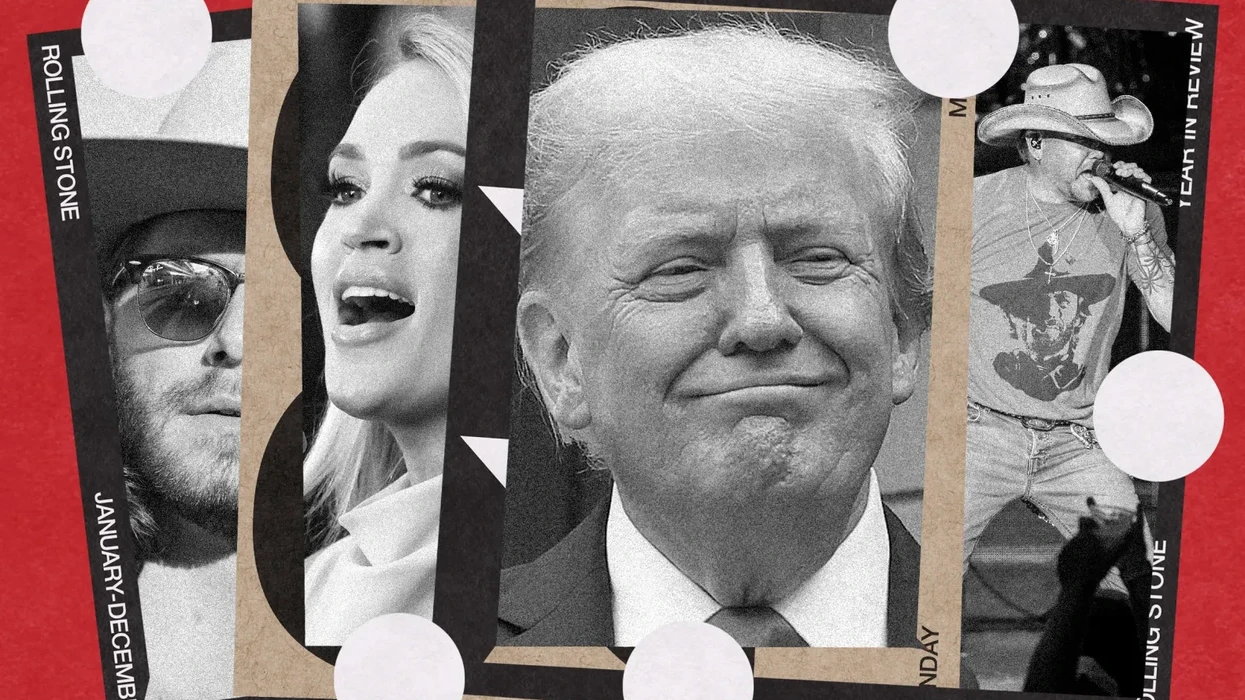
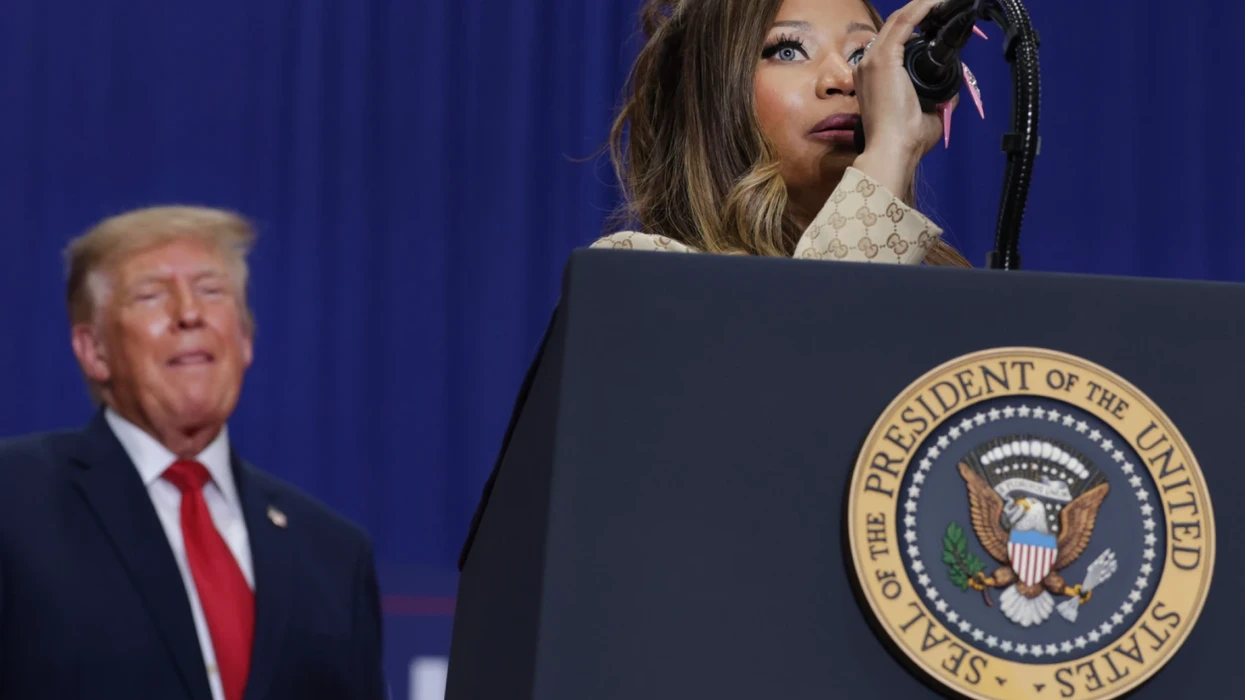
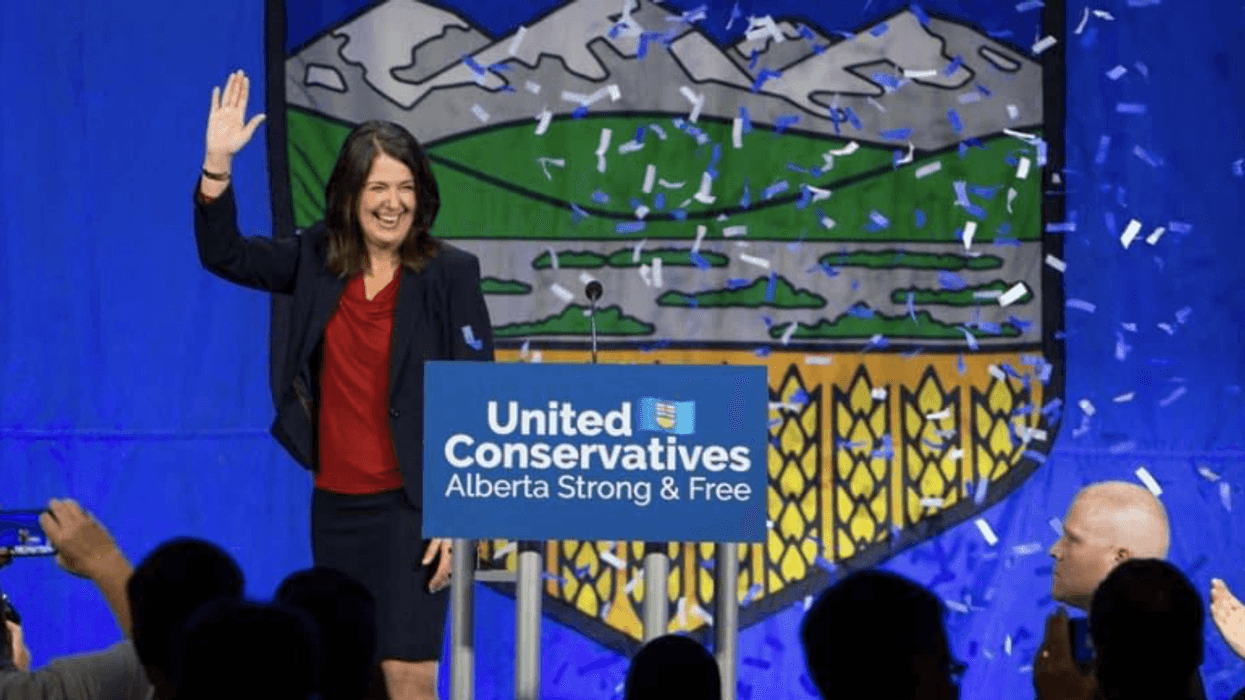
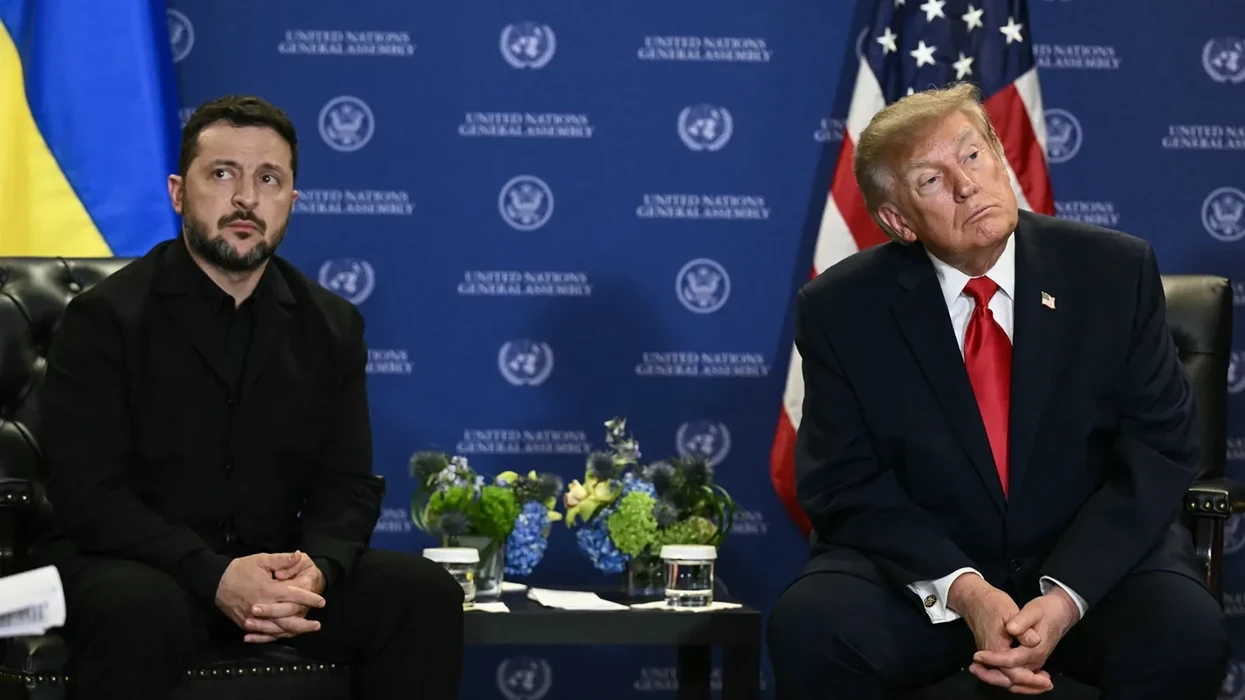
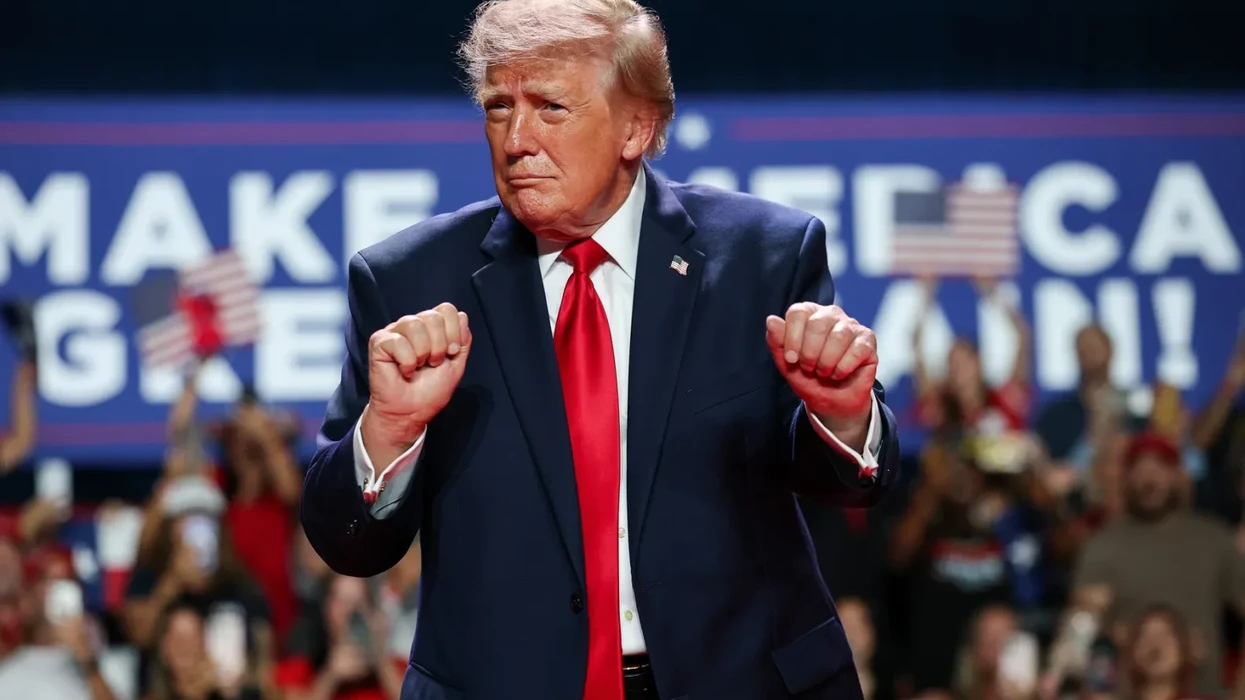
Donald Trump looks to an image of Michigan Democratic Senate candidate Abdul El-Sayed during a campaign rally on Sunday, Oct. 25, 2026, in Port Huron, Mich.
Republicans Are Driving the Most Racist Election Cycle in a Generation
In 2010, a splinter group of far-right Republicans known as the Tea Party summoned a red wave of Republican voters in Barack Obama’s first midterm elections, capitalizing on the remnants of the global financial crisis and troop surges in Afghanistan to help the GOP win 63 seats in Congress. The Tea Party wanted to be known as fiscal conservatives, but their darkest power was abject, open fury that the United States had dared to elect a Black man as president.
But 2010 was not, somehow, the most racist election in recent memory. It’s the 2026 midterms, thanks to the invective spewed by the man in the White House and the worst dregs of his movement around the country. With a war in Iran, skyrocketing gas prices, rampant inflation, and a burgeoning housing crisis, the GOP has no claim to fiscal conservatism this election cycle. Instead, all they have is race.
“There’s five hundred million Arabs in the world,” Health and Human Services Secretary Robert F. Kennedy Jr. said recently. “And yet they don’t produce science. They don’t win the Nobel Prize. They don’t win the Fields Prize. They don’t win the Wolf Prize. They don’t produce literature.”
RFK was making a barely veiled reference to the primary target of Republican racism this cycle: Michigan Senate candidate Abdul El-Sayed. El-Sayed is a muslim, and is sufficiently left wing so as to invite the ire of basically every faction of American politics, including centrist Democrats, centrist Republicans, and the far right, who have taken up the cause of cutting him down with particular zeal. Trump has joined in:
“If Abdul and the Democrats win, they will open the floodgates and invite hordes of jihadis to our shores, creating a nightmare of violence and terror until you cannot even have a Christmas,” Trump said at a rally in Port Huron on Sunday.
Trump has repeatedly issued some of the worst attacks against El-Sayed, repeating the claim that he is a member of the Muslim Brotherhood and calling him a “jihadist.” He has also gleefully mocked El-Sayed’s name at multiple campaign stops, and said over the weekend that he would “be the only senator that has to go through a metal detector before he is allowed to go in the Senate,” the implication, of course, being that he is a potential terrorist.
Vice President JD Vance, not one to be out-done, accused El-Sayed of “anti-white” racism, a familiar line of attack by members of the far right looking to mobilize economically disadvantaged white voters.
“Abdul El-Sayed, who maybe more than any Democrat running in the nation has engaged in the kind of explicitly anti-white racial hatred that has become common in the Democratic Party,” Vance said at a rally in Michigan on Tuesday. “I’d say that person should not be elected.”
The attacks on El-Sayed are shocking and crude, but they didn’t spring out of a vacuum. Racist dogwhistles — and more explicit attacks — have been common fodder for the GOP for decades, from Ronald Reagan’s popularization of the term “welfare queen” — a veiled attack on impoverished Black Americans — to Trump’s support of the Barack Obama birth certificate conspiracies. Some of Trump’s earliest political breakthroughs came on the back of demonizing Latin American immigrants and painting undocumented migrants as a boogeyman threatening the livelihoods of “real” Americans.
All these threads have come together in the second Trump administration, with the persecution of Haitian immigrants who were stripped of their Temporary Protected Status by the Department of Homeland Security, a campaign of terror across the heartland committed by Immigration and Customs Enforcement agents, repeated denigration of African countries in public speeches, and constant racist dogwhistles in official government communications. The Trump administration has raided the home of a sitting congresswoman, Somali-American Representative Ilhan Omar, reportedly as part of an investigation aiming to strip her of her citizenship. Trump has repeatedly suggested Omar should be deported, while making fun of her head coverings.
Trump’s racism has spread throughout the GOP, emboldening the most fringe candidates to take positions so blatantly bigoted that some squeamish members of their party are cringing. In Texas, Railroad Commissioner candidate Bo French recently doubled down on a racist post he made remarking on the number of Indian-American students at a recent University of Texas football game. Republican megadonor Elon Musk, a white South African born and raised under apartheid, has spent entire months this year posting incessantly about race, repeatedly returning to racist tropes to attack Democratic candidates as he pours money into attack ads in several states.
This kind of animus is the sign of a desperate party — one whose own consultants are already admitting might be “fucked.” The idea they’re selling to American voters is simple: Hate your neighbor, based not on what they say or do, but because of who they are. The problem is, most of their enemies are just as American as their marks, and no amount of rhetoric can cover up the fact that they’re here to stay.