Skip to content
Search

Dua Lipa Finds Her Bliss on ‘Radical Optimism’

Dua Lipa Finds Her Bliss on ‘Radical Optimism’

In the video for Dua Lipa’s Barbie hit, “Dance the Night,” an enormous disco ball crashes onto the floor, the bottom half of its mirrors shattering into a million pieces. In an interview, her collaborator Mark Ronson theorized that it signified the end of Lipa’s disco era, putting a bow on 2020’s now-classic Future Nostalgia.

Released during the pandemic, that blockbuster LP turned Lipa into a household name and ushered a disco revival into the pop galaxy. The present was bleak, but Future Nostalgia promised one hell of a good time. Four years later, Lipa has finally released her highly-anticipated new album, Radical Optimism. The cover art features her out in the ocean, appearing calm despite a looming great white shark. She says the album title refers to “the idea of going through chaos gracefully and feeling like you can weather any storm.” While working on it, Lipa listened to Blur, Oasis, and other Brit-pop bands she grew up hearing on the radio. She was so inspired by psychedelia that she enlisted Kevin Parker of Tame Impala, who co-wrote, co-produced, and played on many of the tracks here (among other collaborators).


Turns out Ronson was right, or sort of right. “End of an Era” is a tripped-out dance-pop banger, a party in paradise where Lipa is so giddy in the club she busts out some la-la-la-la-la’s. “These Walls” has a gorgeous melody, and whimsical opening lines (“Maybe we should switch careers/’Cause, baby, you know no one beats our poker faces”) that will rattle in your head for days — the mark of a true pop professor.

Lipa’s voice sounds stronger than ever on Radical Optimism. Just listen to the sleek, ABBA-esque single “Training Season” and you can hear these raw, velvety pipes bring a song about mediocre dudes to life. That same voice shines on the closing track, “Happy for You,” which sees Lipa ending a relationship on good terms, with nothing but respect for her ex’s new relationship. The song aches with maturity and grace, and culminates in happy tears. Lipa has bid farewell to disco, but you can still see a flickering of glitter in these new songs.

Unfortunately, Lipa sometimes sounds so chill that the music loses energy and starts to blur into a blissed-out glaze. Several of the songs on the second half of the record come off like background music, especially compared with potent past highlights like “Physical.” Ultimately, what you at times get is a watered-down version of Future Nostalgia, a record that feels adrift — even from Lipa herself. We didn’t expect her to cover Blur’s “Tender,” or drop her own line of lava lamps, but we were hoping for something a little more distinct.

Lipa never needed to make “Future Nostalgia Part Two.” No one expected her to be trapped in Studio 54 forever. Like any artist, she’s bound to evolve and expand her catalog, making records that capture where she’s at in life at any given time. But as of right now, it’s not entirely clear where she is on Radical Optimism. Perhaps that’s the point.

More Stories

Sophia Stel
Sophia Stel
Sophia Stel

Sophia Stel

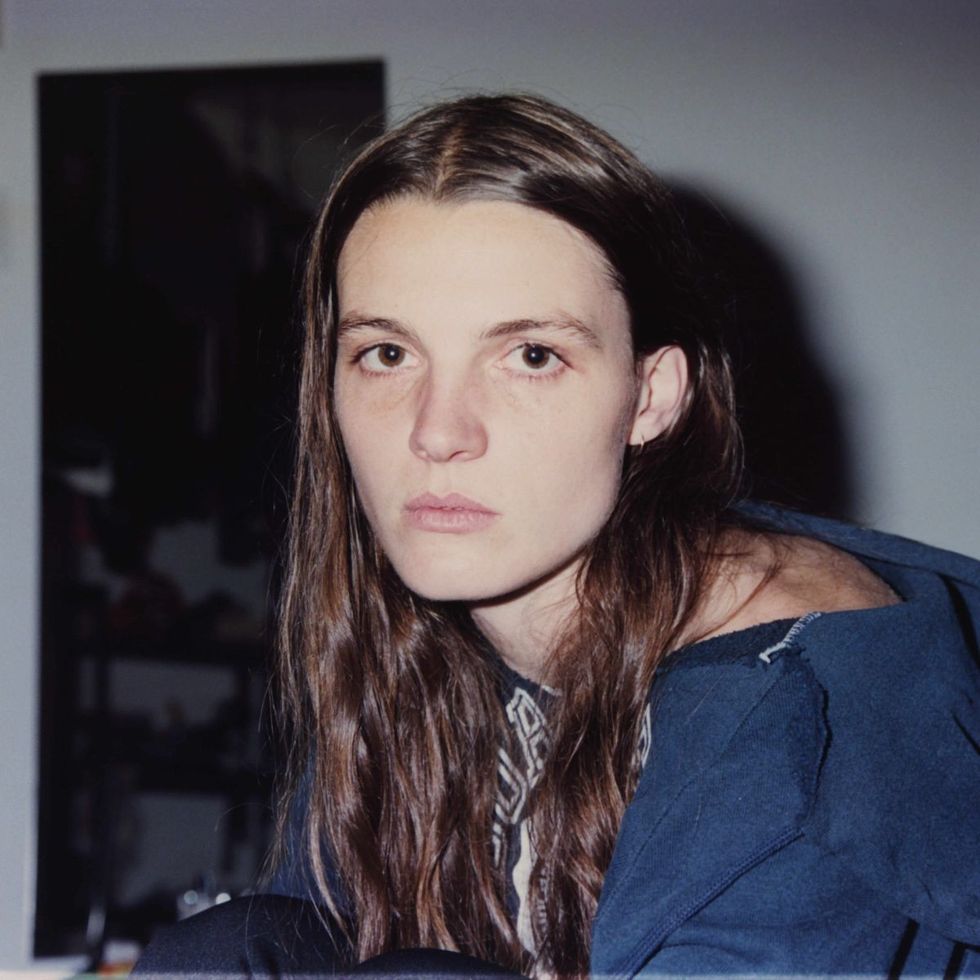
For Sophia Stel, music starts from a feeling before anything else. The Vancouver artist has created a dreamy and intimate sound, with flecks of indie rock and distorted pop. Her music feels diaristic without becoming overly explanatory, personal while still leaving enough space for listeners to find themselves inside it.

As her notoriety grows, Stel chooses to stay evasive and lets her music speak for itself. Instead, she continues to prioritize instinct, building songs, visuals, and worlds around whatever feels most exciting in the moment.

Keep ReadingShow less
Ikky

Ikky

Warner Music

Ikky

If you’ve been anywhere near Punjabi music over the last few years, you’ve already heard Ikky’s work. The Toronto-born producer, Ikwinder Singh, has been behind some of the records that pushed the sound well beyond its core audience — from Shubh’s “Baller” to his long-running collaboration with Karan Aujla across Making Memories and P-Pop Culture, along with crossover records like “Tell Me” with OneRepublic.

What’s changed over time isn’t just the scale, but where the music is landing. His records are now moving between Punjabi audiences and global pop spaces without feeling like they’ve been reworked to fit either. That comes from how he’s built his sound — rooted in Punjabi music, but shaped by growing up in Toronto, where those influences naturally overlap.

Keep ReadingShow less
Kuzi Cee

Kuzi Cee

Patrick Duong

Kuzi Cee

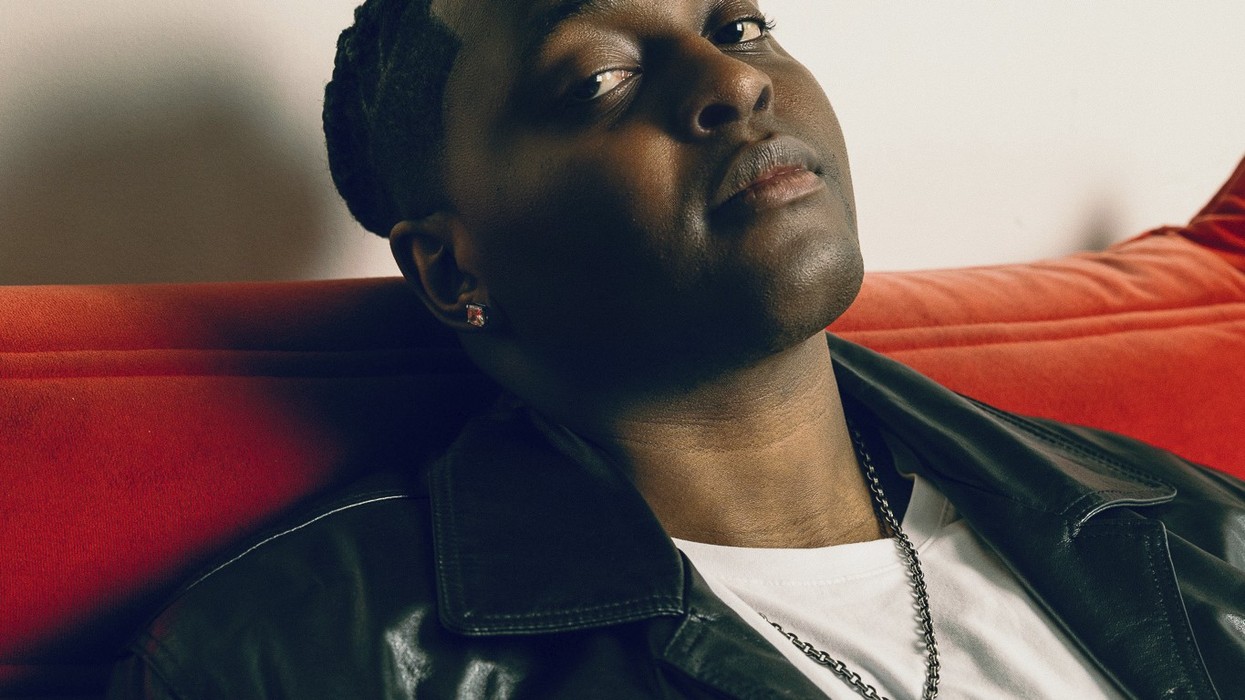
Born in Zimbabwe and raised across cities like London, New York and Toronto before eventually settling in Calgary, Kuzi Cee doesn’t come from one fixed scene—and you can hear that in the music. His approach to R&B feels shaped by movement: different cities, different influences, all landing in one place.

Over the past couple of years, he’s been building steady momentum, first catching attention online with early snippets of ‘Rather Be,’ a track that went on to pick up millions of streams and views across platforms. That moment translated offline too—festival slots, opening sets, and a growing audience that’s been following him from social media into real rooms. He’s shared stages with artists like Mario, Nelly and Ashanti, while also performing at spaces like the Calgary Stampede, slowly building a live presence to match the online buzz.

Keep ReadingShow less
Cameron Whitcomb

Cameron Whitcomb

James Baker

Cameron Whitcomb

Before the music started landing, Cameron Whitcomb was back home in Nanaimo, B.C., figuring things out as he went. His run on American Idol in 2022 put him in front of a bigger audience, but it didn’t immediately translate into a clear next step. What followed was slower — writing, releasing, and building a connection online through songs that felt direct and unfiltered.

That’s the space his 2025 album The Hard Way comes from. The project is built to play straight through — concise, intentional, and rooted in his own experiences, including addiction and recovery. It moves across folk, country and alternative, but never really settles into one, which lines up with how he approaches writing in the first place.

Keep ReadingShow less
Ruby Waters
Photographs by Lissyelle Laricchia

Ruby Waters

Ontarian singer-songwriter Ruby Waters has built momentum in a way that feels increasingly rare: through constant motion, word of mouth, and live shows that turn songs into something sweatier, louder, and less fixed than their recorded forms. While streaming and social media helped widen the audience, Waters’ music still carries the energy of someone figuring things out in real time, letting instinct outrun polish.

Her songs move easily between rock, pop, folk, and something harder to pin down, but genre rarely feels like the point. There is looseness in the writing, chaos in the delivery, and a refusal to flatten personality into something easier to package. Even as her audience has grown, Waters continues to make music that feels emotionally immediate, sometimes messy, and entirely uninterested in sanding itself down for mass approval.

Keep ReadingShow less