

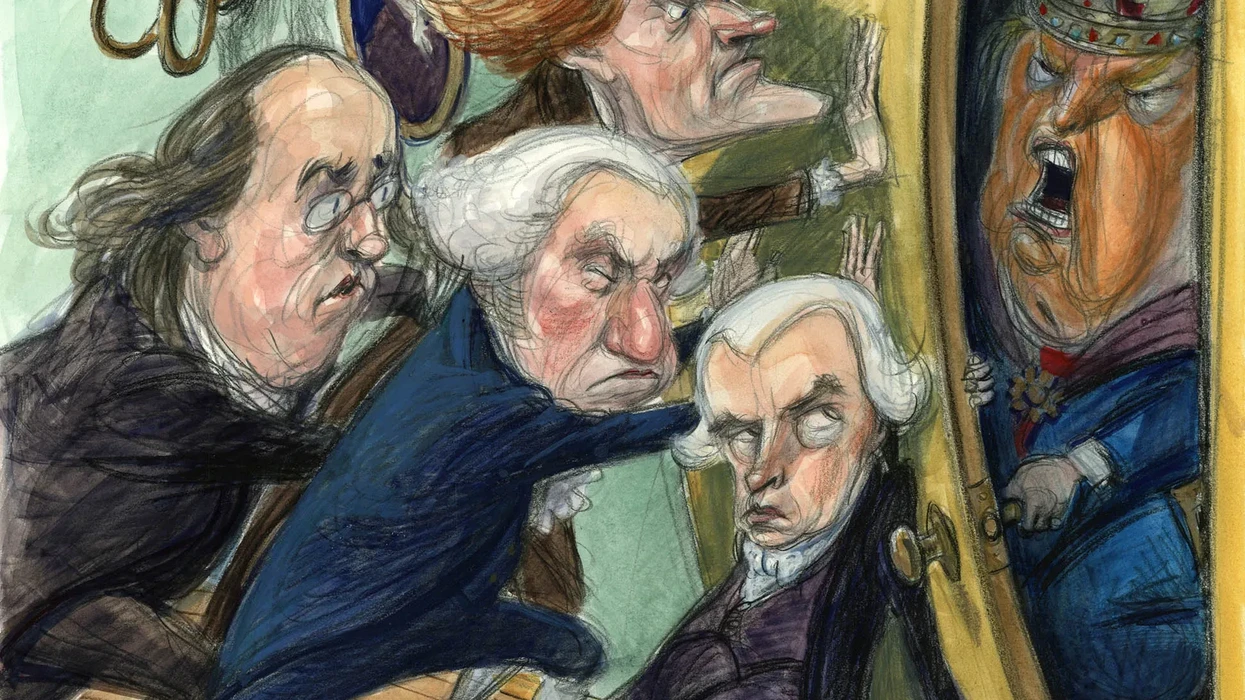
We are at war. Gas prices are climbing above $5 per gallon across much of the country. The political apparatus of the country is rife with division, infighting, and bureaucratic chaos that threatens to further upset 250 years of historical precedent.
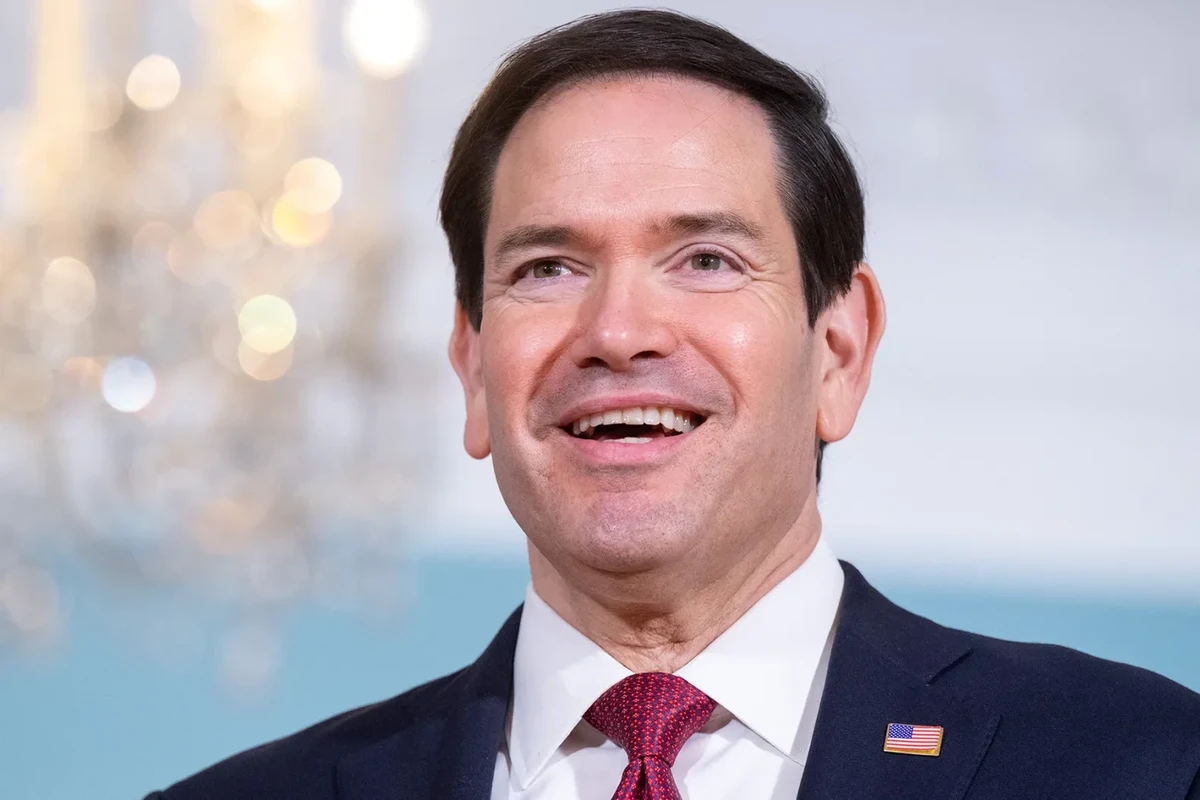
But look at Marco Rubio over there, getting his groove on. DJ at a wedding! What a lovely time.
The secretary of state was pictured this weekend behind the turntables at a family wedding queuing up Calvin Harris’ “Feel So Close” and some other bangers to a cheering crowd, first-pumping as the beat drops. “Let’s goooooo!!!” White House Deputy Chief of Staff Dan Scavino wrote on X.
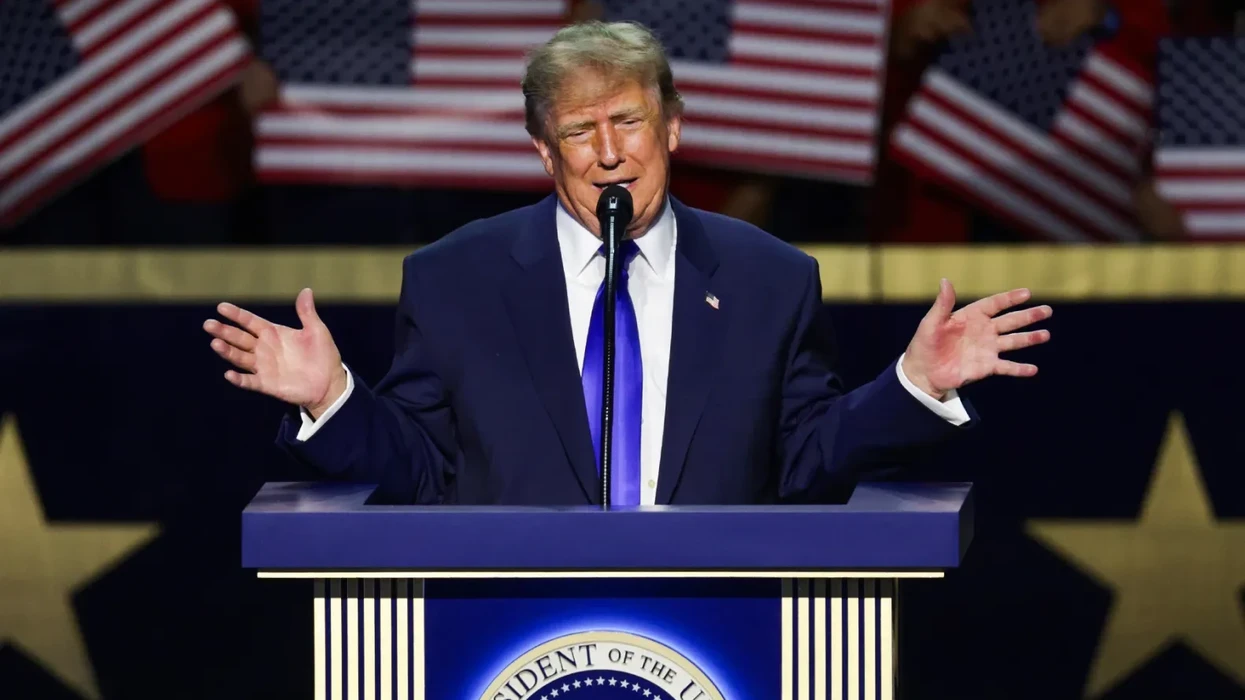
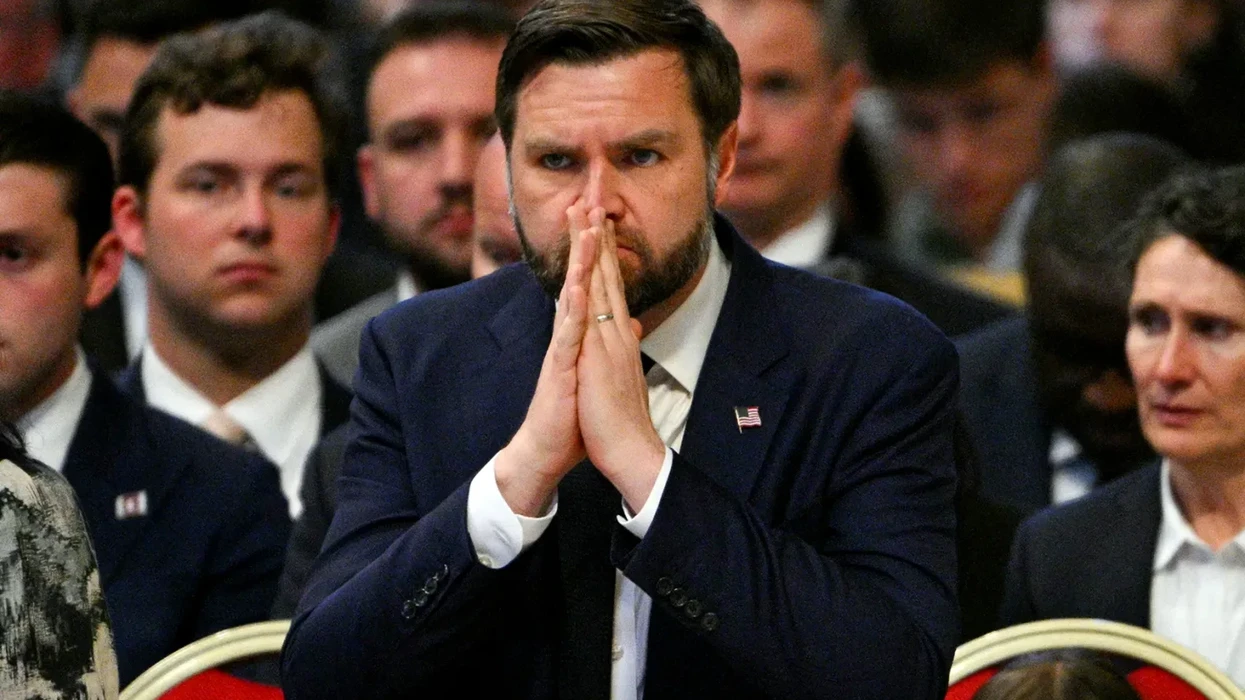
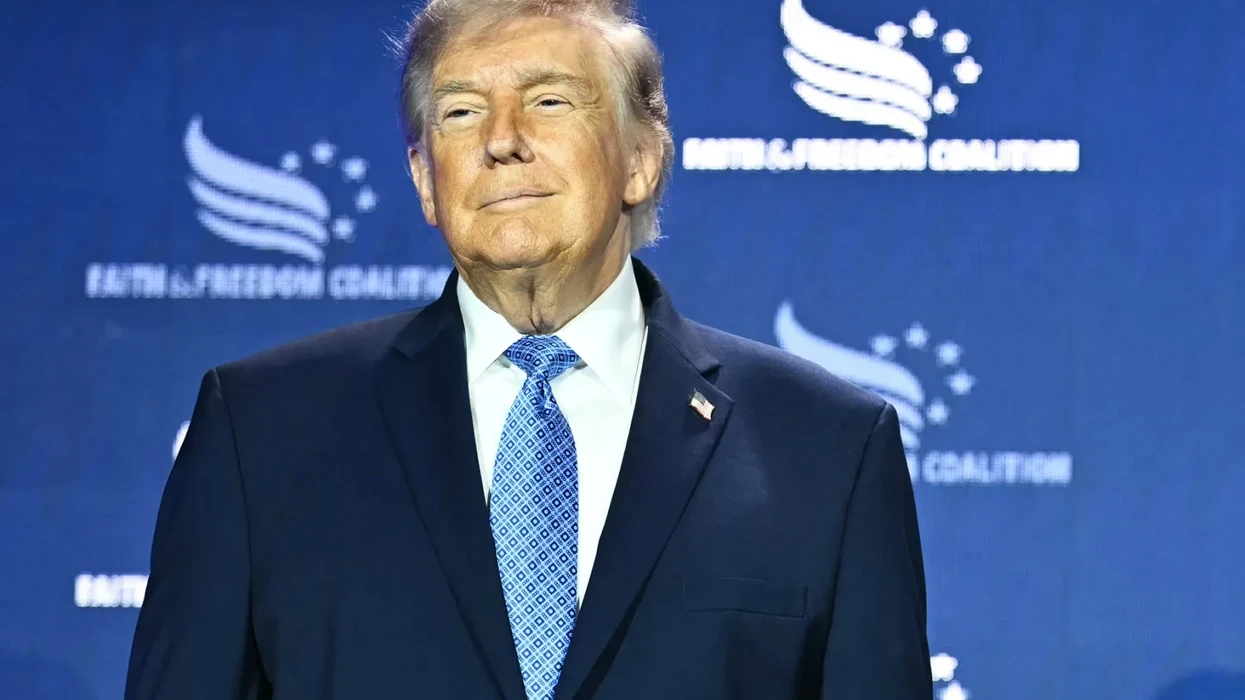
It’s a jarring contrast to the current geopolitical situation Rubio is supposedly overseeing. But hey — he’s really just following his commander’s lead. As J.D. Vance slogged through ultimately unsuccessful negotiations to end the Iran war last month, President Donald Trump took in a UFC fight. This past weekend, he was hosting a PGA tour event at his luxury Doral golf club in Florida, where, the White House was quick to point out, he took a phone call.
Political leaders partying while the world order crumbles is obviously hard to stomach. But they’re only human — even the people with the most important jobs in the world have commitments to families and deserve the chance to blow off steam. But there’s a tension between the grace we extend to these figures and the grave importance of their roles.
Getting elected president — or appointed secretary of state — is, to put it lightly, a pretty big deal. For four years, they are essentially always on the clock. The needs of the country must come first, and on some level, they must personally see to them all. It is, which is why we historically like to judge presidents harshly for taking time off.
It’s the timing, ultimately, that determines how these images play with the public. Marco Rubio isn’t going to work around the clock to find a solution to the crisis in Iran, but the sheer lack of urgency that both Trump and his administration seem to be exhibiting seems to suggest that they might not even care about finding an end to the war, no matter how economically disastrous it is for the country.
That posture is certainly a gift to their political rivals, but it’s also an indication to the American people who Trump and his underlings actually represent. It’s not you, clocking in and out at a 9-5 or working a graveyard shift at the hospital. Most of us — people with jobs — can’t help but feel a little resentful when we see the president on the golf course, or the secretary of state dancing to Calvin Harris. But the other people on the golf course? The other class of people who can afford to be on vacation, can afford to drive their boats and trucks and golf carts for pleasure when gas is above $5 a gallon? We’re not talking about the upper middle class here. We’re talking about the ones who probably don’t even know what the price of gas is, because they haven’t pumped their own in years. That’s Trump’s constituency. That’s whose behalf Rubio is negotiating on. That’s who they serve. And those people? They’re happy to play another round.
 Construction of the proposed White House ballroom seen from the Washington Monument on May 17, 2026.Graeme Sloan/Getty Images
 Donald Trump greets Vladimir Putin on Aug. 15, 2025 in Anchorage, Alaska.Andrew Harnik/Getty Images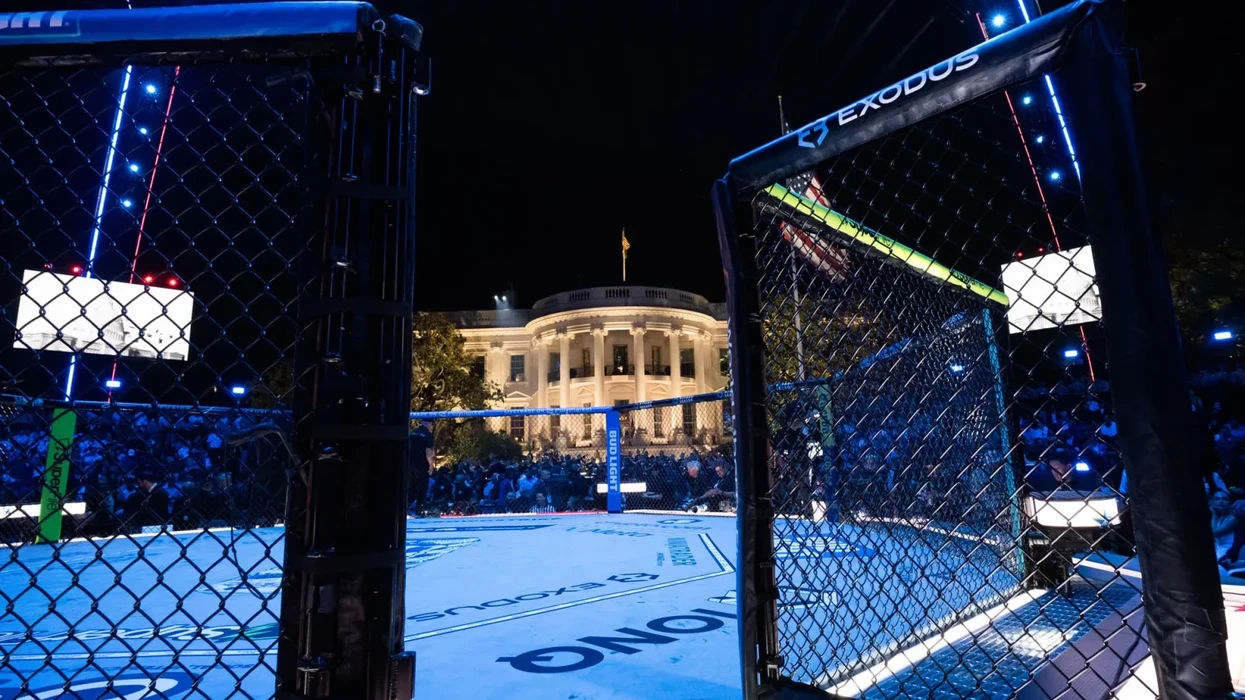
 Dana White, Mark Zuckerberg, and
 Donald Trump along with members of his family at the Sunday Night fight.
 Diego Lopes (shown) defeats Steve Garcia by KO.
 Cheryl Hines and Robert F. Kennedy Jr.
 Jim Jordan and Stephen Miller
 Some of the active members of the military who were picked to attend the fight.
 Justin Gaethje after defeating Ilia Topuria.
Trump and His Cronies Are Partying as the World Burns
The president hosted a golf tournament at his private club over the weekend, while Marco Rubio fist-pumped at a wedding while DJ'ing